What To Do When A Neighbor’s Shrubs Grow Into Your Oregon Garden
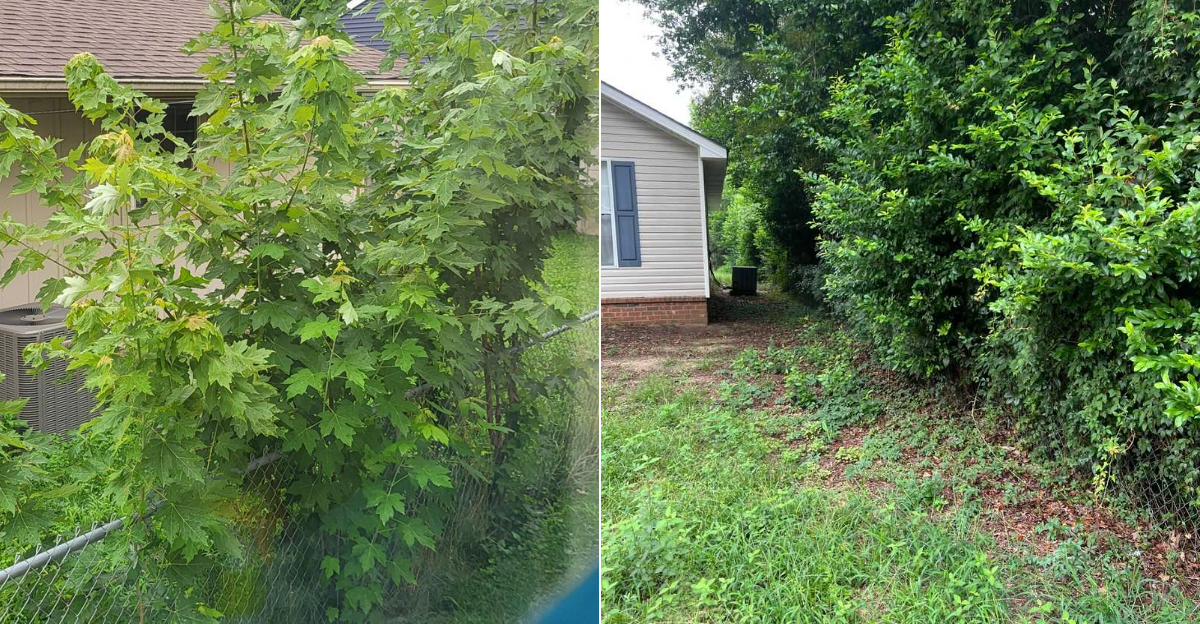
Neighbor shrubs do not always stay polite. One branch leans over the fence, then another follows, and suddenly your Oregon garden has an uninvited guest shading the tomatoes.
It can be awkward because the plant is not yours, but the mess may be landing in your space.
Overgrown shrubs can block light, crowd beds, scratch fences, or drop leaves right where you just cleaned.
Nobody wants a simple pruning issue to turn into a full neighborhood soap opera. The tricky part is knowing what you can handle yourself and what needs a friendly talk first.
Oregon yards often grow fast during wet seasons, so this kind of problem can sneak up before anyone means harm.
A calm approach can save the garden and the relationship next door. Before grabbing pruners like a hero in a yard drama, it helps to know the smartest next step.
Check Where The Property Line Actually Is
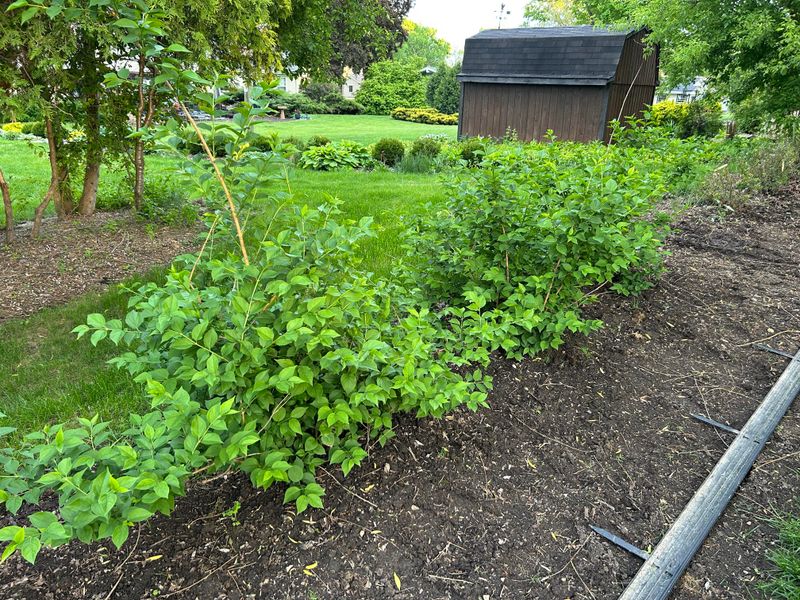
Before you do anything else, make sure you actually know where your property ends and your neighbor’s begins.
A lot of people assume they know the property line, but assumptions can lead to big mistakes. You might end up trimming plants that are technically still on their side, which could cause problems.
Property surveys are the most reliable way to find the exact boundary. You can check your county’s assessor website or contact a licensed land surveyor if you’re not sure.
Some counties in this state even offer online GIS maps that show property boundaries pretty clearly.
Look for physical markers too. Survey stakes, iron pins, or concrete monuments are often placed at corners of lots. These can sometimes get buried or covered by grass and plants over time, so dig around carefully if you think one might be nearby.
Your deed and plat map are also helpful documents to review. These are usually filed with your county recorder’s office and can give you a good picture of your property’s shape and size.
Once you know exactly where the line is, you can move forward with confidence. Skipping this step is one of the most common mistakes homeowners make, and it can turn a simple trimming job into a legal dispute. Take the time to get it right from the start.
Trim Only What Crosses Into Your Yard
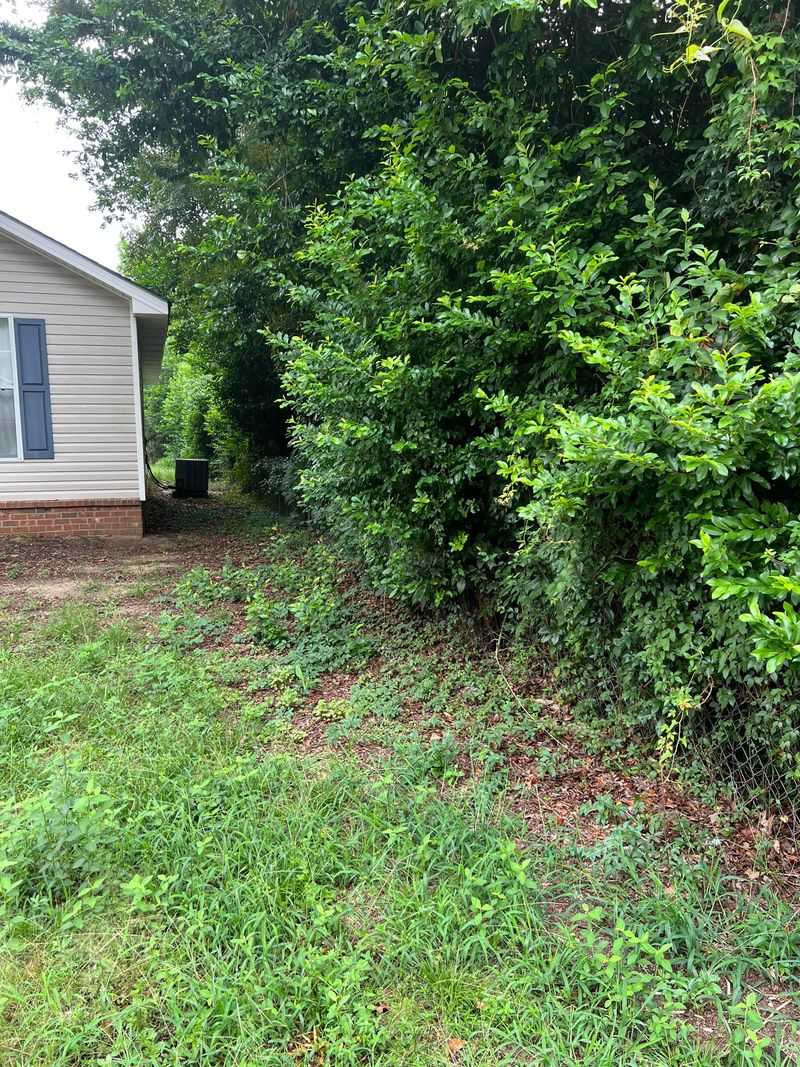
Here’s something most people don’t realize: in Oregon, you have the legal right to trim branches and roots that cross onto your property, but only up to the property line.
You cannot go onto your neighbor’s side to do any cutting. That boundary matters a lot, both legally and neighborly-speaking.
When you do trim, be thoughtful about it. Cut branches cleanly and at a natural point, like just outside a branch collar or joint.
Messy cuts can stress the plant and make it look bad, which might upset your neighbor even if you’re technically within your rights.
Don’t toss the trimmed branches over the fence or leave them in a pile near their yard. Dispose of them properly, either through yard waste pickup, composting, or a green waste drop-off site. Being considerate about cleanup shows good faith.
Your Oregon Garden Changes Every Week. Your Plan Should Too.
Gardening in Oregon changes quickly throughout the season. Every Friday you’ll receive a simple weekly plan showing exactly what to plant, prune, fertilize, harvest, and protect so you never miss the right timing.
Also, keep in mind that trimming aggressively on your side could cause serious damage to the whole shrub.
Even though the plant is rooted on their property, you could still be held responsible if your trimming causes it significant harm. A good rule of thumb is to trim only what’s truly bothering you and to do it carefully.
Less is often more when it comes to boundary pruning, and a measured approach keeps everyone happy and the plants healthy.
Never Step Onto Their Property Without Permission
No matter how annoying the situation gets, crossing onto your neighbor’s property without their permission is a bad idea.
It’s considered trespassing, and even if you only meant to do a little trimming, it can create serious legal and social problems. Always stay on your side of the line.
If you need to do work that requires access to their yard, the right move is to ask. Knock on their door, explain the situation calmly, and see if they’re open to letting you come over or having them handle it themselves.
Most neighbors are reasonable when you approach them with respect. It’s also smart to have this kind of conversation before things get out of hand.
Waiting until branches are blocking your whole garden or roots are tearing up your walkway makes the talk feel more urgent and tense. A friendly heads-up early on is much easier for everyone involved.
If your neighbor refuses access and the problem is serious, that’s when you might need to look into other options like mediation or local code enforcement.
But those are last resorts. Starting with a polite, neighborly conversation almost always goes better than people expect.
People generally don’t want conflict either, and giving them a chance to respond kindly often leads to a quick and easy solution. Be patient and stay respectful throughout the whole process.
Prune Carefully So You Don’t Damage The Shrub
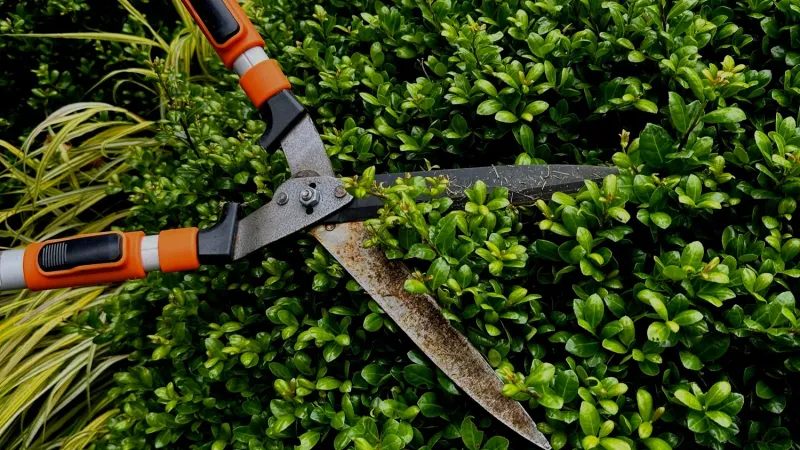
Pruning might seem simple, but doing it wrong can cause real harm to a shrub, and that harm can reflect back on you.
Even when you’re cutting on your side of the property line, you’re still affecting a living plant that belongs to your neighbor. Being careless can damage it in ways that are hard to undo.
Use sharp, clean tools. Dull blades crush stems instead of cutting them cleanly, which opens the plant up to disease and rot.
Bypass pruning shears are usually the best choice for smaller branches, while a pruning saw or loppers work better for thicker growth.
Wipe your blades with rubbing alcohol before you start to avoid spreading plant diseases. Cut at the right spot.
Look for where a branch meets another branch or the main stem, and cut just outside that joint. Avoid leaving long stubs, because those tend to rot and invite pests.
Proper cuts heal faster and look more natural. Timing matters too. Late winter or early spring, before new growth starts, is usually the best time to prune most shrubs in this state.
Cutting during active growth or late in the season can stress the plant more than necessary.
If you’re unsure about the type of shrub you’re dealing with, a quick online search or a call to your local OSU Extension office can give you species-specific advice. Take your time and prune with purpose.
Watch Out For Hedges Blocking Sunlight Or Garden Access
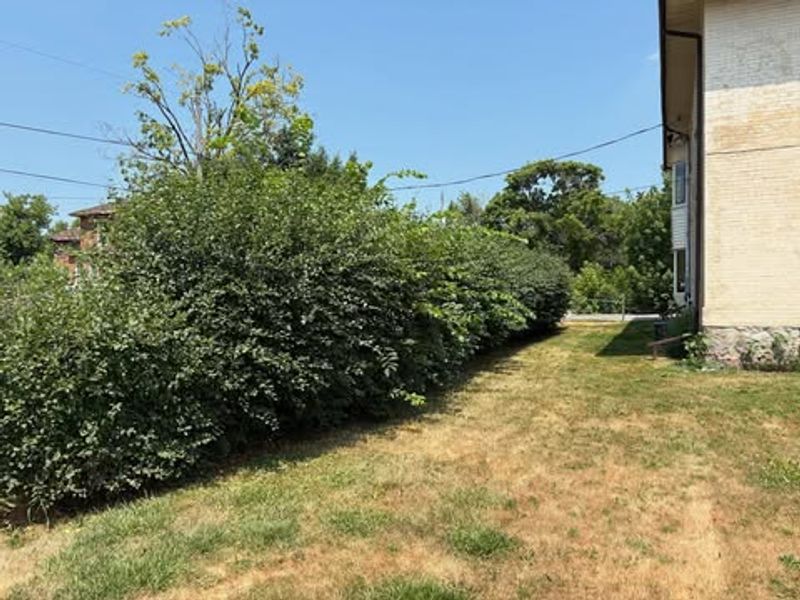
Overgrown shrubs don’t just look messy. When they get tall enough, they can block sunlight from reaching your garden beds, and that’s a real problem for vegetables, flowers, and other sun-loving plants.
Shade from a neighbor’s hedge can quietly ruin a garden over time without you even noticing at first.
Pay attention to where the shadows fall throughout the day. Morning sun and afternoon sun matter differently depending on what you’re growing.
If a hedge is cutting off several hours of direct light, your plants will show it through slow growth, yellowing leaves, or poor flowering and fruiting.
Blocked access is another issue. If a shrub is growing so wide that you can’t reach parts of your garden to water, weed, or harvest, that’s a practical problem that needs to be addressed.
You shouldn’t have to fight through branches just to take care of your own yard. Document what’s happening with photos and notes.
If the shade or access issue is severe, this documentation can be useful if you need to talk to your neighbor or bring the matter to local authorities.
Many municipalities have rules about hedges and fences that limit how tall or wide they can grow near property lines.
Check with your city or county planning office to see what applies in your area. Knowing the rules gives you a solid foundation for any conversation you need to have.
Keep Notes If The Shrubs Are Causing Real Damage
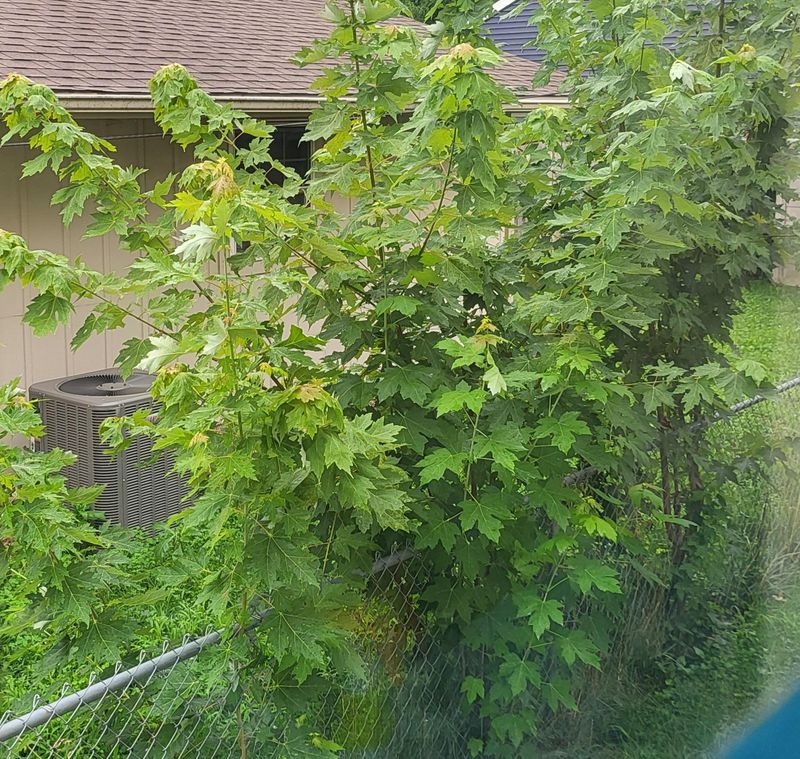
Sometimes shrubs do more than just look out of place. Roots can crack pavement, invade irrigation lines, or choke out your garden plants underground. Branches can fall and damage structures.
When that kind of thing starts happening, it’s no longer just a landscaping annoyance. It becomes a property damage issue.
Start keeping a simple log. Write down dates, describe what you observed, and take photos whenever you notice new damage.
This kind of record is really valuable if you ever need to talk to your neighbor seriously, file a complaint with the city, or consult with a lawyer. Having clear documentation makes your case much stronger.
Photos are especially useful. Take wide shots to show the overall situation and close-ups to show specific damage.
Include something in the frame for scale, like a ruler or a common object, so the damage is easy to understand at a glance.
Keep your notes organized in a folder, either physical or digital. Include copies of any written communication you’ve had with your neighbor about the issue.
If things ever escalate, having a clean paper trail shows that you handled the situation responsibly and gave your neighbor fair warning.
Most disputes never reach that point, but being prepared is always smart. It also helps you stay calm and focused instead of reacting emotionally when the situation feels overwhelming. Good records are your best tool in any neighbor dispute.
Check Local Rules For Nuisance Or Invasive Plants
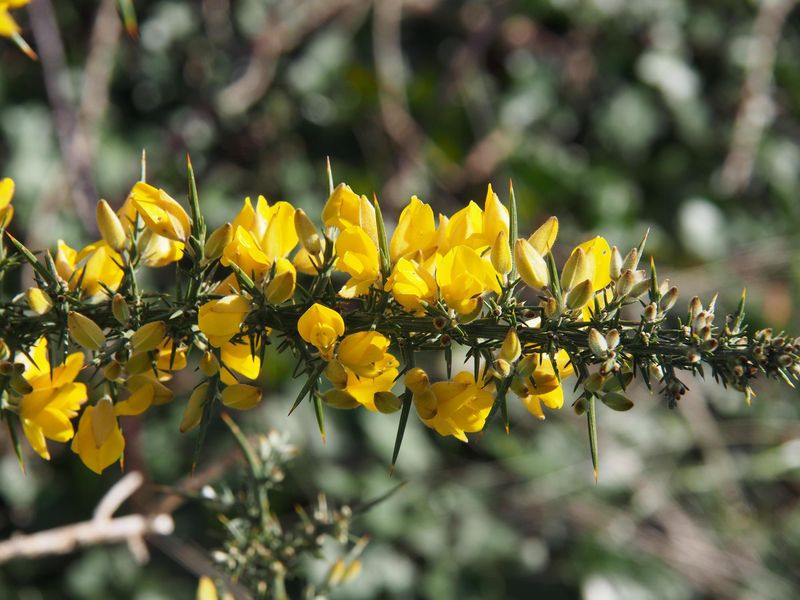
Not all shrubs are treated the same under the law. Some plants are considered invasive species in this state, and local governments have rules about how they must be managed or removed.
If your neighbor’s shrubs fall into that category, you may have more options than you think.
English ivy, Himalayan blackberry, and butterfly bush are just a few examples of plants that are on invasive species lists in many parts of this region.
These plants can spread aggressively, crowd out native plants, and cause environmental harm. Many counties have ordinances requiring property owners to control or remove these species.
Check with your local county extension office, city planning department, or parks and recreation department to find out what plants are regulated in your area.
The Oregon Invasive Species Council also has helpful resources online. Knowing whether a plant is on a watch list or control list gives you a clearer path forward.
If the shrubs qualify as a nuisance under local code, you may be able to file a complaint with code enforcement.
This is a more formal step, but sometimes it’s the most effective one when a neighbor isn’t responding to friendly conversations. Code officers can require the property owner to take action within a set timeframe.
Always try the neighborly approach first, but know that official channels exist and are there for situations exactly like this one. You don’t have to feel stuck.
Know When It’s Time To Bring In A Pro
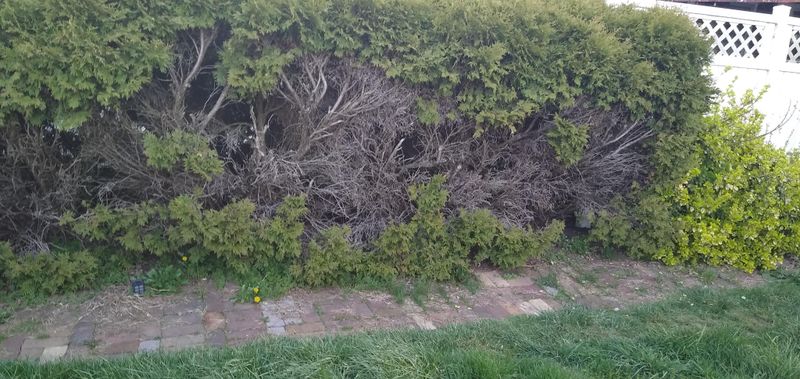
There are moments when the situation is just too complicated to handle on your own. Maybe the shrubs are enormous and require heavy equipment to manage safely. Maybe your neighbor is unresponsive and the damage is getting worse.
Or maybe you’re just not sure what your legal rights actually are in your specific situation. That’s when calling in a professional makes a lot of sense.
A certified arborist can assess the shrubs, tell you what species they are, explain how they’re likely to behave, and recommend safe pruning or removal options.
They can also document the situation professionally, which is helpful if legal action ever becomes necessary. Many arborists in this state are familiar with boundary plant disputes and can give practical, experienced advice.
A real estate attorney or a mediator who specializes in neighbor disputes can also be a great resource.
Mediation in particular is often faster, cheaper, and less stressful than going to court. Many cities in this state offer free or low-cost mediation services through community dispute resolution centers.
Don’t wait until things become a full-blown conflict before reaching out. Getting professional advice early can actually save you time, money, and stress in the long run.
Whether it’s a legal question, a safety concern, or just a really stubborn shrub, there are qualified people ready to help you find a solution that works for everyone involved. Asking for help is always a smart move.