These Native Oregon Groundcovers Outperform Mulch Along Fence Lines All Year
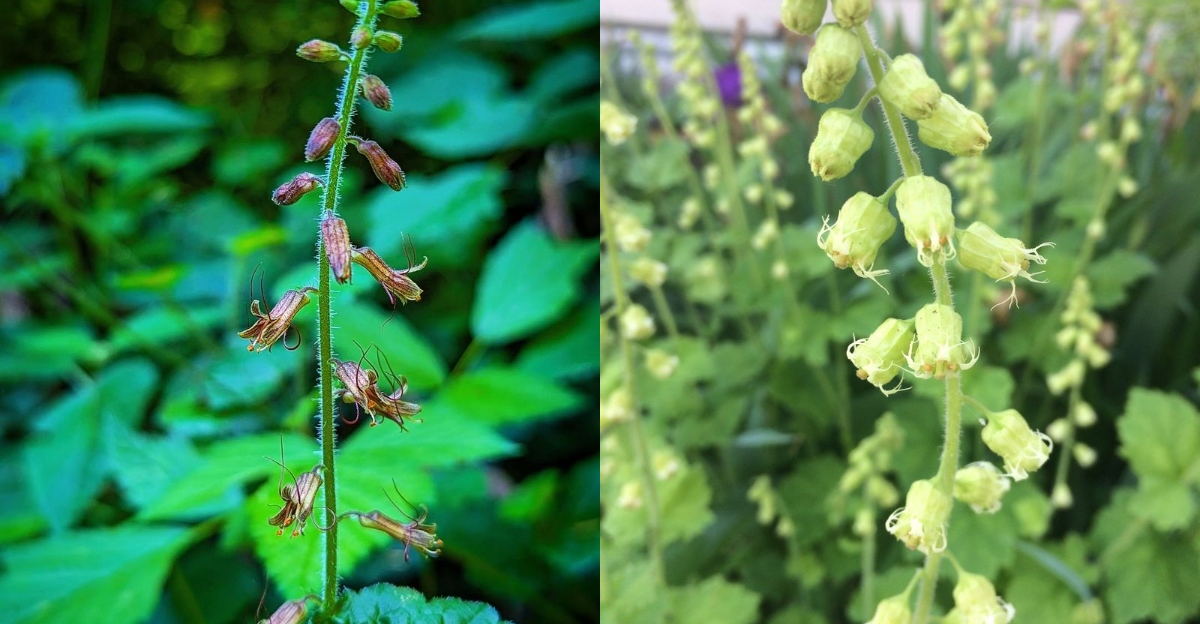
Fence lines can be awkward spots to keep clean in an Oregon yard. Mulch helps for a while, but rain, wind, and curious birds can move it around until bare soil shows again.
That is when weeds sneak in and start making themselves at home. Native groundcovers can do a better job because they grow into living coverage that holds the space all year.
They help soften hard fence edges, protect soil, and make narrow strips look more natural. Many also bring seasonal flowers or fresh green leaves without needing constant attention.
That is a big win for a spot most people do not want to fuss over. Oregon gardeners can use these low plants to turn forgotten fence lines into neat, useful garden edges. A living carpet looks better than scattered mulch and works harder behind the scenes.
1. Bunchberry Turns Shady Fence Lines Into A Woodland Carpet
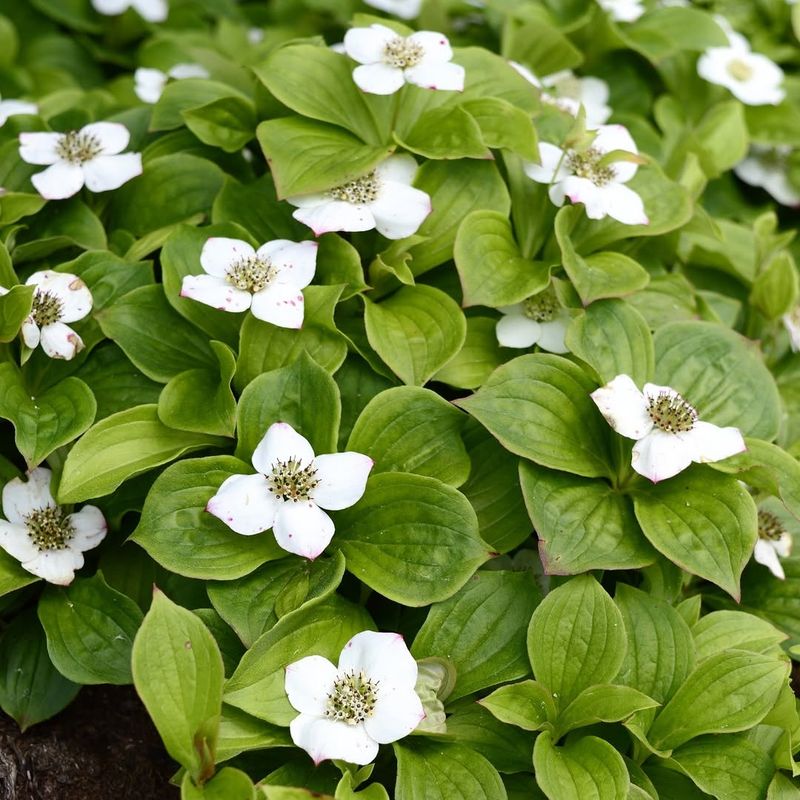
Few plants can turn a dark, forgotten fence line into something that looks straight out of a forest floor quite like Bunchberry.
Known scientifically as Cornus canadensis, this low-growing native spreads slowly but steadily into a lush, weed-blocking carpet. It thrives in cool, shaded spots where most other plants struggle to survive.
Bunchberry grows only about four to six inches tall, which makes it perfect for tight spaces along fences. In late spring, it produces small white flowers that look like tiny dogwood blooms.
By late summer, clusters of bright red berries appear, adding a pop of color that looks stunning against dark fence boards or weathered wood.
Birds love the berries, so planting Bunchberry also brings wildlife right to your yard. The leaves turn a rich red in fall, giving the fence line seasonal interest even as other plants fade.
It prefers moist, acidic soil with plenty of organic matter, which matches the conditions found naturally in forests across this state.
To get it started, plant divisions or nursery-grown plugs in early spring or fall. Keep the soil consistently moist during the first growing season.
Once established, Bunchberry handles dry spells better and spreads on its own through underground rhizomes.
Compared to mulch, it never washes away, never needs replacing, and actually improves over time.
2. Twinflower Creeps Softly Along Cool, Moist Edges
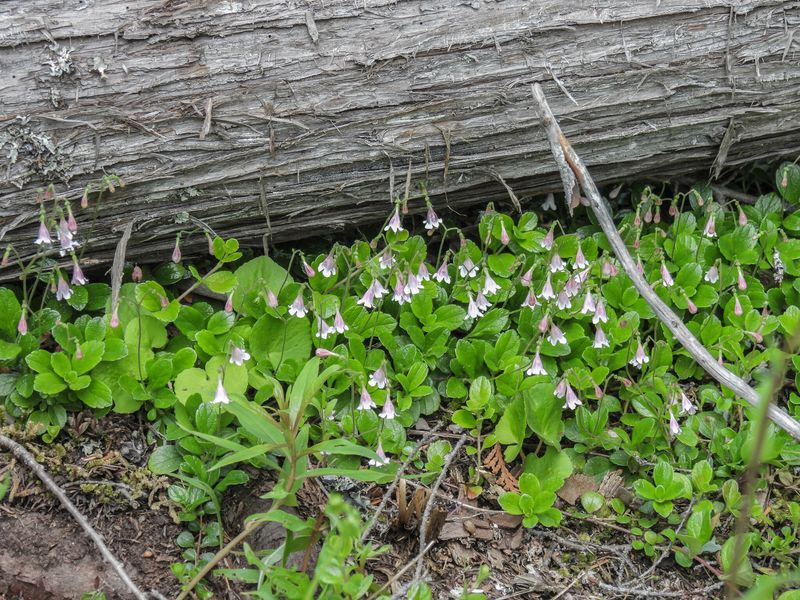
There is something quietly magical about Twinflower. It creeps along the ground on thin, wiry stems, sending up pairs of tiny pink bell-shaped flowers that smell faintly sweet on warm afternoons.
Named after the famous botanist Carl Linnaeus, who reportedly loved this plant above all others, Twinflower has a long and charming history in woodland gardens.
Linnaea borealis stays very low, rarely reaching more than three inches tall. It spreads gradually along fence edges, filling in gaps without ever becoming aggressive or invasive.
The small, rounded evergreen leaves stay green through winter in many parts of this state, which means your fence line keeps its neat, finished look all year long.
Cool, moist, and shaded conditions are where Twinflower truly shines. It performs beautifully under the drip line of trees or along the north-facing side of a fence where little else wants to grow.
Your Oregon Garden Changes Every Week. Your Plan Should Too.
Gardening in Oregon changes quickly throughout the season. Every Friday you’ll receive a simple weekly plan showing exactly what to plant, prune, fertilize, harvest, and protect so you never miss the right timing.
The soil should be rich in organic matter and slightly acidic, similar to what you would find in a natural forest setting.
Planting is best done in spring using nursery starts or divisions from established plants. Water regularly through the first summer.
After that, Twinflower asks for very little. No mulching, no annual replanting, and no messy cleanup in the fall.
The plant handles all of that on its own, making it one of the most low-effort fence line solutions available.
3. Threeleaf Foamflower Keeps Shade Borders Looking Full
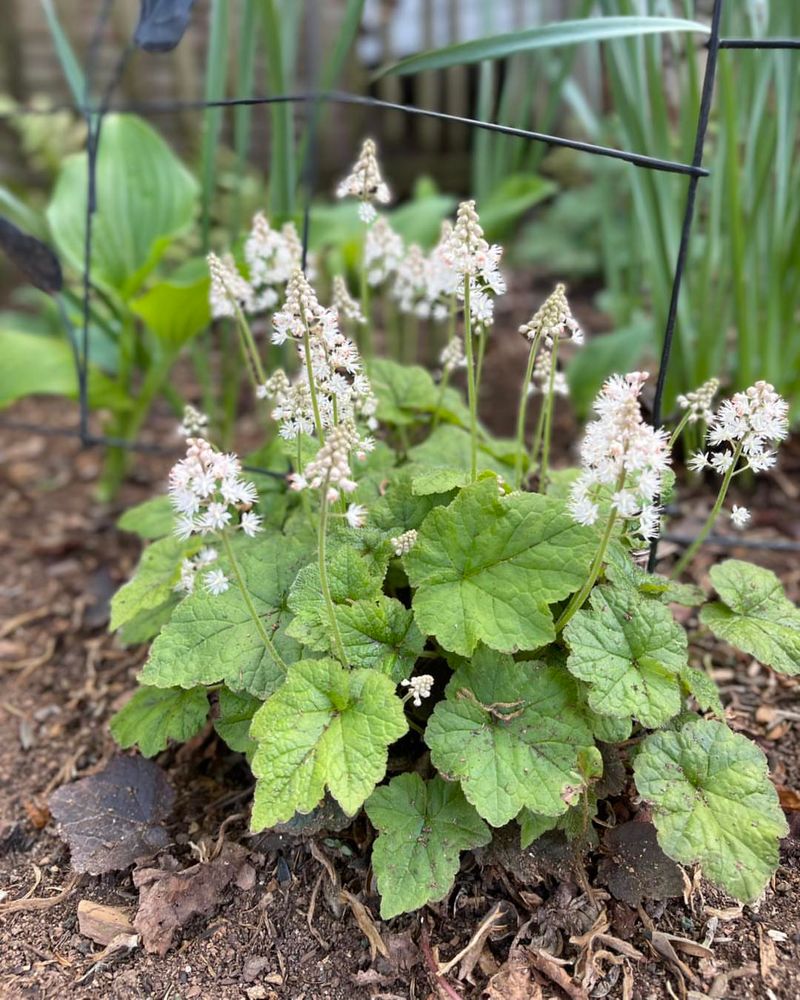
Walk past a fence line planted with Threeleaf Foamflower in late spring, and you will notice the airy white flower spikes rising above the foliage like tiny fountains.
Tiarella trifoliata is one of the most reliable native groundcovers for shaded borders in this state.
It fills in quickly, looks polished, and handles the kind of deep shade that turns mulch into a slimy, mossy mess.
The leaves are deeply lobed and attractive all on their own, even when the plant is not in bloom.
In fall, the foliage often picks up reddish tones that add warmth to the fence line just as the rest of the garden winds down.
The plant grows in clumps that spread slowly outward, creating a full, lush look without crowding out neighboring plants.
Foamflower prefers moist, well-drained soil with a good amount of organic matter mixed in.
It handles both deep shade and dappled light, making it flexible enough for most fence orientations. Unlike mulch, it does not compact, shift, or need refreshing each spring.
Plant starts or divisions in fall or early spring for best results. Give each plant about twelve inches of space to spread. Keep the soil moist during establishment, and then step back and let it do its thing.
Pollinators visit the flowers regularly, and the dense leaf cover suppresses weeds so effectively that you may forget what a bare fence line even looks like.
4. Stream Violet Brings Low Color To Damp Fence Lines
Muddy, soggy fence lines are a real headache for most gardeners. Mulch floats away, bare soil erodes, and weeds move in fast.
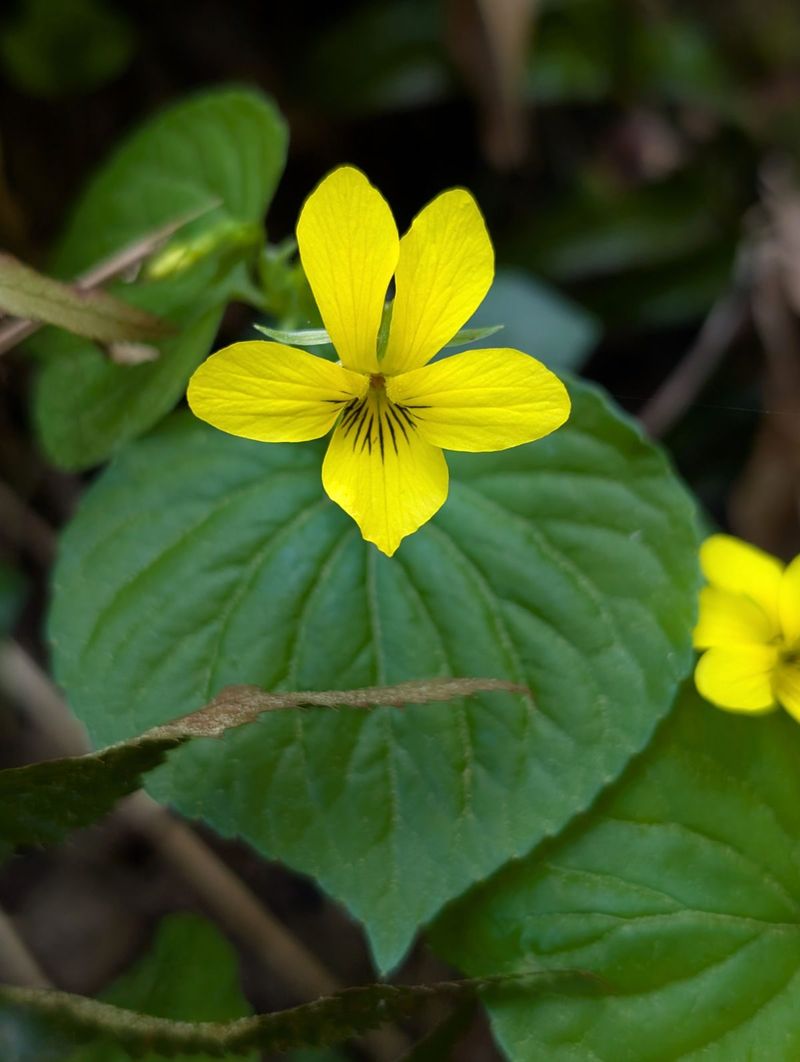
Stream Violet, or Viola glabella, was practically built for exactly these conditions. It thrives in damp, shaded spots and produces cheerful yellow flowers in early spring that brighten up even the gloomiest corner of the yard.
The heart-shaped leaves are bright green and stay attractive well into summer, long after the flowers have faded. The plant grows about six to twelve inches tall and spreads through self-seeding and short rhizomes.
Over a few seasons, it forms a dense, low colony that crowds out weeds and holds soil in place along fence lines that get regular runoff or stay consistently wet.
Stream Violet works especially well near downspouts, low spots, or fence lines that border ditches or drainage areas.
It pairs naturally with other moisture-loving natives like Pacific Waterleaf and Foamflower, creating a layered look that feels intentional and well-designed.
Starting from nursery transplants is the easiest approach, though direct seeding in fall also works well. Once established, Stream Violet self-seeds reliably, filling in gaps on its own each year.
The flowers attract early-season pollinators, including native bees that emerge before most other plants have bloomed.
Compared to a bare or mulched fence line, a patch of Stream Violet feels alive, colorful, and genuinely connected to the natural landscape of this region.
5. Vanilla Leaf Makes Bare Soil Look Intentional
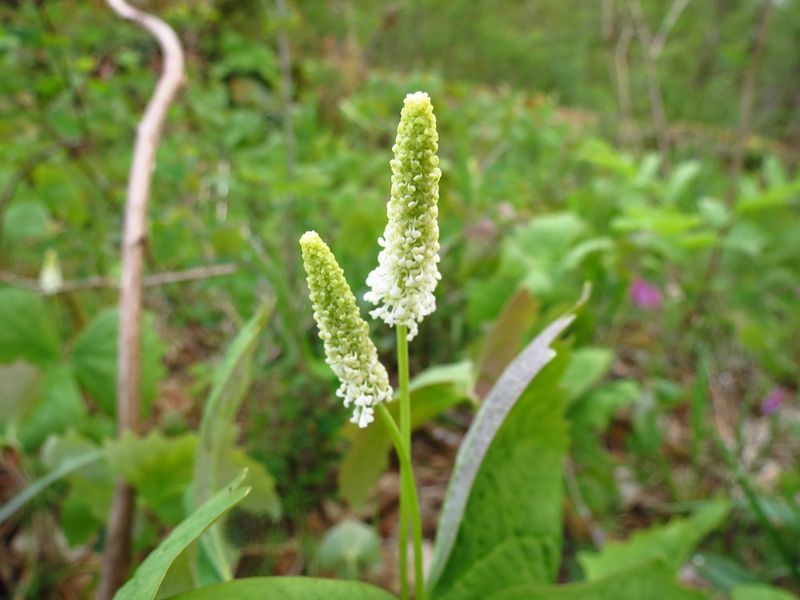
Some plants just have a way of making bare, awkward soil look like it belongs there. Vanilla Leaf, known botanically as Achlys triphylla, is one of those plants.
The large, fan-shaped leaves emerge in spring with a fresh, bright green color that fills in fence lines quickly and completely.
When the leaves dry, they release a sweet vanilla scent, which is how this plant got its memorable name.
Native to forests throughout this state and into northern regions, Vanilla Leaf grows naturally in deep shade under conifers. It spreads through underground rhizomes, forming dense colonies that make bare soil practically disappear.
The slender white flower spikes appear in late spring and add a delicate vertical element above the broad leaves.
This plant is a strong choice for fence lines that run along the north side of a building or under heavy tree canopy where almost nothing else thrives.
It tolerates dry shade better than many other native groundcovers once it is fully established, which makes it useful in spots where irrigation is limited.
Plant rhizome divisions in early spring or fall, spacing them about eighteen inches apart. Water well through the first summer.
After that, Vanilla Leaf is largely self-sufficient. The broad leaves act as a living mulch, keeping moisture in the soil and blocking light from reaching weed seeds below.
It is one of the most visually striking groundcovers available for shaded fence lines in our region.
6. Pacific Waterleaf Fills In Where Weeds Usually Win
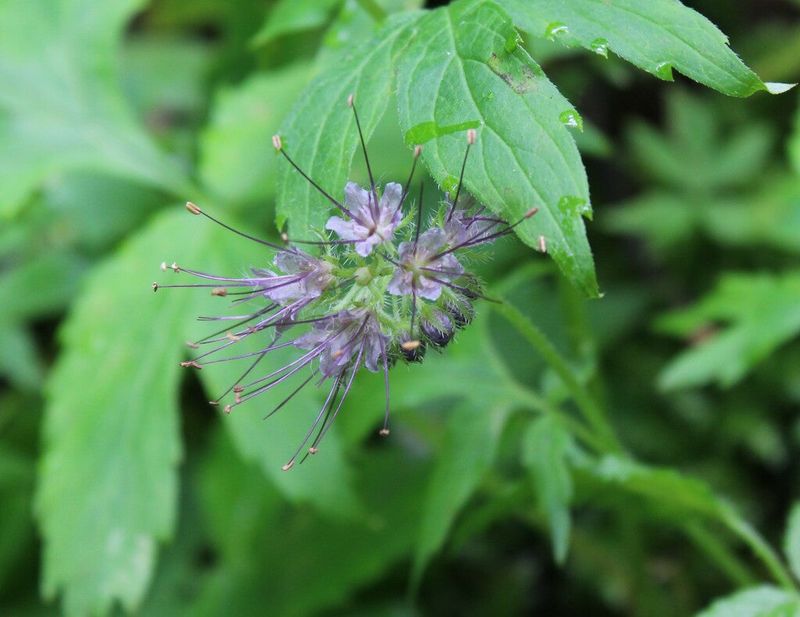
Weeds are relentless along fence lines. They squeeze into every gap, grow fast, and come back no matter how often you pull them.
Pacific Waterleaf, or Hydrophyllum tenuipes, fights back by doing what weeds do best: spreading quickly and covering ground before anything else gets the chance. The difference is that this plant is actually beautiful.
The deeply lobed leaves are large and lush, creating a thick canopy close to the ground that blocks sunlight from reaching weed seeds. In late spring, clusters of small lavender to white flowers appear above the foliage, attracting native bees and other pollinators.
The whole plant has a soft, slightly tropical look that feels right at home in a shaded Pacific Northwest fence line.
Pacific Waterleaf loves moist, rich soil and performs best in partial to full shade. It spreads through both rhizomes and self-seeding, which means it fills in gaps naturally over time without much help from you.
In areas with consistent moisture, it can cover a surprisingly large stretch of fence line within two to three growing seasons.
Start with nursery transplants spaced about a foot apart. Water regularly through the first season.
After establishment, the plant handles most conditions on its own. It dies back in winter but returns reliably each spring, often spreading further than the year before.
For fence lines where weeds feel impossible to manage, Pacific Waterleaf offers a practical, attractive, and completely native solution that mulch simply cannot match.
7. Fringecup Adds Soft Texture Along Shady Fences
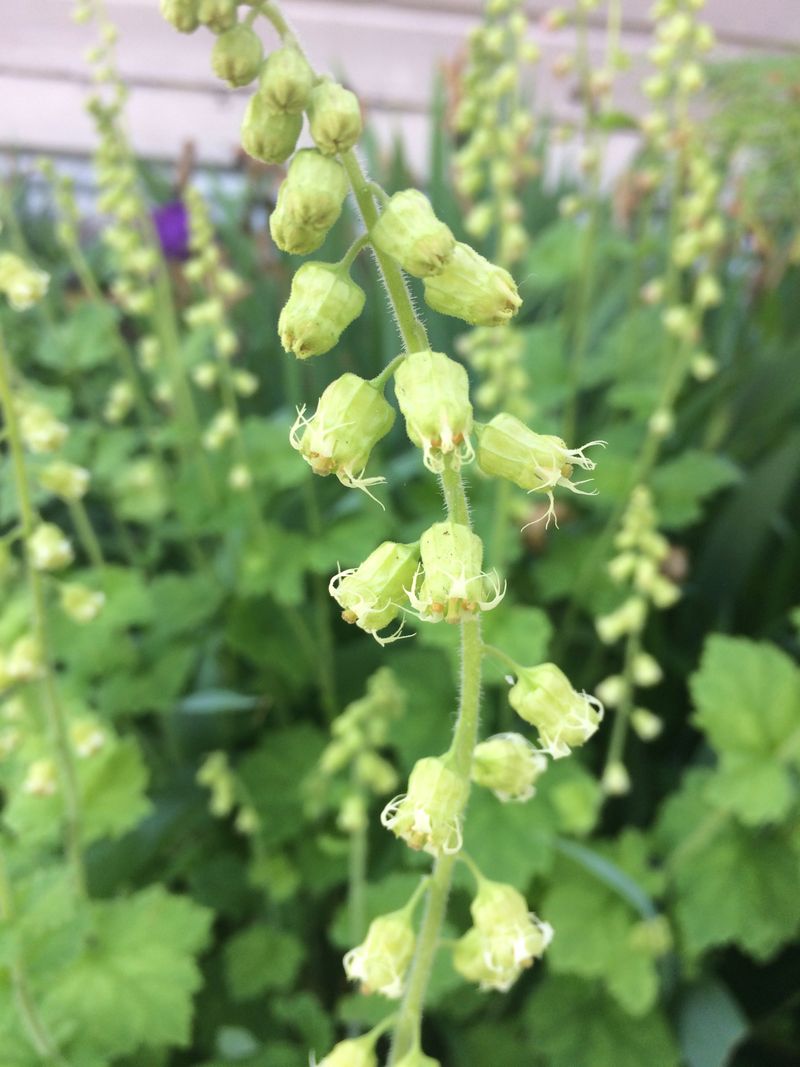
Not every fence line needs a bold, spreading groundcover. Sometimes a plant with soft texture and quiet elegance is exactly what a shaded border needs. Fringecup, or Tellima grandiflora, brings exactly that kind of understated charm.
The scalloped, heart-shaped leaves form low rosettes that stay attractive from early spring through late fall, and the tall flower spikes add vertical interest without taking over the space.
The flowers themselves are small and fringed, opening greenish-white and fading to pink as the season progresses.
They appear on stems that can reach two feet tall, rising above the basal foliage in a way that feels airy and natural.
Hummingbirds and native bees visit the flowers regularly, which adds life and movement to an otherwise quiet fence line.
Fringecup grows well in moist to moderately dry shade, making it more adaptable than many other native groundcovers. It tolerates a range of soil types as long as drainage is reasonable.
The plant self-seeds modestly, filling in gaps over time without becoming a nuisance. In fact, the self-seeding habit is part of what makes it so useful along fence lines that have uneven or irregular shapes.
Plant nursery starts in fall or early spring, spacing them about twelve to fifteen inches apart. Fringecup establishes quickly and requires very little attention after the first season.
The evergreen leaves hold their color through mild winters, keeping the fence line looking tidy even when the rest of the garden is resting. It is a quiet workhorse that earns its place every single year.
8. Piggyback Plant Covers Moist Corners With Lush Green
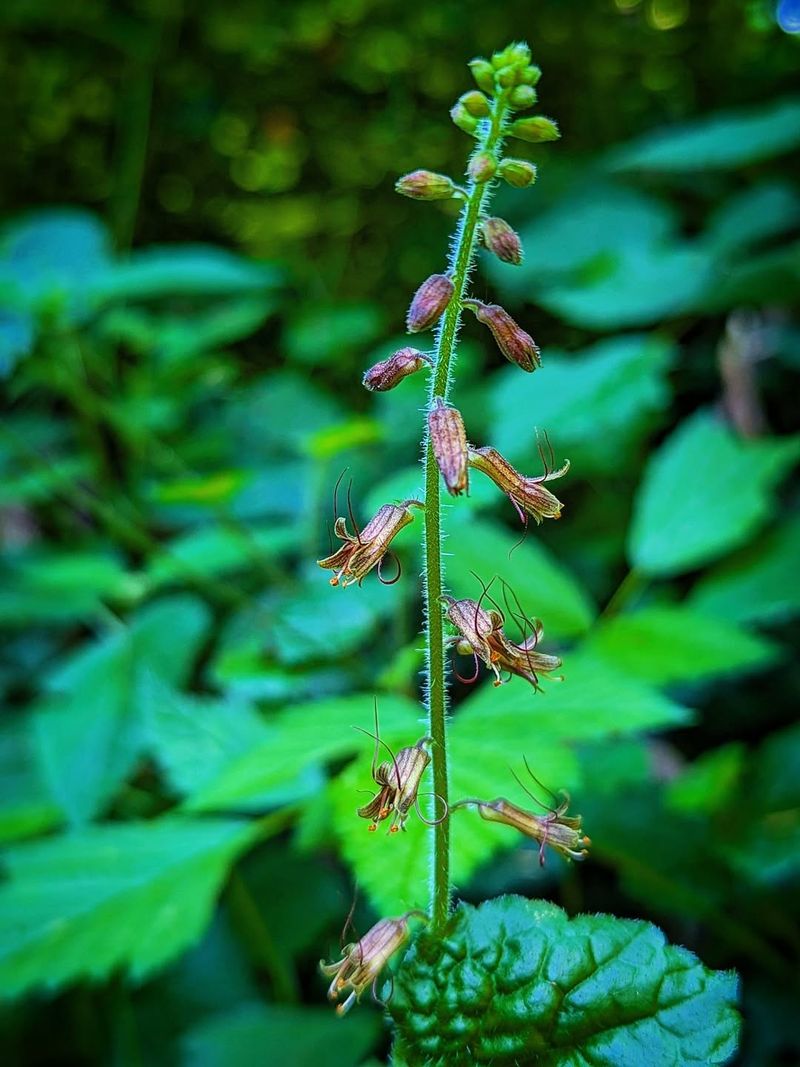
Here is a fun fact: Piggyback Plant gets its quirky name from the tiny plantlets that sprout right on top of the parent leaves, hitching a ride until they are ready to root on their own.
Tolmiea menziesii is one of the most recognizable native groundcovers in this state, and it is absolutely perfect for moist, shaded fence line corners that stay damp most of the year.
The large, bright green leaves are deeply lobed and slightly hairy, giving the plant a bold, lush texture that stands out against wood fencing. It grows quickly in the right conditions, forming dense mats that smother weeds and hold soil in place with ease.
In late spring, slender flower spikes rise above the foliage, carrying small reddish-brown blooms that are subtle but charming.
Piggyback Plant thrives in consistently moist soil with good organic content and partial to full shade.
It handles standing moisture better than most groundcovers, which makes it ideal for fence corners near downspouts, rain gardens, or low-lying areas that collect water after heavy rainfall.
Planting is straightforward using nursery starts or by rooting the natural plantlets that form on mature leaves. Space plants about twelve inches apart and keep the soil moist through the first growing season.
Once established, Piggyback Plant spreads reliably on its own. It stays green through most of our mild winters, giving fence line corners a full, finished appearance even during the coldest months of the year.