Indiana Gardeners Are Replacing Liriope With These Native Ground Covers
Liriope looks neat along a walkway, until you realize it’s doing absolutely nothing for Indiana’s ecosystem.
Pollinators ignore it. Birds pass it by. Creeping liriope has been observed spreading into natural areas in Indiana, quietly edging out plants that actually belong here.
Indiana gardeners are catching on. Native ground covers have started replacing liriope in yards across the state, and the difference is hard to ignore.
These plants pull double duty: they look great and they work hard, feeding bees, sheltering insects, and holding soil in place without any hand-holding from you.
The best part? Indiana has no shortage of options. Some hug the ground in deep shade. Others sway in a breeze along a sunny border. A few stay green through winters that would knock out most ornamentals.
These natives deserve a spot in every Indiana yard.
1. Wild Ginger
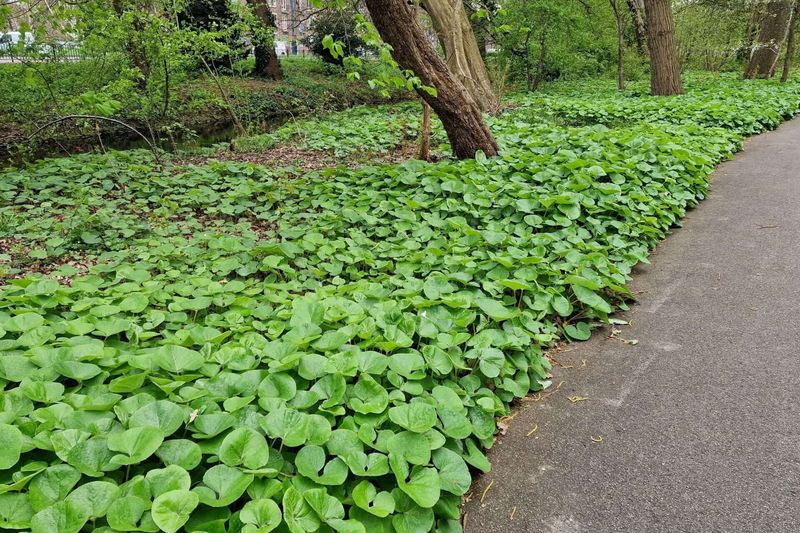
Forget everything you know about ordinary ground covers. Wild ginger brings something rare to the shade garden: deep, velvety, heart-shaped leaves that form a carpet so lush it looks almost tropical.
Native to eastern woodlands, Asarum canadense thrives in the shady spots where most plants give up. It spreads slowly and steadily, filling in gaps beneath trees and shrubs without bulldozing everything else around it.
One thing gardeners love is how low-maintenance this plant truly is. Once established, it needs very little watering, minimal fertilizing, and almost no attention whatsoever.
The leaves stay green through summer and well into fall, giving you months of reliable coverage before the plant dies back for winter.
Wild ginger also offers something liriope never could: ecological value. Its hidden, reddish-brown flowers bloom near the soil surface in spring, attracting ground-level pollinators that most gardeners never even notice.
Pipevine swallowtail butterflies and native ants are among the creatures that benefit from this understated little plant. Ants actually help spread the seeds, which is a fascinating natural partnership worth appreciating.
Wild ginger isn’t flashy about it, but it earns its place. Few ground covers manage to look this good while quietly supporting an entire web of life beneath the surface.
Planting wild ginger is simple. Choose a shady spot with moist, well-drained soil rich in organic matter. Space plants about a foot apart and let them do their quiet, steady work over time.
It pairs beautifully with ferns, trilliums, and Solomon’s seal for a full woodland garden look. If you’ve been fighting bare patches under a dense tree canopy, wild ginger is the answer you’ve been searching for.
2. Pennsylvania Sedge
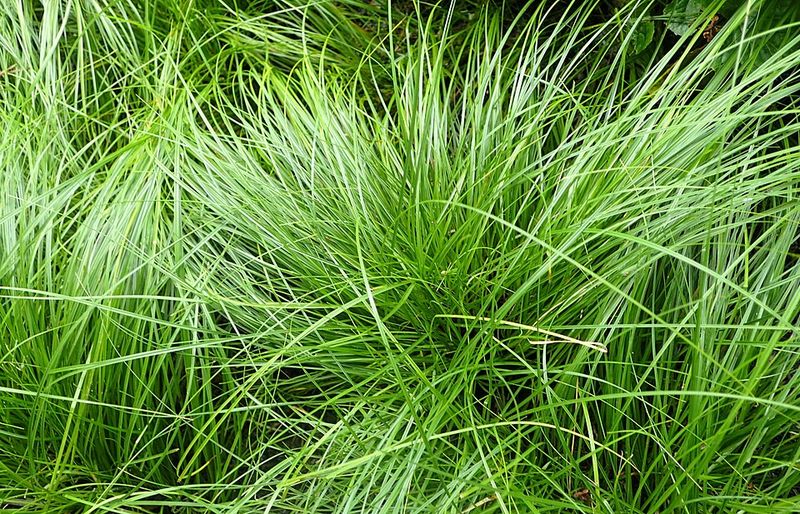
Picture a lawn that never needs mowing. Pennsylvania sedge, or Carex pensylvanica, makes that dream surprisingly close to reality for shaded yards across the Midwest.
This fine-textured native sedge grows in soft, arching clumps that create a meadow-like feel underfoot. It stays low, usually under a foot tall, without any trimming required from you.
Dry shade is its specialty, which makes it invaluable under mature oaks and maples where nothing else seems to grow. It tolerates drought once established, which is a huge bonus during Indiana’s unpredictable summers.
Your Indiana Garden Changes Every Week. Your Plan Should Too.
Gardening in Indiana changes quickly throughout the season. Every Friday you’ll receive a simple weekly plan showing exactly what to plant, prune, fertilize, harvest, and protect so you never miss the right timing.
Pennsylvania sedge spreads through underground rhizomes, slowly filling in over two to three seasons. Patience pays off big here, because the result is a seamless, weed-suppressing mat of green.
For gardeners tired of fighting turf grass in shady areas, this sedge is genuinely life-changing. It reduces yard work dramatically while creating habitat for ground-nesting insects and foraging birds.
The plant also handles foot traffic better than most native alternatives, making it practical for paths and lawn replacements alike. A light walk across a Pennsylvania sedge patch won’t leave lasting damage the way it might with other delicate natives.
What really sets Pennsylvania sedge apart is its year-round reliability. It stays green through winter in milder years, giving your yard structure and color when everything else has gone dormant.
Pair it with spring ephemerals like bloodroot or Virginia bluebells for a layered, naturalistic look. The sedge stays green as a backdrop while showier plants steal the seasonal spotlight.
Start with plugs spaced about eight to twelve inches apart in fall or early spring. Within a couple of growing seasons, you’ll have a ground cover that outperforms liriope in every meaningful way.
3. Wild Geranium
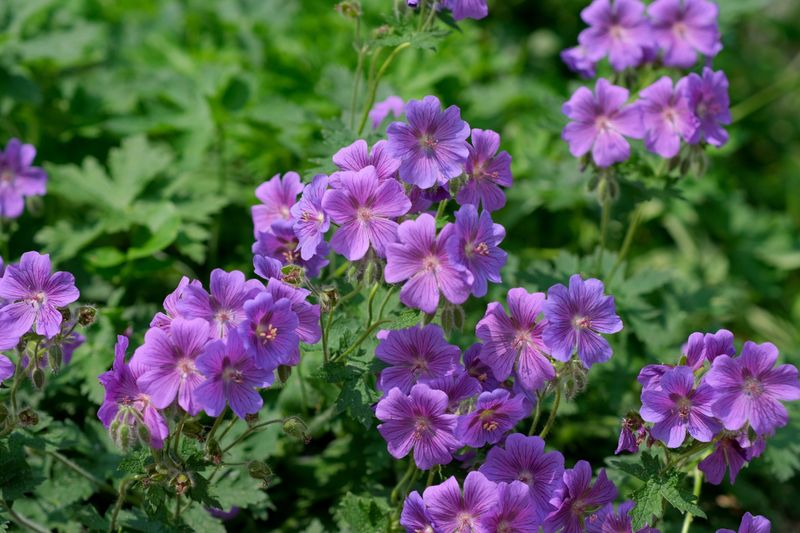
Some plants earn their spot in the garden through sheer beauty. Wild geranium, Geranium maculatum, does exactly that every single spring with its cheerful lavender-pink blooms.
This native perennial grows in clumps about a foot and a half tall and wide. It blooms from April through June, filling the garden with color right when you need it most after a long winter.
Beyond the flowers, the deeply lobed foliage is genuinely attractive throughout the growing season. The leaves turn warm shades of red and orange in fall, giving you a second moment of seasonal drama.
Wild geranium handles both sun and partial shade with ease, which makes it incredibly versatile across different garden situations. It works well along woodland edges, in mixed borders, and even in rain gardens where moisture fluctuates.
Pollinators go absolutely wild for the blooms. Native bees, especially bumblebees and mining bees, are frequent visitors that help power your entire garden ecosystem.
After flowering, the plant produces interesting seed capsules that fling seeds outward when ripe. This natural self-seeding means your colony will slowly expand without any effort from you.
It plays well with others, too. Wild geranium looks stunning alongside Virginia bluebells, wild columbine, and ferns in a layered spring planting scheme.
Established plants are drought-tolerant and rarely need supplemental watering after their first season. Compared to liriope, wild geranium is practically a wildlife restaurant during the spring and summer months.
Plant it in average to moist, well-drained soil and step back. This one handles itself beautifully with minimal interference from you.
4. Creeping Phlox
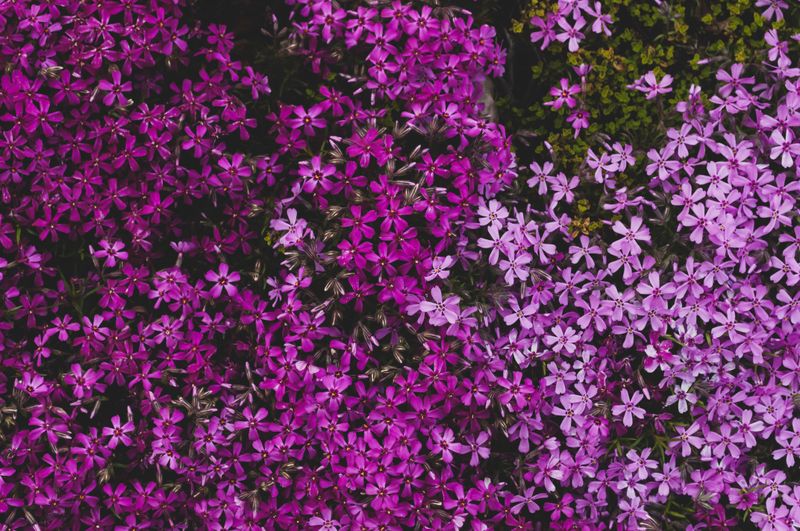
Image Credit: © Qnula / Pexels
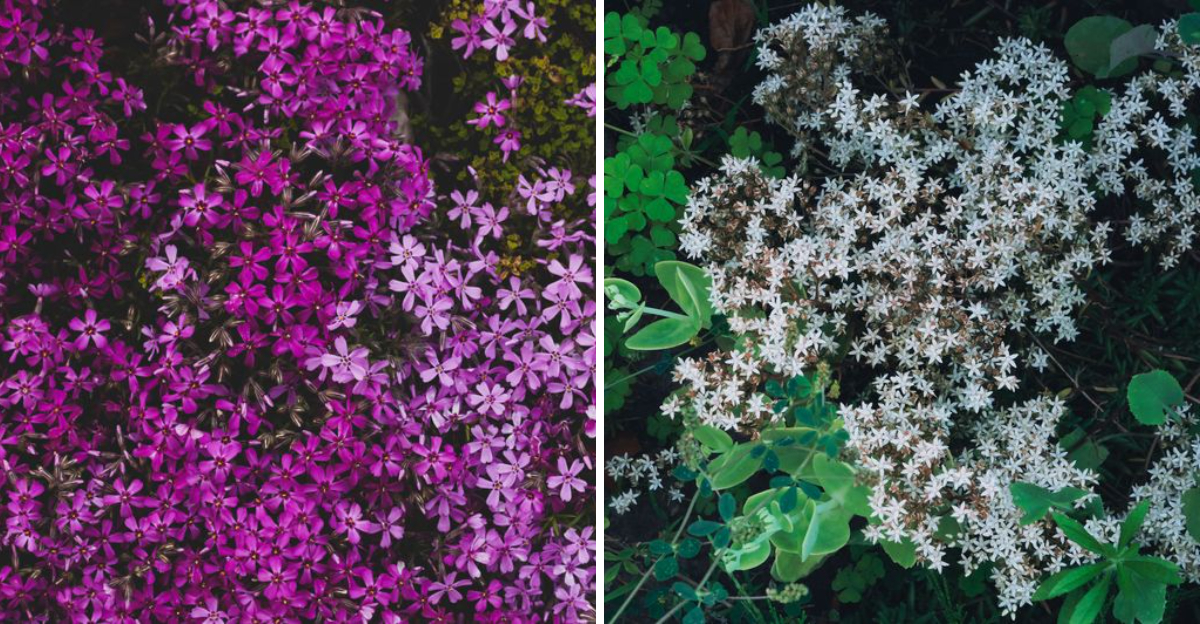
Few ground covers put on a show quite like creeping phlox. Every spring, Phlox subulata transforms into a solid carpet of color, pink, purple, white, or red, so dense that the foliage nearly disappears beneath the flowers.
Along a walkway, it stops people in their tracks. This is a plant built for sunny, well-drained spots where other ground covers struggle.
Rocky soil, slopes, dry borders, creeping phlox handles all of it without complaint. It grows only four to six inches tall and spreads up to two feet wide, hugging the ground in a tight, tidy mat that never gets unruly.
The bloom lasts three to four weeks in mid to late spring, which is serious visual payoff for almost no effort. Once the flowers fade, the needle-like evergreen foliage keeps the border looking clean and structured well into winter.
Pollinators show up early and in numbers. Butterflies and native bees are drawn to the fragrant blooms at a time of year when not much else is flowering yet, making creeping phlox genuinely useful, not just pretty.
Deer and rabbits tend to leave it alone, which is a quiet bonus for Indiana gardeners dealing with suburban wildlife pressure. Once established, it handles drought well without any supplemental watering from you.
After blooming, a light shearing keeps the mat dense and tidy. That is essentially the full maintenance requirement for the year.
Plant it in full sun with well-drained soil and space plugs about twelve to eighteen inches apart. Within two seasons, you will have a flowering edge that makes liriope look like the boring choice it always was.
5. Allegheny Spurge
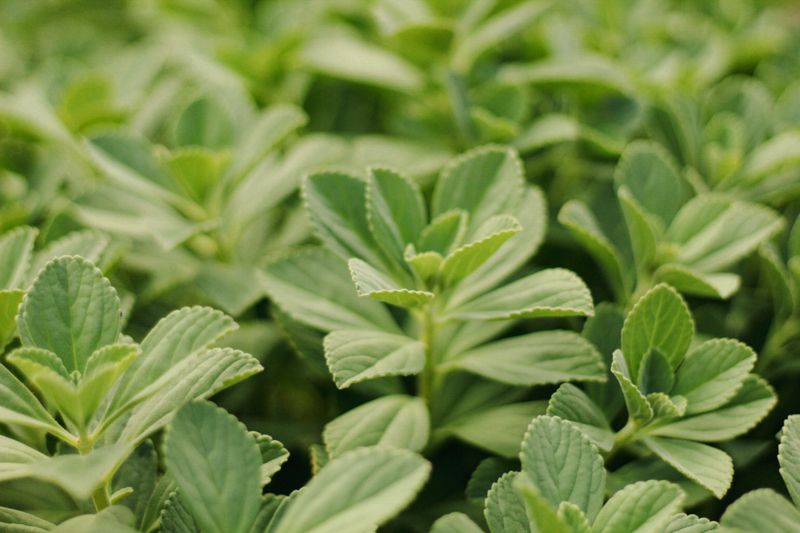
Most gardeners know Japanese pachysandra. Fewer know its American cousin, and that’s a shame worth correcting right now.
Allegheny spurge, Pachysandra procumbens, is the native alternative that outperforms its invasive relative in ecological value by a wide margin. It offers mottled, silvery-green foliage that looks almost painted by hand.
In early spring, fragrant white flower spikes push up through the leaf litter before the leaves fully unfurl. That subtle floral display is a welcome surprise for anyone who assumed ground covers were strictly a foliage game.
This plant thrives in deep shade under deciduous trees, where most options simply fail to establish. Rich, moist, well-drained soil gives it the best start, though it adapts to average woodland conditions over time.
Unlike Japanese pachysandra, Allegheny spurge won’t escape into natural areas and crowd out native wildflowers. Choosing it is a conscious ecological decision that benefits the broader landscape beyond your yard.
The leaves are semi-evergreen, holding through mild winters and dropping only when spring growth pushes them aside. That seasonal transition has a natural, organic beauty that manicured alternatives can’t replicate.
Native ground beetles and early-season pollinators find shelter and food among the dense foliage. A planting of Allegheny spurge quietly supports a whole community of creatures you’ll rarely see but deeply need.
Start with plugs or small container plants spaced twelve inches apart in a shaded bed. Mulch lightly the first season to retain moisture while roots settle in.
Once established, this plant asks for almost nothing. It rewards patience with a rich, textured carpet that makes every shaded corner feel intentional.
6. Prairie Dropseed
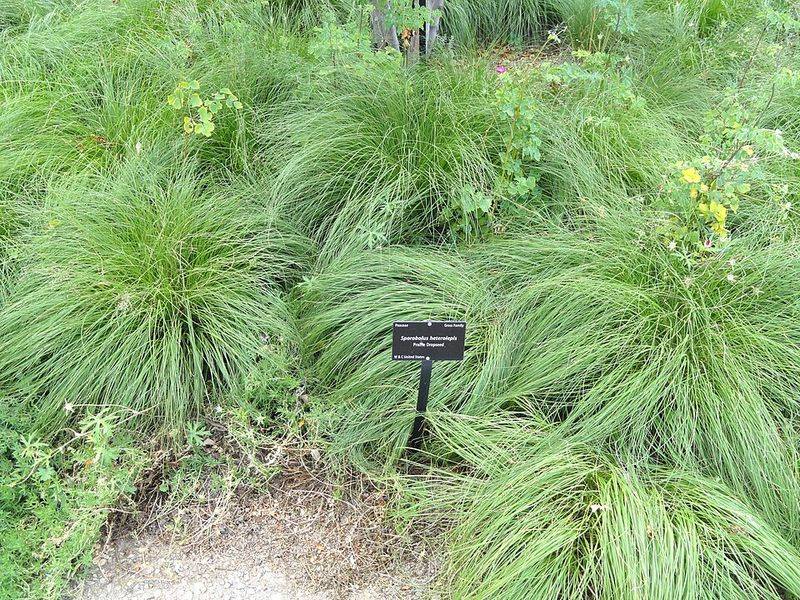
There’s a quiet elegance to prairie dropseed that stops people mid-stride. Sporobolus heterolepis forms perfect, fountain-like mounds of fine-textured foliage that catch every breeze with effortless grace.
This native grass grows about two feet tall and wide, making it a strong structural element in sunny borders and prairie-style plantings. It works as both a ground cover and a focal point, depending on how you use it.
In late summer, delicate flower panicles rise above the foliage and release a scent that gardeners describe as buttery or even popcorn-like. That surprising fragrance alone makes it worth planting near a patio or walkway.
Prairie dropseed is incredibly tough once established. It handles drought, clay soil, and full sun without complaint, thriving in conditions that would stress out many ornamental grasses.
The foliage turns brilliant shades of orange and gold in fall, making it one of the most visually rewarding natives for autumn gardens. Winter brings a warm tan color that adds structure to the sleeping landscape.
Birds love the seeds, and the dense clumps provide nesting material and shelter for ground-level wildlife. Every planting of this grass quietly multiplies its ecological benefit season after season.
Space individual plants about eighteen to twenty-four inches apart for a cohesive mass planting effect. They’re slow to establish but remarkably long-lived once they settle in, often thriving for decades.
Prairie dropseed pairs beautifully with coneflowers, black-eyed Susans, and little bluestem for a full-sun native garden that practically manages itself. Indiana gardeners replacing liriope with native ground covers often call this one their most rewarding swap yet.
7. Wild Stonecrop
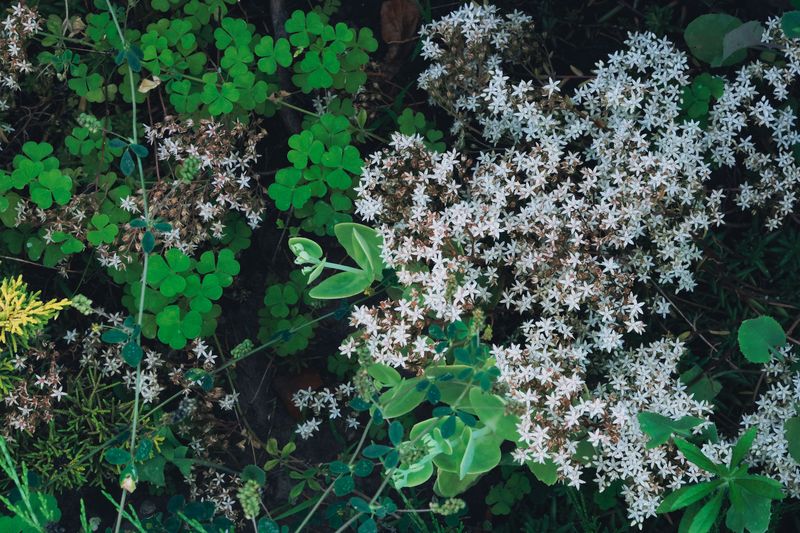
Image Credit: © Egor Komarov / Pexels
Rocky slopes and dry ledges don’t faze wild stonecrop one bit. Sedum ternatum is a scrappy, cheerful native succulent that makes itself at home in the toughest spots in the garden.
Unlike most ground covers, this one actually prefers lean, rocky, or sandy soil with sharp drainage. Give it those conditions and it spreads into a tidy, low mat of fleshy, rounded leaves that stay green most of the year.
In spring, clusters of tiny white star-shaped flowers cover the plant so densely that the foliage nearly disappears beneath them. That floral show lasts several weeks and draws in small native bees and hoverflies by the dozens.
Wild stonecrop grows only three to six inches tall, making it ideal for tucking into rock gardens, along stepping stone paths, or at the base of dry stone walls. It fills crevices and gaps that other plants can’t reach.
Deer tend to leave it alone, which is a practical bonus for gardeners in suburban or rural areas with heavy browsing pressure. That natural resistance makes it a reliable performer even in challenging locations.
The plant spreads by short stolons, slowly creeping outward without ever becoming aggressive or hard to manage. Pulling back any stray stems takes seconds and requires no special tools.
Pair it with other dry-site natives like prairie dropseed or wild blue indigo for a layered, low-water planting. The contrast between wild stonecrop’s fine texture and bolder companions creates a visually dynamic composition.
Indiana gardeners replacing liriope with native ground covers are finding wild stonecrop to be a revelation in dry, challenging spots where other plants simply refuse to cooperate.