Zucchini Growing Mistakes Indiana Gardeners Make, And How To Avoid A Failed Harvest
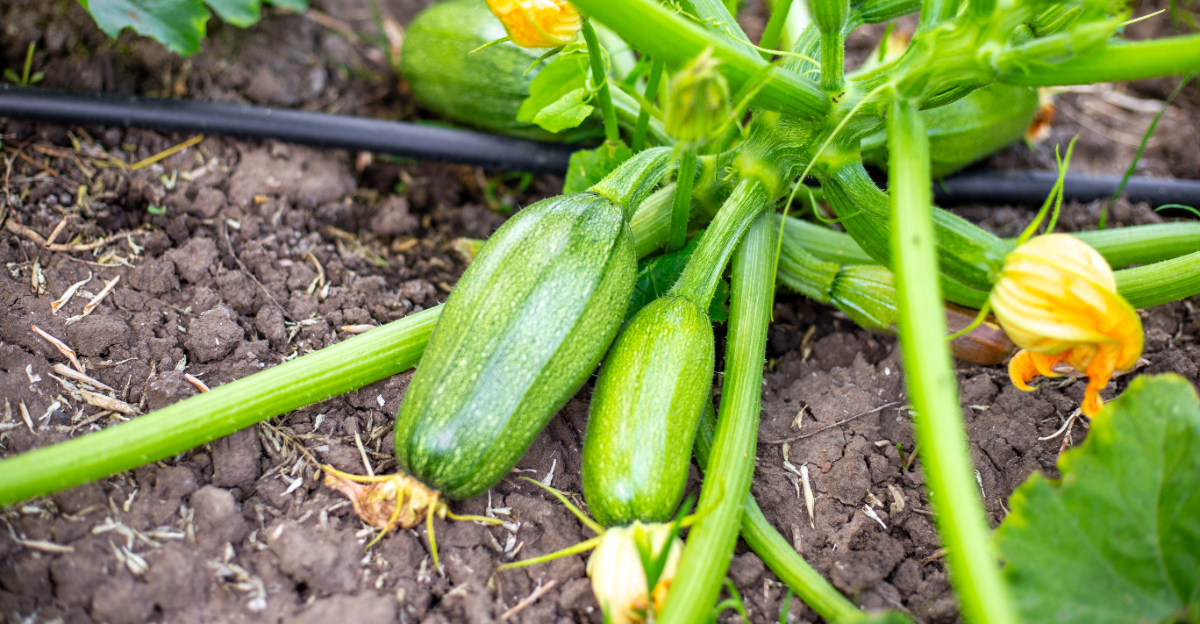
Lush leaves and giant blossoms trick you into believing in success. Zucchini plants can look flawless while quietly producing nothing worth harvesting.
Confusion builds when your garden seems perfect yet the basket stays empty. Indiana soil, weather, and pollination quirks play hidden roles in this outcome.
Gardeners credit seeds, sunlight, or bad luck instead of real reasons. Timing slips, pollination gaps, and watering errors quietly limit devoted growers. Every quiet harvest carries a lesson hiding beneath the leaves.
Understanding these patterns turns uncertainty into control almost instantly. Unpredictable seasons across Indiana call for smarter strategies, not effort. Small adjustments separate a struggling vine from an overflowing harvest.
Nothing growing zucchini has to remain mysterious once you know better. Momentum builds the moment you correct any overlooked habit.
You deserve harvests matching the effort you pour into your garden. Once you see these details clearly, walking away won’t be optional.
1. Planting Zucchini Too Early Before Soil Warms Up
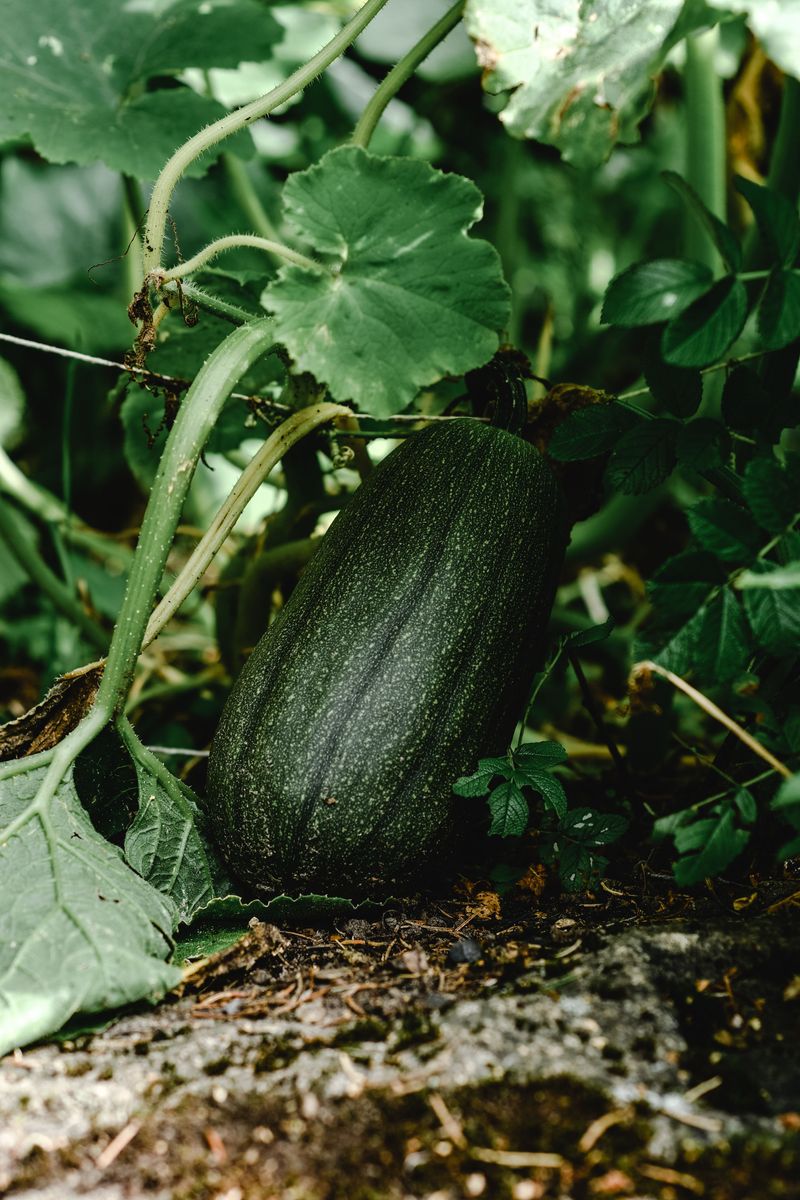
Cold soil can quietly damage seeds before they even sprout. Zucchini seeds planted in chilly ground will rot before they ever sprout, leaving you frustrated and starting over.
Many Indiana gardeners get excited after the last frost date and rush to plant. But air temperature and soil temperature are two completely different things, and zucchini cares deeply about the ground beneath it.
Soil below 60 degrees Fahrenheit slows germination to a crawl. Seeds sit there vulnerable, soaking up moisture without the warmth needed to activate growth.
Indiana springs can be deceptive. A warm week in late April can fool even experienced gardeners into thinking the ground is ready when it simply is not.
Grab an inexpensive soil thermometer from your local garden center. Push it about two inches into the ground and check readings for three consecutive mornings before planting.
If the reading stays below 65 degrees, wait a few more days. Sixty-five is a safe minimum, but warmer soil always gives seeds a stronger start.
You can also warm the soil faster by laying black plastic mulch over the bed a week before planting. The dark surface absorbs sunlight and transfers heat directly into the ground beneath it.
Starting seeds indoors three weeks before your target outdoor date is another smart move. Transplants are more resilient than freshly sown seeds when conditions are borderline.
Zucchini growing mistakes Indiana gardeners repeat most often start right here, before a single seed hits the ground. Get the soil right first, and everything else becomes easier.
2. Overwatering The Roots And Causing Rot
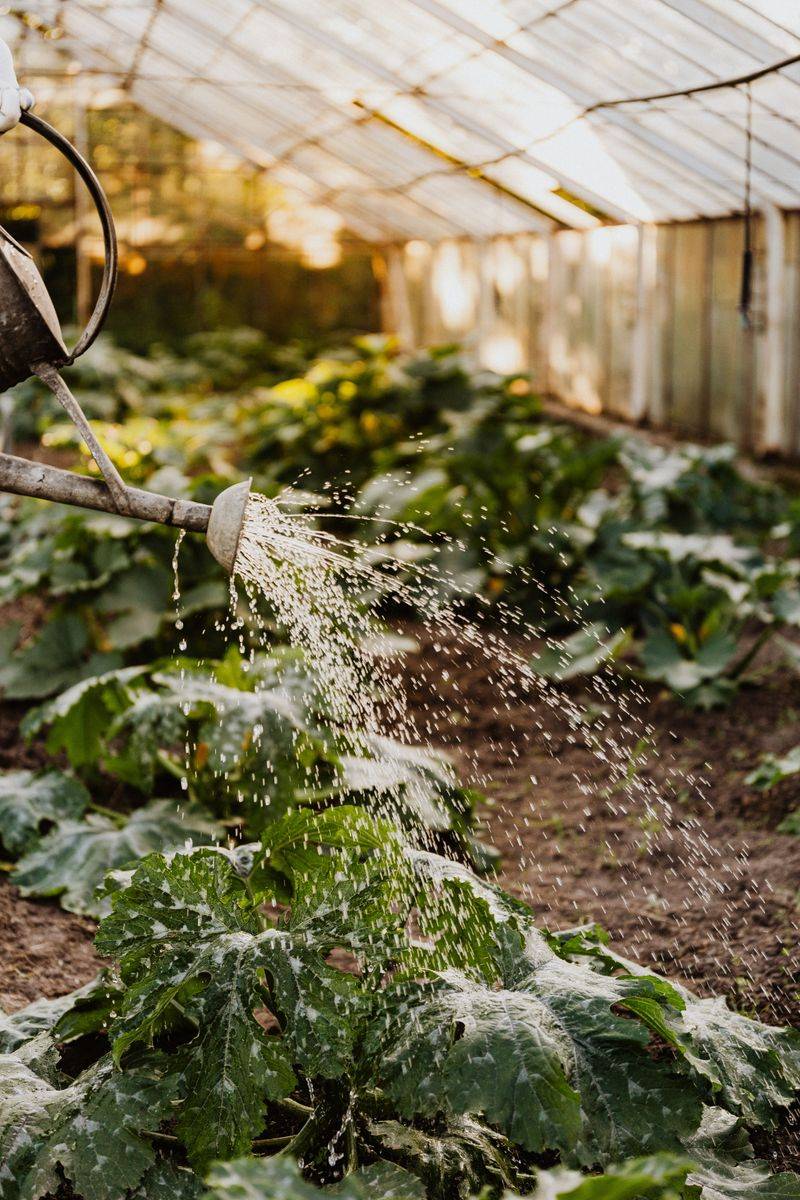
Soggy soil smells wrong, and your zucchini plants will tell you so with yellowing leaves and mushy stems. Overwatering is one of the top causes of loss in an otherwise healthy crop.
Indiana summers bring both heat waves and sudden rainstorms. Gardeners often water on a schedule without checking whether the soil actually needs it.
Zucchini roots need oxygen just as much as moisture. When soil stays waterlogged, roots are starved of oxygen and begin to break down from the inside out.
Your Indiana Garden Changes Every Week. Your Plan Should Too.
Gardening in Indiana changes quickly throughout the season. Every Friday you’ll receive a simple weekly plan showing exactly what to plant, prune, fertilize, harvest, and protect so you never miss the right timing.
Root rot is caused by a fungal pathogen that thrives in wet, oxygen-poor conditions. Once it sets in, recovery becomes very difficult and often requires removing and replacing the plant.
The fix is surprisingly straightforward. Stick your finger two inches into the soil before reaching for the hose. If it still feels moist, skip watering that day.
Raised beds and well-draining sandy loam soil are your best friends in this situation. Heavy clay soil common in many Indiana yards holds water far too long for zucchini comfort.
Adding compost to your planting area improves drainage while also feeding the roots over time. A two-inch layer worked into the top six inches of soil makes a noticeable difference.
Mulching around the base of each plant with straw helps regulate soil moisture levels. It slows evaporation on hot days but also prevents excess water from pooling around the crown.
Healthy zucchini plants thrive with consistent but controlled hydration. Give them what they need, not what your watering schedule demands.
3. Ignoring Poor Pollination During Bloom Time

Your plant is covered in flowers, but no zucchini are forming. Sound familiar? Poor pollination is the sneaky culprit behind many empty harvests.
Zucchini plants produce separate male and female flowers on the same plant. Male flowers appear first, often by a week or more, before female flowers open up.
Female flowers are easy to identify because they have a tiny fruit-shaped bump at the base. Male flowers sit on a plain, thin stem with no bump at all.
Bees carry pollen from male to female flowers, and without that transfer, the female flower drops off without forming a fruit. No bees, no zucchini.
Urban gardens, heavily treated lawns, and reduced wildflower habitat have lowered bee populations across many Indiana neighborhoods. That means your garden may not be getting the pollinator traffic it needs.
Planting pollinator-friendly flowers nearby helps attract more bees. Marigolds, borage, and lavender are excellent companions that draw in helpful insects without competing with your crop.
Avoid spraying pesticides during bloom time, especially in the early morning when bees are most active. Even organic sprays can harm pollinators if applied carelessly.
Check your plants daily during peak bloom season, which often runs from late June through August in Indiana, depending on planting time and weather. Early detection of pollination problems gives you time to step in and help.
Ignoring this issue is one of the most common zucchini growing mistakes Indiana gardeners overlook. A little observation each morning can completely change your harvest results.
4. Crowding Plants Too Close Together Without Airflow
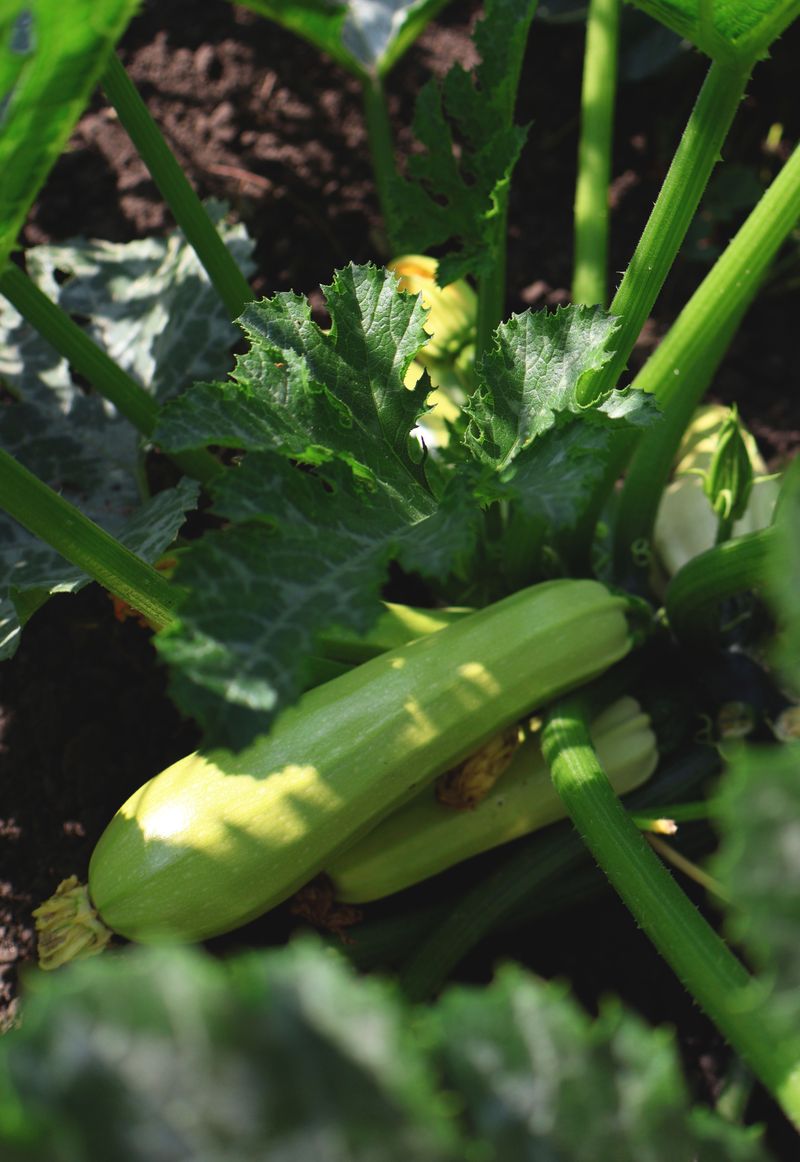
Zucchini plants are space hogs, plain and simple. Crowding them together might seem efficient, but it creates a recipe for disease and disappointment.
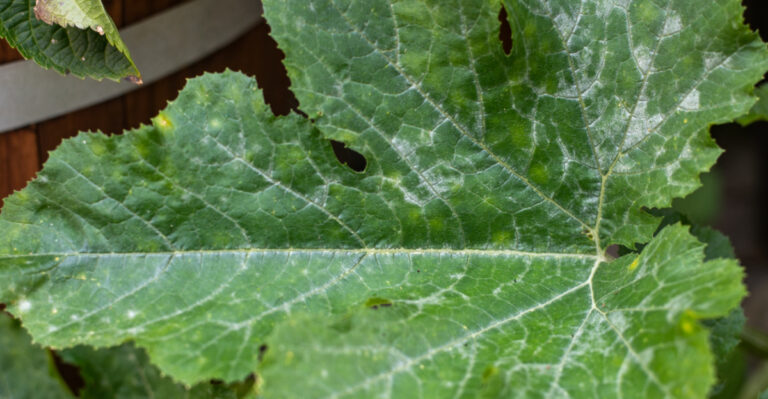
When large leaves overlap and press against each other, air stops moving through the plant canopy. Stagnant, humid air is exactly what fungal diseases like powdery mildew need to spread fast.
Powdery mildew appears as white, dusty patches on leaves and spreads quickly from plant to plant in crowded conditions. Once it takes hold, it weakens the plant and reduces fruit production significantly.
Indiana summers are already humid enough without adding extra moisture traps through poor spacing. Giving each plant room to breathe is one of the simplest ways to prevent disease outbreaks.
Beyond disease, crowded plants compete fiercely for nutrients and water. The strongest plant usually wins, leaving others stunted and less productive than they should be.
Root systems from neighboring plants tangle together underground. This competition stresses each plant and limits the energy available for flowering and fruit development.
Adequate spacing also makes it easier to spot problems early. When plants are packed tightly, pests and disease can hide undetected until the damage becomes severe.
Good airflow also helps flowers stay dry after rain or morning dew. Wet flowers are harder for bees to pollinate and more likely to develop mold before they can be fertilized.
Give your zucchini the personal space it craves, and it will reward you with strong, productive growth all season long.
5. Wait Until Soil Reaches 70 Degrees Before Planting
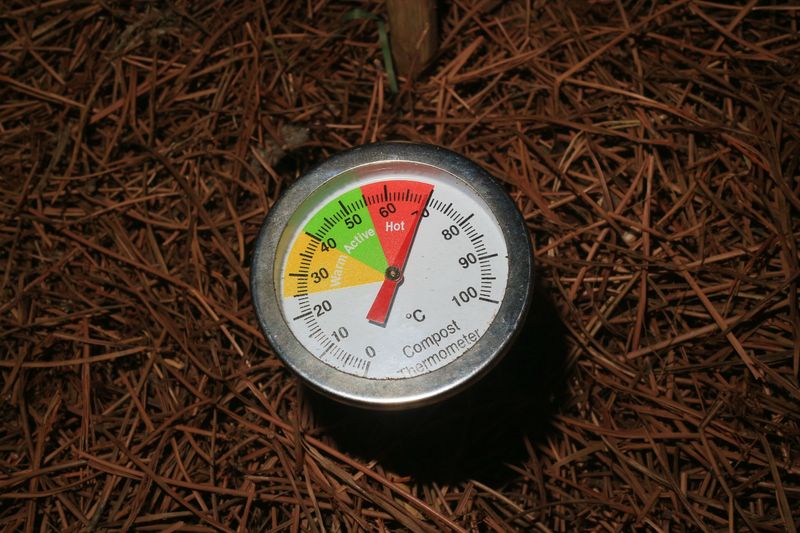
Seventy degrees is a reliable benchmark every Indiana zucchini grower should keep in mind. While seeds can germinate above 60 degrees, planting once soil reaches 70 degrees gives them the best possible start.
Planting in soil at or above that temperature gives seeds the best possible start. At 70 degrees Fahrenheit, zucchini seeds germinate quickly and evenly, usually within five to seven days.
Below that threshold, germination slows down and seed vulnerability to soil pathogens increases.
Soil thermometers are inexpensive and widely available at garden centers across Indiana. A quick daily reading for three or four mornings in a row gives you a reliable average to trust.
In many Indiana growing zones, soil often reaches 70 degrees sometime between mid-May and early June, though timing can vary by region. That timing can shift depending on whether you had a cold, wet spring or an unusually warm one.
Black plastic mulch laid over the bed a week before planting speeds up soil warming noticeably. The dark surface absorbs solar energy and transfers it into the earth below.
Row covers made of lightweight fabric can also trap heat around young plants after they emerge. Remove them once daytime temperatures consistently exceed 85 degrees to prevent overheating.
If you prefer starting seeds indoors, count back three to four weeks from your target outdoor planting date. Transplants should go out when both air and soil conditions are favorable.
Hardening off indoor-started seedlings is essential before transplanting them outside. Set them outdoors in a sheltered spot for a few hours each day over five to seven days.
Rushing this step is one of the zucchini growing mistakes Indiana gardeners regret most. Warm soil sets the foundation for a strong, productive season from day one.
6. Water Deeply But Only Once Or Twice A Week
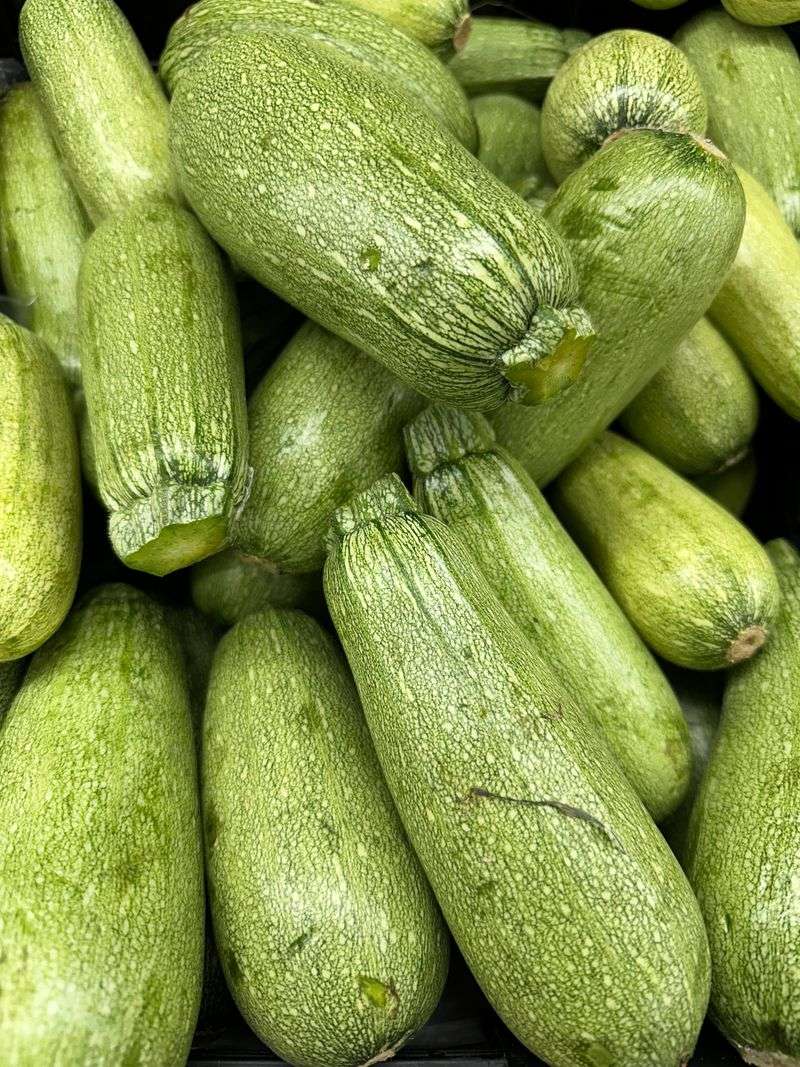
Shallow, frequent watering trains zucchini roots to stay near the surface. That makes plants weak and highly vulnerable to heat stress during Indiana’s hot July stretches.
Deep watering encourages roots to chase moisture downward into the cooler layers of soil. Plants with deep root systems handle heat and brief dry spells far better than shallowly rooted ones.
When you water, aim for one to two inches per week total, including rainfall. Use a simple rain gauge near your garden to track how much nature is already providing.
Water at the base of each plant, not overhead. Wetting the foliage encourages fungal disease and wastes water through evaporation before it ever reaches the root zone.
Drip irrigation is an excellent option for zucchini beds. It delivers water slowly and directly to the root zone, reducing waste and keeping leaves dry throughout the season.
The best time to water is early morning, ideally before 9 a.m. This gives any accidental leaf moisture a chance to dry before the heat of midday sets in.
Watering in the evening is a common mistake that leaves soil and foliage damp overnight. That extended moisture period creates ideal conditions for powdery mildew and other fungal problems.
Check soil moisture before every watering session, no matter what your schedule says. Push a finger two inches deep; if it feels moist, your plants can wait another day.
Consistent, deep watering is one of the simplest upgrades you can make to your zucchini routine this season.
7. Hand-Pollinate Flowers If Bees Are Scarce
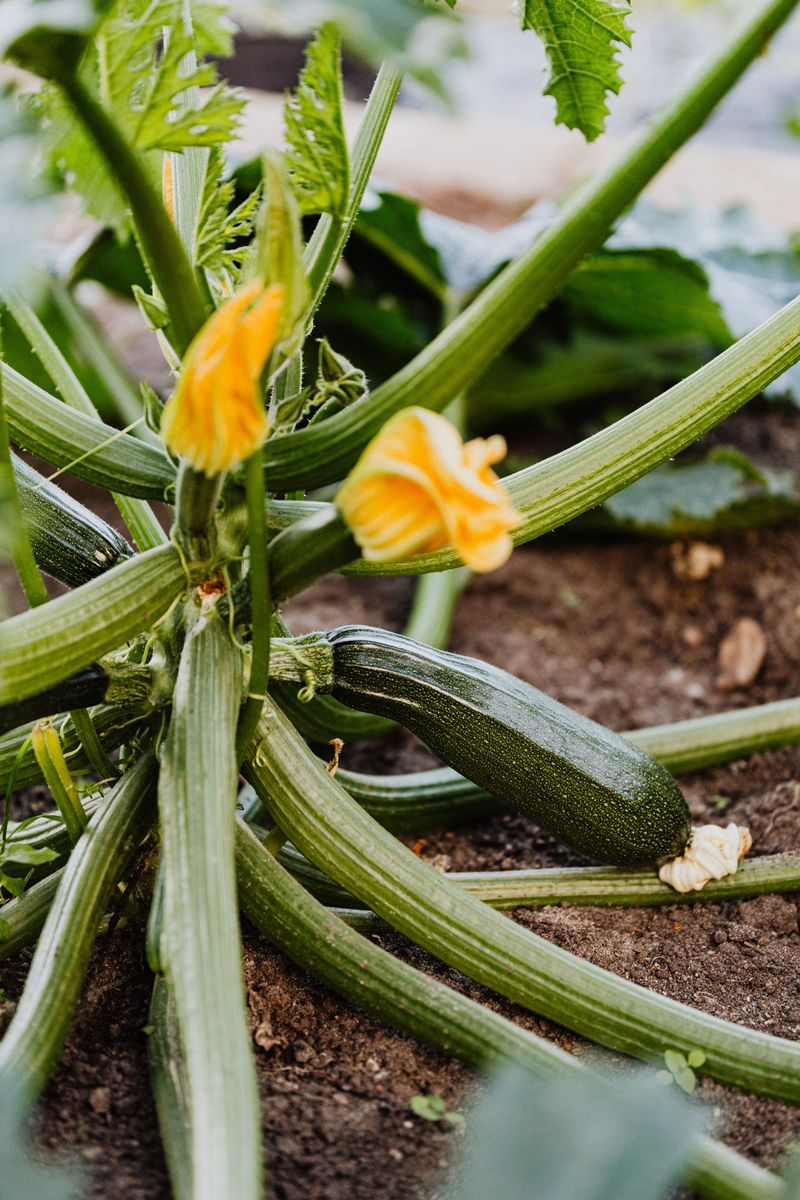
No bees showing up to your garden party? Take matters into your own hands, literally. Hand-pollination is easier than it sounds and surprisingly satisfying when it works.
All you need is a small, clean paintbrush or a cotton swab. Gently swirl it inside a fully open male flower to collect the yellow pollen dust clinging to the stamen.
Then carry that pollen directly to an open female flower and swirl it around the center stigma. One transfer is often enough, but two or three passes improve your success rate.
Male flowers typically open first and stay open for just one day. Female flowers follow a few days later, so timing your hand-pollination to their overlap is key.
The best window for pollination is early morning, between 7 and 10 a.m. Flowers close by midday, especially on hot Indiana summer days, so early action matters.
You can also use a freshly picked male flower as a direct applicator. Simply peel back the petals and press the exposed stamen gently against the female flower’s center.
This technique works especially well in enclosed spaces like hoop houses or screened gardens where bee access is naturally limited. Urban gardeners with small balcony setups also rely on it regularly.
Mark pollinated female flowers with a small piece of colored yarn so you can track which ones are developing fruit. Unpollinated flowers will shrivel and drop within a day or two. Hand-pollination turns a frustrating situation into one you can control.
8. Space Plants At Least 3 Feet Apart
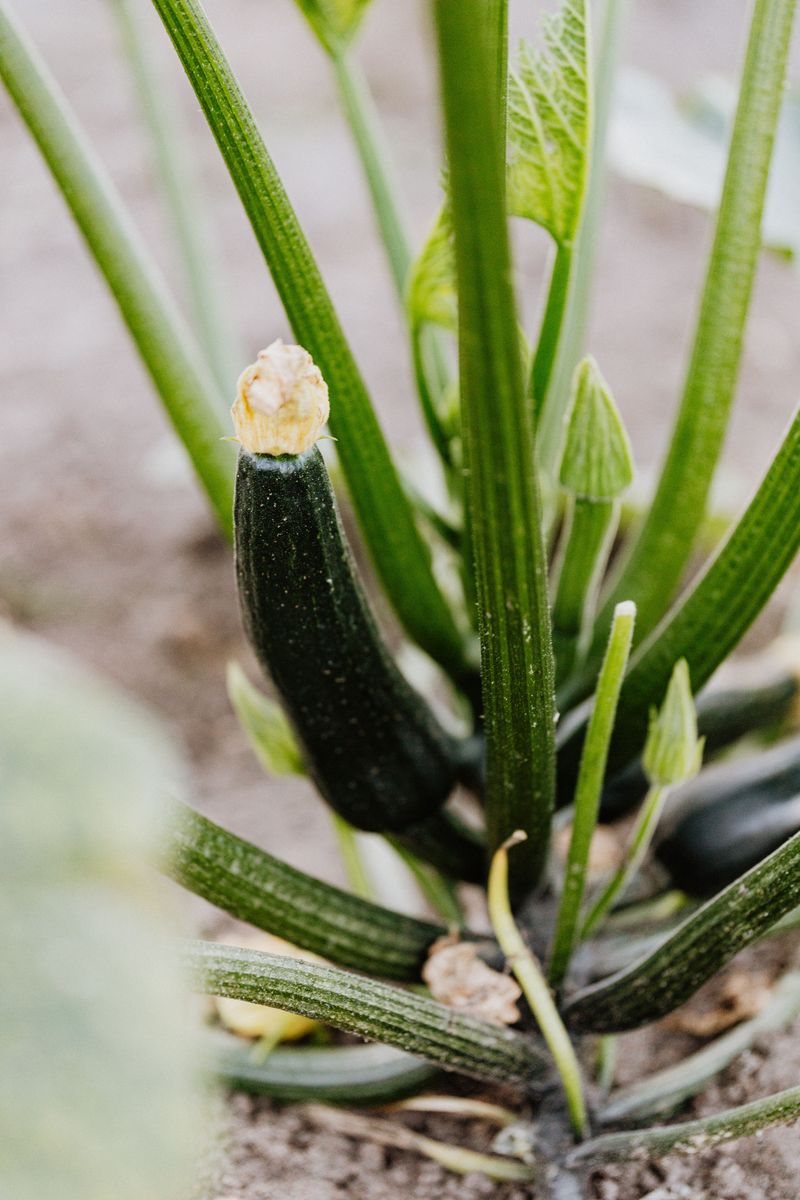
Three feet sounds like a lot when you are staring at a small seedling. But that tiny plant will triple in size within weeks, and it needs every inch of that space.
Proper spacing allows air to circulate freely around leaves and stems. Good airflow is the number one natural defense against powdery mildew and other moisture-driven fungal problems.
When plants have room to spread, their large leaves can fully capture sunlight without shading each other out. Maximum sun exposure translates directly into more energy for fruit production.
Root systems also benefit from generous spacing. Each plant gets access to a wider area of nutrients and moisture without competing with a neighbor planted too close by.
Spacing also makes harvesting much easier on your back and hands. Reaching into a tangled mass of overlapping leaves to find hidden zucchini is a frustrating and uncomfortable experience.
For bush varieties, a minimum of three feet between plants works well in most Indiana garden setups. Vining types need even more room, sometimes up to five or six feet per plant.
If space is limited, try growing zucchini in large containers or raised beds with vertical supports. Training vines upward on a trellis saves ground space without sacrificing plant health or yield.
Mark your spacing before planting using stakes and string. It is much easier to plan spacing on paper than to try correcting it after seedlings are already in the ground.
Giving zucchini the space it demands is one of the most impactful changes any Indiana gardener can make this season.