This Texas Hedge Plant Looks Like Every Other Shrub But Its Seeds Are More Toxic Than A Scorpion Venom
Walking through a Texas neighborhood, you might pass dozens of neatly trimmed hedges without giving them a second thought. But one of those ordinary-looking shrubs is hiding a serious secret.
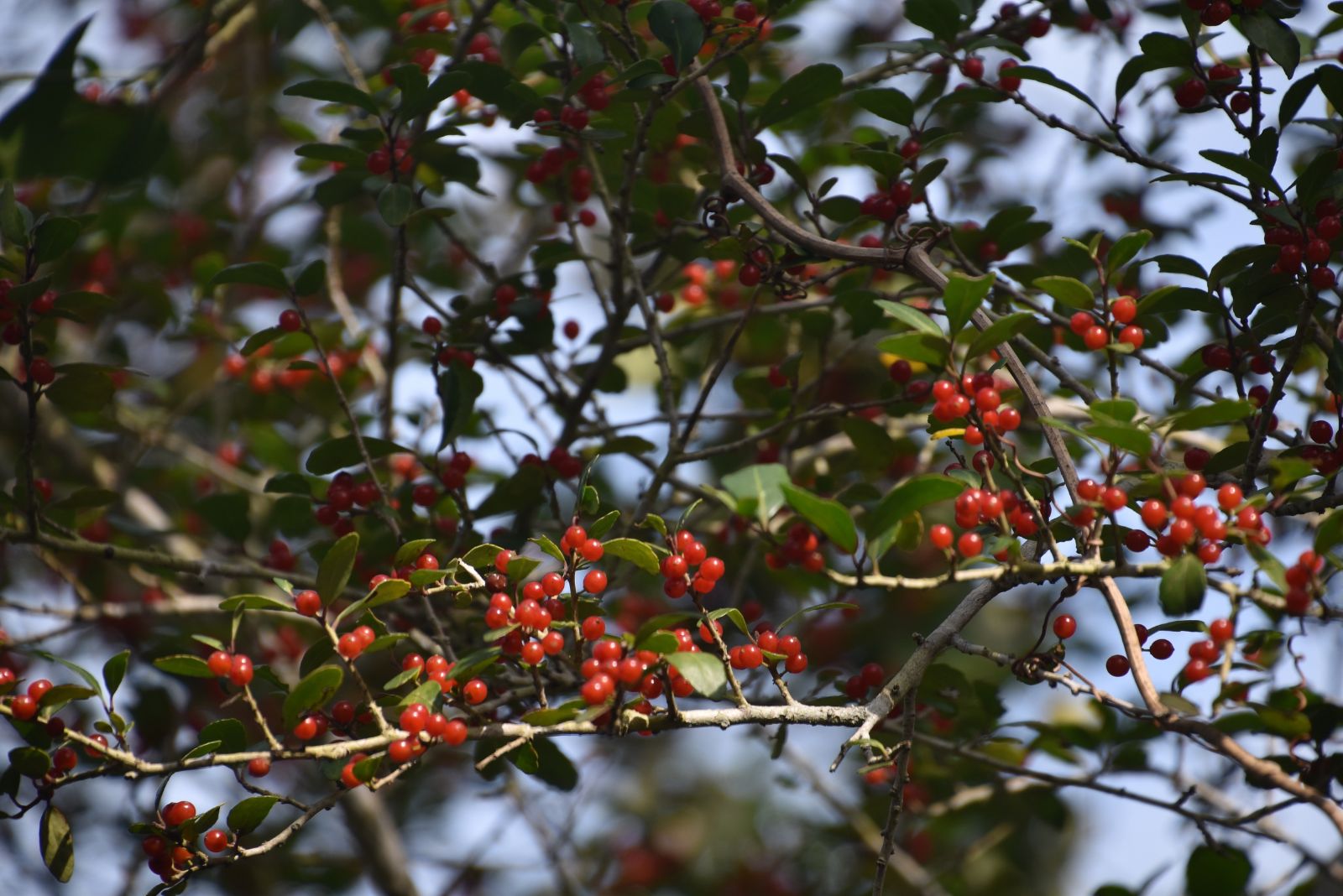
Yaupon Holly blends right in with common landscaping plants, yet its bright red berries pack a surprisingly powerful punch.
Understanding what makes this plant both useful and potentially dangerous could protect your family, your pets, and even your garden choices going forward.
Yaupon Holly is one of the most underestimated native plants in Texas, and once you learn the facts, you will never look at a hedge the same way again. It offers incredible benefits for wildlife, pollinators, and drought-prone landscapes, but it also demands respect.
Whether you are a homeowner, a gardener, or just someone curious about the plants growing in your yard, this guide breaks down everything you need to know about Yaupon Holly in a clear, easy-to-follow way.
Meet Yaupon Holly
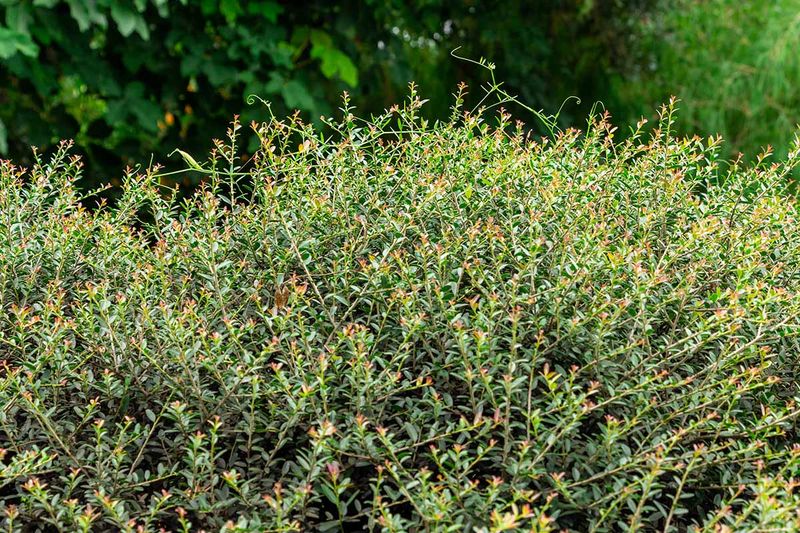
Most people walk right past Yaupon Holly without ever suspecting it is anything special. It looks like dozens of other shrubs you might find lining a fence, framing a front porch, or filling in a garden border.
That plain, unremarkable appearance is exactly what makes it so easy to overlook. Yaupon Holly, known scientifically as Ilex vomitoria, is a dense, evergreen shrub native to the southeastern United States, including much of Texas.
It holds its deep green, glossy leaves all year long, which makes it a popular choice for hedges and privacy screens.
Homeowners and landscapers often choose it simply because it stays full and green even through the harshest Texas winters.
The plant grows in a bushy, upright form that can reach anywhere from three to fifteen feet tall depending on the variety.
Some cultivars are compact and stay low, while others grow tall enough to block a view entirely. That range of sizes makes Yaupon Holly incredibly flexible for different landscaping needs.
Because it looks so similar to other common hedge plants like boxwood or wax myrtle, many gardeners seriously underestimate it.
They trim it, water it occasionally, and move on without realizing they are working with a plant that has a fascinating and somewhat alarming history.
Yaupon Holly was actually used by Native American tribes for ceremonial beverages because it contains caffeine, making it the only caffeinated plant native to North America.
That fun fact alone sets it apart from every other shrub in your yard and gives this humble hedge a surprisingly rich backstory worth knowing.
Toxic Seeds Inside Those Pretty Berries
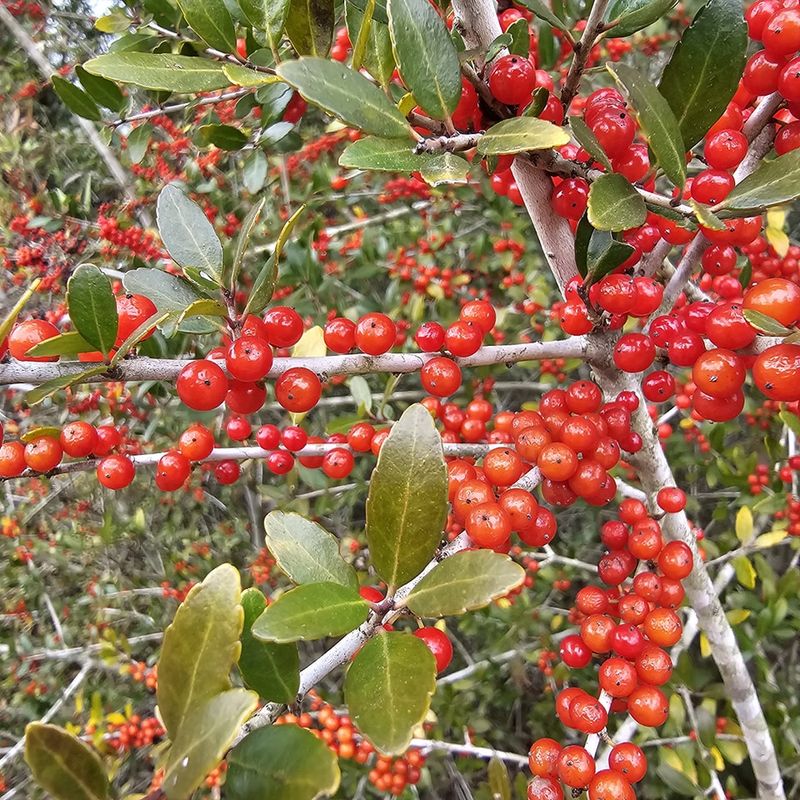
Those cheerful little red berries look almost festive, like something you might see on a holiday wreath. But do not let their appearance fool you.
The seeds tucked inside Yaupon Holly berries contain compounds related to theobromine and caffeine, and eating them in any real quantity can cause serious harm.
Theobromine is the same compound found in chocolate that makes it so dangerous for dogs and cats.
In Yaupon Holly berries, it shows up alongside other irritating substances that can trigger vomiting, stomach cramps, and general misery for anyone who eats enough of them.
Your Texas Garden Changes Every Week. Your Plan Should Too.
Gardening in Texas changes quickly throughout the season. Every Friday you’ll receive a simple weekly plan showing exactly what to plant, prune, fertilize, harvest, and protect so you never miss the right timing.
Children are especially vulnerable because they are smaller and more sensitive to these compounds, and the bright red color of the berries is naturally attractive to curious young hands.
Pets face similar risks. Dogs in particular tend to sniff around garden beds and may nibble on fallen berries without their owners noticing.
Even a small handful of berries can cause digestive distress, and larger amounts can lead to more serious symptoms that require veterinary attention.
The scientific name Ilex vomitoria actually hints at this danger directly. Early observers noted the plant’s powerful effects when large quantities were consumed, and that reputation has stuck with it ever since.
It is worth knowing that birds are an exception. Their digestive systems process these berries differently, allowing them to eat the fruit without any harm.
If you have young children or pets in your household, knowing exactly which plants in your yard produce these berries is an important safety step that every family should take seriously.
Why Gardeners Love It As A Hedge Plant
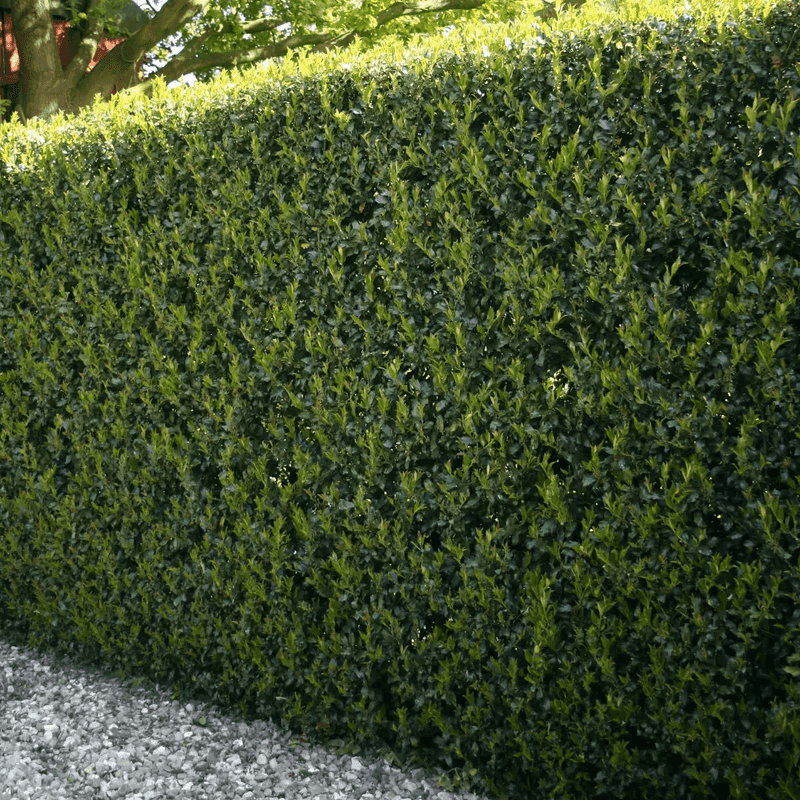
Forget fussy plants that demand constant attention. Yaupon Holly is practically built for the Texas climate, and gardeners who plant it often wonder why they ever chose anything else.
Once it gets settled into the ground, it becomes one of the most self-sufficient shrubs you can grow in the region.
Drought tolerance is one of its biggest selling points. Texas summers are brutal, and many plants struggle to survive weeks of scorching heat with little rain.
Yaupon Holly shrugs it off. Its deep root system allows it to access moisture that shallower-rooted plants simply cannot reach, meaning you spend less time dragging out the hose and more time enjoying your yard.
Pest resistance is another major advantage. Many common hedge plants are magnets for aphids, scale insects, and fungal diseases.
Yaupon Holly tends to stay clean and healthy without the need for chemical sprays or regular treatments. That saves money and reduces the amount of pesticides going into the soil.
Because it stays evergreen all year, it provides a consistent, reliable structure in the landscape through every season.
Whether you are creating a formal clipped border, a natural privacy screen, or a foundation planting around your home, Yaupon Holly delivers a full, dense appearance without gaps or bare patches.
It also tolerates a wide range of soil conditions, from sandy coastal soils to heavy clay, which is a big deal in Texas where soil types vary dramatically from one region to the next.
For gardeners who want results without a constant struggle, Yaupon Holly is genuinely hard to beat as a hedge choice.
Ecological Value That Goes Beyond the Garden
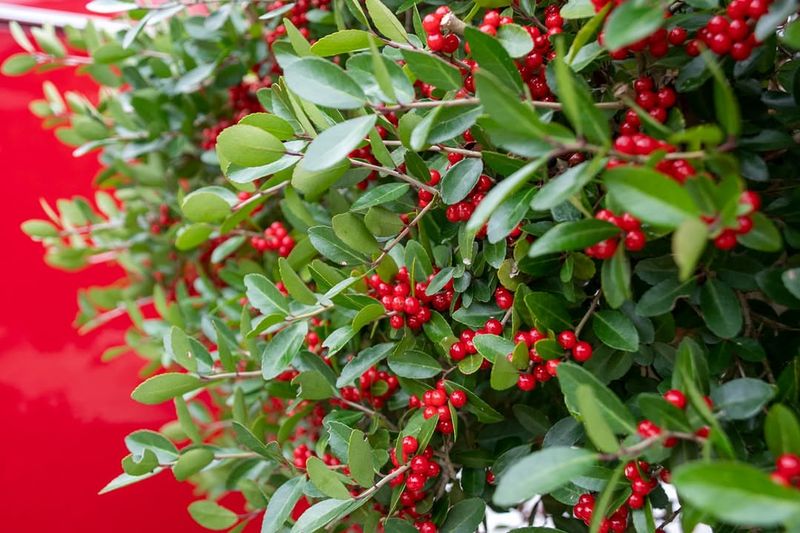
Here is something most homeowners never think about when choosing a hedge plant: how does it support the local ecosystem? With Yaupon Holly, the answer is impressively positive.
Few native shrubs do as much for Texas wildlife as this one does, and that ecological contribution is a major reason conservation groups encourage planting it.
Birds absolutely love the bright red berries. Cedar waxwings, mockingbirds, robins, and bluebirds are just some of the species that visit Yaupon Holly plants throughout the fall and winter months.
Because birds can safely process the berries that are harmful to mammals, they eat them enthusiastically and then fly off, dispersing the seeds across wide areas.
That natural seed dispersal helps Yaupon Holly spread through woodlands and open spaces without any human help.
The dense foliage also provides critical shelter for small wildlife. Birds use the thick interior branches as nesting spots, protected from wind and predators by the tight leaf coverage.
Small mammals and insects find refuge in the same dense growth, making a single Yaupon Holly plant a mini habitat all on its own.
Pollinators benefit too. The small white flowers that appear in spring attract bees and other beneficial insects looking for early-season nectar.
For gardeners trying to create pollinator-friendly yards, adding Yaupon Holly to the mix supports those efforts meaningfully.
Choosing native plants like Yaupon Holly over imported ornamental shrubs is one of the simplest ways any homeowner can contribute to healthier local ecosystems.
The plant looks great, requires little care, and gives back to the environment in ways that truly matter.
Smart Landscaping Considerations Before You Plant
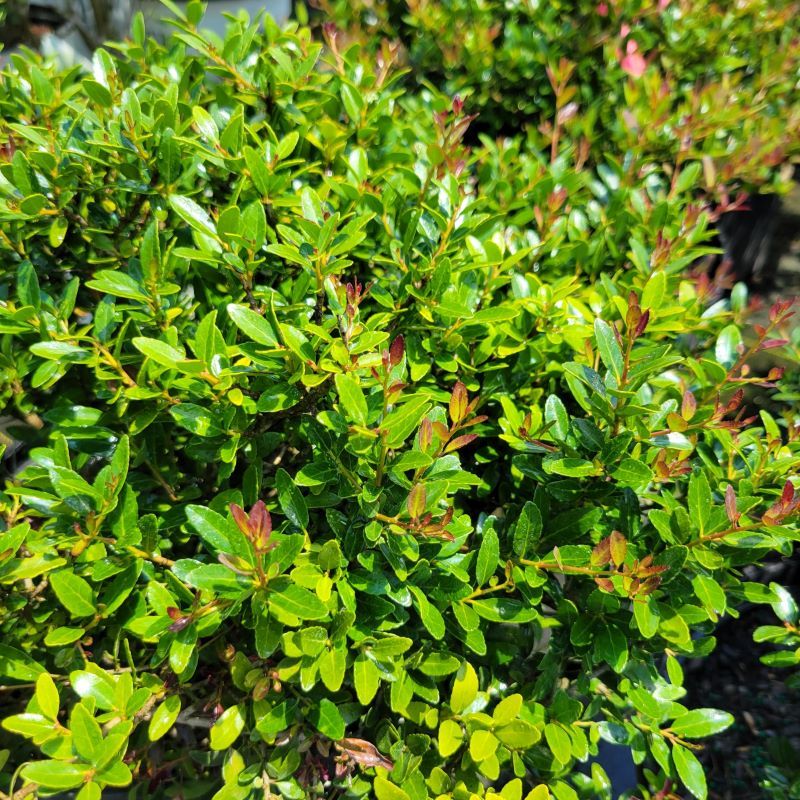
Planning matters more than people realize when it comes to Yaupon Holly, especially if you have young children or pets sharing your outdoor space. A little forethought goes a long way toward making sure this plant works for your yard instead of against it.
One of the smartest moves you can make is choosing male plants if the berries are a concern. Yaupon Holly is dioecious, meaning male and female plants are separate.
Only the female plants produce berries. Male plants offer the same dense, evergreen foliage and the same toughness without ever generating a single berry.
For households with curious toddlers or dogs that roam freely, male varieties like “Will Fleming” or “Schillings Dwarf” are excellent options that eliminate the berry risk entirely. If you want berries for wildlife value but still need to manage safety, placement is key.
Planting female Yaupon Holly along back fence lines, in raised beds, or in areas that children and pets cannot easily access lets you enjoy the ecological benefits without worrying about accidental ingestion.
For formal garden designs, Yaupon Holly responds beautifully to shaping. It can be clipped into tight geometric forms for a structured, polished look. For more relaxed natural borders, it fills in generously without much guidance.
Pollinator gardens benefit enormously from including Yaupon Holly as a structural anchor plant. Its spring flowers attract bees while the summer and fall berries support birds, creating a year-round cycle of ecological activity.
Thinking through placement, variety selection, and the specific needs of your household before planting makes the whole experience far more rewarding and worry-free.
Maintenance Tips To Keep It Thriving
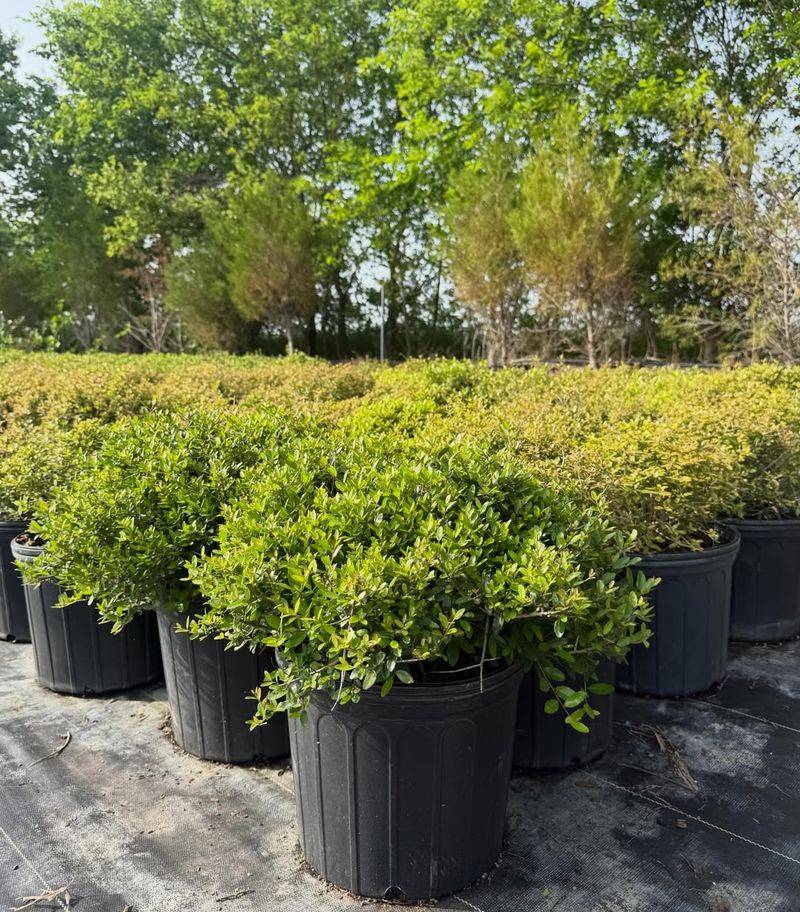
Good news for anyone who does not love spending weekends doing yard work: Yaupon Holly is one of the lowest-maintenance hedges you can grow in Texas. It does not demand much, and when you do give it a little attention, it responds generously.
Pruning is the main task, and even that is minimal. Yaupon Holly naturally grows into a full, rounded shape without much intervention.
If you want a tighter, more formal hedge, pruning once or twice a year in late winter or early summer keeps it neat. Avoid heavy pruning in fall, since that can remove the berries before birds get a chance to enjoy them.
Use clean, sharp shears for the best results and to avoid tearing the branches. Watering needs change as the plant matures. During the first year after planting, water regularly to help the root system establish.
Once it is settled in, Yaupon Holly becomes remarkably tolerant of Texas heat and extended dry spells. Deep, infrequent watering is better than shallow daily watering because it encourages roots to grow deeper into the soil.
Fertilizing should be approached with a light hand. Yaupon Holly does not need heavy feeding, and too much fertilizer actually pushes excessive leafy growth at the expense of berry production.
A light application of balanced slow-release fertilizer in early spring is usually more than enough to keep the plant healthy and productive throughout the growing season.
Mulching around the base helps retain soil moisture, regulate temperature, and suppress weeds, giving your Yaupon Holly the best possible environment to thrive with minimal ongoing effort from you.