The One Native Plant Nursery In Ohio Worth The Longest Drive
Ohio has no shortage of garden centers. They are everywhere, and most of them carry the same rotating cast of popular perennials, ornamental grasses, and shrubs.
You could find many of them at any big box store if you looked hard enough. Convenient, sure.
But if you are serious about native plants, convenient rarely cuts it. There is one nursery in Ohio that people drive past three, four, sometimes five closer options to reach.
Not because it is flashy or well marketed, but because what is growing there simply cannot be found anywhere else in the state without a serious search. Staff who actually know the plants.
Species that belong in Ohio landscapes and prove it every season. The kind of place that ruins every other nursery for you a little bit.
Some drives are worth every mile. This one has a very loyal following that will tell you exactly that.
1. Visit Scioto Gardens For Native Plants Worth The Drive
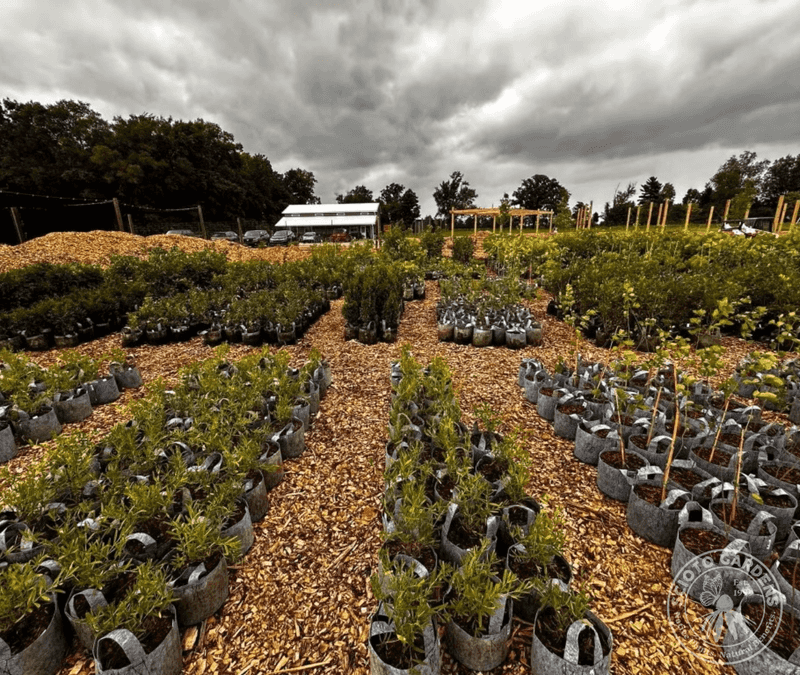
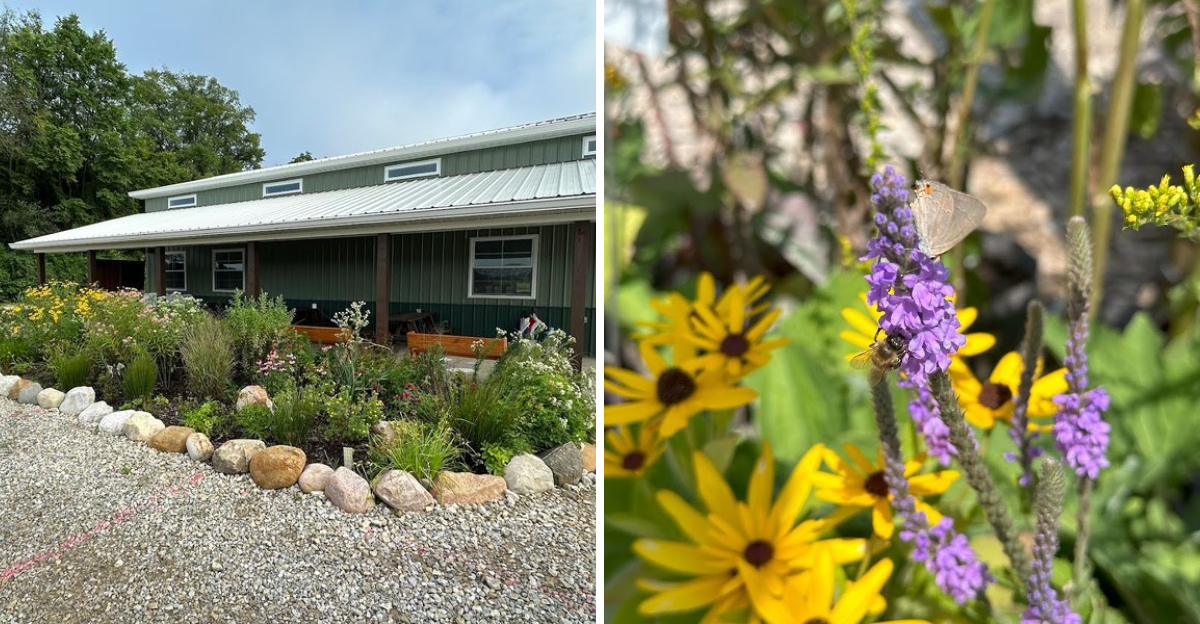
A long plant-shopping trip feels a lot better when the destination offers more than the same tired cart of common annuals. Scioto Gardens Nursery is located at 2870 Curve Road, Delaware, OH 43015.
It is a native-focused nursery that draws gardeners from across the state who want something more intentional than a typical retail garden center can provide.
The nursery centers its inventory on native trees, shrubs, and perennials suited to local landscapes. For gardeners who have spent years trying to make non-native ornamentals work in regional soil and climate, a nursery like this can feel like a genuine reset.
The plants here are chosen with local conditions in mind, not just shelf appeal or mass-market trends.
Delaware, Ohio, sits in a part of the state that is easy enough to reach from Columbus and surrounding areas. The drive itself can become part of the experience, especially when you arrive somewhere that clearly knows its subject.
Whether you are rebuilding a backyard from scratch or filling in gaps along a woodland edge, making the trip to Scioto Gardens gives you access to better plant choices. Most local stores simply do not carry them.
2. Find Ohio Native Perennials Trees And Shrubs In One Stop
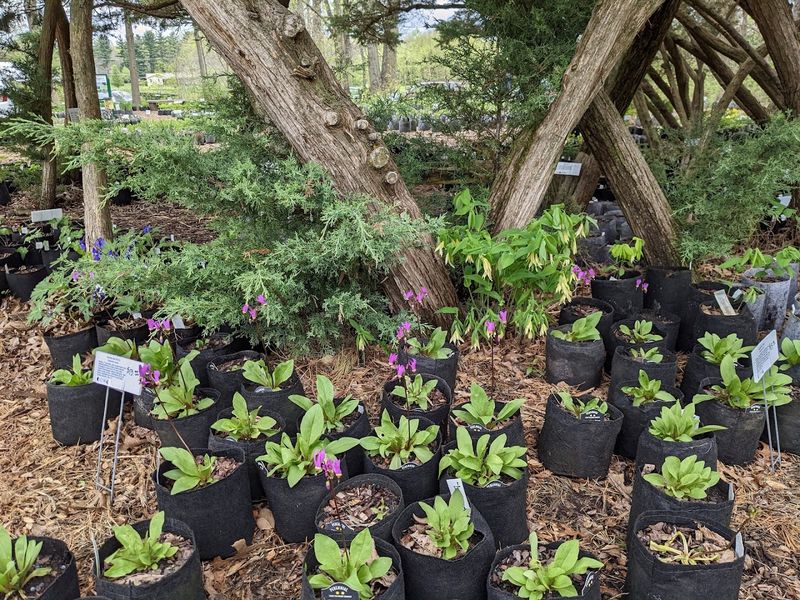
Layered planting is one of the most effective ways to create a yard that looks full, functions well, and supports wildlife year-round. Most garden centers make that kind of planting hard to plan.
They sell annuals and a few common perennials without much thought for how the plants relate to each other. Scioto Gardens takes a different approach by stocking native perennials, trees, and shrubs together.
Having all three plant layers available in one location lets gardeners think beyond a single flower bed. A native understory tree paired with a flowering shrub and a ground-level perennial creates structure that lasts across seasons.
That kind of layered planting is far more satisfying than rows of identical annuals that need replacing every spring.
Perennials in this region include species like wild bergamot, coneflowers, and native asters that return reliably each year. Shrubs such as native viburnums and buttonbush can anchor a planting bed with real structure.
Your Ohio Garden Changes Every Week. Your Plan Should Too.
Gardening in Ohio changes quickly throughout the season. Every Friday you’ll receive a simple weekly plan showing exactly what to plant, prune, fertilize, harvest, and protect so you never miss the right timing.
Trees like serviceberry or redbud bring early-season interest at a height that most perennials cannot match. Shopping a nursery that carries all three categories means you can start planning a more complete landscape in a single visit.
3. Shop A Destination Nursery Built Around Local Landscapes
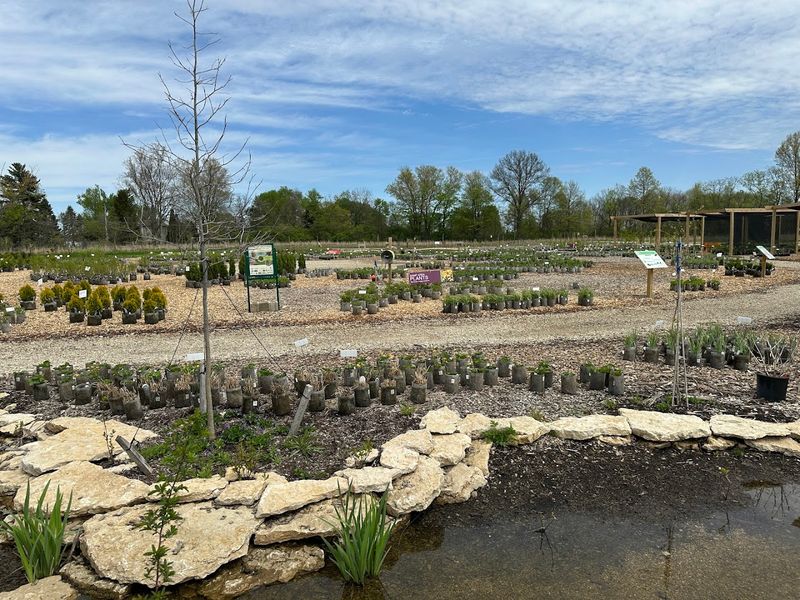
Road-trip nurseries earn their reputation by offering something a local garden center cannot replicate. A nursery centered on regional landscapes helps gardeners choose plants that make real sense for the conditions found across this state.
That includes shaded woodland edges, wet rain garden spots, open sunny borders, and dry hillside plantings.
Scioto Gardens positions itself as exactly that kind of destination. The focus on native landscape plants means the inventory is curated around what actually grows well in local yards.
It is not built around what photographs well in a national catalog. That distinction matters when you are trying to build a planting that survives past the first season.
Gardeners who treat a nursery visit as a destination trip tend to plan more carefully and come home with more purposeful choices.
Knowing you have driven a meaningful distance to reach a specialty nursery makes it easier to slow down, ask questions, and think through each plant selection.
That mindset shift alone can improve the quality of what you bring home. Not every plant will work in every yard, but a nursery focused on local landscapes gives you a much better starting point than a generic retail shelf ever could.
4. Discover Native Plants Grown For Real Garden Conditions
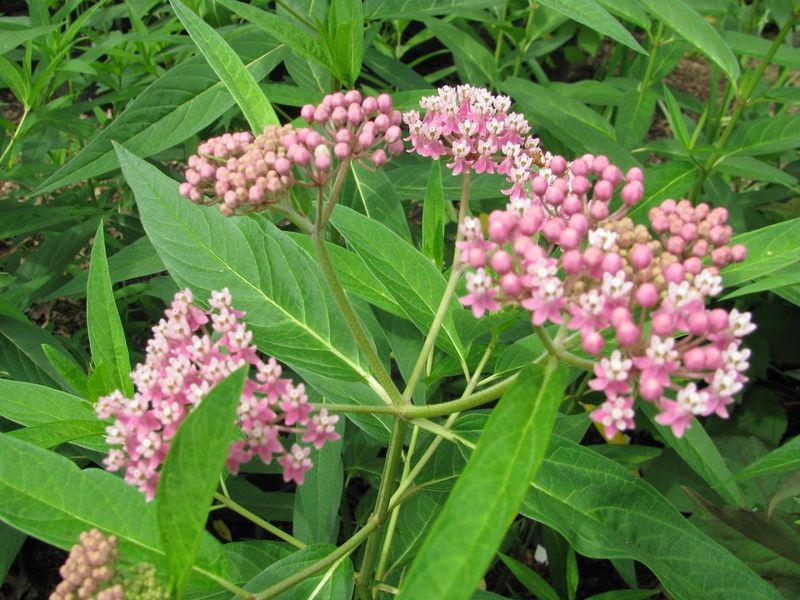
Buying a plant labeled as native does not automatically mean it will thrive in your specific yard. Native plant shopping works best when gardeners pair the right plant to the right set of conditions rather than grabbing whatever looks good on the display table.
Sun exposure, soil moisture, drainage, and available space all shape whether a plant settles in or struggles.
A shaded backyard with heavy clay soil needs very different plant choices than a sunny front border with well-drained sandy ground. Scioto Gardens focuses on native landscape plants.
That gives gardeners a better chance to find species matched to specific site conditions rather than a one-size-fits-all approach. That kind of selection is especially useful for challenging spots that have defeated non-native plantings in the past.
Before browsing any nursery, it helps to spend a few minutes observing your yard at different times of day. Note where full sun lands, where water tends to pool after rain, and how much space you realistically have.
Those details narrow your choices quickly and make conversations with knowledgeable nursery staff much more productive.
Native plants are not automatically forgiving, but they are far more likely to perform well when matched carefully to the conditions they naturally prefer.
5. Get Beyond Basic Garden Center Picks
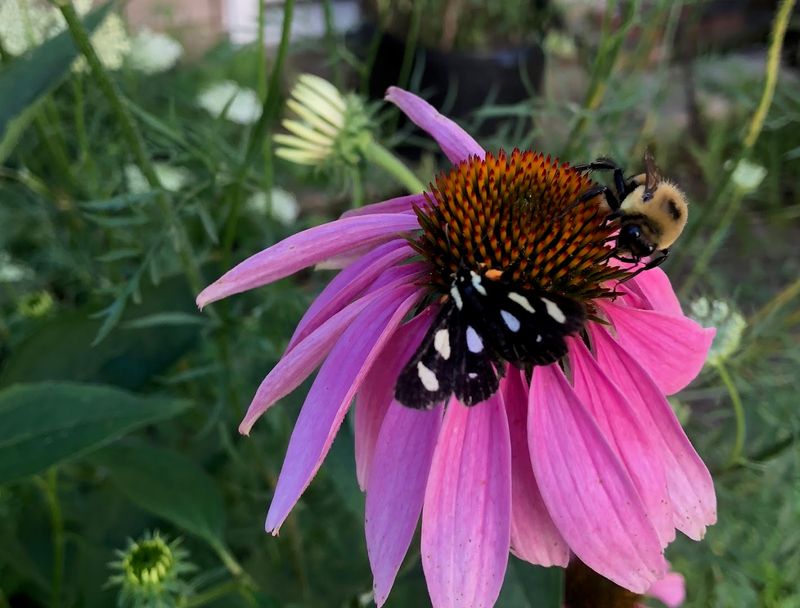
Standard garden centers do their job well for plenty of shoppers. They stock reliable ornamentals, seasonal color, and familiar landscape staples that sell quickly and look predictable.
For gardeners who want something more connected to local ecology, though, that same predictable selection can start to feel limiting after a few seasons.
Native-focused nurseries like Scioto Gardens offer plant choices that carry a different kind of value. Species like native wild ginger, blue wild indigo, or swamp rose mallow are not common retail finds.
But they fill real ecological roles in local food webs and pollinator habitats. Those plants exist in a different category than the standard ornamental selection found at most chain stores.
Choosing specialty plants from a native nursery does not mean ignoring aesthetics. Many native species are genuinely striking in the landscape.
Tall prairie grasses catch late-afternoon light in ways that few ornamental grasses can match. Native shrubs like native ninebark offer textured foliage alongside seasonal flowers and fruit.
The difference is that these plants bring function alongside their appearance. They support insects, birds, and soil health in ways that purely ornamental choices rarely do.
Expanding beyond the basic garden center pick list opens up a wider, more interesting planting palette.
6. Bring Home Plants That Belong In This State
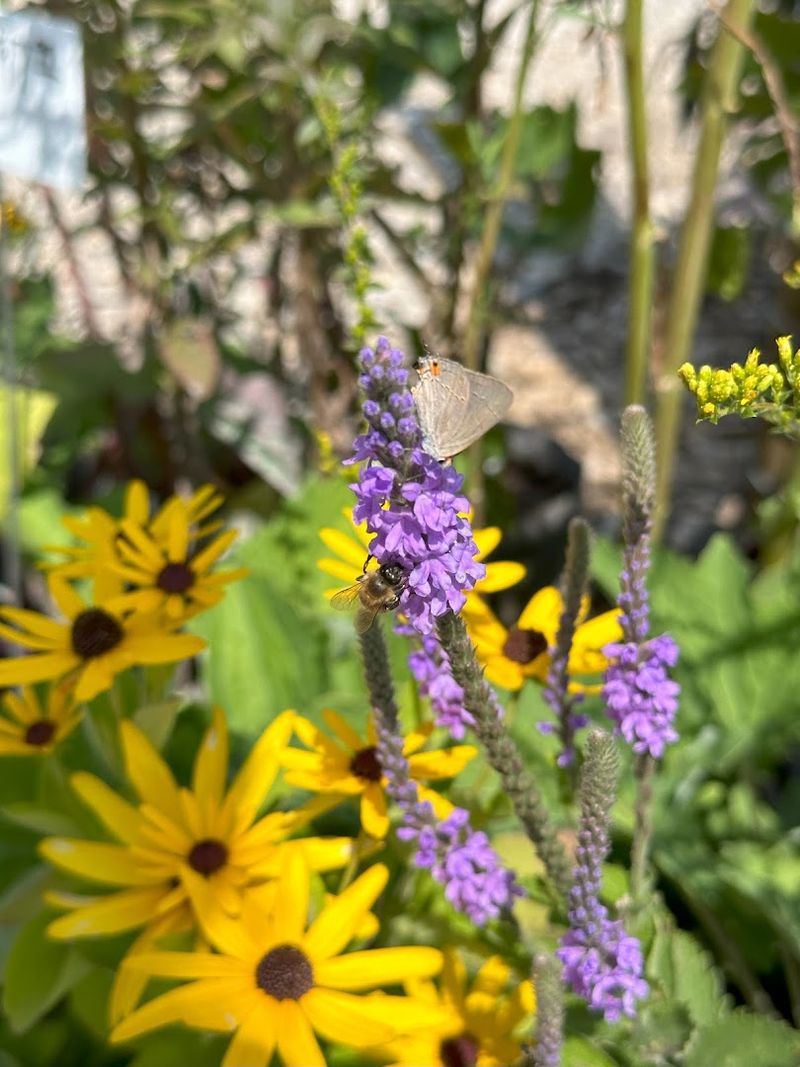
Plants that evolved alongside local insects, birds, and soil conditions carry a kind of ecological fluency that introduced ornamentals simply cannot replicate.
Native plants grown for regional landscapes can support pollinators and provide food and cover for birds.
They also contribute to the small-scale food webs that keep a yard feeling alive across all four seasons.
That ecological value does not appear overnight. A newly planted native garden needs time to establish, and wildlife response builds gradually as root systems deepen and plant communities develop.
Expecting instant results sets gardeners up for disappointment. Giving native plantings a season or two to settle in usually pays off with noticeably more insect and bird activity.
Site matching still matters even when every plant on your list is technically native to this state. A wetland species planted in a dry, sunny border will struggle regardless of its native status.
Scioto Gardens, by focusing on native landscape plants, gives shoppers a better chance of finding species suited to the actual conditions in their yards.
Bringing home plants that genuinely belong in regional soil and climate is the most straightforward path toward a yard that supports local wildlife.
It also helps avoid constant intervention or replacement.
7. Turn A Long Drive Into A Better Plant Haul
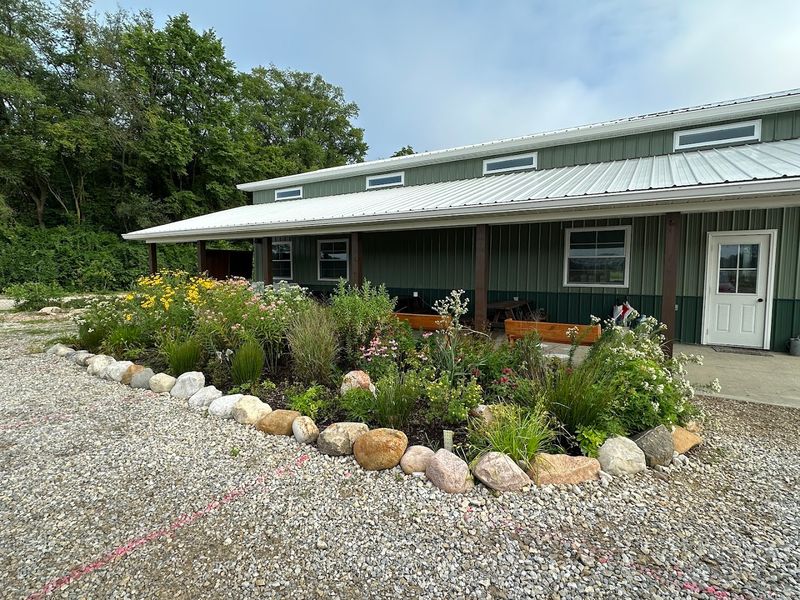
Arriving at a specialty nursery without a plan is a reliable way to come home with beautiful plants that do not quite fit your yard. The drive to a destination nursery like Scioto Gardens is actually useful preparation time.
Thinking through your yard’s specific challenges gives you a clearer shopping framework. Consider its sun exposure, moisture levels, bed dimensions, and existing plants before you even walk through the gate.
A written plant list helps, but staying flexible matters just as much. Sometimes a species you planned to buy is not available, or a nursery staff member points out a better match for a tricky shaded corner you described.
Being open to those suggestions often leads to smarter plant choices than sticking rigidly to a pre-made list.
Pack a few notes on your phone or a small notebook with measurements, photos of problem areas, and a rough sketch of your beds. Note whether each area is wet or dry in spring, how many hours of direct sun it receives, and what has struggled there before.
That information makes every conversation at the nursery more productive. A longer drive to a focused native plant nursery is far more worthwhile when you leave with plants that genuinely fit your landscape.
That beats coming home with plants that simply caught your eye at the display table.
8. Support A Nursery Focused On Native Landscape Plants
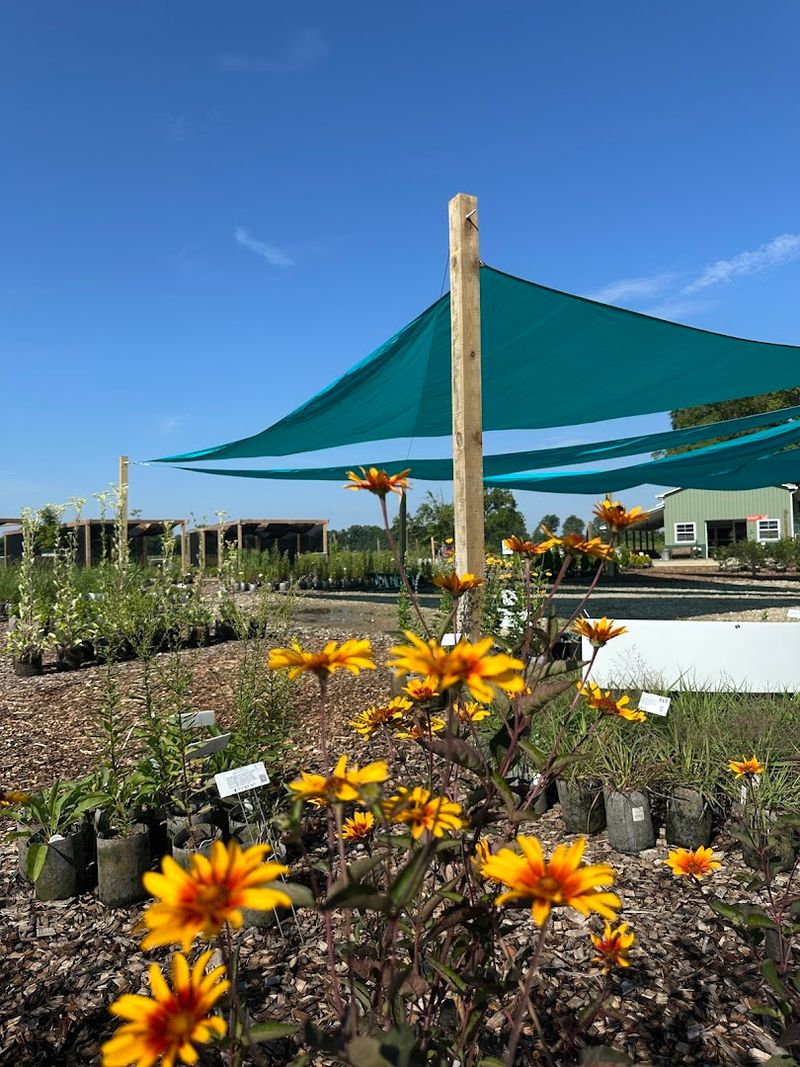
Every purchase at a specialty native nursery does more than fill a spot in a flower bed. Buying from a nursery centered on native landscape plants sends a signal about what gardeners in this state actually want.
That demand shapes what nurseries grow, what they stock in future seasons, and how the broader local plant market develops over time.
Scioto Gardens focuses on native trees, shrubs, and perennials for local landscapes. It represents the kind of intentional plant business that benefits regional gardening culture.
Supporting that kind of operation helps keep knowledgeable, native-focused nurseries viable and encourages more of them to develop across the state.
Beyond the broader market impact, shopping at a native nursery tends to produce better outcomes for individual yards. Plants chosen from a regionally focused inventory are more likely to match local conditions and perform reliably over multiple seasons.
They also require less corrective intervention down the road. That practical payoff is reason enough to make the trip, independent of any larger ecological argument.
Whether you are starting a new bed, expanding an existing border, or tackling a larger yard project, a nursery built around native landscape plants gives you a more grounded starting point.
It offers a more site-appropriate approach than most retail alternatives can provide.