Stop Leaving Early Tomatoes On The Vine In Ohio Heat
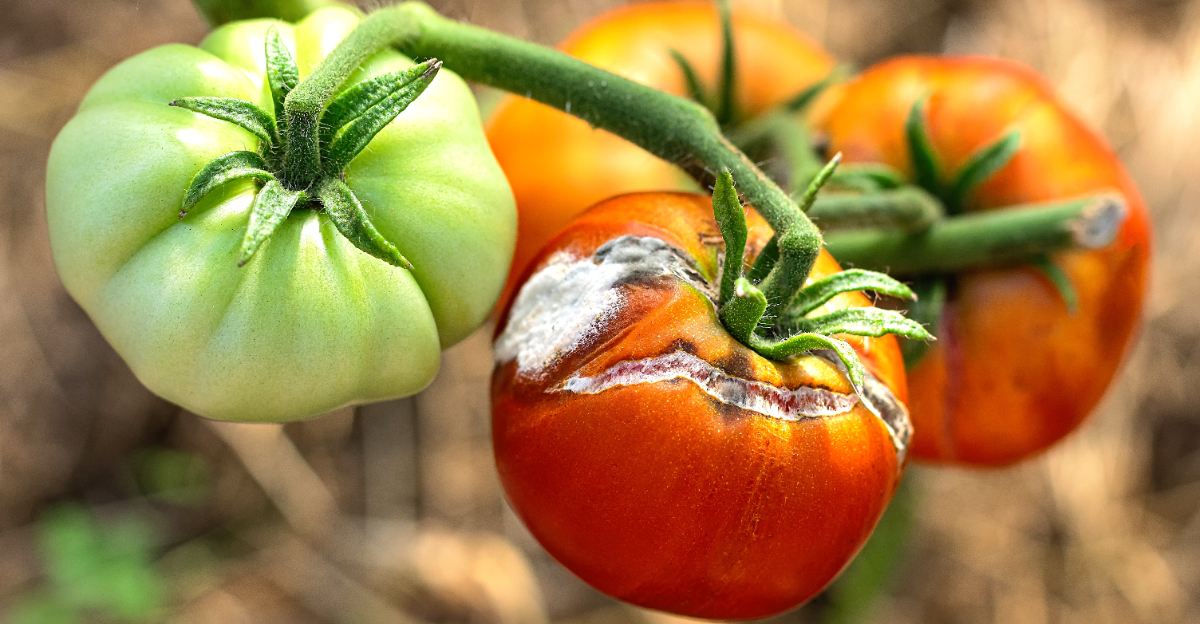
The tomato sitting on your vine at nine in the morning is not the same tomato by three in the afternoon. Heat works fast, and a fruit that looked flawless at breakfast can split, sag, or turn mushy before dinner.
Most people blame bad luck when a tomato cracks open overnight, or assume the plant itself is somehow to blame. Neither explanation tells the full story.
Pick too late on a scorching day and you lose the fruit. Pick too early and the flavor never fully develops, leaving you with something bland and disappointing.
There’s a narrow window between underripe and ruined, and brutal summer temperatures shrink that window fast. Learning to read it saves entire harvests, not just single tomatoes.
Ripe Tomatoes Left In High Heat Split And Rot Quickly
Picture this: you skip one harvest day and come back to a burst tomato leaking juice onto the soil. That is what Ohio summer heat does to ripe fruit left on the vine.
When temperatures climb past 90 degrees, the skin of a ripe tomato becomes fragile. Any rain or watering after a dry stretch causes the inside to expand faster than the skin can handle.
The result is a split that runs deep into the flesh. Bacteria and mold move in within hours, turning a beautiful fruit into a soggy mess.
Once a tomato reaches full color, pick it without delay. A tomato picked at first blush will finish ripening indoors just fine.
Countertop ripening at room temperature actually preserves better flavor than vine-ripening in scorching heat. High heat breaks down the sugars and acids that give tomatoes their classic taste.
Ohio gardeners know this problem well. The heat index in July and August regularly pushes conditions past what any tomato skin can survive.
Check your plants every single day during peak summer weeks. A tomato can go from perfect to ruined in less than 24 hours when temps soar.
Picking promptly also keeps the plant healthier overall. Each rotting fruit left behind invites problems that spread to the rest of your crop fast.
Ohio Summer Temperatures Accelerate Fruit Softening On The Vine
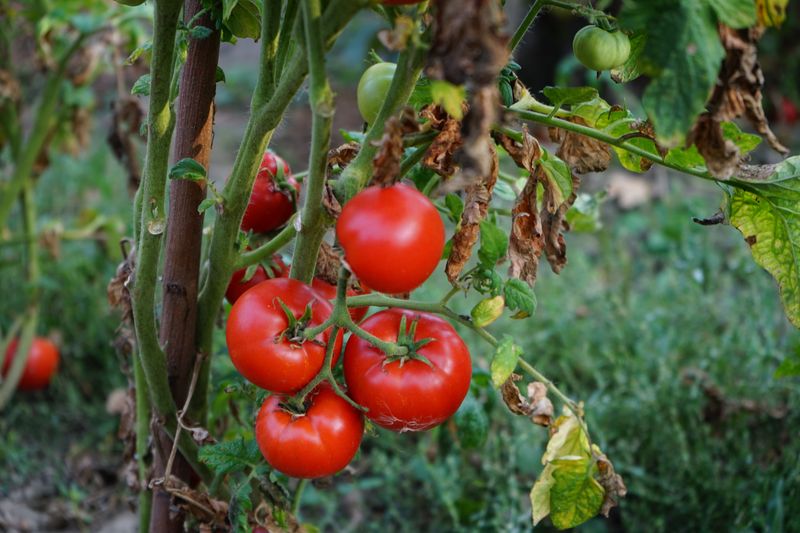
Ohio summers do not ease up on your garden. Daytime temps regularly hit the mid-90s, and nights stay warm enough to keep the stress going around the clock.
Tomato fruit softens rapidly when air temperature stays above 85 degrees for extended periods. The cell walls inside the fruit break down faster than normal, making the texture mushy before the tomato even looks overripe.
Most gardeners judge ripeness by color alone, which can be misleading in peak heat. A tomato might look firm and red on the outside while already turning soft at the core.
Pressing gently near the stem end gives you a better read on true ripeness. If there is any give at all, that fruit needs to come off the plant today, not tomorrow.
The moment you feel that first hint of softness, take the fruit off the plant. Waiting even a few more hours in high heat speeds up the breakdown significantly.
Your Ohio Garden Changes Every Week. Your Plan Should Too.
Gardening in Ohio changes quickly throughout the season. Every Friday you’ll receive a simple weekly plan showing exactly what to plant, prune, fertilize, harvest, and protect so you never miss the right timing.
Soft tomatoes also bruise easily during harvest, reducing their shelf life even further. Handle them with care and set them stem-side down on your counter to slow further softening.
Keeping a small harvest basket near your garden door makes daily picking a quick habit. A two-minute check each morning can save pounds of fruit over the course of the season.
Your summer harvest depends on timing more than almost any other factor. Beat the heat by picking early and often.
Delayed Picking Attracts Pests And Encourages Disease Spread
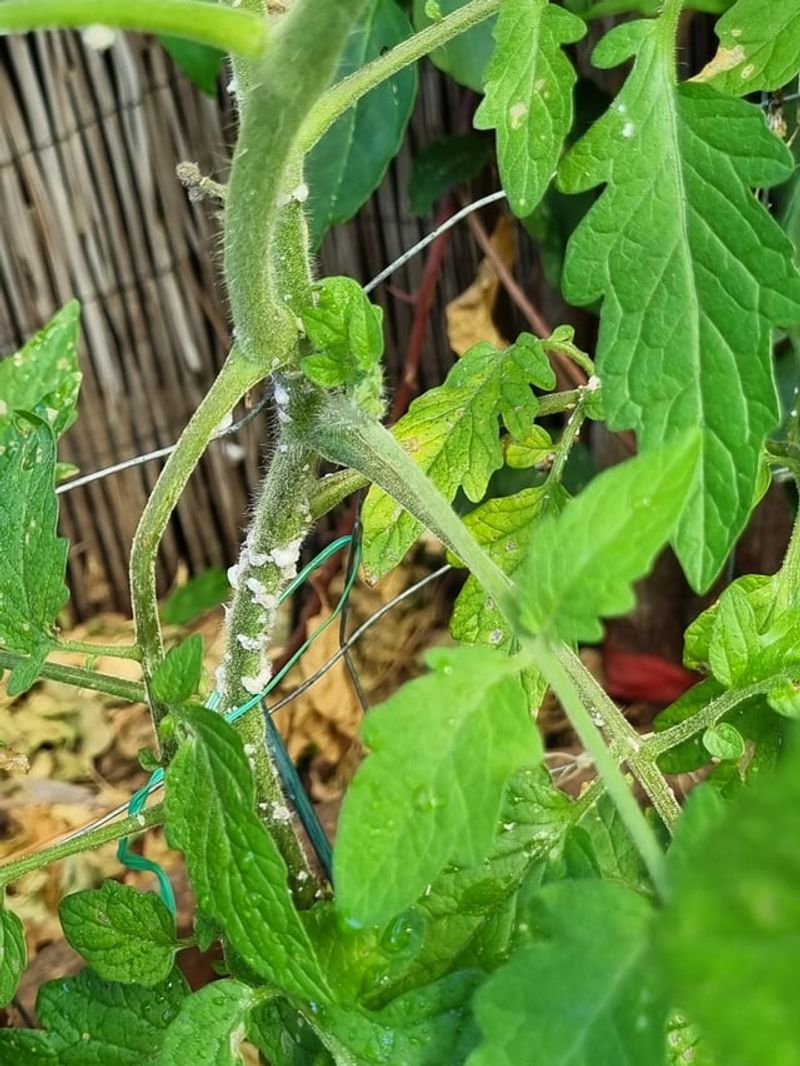
Overripe fruit hanging on the vine is basically a flashing neon sign for every pest in your yard. Hornworms, stink bugs, and fruit flies zero in on soft, fragrant tomatoes faster than you might expect.
Once one pest finds your plant, others follow quickly. The smell of overripe fruit carries surprisingly far on a warm breeze.
Stink bugs pierce the skin to feed, leaving hard, white, corky patches inside the flesh. Those damaged spots are not just ugly, they make the tomato inedible in those sections.
Fruit flies lay eggs in any crack or soft spot they can find. Within a day or two, larvae hatch inside the fruit, and adult flies quickly move on to neighboring tomatoes.
Disease spreads just as quickly. Botrytis, also called gray mold, thrives on overripe fruit and can jump to healthy green tomatoes nearby.
Early blight spores travel on splashing water and land on foliage near rotting fruit. Removing compromised tomatoes quickly breaks that cycle before it gains momentum.
Picking fruit promptly keeps pest pressure from building up in the first place. A clean plant with no rotting fruit is far less attractive to insects and fungal problems.
Toss any damaged or overripe fruit into a sealed compost bin, not onto the ground near your garden. Leaving it nearby just relocates the problem a few feet away.
Consistent harvesting is your best defense against a pest problem that can spread through your whole summer crop.
Overripe Fruit Pulls Energy Away From Remaining Blooms
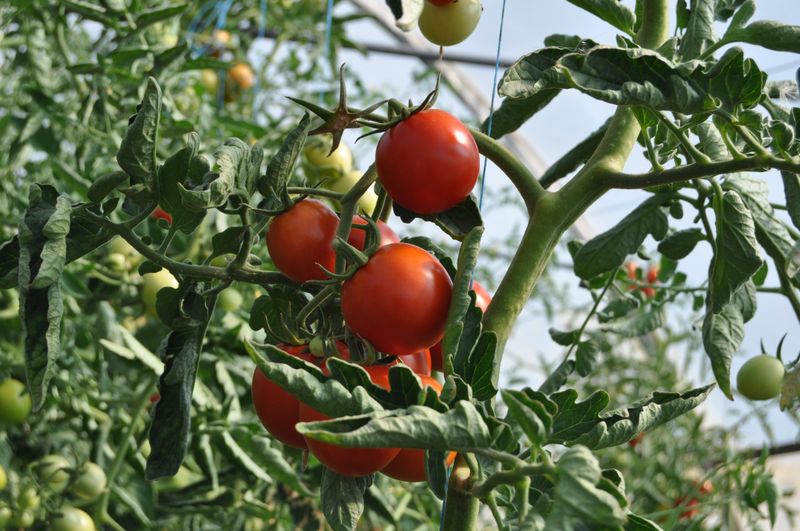
Your tomato plant is always doing math. Every ounce of energy it sends to an overripe fruit is energy stolen from a new bloom trying to set.
Plants are remarkably efficient at prioritizing existing fruit over new growth. When a tomato is left past peak ripeness, the plant keeps feeding it anyway, even as younger flowers wilt and drop.
This is called source-sink competition in plant biology, but you do not need the science terms to see the results. Fewer blooms set means fewer tomatoes later in the season.
Late-season harvests in August and September suffer most from this pattern. Gardeners who pick consistently through July tend to see a strong second flush of fruit as summer winds down.
Removing ripe and overripe fruit signals the plant to redirect resources toward flowering. It is a simple trigger that most home growers overlook entirely.
Clearing ripe fruit regularly keeps your plants producing well into the season. A cleared vine is an ambitious vine.
Pruning spent flower clusters at the same time as harvesting also helps. Cleaning up the plant during each picking session takes just a minute and pays off in weeks of added production.
Think of each harvest as a pep talk for your plant. You are telling it there is still work to do and more fruit to grow.
A productive August starts with smart picking decisions made back in June and July.
Harvesting Slightly Early Prevents Sun Scald And Cracking
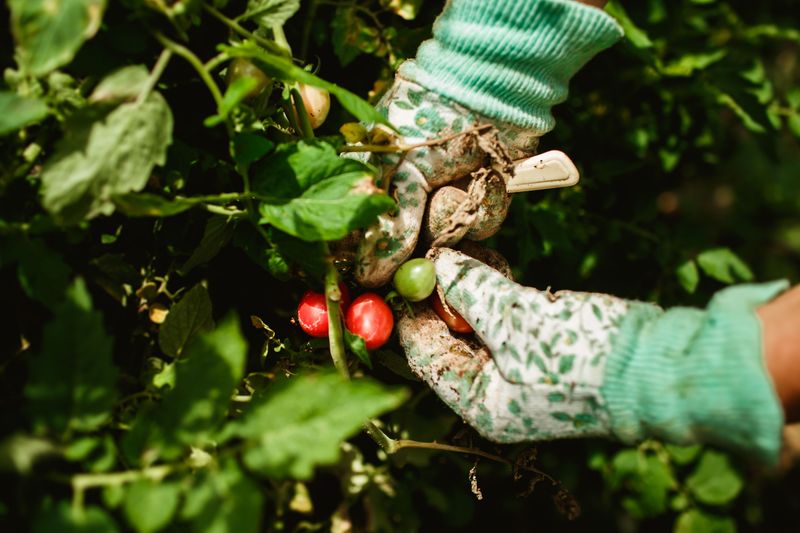
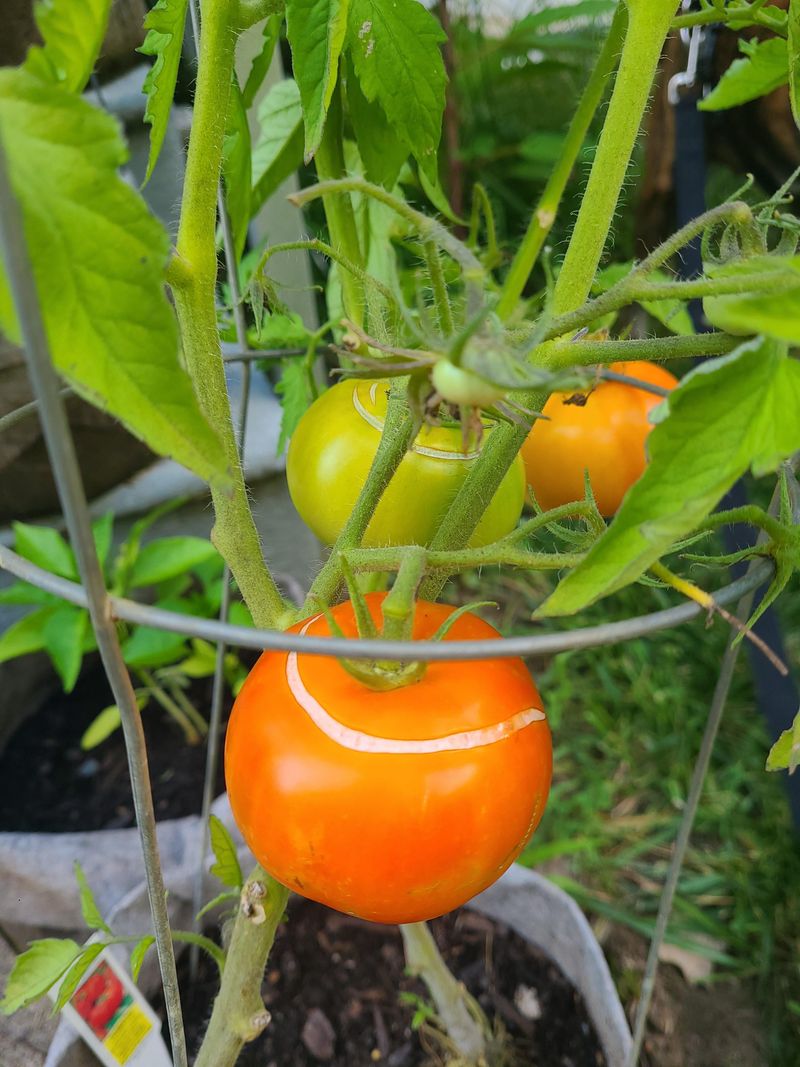
Sun scald is one of those problems that sneaks up on you fast. One afternoon of direct, intense sun exposure can bleach a patch of skin on a tomato and compromise that section of the fruit.
The damaged area turns white or yellow and develops a papery texture. That spot doesn’t heal on its own, and it quickly becomes an entry point for rot and mold.
Picking at the color-break stage, when the fruit is shifting from green to orange or pink, sidesteps this problem entirely. The tomato finishes ripening in the shade of your kitchen counter without any sun exposure at all.
Cracking is the other major risk here. Irregular watering combined with high heat causes the interior of the fruit to expand and contract rapidly.
A tomato picked just before full ripeness has thicker, more resilient skin. It handles the final days of ripening without the stress of outdoor temperature swings.
Pick the fruit as soon as the skin starts showing sheen or tension. That tightness means the fruit is right at the edge of its tolerance.
Ripening indoors also gives you more flexibility with timing. You can pick a batch on Monday and have perfect tomatoes ready to eat by Wednesday or Thursday.
Ohio gardeners who adopt this habit rarely deal with sun scald or cracking again. The fix is simple and the payoff shows up in every sandwich and salad you make.
A Consistent Picking Schedule Protects Yield Through August
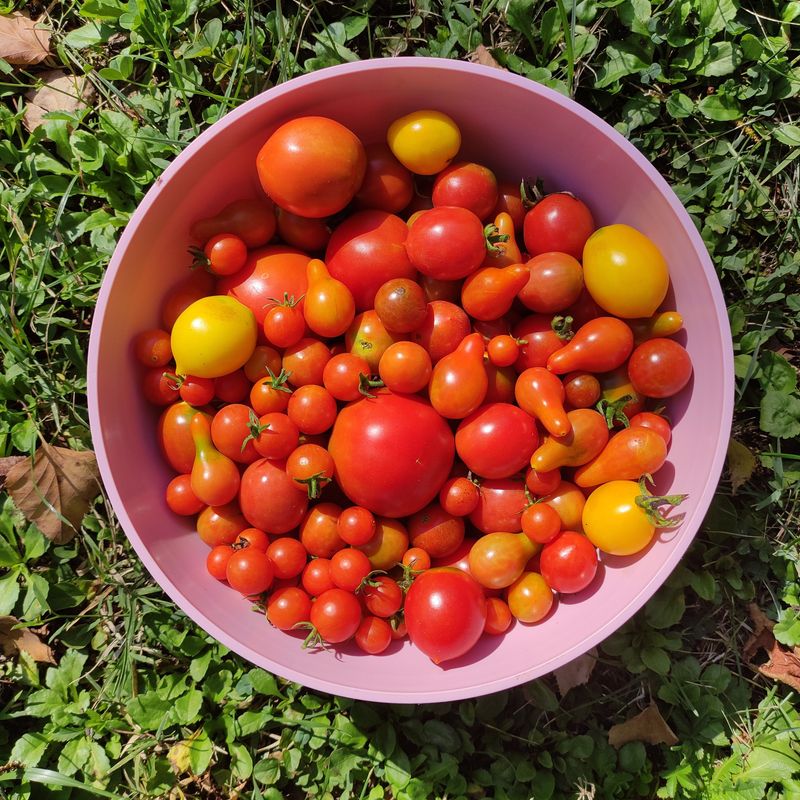
Soil quality and fertilizer matter, but picking habits make just as much difference in total yield. The gardeners with the fullest baskets are usually the ones who show up every single day.
Consistency is the secret weapon of a productive summer garden. Setting a daily or every-other-day harvest routine keeps the plant in a constant state of productive momentum.
Pick in the morning when temperatures are cooler and the fruit is firmer. Heat-stressed tomatoes picked in the afternoon tend to soften faster after harvest.
Keep a simple log if it helps, just a sticky note on the fridge marking which days you picked. Patterns become obvious quickly and you can adjust your schedule as the season peaks.
August is when many Ohio gardeners see production slow down or stall. Inconsistent picking through July is often the main reason yields drop off heading into late summer.
Commit to a picking schedule before your plants hit peak production. A habit built in June pays dividends all the way through September.
Share extras with neighbors, freeze them for sauce, or try oven-roasting batches for storage. An abundant harvest is only a problem if you have no plan for the overflow.
Your Ohio garden responds to attention the way most living things do. Give it consistent care, and it will give you consistent fruit through the hottest weeks of the year.
A little daily effort now means your table stays full long after summer peaks and fades.