Signs Your Michigan Peony Has Blight And How To Stop It From Spreading Underground
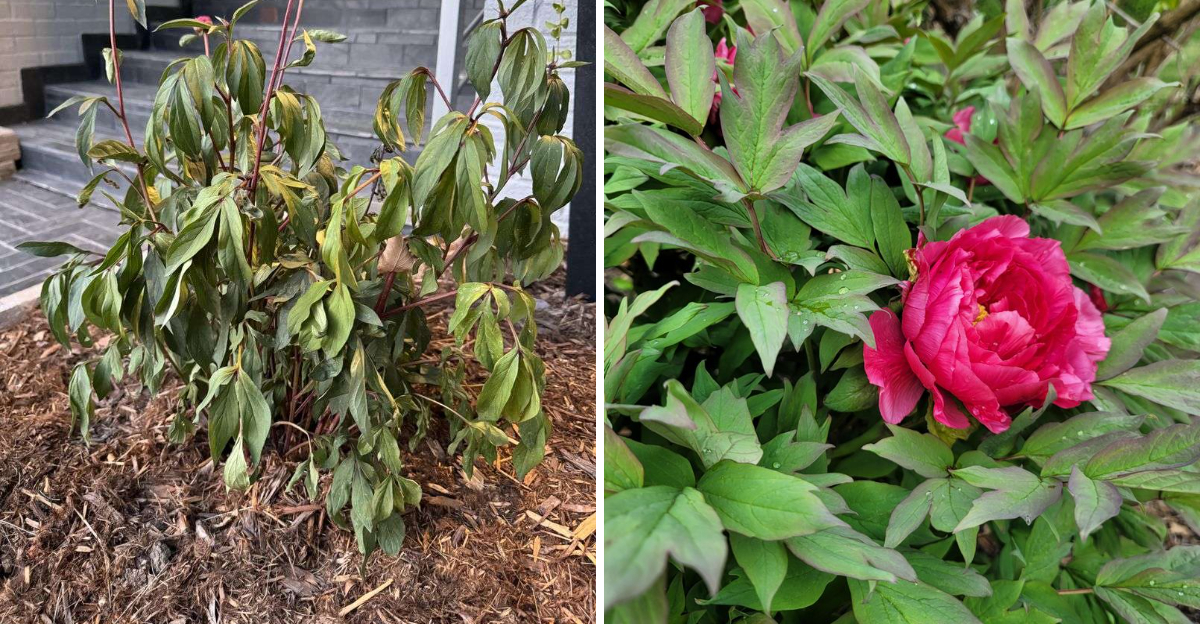
Peonies are among the most reliable perennials a Michigan gardener can grow, which is exactly why it is so alarming when something starts going visibly wrong with them.
Botrytis blight moves fast, and the signs above ground often underrepresent how far the problem has already traveled below the surface.
Dark spots on stems, collapsing buds, and gray fuzzy growth near the base of the plant are all signals that need immediate attention rather than a wait-and-see approach.
Michigan’s cool, wet springs create conditions where this fungal problem spreads with very little resistance if nothing is done to interrupt it.
Catching it at the earliest possible stage and responding with the right steps is what keeps one affected plant from becoming a whole-bed problem.
1. Blackened Or Water-Soaked Foliage
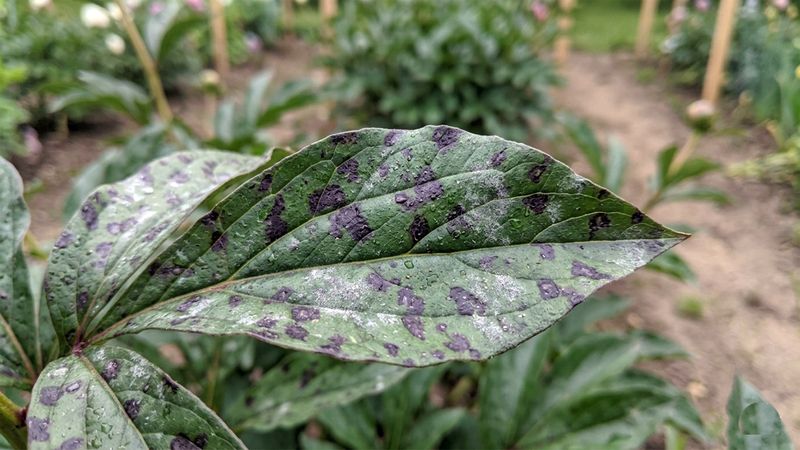
Picture walking out to your garden after a rainy Michigan spring morning and noticing that your peony leaves look like someone splashed dark ink across them.
Those blackened, water-soaked spots are one of the very first warning signs of peony blight, caused by the fungus Botrytis paeoniae.
Catching this symptom early gives you the best chance of keeping the disease from spreading further.
The spots usually start small and irregular, appearing on the outer edges or middle sections of the leaf surface.
They quickly expand after wet weather, turning from dark green to brown or near-black as the tissue breaks down.
Cool, damp springs create the perfect conditions for this fungus to thrive, so early April through May is your highest-risk window.
Walk your garden every few days during wet stretches and look closely at the lower leaves first, since those sit closest to the soil where spores linger.
Once you spot even one affected leaf, act immediately. Removing it right away stops the fungus from releasing more spores onto nearby plants.
Bagging the infected material securely before disposing of it protects the rest of your garden.
Early detection truly is your most powerful tool against blight spreading underground through the crown and root system.
2. Browning Or Black Stems
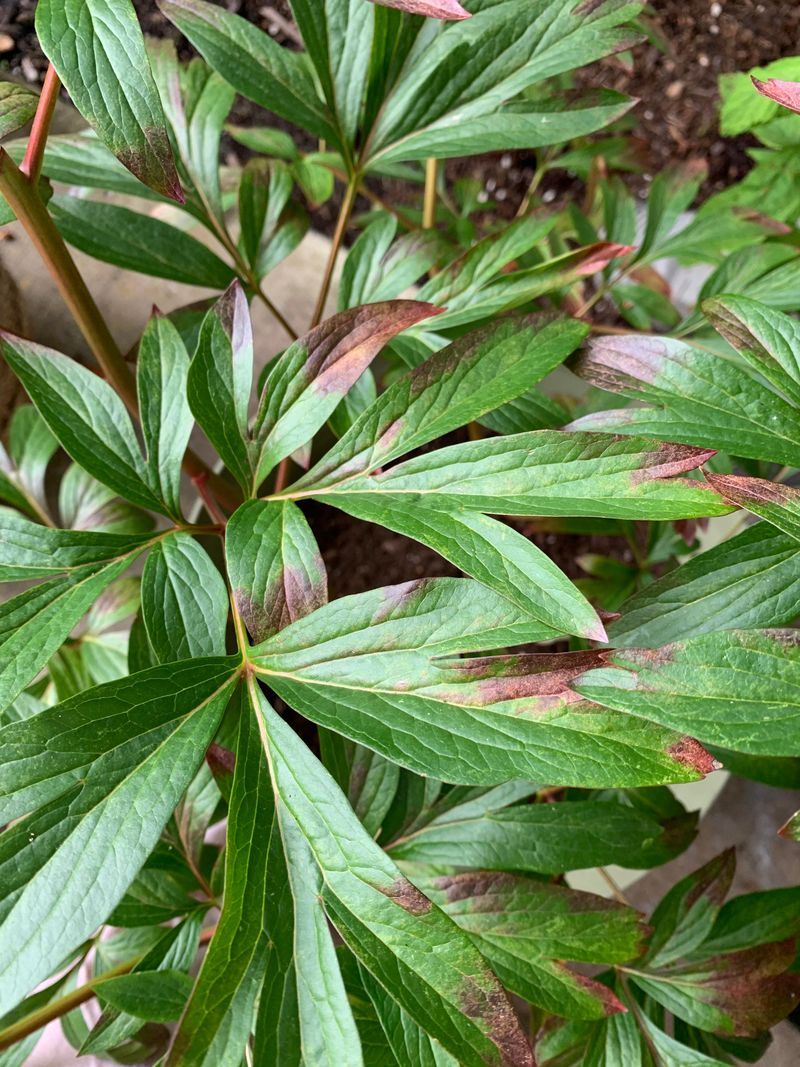
When blight moves past the leaves and reaches the stems, things escalate quickly.
Brown or black discoloration creeping up a peony stem is a sign the fungus has gained serious ground, and the underground crown could be next in line if nothing changes.
Most Michigan gardeners first notice this symptom in mid-spring when shoots are actively growing and moisture is still high.
Run your fingers gently along the base of each stem and look for soft, dark patches that feel slightly different from healthy tissue.
Healthy stems feel firm and green, while blight-infected ones often look sunken or shriveled at the discolored zone.
Sometimes a fuzzy gray mold, characteristic of Botrytis, appears on the surface during humid mornings, giving you an unmistakable visual clue.
Check every stem individually rather than just scanning from a distance, because early browning can be subtle and easy to miss.
If you find an infected stem, cut it off several inches below the visible damage to make sure you remove all affected tissue.
Your Michigan Garden Changes Every Week. Your Plan Should Too.
Gardening in Michigan changes quickly throughout the season. Every Friday you’ll receive a simple weekly plan showing exactly what to plant, prune, fertilize, harvest, and protect so you never miss the right timing.
Sterilize your pruning shears with rubbing alcohol between each cut to avoid accidentally transferring spores to healthy stems.
Dispose of the removed material in a sealed bag, never in your compost pile.
Staying on top of stem inspections every week during spring dramatically lowers the risk of blight reaching the roots.
3. Soft Or Mushy Crown Tissue
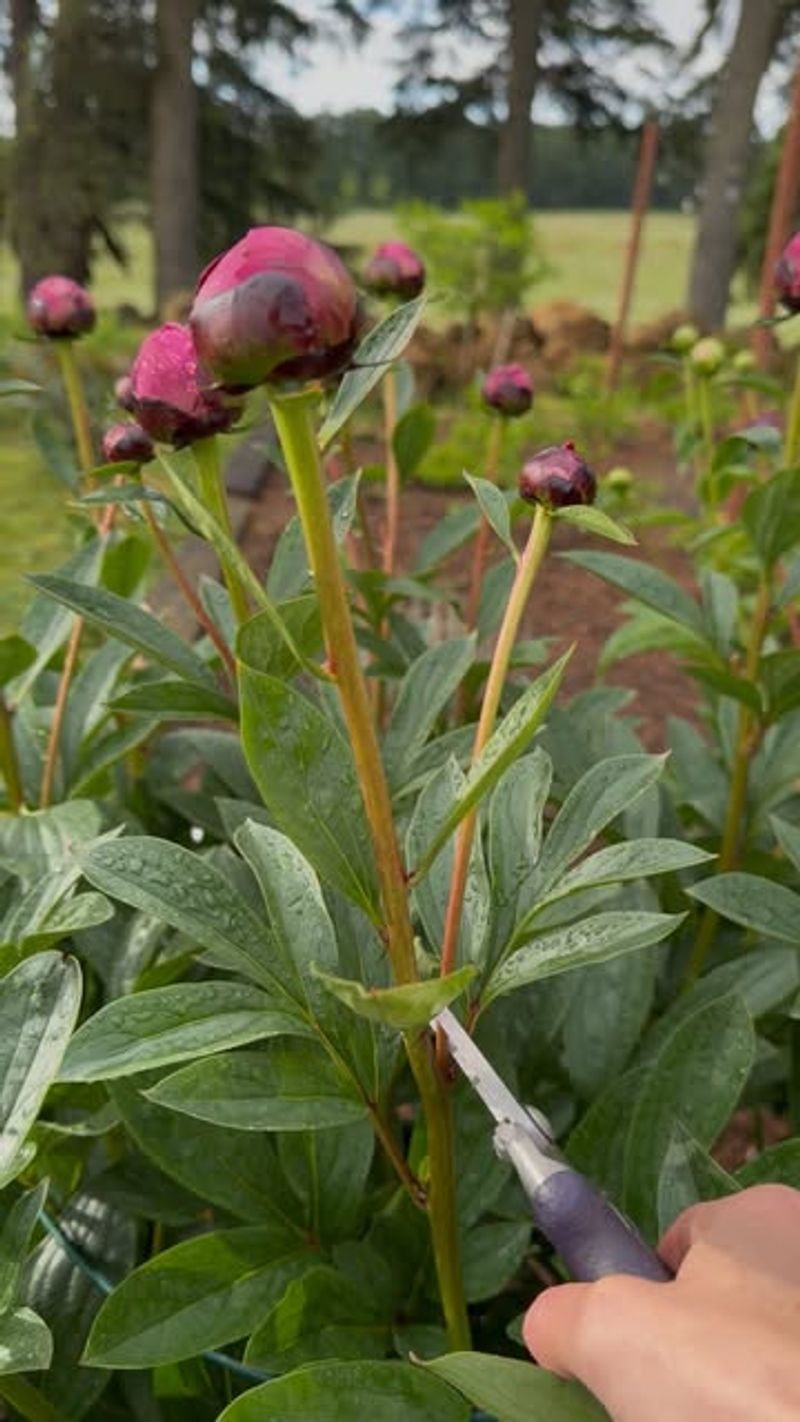
The crown of a peony plant is the central hub where stems meet the roots, and it sits right at soil level, making it dangerously exposed to soilborne fungal pathogens.
When blight reaches this zone, the tissue begins to soften and break down in a way that looks almost waterlogged.
Pressing gently on the crown and feeling mushiness instead of firm resistance is a serious red flag that should not be ignored.
Michigan gardeners often discover crown rot after a stretch of cold, wet weather because the fungus thrives in those exact conditions.
The damage may not be visible on the surface at first, hiding just beneath a thin layer of healthy-looking outer tissue.
Carefully scraping back a small amount of soil around the crown base once a month during the growing season helps you catch problems before they go deeper into the root system.
Healthy crowns are cream to pale pink and feel solid when pressed. Infected crowns may show brown streaking, a foul odor, or collapse when touched.
If you find soft tissue, remove all affected material with a clean, sterilized tool and allow the remaining crown to air out.
Applying a copper-based fungicide to the exposed area can help slow further infection.
Keeping the soil around the crown loose and well-drained also reduces the chance of this devastating symptom returning next season.
4. Wilting Despite Adequate Water
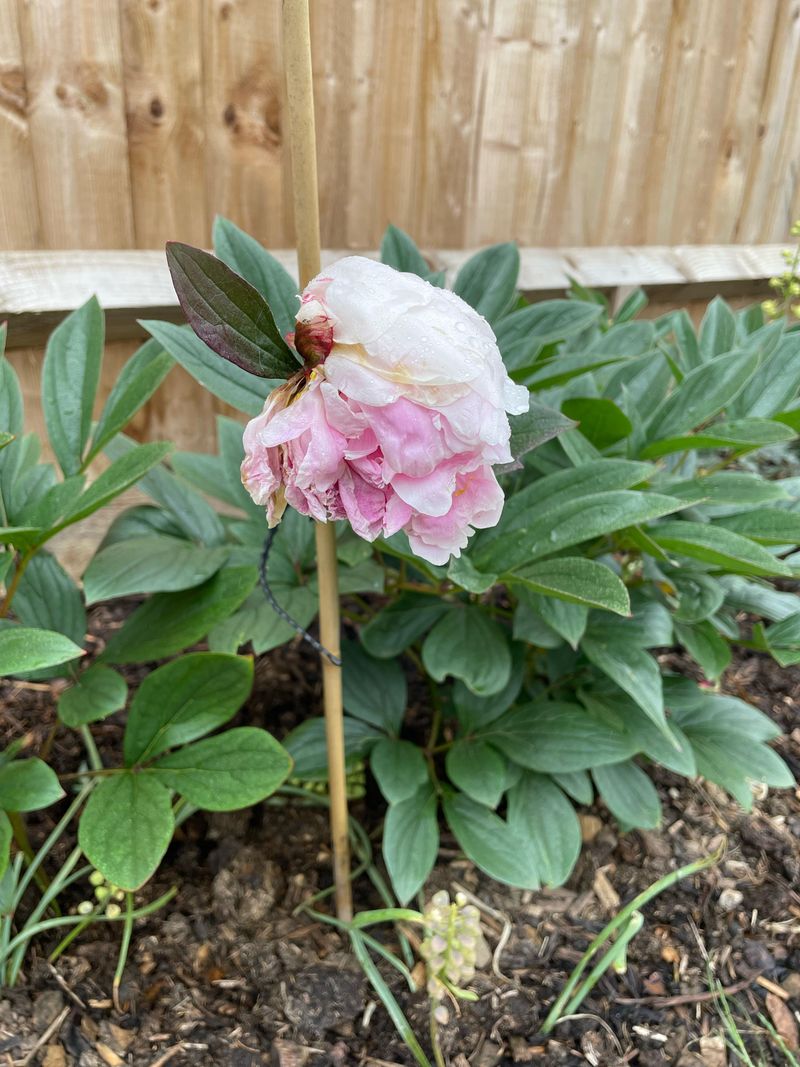
Few things are more confusing for a gardener than watching a plant wilt when the soil is clearly moist.
With peonies, this baffling symptom is often a sign that blight has moved into the vascular system, the internal network of channels that carries water and nutrients from roots to shoots.
Once those pathways become blocked or damaged by fungal activity, no amount of watering can fix the problem from the outside.
In Michigan, this symptom tends to appear in late spring or early summer when young shoots are growing fast and using a lot of water.
The wilting usually starts with one or two stems rather than the whole plant, which makes it easier to pinpoint which areas are affected.
Pulling back the soil near the base of a wilting stem often reveals discoloration or decay that confirms blight is the culprit rather than drought stress.
Resist the urge to water more aggressively when you see wilting, because excess moisture actually makes fungal conditions worse.
Instead, inspect the stems and crown carefully for any of the other blight symptoms mentioned in this guide.
If blight is confirmed, remove the affected stems right away and treat the area with a registered fungicide approved for use on ornamental plants in Michigan.
Acting quickly gives the remaining healthy stems the best chance of recovering and blooming fully through the season.
5. Discolored Spots At Leaf Bases
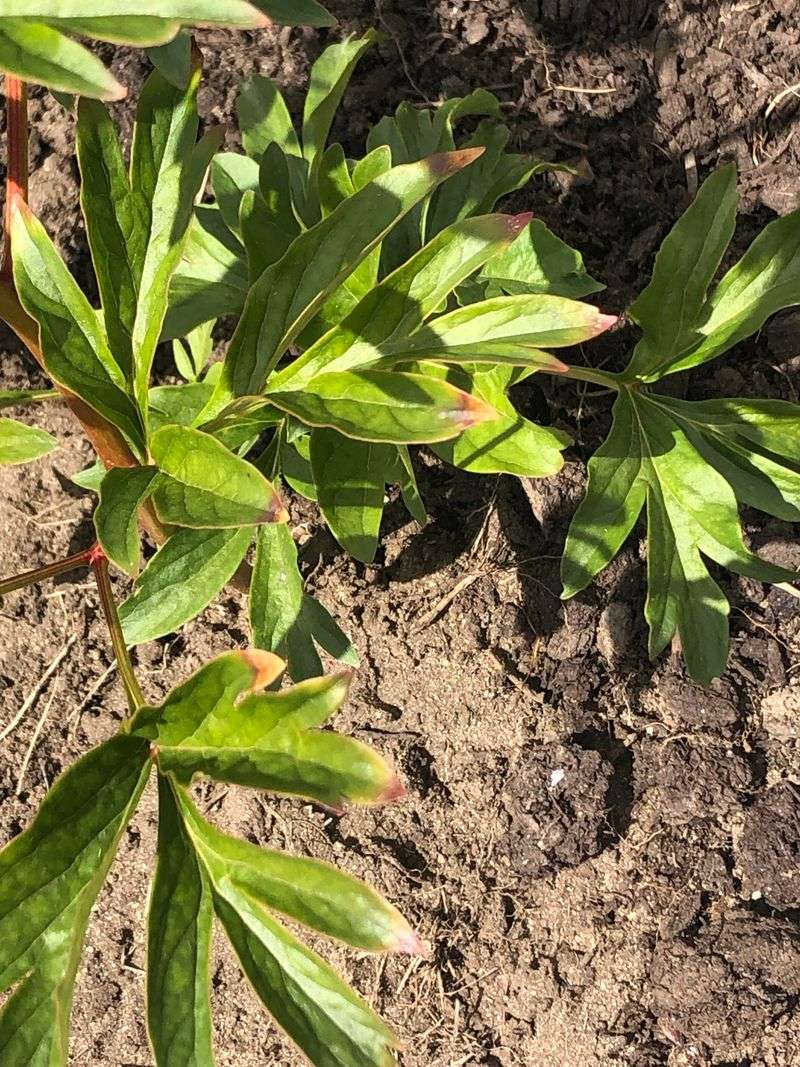
Small, dark lesions near the base of peony leaves might look harmless at first glance, but they are actually one of the earliest warning signals your plant sends out when blight begins to take hold.
These spots tend to appear right where the leaf attaches to the stem, and they often have a water-soaked or purplish-brown border that sets them apart from normal wear and tear.
Spotting them early means you are catching the disease at its most manageable stage.
The reason these spots form at leaf bases is that moisture tends to collect in those tight junctions, creating a welcoming environment for Botrytis spores to germinate.
In Michigan, where spring mornings can be foggy and cool for weeks at a time, those conditions persist long enough to give the fungus a real foothold.
Checking leaf bases during your weekly garden walkthrough adds only a few extra minutes but can make a significant difference in early detection.
Once you spot these lesions, do not wait to see if they spread.
Remove the affected leaves immediately, cutting the stem cleanly and bagging the material for disposal away from the garden.
Avoid touching healthy leaves with the same gloves you used on infected ones without washing first.
Following up with a preventative fungicide application to the surrounding foliage creates an added barrier and signals to your garden that you mean business when it comes to protecting those beautiful blooms.
6. Remove Infected Foliage Promptly
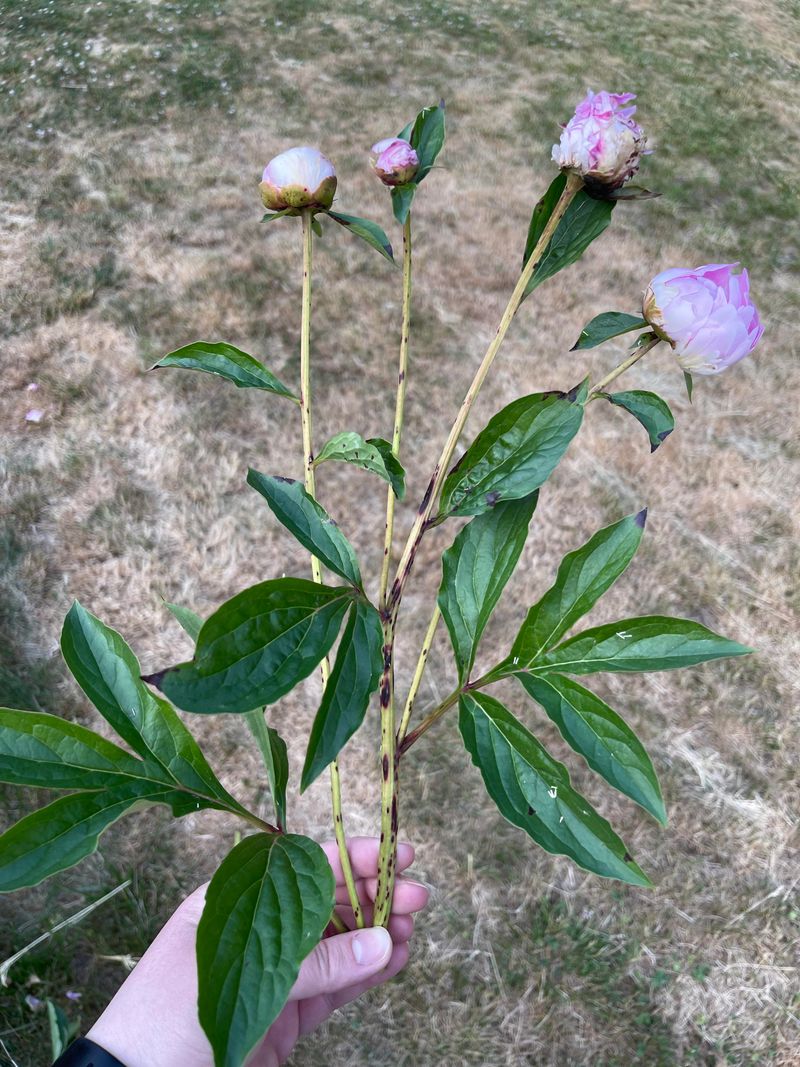
Speed is everything when it comes to managing peony blight.
The moment you spot blackened leaves, mushy stems, or dark lesions, removing the affected material right away dramatically reduces the number of spores available to spread to healthy plants or sink into the soil.
Botrytis spores travel easily on wind and water, so every day you wait gives the fungus more time to multiply and move.
Use clean, sharp pruning shears and cut at least two to three inches below the visible damage to make sure you are removing all infected tissue.
After each cut, wipe your blades with a cloth soaked in rubbing alcohol or a 10 percent bleach solution to avoid spreading spores from one stem to another.
Working carefully and methodically protects the healthy parts of your plant during the removal process. Disposal method matters just as much as removal speed.
Never toss infected foliage into your compost pile, because Botrytis spores can survive the composting process and reinfect your garden later.
Instead, seal the removed material tightly in a plastic bag and place it in the trash.
Some gardeners choose to burn infected material where local ordinances allow, which is one of the most effective ways to eliminate spores completely.
After cleanup, apply a layer of fresh mulch around the base of your peonies to create a physical barrier between the soil and remaining foliage.
7. Avoid Overhead Watering
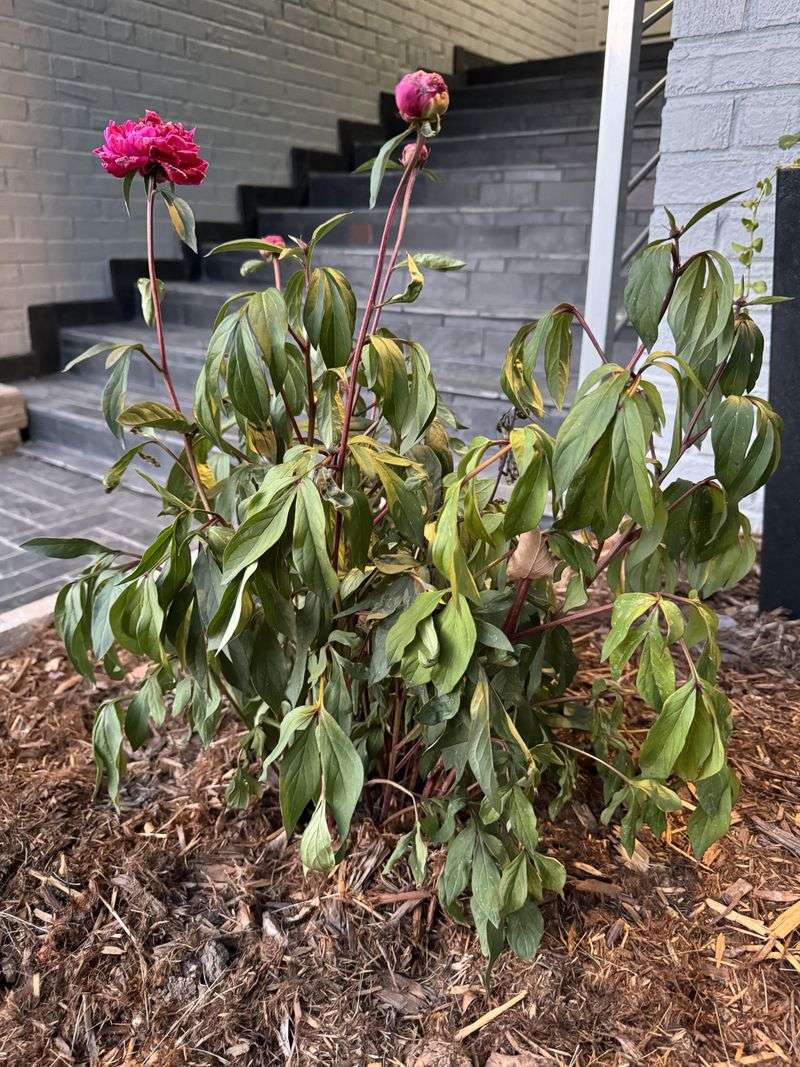
Water is essential for peonies, but the way you deliver it matters enormously when blight is a concern.
Overhead sprinklers and hose spraying wet the leaves, stems, and crown, creating exactly the moist surface conditions that Botrytis spores need to germinate and spread.
In Michigan, where natural rainfall already keeps humidity high during spring, adding more moisture to foliage through overhead watering essentially invites blight to settle in.
Switching to drip irrigation or a soaker hose system is one of the simplest and most effective changes you can make.
These methods deliver water directly to the root zone without touching the above-ground parts of the plant, keeping foliage dry even on watering days.
Drip systems are widely available at Michigan garden centers and are easy to install around existing beds without disturbing the plants. Timing also plays a major role in moisture management.
If drip irrigation is not an option right now, water your peonies at the base using a watering can or a hose directed low to the ground, and always water in the morning so any incidental splash on leaves has time to dry before cooler evening temperatures arrive.
Wet foliage sitting overnight in cool Michigan air is a prime setup for fungal activity.
Consistent dry foliage combined with well-hydrated roots gives your peonies the best growing conditions while keeping blight at a serious disadvantage throughout the entire season.
8. Improve Air Circulation
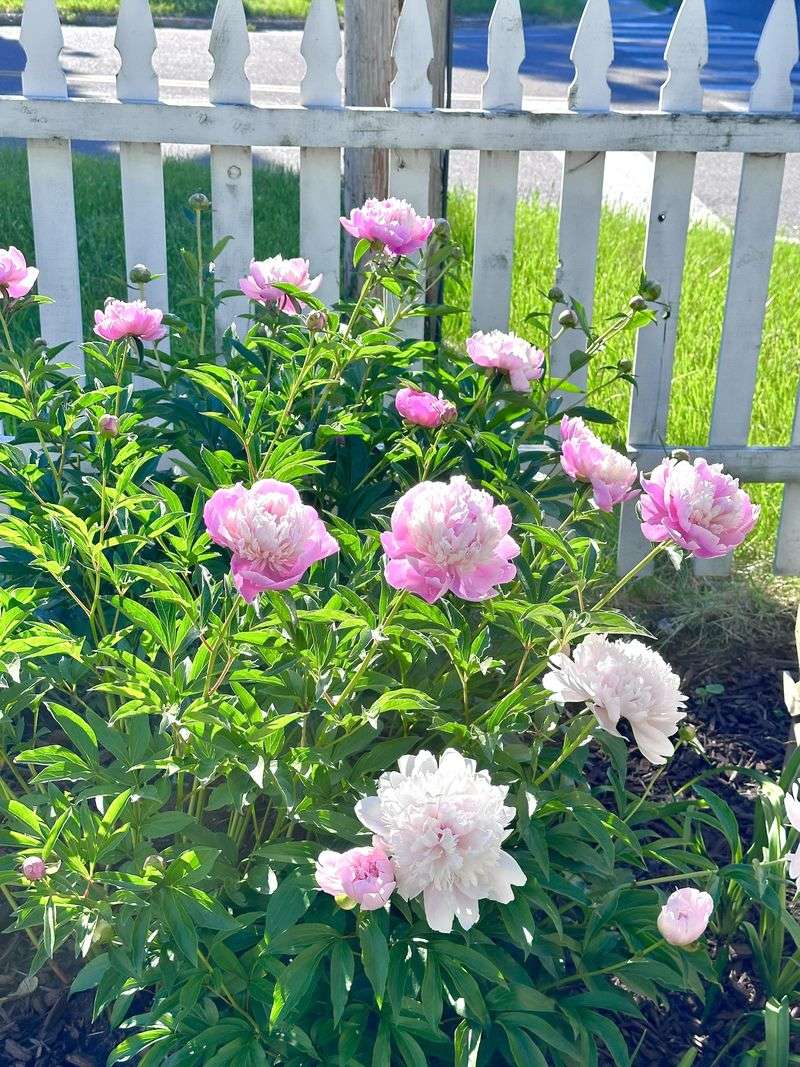
Crowded plants and dense vegetation create pockets of stagnant, humid air that fungal diseases absolutely love.
Peonies planted too close together or surrounded by tall, bushy neighbors trap moisture around their foliage and crowns for hours after rain or dew, giving Botrytis spores the damp environment they need to thrive.
Improving airflow around your plants is one of the most underrated strategies for long-term blight prevention in Michigan gardens. Start by evaluating the spacing between your peonies.
Most varieties need at least three to four feet of space between plants to allow air to move freely through the bed.
If your peonies are already established and tightly packed, selectively thinning the stems each spring to remove weak or crowded shoots helps open up the canopy without requiring a full replanting project.
Fewer stems mean better airflow and less leaf-to-leaf contact where moisture can linger.
Trimming surrounding shrubs, perennials, and ornamental grasses that crowd your peony bed also makes a noticeable difference.
Even removing a few branches from a nearby shrub can increase the breeze reaching your peonies significantly.
In shadier Michigan garden spots where air naturally moves less, consider adding a small oscillating fan during especially humid stretches, a trick many serious gardeners use in enclosed spaces.
Combining good plant spacing with regular pruning of surrounding vegetation creates a garden environment that is far less welcoming to the conditions blight needs to spread.
9. Apply Fungicide Preventatively
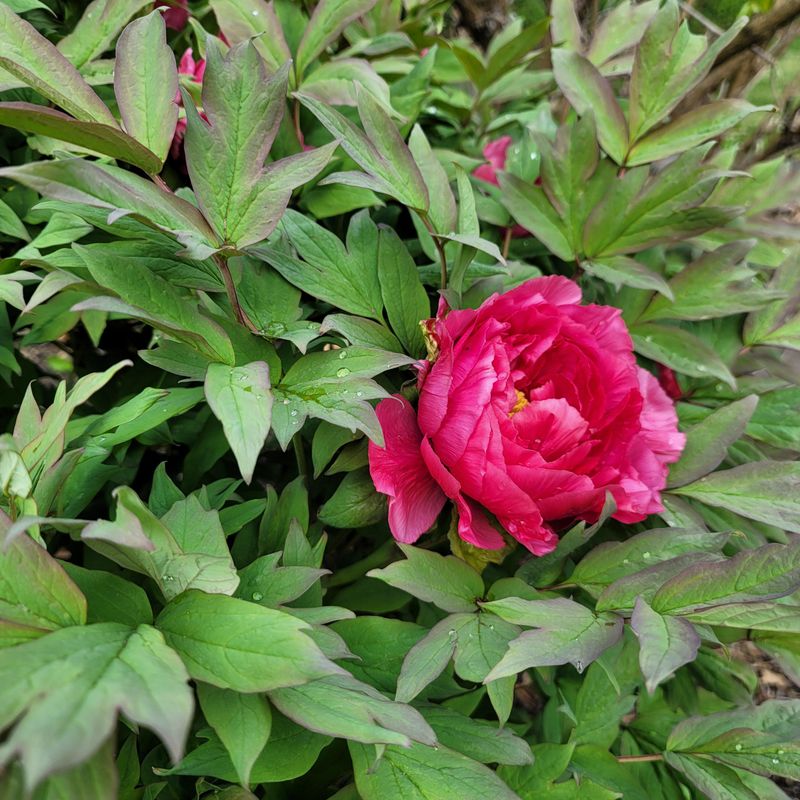
Waiting until blight symptoms appear before reaching for a fungicide puts you one step behind the disease.
Preventative fungicide applications, made before infection takes hold, are far more effective than trying to treat a plant that is already showing significant symptoms.
Think of it like a shield rather than a cure, protecting healthy tissue before the fungus even gets a chance to land and germinate.
In Michigan, the ideal window for the first preventative application is when peony shoots are just emerging from the soil in early spring, typically late April to early May.
Copper-based fungicides and products containing chlorothalonil or mancozeb are commonly recommended for ornamental peonies and are available at most Michigan garden centers.
Always read the product label carefully before applying, and follow all recommended safety precautions including wearing gloves, eye protection, and avoiding application on windy days.
Reapply according to the product label, which usually means every seven to fourteen days during wet weather periods when blight pressure is highest.
Rotating between two different fungicide types with different active ingredients helps prevent the fungus from developing resistance over time.
After a dry stretch, you can extend the interval between applications, but stay consistent throughout spring and early summer when Michigan weather is most unpredictable.
Keeping a simple spray log helps you track timing and ensures you never accidentally skip a critical application window during the heart of blight season.
10. Monitor Soil Health
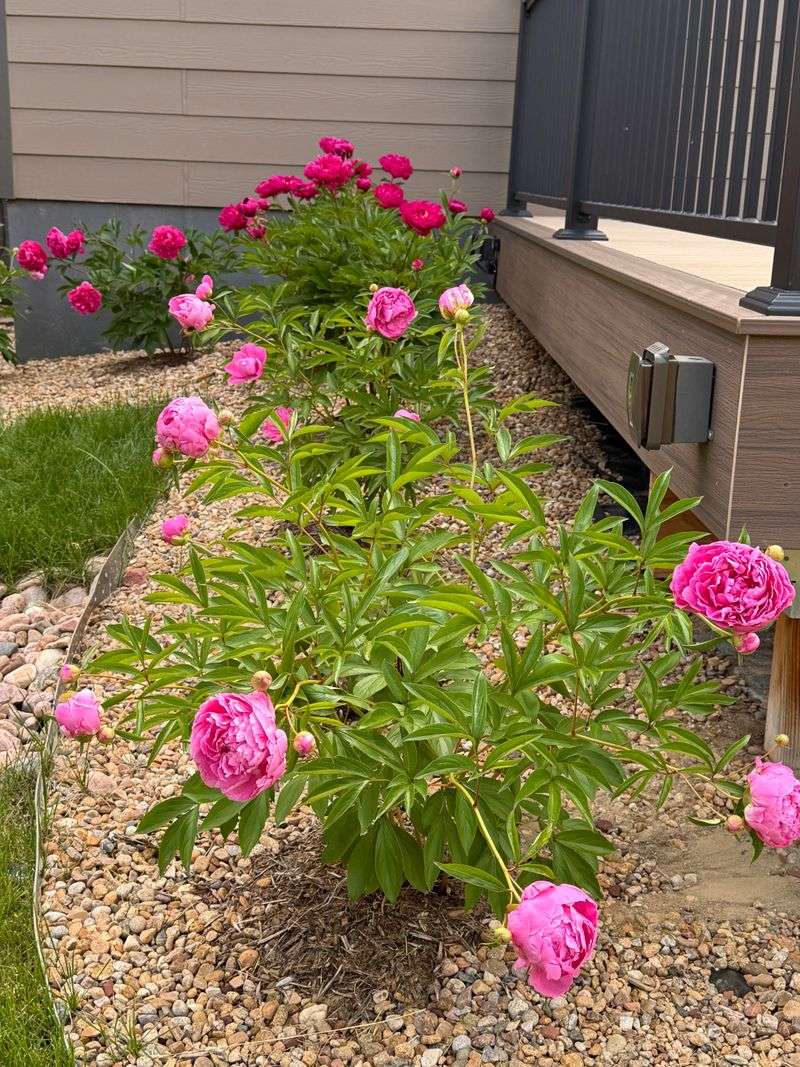
Healthy soil is not just about nutrients. It is the foundation that determines whether your peonies can resist disease or become vulnerable to it.
Poorly drained, compacted, or nutrient-depleted soil creates conditions where fungal pathogens like Botrytis can persist in the root zone through winter and reinfect plants the following spring.
Paying attention to what is happening underground is just as important as watching for symptoms above the soil surface.
Michigan soils vary widely, from sandy loams in the west to heavy clay in other regions, and drainage is a top concern for peony growers across the state.
Peonies need soil that drains well after rain rather than holding standing water around the crown for extended periods.
If your bed stays wet for more than a day after heavy rain, consider raising the bed by several inches with added compost and topsoil, or installing a simple French drain nearby to redirect excess water away from the roots.
Adding organic matter like aged compost each fall improves both drainage in clay soils and moisture retention in sandy ones, creating a more balanced growing environment overall.
A soil pH between 6.5 and 7.0 is ideal for peonies and supports the beneficial microbial activity that naturally competes with harmful fungi.
Testing your soil every two to three years through Michigan State University Extension gives you reliable data to make smart amendments.
Healthy soil is your garden’s best long-term defense against underground blight spread.