Virginia Homeowners Need A Permit To Cut Down These Trees
You finally decide to take down that big tree in your yard. You rent the equipment, call a friend, and then your neighbor mentions something that stops you cold.
Cutting certain trees in Virginia without a permit can mean serious fines. Legal headaches and regret tend to follow.
Before you fire up that chainsaw, you need to know which trees in the commonwealth are protected. Virginia homeowners need a permit to cut down these trees, and the list might surprise you.
Some of these protections go back decades, tied to conservation history, local ordinances, and environmental law. A few of these trees are so rare that removing one without permission could land you in court.
Knowing the rules before you act is one of the smartest moves any homeowner can make.
1. American Chestnut
Back in the early 1900s, a devastating blight wiped out nearly four billion American chestnut trees. That loss changed entire forest ecosystems across the eastern United States.
Today, surviving specimens and restoration plantings are considered ecologically precious. Virginia takes their protection seriously, and cutting one without proper authorization may trigger significant penalties depending on your locality.
The American chestnut once dominated Appalachian forests from Maine to Georgia. Its wood was strong, rot-resistant, and widely used for furniture, fencing, and railroad ties.
If you spot what looks like an American chestnut on your property, do not assume you can remove it freely. Contact the Virginia Department of Forestry first to confirm the species and check local permit requirements.
Restoration organizations like the American Chestnut Foundation have worked for decades to bring this tree back. Destroying a specimen, even accidentally, undermines years of careful conservation effort.
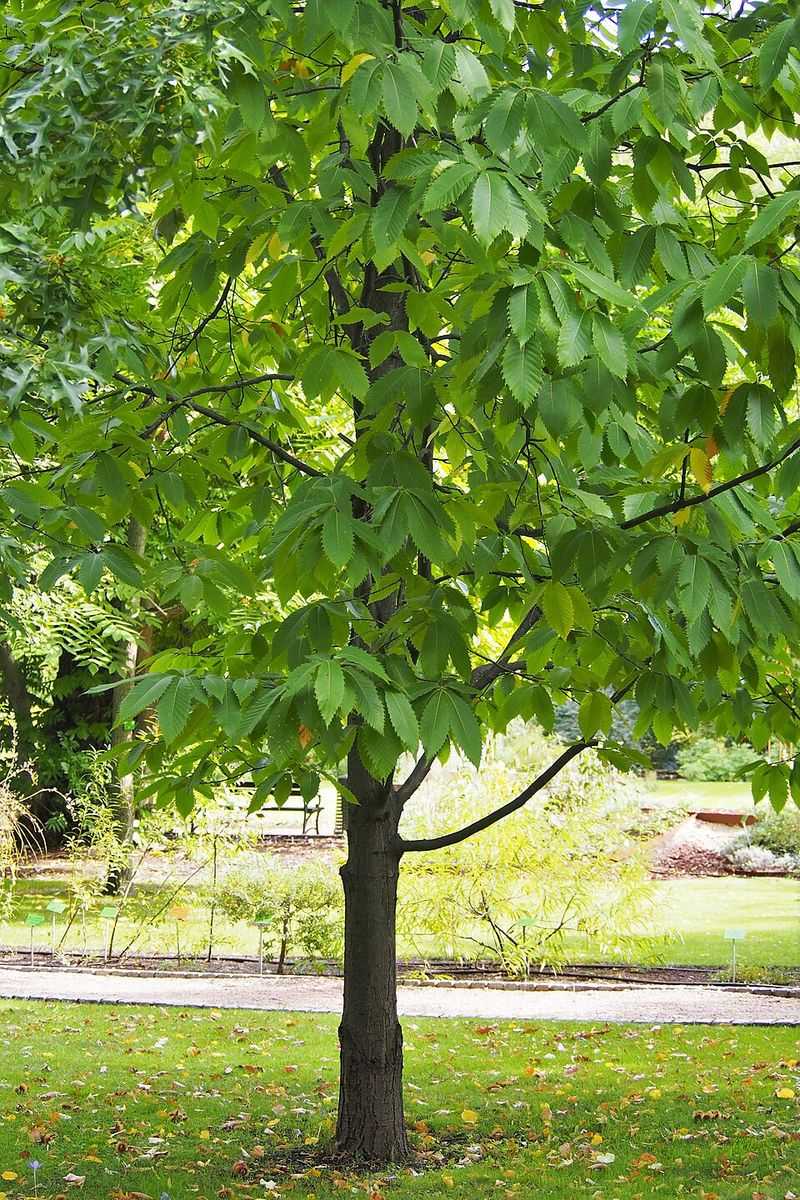
Some homeowners discover these trees without knowing what they have. The leaves are long, narrow, and sharply toothed, making them distinctive once you know what to look for.
A certified arborist can help you identify the tree and guide you through the permit process. Getting that professional opinion early saves time, money, and a lot of legal trouble down the road.
2. Virginia Round-Leaf Birch
Discovered in 1918 and once thought extinct, the Virginia round-leaf birch is considered one of the rarest trees in the entire world. It grows naturally in only one location on Earth, Cressy Creek in Smyth County, Virginia.
That single wild population makes this tree extraordinarily vulnerable. Any removal, even of a seemingly small specimen, could have irreversible consequences for the species.
The tree is federally listed as endangered under the Endangered Species Act. That federal protection means cutting one without authorization is not just a local permit issue but a federal legal matter.
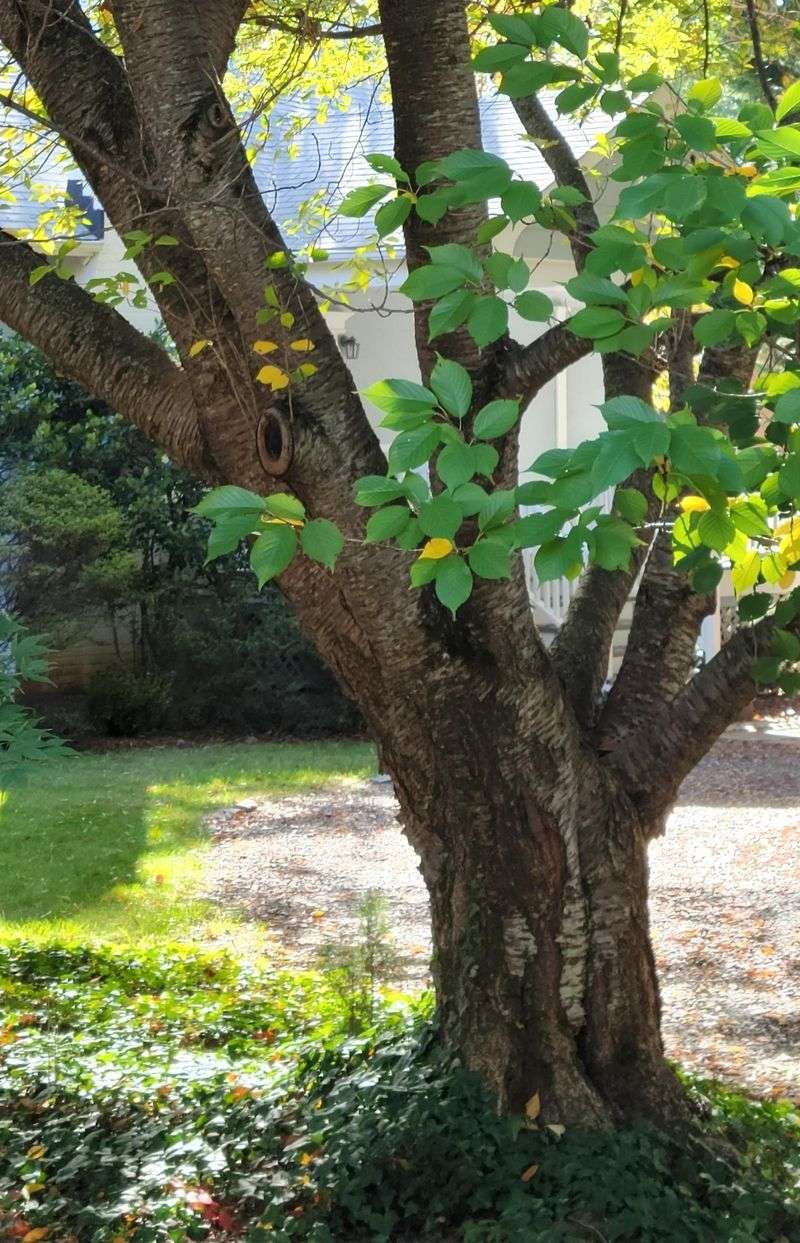
Its leaves are round and slightly heart-shaped, setting it apart from other birch species.
Virginia homeowners near Smyth County should be especially careful when clearing land near streams. Birch trees in that region deserve a second look before any removal work begins.
Botanists and conservation groups monitor the wild population closely each year. Unauthorized disturbance to the habitat surrounding these trees can also trigger legal action, not just removal of the tree itself.
Your Virginia Garden Changes Every Week. Your Plan Should Too.
Gardening in Virginia changes quickly throughout the season. Every Friday you’ll receive a simple weekly plan showing exactly what to plant, prune, fertilize, harvest, and protect so you never miss the right timing.
If you believe you have found a Virginia round-leaf birch on your land, treat it like buried treasure. Report it to the Virginia Department of Conservation and Recreation and get professional guidance before touching a single branch.
3. Heritage Oak Trees
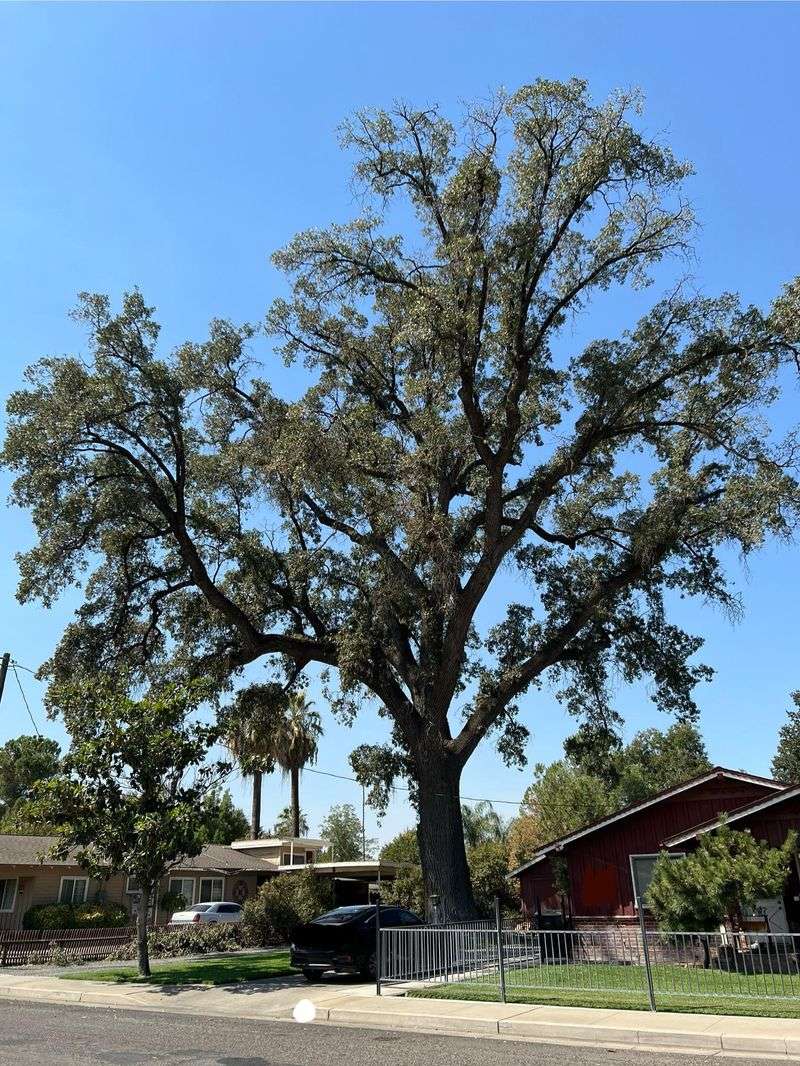
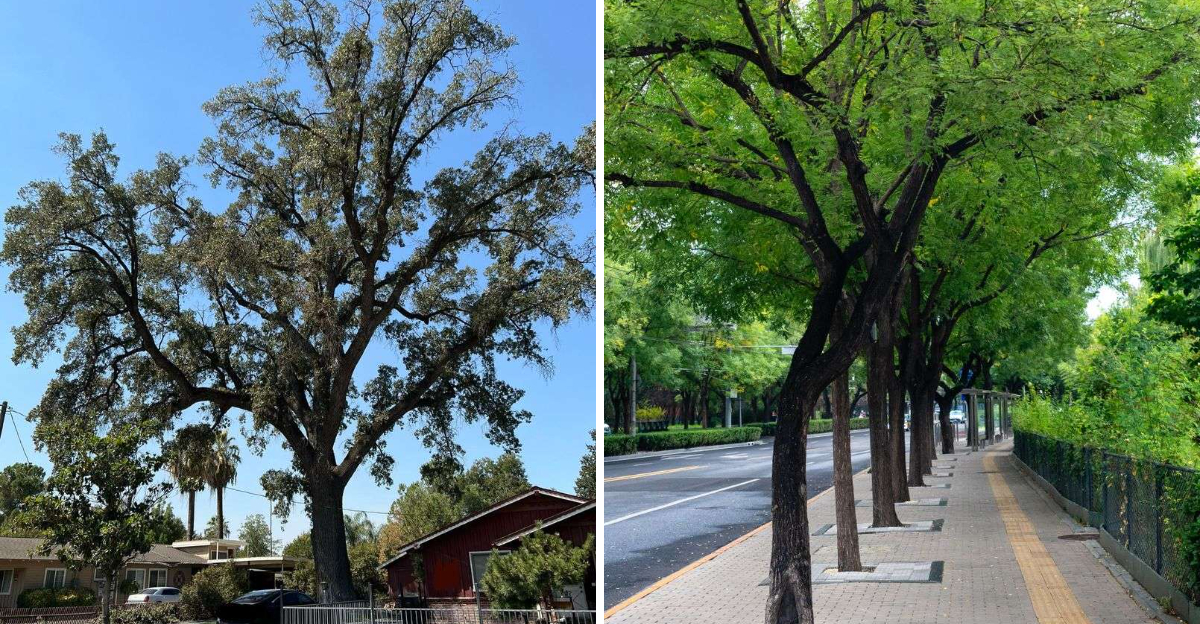
There is something humbling about standing under an oak tree that has been alive for two hundred years. Heritage oaks carry that kind of weight, both literally and historically.
Virginia protects many heritage oak trees through local ordinances and state guidelines. These trees are typically defined by their trunk diameter, age, or historical significance to a community.
Several Virginia jurisdictions have tree preservation ordinances targeting large oaks. Removing one without a permit can result in fines based on the size of the tree removed.
Heritage oaks provide enormous ecological value. They support hundreds of species of insects, birds, and mammals, making them anchors of local biodiversity.
Beyond ecology, these trees add measurable financial value to properties. Studies suggest that mature trees can increase a home’s market value by ten to fifteen percent.
Homeowners sometimes want to remove a heritage oak because of storm damage fears or root intrusion. Before making that call, consult a certified arborist who can assess whether the tree is structurally sound.
Many municipalities offer alternatives to removal, including crown reduction, cabling, or root management. Exploring those options first can save you from a permit battle and preserve a living piece of local history.
A heritage oak that survived two centuries of weather deserves more than a hasty decision. Check your local ordinances before picking up the phone to schedule its removal.
4. Specimen Trees In Local Ordinances
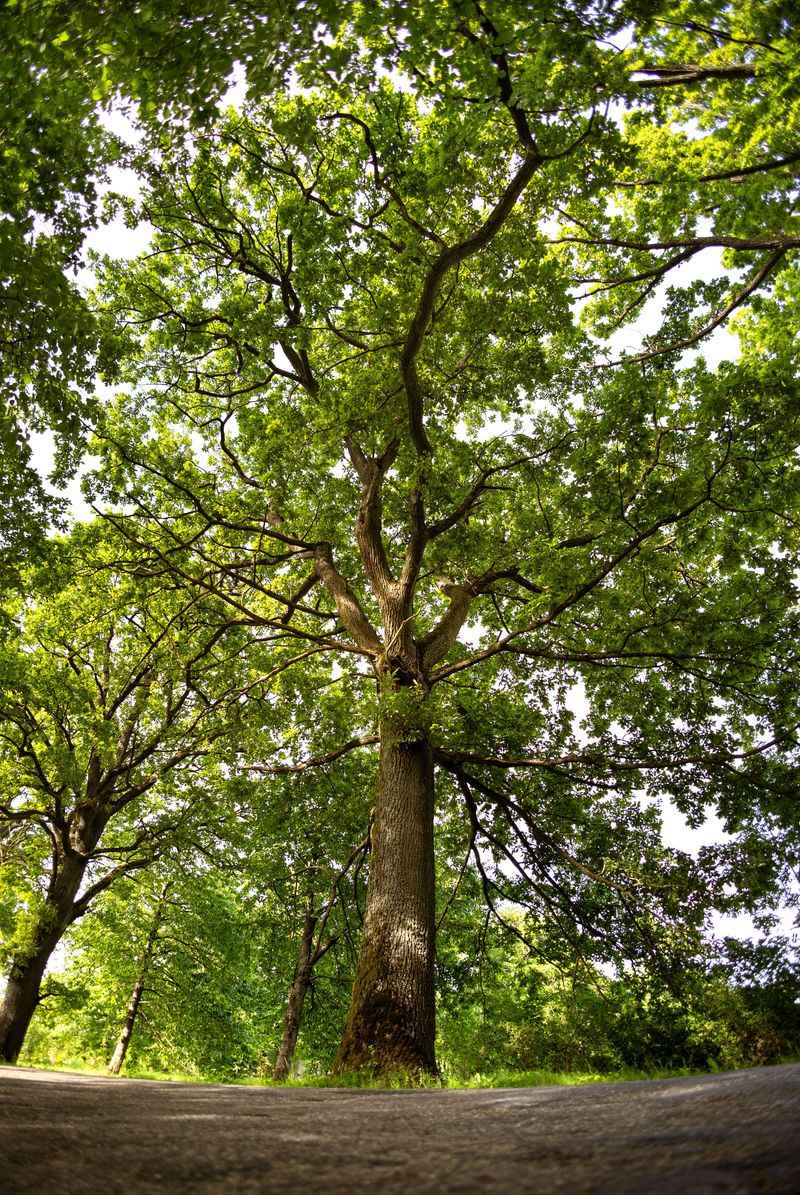
Not every protected tree in Virginia is rare or historically famous. Some trees earn protection simply because of their impressive size, unusual form, or exceptional beauty.
Local governments across Virginia have adopted specimen tree ordinances that protect these standout individuals. The definition of a specimen tree varies by jurisdiction, but trunk diameter is usually the deciding factor.
In Loudoun County, for example, trees exceeding a certain caliper measurement require a permit before removal. Arlington County uses a similar system, with replacement requirements tied to the size of the tree removed.
Specimen tree rules often surprise homeowners during renovation projects. You might plan a driveway expansion or a new addition and suddenly discover a protected tree sits exactly where your plans require digging.
Ignoring these rules is a costly mistake. Fines for unpermitted removal of specimen trees can be substantial, running into thousands of dollars in some Virginia localities.
The permit process typically involves a site visit from a municipal arborist or planning staff member. They assess the tree’s health, location, and impact before making a decision.
Some permits are approved with conditions, such as replanting a certain number of replacement trees. Others are denied outright, especially when the tree is healthy and the removal reason is purely cosmetic.
Checking your local ordinance before starting any landscaping project is always a smart first step. A quick call to your county’s planning department can save you from an expensive and embarrassing situation.
5. Trees In Historic Districts
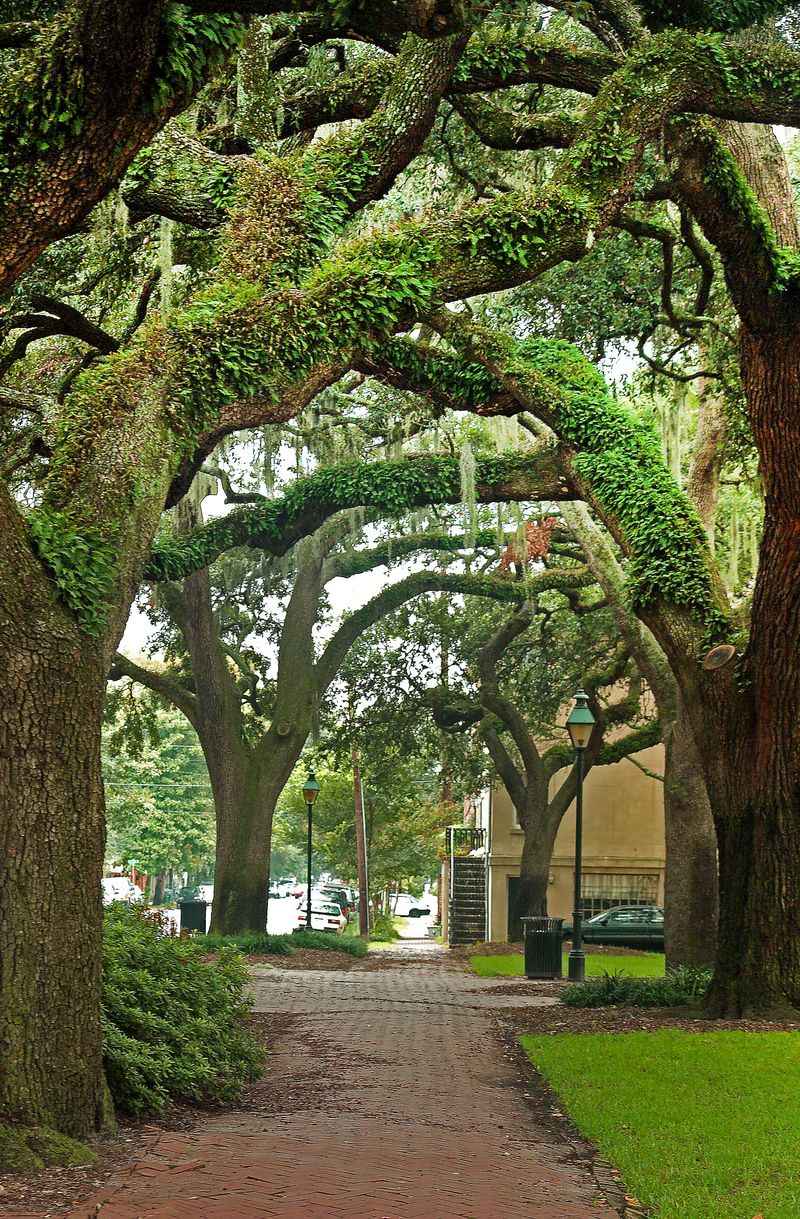
Walking through Old Town Alexandria or Colonial Williamsburg feels different from other neighborhoods. Part of that feeling comes from the old trees lining the streets and framing historic structures.
Virginia’s historic districts often include tree protection as part of their preservation guidelines. Removing a tree in these areas without approval can disrupt the visual and historical character that makes these places special.
The Virginia Department of Historic Resources works alongside local historic preservation commissions to manage changes in designated districts. Tree removal is considered a material change, which means it typically requires review and approval.
Homeowners in historic districts sometimes feel frustrated by the extra layers of oversight. But those rules exist because every element of a historic neighborhood contributes to its overall integrity and sense of place.
Even trees that are not themselves historic may be protected because of their visual relationship to historic structures. A massive elm shading a nineteenth-century farmhouse is part of the story that building tells.
The review process in historic districts can take several weeks. Planning ahead and submitting your application early prevents delays in landscaping or construction projects.
Local historic preservation commissions are usually made up of community members who care deeply about their neighborhoods. Approaching them with respect and good documentation tends to make the process smoother.
Living in a historic district comes with responsibilities alongside its considerable charm. Protecting the trees in those neighborhoods is one of the most visible ways residents honor that shared history.
6. Street Trees On Public Right-Of-Way
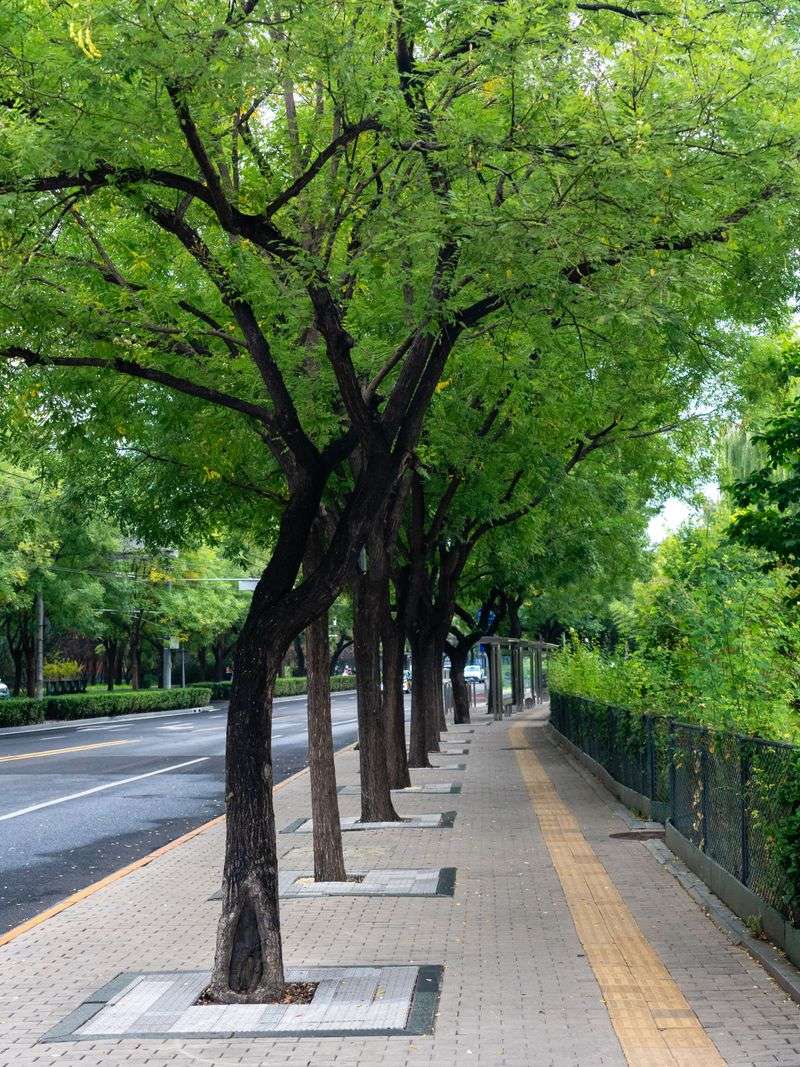
Image Credit: © Da Na / Pexels
That beautiful maple growing between your sidewalk and the street might feel like your tree. Legally speaking, it almost certainly is not.
Street trees growing in the public right-of-way belong to the municipality, not the adjacent homeowner. Cutting, trimming, or removing them without authorization is a violation of local law in most Virginia jurisdictions.
Cities like Richmond, Roanoke, and Charlottesville have urban forestry programs that manage street trees as public assets. These programs track tree health, schedule maintenance, and control any removals that take place.
Homeowners sometimes remove street trees because of leaf cleanup, root damage to driveways, or sap on cars. Those frustrations are understandable, but acting without a permit can result in fines and mandatory replacement costs.
Replacement costs for a mature street tree can run well over a thousand dollars, sometimes several thousand. That expense falls on the homeowner who removed the tree without permission.
If you have a legitimate concern about a street tree, contact your city or county’s urban forestry division. They can inspect the tree, determine if removal is warranted, and handle the process legally.
Some municipalities have a formal request process that takes only a few weeks. Patience pays off here because working within the system protects you from unexpected financial penalties.
Street trees cool neighborhoods, reduce stormwater runoff, and increase property values. Treating them as shared community resources rather than personal inconveniences reflects the kind of neighborly thinking that keeps communities strong.
7. Trees In Conservation Easements
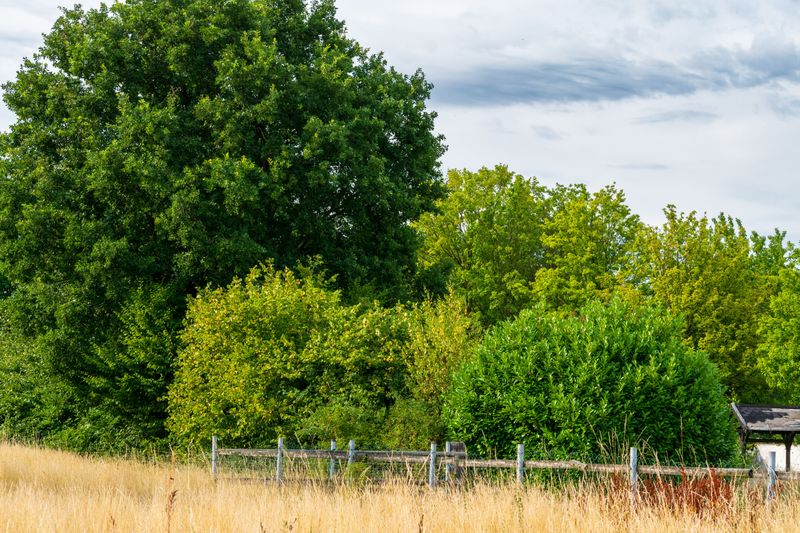
Buying land in Virginia sometimes means inheriting obligations you did not expect. Conservation easements are legal agreements that restrict what landowners can do with their property, and tree removal is often at the top of the restricted list.
An easement is typically held by a land trust or government agency. In most cases, it runs with the land permanently, meaning it binds every future owner, not just the person who signed the original agreement.
Cutting trees on easement-protected land without approval is a serious legal breach. Penalties can include restoration costs, financial damages, and in some cases, court-ordered replanting of the entire cleared area.
Virginia has hundreds of thousands of acres under conservation easements. Many homeowners purchase rural properties without fully realizing an easement is attached to the deed.
Always review a property’s deed and title documents carefully before buying land in Virginia. An experienced real estate attorney can spot easement language that might not be obvious to an untrained eye.
If you already own easement-protected land, contact the easement holder before planning any tree removal. Most easements have a formal approval process for activities like selective thinning or hazardous tree removal.
Some easements do allow limited timber harvesting under a forest management plan. Getting that plan approved in advance keeps you in compliance and protects your investment.
Conservation easements exist to protect natural landscapes for future generations. Working within those boundaries is not just a legal requirement but a commitment to the land you chose to steward.
8. Trees Near Chesapeake Bay (RPA Buffer)
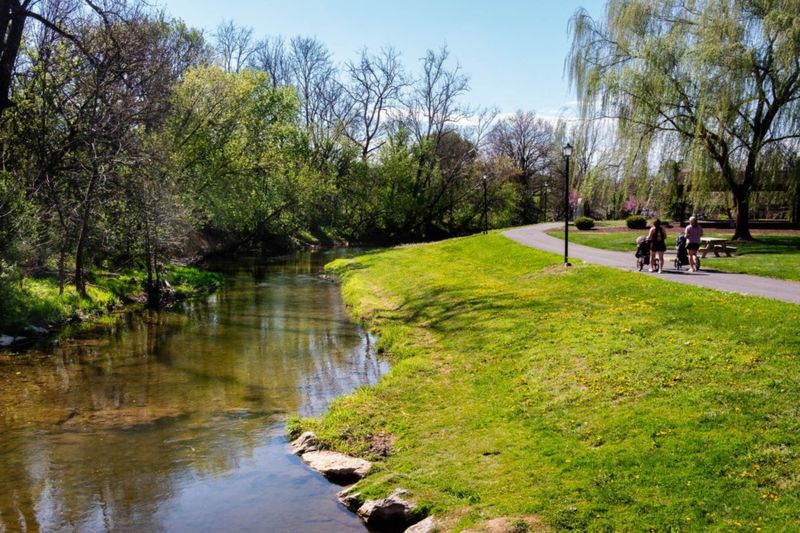
Living near the Chesapeake Bay or its tributaries comes with some of the most scenic views in Virginia. It also comes with some of the most specific tree protection rules in the state.
The Chesapeake Bay Preservation Act established Resource Protection Areas, known as RPAs, along tidal waters and their tributaries. These buffers typically extend one hundred feet from the edge of tidal wetlands and perennial streams.
Trees within an RPA buffer play a critical role in water quality. Their roots filter pollutants, their canopies reduce erosion, and their shade keeps water temperatures cool enough to support aquatic life.
Virginia homeowners need a permit to cut down these trees within an RPA, and the approval process is handled at the local government level. Each locality administers its own Chesapeake Bay Preservation program under state guidelines.
Violations in RPA buffers are treated seriously by regulators. Fines, mandatory restoration planting, and stop-work orders are all common outcomes for unpermitted clearing near these waterways.
Even deteriorating trees within an RPA may require a permit before removal. Standing lifeless wood provides habitat for woodpeckers and other wildlife, so regulators often want to review each case individually.
If your property sits near a tidal creek, river, or bay shoreline, contact your local planning department before touching any trees in that buffer zone. A quick conversation can prevent an expensive and complicated legal situation.
The Chesapeake Bay is one of the most ecologically important estuaries in North America. Protecting the trees that guard its edges is one of the most meaningful things a Virginia homeowner can do.