7 Reasons Why Adding Sand To Ohio Clay Soil Makes It Worse
Adding sand to clay soil sounds logical. Clay is dense and compacted, sand is loose and gritty, mix the two together and you get something better.
It is the kind of advice that gets passed around at garden centers, repeated in old gardening books, and shared between neighbors with complete confidence. It is also one of the most reliable ways to make Ohio clay soil significantly worse.
The science behind why this backfires is not complicated, but it is not intuitive either. The damage does not always show up immediately.
Sometimes it takes a full season before gardeners realize the amendment they added with good intentions has backfired. Their beds may turn into something closer to concrete than workable soil.
There are real, documented reasons this combination fails. Each one is worth knowing before you buy a single bag of sand for your Ohio garden beds.
1. Sand Can Turn Clay Soil Into A Denser Mess
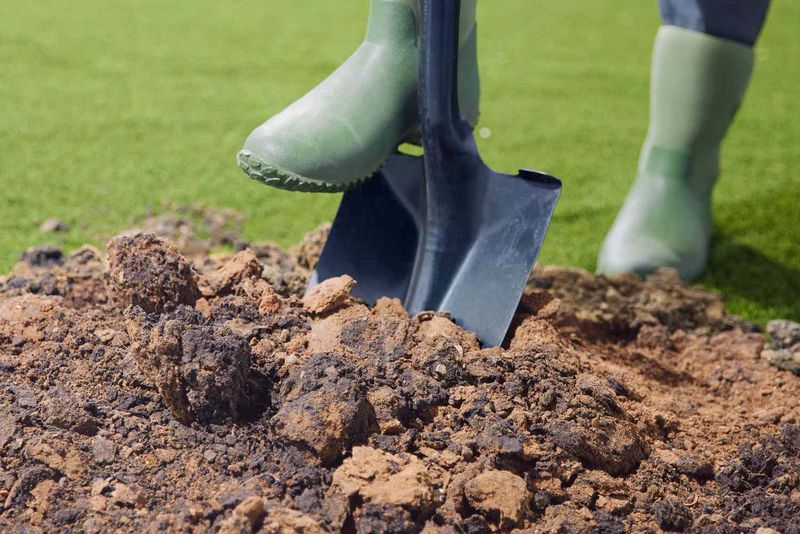
A wheelbarrow of gritty material can feel like the obvious answer when a shovel keeps bouncing off sticky soil. The instinct makes sense on the surface, but the result is often the opposite of what a gardener hopes for.
Mixing a small amount of sand into heavy clay can actually produce soil that feels denser and more compacted than before.
The reason comes down to how clay and sand interact under pressure and moisture. Clay particles are extremely fine and sticky.
When they coat the larger sand grains, the mixture can pack together more tightly than either material would on its own. Water and foot traffic press that combination into a firm, stubborn layer that resists both roots and drainage.
Soil scientists sometimes compare this to what happens in concrete. Concrete is essentially a mixture of sand, gravel, and a binding agent.
Clay acts as a natural binder in garden soil. Add just enough sand to give the clay something to grip, and the result starts to resemble a rough, poorly mixed building material rather than a productive planting bed.
The fix is not to avoid sand entirely in every project. The mistake is adding too little of it.
Research from university extension programs suggests that truly improving clay texture with sand requires a very large volume. That is often more than most home gardeners are prepared to add.
A few bags spread across a bed rarely shifts the texture in a useful direction. It mostly creates a denser mess that discourages healthy plant growth.
2. Small Amounts Of Sand Do Not Create Loam
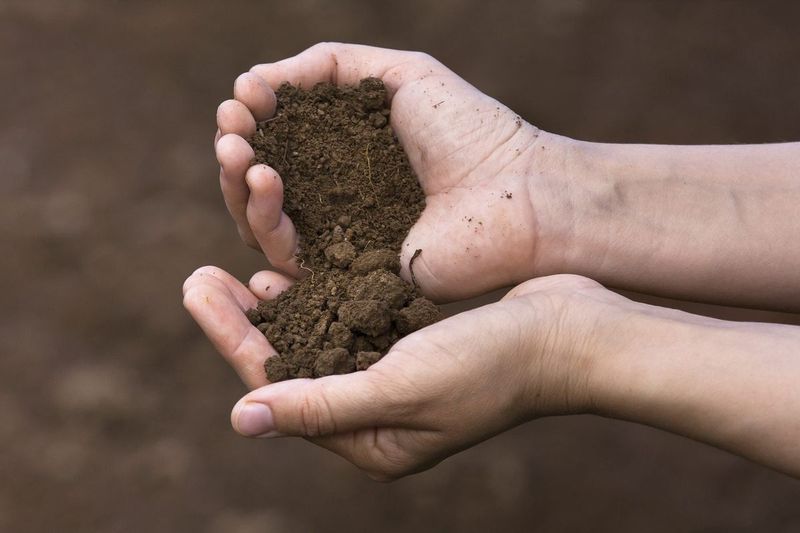
Many Ohio gardeners picture a crumbly, dark, moisture-holding bed when they imagine perfect garden soil. That texture is called loam, and it has been the goal of home gardeners for generations.
The idea that mixing sand into clay can create loam is one of the most common and persistent misconceptions in backyard gardening.
Real loam is not simply clay plus sand. Loam is a balanced combination of sand, silt, clay, organic matter, and living soil structure built up over years.
Your Ohio Garden Changes Every Week. Your Plan Should Too.
Gardening in Ohio changes quickly throughout the season. Every Friday you’ll receive a simple weekly plan showing exactly what to plant, prune, fertilize, harvest, and protect so you never miss the right timing.
Each component plays a role in how water moves, how roots grow, and how nutrients are held and released. Dumping a few bags of sand into a clay bed skips almost every step in that process.
The ratio problem is significant. To meaningfully shift clay soil toward a sandier, more open texture, you would need to incorporate an enormous volume of sand throughout the full depth of the bed.
Extension resources consistently note that small additions tend to worsen drainage and texture rather than improve them. The clay simply surrounds the sand grains and fills the spaces between them.
Gardeners who have spread sand across sticky beds and waited for results often report disappointment. The soil still clumps, still crusts after rain, and still pulls at boots in wet weather.
Loam takes years to develop through consistent organic matter additions, biological activity, and improved soil structure. A few bags of sand purchased on a Saturday morning cannot replicate that process, no matter how evenly it is spread or worked in.
3. Clay Particles Fill The Spaces Around Sand
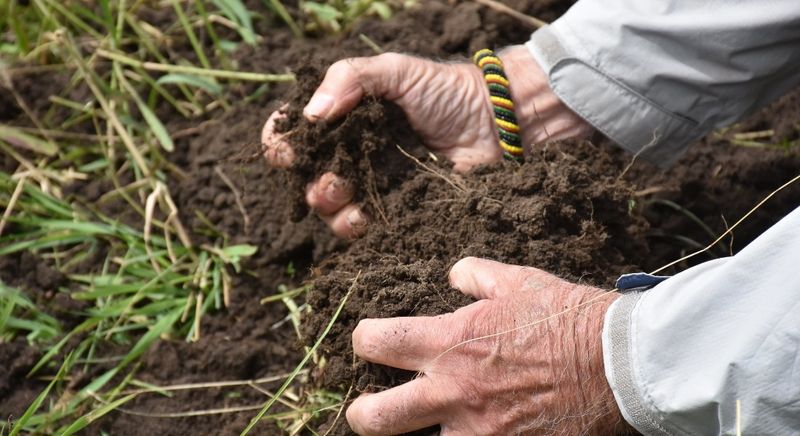
Picture a jar filled with large marbles. There is plenty of open space between them for air and water to pass through.
Now pour fine powder into that same jar. The powder settles into every gap between the marbles, and suddenly the jar feels almost solid.
That is essentially what happens when clay meets sand in a garden bed.
Clay particles are incredibly small, far smaller than the grains of sand they surround. When the two materials are mixed together with moisture, the tiny clay particles migrate into the pore spaces between sand grains.
Those pores are exactly what gardeners were hoping to create more of. Instead of opening up the soil, the mixture closes it down tighter than before.
Air pockets in soil matter more than many gardeners realize. Roots need oxygen to function, and beneficial soil organisms need air to survive and process nutrients.
When clay fills the spaces between sand grains, it reduces the air-holding capacity of the soil. Water also has fewer channels to move through, which can lead to slow drainage or uneven moisture movement across the bed.
This particle-filling effect explains why the sand-in-clay strategy so often disappoints. The gardener does the physical work, works the sand in, and waters it down, only to find the soil feels just as heavy a few weeks later.
The clay has simply reorganized itself around the new material. Without something to create and hold stable pore structure, like organic matter or biological activity, the gaps close right back up.
4. Water Can Drain Worse After The Mix Compacts
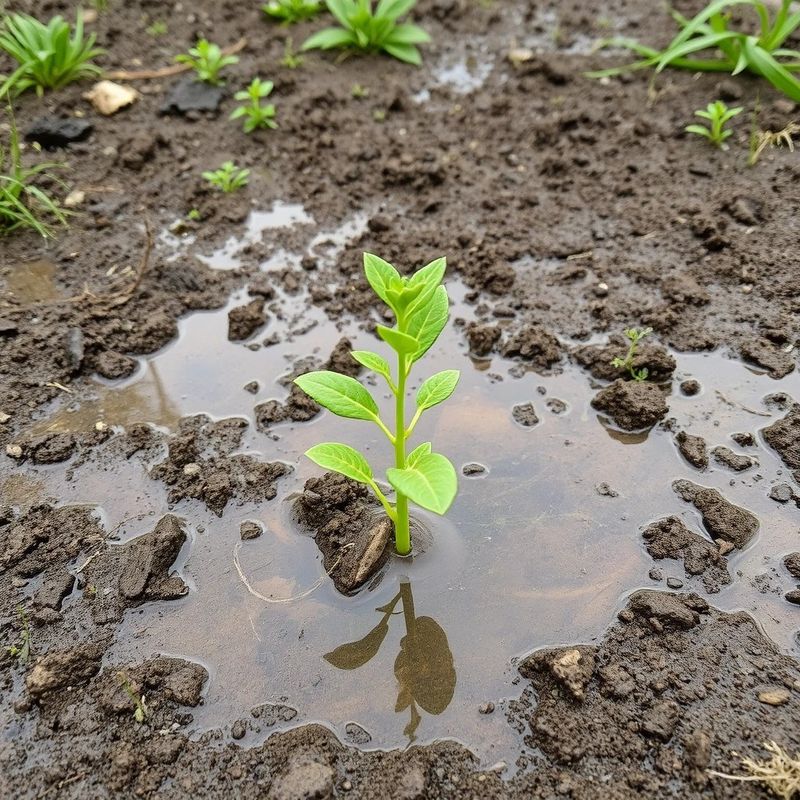
After a steady rain, standing water in a garden bed is one of the clearest signs that something is wrong below the surface. Many Ohio gardeners turn to sand hoping to fix exactly that problem.
The frustrating reality is that adding small amounts of sand to clay can sometimes make water movement even slower and more uneven than before.
Drainage depends on connected pore spaces that allow water to move downward through the soil profile. When clay and sand mix in small ratios, the clay fills in around the sand grains and reduces those connections.
Water may sit near the surface longer, or it may move in unpredictable channels rather than spreading evenly through the bed. Neither outcome supports healthy root zones or plant growth.
Soil that alternates between waterlogged and bone-dry conditions stresses plants in multiple ways. Roots that sit in saturated soil struggle to access oxygen.
Once the water finally drains or evaporates, the same compacted clay-sand mixture can bake into a hard crust that resists the next rainfall entirely. The cycle repeats season after season if the underlying soil structure is never truly improved.
It is worth noting that not every clay-sand mixture drains poorly in every situation. Sandy loam soils exist naturally and drain well because the proportions and soil history are very different.
They are not the same as a home bed where a gardener adds a few inches of sand to the top. Context matters.
But for most regional gardens working with sticky, dense clay, a small sand addition rarely solves the drainage problem and sometimes deepens it considerably.
5. Roots Struggle When Soil Turns Hard And Tight
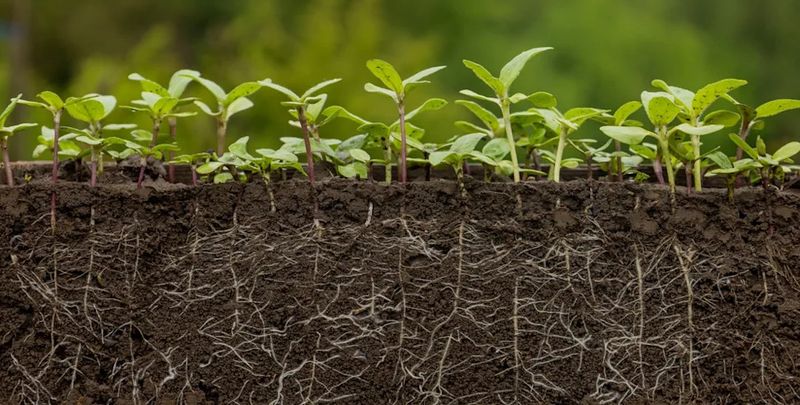
Roots are quieter than leaves, but they tell the story of soil health more honestly than anything growing above ground. A plant with room to spread its roots grows steadily, holds moisture efficiently, and responds well to nutrients.
A plant trying to push through hard, tight soil often looks fine for a while before showing signs of stress that are easy to misread.
When a clay and sand mixture compacts, the resulting soil can resist root penetration in ways that pure clay sometimes does not. Clay alone, while sticky and heavy, still has some natural softness when moist.
A compacted clay-sand blend can develop a firmer, more uniform resistance. That forces roots to follow whatever cracks or weak points exist rather than spreading outward naturally.
Signs of root stress in compacted soil are not always dramatic. Stunted growth during the active season is one signal.
Yellowing leaves that do not respond to fertilizer can also point to root problems rather than nutrient deficiency. Soil that bakes into a hard, cracked surface after summer heat and then pools water after rain is a reliable warning sign.
It means the structure below is not supporting healthy root activity.
Vegetable gardens and perennial beds in local landscapes suffer most visibly from this problem. Annual plants that need quick, deep root establishment have little time to work around compaction.
Perennials may survive but rarely thrive when their root zones are restricted. Loosening soil and improving its structure with organic matter gives roots the environment they need to anchor plants.
It also supports steady, healthy growth through the season.
6. Compost Improves Clay Better Than Sand
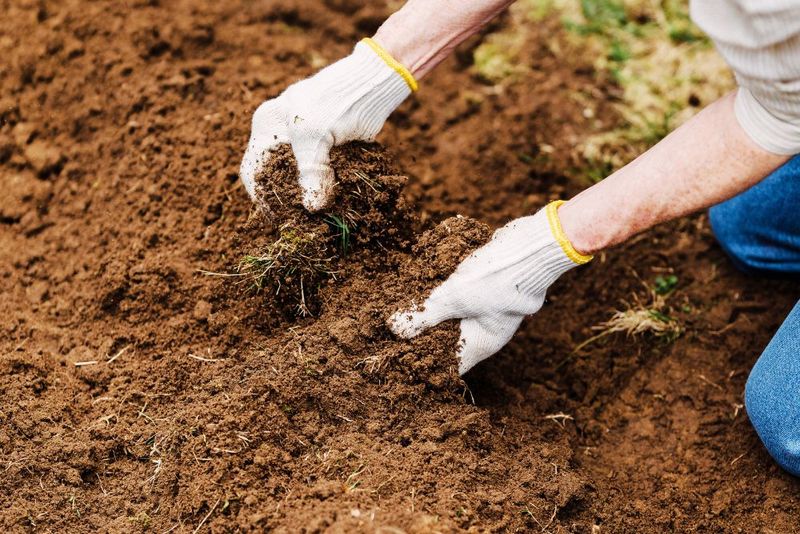
Finished compost has a smell that experienced gardeners recognize immediately. It is earthy, slightly sweet, and nothing like the raw materials that went into it.
That transformation is exactly what makes compost so effective at improving clay soil. The biological and chemical changes it brings to the soil profile go far beyond what a physical amendment like sand can offer.
Compost improves clay through a process called aggregation. As organic matter breaks down, it encourages soil particles to clump together into small, stable groups called aggregates.
These aggregates create pore spaces that hold both air and water at the same time, which is the balance that plant roots need. Sand cannot create aggregates.
It simply sits in the soil as individual grains.
Regular compost additions also feed the soil organisms that maintain structure over time. Earthworms, bacteria, and fungi all contribute to keeping pore spaces open and nutrient cycles active.
A bed that receives compost year after year gradually becomes easier to work, holds moisture more evenly, and supports stronger plant growth across seasons. The improvement is real, but it is also gradual.
Topdressing with compost is a practical approach for beds that are already planted. Spreading two to three inches of finished compost over the surface can improve clay over multiple seasons.
Letting it work down naturally through watering and biological activity avoids disrupting existing plants. Tilling compost into empty beds before planting gives faster results.
Either way, organic matter is the amendment that clay soil responds to most reliably and consistently over time.
7. Mulch Builds Better Soil From The Top Down
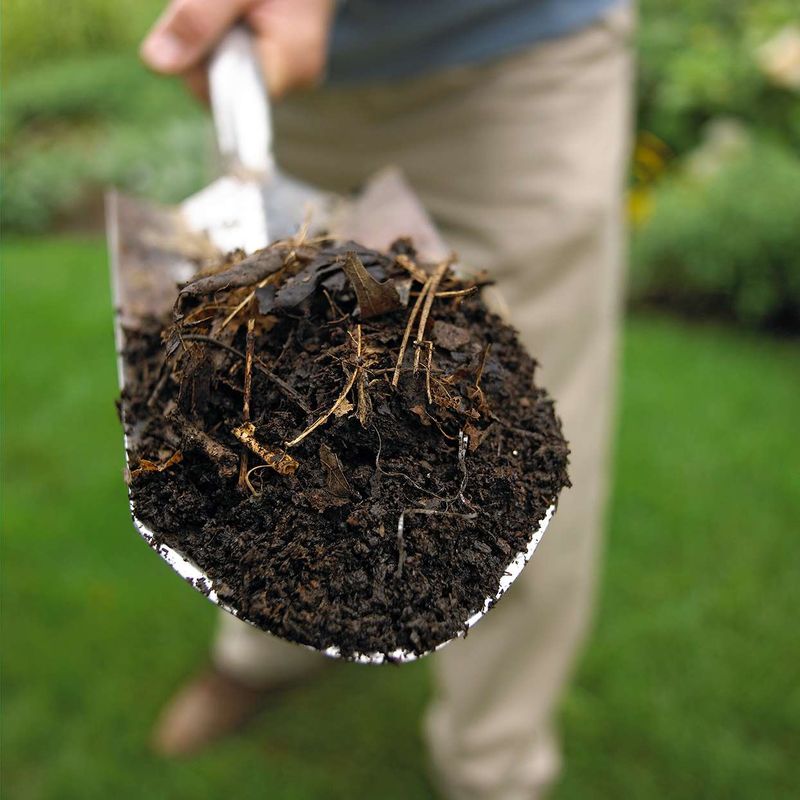
One of the most underrated tools in a gardener’s supply list costs very little and requires almost no technical knowledge to use well. Organic mulch spread across the surface of a clay bed works steadily and quietly to improve soil structure from the top down.
It does that season after season, without any mixing or tilling required.
Mulch protects clay soil from one of its worst enemies, which is direct exposure to rain and sun. Heavy rain hitting bare clay can seal the surface into a hard crust that resists both water absorption and seedling emergence.
Summer heat bakes uncovered clay into cracked, dense layers that shed water rather than absorbing it. A layer of wood chips, shredded leaves, or straw buffers both of those forces and keeps the surface workable.
As organic mulch breaks down over months and years, it adds a slow, steady supply of organic matter to the upper soil layer. Earthworms pull decomposing material downward, mixing it through the soil profile naturally.
The result is a gradual improvement in texture, drainage, and moisture retention that builds on itself each season. This is not a quick fix, but it is a reliable one that suits the patience most clay-soil gardeners develop over time.
Keeping mulch a few inches away from plant stems and tree trunks prevents moisture buildup against woody tissue. A layer of two to four inches is usually enough to provide meaningful protection and improvement without creating problems.
Refreshing mulch each spring or fall keeps the process moving. Over several growing seasons, mulched clay beds in home landscapes often become noticeably easier to work and more productive for plants.