Ruby-Throated Hummingbirds Are Flying Through Georgia Without Stopping And Here Is Why
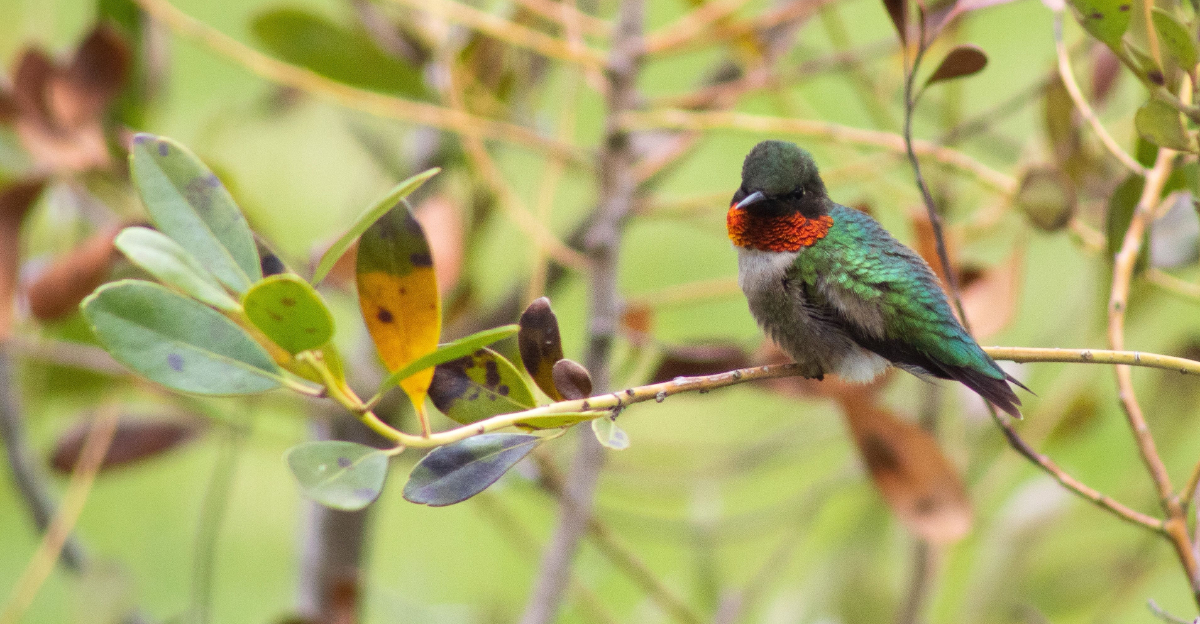
There are certain moments in late spring and early summer when the air feels like it is constantly moving, even when everything else seems still.
You might notice quick flashes of motion near flowers, a sudden pause in mid-air, or something small darting from one spot to another before disappearing just as quickly.
Those brief encounters often leave people curious. It is easy to miss what is happening if you are not already paying attention, yet once you do notice it, it becomes hard not to look for it again.
The rhythm of it feels almost predictable, but never fully obvious.
In Georgia, this kind of activity becomes more noticeable during migration periods when hummingbirds move through the region.
Some stop briefly, while others seem to continue on without lingering in one place for long, creating the impression of constant movement through the landscape.
The reasons behind that behavior are tied to timing, energy needs, and the availability of reliable food sources along the way.
1. Spring Migration Keeps Many Birds Moving North
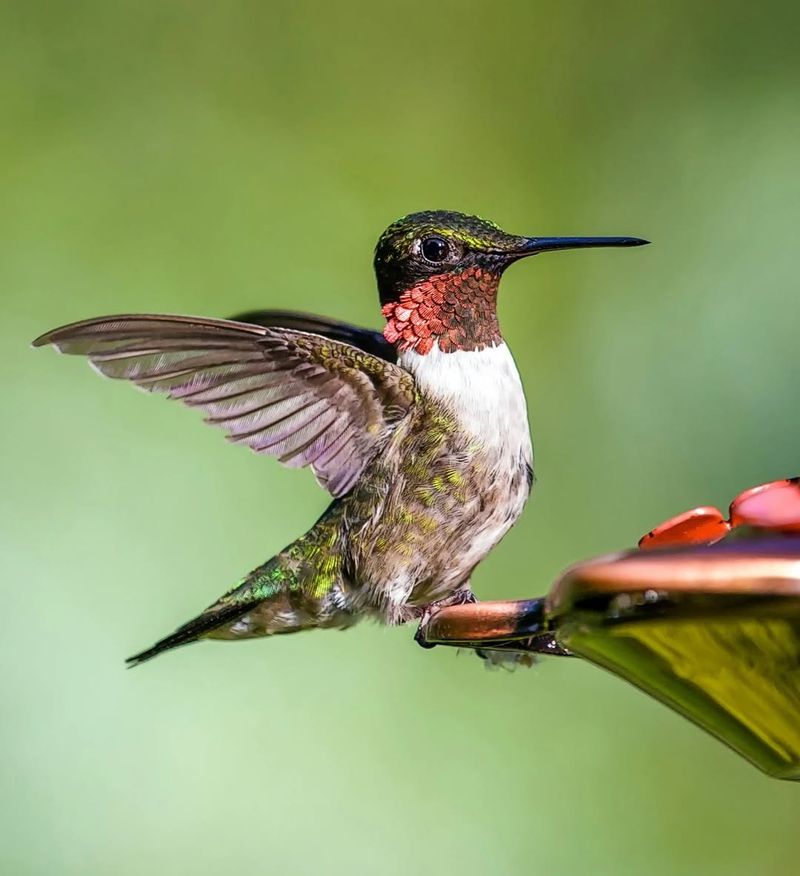
Spring migration is one of nature’s most urgent journeys. Ruby-throated hummingbirds cross the Gulf of Mexico in a single nonstop flight of over 500 miles.
After that crossing, they are running on empty and moving fast.
Males lead the push north each spring. They are racing to claim breeding territory before females arrive.
That urgency keeps them focused on distance rather than lingering at any single spot.
Weather patterns also push birds forward. A strong tailwind can carry a hummingbird hundreds of miles in a single day.
When conditions favor speed, birds take advantage and keep flying.
Daylight length is another trigger. As days grow longer, hormonal changes tell birds to move.
No feeder or flower can override that biological clock once it starts ticking.
Stopover decisions depend on energy levels. A bird that still has fuel reserves will bypass a yard entirely.
Only genuinely depleted birds will pause to feed.
Understanding this helps set realistic expectations. Your yard may simply fall along a stretch where birds are still well-fueled.
That does not mean your setup is wrong. It just means location and timing matter enormously during the spring push north.
2. Fewer Native Nectar Plants Reduce Stopover Time
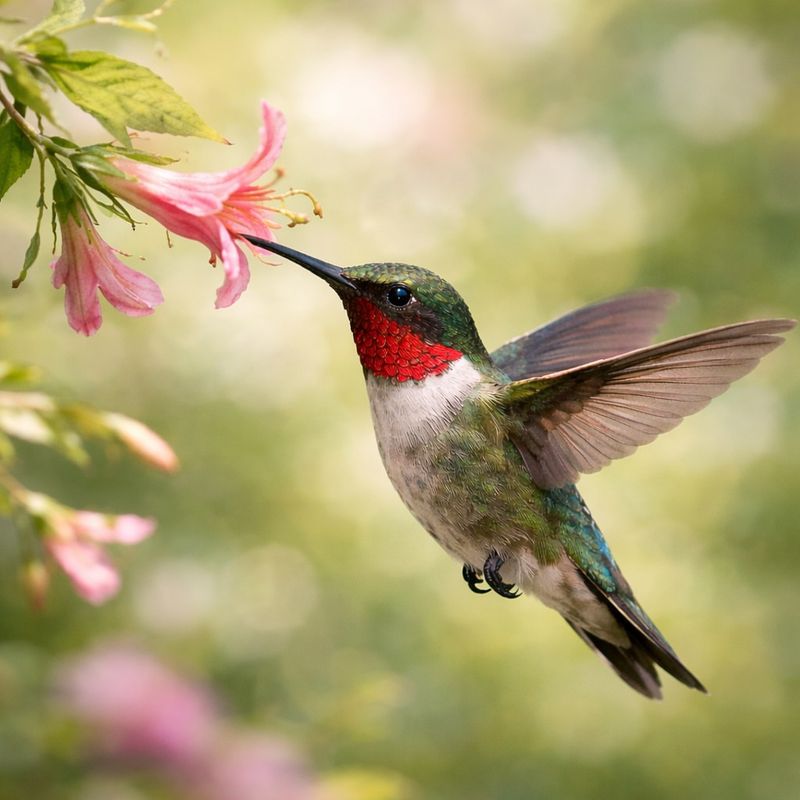
A yard full of impatiens and petunias looks colorful but offers hummingbirds almost nothing worth stopping for. Native plants produce nectar in volumes and concentrations that nonnative ornamentals simply cannot match.
Coral honeysuckle is a native vine that ruby-throated hummingbirds recognize instinctively. Cardinal flower blooms in late summer and produces some of the richest nectar available.
These plants evolved alongside hummingbirds over thousands of years.
Without familiar native species, a migrating bird may scan your yard and keep moving. Recognition matters.
Birds are not explorers during migration. They are efficiency machines looking for known fuel sources.
Native plants also bloom in sync with migration timing. That synchrony is not accidental.
It developed over centuries of co-evolution between plants and pollinators.
Replacing even a small section of your lawn with native flowering plants can shift your yard from invisible to attractive. Start with three or four proven species and expand from there.
Your Georgia Garden Changes Every Week. Your Plan Should Too.
Gardening in Georgia changes quickly throughout the season. Every Friday you’ll receive a simple weekly plan showing exactly what to plant, prune, fertilize, harvest, and protect so you never miss the right timing.
Trumpet creeper, wild columbine, and fire pink are all excellent choices that perform well in the Southeast. Each one offers reliable nectar during key migration windows.
Adding just one or two of these plants can meaningfully increase the chances that a passing hummingbird pauses long enough to refuel.
3. Habitat Changes Leave Fewer Resting Areas
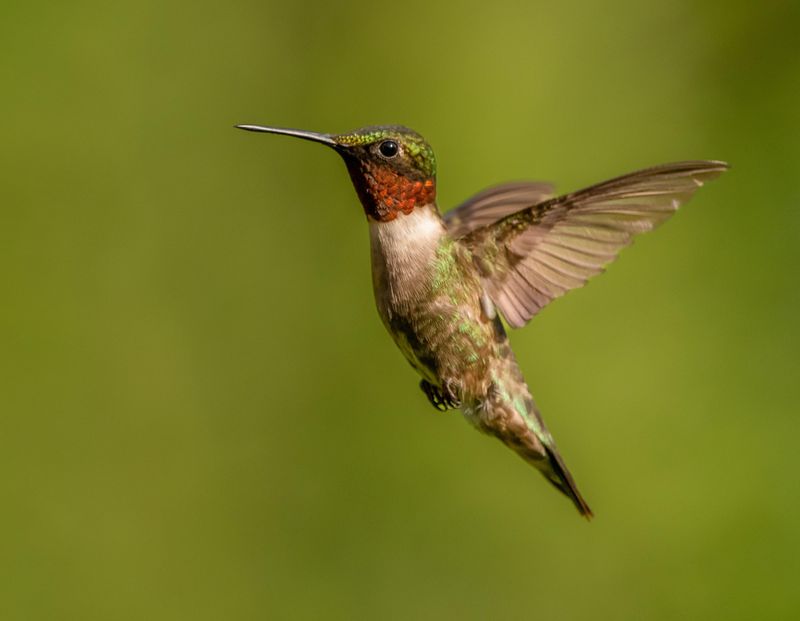
Habitat loss is a quiet problem that most people never notice. Forests get cleared, hedgerows get removed, and shrubs get replaced with turf grass.
Each change chips away at the resting and feeding options available to migrating birds.
Hummingbirds need more than nectar. They need sheltered perches where they can rest safely between feeding bouts.
Dense shrubs and small trees provide that cover.
Open, manicured yards offer little appeal to a bird looking for safety. A hummingbird exposed in an open space is vulnerable to predators.
Instinct pushes them toward yards with structure and cover.
Urban sprawl across the Southeast has fragmented the landscape significantly over the past few decades. Patches of suitable habitat are now farther apart, which means birds must fly longer distances between stops.
Backyards can help close those gaps. Even a modest planting of native shrubs and small trees creates a usable habitat island.
Birds can find it, use it, and remember it for future migrations.
Adding layers to your yard makes a real difference. Ground cover, mid-height shrubs, and canopy trees together create the vertical structure that birds feel safe using.
A layered yard signals safety and abundance to any hummingbird passing through.
4. Plant More Native Flowers With Nectar-Rich Blooms
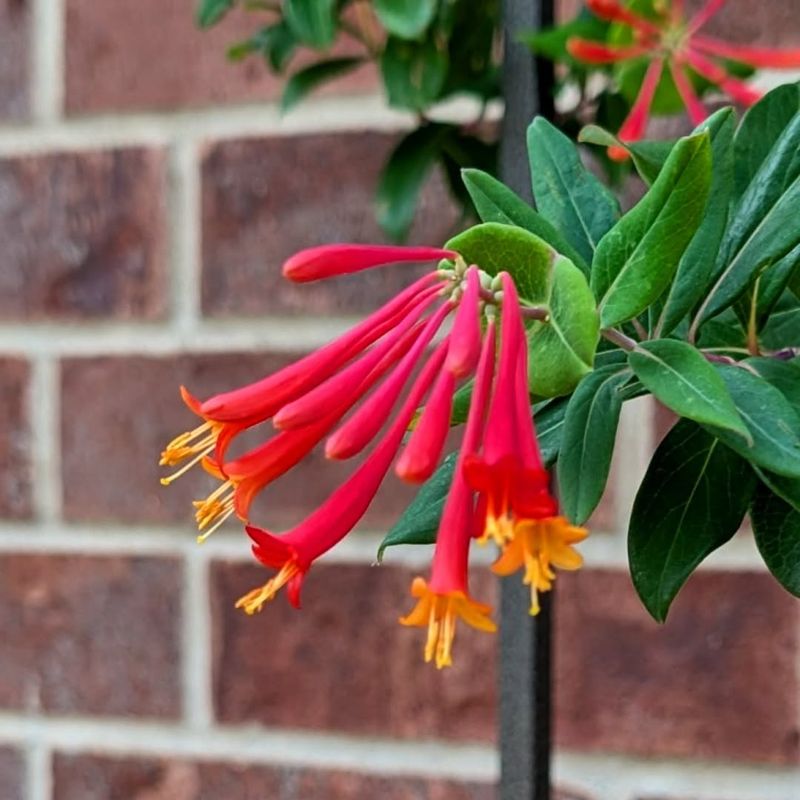
Planting native flowers is the single most effective thing you can do to attract migrating hummingbirds. Feeders help, but flowers do more.
They signal a living, healthy habitat rather than just a single food source.
Native salvias are outstanding performers. Species like Salvia coccinea bloom from late spring well into fall.
They are easy to grow, drought-tolerant once established, and beloved by ruby-throated hummingbirds.
Trumpet vine covers fences and trellises quickly and produces bold orange-red blooms that hummingbirds find irresistible. It spreads aggressively, so give it a contained space where it cannot take over neighboring plants.
Jewelweed grows naturally along moist edges and stream banks. It produces small orange flowers that hummingbirds visit repeatedly.
If you have a low-lying or shaded wet spot, jewelweed fills it perfectly.
Aim for variety in bloom time. A yard that offers nectar from April through October gives migrating birds a reason to stop on both the northbound and southbound legs of their journey.
Grouping plants in clusters rather than scattering them individually helps birds spot the resource from above. A bold patch of red blooms is far more visible to a flying hummingbird than a single plant tucked between other species.
Bigger plantings attract more attention and reward more visits.
5. Add A Reliable Water Source For Visiting Birds
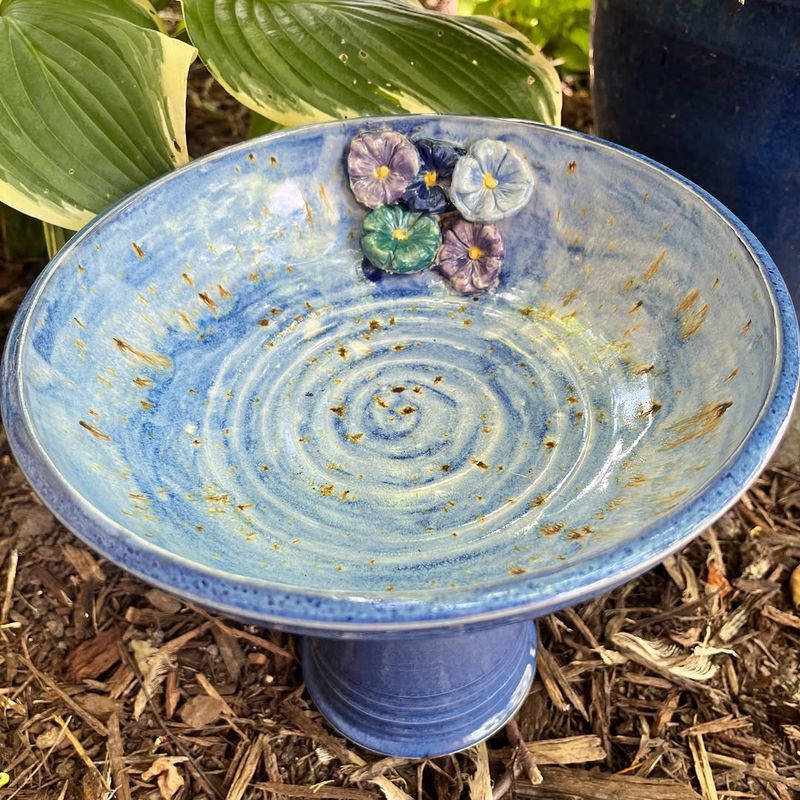
Water is an underrated resource in a hummingbird-friendly yard. Most people think only about feeders and flowers, but clean moving water can be just as attractive to a tired migrating bird.
Hummingbirds do not bathe in deep birdbaths. They prefer very shallow water or fine mist.
A standard birdbath is usually too deep unless you add a layer of flat stones to raise the floor.
Solar-powered misters are affordable and highly effective. They create a fine spray that hummingbirds fly through repeatedly.
The movement of the water also catches light and helps birds notice the feature from a distance.
Drippers work well too. A slow drip onto a leaf or shallow dish creates the kind of natural water source hummingbirds encounter in the wild.
Keep the water fresh and change it every couple of days to prevent mosquito breeding.
Placement matters. Position your water source near flowering plants and within a few feet of shrubby cover.
Birds want to be close to a quick escape route when they stop to bathe or drink.
A yard that offers food, shelter, and water together becomes a complete stopover habitat. That combination dramatically increases the likelihood that a passing ruby-throated hummingbird will pause, refuel, and rest before continuing its journey.
6. Provide Trees And Shrubs For Shelter
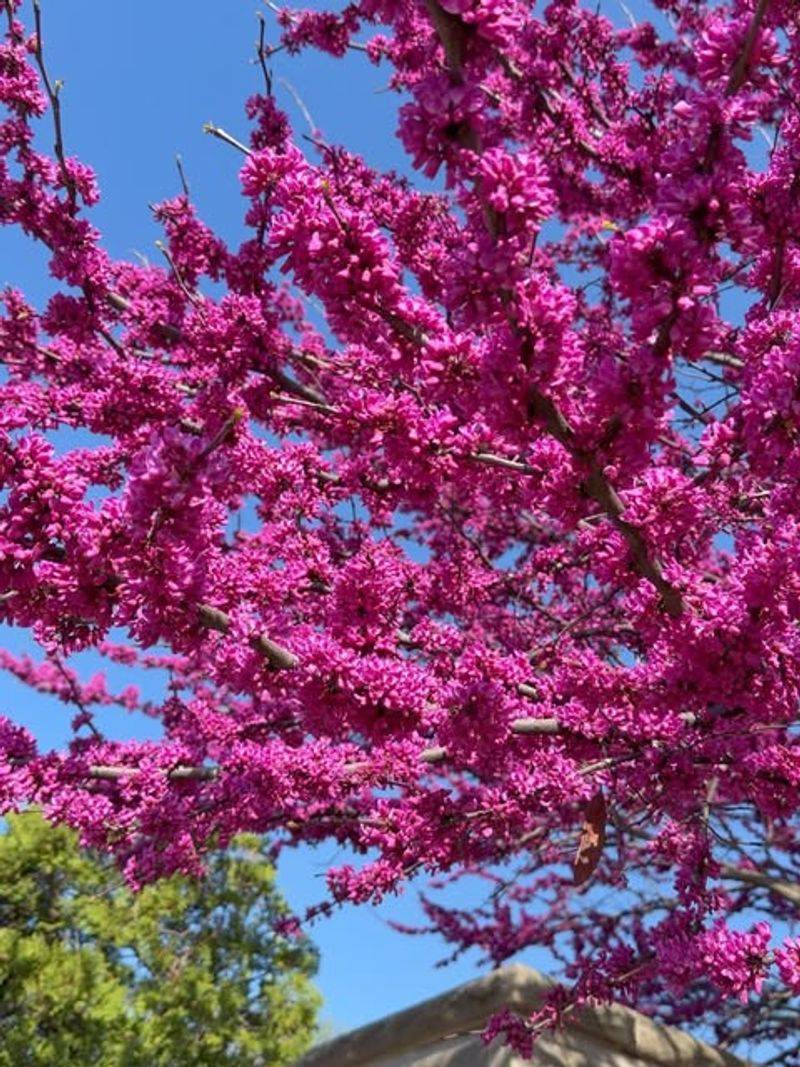
Open yards feel exposed to small birds moving through during migration. Without sheltered perches and dense cover nearby, a hummingbird will grab a quick sip and move on rather than settle in to rest.
Native shrubs like beautyberry and buttonbush offer both structure and seasonal interest. Beautyberry produces vivid purple berries in fall that attract multiple bird species.
Buttonbush blooms in summer with unusual round white flower clusters that hummingbirds visit readily.
Small flowering trees provide elevated perches where hummingbirds rest between feeding visits. Eastern redbud blooms early in spring, offering nectar right when the first northbound migrants arrive.
It also provides light canopy cover through summer.
Shrub borders along fence lines or property edges create corridors that birds use to move safely through a yard. Dense planting at mid-height gives birds a place to perch just out of sight while they assess whether conditions are safe.
Evergreen shrubs add year-round structure. Even in winter, they provide windbreaks and roosting spots that make a yard feel like a reliable habitat rather than an empty lot.
Building layered plantings does not require a large yard. Even a narrow border of mixed native shrubs and small trees along one side of a property can meaningfully improve the shelter value of your outdoor space for migrating birds passing through.
7. Create Continuous Blooms From Spring Through Fall
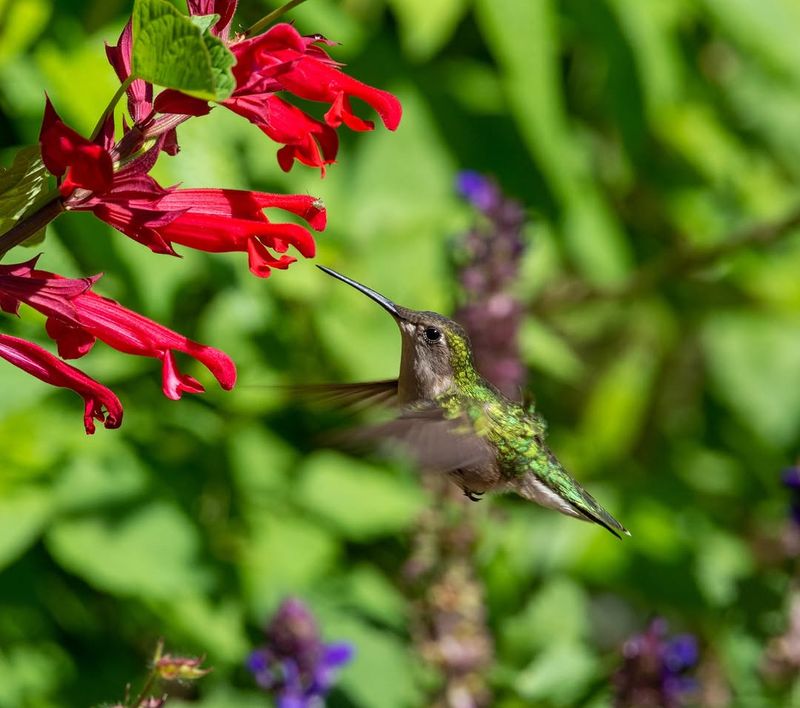
A yard that only blooms for six weeks in summer misses most of the migration window. Ruby-throated hummingbirds pass through heading north in spring and return south in late summer and fall.
Both windows matter.
Early bloomers like native columbine and red buckeye catch northbound migrants in April and May. These plants flower before most summer species get started, filling a gap that many yards leave empty.
Midsummer is handled well by native salvias, trumpet vine, and bee balm. These overlap with peak summer activity and support breeding birds that may have nested nearby as well as early southbound migrants.
Late summer and fall are critical. Southbound hummingbirds need to build fat reserves before crossing the Gulf of Mexico.
Cardinal flower, native jewelweed, and late-blooming salvias carry the nectar supply into September and October.
Planning for continuous bloom takes a little research upfront. Check bloom times for each plant before buying.
Aim to have something flowering in every month from April through October.
Gaps in bloom time mean gaps in hummingbird visits. Even a two-week lull without flowers can cause birds to bypass your yard entirely and find a more consistently productive stop down the road.
Overlapping bloom periods keep your yard on the radar from first arrival to last departure each season.