The One Thing You Must Do To Crepe Jasmine In North Carolina Before The Humidity Sets In
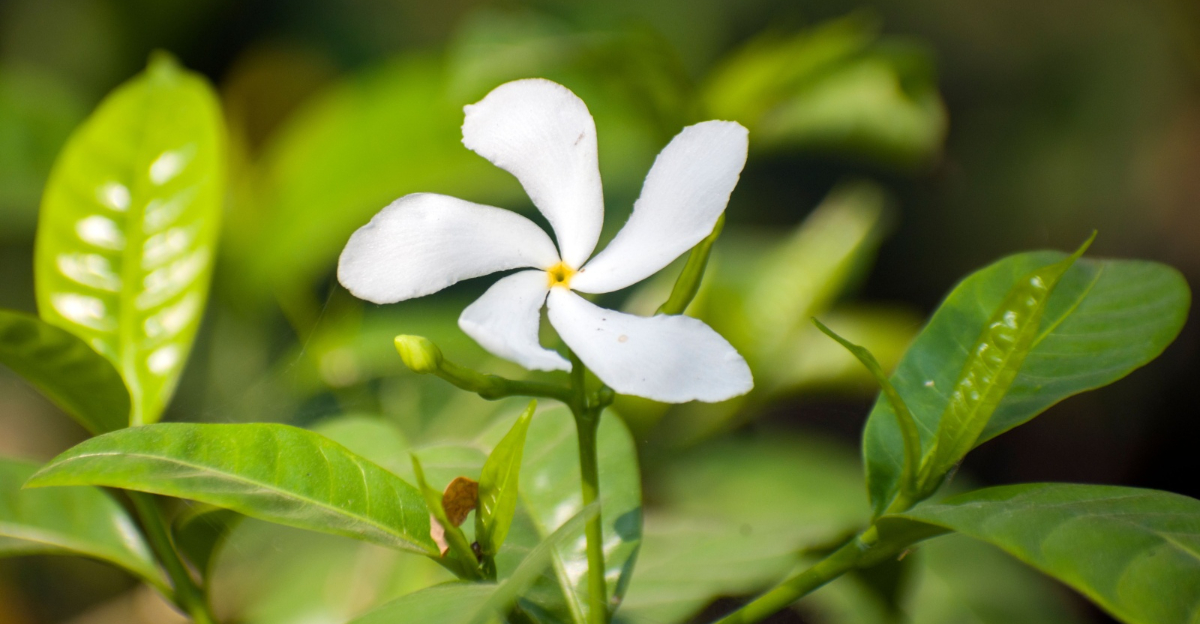
Crepe Jasmine, also known as pinwheel flower or Tabernaemontana divaricata, has that lush tropical look that makes it almost impossible to resist at the nursery, and honestly it can be a gorgeous patio plant in North Carolina with the right setup.
But here is the thing: this warm climate beauty needs a little advance planning before North Carolina’s humid summer weather shows up and makes itself completely at home.
Crepe Jasmine is naturally suited to warmer tropical regions, which means container growing is often the smarter move across much of the state.
And before that heavy, sticky summer air really settles in, there is one simple thing worth doing right away.
Get your plant into a protected, airy, well-drained spot as soon as possible. That one placement decision can make summer care noticeably easier and a whole lot less stressful for both you and the plant.
1. Choose A Spot With Better Airflow
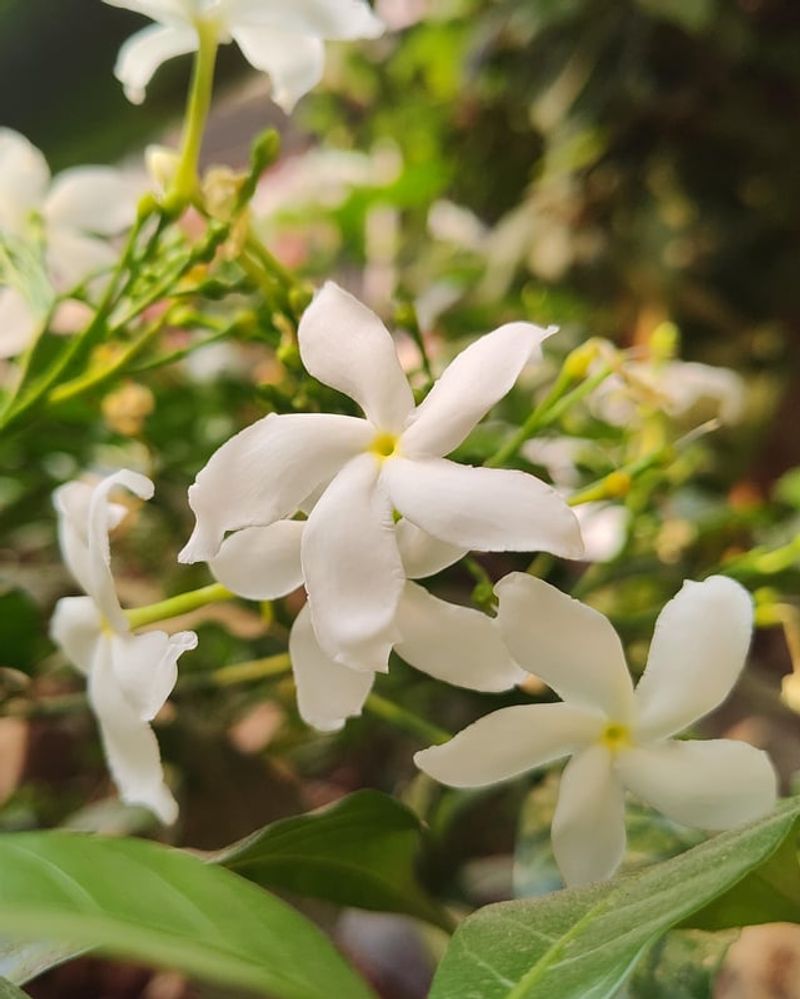
Before the sticky part of a North Carolina summer arrives, give crepe jasmine a place where air can move gently around the plant.
Crepe jasmine has glossy leaves and a naturally rounded, full shape, which can look lovely on a porch, but that fullness can also trap damp air when the plant is squeezed into a tight corner.
The goal is not to put it in a windy spot. A breezy porch edge, open patio, or sheltered place with space on each side is usually a better idea.
Crepe jasmine is a warm-climate shrub that grows in full sun or partial shade and prefers moist, well-drained soil. In much of North Carolina, that points many gardeners toward container growing rather than treating it like a hardy yard shrub.
A container gives you the freedom to move it before humidity gets heavy. Better airflow also makes routine care easier.
You can see the leaves, check the soil, and notice changes before they become frustrating. If the plant has been tucked beside a wall, between other pots, or under a crowded porch rail, slide it into a brighter, roomier place.
It may look like a small move, but for crepe jasmine in North Carolina, placement can make summer care feel much more manageable. It also keeps the plant easier to rotate, which helps light reach more of the canopy.
In a humid season, that small habit can make the plant look more even and easier to manage.
2. Keep The Container Out Of Crowded Corners
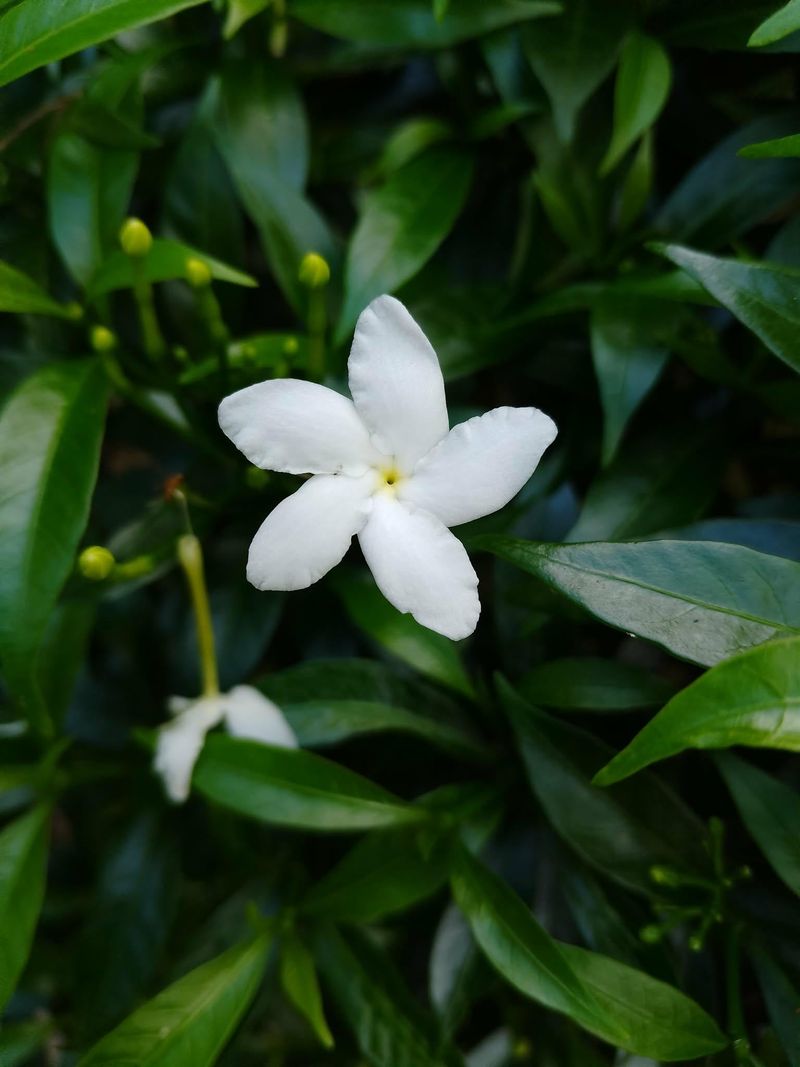
A crowded porch corner can feel like a cute plant display, but crepe jasmine may not appreciate being boxed in once North Carolina humidity starts to build.
When a container sits between furniture, walls, railings, and other pots, the air can stay still and the potting mix may dry unevenly.
One side of the plant might get light, while the back stays shaded and damp. That makes it harder to water wisely and harder to notice what the plant is telling you.
Since crepe jasmine is better suited to warmer climates than most North Carolina landscapes, container growing gives you a helpful advantage. You can shift the pot instead of being stuck with one planting spot.
Your North Carolina Garden Changes Every Week. Your Plan Should Too.
Gardening in North Carolina changes quickly throughout the season. Every Friday you’ll receive a simple weekly plan showing exactly what to plant, prune, fertilize, harvest, and protect so you never miss the right timing.
Choose a place where the plant has enough elbow room for its leaves and enough access for your hands. You should be able to turn the pot, check the drainage holes, and inspect the stems without performing porch yoga.
Keep it protected, but not trapped. A bright patio edge or airy covered porch can still look attractive while giving the plant a more comfortable setup.
This simple move supports the bigger idea behind the article: before humid weather settles in, place crepe jasmine where light, air, and drainage work together instead of fighting each other. If the porch is packed with plants, leave a clear gap around crepe jasmine.
That little bit of space helps you water with care and keeps the plant from becoming part of a damp green pile.
3. Give The Plant Bright Filtered Light
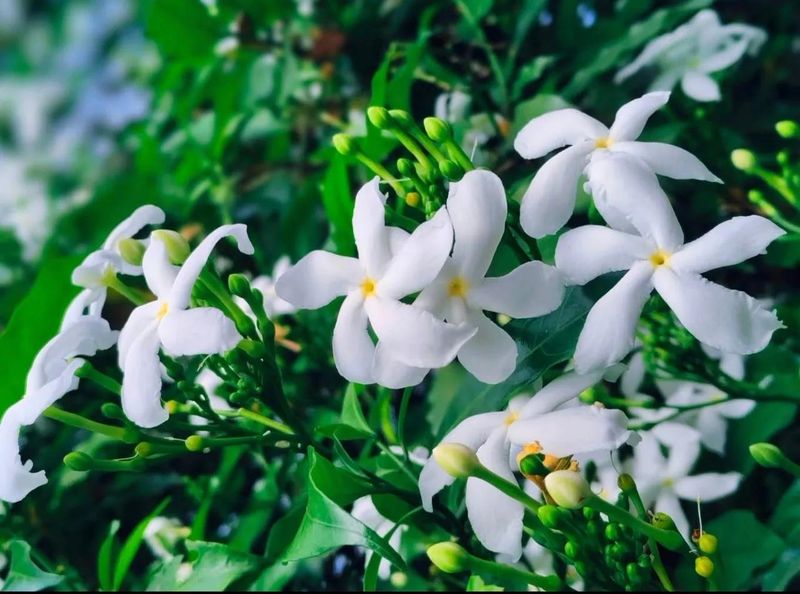
Bright filtered light can be a sweet spot for crepe jasmine, especially when a North Carolina gardener is moving it outdoors after time inside or in a sheltered greenhouse.
Crepe jasmine can grow in full sun or partial shade, with plants often looking better in partial shade.
That is useful guidance because outdoor light can be much stronger than it appears. A container that was happy near a window can look stressed if it is suddenly placed in hot afternoon sun on a brick patio.
Start with morning sun, high shade, or a covered porch that still feels bright. This gives the plant useful light while helping it avoid the sharpest afternoon heat.
Then watch the leaves for a few days. The plant should look steady, not washed out or limp by midafternoon.
Bright filtered light also pairs well with the airflow goal. A spot under open shade or along a porch edge can give the plant useful light without pressing it into a damp corner.
In North Carolina, summer heat can arrive quickly, so a gradual move is kinder than a dramatic one. If the plant seems comfortable, you can adjust the placement a little at a time.
Think of it as helping crepe jasmine settle into its summer seat before the weather turns muggy. If leaves start looking pale, move the pot back a touch.
If growth stretches toward the light, shift it brighter. Small changes can help you find the right North Carolina summer balance.
4. Avoid Damp Spots With Poor Drainage
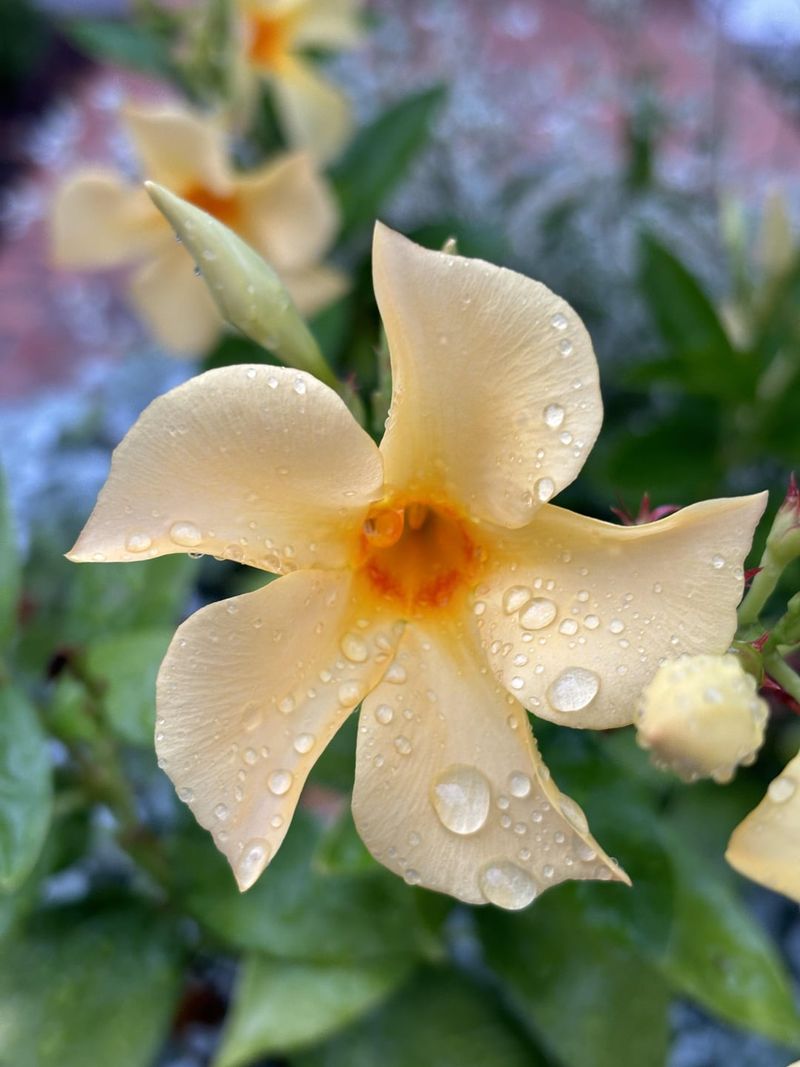
Good drainage matters even more when warm air and North Carolina humidity start working together. Crepe jasmine likes moisture, but its preferred soil is moist and well drained, which is an important pair of words.
Moist does not mean soggy. A container sitting under roof runoff, in a low patio spot, or inside a saucer that holds rainwater can stay wetter than expected.
Before you move the plant into its summer place, check where water goes after a storm. If the patio puddles there, pick another spot.
If the pot has a saucer, empty it after rain. If the drainage holes are blocked, clear them before the season gets busy.
You can also refresh the top layer of potting mix if it has become crusty or compacted. A loose, airy mix helps water move through the container instead of sitting near the surface.
Container roots need air as well as water, and drainage holes help keep that balance. A fresh, airy spot will not help much if the pot itself holds too much moisture.
North Carolina gardeners often deal with quick weather changes, from dry spells to heavy showers, so drainage gives you a little breathing room. The best placement is not just bright and open.
It also lets extra water leave the container instead of lingering around the root zone for too long after every summer rain. Raised pot feet can also help if the container sits on a flat surface.
They lift the pot slightly, let water escape more freely, and make it easier to spot drainage trouble early.
5. Check The Pot Before Summer Heat Arrives
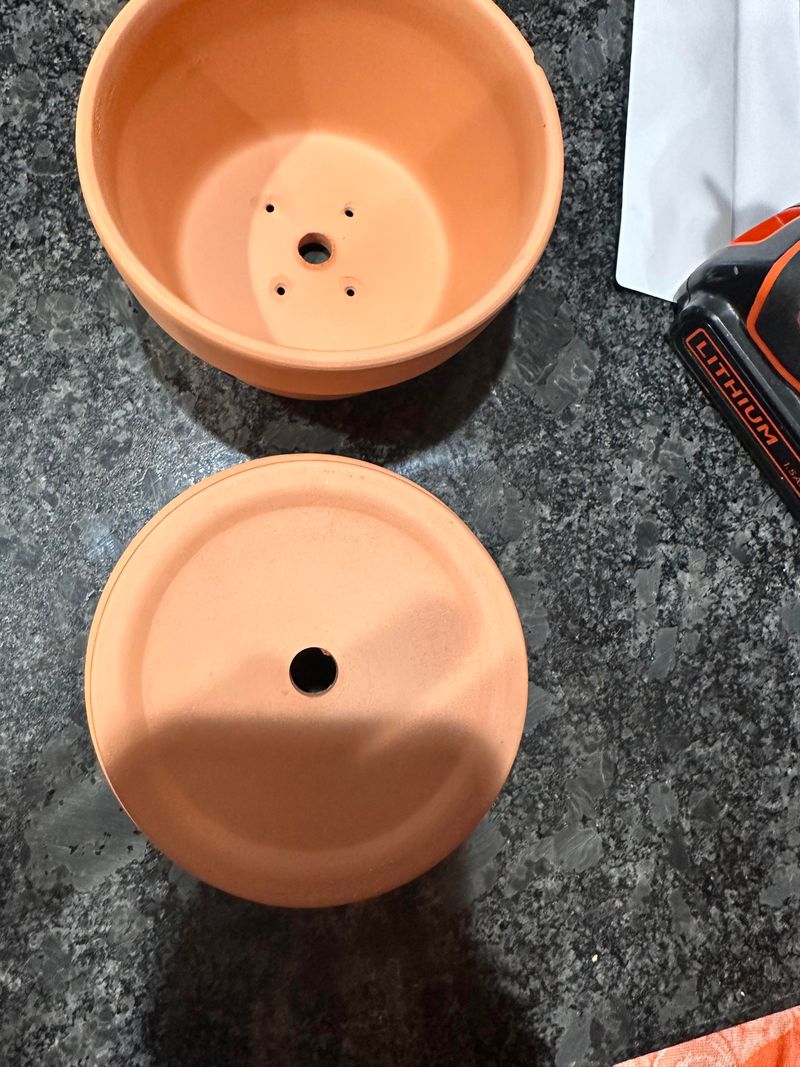
The pot deserves a quick inspection before crepe jasmine moves into its humid-weather spot. Container plants depend on a small volume of potting mix, so small problems can become annoying fast in North Carolina summer heat.
Lift the pot if you can. Is it sturdy enough for a windy afternoon?
Look at the drainage holes. Are they open, or have roots and old mix blocked them?
Press a finger into the potting mix. If it feels packed and heavy, water may not move through it well.
If it pulls away from the sides and sheds water, it may need a slower, deeper watering to rehydrate evenly. Container gardening gives homeowners flexibility because pots can be moved when sunlight or temperature is not encouraging good growth.
That flexibility is only useful if the container is doing its job. A pot that drains well and holds the plant securely makes the move much easier.
It also helps you respond faster when North Carolina weather swings from dry and sunny to humid and stormy. Crepe jasmine also has a rounded form, so a light plastic pot can tip more easily as the top grows fuller.
A heavier container or a sheltered position may help. This check does not need to be fancy.
Think of it as a summer readiness test. Before the air gets thick and warm, make sure the pot, mix, and location are all working as a team.
If the plant has outgrown its container, consider moving it to a slightly larger pot with fresh mix. Avoid jumping to a huge pot, since extra mix can hold extra moisture longer.
6. Protect Crepe Jasmine From Cool Nights
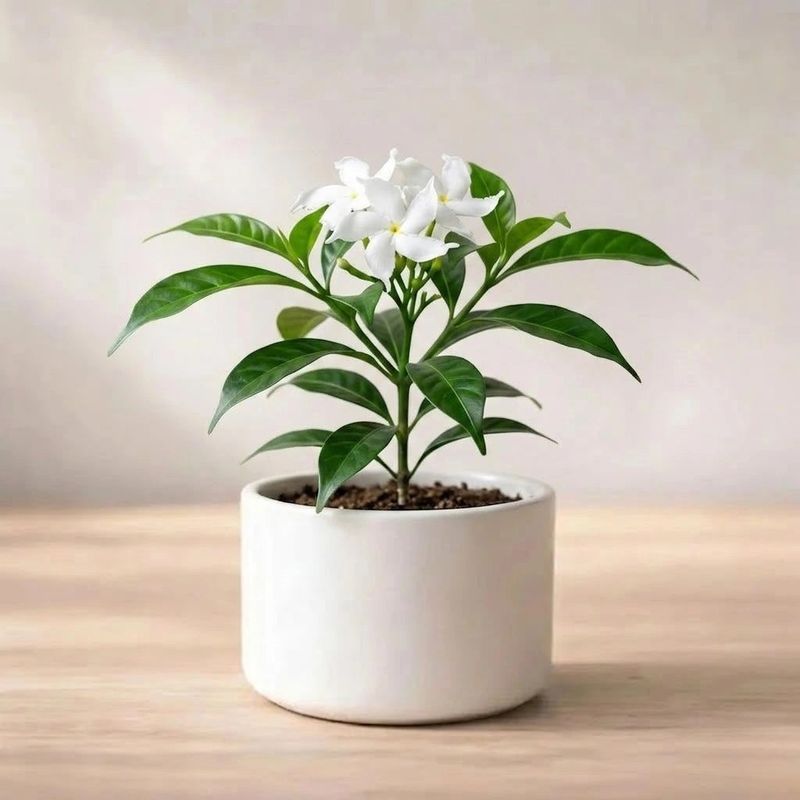
Warm afternoons can fool gardeners into moving tender container plants outside too early. Crepe jasmine is suited to USDA zones 10B through 11, which is much warmer than most North Carolina gardens.
That does not mean North Carolina gardeners cannot enjoy it, but it does mean the plant needs a little seasonal common sense. If spring nights are still cool, keep the container in a protected place or move it back indoors when the forecast looks chilly.
A sunroom, bright indoor window, or sheltered porch can help during that awkward stretch when the days feel summery and the nights still have a bite. This is especially important in the Piedmont and mountains, where temperature swings can be sneaky.
The one big task before humidity sets in is moving crepe jasmine into the right spot, but timing is part of that task. Do not rush it outdoors just because one warm week shows up.
Wait for more settled warmth, then choose a place with bright filtered light, good drainage, and gentle airflow. If a late cool spell appears in the forecast, treat the move as temporary and bring the pot back to shelter.
Crepe jasmine handles the outdoor transition better when warm days and mild nights arrive together. North Carolina weather can be dramatic, so a little patience can make the move smoother and help the plant settle in with less fuss.
When in doubt, move the pot gradually. A few daytime hours outdoors, followed by protected evenings, can help crepe jasmine adjust before it spends longer stretches outside.
7. Watch For Stress After Moving The Plant
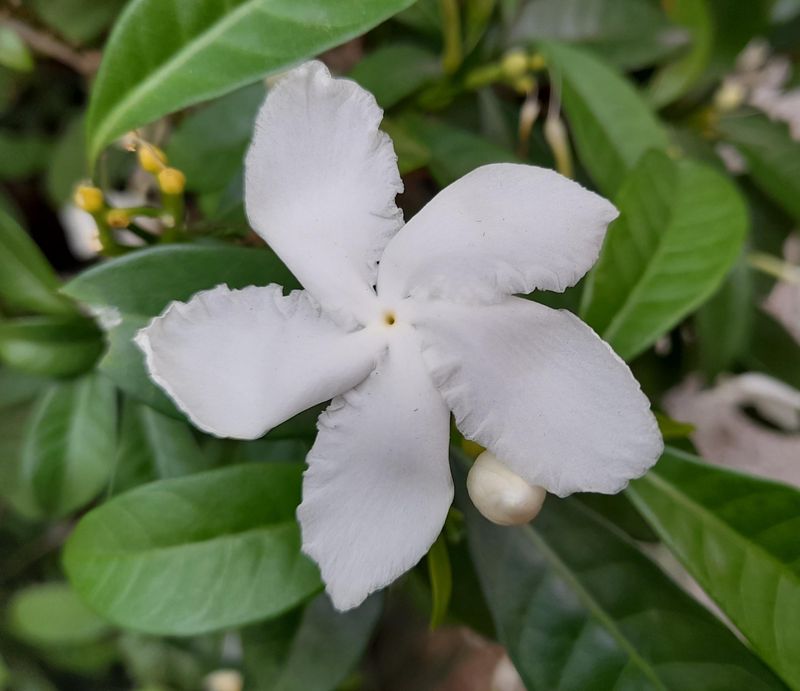
After crepe jasmine gets its new summer spot, spend a few minutes watching how it responds. North Carolina weather can shift from pleasant to steamy in a hurry, and container plants often react faster than plants growing in the ground.
Check the leaves in the morning and again later in the day. Drooping, fading, curling, or pale patches can be signs that the light, water, or temperature needs adjusting.
Check the potting mix before watering, rather than following a fixed schedule. A plant in brighter light may use water faster, while one in a humid shaded corner may stay moist longer.
Also look under the leaves and along the stems while you are already there. Moving the container gives you a good excuse to inspect the whole plant.
A quick check every few days can help you catch small changes while the plant is still settling into its new spot. If something seems off, adjust one thing at a time.
Try a little more shade, a roomier location, or improved drainage before making several changes at once. Crepe jasmine can be a beautiful porch or patio plant for North Carolina gardeners who treat it like a warm-climate container guest.
The plant does not need drama. It just needs a smart spot, steady attention, and a gardener willing to notice what changes after the move.
A simple notebook note or phone photo can help, too. Compare the plant after a week, and you may spot changes that were easy to miss day by day.