12 Beautiful Xeriscape Plants That Thrive With Less Water In North Carolina
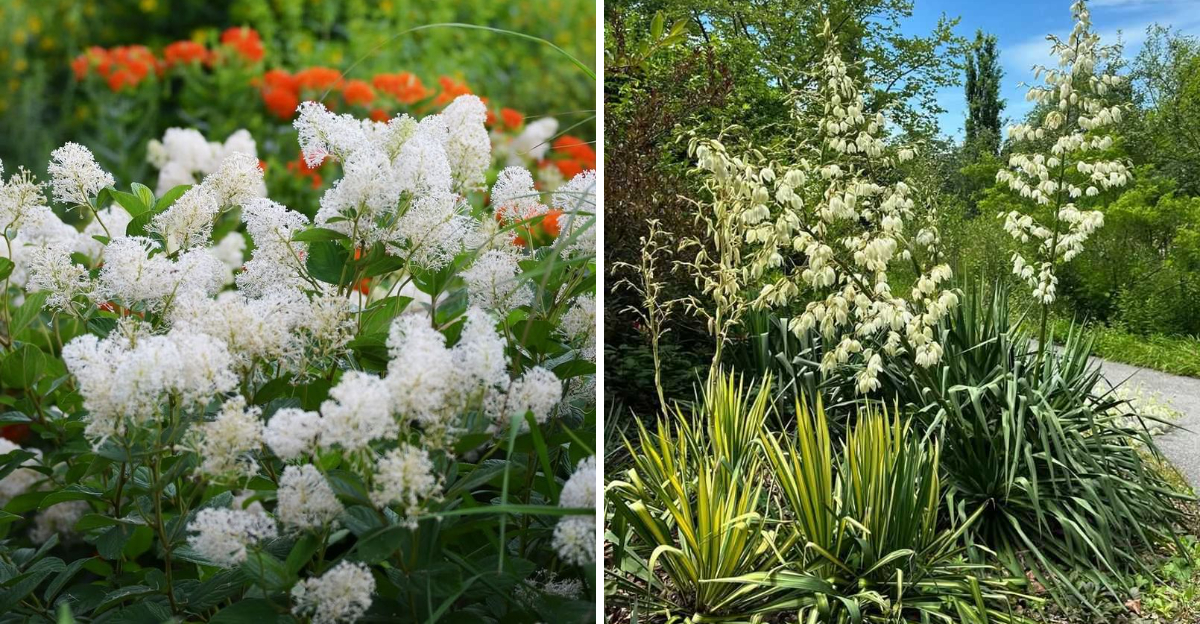
Water restrictions, rising utility costs, and the reality of North Carolina dry spells that arrive without much warning have pushed more gardeners toward plants that perform honestly without constant irrigation.
Xeriscaping gets misrepresented as a compromise, a collection of spiky, colorless survivors doing their best in difficult conditions.
The twelve plants covered here argue against that idea directly.
They are genuinely beautiful, chosen specifically for performance in North Carolina’s climate rather than borrowed from desert gardening guides written for completely different regions.
Several of them produce more visual impact through summer than thirstier, higher-maintenance alternatives that need supplemental watering just to stay presentable through July and August.
1. Butterfly Weed
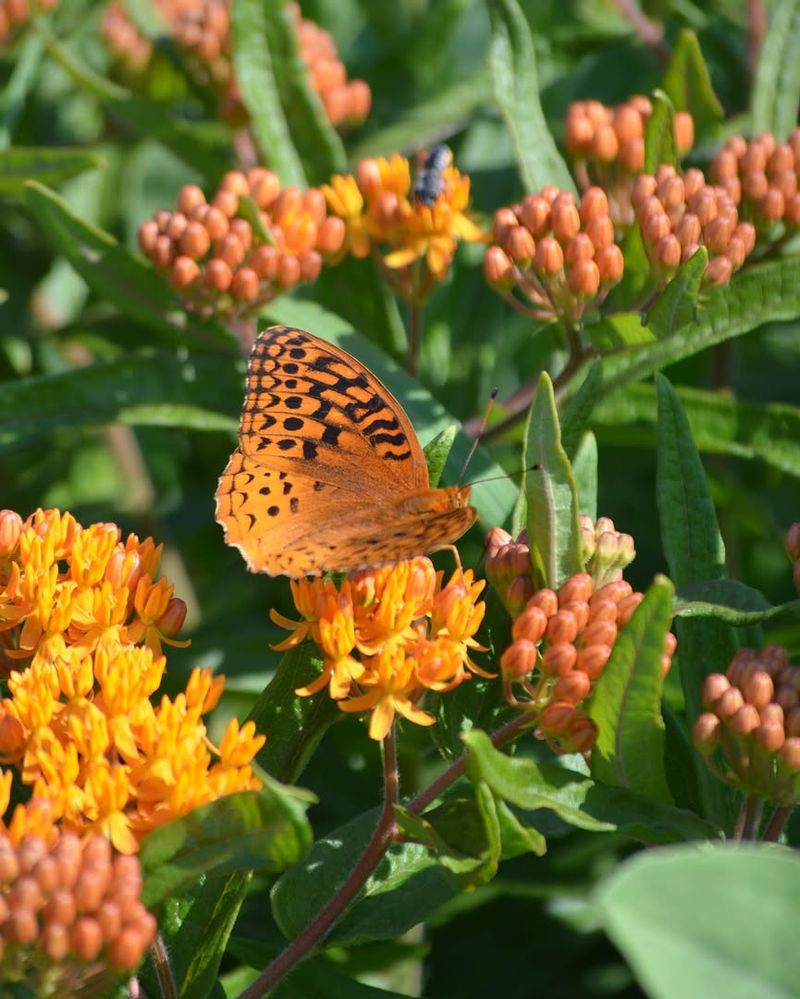
Bright as a summer sunset, butterfly weed is one of those plants that stops people in their tracks.
Its vivid orange flower clusters practically glow in full sun, and the best part is that it asks for very little in return.
Once established, this tough native perennial handles dry, sandy, or poor soil without complaint, making it a natural fit for xeriscape gardens across North Carolina.
Butterfly weed belongs to the milkweed family, and monarch butterflies absolutely love it.
You will also notice bees, swallowtails, and other beneficial insects visiting regularly throughout the summer.
Beyond its pollinator value, the plant forms interesting seed pods in the fall that add texture to the garden even after flowering ends. Plant butterfly weed in a spot with at least six hours of full sun each day.
It grows best when left undisturbed, since its long taproot does not appreciate being moved once it settles in.
Skip the rich, amended soil because this plant actually thrives in lean conditions. Water it occasionally during its first growing season, and after that, rainfall alone is usually plenty.
Reaching about one to three feet tall, it fits beautifully into borders, meadow plantings, or naturalized areas. Few plants deliver this much color and wildlife value with this little effort.
2. Little Bluestem
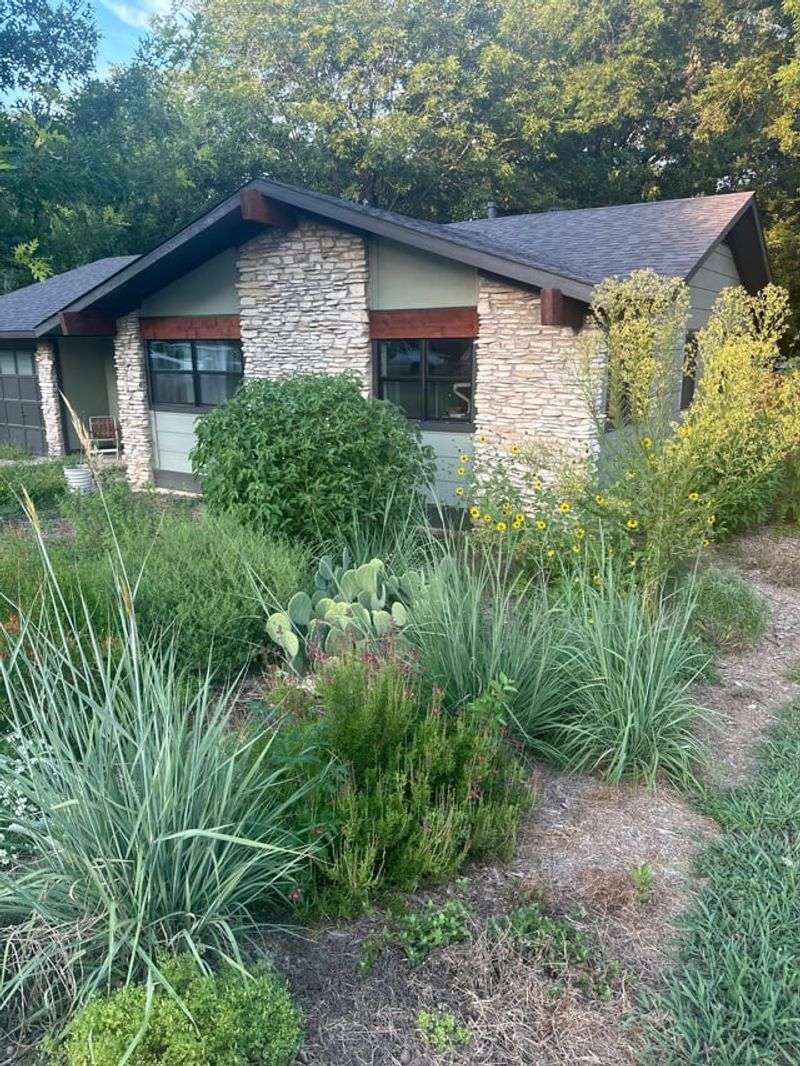
Few plants pull off a seasonal transformation quite like little bluestem.
In summer, its upright clumps show off cool blue-green blades that add an unexpected softness to sunny garden beds.
Then, as temperatures cool in autumn, the whole plant shifts into shades of copper, orange, and russet that rival any fall flower display.
Little bluestem is a native prairie grass that naturally grows across much of the eastern United States, including North Carolina.
That native heritage means it is perfectly adapted to the region’s heat, humidity, and occasional dry spells.
It handles poor, rocky, or sandy soil without needing fertilizer or frequent irrigation, which makes it a dream plant for low-maintenance landscapes.
This grass grows two to four feet tall and works beautifully as a border plant, a meadow filler, or a backdrop for shorter perennials.
The fluffy seed heads that appear in late summer attract small birds that feed on the seeds through winter, adding extra wildlife value to your yard.
Full sun is where little bluestem truly shines, though it tolerates light shade. Planting it in groups of three or more creates a bold, flowing look that feels natural and effortless.
Your North Carolina Garden Changes Every Week. Your Plan Should Too.
Gardening in North Carolina changes quickly throughout the season. Every Friday you’ll receive a simple weekly plan showing exactly what to plant, prune, fertilize, harvest, and protect so you never miss the right timing.
Once established, it rarely needs supplemental watering, making it one of the most reliable and rewarding grasses you can add to a xeriscape garden.
3. Pink Muhly Grass
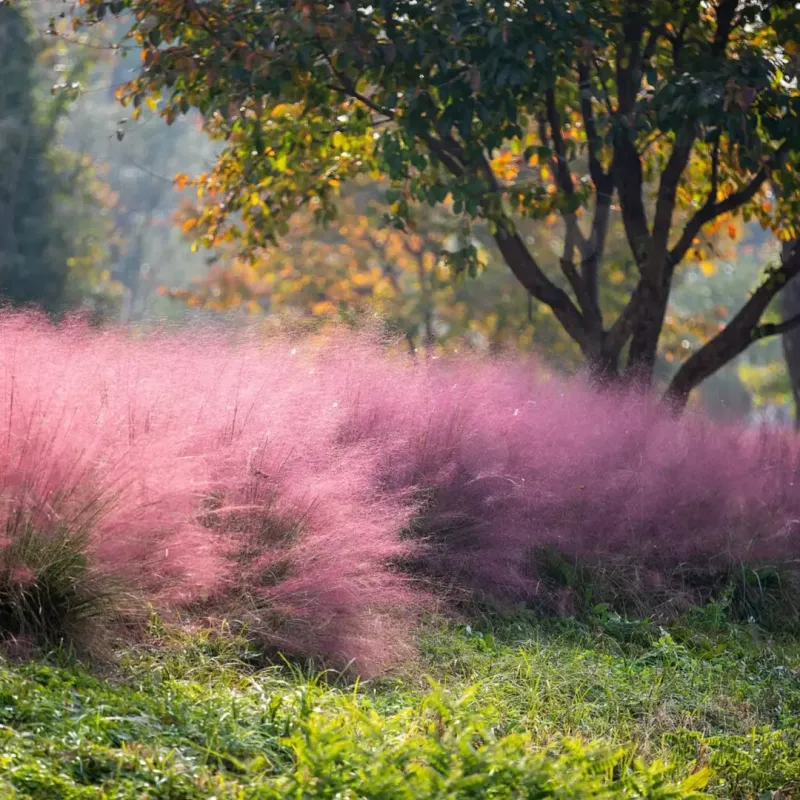
There is a moment every October when pink muhly grass turns a garden into something magical.
The plant sends up enormous clouds of feathery pink flowers that catch the light and seem to float above the green foliage below.
It is one of the most photographed plants in Southern gardens for good reason, and it earns every bit of that attention.
Native to the southeastern United States, pink muhly grass is naturally suited to North Carolina’s climate.
It handles summer heat, high humidity, and extended dry periods with ease. The plant grows in poor, sandy, or clay soil and does not need fertilizer to perform well.
Full sun brings out the best color in the flower plumes, though it tolerates partial shade. Pink muhly grass grows in tidy clumps about two to three feet tall and equally as wide.
It fits beautifully along driveways, pathways, and borders where its late-season color show gets maximum visibility.
Plant it in groups for the most dramatic effect, since a mass planting creates a breathtaking wash of pink across the landscape. After the flower season ends, the golden tan seed heads add quiet winter interest.
Once established, this grass rarely needs supplemental watering, making it a spectacular and low-demand addition to any xeriscape garden in North Carolina.
It rewards patience with one of the most stunning floral displays of the entire year.
4. Lanceleaf Coreopsis
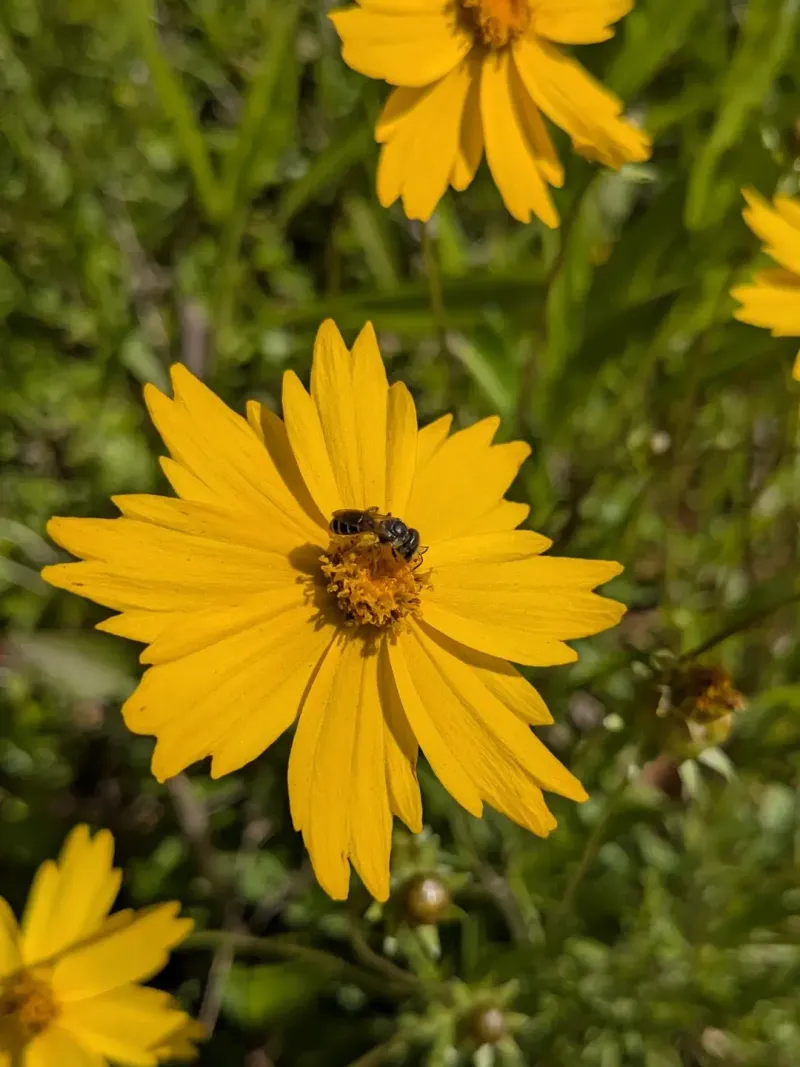
If you want a plant that blooms generously all season without demanding much attention, lanceleaf coreopsis is the one to plant.
This cheerful native perennial covers itself in bright yellow daisy-like flowers from late spring through summer, and sometimes even into early fall.
The flowers are simple and sunny, the kind that make a garden feel happy and alive even on the hottest days.
Lanceleaf coreopsis is native to the southeastern United States and grows naturally in dry, open meadows and roadsides, which tells you a lot about its personality.
It thrives in full sun and handles poor, well-drained soil better than rich, amended garden beds.
Too much moisture or fertilizer actually causes the plant to flop over, so lean soil and minimal watering are exactly what it prefers.
Growing one to two feet tall, this coreopsis fits into pollinator gardens, cottage borders, and naturalized meadow plantings with equal ease. Bees, butterflies, and small birds all visit regularly, making it a genuine wildlife magnet.
Removing spent flowers encourages even more blooms, though the plant will continue flowering even if you leave it alone. It spreads naturally over time, filling in bare spots and creating a carefree, natural look.
For beginning gardeners or anyone who wants reliable, long-lasting color with very little effort, lanceleaf coreopsis is an almost perfect choice for xeriscape gardens.
5. Purple Coneflower
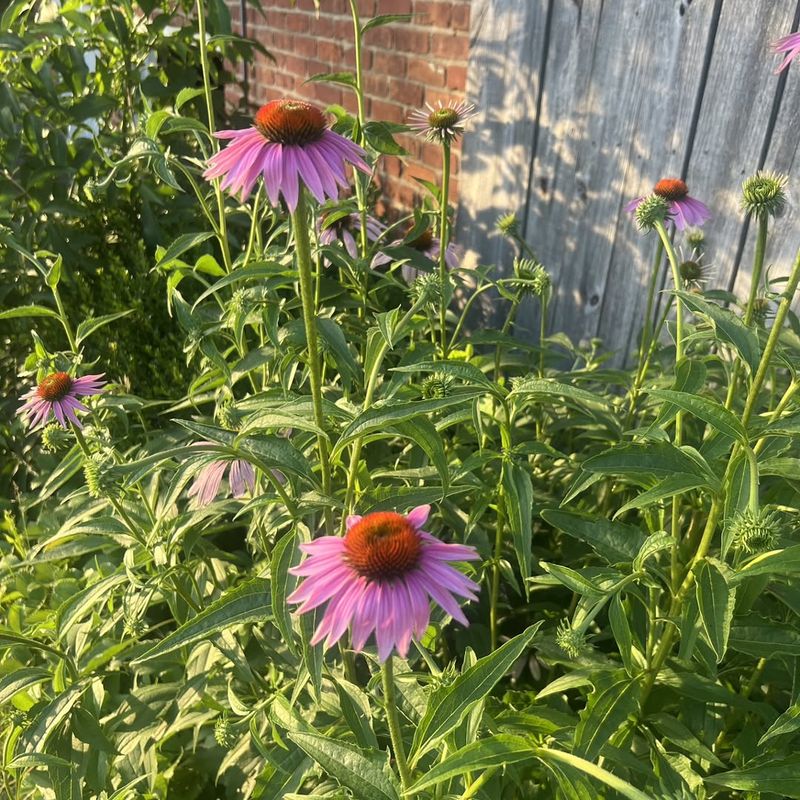
Purple coneflower has been a garden favorite for generations, and it earns that loyalty every single summer.
The bold purple petals surrounding the spiky orange-brown center cone are instantly recognizable, and they bring a warmth and richness to the garden that few other perennials can match.
What makes it even better is how little it asks from you once it is settled in. Native across much of North America, echinacea purpurea is well suited to this climate.
It loves full sun and handles dry spells after its first growing season without showing any stress.
The plant grows two to four feet tall and produces flowers from early summer through fall, giving you months of color rather than just a brief show.
Bees, butterflies, and goldfinches are regular visitors, and the seed heads left standing through winter provide important food for birds.
Purple coneflower adapts to a wide range of soil types, including clay and poor sandy ground, as long as drainage is decent.
It spreads slowly by self-seeding, so over a few years you can end up with a generous natural colony without spending a single extra dollar.
Water young plants regularly during their first season, then step back and let them handle dry weather on their own.
Few perennials match this combination of beauty, wildlife value, and drought tolerance for North Carolina xeriscape gardeners who want something truly dependable.
6. Black Eyed Susan
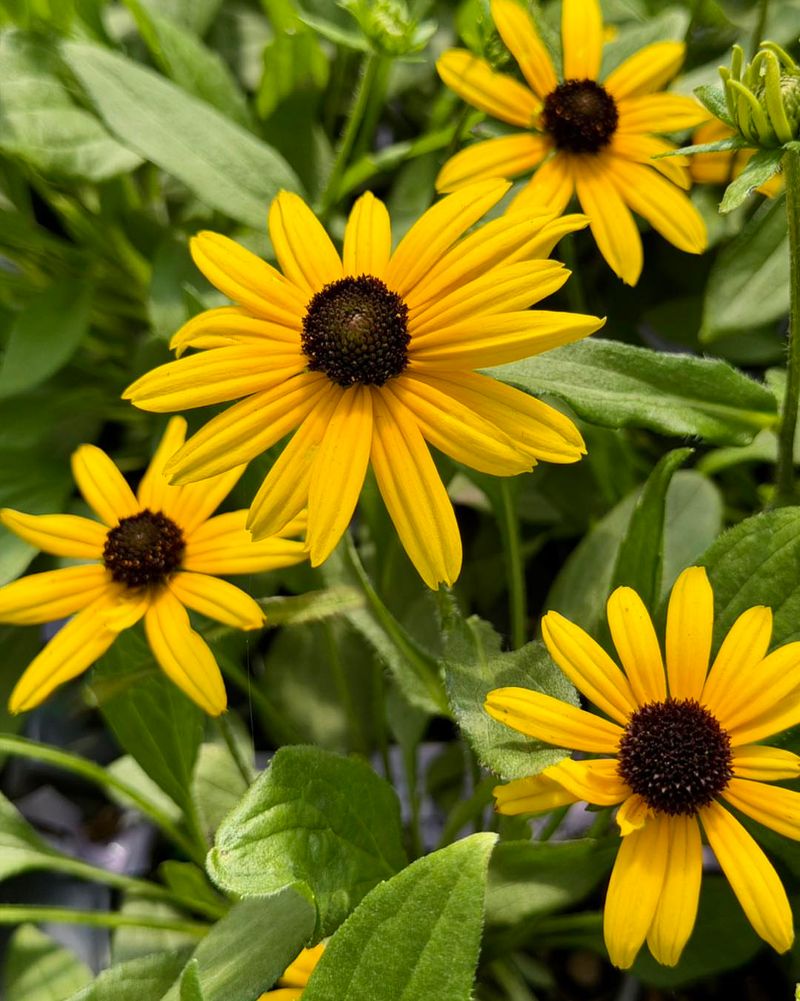
Golden, bold, and unapologetically cheerful, black-eyed Susan is one of those plants that looks like it was made specifically for hot summer days.
The bright yellow petals surrounding a dark brown center button create a classic wildflower look that never goes out of style.
Better yet, this tough native perennial handles North Carolina’s intense summer heat without breaking a sweat.
Black-eyed Susan grows naturally in meadows, roadsides, and open fields across the state, which means it is perfectly at home in a xeriscape setting. It thrives in full sun and tolerates poor, dry soil once established.
The plant blooms from summer into early fall, giving you a reliable long season of color that pairs especially well with ornamental grasses like little bluestem or pink muhly grass.
Growing one to three feet tall, black-eyed Susan fits into borders, pollinator gardens, and naturalized areas without any fuss.
It self-seeds readily, gradually spreading to fill in gaps and create a lush, natural look over time.
Bees and butterflies flock to the flowers, and birds pick at the seed heads during the colder months, so the plant supports wildlife long after blooming ends. After the first season, supplemental watering is rarely needed.
For anyone building a sunny, low-water garden in North Carolina, black-eyed Susan is a foundational plant that delivers consistent, effortless beauty year after year alongside its native neighbors.
7. Yucca
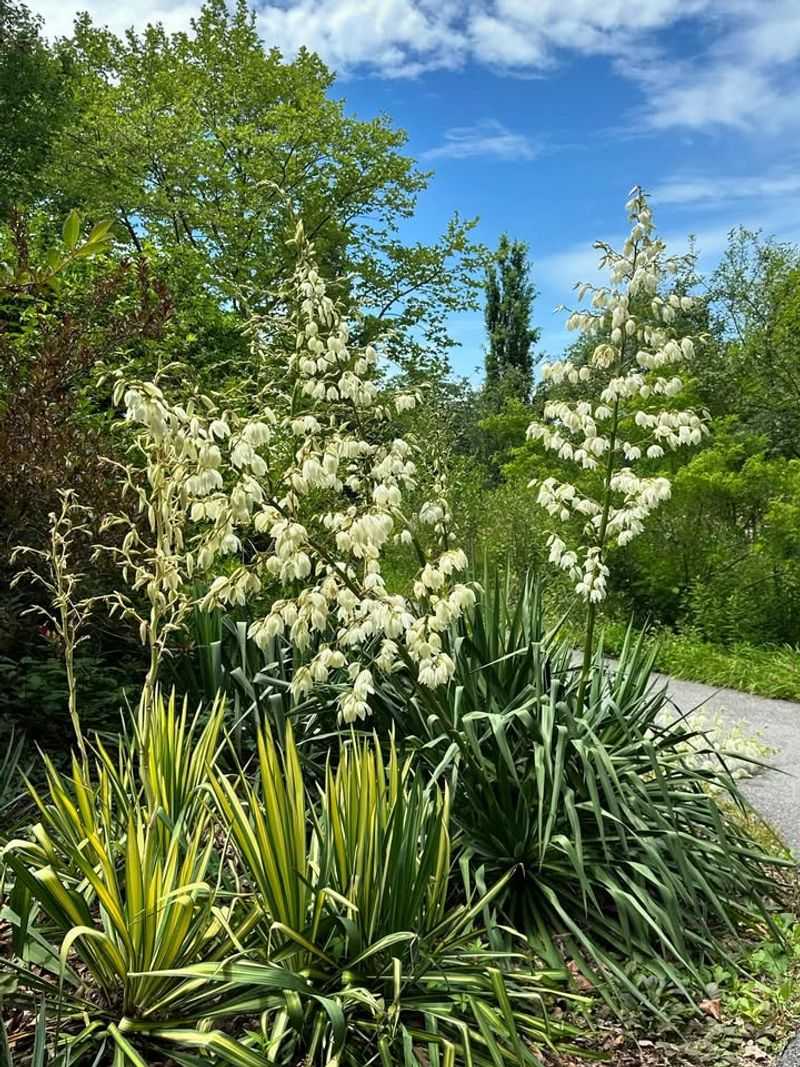
Yucca brings a bold, almost sculptural energy to the garden that no other plant quite replicates.
Its stiff, sword-shaped evergreen leaves radiate outward from the center in a striking rosette, and when the plant sends up its towering flower spike in early summer, covered in creamy white bell-shaped blooms, the effect is genuinely dramatic.
It looks like something out of a desert landscape, yet it grows perfectly well right here in North Carolina.
Several yucca species are native to the southeastern United States, and they are naturally adapted to heat, drought, and poor or sandy soil. Once established, yucca needs almost no supplemental watering.
It handles full sun effortlessly and stays evergreen through winter, providing year-round structure and visual interest in the landscape when most other plants have gone dormant.
Yucca works especially well as a focal point in a xeriscape bed, a foundation planting, or along a dry slope where other plants struggle.
Its sharp leaf tips mean it is best placed away from pathways and play areas, but in the right spot it is virtually maintenance-free.
The flowers attract hummingbirds and yucca moths, which have a fascinating relationship with the plant.
Deer tend to avoid it because of the pointed leaves, making it even more appealing for gardeners who deal with frequent deer browsing.
Bold, beautiful, and remarkably self-sufficient, yucca earns its place in any low-water landscape.
8. New Jersey Tea
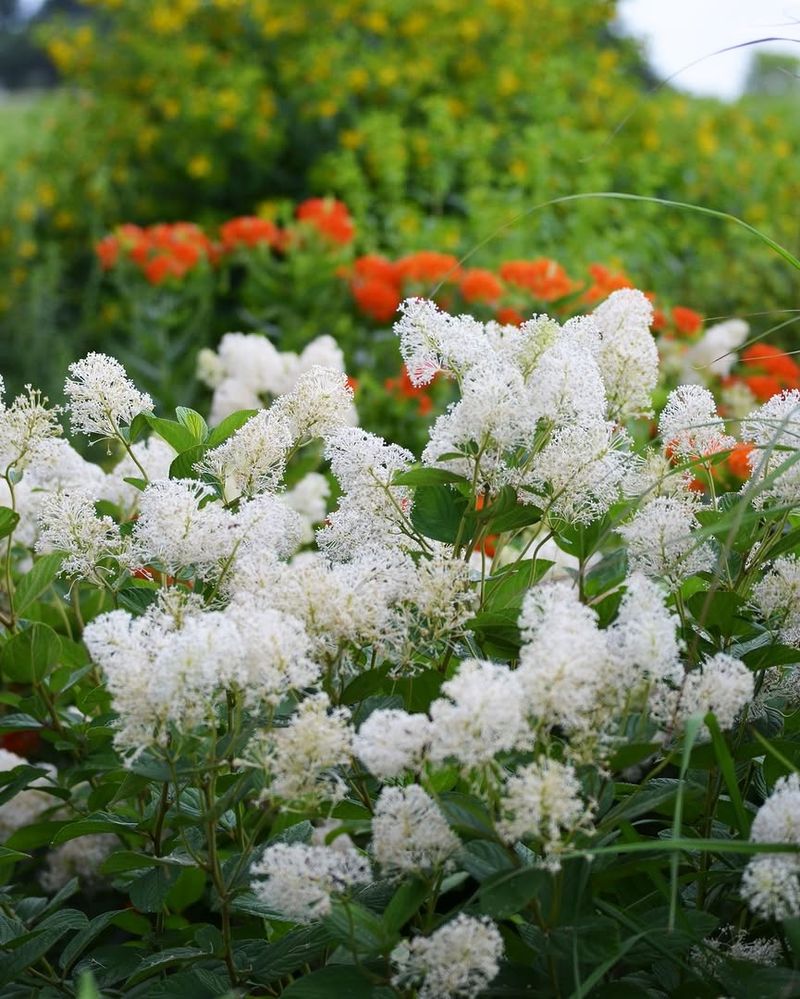
Do not let the name fool you.
New Jersey tea grows just as happily in North Carolina as it does anywhere else in the eastern United States, and it brings a quiet elegance to dry, sunny landscapes that larger shrubs often cannot match.
In late spring and early summer, the plant covers itself in frothy clusters of tiny white flowers that pollinators absolutely cannot resist. What makes New Jersey tea genuinely special for xeriscape gardening is its root system.
The plant develops deep, woody roots that anchor it firmly in the soil and allow it to access moisture far below the surface during dry spells.
Once established, it handles drought with impressive resilience and thrives in poor, well-drained soil without needing fertilizer or extra irrigation.
Full sun to light shade suits it well. Growing three to four feet tall and wide, New Jersey tea works well as a low hedge, a border shrub, or a naturalized planting along slopes and dry embankments.
Beyond its flowers, it provides valuable habitat for native bees, including several specialist bee species that depend on it.
The dark green foliage stays attractive throughout the growing season, adding structure and depth to the garden even between bloom cycles.
For gardeners who want a compact, wildlife-friendly shrub that genuinely thrives on neglect once it finds its footing, New Jersey tea is a rewarding and underused choice.
9. Fragrant Sumac
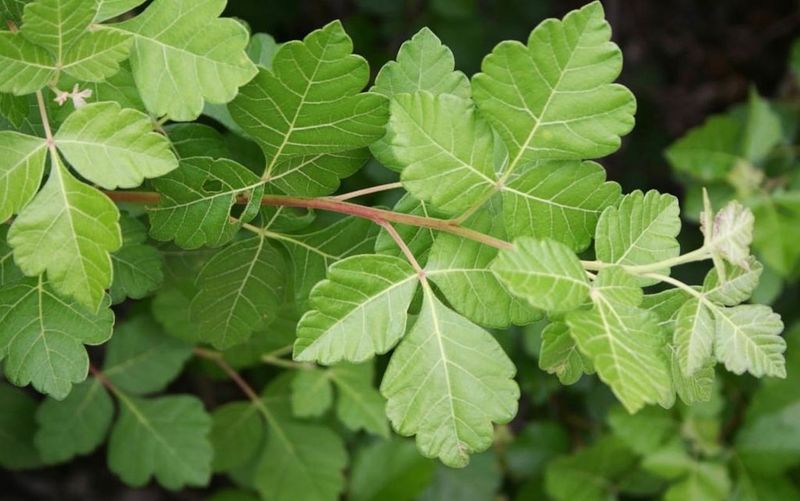
Slopes, banks, and dry hillsides are some of the trickiest spots in any garden to plant successfully.
Fragrant sumac is one of the few native shrubs that genuinely loves those challenging conditions.
It spreads by underground runners to form dense, low-growing colonies that hold soil in place beautifully, making it as practical as it is attractive. The name gives away one of its best qualities.
Crush a leaf between your fingers and you get a pleasant, spicy-citrusy scent that is surprisingly enjoyable.
Beyond that sensory bonus, fragrant sumac delivers a spectacular fall color show, with foliage turning brilliant shades of red, orange, and purple before dropping for winter.
Small clusters of red berries follow the spring flowers and persist into the colder months, providing food for birds including mockingbirds, robins, and cedar waxwings.
Fragrant sumac handles poor, rocky, or sandy soil and tolerates drought once its root system establishes, which usually takes one full growing season.
Full sun brings out the best fall color, though partial shade works fine too. It grows three to six feet tall and can spread considerably wider, so give it room to do its thing.
For North Carolina gardeners dealing with erosion-prone slopes or dry, difficult areas where nothing else seems to work, fragrant sumac offers a tough, beautiful, and ecologically rich solution that improves with every passing year.
10. Yaupon Holly
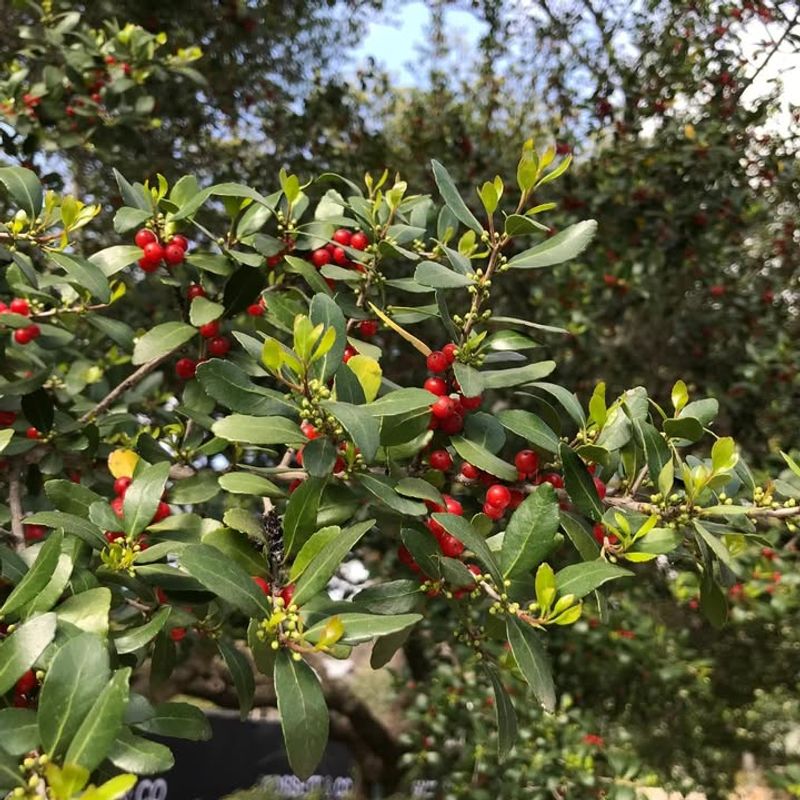
Yaupon holly might just be the most underrated evergreen shrub in North Carolina.
It is tough enough to handle drought, heat, salt spray, and a wide range of soil conditions, yet it stays attractive and green throughout the entire year.
Add in the brilliant red berries that appear on female plants in winter, and you have a shrub that earns its keep through every single season.
Native to the southeastern United States, yaupon holly grows naturally in sandy coastal areas, dry upland forests, and everything in between.
That adaptability translates directly to the garden, where it tolerates clay, sand, poor soil, and occasional flooding without complaint.
Once established, supplemental watering is rarely needed. It grows in full sun to full shade, which is an unusual level of flexibility for any plant.
Yaupon holly responds extremely well to pruning, which is why you often see it shaped into hedges, topiaries, or small specimen trees.
Left to grow naturally, it develops an attractive, irregular form with arching branches. The berries are an important winter food source for birds like cedar waxwings, bluebirds, and mockingbirds.
Dwarf cultivars stay under three feet, while standard varieties can reach fifteen feet or more, so there is a size for every garden situation.
For a reliable, year-round evergreen anchor in a North Carolina xeriscape, yaupon holly is practically impossible to beat.
11. Purple Lovegrass
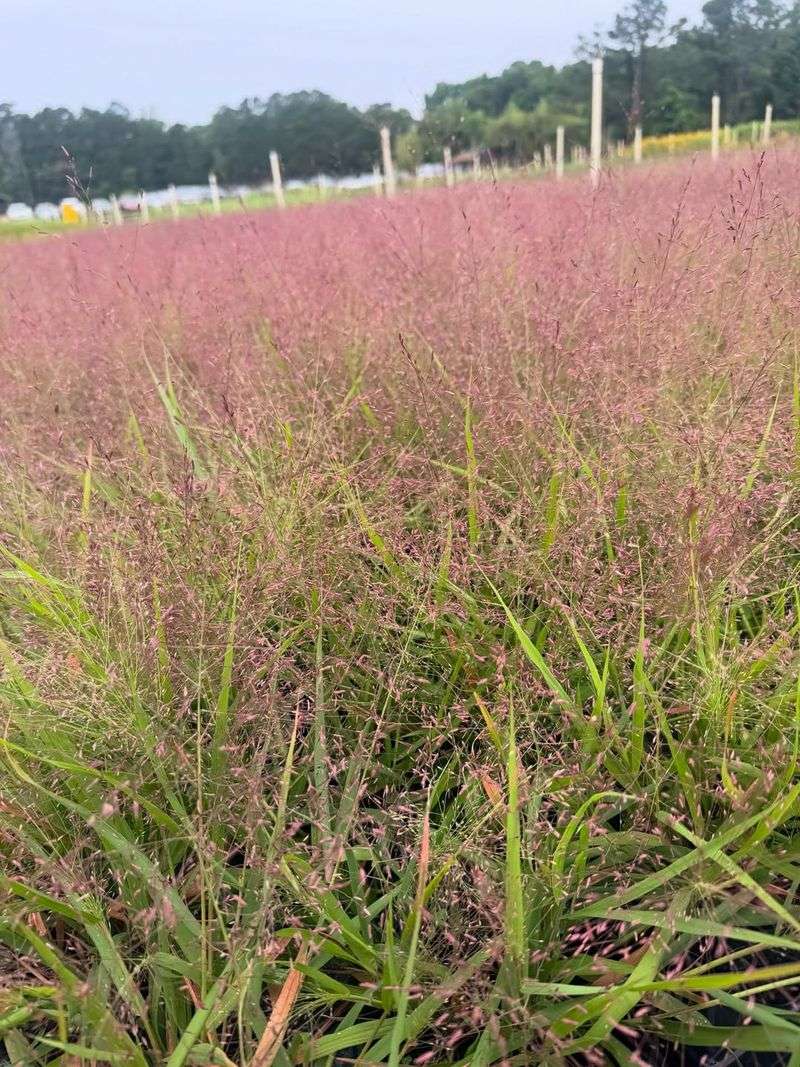
Purple lovegrass has a name that suits it perfectly. There is something genuinely lovable about the way its delicate, airy flower clouds drift above the fine-textured foliage, catching the light and shifting gently with every breeze.
It brings a softness and grace to the garden that heavier plants simply cannot replicate, and it does it all on very little water.
This native grass thrives in full sun and dry, sandy, or poor soil, making it a natural fit for xeriscape gardens across North Carolina.
It begins blooming in late summer, sending up masses of pink-purple flower plumes that float like mist above the plant.
The effect is especially beautiful when planted along borders or the edges of naturalistic garden areas where the movement and texture can be fully appreciated.
Purple lovegrass grows one to two feet tall and spreads gently by self-seeding, gradually filling in areas with a soft, meadow-like quality. It is not aggressive, so it plays well with neighboring plants without crowding them out.
The seed heads remain attractive well into fall and winter, adding quiet texture to the landscape after the warm season ends.
Heat and humidity do not slow it down at all, which makes it perfectly suited to North Carolina summers.
For gardeners who want a plant that combines effortless elegance with genuine drought toughness, purple lovegrass is a wonderful and often overlooked choice for low-water garden design.
12. Rough Blazing Star
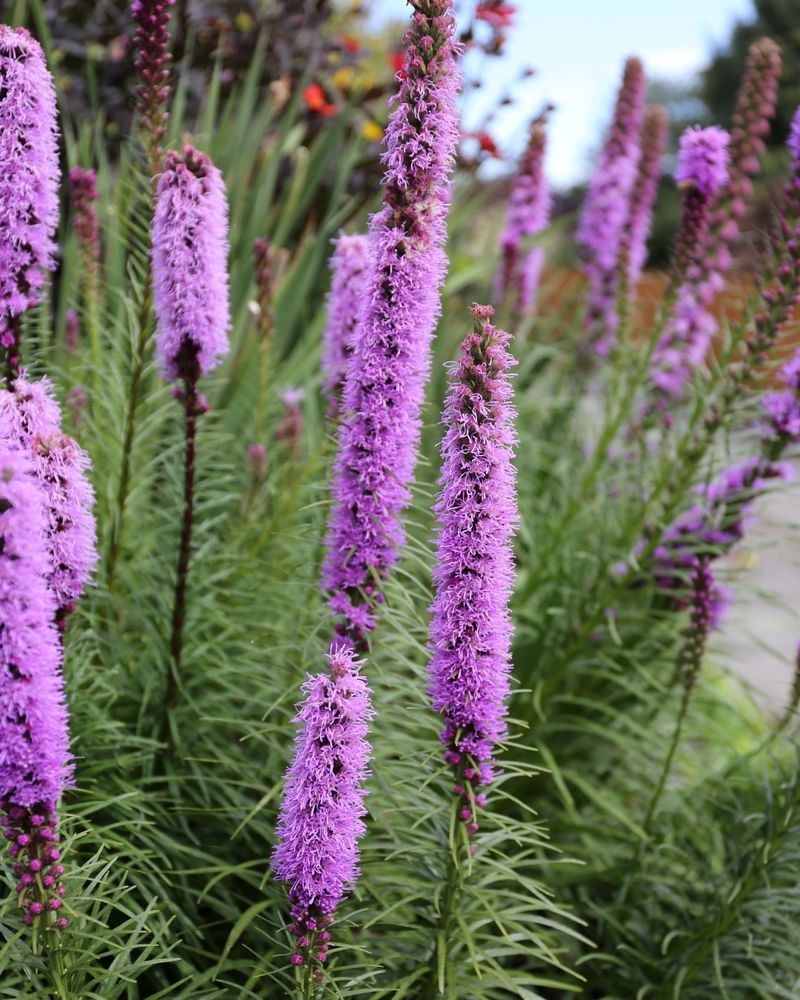
Rough blazing star is the kind of plant that commands attention the moment it blooms.
Tall, upright spikes of vivid purple flowers rise boldly above the surrounding garden, creating vertical drama that draws the eye immediately.
Monarchs, swallowtails, bumblebees, and hummingbirds all show up for the late summer and early fall bloom, turning the area around this plant into a buzzing, fluttering spectacle.
Native to dry, open habitats across the eastern United States, rough blazing star is well adapted to North Carolina’s hot summers and occasional dry stretches.
It grows from a corm, which is a small underground storage organ that helps the plant survive periods of low rainfall without any help from you.
Full sun and well-drained soil are the main requirements, and it actually performs better in lean soil than in rich, heavily amended garden beds.
Growing two to four feet tall, rough blazing star fits beautifully into pollinator gardens, mixed perennial borders, and naturalized meadow plantings.
It blooms from the top of each spike downward, which is unusual and gives it a distinctive look compared to most flowering plants.
After blooming, the seed heads attract goldfinches and other small birds that pick at them through the fall. Plant it in groups of three or five for maximum visual impact.
For a tall, striking, wildlife-rich perennial that handles dry conditions with confidence, rough blazing star is a standout choice for North Carolina xeriscape gardens.