These Native Texas Wildflowers Practically Seed Themselves Through Every Gap In Your Garden
What if parts of your Texas garden could fill themselves in every season without you buying a single new plant or scattering a handful of seed? Native Texas wildflowers that self-seed reliably make that a genuine reality rather than a gardening fantasy.
These are plants that bloom, set seed, and then quietly place the next generation exactly where conditions suit them, filling in gaps along borders, spreading through gravel paths, and turning thin or bare patches into something that looks intentional and alive.
The process gets more effective each year as the seed bank in the soil builds up and more plants find their footing across the garden.
Texas growing conditions are actually well suited for this kind of natural succession, and several of the most reliable self-seeding wildflowers are also some of the most visually striking plants available to Texas gardeners.
Getting them established once is usually all it takes to have them showing up on their own terms every season after.
1. Black-Eyed Susan
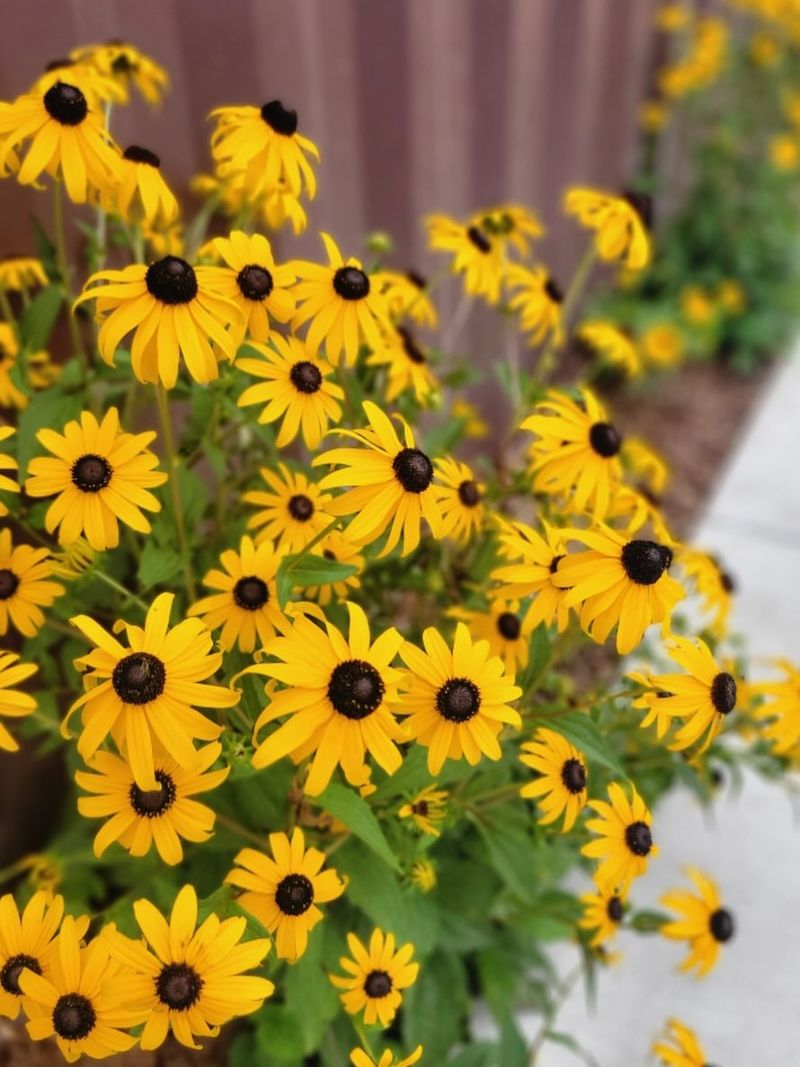
Few flowers light up a garden quite like the Black-Eyed Susan. Those bold yellow petals surrounding a deep, dark center are impossible to miss, and they seem to glow even on the hottest Texas afternoons.
Rudbeckia hirta has been brightening prairies and roadsides across Texas for centuries, and it brings that same cheerful energy straight into your backyard.
One of the greatest things about Black-Eyed Susans is how little attention they need. Plant them once in a sunny spot with decent drainage, and they will reward you by dropping seeds all on their own at the end of the season.
Those seeds overwinter in the soil and sprout fresh plants the following spring, often popping up in spots you never expected.
They grow best in full sun and can handle dry, rocky, or sandy soils without much complaint. Watering once a week during dry spells is usually enough to keep them happy. They typically reach about one to three feet tall, making them a great mid-border plant.
Black-Eyed Susans also attract a wide range of pollinators. Bees, butterflies, and even goldfinches love visiting these flowers.
The birds especially enjoy pecking at the seed heads in late fall, which also helps spread seeds even further across your garden.
If you want a low-maintenance flower that rewards you season after season, Black-Eyed Susan is a fantastic starting point.
Just give it space, sunshine, and a little patience, and it will fill your garden with warm golden color year after year without much help from you at all.
2. Indian Blanket
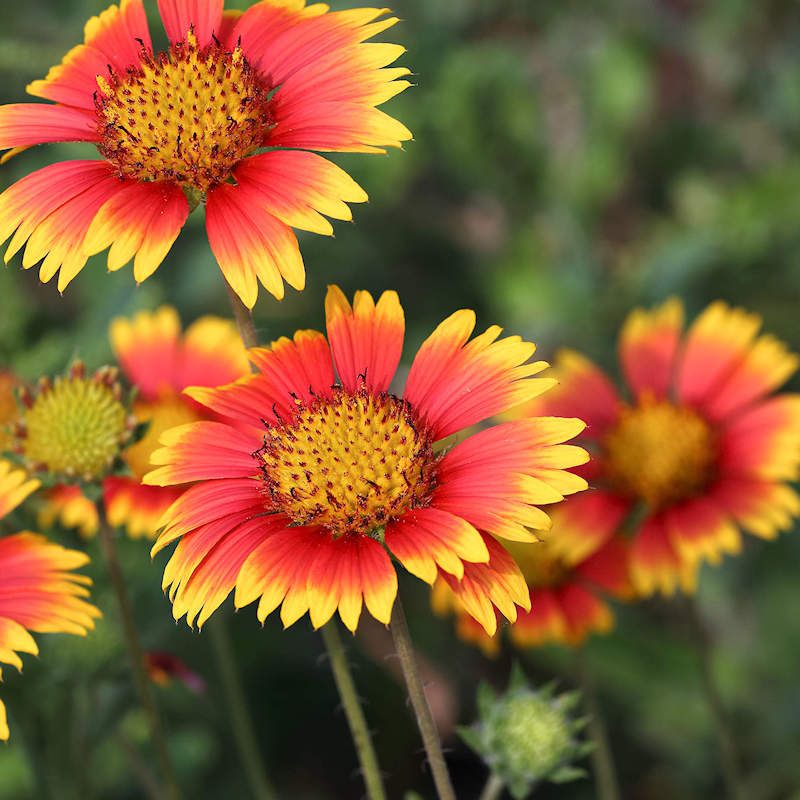
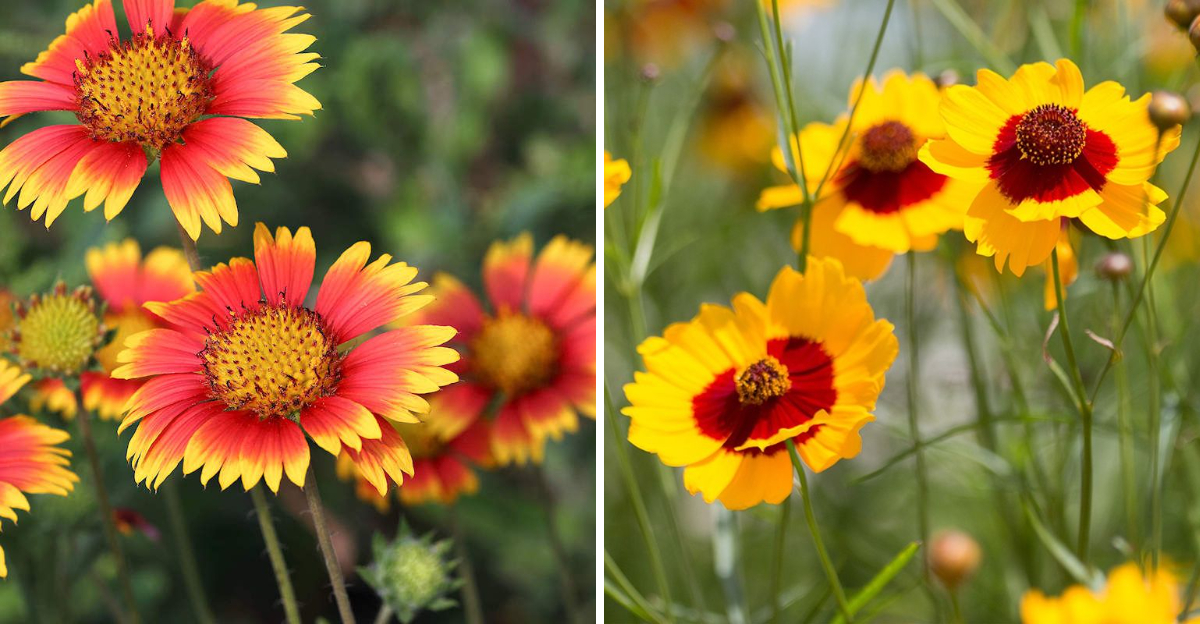
Imagine a flower so tough it laughs at summer heat and still manages to look stunning from spring all the way through fall. That is exactly what the Indian Blanket, also known as Firewheel, delivers.
The red and yellow petals look like tiny wheels of fire spinning in the breeze, and they make any garden feel alive with color and movement.
Gaillardia pulchella is one of the most drought-tolerant wildflowers native to Texas. Once it gets established, it can go weeks without rain and still keep blooming.
Your Texas Garden Changes Every Week. Your Plan Should Too.
Gardening in Texas changes quickly throughout the season. Every Friday you’ll receive a simple weekly plan showing exactly what to plant, prune, fertilize, harvest, and protect so you never miss the right timing.
That makes it an incredible choice for Texas gardeners who deal with long, dry summers and unpredictable rainfall. Sandy or rocky soil? No problem. This flower actually prefers well-drained ground over rich, moist soil.
The self-seeding habit of Indian Blanket is legendary among native plant enthusiasts. At the end of the blooming season, the spent flower heads dry into fluffy seed clusters that scatter easily in the wind.
Seeds settle into cracks, bare patches, and borders, sprouting cheerfully the following spring without any help from you.
Fun fact: Gaillardia was named after an 18th-century French magistrate named Gaillard de Charentonneau, who was a passionate supporter of botany. So every time you see one of these fiery blooms, you are looking at a flower with a fascinating history behind its name.
Plant Indian Blanket in full sun and skip the heavy fertilizer. Too many nutrients actually make the plants grow floppy.
Keep the soil lean and dry, and this wildflower will thrive and reseed generously across your garden beds for many seasons ahead.
3. Texas Bluebonnet
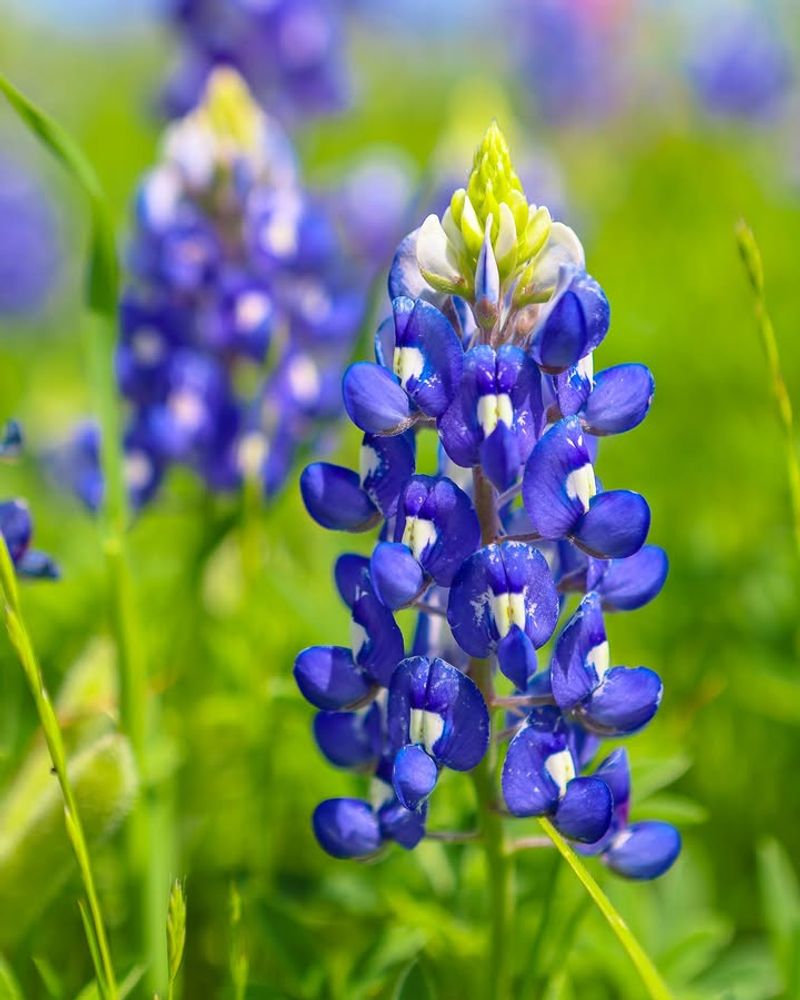
There is no flower more deeply connected to Texas pride than the Bluebonnet. Lupinus texensis has been the official state flower of Texas since 1901, and every spring it transforms roadsides, meadows, and home gardens into breathtaking seas of blue and purple.
Seeing a field of Bluebonnets in bloom is one of those experiences that genuinely stops you in your tracks.
What makes Bluebonnets especially exciting for gardeners is their remarkable ability to reseed themselves. Each plant produces seed pods that look a little like fuzzy green beans.
When those pods mature and dry out, they pop open and fling seeds several feet away from the parent plant. Over time, a small patch of Bluebonnets can expand into a wide, beautiful sweep of color across your yard.
Bluebonnets are cool-season bloomers, which means they sprout in fall, survive the winter as small rosette plants, and then burst into full bloom in early spring. Planting seeds in September or October gives them the best chance of establishing before the cold sets in.
Scarifying the hard seed coat by lightly rubbing seeds with sandpaper can improve germination rates significantly.
They thrive in full sun and well-drained, alkaline soils, which are very common across central and south Texas. Avoid overwatering, as soggy roots are the fastest way to lose these plants. Once established, Bluebonnets need almost no extra care at all.
Beyond their beauty, Bluebonnets also fix nitrogen in the soil through root nodules, quietly improving your garden’s soil health while they bloom. That means every patch of Bluebonnets is actually feeding your garden as it grows.
4. Partridge Pea
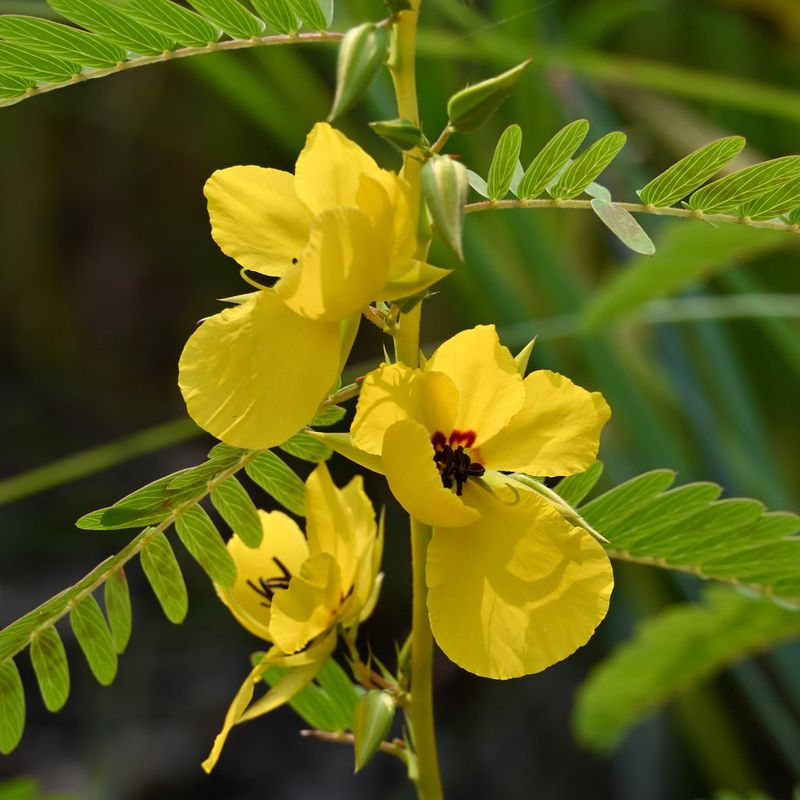
Not every wildflower gets to be beautiful and useful at the same time, but Partridge Pea manages both with ease. The cheerful yellow flowers bloom from late spring through summer, drawing in bumblebees and other native pollinators that are absolutely wild about the nectar.
Meanwhile, below the soil, the roots are quietly working to fix nitrogen and enrich the ground around them.
Chamaecrista fasciculata is a native annual, meaning it completes its full life cycle in one growing season. But here is the exciting part: it reseeds so freely and so generously that you will never notice it is gone.
By the time fall arrives, the seed pods are loaded and ready to burst, scattering hundreds of seeds across your garden beds and into nearby sunny patches.
The compound leaves of Partridge Pea have a fun quirk that kids and adults alike enjoy. Touch the leaflets gently and they fold up slowly, almost like the plant is shy.
This movement is completely harmless and makes the plant a great conversation starter when guests visit your garden.
Partridge Pea grows best in full sun and tolerates poor, dry soils very well. It can reach up to four feet tall in ideal conditions, making it a bold, eye-catching addition to the back of a border or along a garden edge.
It does not compete well with heavy ground cover, so give it a little open space to thrive.
Because it improves soil fertility while it blooms, Partridge Pea is a smart companion planting choice. Grow it near vegetables or other wildflowers and watch the whole garden benefit from its quiet, hardworking presence underground.
5. Gregg’s Mistflower
Late summer in Texas can feel like the whole garden has given up. Most flowers have faded, the heat is relentless, and color feels like a distant memory.
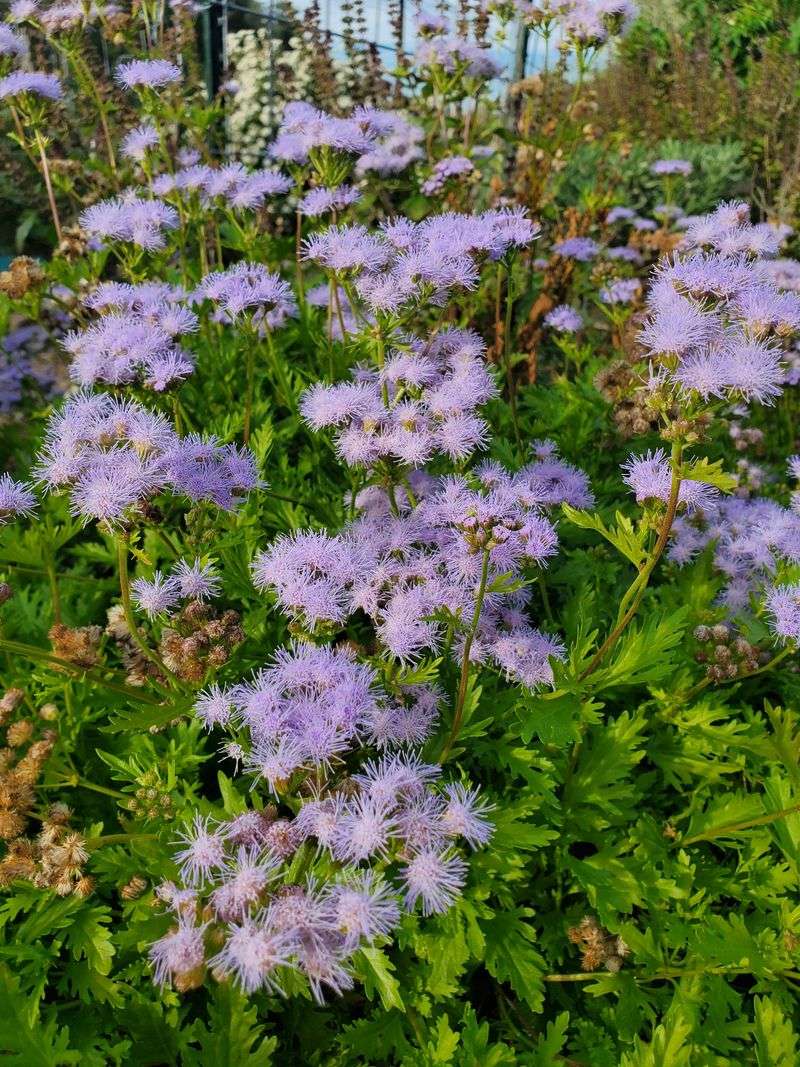
That is exactly when Gregg’s Mistflower shows up and saves the season. Conoclinium greggii bursts into soft clouds of blue-purple blooms just when you need them most, from late summer all the way through fall.
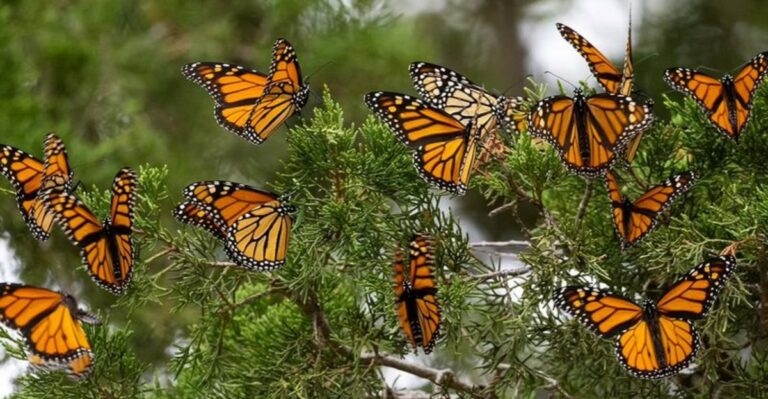
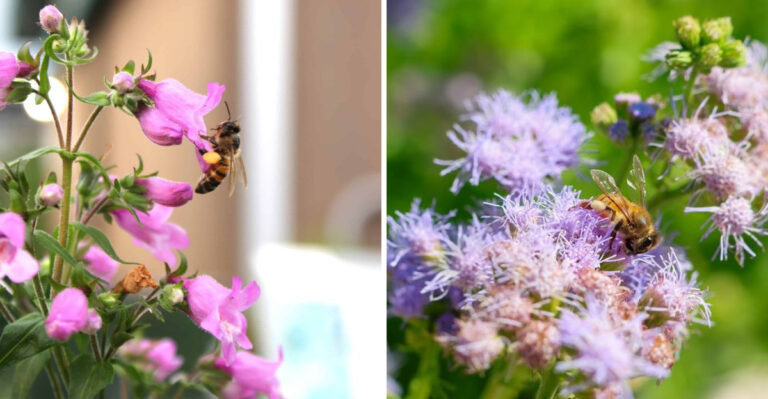
The flowers are small and fuzzy, clustered together in flat-topped bunches that create a misty, dreamy look. Monarch butterflies, queen butterflies, and dozens of bee species absolutely flock to these blooms during their fall migration and foraging seasons.
If attracting pollinators is a goal in your garden, Gregg’s Mistflower is one of the most powerful plants you can grow.
Spreading comes naturally to this plant. It sends out underground rhizomes that slowly expand the clump year after year, and it also reseeds into nearby open soil.
Over a few seasons, a single plant can fill a wide area with that signature lavender haze. This makes it perfect for planting along borders, fence lines, or underneath trees where other flowers struggle.
Gregg’s Mistflower prefers partial to full sun and does well in a range of soil types, including rocky limestone soils common across the Texas Hill Country. It handles drought well once established but appreciates occasional watering during extreme heat.
Trim the plants back hard after the first frost to keep them tidy and encourage strong new growth the following spring. Within a couple of years, your Gregg’s Mistflower patch will be a full, lush pollinator magnet that practically manages itself through every season.
6. Plains Coreopsis
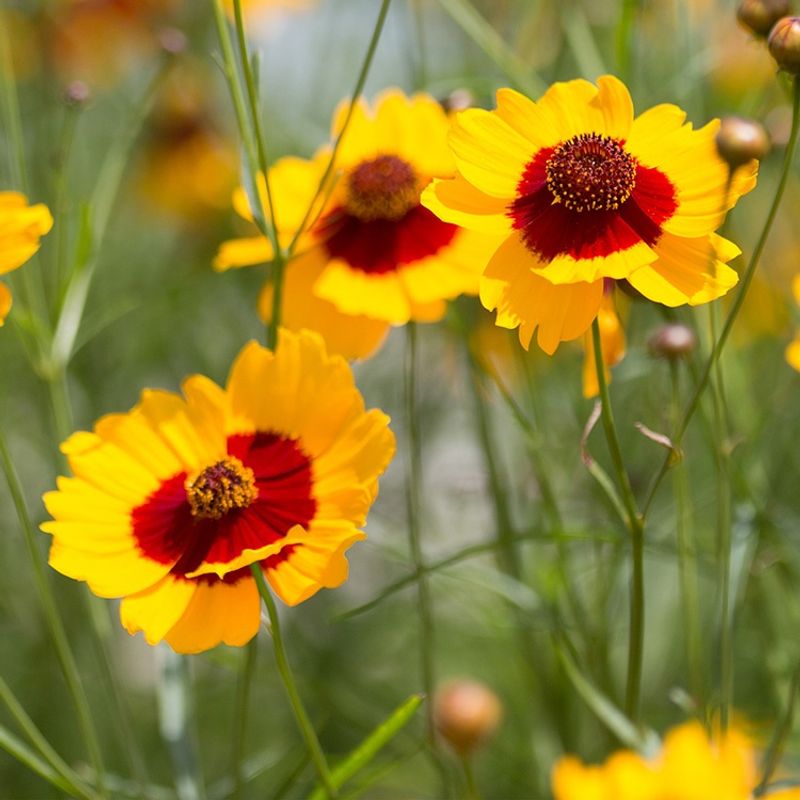
Walk past a patch of Plains Coreopsis in full bloom and it is almost impossible not to smile. The flowers are cheerful little bursts of bright yellow with deep red or burgundy centers, and they bloom in such thick masses that the whole planting looks like a living quilt.
Coreopsis tinctoria is one of the fastest and most rewarding wildflowers you can grow in a Texas garden.
As a native annual, Plains Coreopsis completes its entire life cycle in a single season. But it reseeds so abundantly that you will have new plants every single year without ever buying another packet of seeds.
The tiny seeds are lightweight and scatter easily in wind and rain, filling bare patches, cracks between stepping stones, and open borders with fresh new growth each spring.
Growing Plains Coreopsis is wonderfully straightforward. Scatter seeds on bare, sunny ground in fall or early spring, press them lightly into the soil, and let nature handle the rest.
They need very little water once sprouted and actually prefer dry, well-drained soils. Rich, moist soil tends to make them grow too tall and floppy.
Did you know that Plains Coreopsis was historically used as a natural dye plant? Indigenous peoples across the Great Plains used the flowers to create shades of orange, red, and yellow for textiles.
That rich cultural history makes every bloom feel a little more meaningful.
Plains Coreopsis blooms from late spring into summer and attracts a variety of native bees and butterflies. Leave the spent flower heads in place at the end of the season, and the seeds will do all the work of replanting your garden for next year completely on their own.
7. Mexican Hat
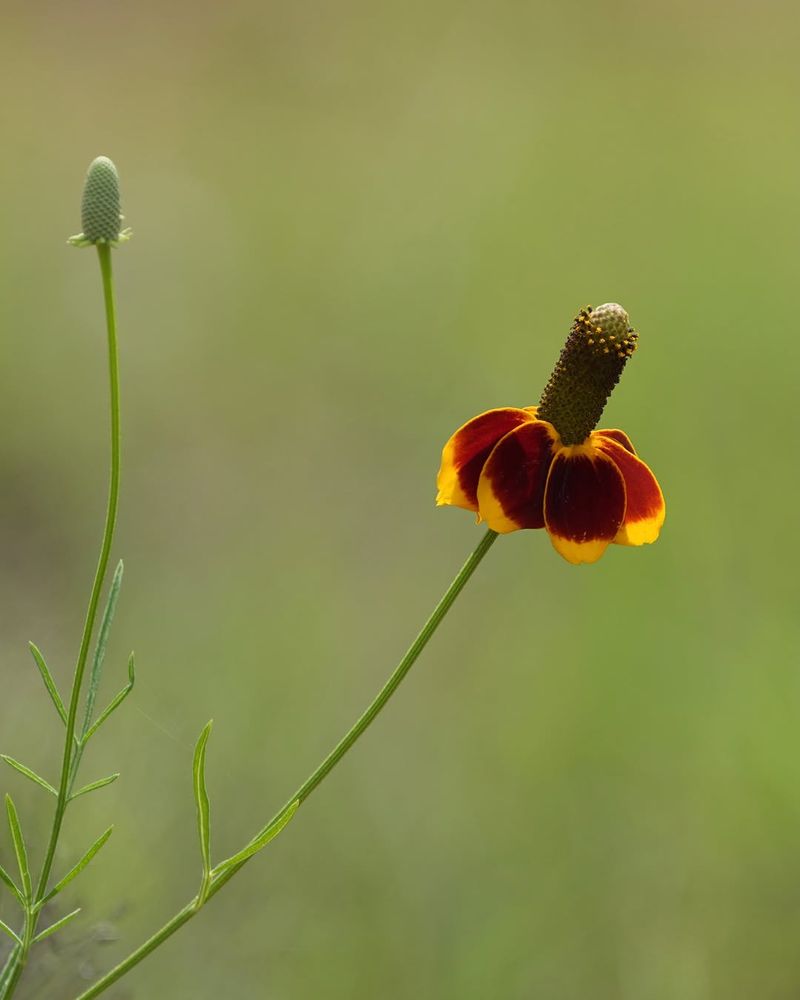
There is something almost whimsical about the Mexican Hat flower. The tall, upright brown cone surrounded by drooping red and yellow petals really does look like a traditional Mexican sombrero balanced on a slender stem.
Ratibida columnifera is one of the most distinctive wildflowers native to Texas, and once you spot it in a meadow or garden, you will never forget it.
Mexican Hat is built for Texas summers. It handles extreme heat, long droughts, and poor soils with remarkable ease.
The deep taproot allows it to pull moisture from far below the surface during dry spells, which means it keeps blooming long after other flowers have faded. Full sun is ideal, and the drier the soil, the happier this plant tends to be.
Reseeding is practically this plant’s superpower. Each tall cone produces dozens of tiny seeds that drop to the ground as the season winds down.
Those seeds nestle into the soil over winter and sprout freely the following spring, often popping up in the most unexpected and delightful spots around your garden. Over time, a single plant can create a cheerful, spreading colony.
Bees and butterflies are frequent visitors to Mexican Hat blooms, and the upright cones provide a unique landing platform that smaller pollinators especially appreciate.
The flowers also make excellent cut flowers that last well in a vase, adding a wild, natural touch to indoor arrangements.
Plant Mexican Hat along sunny borders, in rock gardens, or in any dry, neglected corner of your yard. Give it full sun and resist the urge to water too often.
Treat it with a little benign neglect and it will reward you with bold, quirky color every single year.