These Popular Ornamental Grasses Are Restricted In Wisconsin, And Here’s Why
You planted it because it was beautiful, and you had no idea what you’d just set in motion. The nursery tag said “ornamental,” so you tucked it along the back fence on a hot July afternoon and called it done.
It said “low maintenance,” so you let it be all summer while it quietly crossed the fence, spread into the ditch, and settled along the creek bank.
Wisconsin has a grass problem, and chances are good it’s already in your yard. The kind that hides in garden centers between the petunias and the mulch bags, looking harmless until it isn’t.
Ever wonder how a plant labeled “decorative” can quietly crowd out an entire native ecosystem while you’re not watching?
State ecologists in Wisconsin have seen the impact, drawn the maps, and written the bans.
Non-Native Phragmites / Common Reed
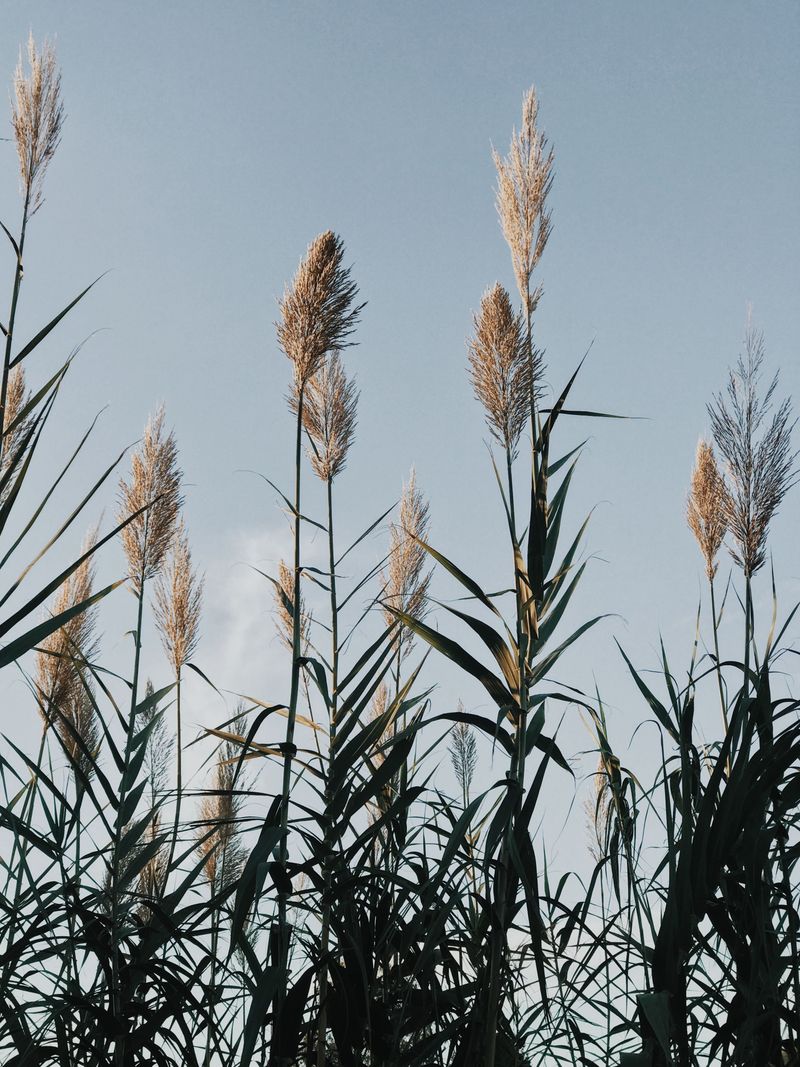
It looks harmless. Tall, golden, and waving gracefully along the water’s edge, Phragmites australis has fooled gardeners for decades.
This non-native reed was originally introduced from Europe, and it spread fast across North American wetlands.
Wisconsin officials banned it because it forms dense stands of vegetation that crowd out native plants over time. A single patch can grow to cover several acres within just a few years.
It grows up to fifteen feet tall, blocking sunlight and access to water for native species. Wildlife that depends on open wetland habitat suddenly finds itself without food or shelter.
The banned ornamental grasses list includes this species because removal is particularly challenging once it takes hold.
Roots spread extensively underground, making physical removal nearly impossible without chemicals. Many Wisconsin homeowners may have planted it near ponds, drawn by its natural charm and beauty.
Now those same homeowners face costly removal projects and possible fines for continued growth on their property.
If you spot it near water, contact your local DNR office immediately. Early detection is the only real advantage you have against this fast-spreading species.
Chinese Silver Grass / Maiden Grass
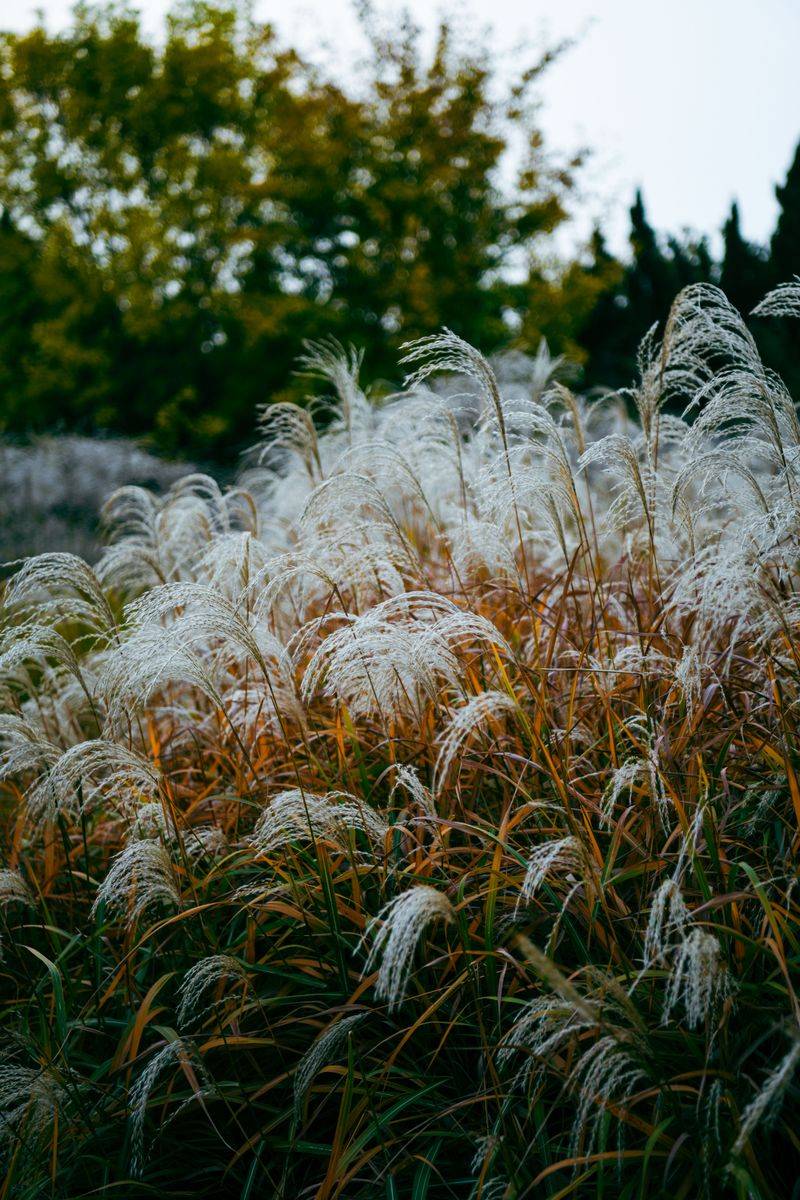
Garden centers sold this one hard. Miscanthus sinensis, also called maiden grass, became one of the most popular ornamental grasses in American landscaping.
Its silvery plumes and graceful arching blades made it a backyard staple across the Midwest.
But Wisconsin placed it on the banned list, and the reason comes down to seeds. One mature clump produces thousands of seeds every single season.
Those seeds travel on the wind, landing in prairies, roadsides, and natural areas far from your yard.
Once established in the wild, maiden grass crowds out native wildflowers and grasses that local insects depend on.
Pollinators like bees and butterflies lose critical food sources when this species takes over open land.
The banned ornamental grasses ruling hit many Wisconsin gardeners hard because they had invested years growing these plants.
Removal requires cutting plants to the ground and digging out the root crown, which can reach a considerable weight in mature specimens. Burning is sometimes used in natural areas, but that carries its own risks in dry conditions.
Your Missouri Garden Changes Every Week. Your Plan Should Too.
Gardening in Missouri changes quickly throughout the season. Every Friday you’ll receive a simple weekly plan showing exactly what to plant, prune, fertilize, harvest, and protect so you never miss the right timing.
Native alternatives like switchgrass or little bluestem offer similar beauty without the ecological baggage. Making the switch now protects your neighbors and your local environment.
Purple Moor Grass
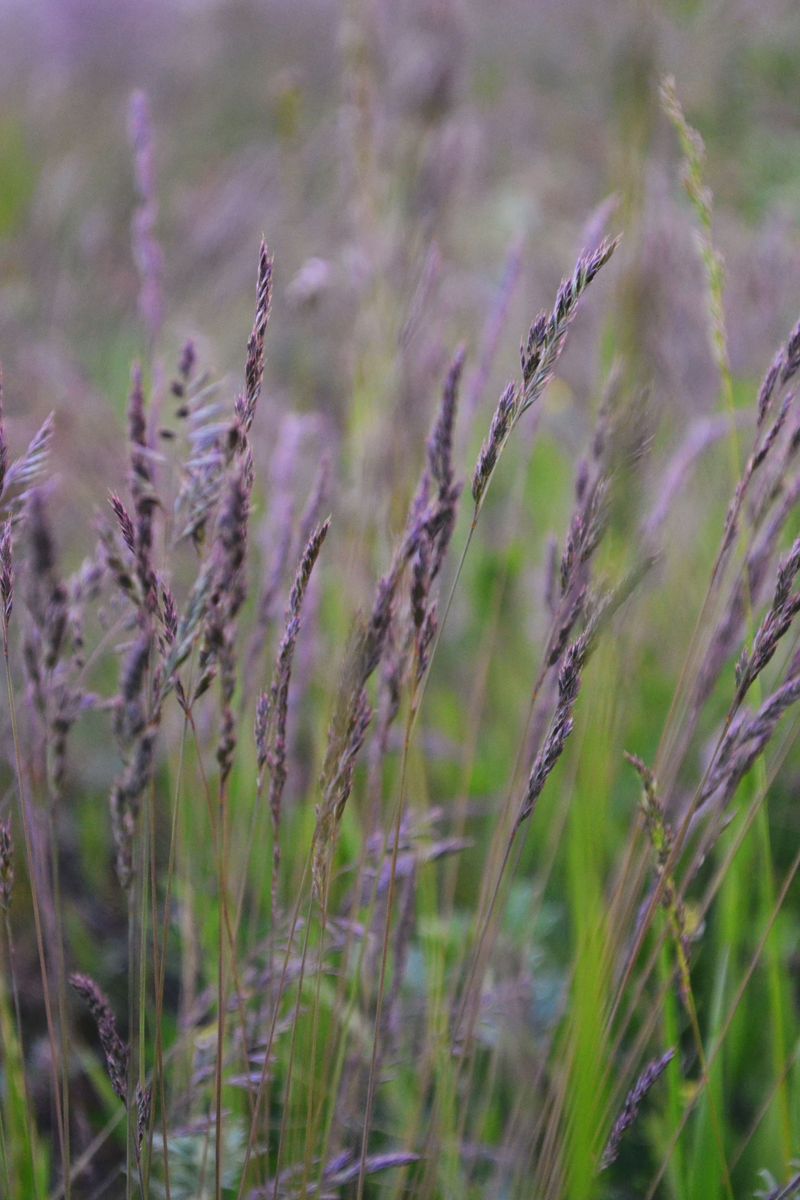
While not currently listed on Wisconsin’s official prohibited species registry, Molinia caerulea is actively monitored and flagged by state ecologists as a species of concern due to its documented spread in neighboring regions.
Purple moor grass sounds poetic. Molinia caerulea was marketed as an elegant, low-maintenance ornamental grass perfect for wet or boggy garden spots.
Landscape designers loved its airy texture and purple-tinged seed heads swaying in a late summer breeze.
The trouble started when it began escaping garden boundaries and spreading into natural wetlands across the state.
Wisconsin bogs and fens are some of the most fragile ecosystems on the planet. Purple moor grass moves into these sensitive areas and outcompetes rare native sedges and bog plants.
Species like carnivorous sundews and native orchids can vanish when moor grass establishes itself and takes over.
Unlike many invasive plants, this one actually thrives in poor, acidic soils where other invaders struggle.
That adaptability makes it especially concerning in Wisconsin’s unique northern landscapes.
Gardeners in the southern part of the state helped spread it northward through seed dispersal over several decades.
Once the state recognized the pattern, Wisconsin added it to the list of species of concern for ornamental plantings.
If you currently grow it, removal before seed set is critical to stopping the spread.
Your local extension office can walk you through safe disposal methods that prevent reseeding.
Pampas Grass
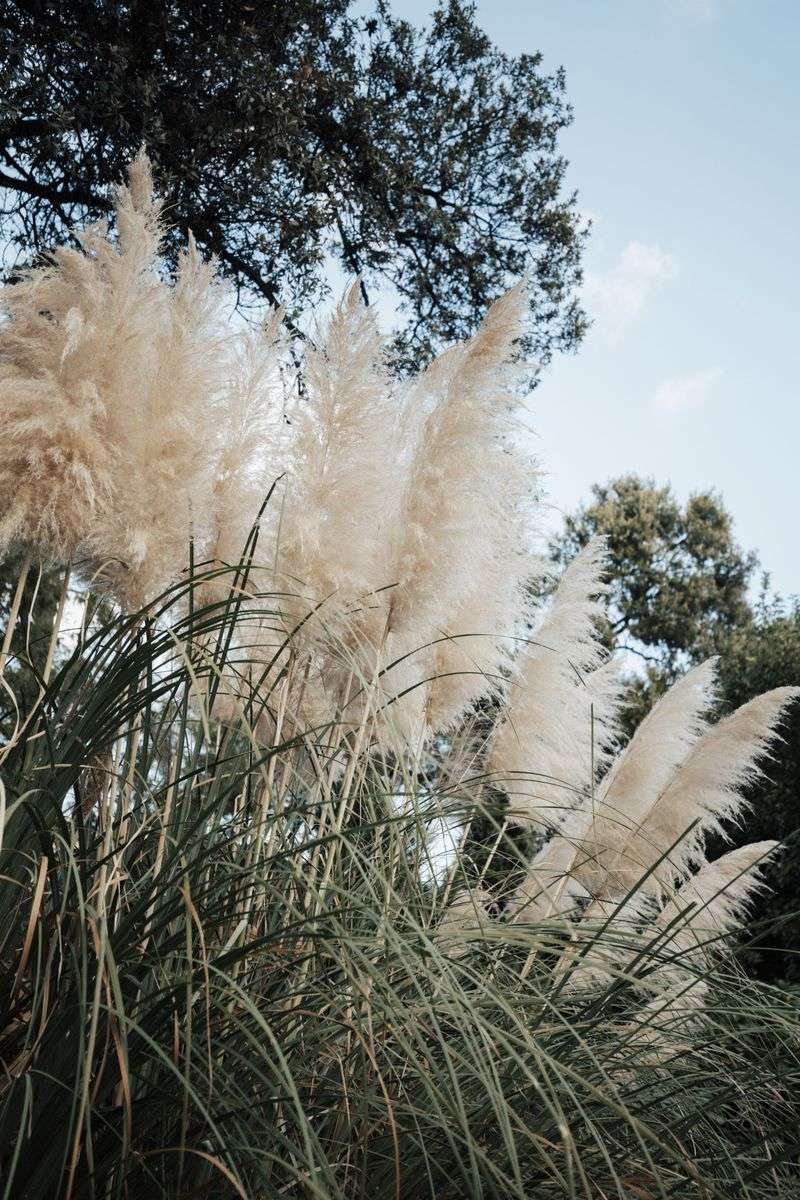
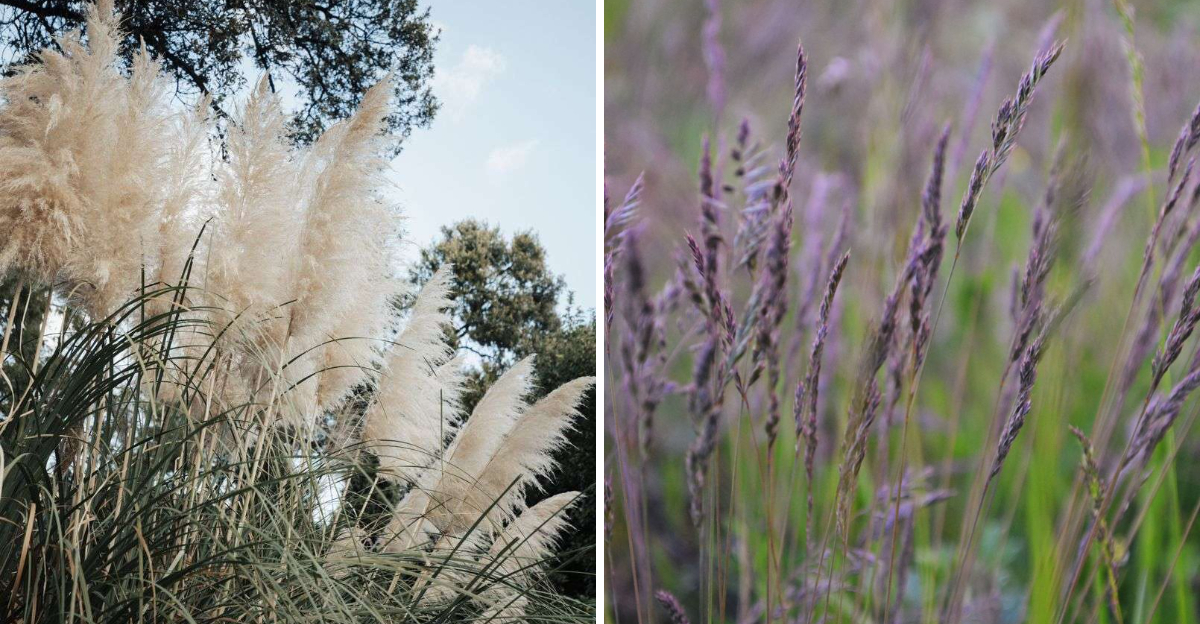
While not currently listed on Wisconsin’s official prohibited species registry, Cortaderia selloana is actively monitored and flagged by state ecologists as a species of concern due to its documented spread in neighboring regions.
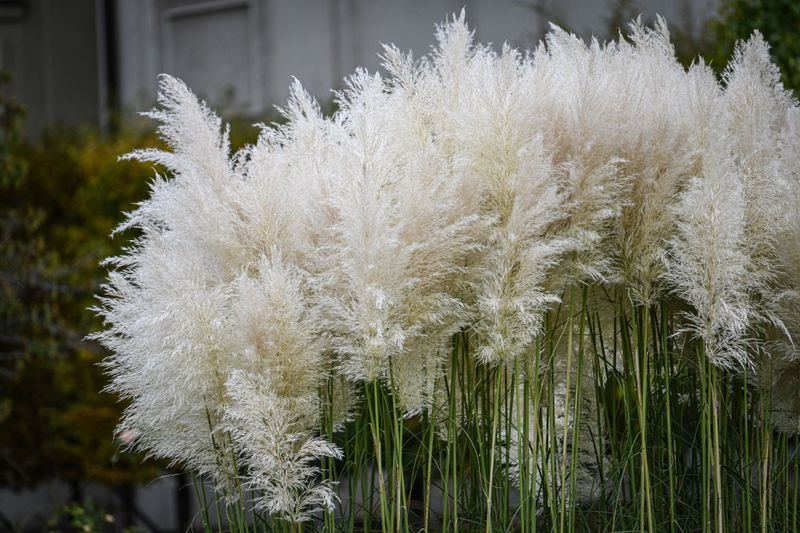
Few plants command attention like pampas grass. Those enormous white plumes, sometimes reaching twelve feet high, made Cortaderia selloana a showstopper in yards across the country.
Social media trends pushed it even further into popularity over the past decade. But Wisconsin has drawn a firm line against it, and the science supports that position.
Pampas grass produces up to one hundred thousand seeds per plant every year. Wind carries those seeds miles away from the original planting site.
In California and other warm states, it has already overtaken thousands of acres of native habitat.
Wisconsin’s climate once slowed its spread, but milder winters in recent years are shifting that pattern.
The sharp, serrated leaf edges also create a physical hazard for people and animals moving through infested areas.
Dense clumps trap dry debris, creating serious fire risks during dry autumn months. Restricted ornamental grasses like pampas grass require caution during removal, and the sharp blades require full protective gear throughout the process.
Stumps must be treated to prevent regrowth after cutting. Swapping it for native big bluestem gives you height and drama without the environmental cost.
Crowding Out Native Plants
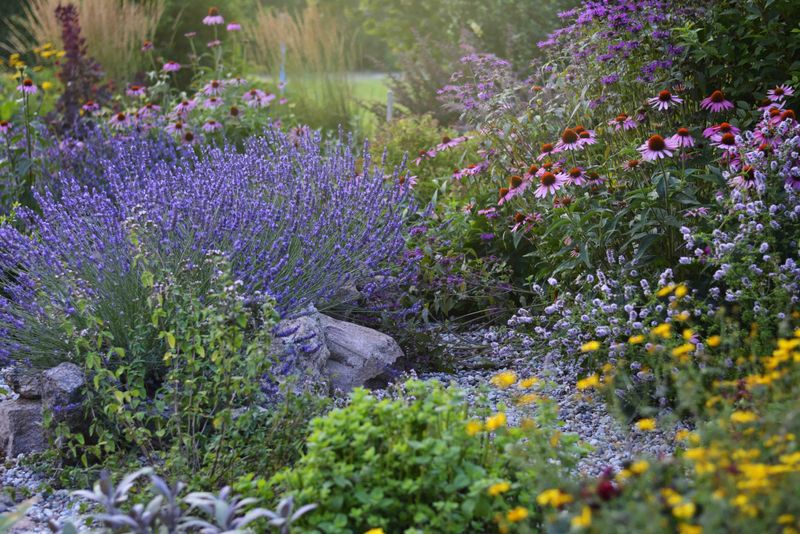
Picture a prairie full of black-eyed Susans and wild bergamot. Now picture that same field overtaken by a single fast-spreading grass species.
That is exactly what happens when invasive ornamental grasses establish themselves in natural areas.
Native plants evolved over thousands of years to fill specific roles in local ecosystems. They feed insects, support birds, and stabilize soil in ways that non-native species simply cannot replicate.
When banned ornamental grasses move in, they use aggressive root systems to claim underground space first.
Above ground, they grow taller and faster, blocking sunlight before native seedlings have a chance to establish.
Wisconsin has over ninety native grass species, many of which are already under pressure from habitat loss.
Adding competition from invasive ornamentals pushes vulnerable species closer to local extinction.
Restoration ecologists spend enormous resources trying to bring native plant communities back after invasions occur.
The cost of restoration often runs into thousands of dollars per acre, funded by taxpayers. Prevention is always cheaper than recovery, which is why the ban exists in the first place.
Choosing native plants from the start keeps your garden beautiful and your local ecosystem intact.
Disrupting Wildlife Habitats
Animals do not read plant labels. A marsh bird looking for nesting material does not know that the dense grass surrounding it is an invasive species affecting its home.
But the impact is real and measurable across Wisconsin’s diverse wildlife communities. Waterfowl like mallards and blue-winged teal need open water and native vegetation to breed successfully.
When invasive grasses form dense monocultures along shorelines, those open areas disappear quickly.
Songbirds that feed on native grass seeds lose their food supply when non-native species replace natural meadows. Insects, which form the base of most food chains, depend heavily on native plant diversity.
A single native oak supports hundreds of insect species. A non-native ornamental grass supports almost none.
Amphibians like frogs and salamanders need clear, shallow wetland edges to lay eggs each spring.
Invasive grass species block those edges and alter water temperature by reducing sunlight penetration.
Wisconsin’s fishing industry also feels the impact when fish spawning habitat degrades near infested shorelines.
The restrictions on certain ornamental grasses are partly a wildlife protection measure with real economic stakes.
Every native plant you choose supports a chain of life that keeps Wisconsin wild and thriving.
Fire Hazards
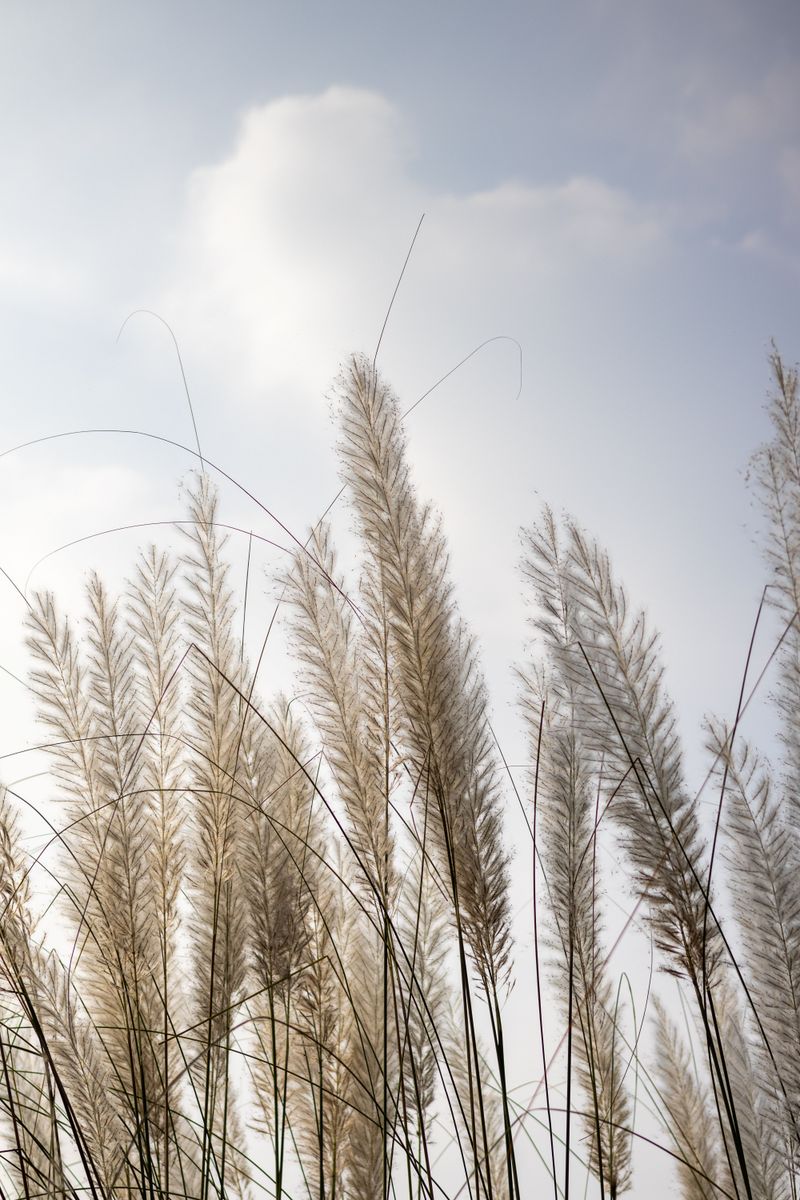
Autumn turns invasive grasses into a serious fire risk. When tall ornamental species dry out in fall, they become dense columns of highly flammable material.
A single spark from a lawn mower or a discarded cigarette can ignite them instantly. Pampas grass is especially well-documented for this, but other restricted ornamental grasses carry the same risk.
Unlike native grasses that evolved with periodic fire, invasive species accumulate years of dry, spent material inside their clumps.
That buildup creates what fire experts call ladder fuel, allowing flames to climb and spread rapidly. In suburban areas, these plants often grow close to fences, sheds, and home foundations.
Fire safety agencies across the Midwest have flagged dry ornamental grass clumps near structures as a seasonal fire risk, particularly during drought conditions.
The dry seed heads also act like wicks, carrying fire outward to surrounding vegetation and mulch.
Removing dry material each autumn reduces risk, and restricted species should not be replanted at all.
The combination of rapid growth, dense structure, and high flammability makes these plants a liability in any yard. Replacing them with native, lower-profile grasses keeps your yard safer year-round.
How These Grasses Spread So Quickly
Gardeners often say it started as one small clump. Within three seasons, that clump had taken over the entire back yard and crossed the fence.
Invasive ornamental grasses are built by nature to spread persistently, and they do not respect property lines.
Most restricted species spread through two routes: underground rhizomes and airborne seeds.
Rhizomes are horizontal roots that creep outward, sending up new shoots feet away from the parent plant. Seeds travel even farther, carried by wind, water, birds, and even on muddy boots or tires.
Wisconsin’s road system has actually accelerated the spread of several species along highway corridors and drainage ditches. Mowing equipment picks up seeds and deposits them miles down the road in a single pass.
Once a population establishes in a natural area, eradication becomes a multi-year, expensive commitment.
Some invasive grass species require five or more years of repeated treatment before a site is considered clear.
The restricted ornamental grasses regulation aims to stop new introductions before they reach that unmanageable stage.
Reporting new sightings to the Wisconsin DNR helps crews respond before small patches become large infestations.
Your observation could literally save a wetland, a prairie, or a neighbor’s yard from years of impact.
Blocking Waterways And Shorelines
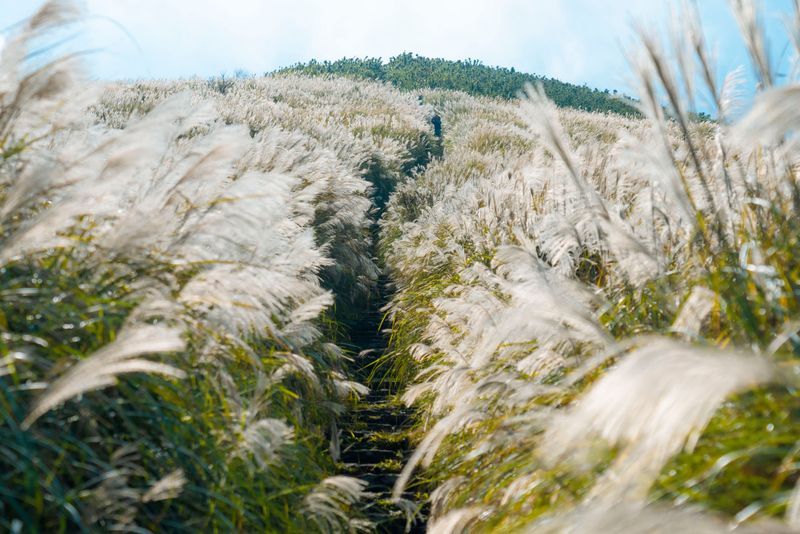
Imagine kayaking toward your favorite fishing spot and hitting a wall of grass ten feet tall. That scene plays out on Wisconsin lakes and rivers every summer now.
Invasive ornamental grasses along shorelines do more than block views and access points. They trap sediment, alter water flow, and raise the lake bottom over time through accumulated plant debris.
Shallow bays that once supported abundant aquatic life become filled with decaying grass material.
Water clarity drops as decomposing plant matter consumes oxygen and feeds algae blooms.
Boaters face propeller damage from thick underwater root mats that extend far into the water column.
Property owners along affected shores watch their waterfront value drop as access and aesthetics deteriorate.
Native shoreline plants like bulrush and blue flag iris hold banks in place without blocking navigation.
They also filter runoff, support fish nurseries, and provide nesting cover for waterfowl in a balanced way.
The restricted ornamental grasses list specifically targets species that have caused documented harm to Wisconsin water bodies.
Shoreline restoration projects funded by the state are attempting to reclaim affected areas one section at a time.
Supporting those efforts starts with what you choose to plant along your own waterfront property.
Impact On Ecosystem Health
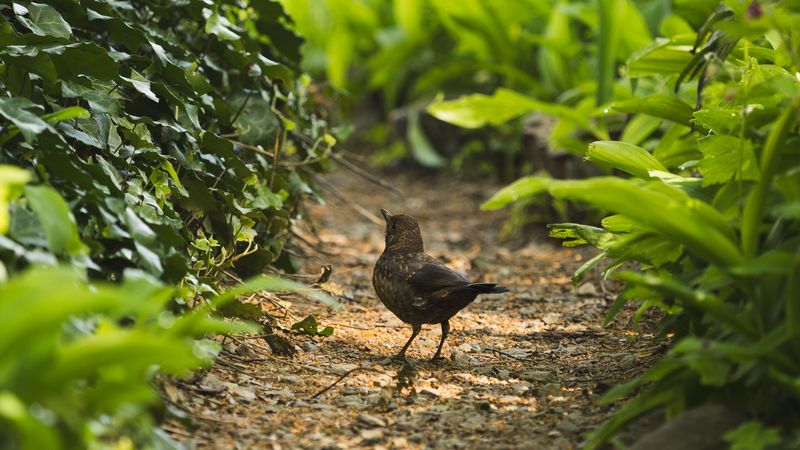
Ecosystems are like finely tuned systems. Every species plays a role, and when one fast-spreading plant takes over, the whole system starts to shift.
Restricted ornamental grasses in Wisconsin represent a direct concern for the health of the state’s most treasured natural spaces.
Soil chemistry changes when invasive grasses dominate an area for extended periods. Some species release compounds that suppress the growth of competing plants, a process called allelopathy.
This chemical process alters the soil environment, making recovery harder even after the invasive species is removed.
Carbon storage in native wetlands and prairies also declines when invasive grasses replace diverse plant communities.
That matters for climate resilience, water filtration, and flood control across the entire watershed.
Wisconsin’s economy depends on healthy ecosystems through tourism, fishing, hunting, and agriculture.
When invasive plants affect those systems, the financial impact reaches far beyond a single backyard or shoreline.
The state’s restrictions on certain ornamental grasses reflect years of research by ecologists and land managers.
Listening to that science and adjusting our gardening choices is one of the most powerful things we can do.
Healthy ecosystems do not happen by accident. They are built one thoughtful planting decision at a time.