Coffee-Ground Soil In Your Wisconsin Garden Is A Jumping Worm Warning Sign
You kneel down to pull a few weeds, and your trowel sinks into something that doesn’t feel right. The soil crumbles apart in loose, dry pellets instead of holding together in firm clumps.
It looks almost like someone dumped used coffee grounds across your flower bed overnight. That gritty texture is not your imagination, and it has nothing to do with your fertilizer routine.
It is the calling card of jumping worms, an invasive species quietly reshaping soil across Wisconsin yards. These worms strip away the nutrients your plants depend on, leaving behind soil that crumbles instead of nourishes.
Wisconsin gardeners are spotting the same warning signs this season. Roots struggle to anchor, water drains too fast, and once-healthy beds start looking tired for no clear reason. Catch it early, or watch it spread through the whole yard.
That Crumbly Coffee-Ground Texture Points To Jumping Worms
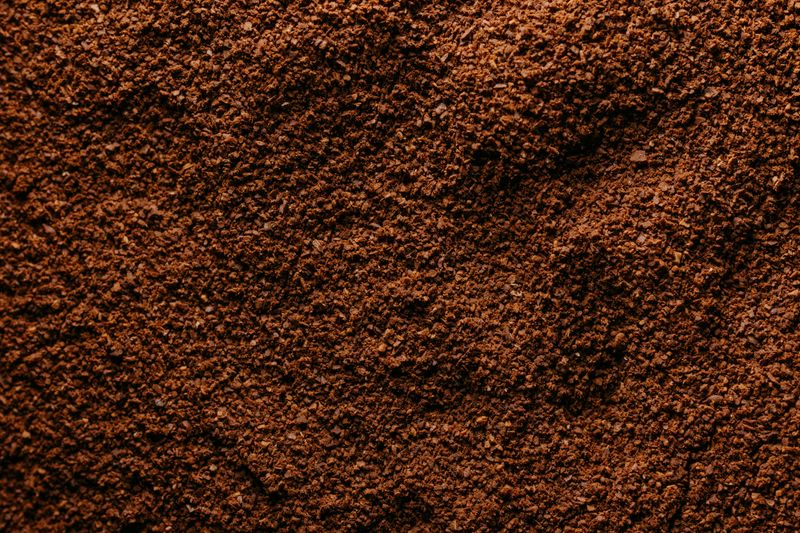
Pick up a handful of soil from your garden bed and look closely at what you are holding. If it crumbles apart like dry coffee grounds, something is very wrong below the surface.
Healthy garden soil clumps together loosely and holds moisture well. It has a rich, earthy smell and feels somewhat dense in your palm.
Jumping worm castings look completely different from that. The waste these worms leave behind is granular, dry, and falls apart with almost no pressure.
Scientists and gardeners call this the coffee-ground texture because the resemblance is striking. Once you see it, it becomes easy to recognize from then on.
The problem goes deeper than appearances. Soil with this texture loses its structure entirely, which means plant roots struggle to anchor and absorb nutrients properly.
Water drains through it too fast, leaving plants thirsty even after a good rain. The soil becomes far less effective at supporting healthy plant growth.
The coffee-ground soil in your Wisconsin garden is a jumping worm warning sign that shows up before you ever spot a single worm. Catching it early gives you a real chance to act.
Walk your garden beds regularly and run your fingers through the top few inches of soil. A quick check every week or two can help you catch the problem before it spreads further.
Jumping Worms Change The Texture Of Garden Soil
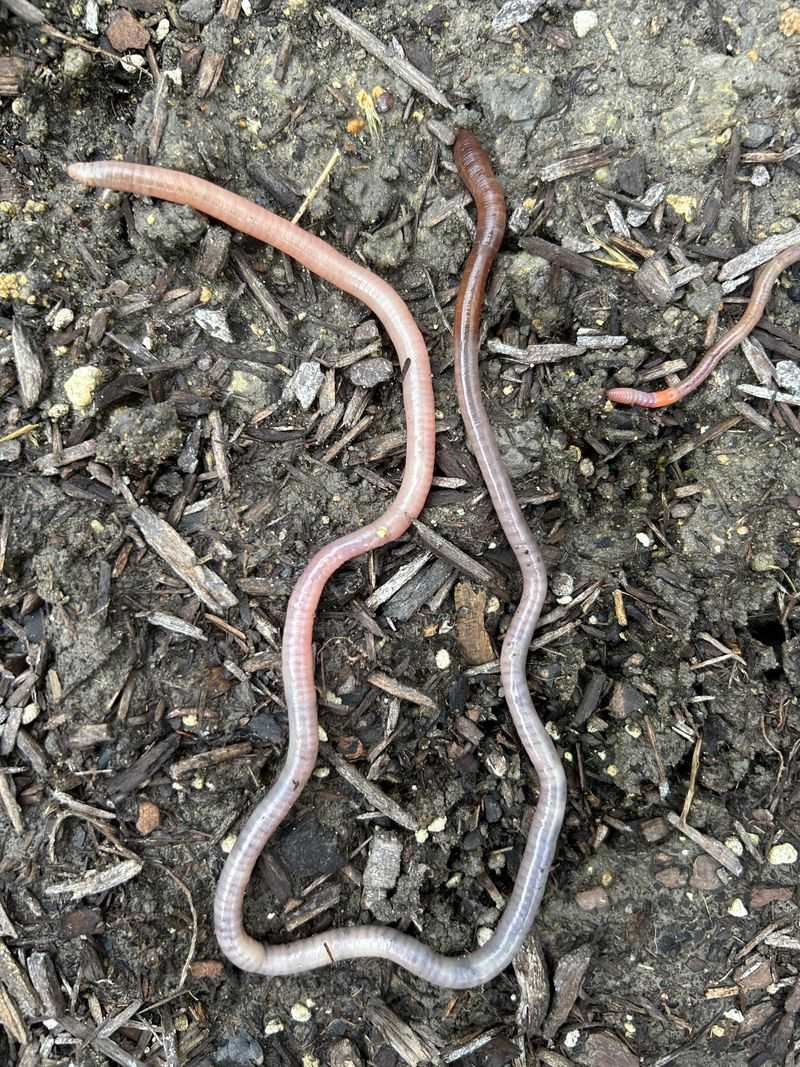
Most people picture earthworms as garden helpers, and many species truly are. Jumping worms are a different story altogether, and they challenge everything you thought you knew about worms.
Native to East Asia, these worms belong to the genus Amynthas. They arrived in North America through the horticultural trade and have been causing problems ever since.
Regular earthworms move slowly through soil and leave behind castings that actually improve structure. Jumping worms tear through organic matter much faster than typical earthworms, consuming the top layer of soil rapidly.
As they feed, they strip away the organic material that holds soil particles together. What remains is that loose, granular mess that looks so much like coffee grounds.
The transformation can happen within a single growing season. A garden bed that looked healthy in spring can be noticeably degraded by late summer.
Your Wisconsin Garden Changes Every Week. Your Plan Should Too.
Gardening in Wisconsin changes quickly throughout the season. Every Friday you’ll receive a simple weekly plan showing exactly what to plant, prune, fertilize, harvest, and protect so you never miss the right timing.
Jumping worms also outcompete other beneficial organisms in the soil. Their aggressive feeding habits leave fewer nutrients and less organic matter for plants and other soil life.
Gardeners who first notice the coffee-ground soil in their Wisconsin garden often assume it is a drainage issue or a nutrient deficiency. The real cause is hiding just beneath the surface.
Understanding how these worms alter soil helps you respond more effectively. Treating the symptom without addressing the source will only lead to frustration season after season.
Other Signs Of A Jumping Worm Infestation
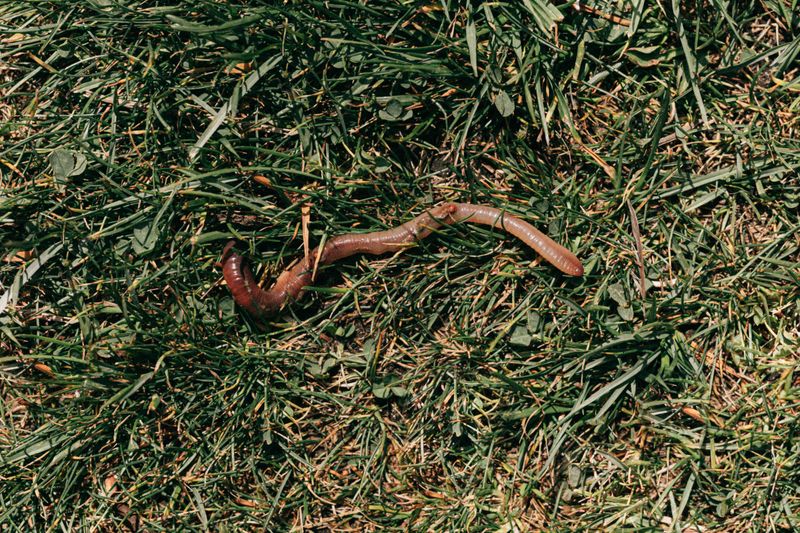
The coffee-ground texture is the most obvious clue, but it is not the only one worth knowing. A few other signs can confirm what you are dealing with before you ever dig a shovel into the ground.
Jumping worms move in a way that is genuinely startling. When disturbed, they thrash violently side to side, almost like a snake trying to escape your hand.
That frantic movement is where the name comes from. Some people compare it to watching a worm try to escape in a frenzy.
These worms also tend to stay near the soil surface, especially in the top two inches. You may notice them wriggling across your garden paths after a rain or during early morning hours.
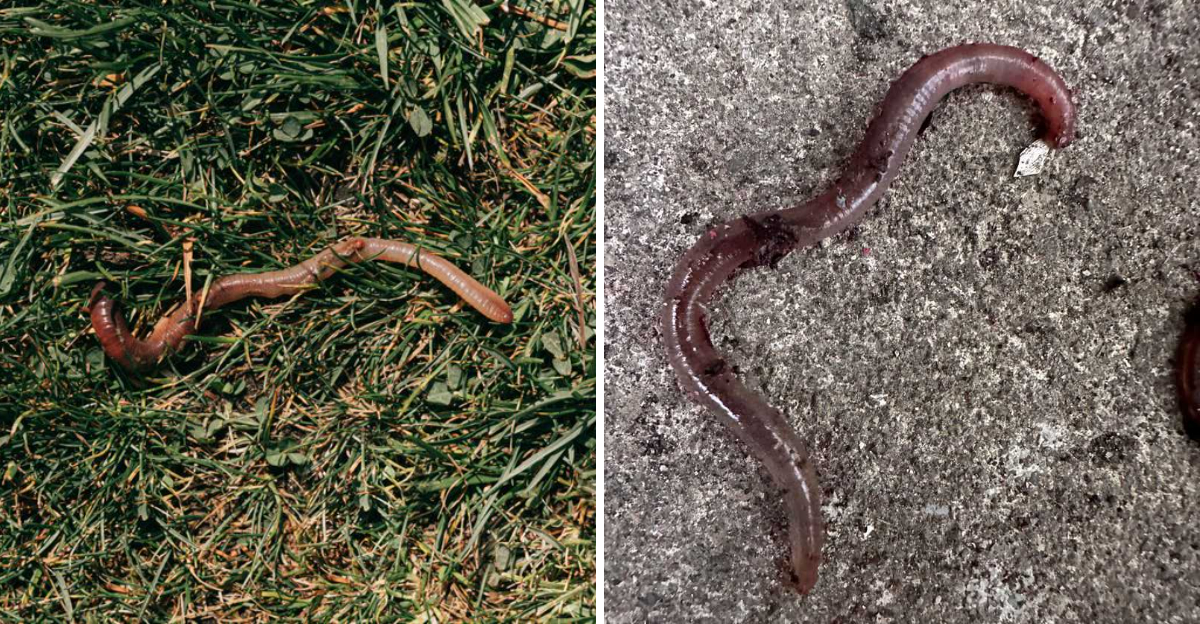
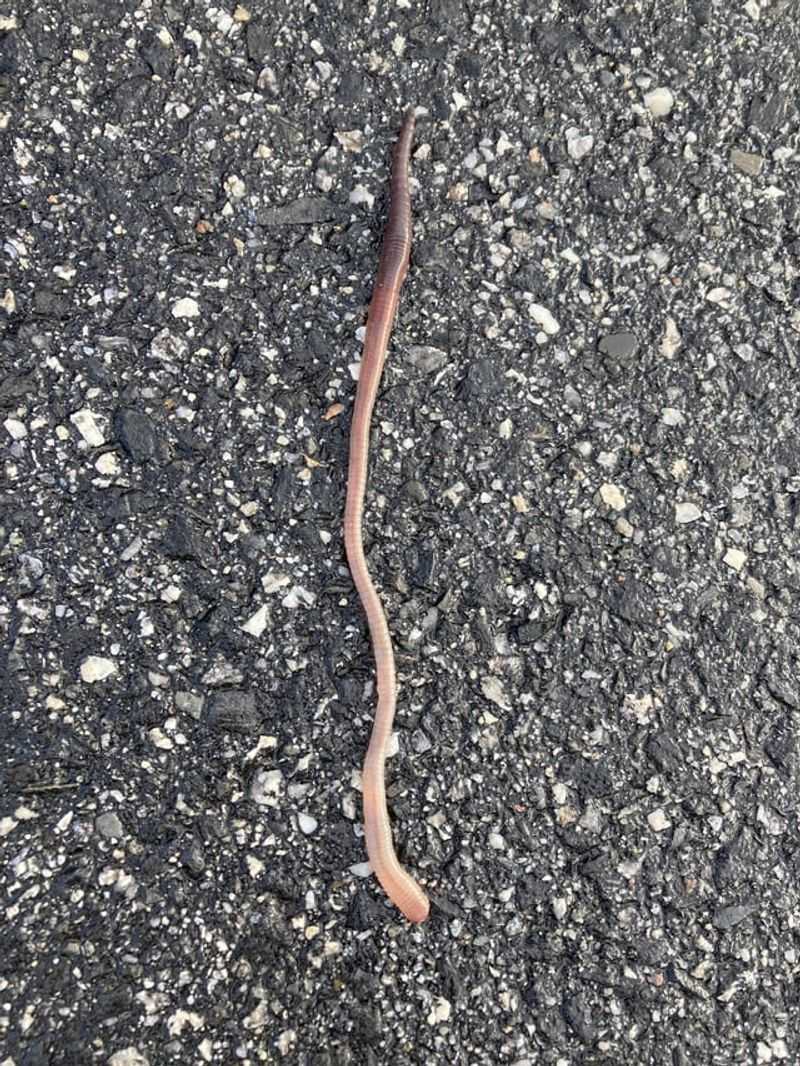
Their color is another giveaway. Jumping worms are usually darker than common earthworms, with a smooth, shiny appearance and a distinctive pale, whitish band called a clitellum.
That band sits closer to the head than on a typical earthworm and is flat against the body rather than raised. Once you know what to look for, it stands out clearly.
You might also notice plants looking stressed without an obvious reason. Shallow roots, wilting despite adequate water, and poor growth can all point back to damaged soil structure.
Combining these signs with the coffee-ground soil in your Wisconsin garden is a jumping worm warning sign that deserves immediate attention. Do not wait to see if things improve on their own.
Jumping Worms Are Spreading Across Wisconsin
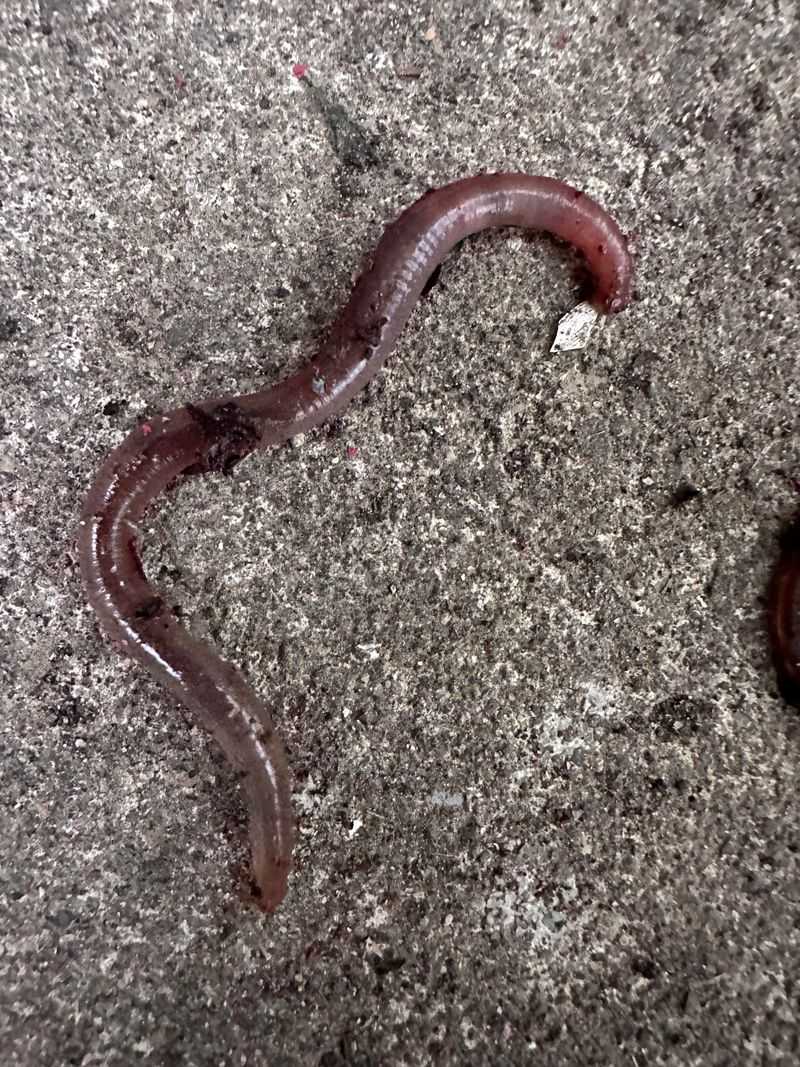
Jumping worms were first confirmed in Wisconsin around 2013, and their range has expanded steadily every year since then. They are now found in many counties across the state.
The spread happens in several ways, and most of them involve human activity. Sharing plants, moving mulch, and transporting compost can all carry egg cases from one yard to another.
Those egg cases are tiny, soil-colored, and nearly impossible to spot with the naked eye. A single scoop of contaminated soil can be enough to introduce a new population to a clean garden.
Jumping worms also spread naturally through movement across the landscape. Flooding, wildlife, and even foot traffic can move them from infested areas into new territory.
The Wisconsin Department of Natural Resources has been tracking their spread and encouraging residents to report sightings. Citizen reports have been a key part of understanding just how far they have traveled.
Woodland areas are especially vulnerable because these worms consume the leaf litter layer that native forest plants depend on. Gardens near wooded edges may face pressure from both directions.
Urban and suburban gardens are not immune either. Nursery plants and bagged soil products have been linked to new infestations in areas where jumping worms had not previously appeared.
The coffee-ground soil in your Wisconsin garden is a jumping worm warning sign that reflects a much larger regional problem. Staying informed and connected to local resources makes a real difference.
Managing Jumping Worms In Your Garden
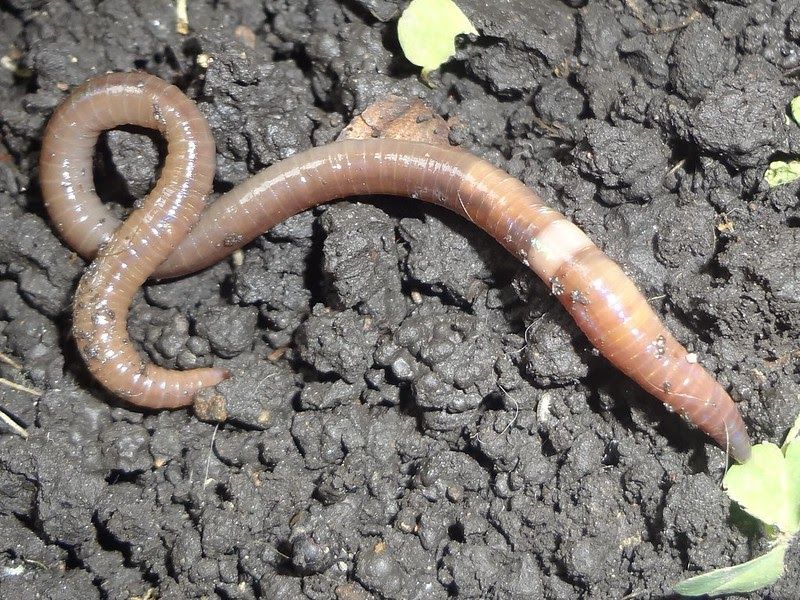
There is no magic spray or single solution that eliminates jumping worms completely, but that does not mean you are helpless. Consistent management can reduce their numbers and protect your soil over time.
Start by removing worms by hand during the early morning when they are most active near the surface. Drop them into a sealed bag or bucket and dispose of them in the trash.
Do not compost them or leave them on bare ground. They can survive and continue reproducing if given even a small opportunity.
Adding fresh organic matter back to your garden beds helps offset some of the damage. Compost, aged wood chips, and leaf mold can restore structure and give your plants better growing conditions.
A product called Early Bird, which contains a naturally occurring compound called saponin from tea seed meal, has shown promise in research trials. It irritates worms and brings them to the surface for removal.
Always source new plants and soil from reputable suppliers who test for jumping worm egg cases. Cleaning tools between garden areas also reduces the chance of spreading egg cases unknowingly.
Avoid moving soil or plant material from infested areas to clean parts of your yard. Even a small amount of contaminated material can restart a population from scratch.
Managing the coffee-ground soil in your Wisconsin garden is a jumping worm warning sign response that takes patience. Small, consistent actions add up to meaningful results over multiple seasons.
Preventing Jumping Worms From Returning Next Season
Prevention is generally easier than dealing with an established infestation, and a few smart habits can make a big difference going into the next growing season. Starting clean makes everything that follows easier.
Clean all garden tools thoroughly before moving between beds or visiting other gardens. Soil clinging to a shovel or trowel is all it takes to carry egg cases into a new area.
Be cautious about plant swaps and community seed exchanges, as generous as they are. Well-meaning neighbors can accidentally share jumping worm egg cases along with their cuttings and seedlings.
Look into certification programs that confirm nursery stock has been tested and is free from jumping worm contamination. Buying certified plants reduces your risk significantly.
Solarizing your soil in late summer or early fall can help reduce egg case survival. Covering the ground with clear plastic traps heat and raises soil temperatures to levels that affect the eggs.
Adding a thick layer of fresh, certified compost in autumn helps rebuild soil structure before spring planting. Healthy, dense soil is more resilient and harder for jumping worms to degrade quickly.
Staying connected with your local extension office keeps you updated on new management strategies as research continues to evolve. New tools and techniques are being tested every season.
Recognizing the coffee-ground soil in your Wisconsin garden as a jumping worm warning sign is the first step toward protecting everything you have worked so hard to grow.