This Minnesota Wildflower Deserves A Spot In Your Lawn And Here Is Why
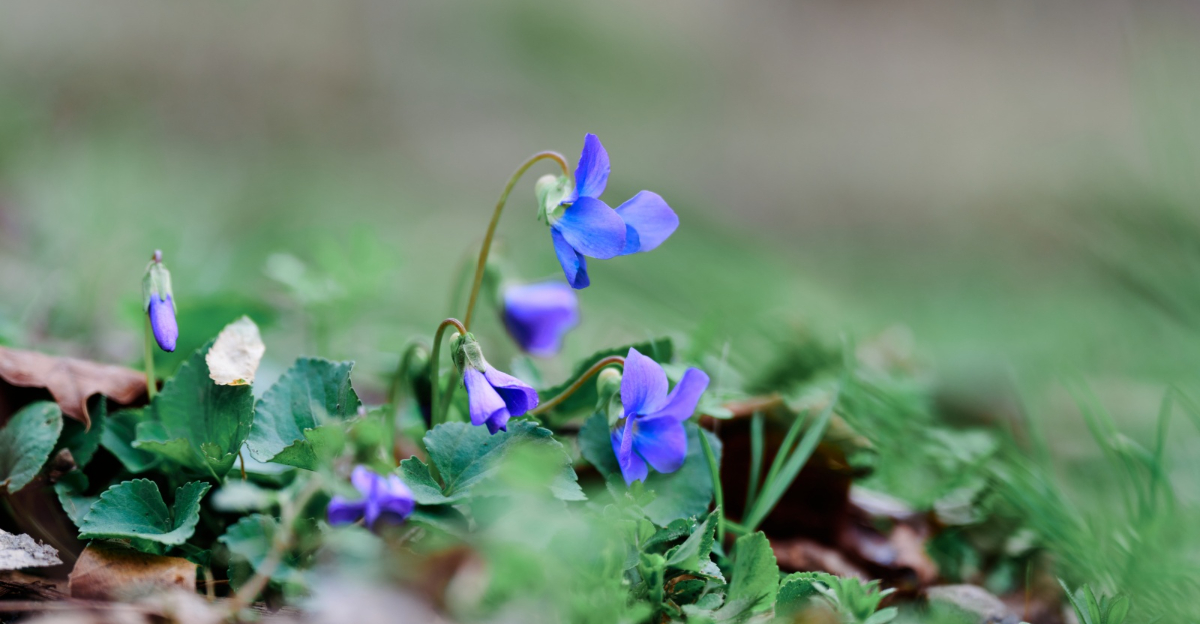
I pulled one out, tossed it aside, and moved on without a second thought. That was four Minnesota summers ago, and I was tidying up the yard by clearing out anything I hadn’t planted myself.
Little purple flowers were everywhere, persistent and honestly kind of lovely, but I removed them anyway.
Then a beekeeper neighbor stopped me and said, “That’s a violet,” and she explained I was clearing out my pollinators. She wasn’t just right.
She was deeply disappointed. What if the little purple plant you’ve been overlooking is actually the hardest worker in your yard?
This tiny wildflower feeds butterflies, fills bare patches, and survives mowing without a single drop of your effort.
It has thrived in Minnesota yards for centuries, quietly and patiently waiting for you to finally let it stay. Everything you thought you knew about lawn weeds is about to get uprooted.
1. Stunning Spring Color Fills Your Yard Naturally
Before you spend a dime at the garden center, your lawn is already planning something beautiful.
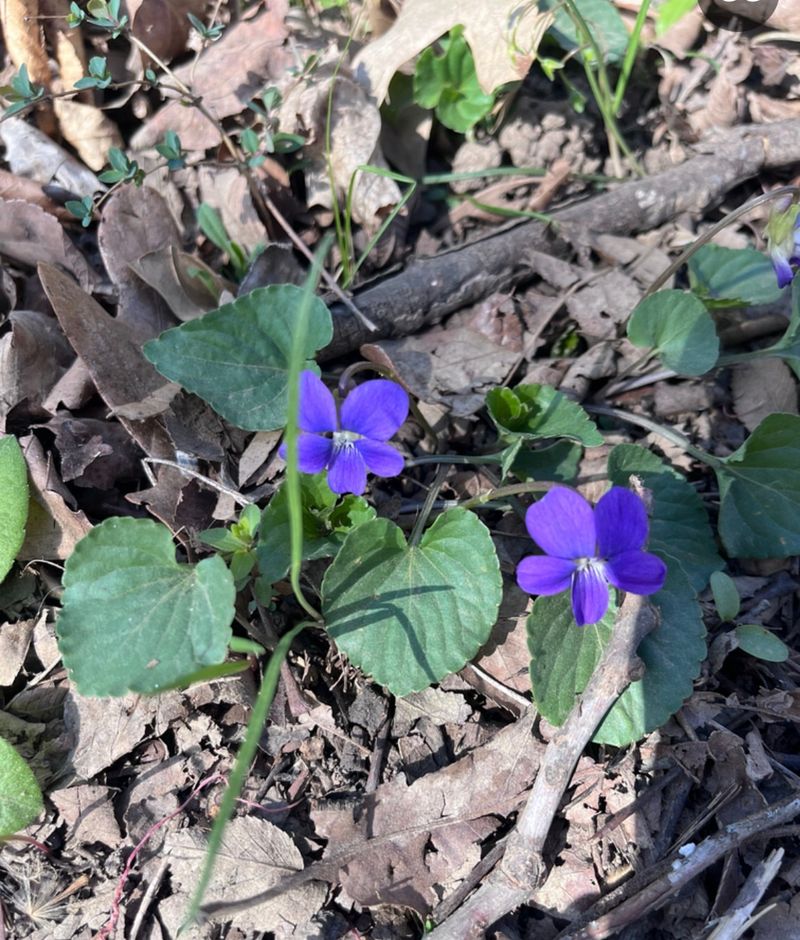
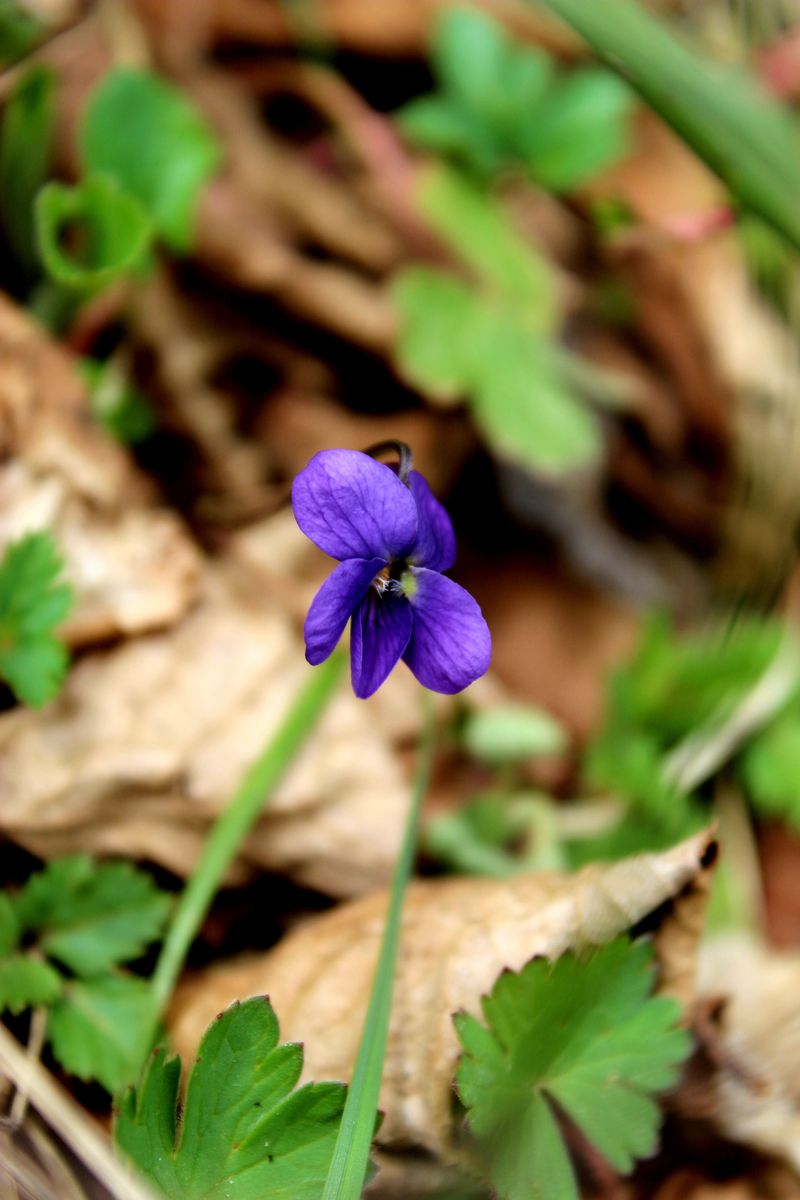
Common Blue Violets burst into bloom every April and May, painting the grass in rich shades of purple and blue-violet.
These flowers are not subtle. They pop against fresh green grass like tiny jewels scattered across the yard. Neighbors slow down to look, and kids crouch down to pick them.
What makes this even better is the timing. Spring lawns often look patchy and tired after a long Minnesota winter.
The violet steps in right when everything else is still waking up. You did not plant it. You did not water it. It just showed up, as it has done for thousands of years across the upper Midwest.
The blooms last for several weeks, giving you a long window of natural color. Each flower sits on a slender stem, nodding gently in the breeze like it owns the place.
Unlike tulips or crocuses, you do not need to buy bulbs or prepare beds. The wildflower handles its own schedule without any input from you.
Spring color is often the hardest thing to achieve in a lawn setting. Most flowering plants need raised beds, amended soil, or full sun. The Common Blue Violet needs none of that.
Few spring plants require less effort to deliver this kind of color, and it comes back reliably every year. Your lawn deserves that kind of effortless beauty.
2. Bare Patches Disappear As It Spreads
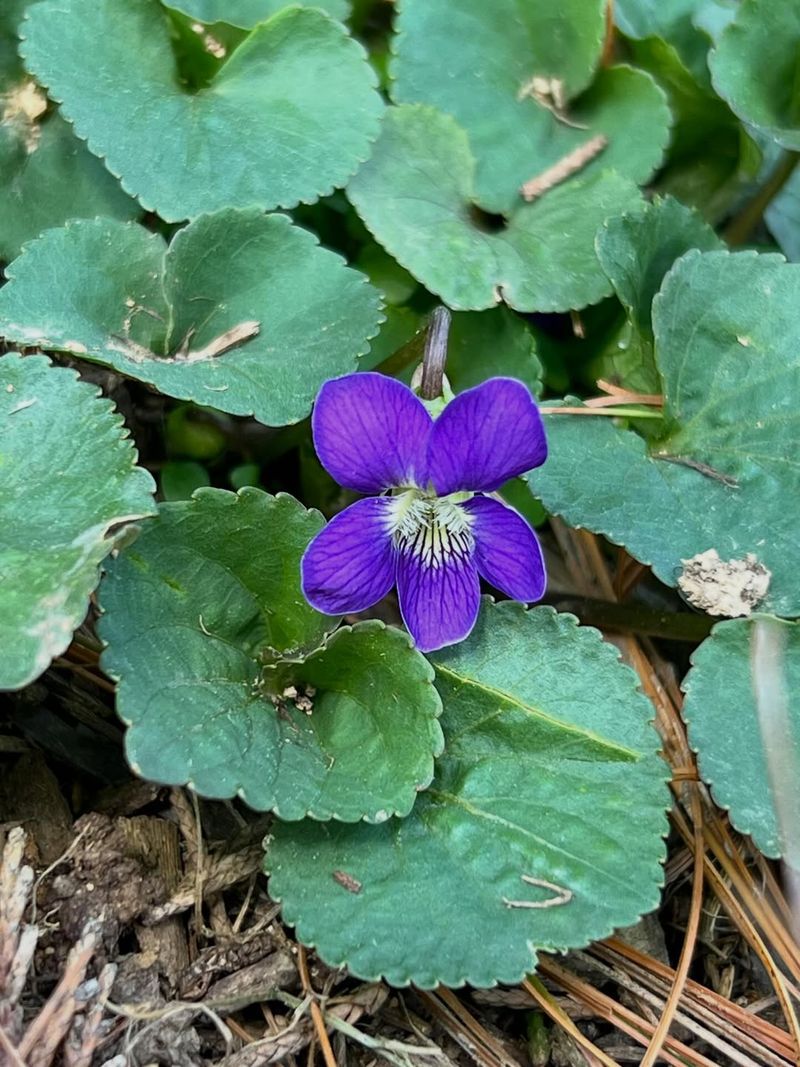
Every yard has that one stubborn patch where grass refuses to grow. Maybe it is under a tree, near a fence, or in a low spot that stays damp. Common Blue Violet loves exactly those spots.
This plant spreads in two clever ways. It drops seeds in the usual manner, but it also produces a second type of seed underground, called cleistogamous seeds. Those never even open into flowers.
Those hidden seeds germinate right where they fall, filling gaps without any help from wind or insects. It is like the plant has its own underground planting crew working year-round.
Your Minnesota Garden Changes Every Week. Your Plan Should Too.
Gardening in Minnesota changes quickly throughout the season. Every Friday you’ll receive a simple weekly plan showing exactly what to plant, prune, fertilize, harvest, and protect so you never miss the right timing.
Over a season or two, thin or bare areas begin to green up with low violet foliage. The heart-shaped leaves form a dense mat that crowds out weeds naturally.
You save money on grass seed, and you skip the frustration of reseeding the same spot three summers in a row. The violet just handles it.
In established turf, this spreading habit tends to stay manageable, filling gaps without crowding out healthy grass. It fills gaps without smothering areas where grass is already established.
Think of it as a living repair system built right into your lawn. No patches, no bare dirt, no brown spots staring back at you from the kitchen window.
Bare spots gradually fill in on their own, and the solution grows for free. Your lawn starts looking full and lush without a single bag of seed purchased.
3. Shady Spots Become Lush And Vibrant
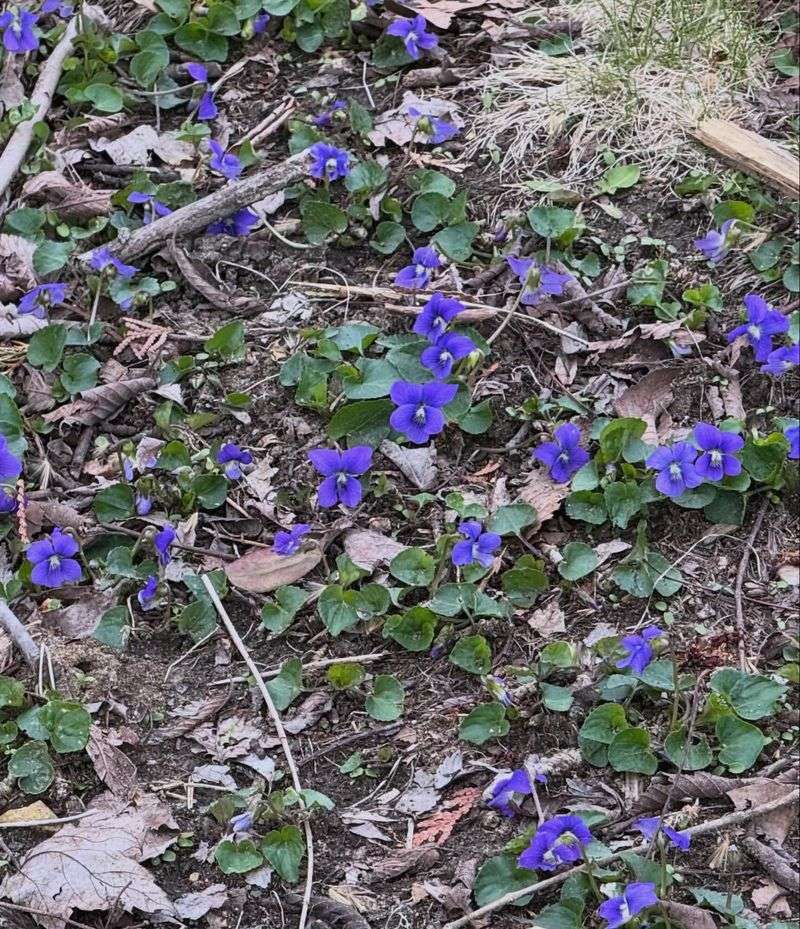
Shade is one of the biggest challenges for most lawn grasses. You have probably watched a once-thick patch slowly thin out under a big oak or maple. Common Blue Violet has the opposite reaction to shade.
It genuinely thrives in low-light conditions. The broad, heart-shaped leaves are built to catch every scrap of filtered sunlight, making the plant remarkably efficient in dim spots.
Where grass gives up and dirt takes over, the violet moves in with enthusiasm. Within a growing season, shaded ground transforms from brown and bare to a soft carpet of green leaves and purple blooms.
This is especially valuable in Minnesota yards, where mature trees are common and shade is a constant challenge. The violet solves a problem that grass seed simply cannot.
Gardeners spend real money on shade-tolerant ground covers like hostas or pachysandra. The Common Blue Violet delivers the same effect at no cost at all, growing wild and free.
The leaves stay attractive even after the blooms fade. Their deep green color and rounded shape create a tidy, textured look that holds up through summer and into fall.
You end up with something that looks intentional, even though it happened on its own. Visitors assume you planned it, and honestly, you can let them think that.
Shady corners of your yard no longer have to look neglected. The wildflower turns your toughest growing spots into some of the most striking features of the whole landscape.
4. Butterflies Return To Your Yard All Summer Long
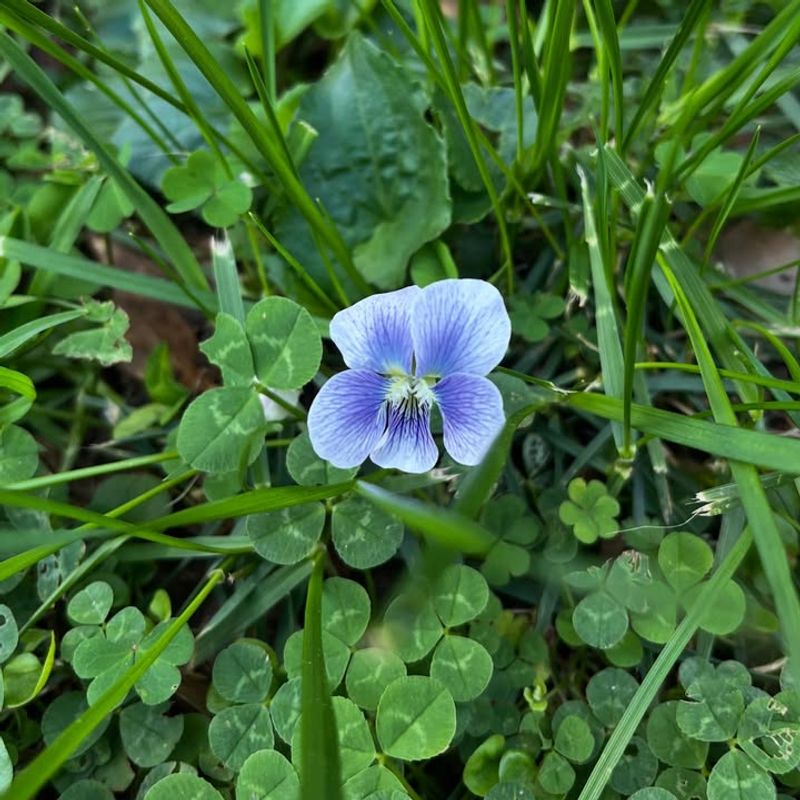
Some plants attract butterflies. This wildflower goes further, serving as one of the most valuable butterfly plants in the upper Midwest.
It serves as the sole host plant for several fritillary butterfly species in the upper Midwest. Fritillaries, including the Great Spangled and the Meadow Fritillary, lay their eggs only on violet leaves.
Without this plant, those butterflies cannot complete their life cycle at all. That means every violet in your lawn is a potential nursery.
Caterpillars hatch, feed on the leaves, and eventually become the brilliant orange-and-black butterflies you see floating through summer gardens.
Adults also return to the flowers for nectar, so the plant supports butterflies at every stage of life. It is a full-service stop on the butterfly highway.
You do not need a formal butterfly garden with expensive plants and fancy markers. A yard with Common Blue Violet already has the most important piece of the puzzle in place.
Watching butterflies drift across your lawn on a warm July afternoon is one of those simple pleasures that never gets old. Knowing you helped make it happen feels even better.
Kids especially love this connection. Spotting a caterpillar on a violet leaf and tracking its journey to a butterfly turns your backyard into a living science lesson.
Your lawn becomes a habitat, not just a patch of grass. That shift in thinking changes how you see every plant growing between the blades, including this remarkable wildflower.
5. Bees And Pollinators Get A Reliable Food Source
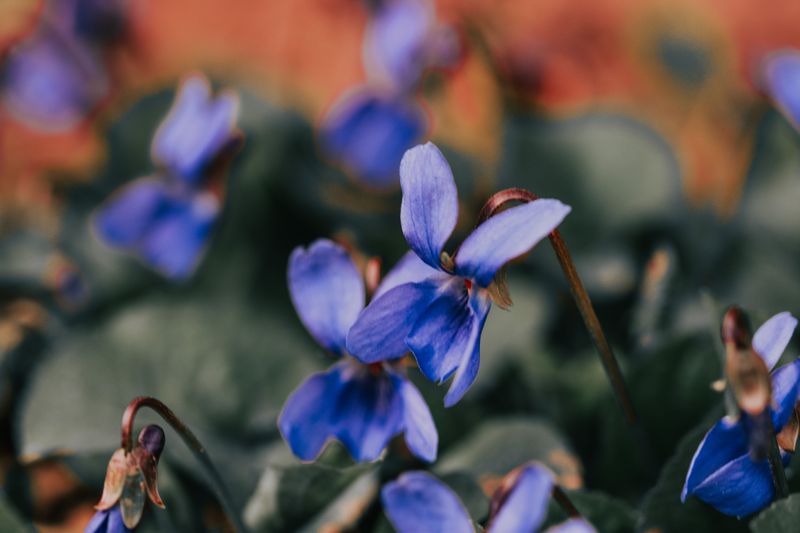
Early spring is a tough time for bees. Most flowers have not opened yet, and colonies are hungry after a long winter. Common Blue Violet blooms earlier than almost anything else in the lawn.
That timing is not an accident. The plant and native bees evolved together over thousands of years, creating a relationship built on mutual benefit. The bee gets food, the plant gets pollinated.
Mining bees and bumblebees are especially fond of the violet. These native species are critical pollinators for food crops and wildflowers across Minnesota and the broader Midwest.
By keeping violets in your lawn, you provide a bridge between winter and the main bloom season. That bridge can mean the difference between a healthy bee colony and a struggling one.
Honeybees visit too, though the violet is particularly valuable to native bee species that are under increasing pressure from habitat loss. Your lawn becomes part of the solution.
The flowers are perfectly shaped to guide bees directly to the nectar. Lower petals have dark purple lines that act like landing strip guides, directing pollinators straight to the reward.
Supporting pollinators is not just good for wildlife. Gardens near pollinator-friendly lawns tend to benefit from increased bee activity, which can support better fruit, vegetable, and flower production over time.
A single patch of Common Blue Violet feeds dozens of bees each spring morning. That small act of letting them grow adds up to something genuinely meaningful for your local ecosystem.
6. Almost No Care Is Needed Once Established
Low-maintenance is a phrase that gets thrown around a lot in gardening. With Common Blue Violet, it is completely and honestly true.
Once this plant is in your lawn, it takes care of itself. It does not need fertilizer. It does not need special soil amendments.
It handles drought reasonably well and bounces back quickly after heavy rain or standing water.
The root system is deep and fibrous, anchoring the plant firmly through freeze-thaw cycles that would destroy more delicate species. Minnesota winters do not slow it down at all.
You will not find yourself nursing it back to health each spring. It simply reappears, often larger and more established than the season before. That kind of reliability is rare in any plant.
Watering is only necessary during extreme drought, and even then, the plant tends to survive without intervention. It is built for the conditions that exist here naturally.
There are no pest treatments to schedule, no fungal sprays to apply, and no removing required to keep it blooming. The plant manages all of that without your involvement.
For busy homeowners who want a beautiful yard but cannot dedicate hours each week to maintenance, this wildflower is the answer. It rewards neglect almost as much as it rewards attention.
Gardening should feel like joy, not a second job. The Common Blue Violet reminds you that some of the best things in your yard ask for almost nothing in return.
7. Mowing Never Slows It Down
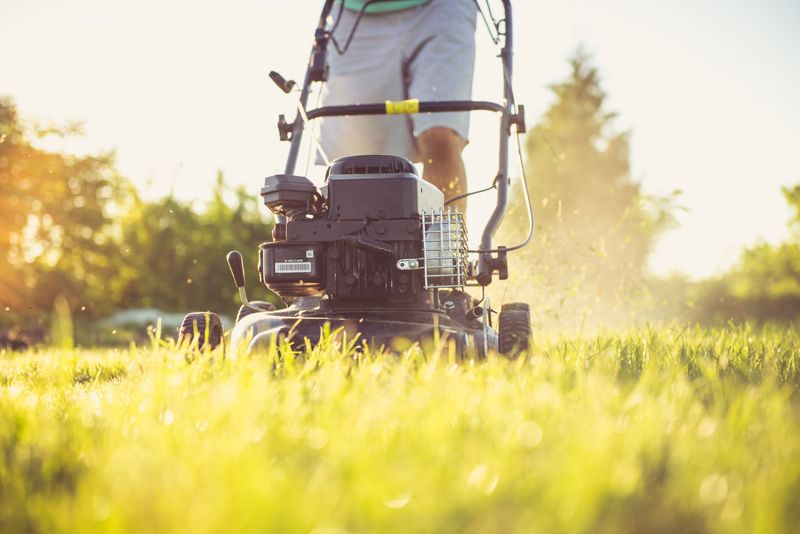
Most flowering plants crumble the moment a lawn mower rolls over them. Common Blue Violet has a completely different response. Mowing barely registers as a threat to this tough little wildflower.
The plant grows low to the ground, with a rosette shape that keeps its crown well below the mower blade. The cutting height used for most lawns simply misses the vital parts.
After mowing, the violet rebounds quickly. New leaves push up within days, and the plant resumes its normal growth pattern without any visible damage or setback.
This resilience comes from its natural habitat. Wild violets evolved in meadows and forest edges where grazing animals regularly cropped the vegetation.
Surviving disturbance is hardwired into its biology. You do not have to choose between a tidy mowed lawn and a wildflower habitat.
The violet gives you both at the same time, without any compromise on your part. Some homeowners worry that letting wildflowers grow means giving up control of their yard.
The violet proves that is not true. It fits right into a regular lawn care routine. Mow on your normal schedule and the violets keep coming back, blooming again the following spring as if nothing happened.
They are stubborn in the best possible way. This Minnesota wildflower belongs in every lawn precisely because it works with your life, not against it. It survives, thrives, and blooms year after year, no matter what the mower says.