Native Pennsylvania Plants That Practically Grow Themselves In Clay Soil
What if the heavy clay soil that has been defeating your Pennsylvania garden attempts for years turned out to be exactly what the right plants were looking for all along?
Clay soil gets treated like a problem to be fixed before any real gardening can happen, and a lot of time and money gets spent on amendments that improve conditions temporarily without changing the underlying reality of what you are working with.
Native Pennsylvania plants take a completely different approach to that same soil. They evolved in it, developed root systems that navigate through it, and in many cases actually prefer the moisture retention and mineral density that clay provides.
Several of them establish faster in Pennsylvania clay than they would in lighter amended soil, and once they are settled in, they spread and return with a consistency that amended beds often fail to match.
If you have clay and have been planting the wrong things, the fix is not the soil. It is the plant list.
1. Virginia Sweetspire
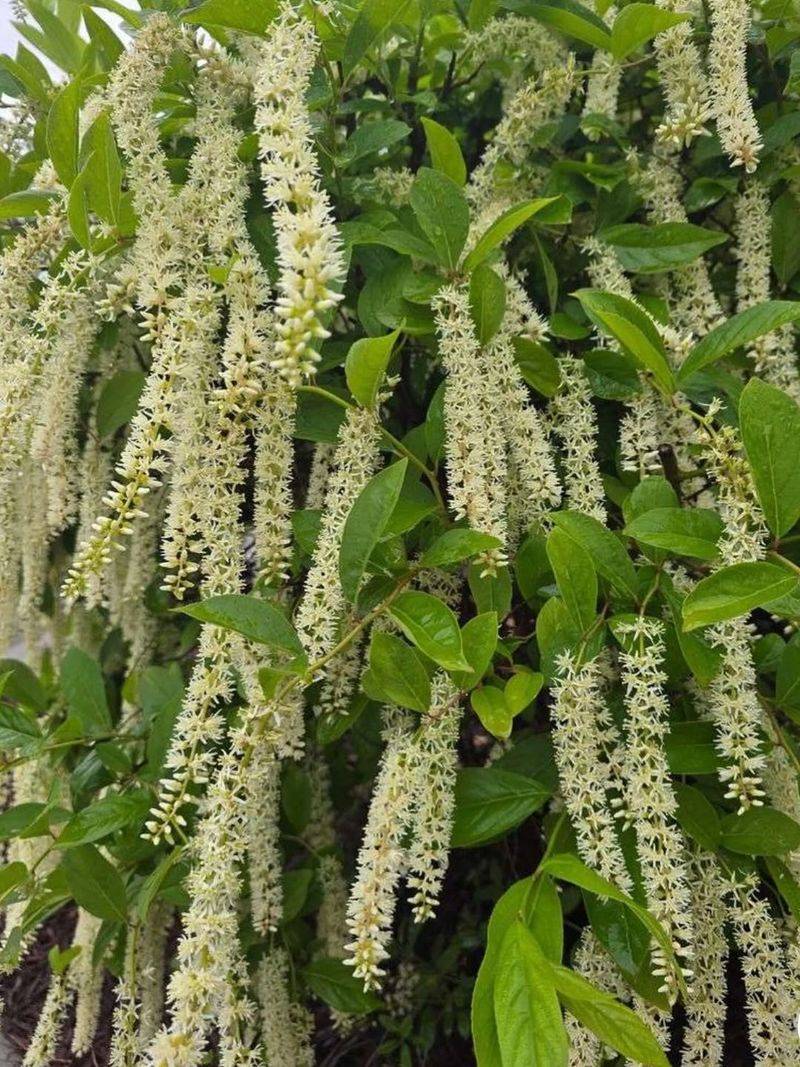
Walk past a Virginia Sweetspire in late spring and you will immediately notice its sweet, gentle fragrance drifting through the air.
The long, arching spikes of creamy white flowers are not just beautiful to look at but they also smell wonderful, making this shrub a true standout in any garden border.
Virginia Sweetspire is a deciduous shrub that typically grows between three and five feet tall and wide. Its manageable size makes it easy to fit into almost any garden space.
It works especially well as a border plant, a foundation shrub, or even a low hedge along a walkway or fence line.
Clay soil is no problem for this tough native. Virginia Sweetspire actually prefers moist to moderately wet conditions, which is exactly what heavy clay tends to hold onto after rain.
Instead of fighting that moisture, this shrub uses it. It is one of those rare plants that turns a common garden problem into an advantage.
Come fall, the show is not over. The leaves transform into brilliant shades of red, orange, and purple, giving your yard a second season of color long after the flowers have faded. Few shrubs offer this kind of two-for-one value.
For gardeners who want low maintenance, Virginia Sweetspire checks every box. Once established, it tolerates drought, handles shade, and spreads slowly to fill in bare spots on its own.
It also draws in butterflies and other pollinators during its bloom period. Planting it once means enjoying it for many seasons without much effort at all.
2. Eastern Redbud
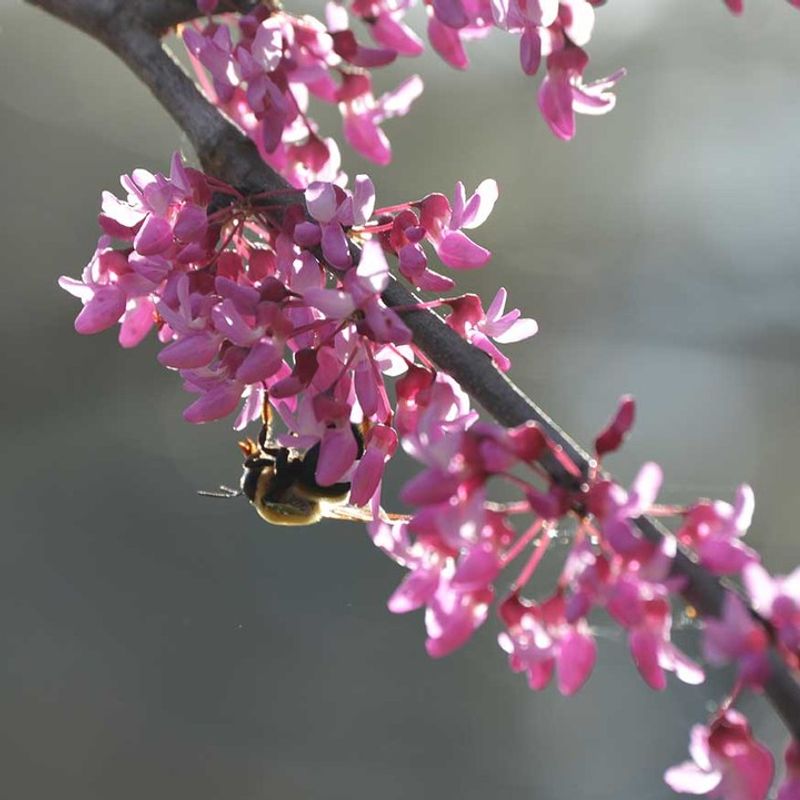
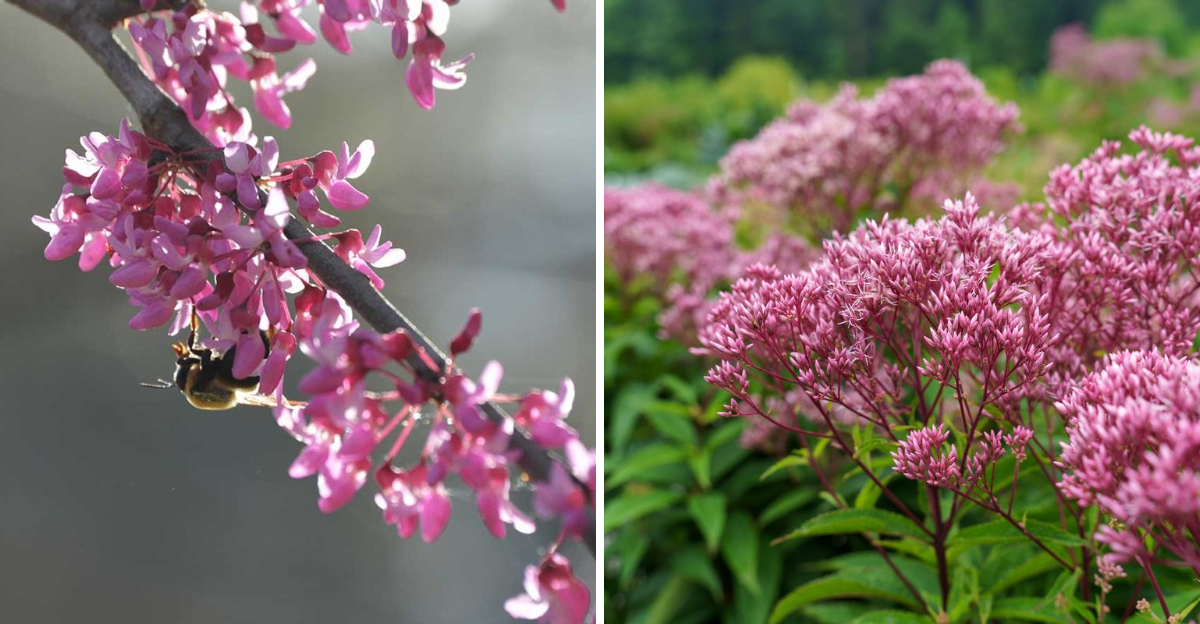
Few trees announce spring quite like the Eastern Redbud. Before a single leaf appears, its bare branches burst into a cloud of tiny, vivid pink-purple blossoms that seem almost unreal. It is one of the most eye-catching signs that warmer days are finally on their way.
Eastern Redbud is a small to medium-sized tree, usually growing between 20 and 30 feet tall. That makes it a perfect fit for average-sized yards where a massive oak or maple might feel overwhelming.
Your Pennsylvania Garden Changes Every Week. Your Plan Should Too.
Gardening in Pennsylvania changes quickly throughout the season. Every Friday you’ll receive a simple weekly plan showing exactly what to plant, prune, fertilize, harvest, and protect so you never miss the right timing.
It grows in a graceful, spreading shape that gives any landscape a natural, relaxed look. One of the best things about this tree is how well it handles Pennsylvania clay soil. Many trees struggle when roots sit in dense, poorly draining ground, but Redbud is remarkably tough.
It has been growing in the forests and edges of Pennsylvania for centuries, so it knows how to work with the land rather than against it.
Planting is straightforward. Choose a spot with full sun to partial shade, dig your hole, and get the tree settled in.
Water it regularly during the first season, and after that, it largely takes care of itself. You will not need to fuss over it every weekend.
Beyond its beauty, Eastern Redbud also supports local wildlife. Its early blooms provide one of the first pollen and nectar sources for bees emerging in spring.
Birds like cardinals and finches are also attracted to the seed pods that form later in the season. It truly earns its place in any Pennsylvania garden.
3. Black-Eyed Susan
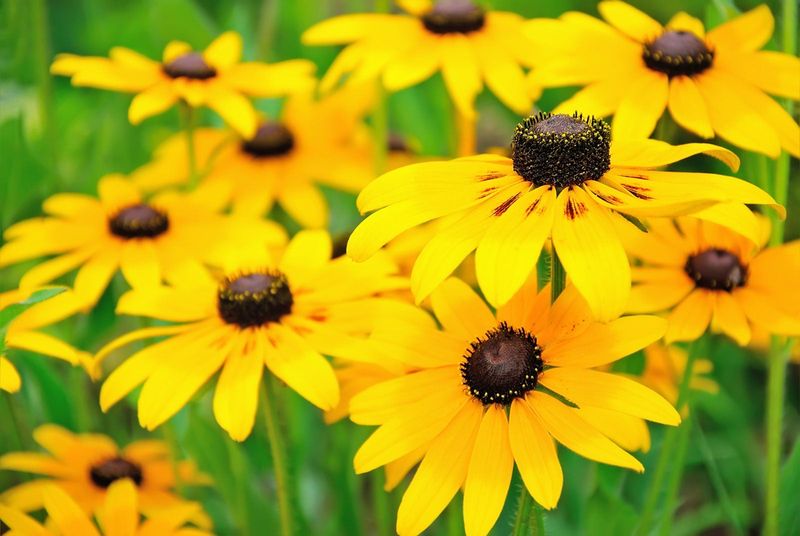
If summer had a mascot, Black-Eyed Susan would probably win the vote. Those cheerful golden-yellow petals surrounding a bold dark brown center are one of the most recognizable wildflower sights across Pennsylvania.
Roadsides, meadows, and backyard gardens all light up when this plant is in bloom. Black-Eyed Susan is a biennial or short-lived perennial, but here is the trick that makes it so easy to grow: it self-seeds like a champion.
Once you plant it, it drops seeds that sprout the following year, keeping your garden filled with fresh plants season after season. You plant it once and it just keeps coming back on its own.
Clay soil suits this tough wildflower just fine. It is not picky about soil quality, which is part of what makes it such a reliable choice for Pennsylvania gardens.
It can handle heavy, compacted ground that would leave more delicate plants struggling. Full sun is what it really craves, and a sunny clay bed is genuinely ideal for it.
Blooms appear from early summer and often stretch all the way into early fall, giving you months of golden color. That long bloom period is a huge bonus for gardeners who want consistent visual interest without constantly planting new flowers.
Black-Eyed Susan is also a pollinator magnet. Bees, butterflies, and even goldfinches flock to it, the birds especially love the seed heads in late fall.
Leaving the spent flower stalks standing through winter gives birds an extra food source when other options are scarce. It is truly a plant that gives back in every season.
4. Joe-Pye Weed
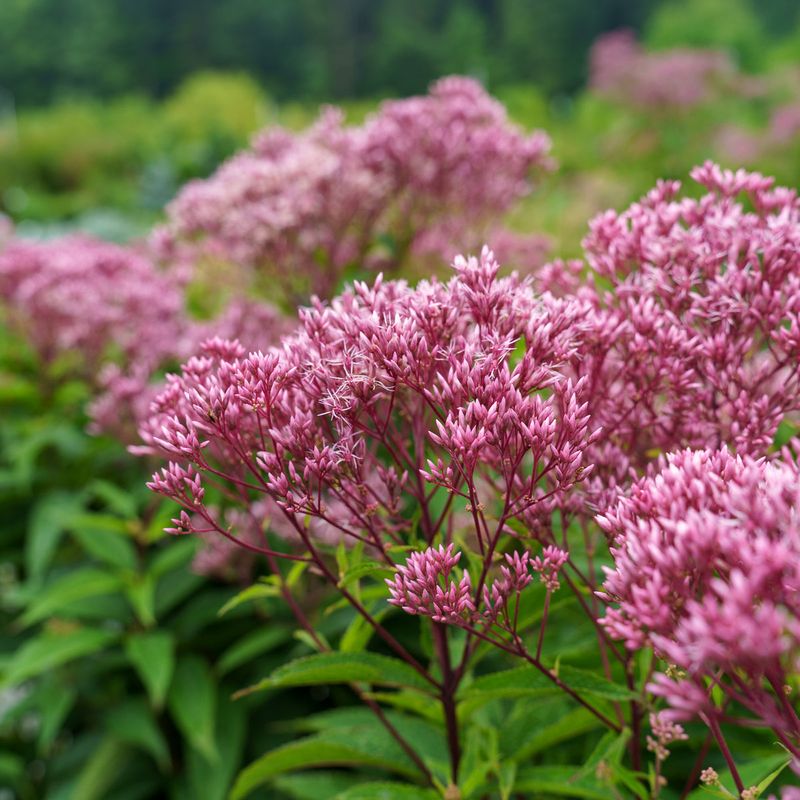
Do not let the name fool you. Joe-Pye Weed is anything but a nuisance.
This towering native perennial can reach six to eight feet tall, and when its large, domed clusters of dusty pink-purple flowers open in late summer, the whole plant seems to vibrate with butterfly activity. It is genuinely one of the most dramatic plants you can grow in a Pennsylvania garden.
The history behind the name is actually pretty interesting. Some plant historians believe it was named after a Native American healer named Joe Pye, who reportedly used the plant for medicinal purposes in colonial New England.
Whether or not that story is completely accurate, it adds a layer of character to an already remarkable plant.
Joe-Pye Weed thrives in clay and moist soils, making it a natural fit for low-lying spots in Pennsylvania yards where water tends to collect.
Rather than rotting in soggy ground the way many plants would, it drinks up that moisture and rewards you with impressive height and flower power.
Because of its size, this plant works best at the back of a garden border or planted in groups along a fence or property edge. It creates a stunning backdrop for shorter plants in front of it. In a rain garden or near a downspout, it is practically unbeatable.
Pollinators absolutely adore it. Monarch butterflies, swallowtails, bumblebees, and many other species flock to the blooms throughout late summer and into fall.
Planting Joe-Pye Weed is one of the fastest ways to turn your yard into a buzzing, fluttering wildlife habitat.
5. Smooth Blue Aster
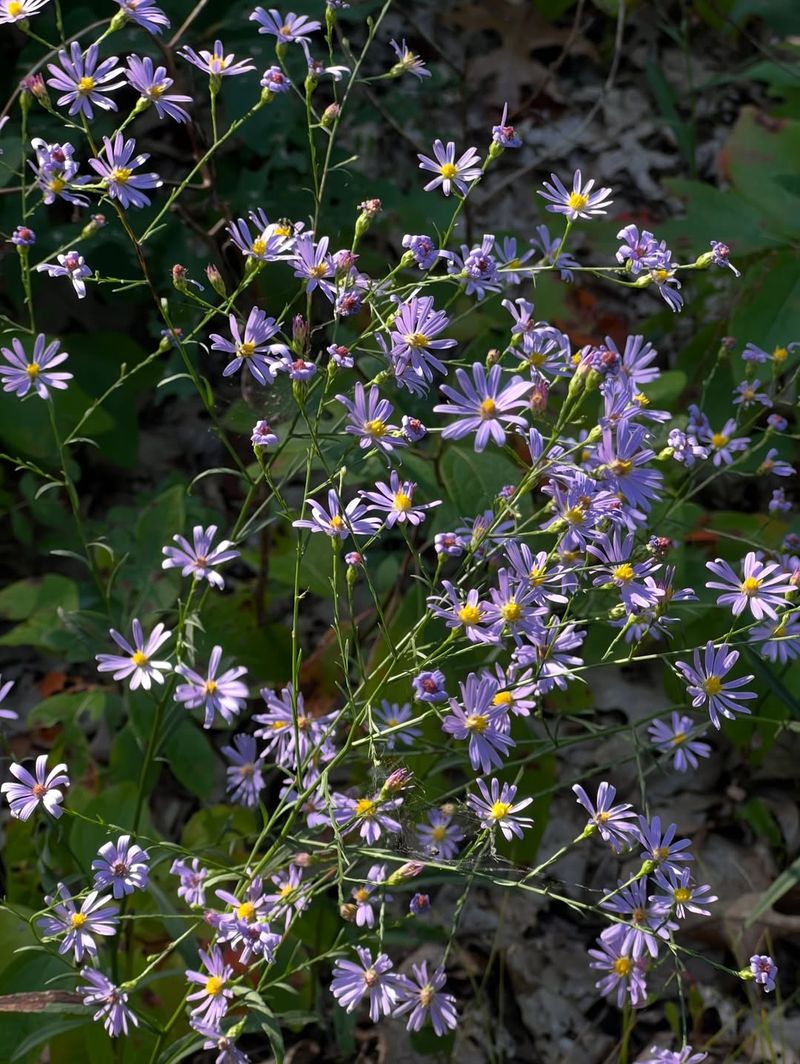
Most summer flowers are long gone by the time September rolls around, but Smooth Blue Aster is just getting started.
Its clusters of small, violet-blue flowers with yellow centers bloom from late summer all the way into October, offering a burst of cool-toned color exactly when most gardens need it most.
Smooth Blue Aster grows in dense, spreading clumps that naturally fill in gaps in a garden bed over time. You do not need to do much to encourage it.
Plant it, give it a season to settle in, and watch it slowly claim its space in the most graceful way possible. It is the kind of plant that makes a garden look intentional without requiring much planning.
Clay soil is not a problem for this tough native. It handles heavy, dense ground with ease and does not need rich, amended soil to perform well.
In fact, overly rich soil can sometimes cause it to flop over, so the natural lean conditions of clay actually work in its favor here.
Full sun to light shade suits it well, giving gardeners plenty of flexibility when choosing a planting location.
It pairs beautifully with Joe-Pye Weed, goldenrod, and other fall-blooming natives to create a stunning late-season display that carries the garden all the way to frost.
For pollinators, fall asters are absolutely critical. Migrating monarch butterflies rely on late-blooming flowers for fuel during their long journey south.
Bees and other insects also depend on these late bloomers to build up energy before winter sets in. Planting Smooth Blue Aster is a genuinely meaningful act for local ecosystems.
6. Spicebush
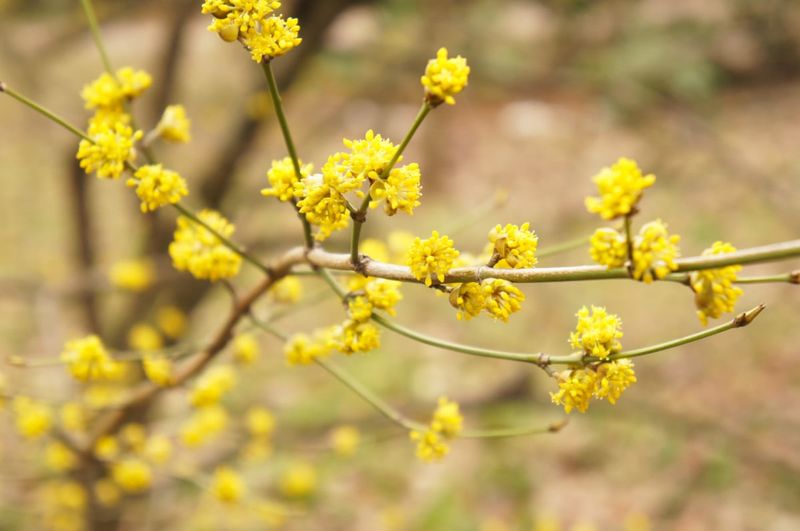
Crush a leaf from a Spicebush between your fingers and you will get an instant whiff of something spicy, citrusy, and completely unique.
That aromatic quality is where this native shrub gets its name, and it is just one of the many reasons gardeners across Pennsylvania have grown to love it.
Spicebush blooms in very early spring, often before most other plants have even begun to wake up. Tiny clusters of bright yellow flowers line the bare branches, creating a soft golden haze that feels like a promise of warmer weather ahead.
It is a quiet, understated kind of beauty, but once you notice it, it is hard to overlook.
As a native understory shrub, Spicebush is naturally suited to shaded and partially shaded spots beneath larger trees. It handles clay soil well and appreciates the moisture that clay tends to retain.
Low-lying areas, woodland edges, and shaded rain gardens are all excellent placements for this versatile shrub.
Wildlife connections for Spicebush run deep. It is the primary host plant for the Spicebush Swallowtail butterfly, a gorgeous species whose caterpillars rely almost entirely on its leaves to survive.
Birds, especially thrushes, robins, and vireos, eagerly consume the bright red berries that appear in fall. Planting Spicebush is like setting a table for the whole neighborhood wildlife community.
Once established, it needs very little care. It rarely needs pruning, handles seasonal flooding without complaint, and spreads naturally over time through root suckers.
For a shaded or semi-shaded clay garden, Spicebush might just be the most effortless native shrub you can grow.
7. Wild Columbine
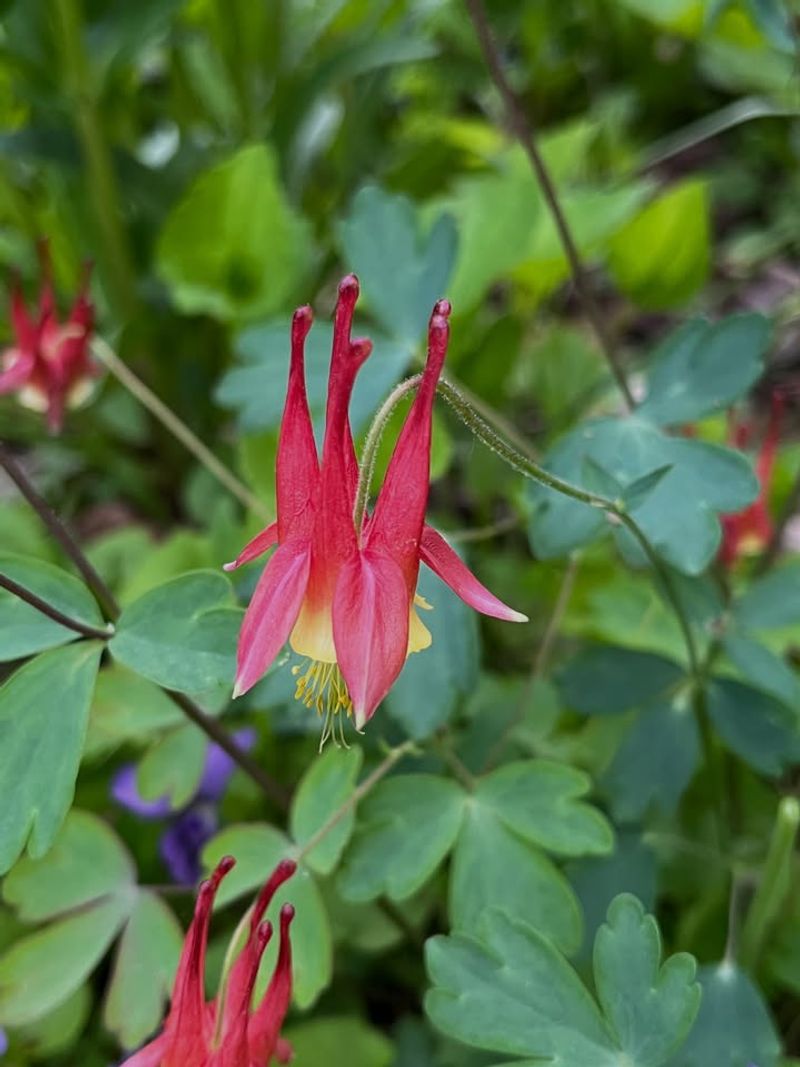
There is something almost magical about Wild Columbine. The flowers hang upside down like tiny lanterns, each one a striking combination of red and yellow tubes with long, graceful spurs trailing behind them.
Hummingbirds cannot resist them, and honestly, neither can most gardeners who see them for the first time.
Wild Columbine blooms in mid to late spring, usually from April through June depending on location and weather. The timing lines up perfectly with the arrival of ruby-throated hummingbirds returning north for the season, which is no coincidence at all.
These flowers evolved alongside hummingbirds over thousands of years, and the relationship between them is a beautiful example of nature working in perfect sync.
Adapting to clay soil is something Wild Columbine handles surprisingly well. It prefers partial shade to full shade, making it an excellent choice for wooded areas, shaded garden borders, or spots under large trees where other flowering plants often refuse to grow.
Those tricky shaded corners of your yard suddenly become a lot more interesting with Wild Columbine filling them in.
Once the flowers fade, the plant self-seeds readily, spreading naturally across the garden floor over time. You do not need to collect seeds or replant each year.
Just let the plant do what it has always done, and it will gradually expand into a lovely, naturalistic colony all on its own.
Bees, especially long-tongued bumblebees, are also frequent visitors to the blooms. For a shade garden in Pennsylvania clay, Wild Columbine brings color, wildlife activity, and effortless self-renewal all in one remarkable native package.