Replace Liriope With These 7 Tennessee Native Plants Along Your Walkway
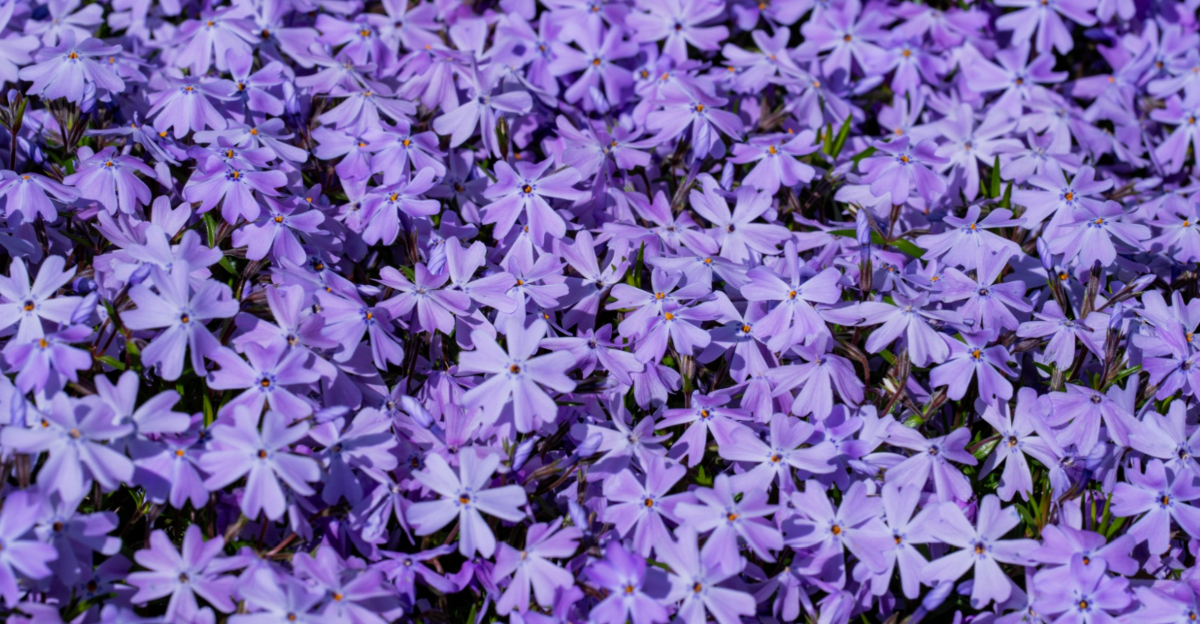
You lift a clump of liriope with both hands. You pull steadily. The roots finally release. Soil shifts, arms work, and a quiet smile spreads across your face.
That clump of creeping liriope has lined your Tennessee walkway for years. It looks underwhelming in every season, and today you are ready to move on.
Creeping liriope is the invasive, rhizome-spreading kind. It takes up space and calls it landscaping. Bees drift past it. Butterflies pass it by.
Birds want nothing from it, and honestly, neither do you. You know your yard deserves more, and so do the pollinators depending on it. What if letting it go was the best decision your walkway has ever seen?
Tennessee is rich with native ground covers. They are resilient, stunning, and alive with buzzing, fluttering energy.
Swapping liriope out feels less like a chore and more like a revelation. Are you ready to meet the plant that will make every person who walks past your yard stop and take a second look?
1. Pennsylvania Sedge
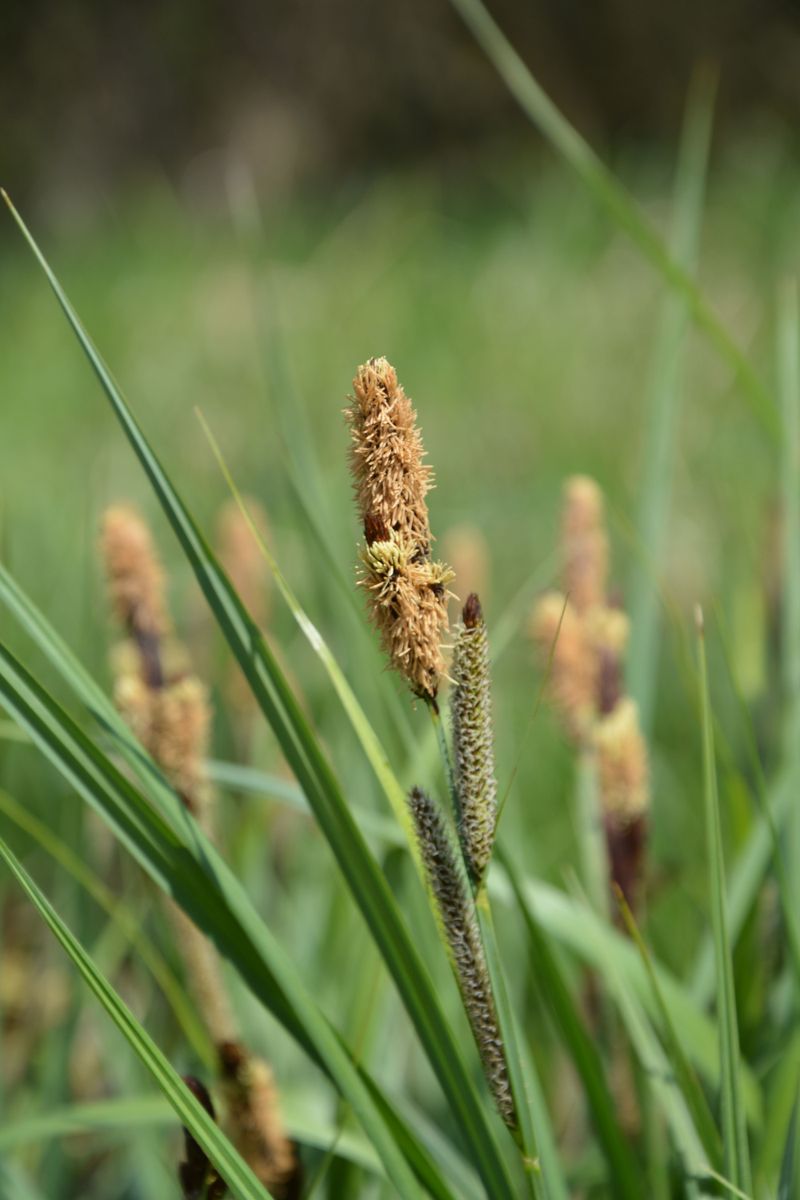
Forget everything you thought you knew about sedges. Pennsylvania Sedge is the quietly confident ground cover that makes every walkway look intentional and lush.
This low-growing native forms a soft, flowing carpet of fine green blades. It arches gracefully, giving pathways that effortlessly curated look that takes zero effort to maintain.
It thrives in shade, which is a huge win for those tricky spots under trees where nothing else cooperates. Unlike liriope, it stays politely in place without aggressive spreading.
Pennsylvania Sedge is semi-evergreen, meaning it holds its color well into winter. That means your walkway stays attractive even when the rest of the garden goes dormant.
It tops out at about six to twelve inches tall, making it a perfect edge plant. The fine texture creates a contrast against stepping stones or brick paths that looks genuinely designed.
Deer tend to leave it alone, which is a bonus if you live near wooded areas. It also handles dry shade, one of the hardest conditions in any garden.
Planting is straightforward. Space plants about twelve inches apart, water them in well, and step back.
Within one season, they knit together into a tidy, weed-suppressing mat. Maintenance is almost nonexistent after the first year.
If you want a native plant that whispers elegance instead of shouting for attention, this sedge is your answer. Your walkway will look like a professional designed it.
2. Seersucker Sedge
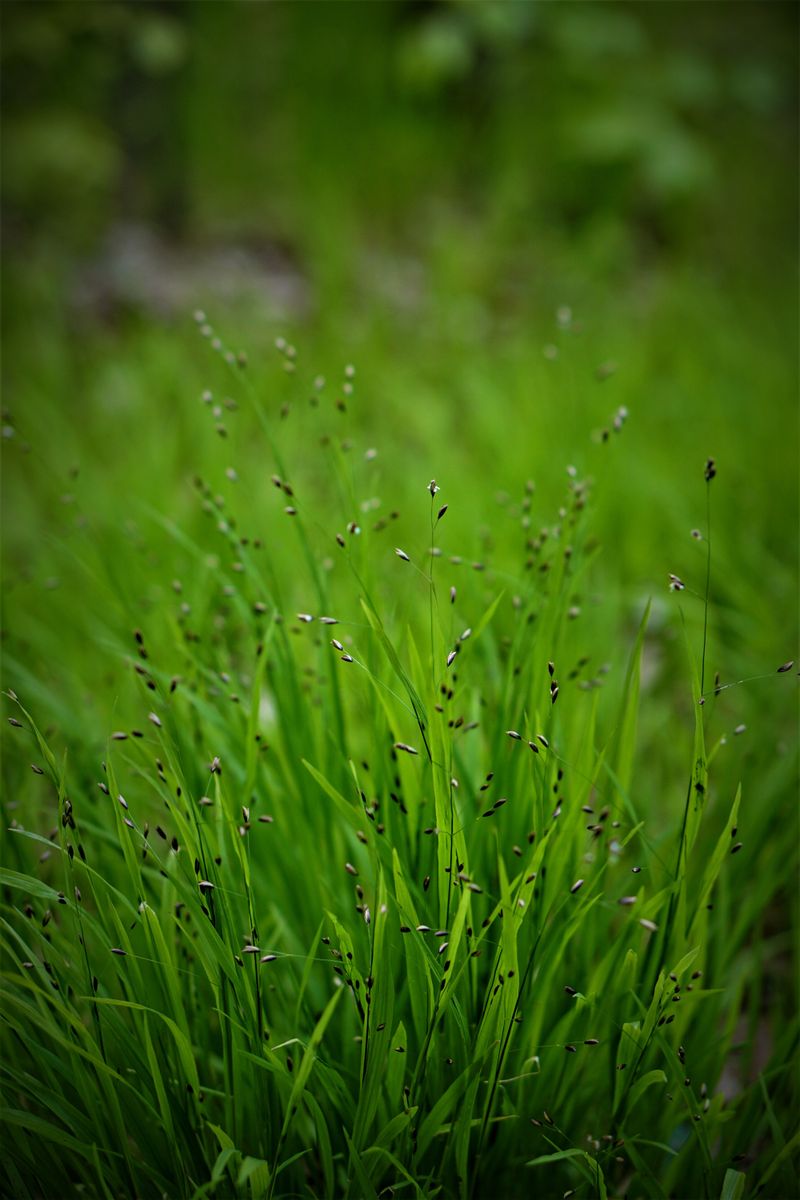
Some plants earn a name that perfectly fits their personality, and Seersucker Sedge is one of them. Those wide, puckered leaves look like a crisp summer shirt fresh off the rack.
This native sedge brings serious texture to shaded walkways where most plants struggle. The broad, pleated foliage creates a bold visual statement that fine-leaved plants simply cannot match.
It grows naturally on rocky woodland slopes and stream banks across the region. That background means it handles variable moisture and heavy shade with zero complaints.
The leaves stay a rich, deep green throughout the growing season. In early spring, delicate flower spikes rise above the foliage, adding a subtle but charming seasonal detail.
Your Tennessee Garden Changes Every Week. Your Plan Should Too.
Gardening in Tennessee changes quickly throughout the season. Every Friday you’ll receive a simple weekly plan showing exactly what to plant, prune, fertilize, harvest, and protect so you never miss the right timing.
Seersucker Sedge grows about eight to twelve inches tall, slightly larger than its Pennsylvania cousin.
That extra height gives it presence along wider paths or raised beds. It spreads slowly by rhizomes, gradually filling gaps without becoming a problem.
You get coverage without the spreading concerns that come with more aggressive ground covers. This plant pairs beautifully with ferns, trillium, and other woodland natives.
Layering it with taller shade plants creates a naturalistic look that feels like a forest floor, in the best way. Deer rarely browse it, and it needs almost no supplemental water once settled.
Plant it in rich, moist soil and watch it quietly transform your shaded path into something worth photographing. Bold texture and easy care rarely come in the same package, but this sedge delivers both.
3. Creeping Phlox
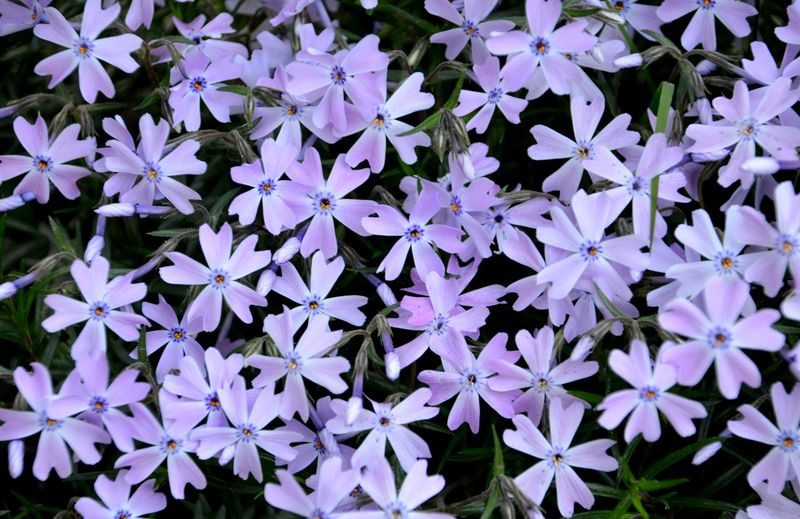
Picture a waterfall of color pouring over a stone walkway edge every spring. That is exactly what Creeping Phlox delivers, and it never gets old.
This low-growing native bursts into bloom in early spring with a carpet of pink, purple, or white flowers. The display is so thick that you can barely see the foliage underneath.
Each bloom is small, star-shaped, and packed together so tightly they read as one unbroken sweep of color from a distance. After flowering, the needle-like evergreen leaves form a dense, weed-blocking mat.
That two-season performance is exactly what a smart walkway border needs. You get the drama of bloom and the practicality of ground cover in a single plant.
Creeping Phlox loves full sun and well-drained soil, making it ideal for sunny path edges. It handles slopes and rocky ground beautifully, which is a bonus for uneven terrain.
Poor soil does not slow it down. Dry conditions do not rattle it. Plants spread steadily but never rudely, reaching about two feet wide over several years.
You can trim them back lightly after bloom to keep them tidy and compact. A quick shear encourages denser, more vigorous growth the following season.
Early bees and butterflies arrive in force, turning your walkway into a buzzing, fluttering welcome mat each spring. It is one of the earliest reliable nectar sources in the Tennessee garden.
It is drought-tolerant once established, needing only occasional watering during extreme dry spells. That low-maintenance profile makes it a favorite among gardeners who want big impact with small effort.
Plant it along sunny path edges, at the top of retaining walls, or between stepping stones. Anywhere it can cascade and sprawl is a place where it will shine.
Few native plants offer this much visual drama for this little work. Creeping Phlox earns every inch of the space you give it.
4. Golden Ragwort
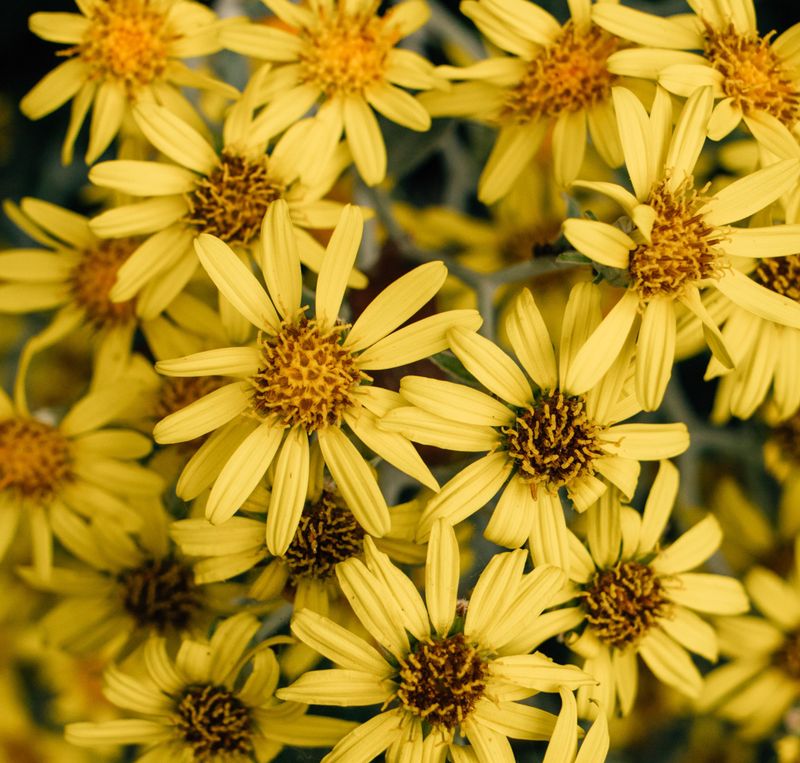
Golden Ragwort sounds like it belongs in a fairy tale, and honestly, it kind of does. Masses of golden yellow flowers rising above a carpet of deep green leaves create pure storybook magic.
This native perennial blooms in mid to late spring, filling the garden with cheerful color right when you need it most. The flowers attract a wide range of pollinators, from small native bees to early butterflies.
It thrives in moist, shaded spots where many plants struggle to survive. Stream edges, low spots, and north-facing paths are exactly where Golden Ragwort feels most at home.
The basal foliage is round and glossy, staying attractive even after the flowers fade. That persistent leaf coverage suppresses weeds effectively throughout the growing season.
Golden Ragwort spreads by both rhizomes and self-seeding, forming large colonies over time.
Once established, it creates a nearly maintenance-free ground cover that handles itself year after year. It grows twelve to twenty-four inches tall in bloom, then settles back to a low rosette.
That changing height adds seasonal rhythm to your walkway planting. Deer generally avoid it, which is a welcome trait in areas with heavy wildlife pressure.
It also tolerates occasional flooding, making it a smart choice for low-lying path sections. Pair it with blue-eyed grass or foamflower for a layered, naturalistic look.
The combination of textures and bloom times creates a walkway that looks thoughtfully designed all season long. Golden Ragwort rewards patience with a display that stops people in their tracks.
5. Foamflower
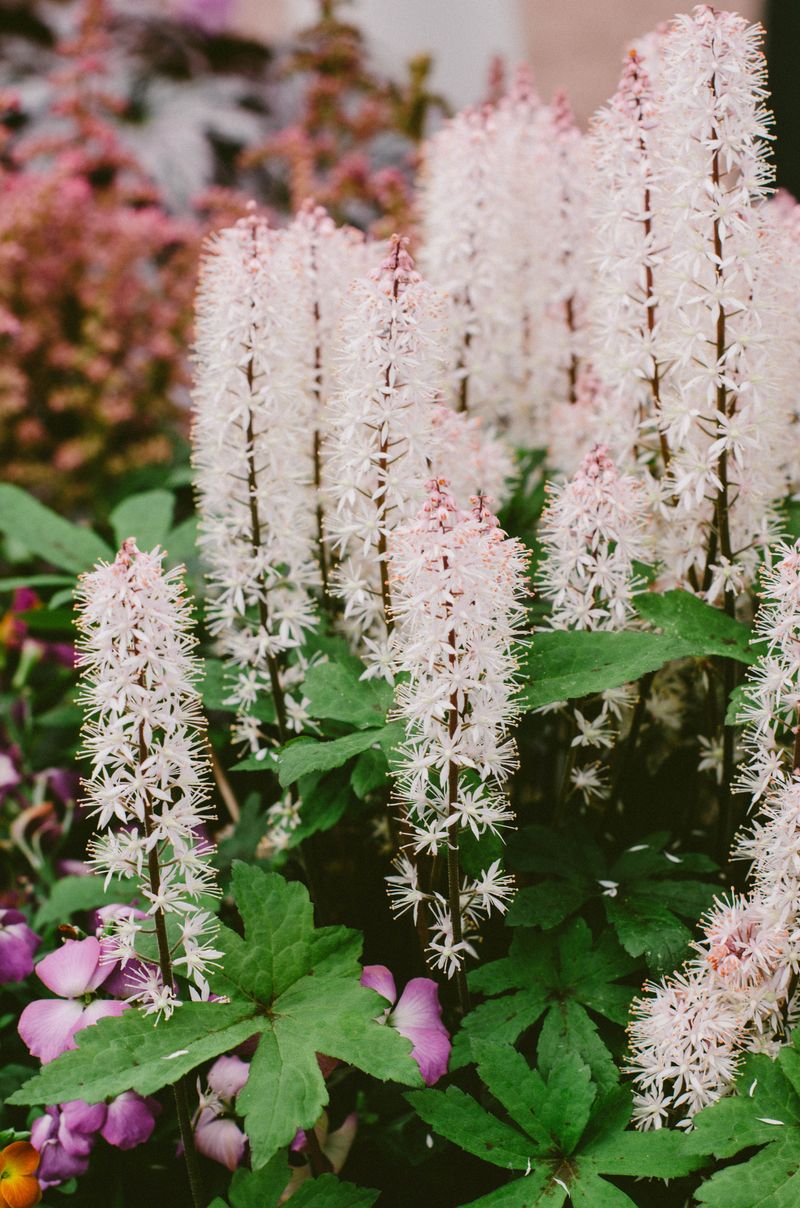
When those feathery white flower spikes emerge in spring, Foamflower earns its name instantly. The blooms look like someone spilled fresh foam across the forest floor, and it is genuinely stunning.
This shade-loving native is one of the most elegant ground covers available for a woodland walkway.
It thrives across Tennessee, where the humid summers and mild shade of deciduous forests give it exactly the conditions it loves.
The maple-shaped leaves hold their color beautifully, often showing burgundy markings that deepen in cooler weather.
Foamflower spreads by stolons, similar to strawberries, creating a dense, weed-suppressing mat over time. The coverage is thorough but never aggressive, making it easy to manage in any garden.
It grows best in moist, humus-rich soil with consistent shade. Morning sun is acceptable, but afternoon shade keeps the foliage looking its freshest through summer heat.
Plants stay low, around six to twelve inches in leaf, with flower spikes reaching up to twelve inches tall. That layered profile creates beautiful visual depth along a shaded path.
Foamflower is a powerhouse for native bees and hummingbirds drawn to the nectar-rich blooms. Planting a generous sweep of it transforms a plain path into a wildlife corridor.
In Tennessee gardens, where pollinator populations are under pressure, that kind of ecological contribution genuinely matters. It pairs effortlessly with ferns, wild ginger, and trout lily for a layered shade garden.
Each combination creates a new texture story that keeps your walkway visually interesting all season.
Maintenance is simple. Remove spent flower stalks after bloom and divide clumps every few years to maintain vigor.
Few native plants combine this level of beauty, ease, and ecological value in one tidy package.
For Tennessee gardeners ready to replace liriope with something that truly gives back, Foamflower is a true gem.
6. Allegheny Spurge
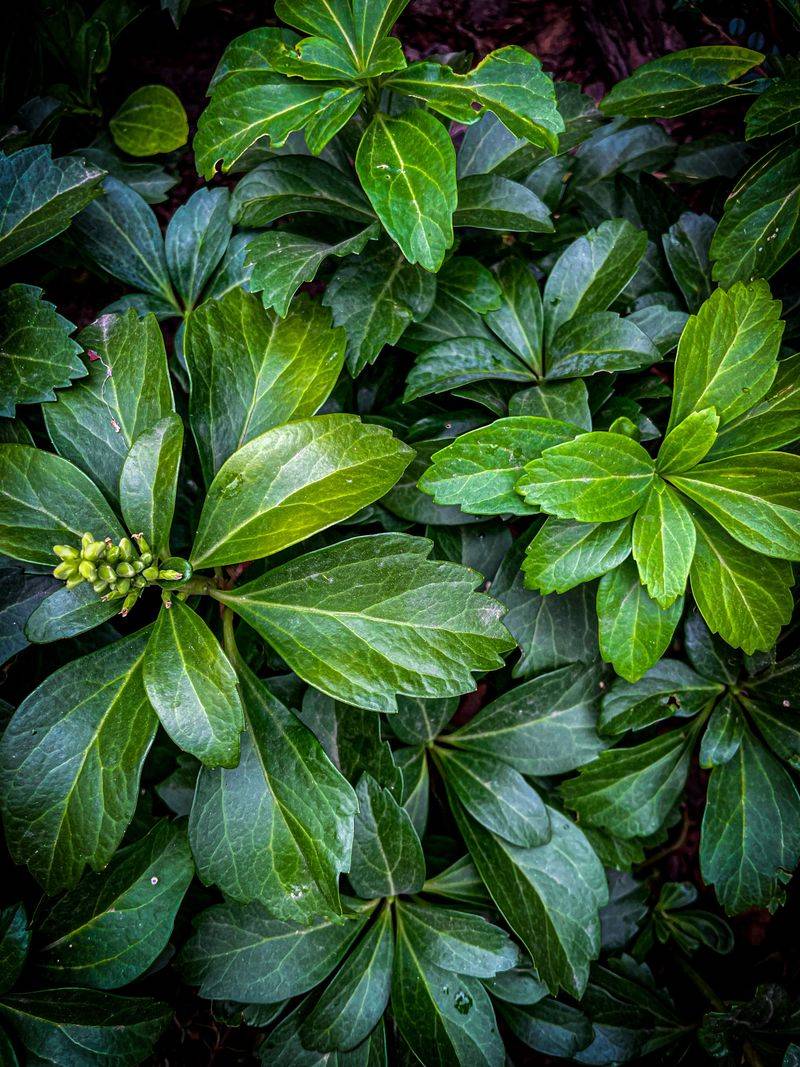
Most people know the Japanese version of this plant, but the native Allegheny Spurge puts its invasive cousin to good use by comparison. This is the one you actually want lining your walkway.
The mottled, silver-marked leaves are genuinely striking, especially in winter when most other plants have checked out. That year-round visual interest is rare in a shade ground cover.
Allegheny Spurge is semi-evergreen, holding its leaves through mild winters before refreshing in spring. The new foliage emerges with a soft, silvery pattern that brightens even the darkest path.
In early spring, fragrant white flower spikes push up through the foliage before the leaves fully emerge. The subtle fragrance is a pleasant surprise that makes a morning walk genuinely enjoyable.
It grows six to twelve inches tall and spreads slowly, making it ideal for controlled, tidy borders. Patience is required for full coverage, but the wait is absolutely worth it.
This plant thrives in dry to medium shade, handling the challenging root competition under mature trees. That adaptability makes it one of the most versatile native ground covers for difficult spots.
Unlike its Japanese relative, Allegheny Spurge supports local wildlife and integrates naturally into woodland ecosystems. Choosing it is a small but meaningful ecological decision.
Pair it with Christmas fern or wild ginger for a rich, textured shade border. The combination creates a walkway that looks curated without any of the high-maintenance fuss.
Once it fills in, Allegheny Spurge becomes one of those plants you show off to every visitor. It earns every compliment it receives.
7. Blue-Eyed Grass
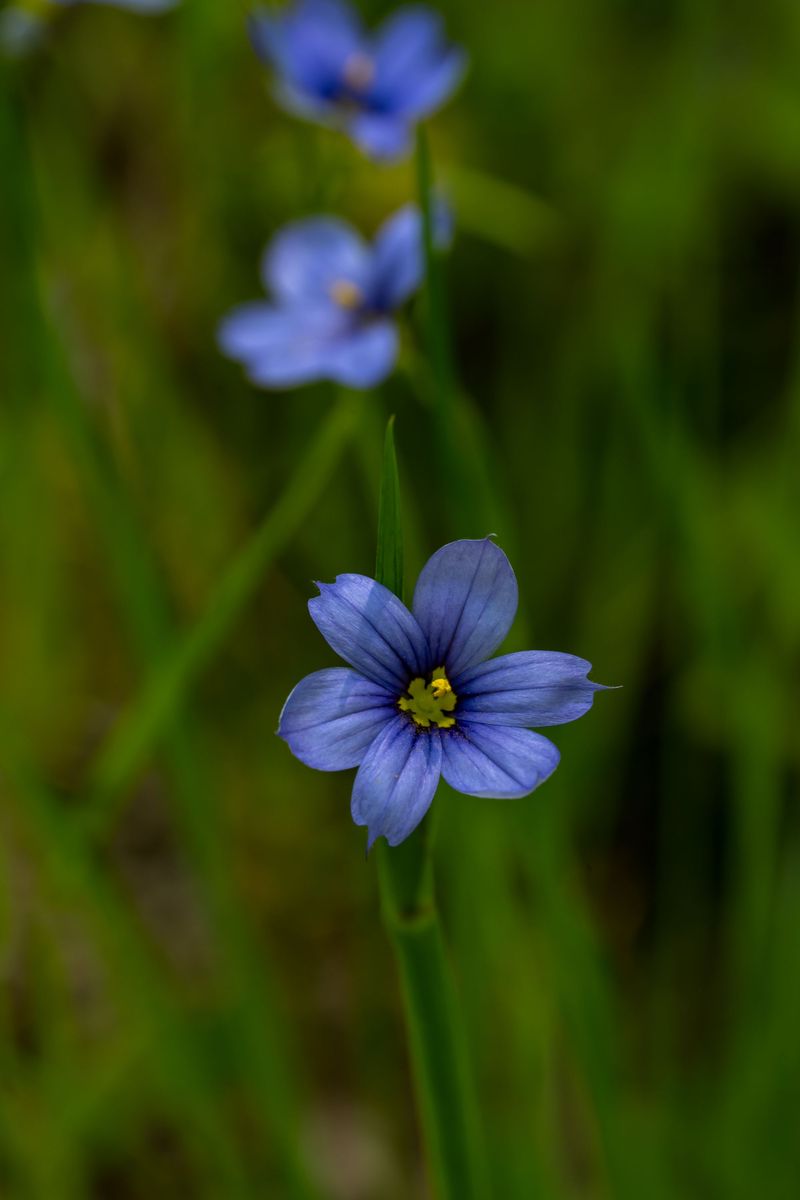
Do not let the name fool you. Blue-Eyed Grass is not a grass at all, and those tiny violet-blue flowers are nothing short of enchanting.
This native perennial belongs to the iris family, and you can see the family resemblance in the delicate, star-shaped blooms. Each flower has a bright yellow center that catches the light like a tiny sunburst.
It blooms from late spring into summer, covering itself in flowers that pollinators absolutely adore. Native bees and small butterflies visit it constantly during peak bloom.
Blue-Eyed Grass grows six to twelve inches tall, forming neat clumps that edge a sunny walkway beautifully. The upright, slender foliage stays tidy between bloom periods, adding clean texture to the border.
Full sun and well-drained soil are its preferred conditions, making it a natural fit for open, sunny paths. It handles average to dry soil once established, needing minimal supplemental watering.
The plant self-seeds lightly, gradually increasing your colony without becoming a problem. Over several years, it creates a natural, cottage-garden feel along your path edges.
It pairs wonderfully with Creeping Phlox, Golden Ragwort, and other sun-loving natives. The layered bloom times create a walkway that offers color from early spring through midsummer.
Dividing clumps every three years keeps plants vigorous and blooming their best. It is an easy task that takes minutes and pays off for the entire growing season.
Blue-Eyed Grass proves that replacing liriope with Tennessee native plants does not mean sacrificing beauty. It means gaining it.