Why Connecticut Yards Are Overrun With Spotted Lanternflies This Summer
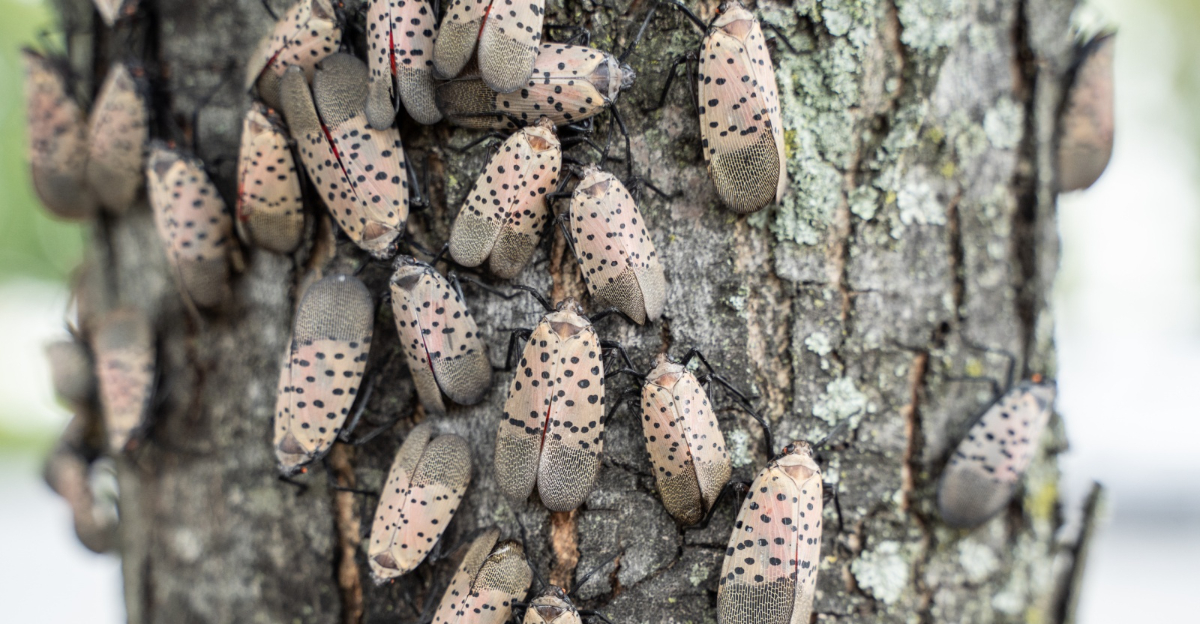
You reach for the patio chair and it moves. Not the chair itself, but the crawling mass of scarlet-winged insects blanketing it.
You step back and they do not even flinch. Welcome to Connecticut this summer, where these invaders have taken over in a way that feels almost personal.
Your trees are weakened and your fences are buried under bodies. Your garden carries that thick, sour smell of something gone wrong beneath the surface.
The answer runs through invasive biology, a familiar backyard tree, and years of silent, creeping expansion across Connecticut. Stick around.
Once you understand what is quietly unfolding out there, you will never walk past your garden the same way again. So what exactly turned your yard into the epicenter of this infestation?
Years Of Unchecked Establishment
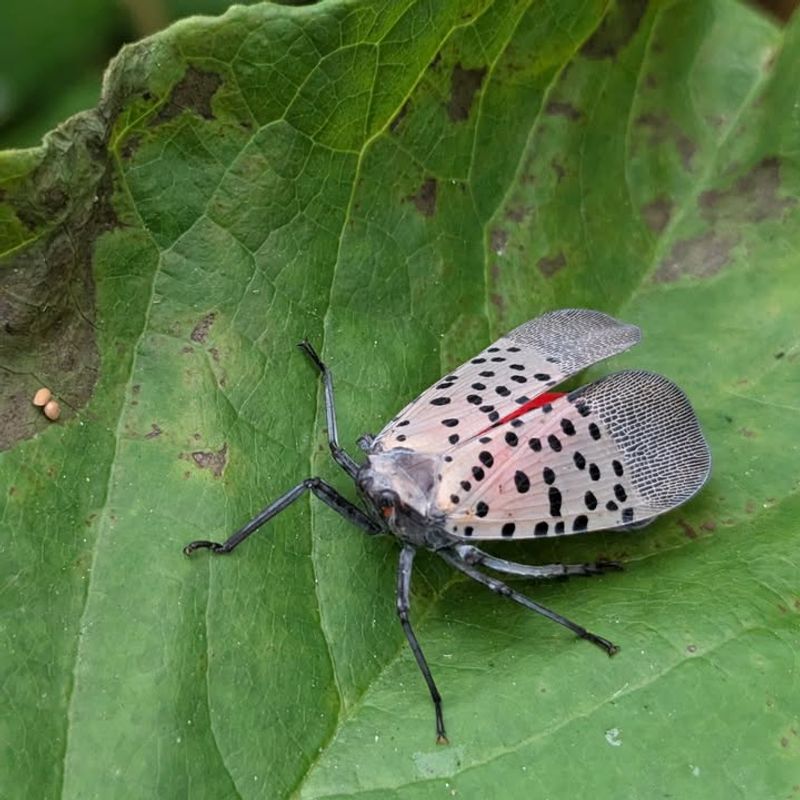
Spotted lanternflies did not show up overnight. They have been quietly spreading across the Northeast for years, and Connecticut has been building toward this breaking point for a while.
First detected in Pennsylvania back in 2014, the pest has marched steadily eastward. Each passing season gave populations more time to root in and expand.
By the time most homeowners noticed a few insects, thousands more were already hiding nearby.
Single adults were first detected in Connecticut as early as 2019, but the first established populations were confirmed in Fairfield County in 2020.
Without aggressive early intervention, populations compound fast. One female can lay 30 to 50 eggs in a single mass, and those eggs survive winter easily.
Multiply that across several generations and several years, and the math gets scary quickly. What started as a handful of insects grew into dense, widespread populations with barely any resistance.
Neighbors who did not know to report sightings accidentally gave the pest a head start. Public awareness campaigns came too late for many neighborhoods.
The insect is also remarkably resilient and adaptable. It thrives in both rural woodlands and dense suburban landscapes without missing a beat.
Connecticut yards are overrun with spotted lanternflies this summer partly because the window for easy control has already closed. The fight now is about managing what is already here.
Record-High Nymph Populations This Season
Spring 2024 brought something alarming to Connecticut backyards. Nymph populations jumped to levels that pest managers had not seen in previous seasons.
Nymphs are the juvenile form of the spotted lanternfly. They hatch in spring and spend months feeding aggressively before reaching adulthood.
Warmer-than-average winters allowed more egg masses to survive intact. Fewer eggs were lost to cold snaps, meaning more hatched successfully this spring.
Early warm temperatures also triggered faster hatching windows. That gave nymphs a longer feeding season before natural die-offs could slow them down.
In past years, cold spring nights helped suppress early populations. This year, those temperature checks barely showed up on the calendar.
Residents across Fairfield, New Haven, and Hartford counties reported seeing nymphs weeks earlier than expected. Backyards that were manageable last year suddenly felt overwhelmed.
Young nymphs are small and black with white spots, making them easy to miss at first. By the time they turn red and grow larger, the population has already surged.
Your Connecticut Garden Changes Every Week. Your Plan Should Too.
Gardening in Connecticut changes quickly throughout the season. Every Friday you’ll receive a simple weekly plan showing exactly what to plant, prune, fertilize, harvest, and protect so you never miss the right timing.
Pest experts warn that high nymph counts in spring almost always predict a brutal adult season by late summer. This year followed that pattern exactly.
Catching nymphs early is the most effective control strategy available to homeowners. If you missed the window this year, mark your calendar now for next April.
They Feed On Over 100 Plant Types
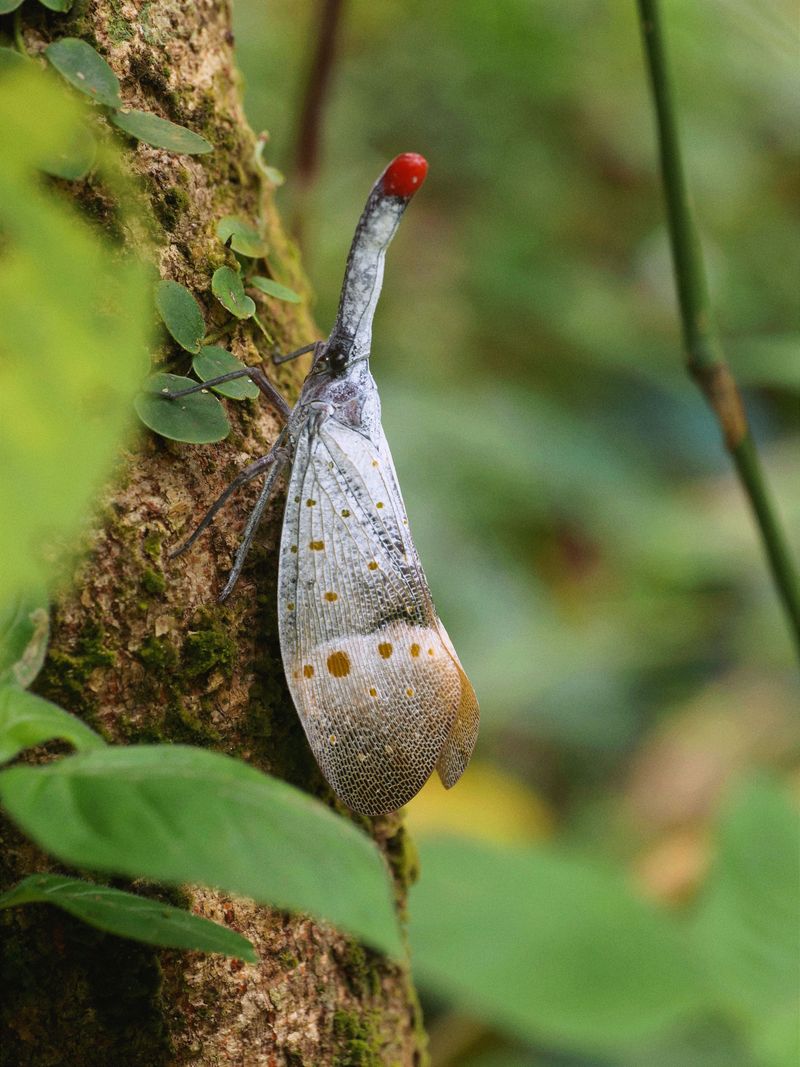
Most invasive pests have a limited menu. Spotted lanternflies eat like they have never heard the word “picky.”
Researchers have documented the insect feeding on more than 103 host plant species. That list includes grapes, apples, hops, peaches, plums, oaks, maples, and walnuts.
For Connecticut homeowners, that means almost nothing in the yard is off-limits. Rose bushes, vegetable gardens, and ornamental trees are all fair game.
The insect feeds by piercing plant stems and sucking out sap. That process weakens plants over time and makes them vulnerable to disease and mold.
As they feed, spotted lanternflies excrete a sticky substance called honeydew. That residue coats leaves and surfaces, then grows a black sooty mold that smothers plants.
The mold does not just look bad. It blocks sunlight from reaching leaves, photosynthesis slows, and the plant begins to struggle visibly. Fruit trees and grapevines suffer the most dramatic damage.
Connecticut’s small-scale farms and home orchards have reported significant crop losses in recent seasons. Even healthy, established trees can show stress after repeated heavy feeding.
Young trees and shrubs are especially at risk of long-term decline. Because the insect eats so many plant types, there is no single protective measure that covers everything.
Broad feeding habits make this pest one of the hardest to contain in a mixed residential landscape.
Tree Of Heaven Is Everywhere In Connecticut

There is one plant that spotted lanternflies love above all others. Tree of Heaven, known scientifically as Ailanthus altissima, is their absolute favorite host.
Here is the problem: Tree of Heaven grows absolutely everywhere in Connecticut. Roadsides, abandoned lots, fence lines, forest edges. It pops up in nearly every corner of the state.
This fast-growing tree was introduced from China in the 1700s as an ornamental plant. Over the centuries, it escaped cultivation and became one of the most widespread invasive trees in the Northeast.
Spotted lanternflies and Tree of Heaven share a long-established host relationship in their native Asia. When the insects arrived here, they found an endless buffet waiting for them.
The tree spreads aggressively through seeds and root sprouts. Cutting it down without treating the stump often makes the problem worse by triggering dozens of new shoots.
Dense stands of Tree of Heaven act as staging grounds for lanternfly populations. From there, the insects fan out into surrounding yards and gardens.
Homeowners who live near roadsides or forest edges are especially exposed. Those transitional zones often have heavy Tree of Heaven growth and heavy insect pressure.
Removing Tree of Heaven from your property is one of the most effective long-term strategies available. Fewer preferred hosts nearby means fewer insects setting up camp in your yard.
Vulnerable Forests Cover Nearly 60% Of Connecticut
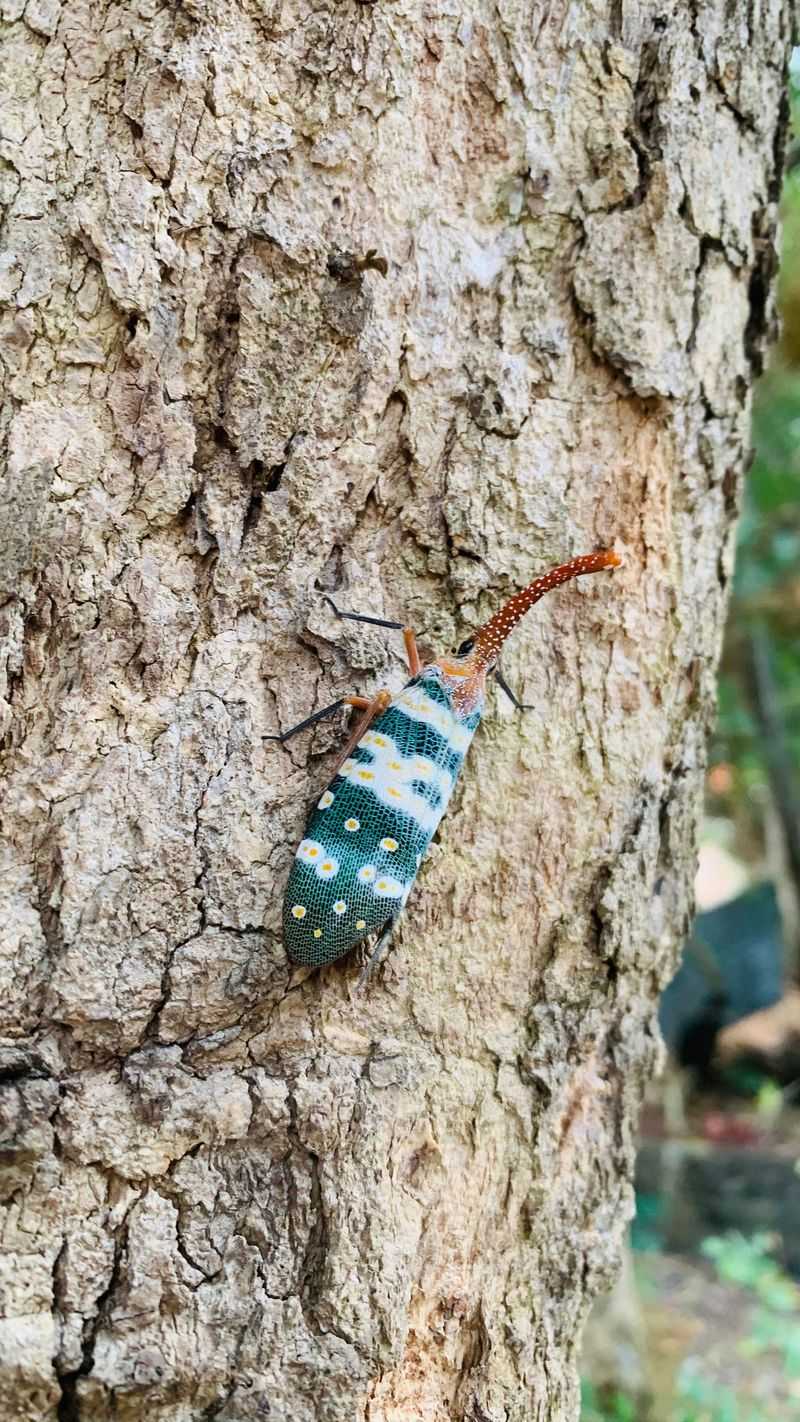
Connecticut is one of the most forested states in the Northeast. That sounds like good news, but for spotted lanternfly pressure, it creates a massive challenge.
Nearly 60% of the state’s land area is covered by forest. That forest is packed with oaks, maples, birches, and other hardwoods that appear on the lanternfly’s preferred feeding list.
Suburban yards in Connecticut are rarely far from a wooded edge. That proximity means insects can move from deep forest into a backyard within a single afternoon.
Forested areas also provide ideal overwintering cover. Egg masses laid on tree bark in October survive the winter and hatch fresh populations each spring.
Unlike open agricultural land, dense forest is nearly impossible to treat comprehensively. Pest managers cannot spray every tree, which lets populations rebuild season after season.
The sheer variety of host trees in Connecticut forests gives the insect a year-round support system. When one tree species is stressed, the insect simply moves to another.
Forest health researchers are watching Connecticut closely. Early data suggests repeated heavy feeding is beginning to affect growth rates in some vulnerable tree species.
Homeowners near wooded areas should treat their property as a buffer zone. Managing the first 50 feet of your yard aggressively can reduce pressure from adjacent forest land significantly.
Egg Masses Hitchhike On Vehicles And Objects
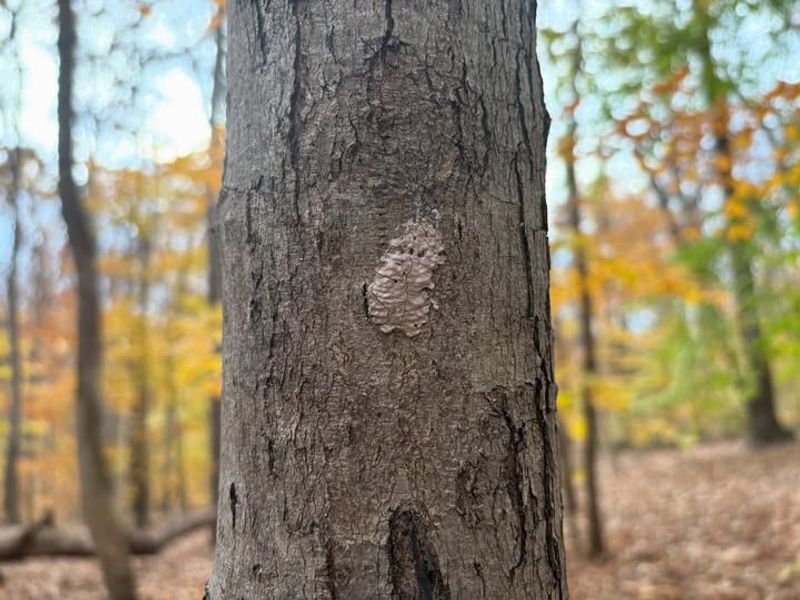
Spotted lanternflies are excellent travelers, and they do not even need wings to cross state lines. Egg masses are the real secret to how fast this pest spreads.
Females lay eggs on almost any flat, smooth surface. Car bumpers, trailers, outdoor furniture, firewood, landscaping stones: nothing is too unusual.
The egg masses look deceptively boring. They resemble a smear of dried mud or cracked putty, making them incredibly easy to overlook during a casual inspection.
A single car parked near an infested tree can carry dozens of egg masses without the driver ever knowing. Road trips, camping gear, and moving trucks all become unintentional transport vehicles.
Connecticut sits along major interstate corridors connecting New York and New England. That traffic flow has almost certainly accelerated the spread of new infestations into previously clean areas.
State officials have issued quarantine regulations requiring vehicles and goods to be inspected before leaving high-infestation zones. Compliance, however, remains inconsistent across the board.
Checking your car before a trip takes about two minutes. Look under bumpers, inside wheel wells, and along any flat exterior surfaces before pulling out of the driveway.
Scraping egg masses and sealing them in a plastic bag before disposal is the recommended removal method.
Scrape them into a sealed bag or container of hand sanitizer before disposal for the most reliable result.
No Natural Predators Have Emerged Yet

Back in Asia, spotted lanternflies have natural enemies that keep their populations in check. Parasitic wasps, predatory insects, and certain fungi all play a role in controlling numbers there.
In Connecticut, and across North America, almost none of those natural checks exist yet. The insect arrived without its predators, giving it a massive survival advantage.
Local birds have been observed pecking at spotted lanternflies occasionally. However, most native species seem to find them unpalatable, likely due to bitter compounds absorbed from host plants.
Chickens are one of the few animals that eat them willingly and enthusiastically. Backyard chicken keepers in Connecticut have reported their flocks going after the insects with real gusto.
Scientists are currently studying two species of parasitic wasps from Asia as potential biocontrol agents. Research is still in early stages, and no releases have been approved for wide use yet.
Without biological controls, chemical and mechanical management carry the full burden. That puts enormous pressure on homeowners, farmers, and state agencies to act consistently every season.
Biocontrol programs take years of safety testing before approval. Introducing the wrong species can create new ecological problems, so researchers move carefully and deliberately.
The absence of natural population control is a key reason why Connecticut yards are overrun with spotted lanternflies this summer. Until nature catches up, human intervention remains the only line of defense.
Northward Expansion Into New Connecticut Counties
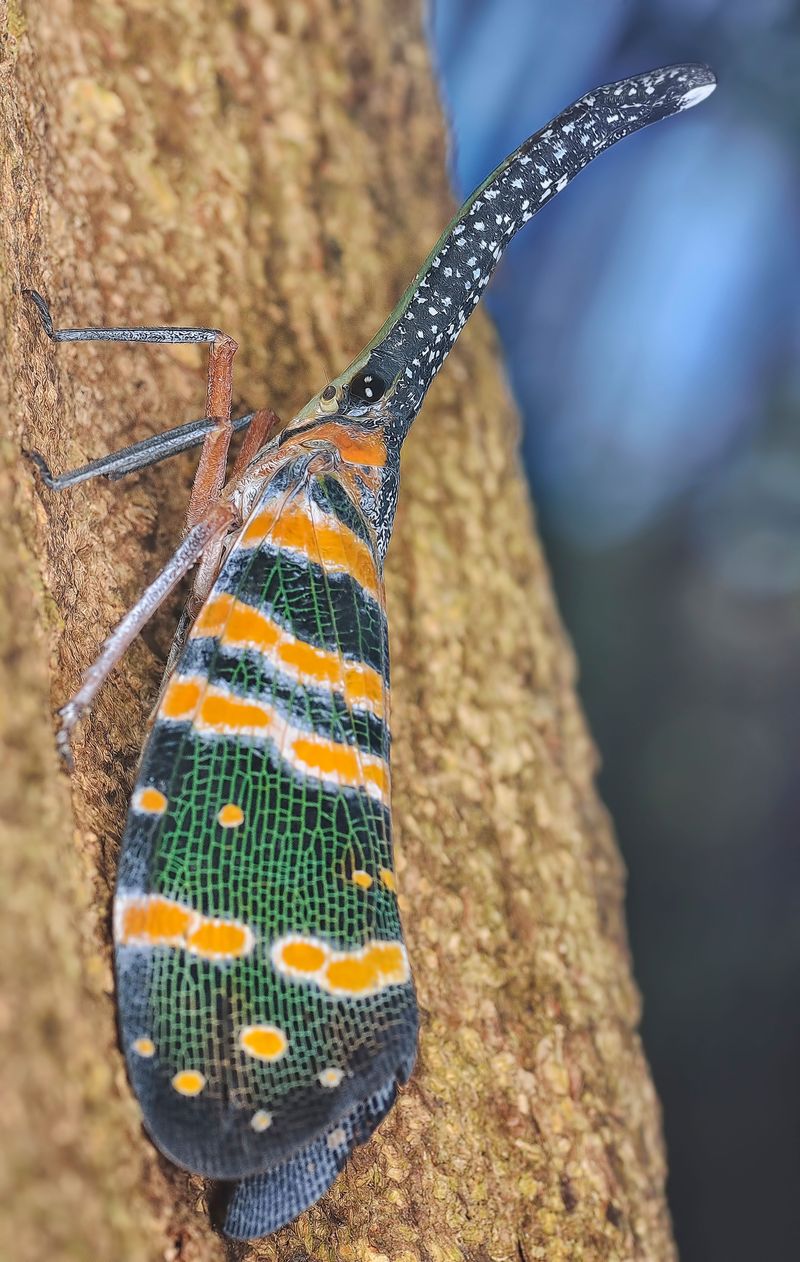
The southwest corner got hit first. New York was the open door. It made sense given how heavily infested New York and New Jersey already were at the time.
Over the past three seasons, confirmed populations have pushed steadily northward. Counties that reported only scattered sightings two years ago are now dealing with full-blown infestations.
Tolland and Windham counties in northeastern Connecticut reported sharp increases in 2024 reports. Areas that felt safely distant from the problem are now squarely in the middle of it.
The expansion follows predictable patterns tied to transportation corridors and host plant availability. Wherever highways run and Tree of Heaven grows, the insect tends to follow.
State agricultural officials have been updating quarantine zone maps regularly. If your county recently moved onto that list, the change reflects real population growth, not just better reporting.
New infestations in northern counties mean fewer homeowners there have experience managing the pest.
That knowledge gap gives populations a chance to establish before residents know what to look for.
Extension services and local garden centers have ramped up educational outreach across newly affected areas.
Free identification guides and reporting tools are available through the Connecticut Agricultural Experiment Station.
Staying ahead of the spread requires community-wide awareness, not just individual action.
Every yard where spotted lanternflies go unmanaged becomes a launch point for the next neighborhood.
What You Can Actually Do Right Now
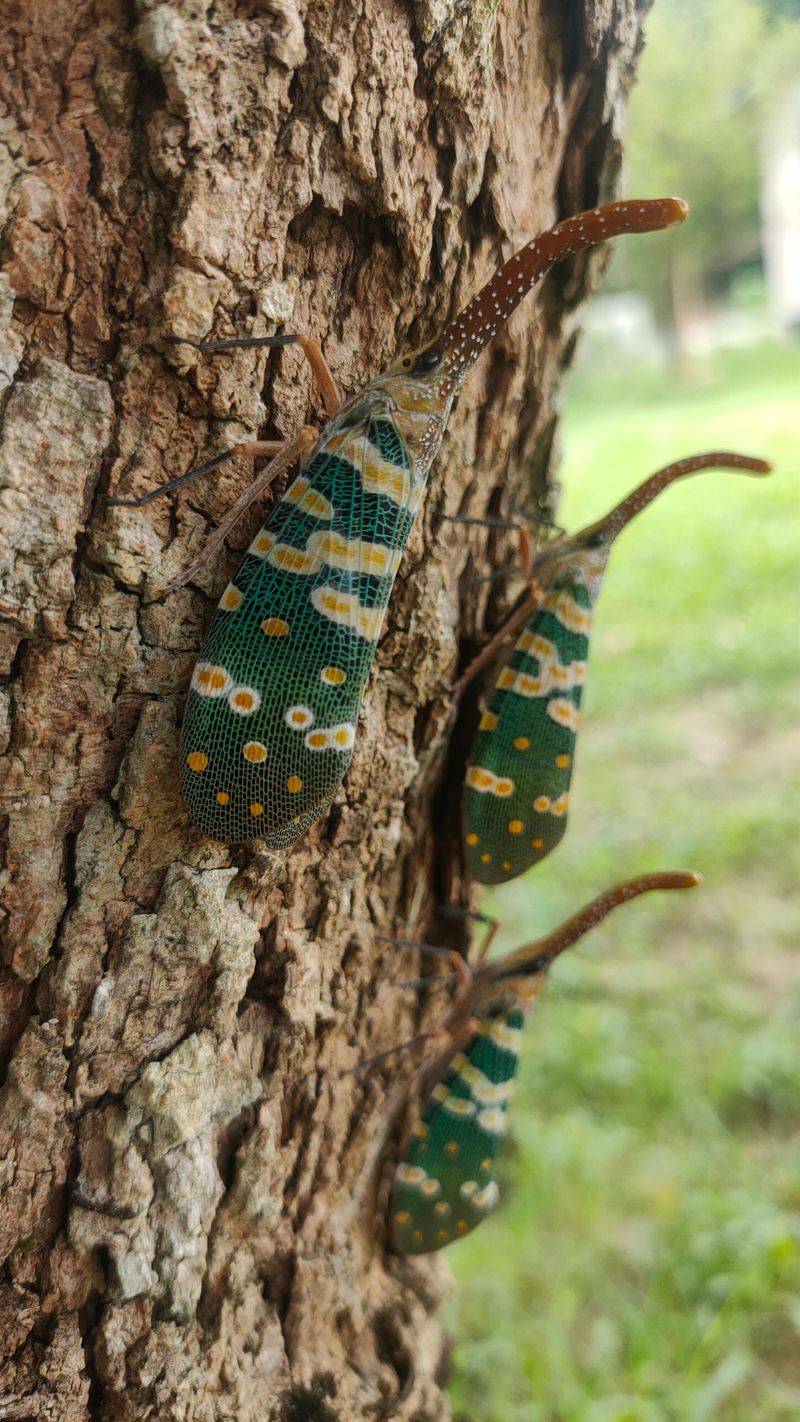
Feeling overwhelmed is understandable, but helpless is not the right word. There are real, practical steps every Connecticut homeowner can take to push back against spotted lanternflies this summer.
Start by walking your property and checking every tree trunk from the base up to about four feet. Look for egg masses, nymphs, or clusters of adults feeding on bark and stems.
Sticky bands wrapped around tree trunks trap nymphs as they climb. Use them carefully and check them often, since trapped birds or beneficial insects need to be released promptly.
Remove any Tree of Heaven on your property if you can do so safely. Cutting and treating stumps with herbicide prevents regrowth and removes a major attractant from your yard.
Report every confirmed sighting to the Connecticut Agricultural Experiment Station. Your data helps officials track the spread and target resources where they are needed most.
Insecticides labeled for spotted lanternfly use are available at most garden centers. Systemic treatments applied to tree bark can be effective but should be used thoughtfully near pollinators.
Circle-trap designs that funnel insects into collection bags offer a chemical-free option. Many homeowners find them satisfying to use and surprisingly effective over a full season.
Sharing what you know with neighbors multiplies your impact significantly. Connecticut yards are overrun with spotted lanternflies this summer, but informed communities respond faster and smarter than isolated households ever could.