The Common Mistakes That Let White Powder Take Over Your Indiana Roses
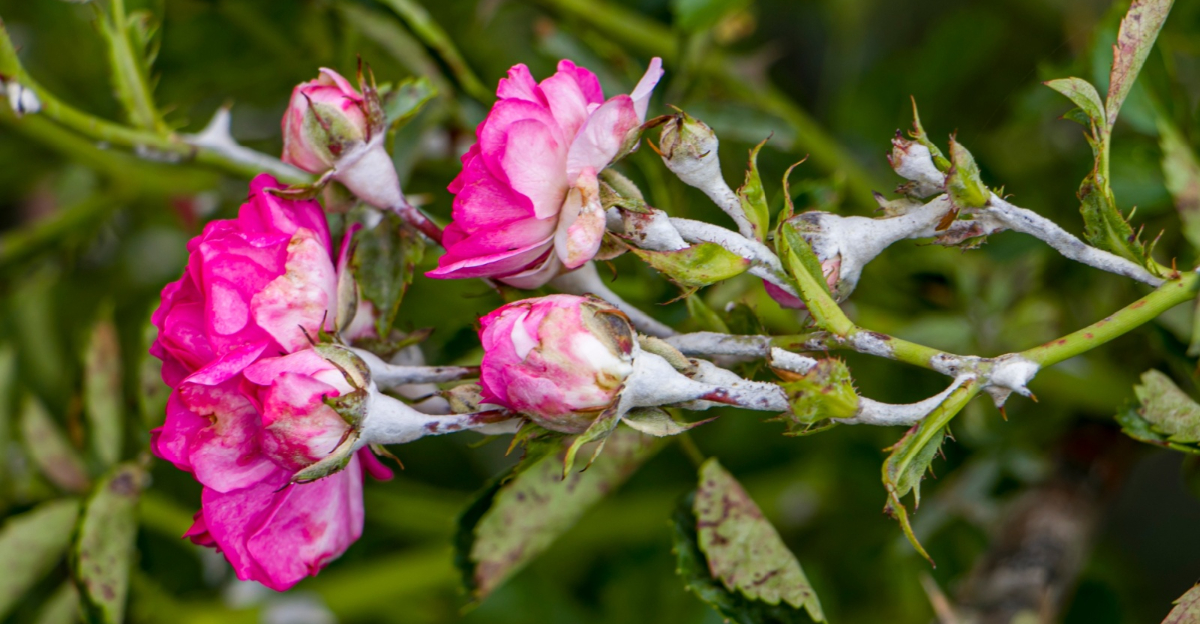
The roses were perfect. Full blooms, deep color, leaves so glossy they looked polished. Then something shifted. A faint dusty haze on one leaf.
Two leaves. Suddenly the whole shrub dusted in chalky white, like someone spilled a bag of flour and just walked away.
Powdery mildew doesn’t announce itself. It sneaks. And once it starts, it moves fast. Indiana’s summers are a playground for this fungus.
Warm days, cool nights, and dry heat are what it actually thrives in. Unlike most fungi, it doesn’t need rain or wet leaves.
It travels freely on dry air. But here’s what surprises most gardeners: the weather isn’t the main culprit.
Overwatering at the wrong time. Pruning with dirty shears. Planting too close together. These well-meaning habits quietly roll out the welcome mat.
The good news? Every mistake is fixable, and most corrections take less effort than the mildew took to spread.
1. Composting Infected Leaves And Prunings

Tossing your mildew-covered clippings into the compost bin feels responsible. It is actually one of the fastest ways to spread the problem.
Powdery mildew spores are tough little survivors. They don’t break down in a standard backyard compost pile the way food scraps do.
Most home compost piles never reach the sustained high temperatures needed to destroy fungal spores. That only happens with active hot composting.
You would need to turn the pile regularly and maintain temperatures above 140°F for at least ten days.
For the average backyard pile, those spores can sit there, waiting for the next time you spread compost around your garden beds.
When spring arrives and you top-dress your roses with that infected compost, you’re essentially handing the fungus a free ride back to your plants. The cycle restarts before your roses even bloom.
Bag the infected material instead and toss it in the trash. This one swap can seriously reduce how much mildew shows up the following season.
Some gardeners burn infected prunings if local regulations allow it. That’s actually the most thorough option for destroying spores completely.
If burning isn’t an option, double-bag the clippings in plastic before disposal. Keeping those spores sealed and away from your soil matters more than you might expect.
Healthy prunings from non-infected canes are still fine for composting. Just be selective and never assume all your clippings are clean during a mildew outbreak.
Separating infected material from healthy waste takes about thirty extra seconds. That small habit protects every rose you own from a repeat performance next year.
2. Ignoring Fallen Leaves On The Ground
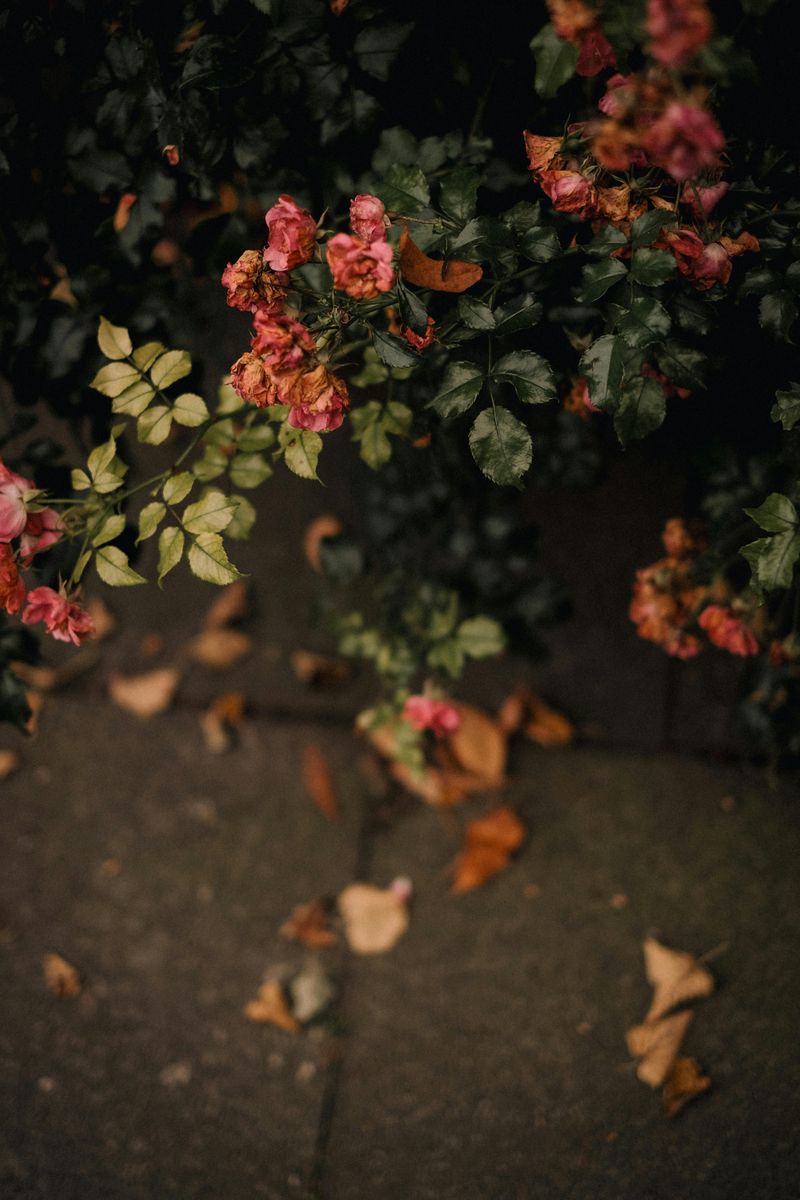
Walk past your rose bed and glance down. If you see a carpet of pale, spotted leaves, the problem is already ahead of you.
Fallen leaves are not just garden clutter. Each one is a spore factory sitting right at the base of your plant.
Wind carries those spores upward onto new growth. Wind carries them across the bed to neighboring roses before you even notice the damage starting.
Your Indiana Garden Changes Every Week. Your Plan Should Too.
Gardening in Indiana changes quickly throughout the season. Every Friday you’ll receive a simple weekly plan showing exactly what to plant, prune, fertilize, harvest, and protect so you never miss the right timing.
Indiana’s spring and fall weather creates perfect conditions for this cycle to repeat. Cool nights followed by warm, dry afternoons are basically a welcome mat for powdery mildew.
Raking and removing fallen leaves regularly is one of the simplest protective steps you can take. It costs nothing but a few minutes of your weekend.
Don’t just rake them to the edge of the bed and leave them there. Move them completely away from the root zone to break the reinfection loop.
Mulching over the soil after cleanup adds another layer of protection. A fresh layer of clean mulch creates a physical barrier between soil-level spores and your plants.
Some gardeners skip fall cleanup because the season feels over. The spores don’t follow that logic and will happily overwinter in leaf litter until spring.
Making leaf removal a weekly habit during active growing season changes the entire dynamic. Your roses get a fighting chance when their environment stays clean.
3. Waiting Too Long To Act

Powdery mildew moves fast. What looks like a single white spot on Monday can cover an entire cane by Friday.
Most gardeners notice it and think they’ll deal with it next weekend. That delay is exactly what the fungus is counting on.
Early-stage mildew is far easier to treat than a full-blown outbreak. Catching it when only a few leaves are affected means less product, less effort, and less plant stress.
The white-powder mistakes that quietly take over your Indiana roses almost always include this one. Hesitation turns a manageable situation into a major setback.
Check your roses at least twice a week during warm, humid stretches. Indiana summers create exactly the kind of conditions where mildew can double overnight.
When you spot the first signs, act the same day if possible. Even a quick spray of diluted baking soda solution buys you time while you gather proper supplies.
Waiting also allows the fungus to establish a stronger surface hold across more of the plant. Surface treatments become less effective once mildew gets a solid foothold.
Set a phone reminder if your garden visits are irregular. A two-minute inspection twice a week is genuinely all it takes to catch problems early.
Speed matters more than perfection when it comes to fungal outbreaks. A fast, imperfect response almost always beats a delayed, thorough one when mildew is spreading.
4. Spraying Without First Removing Infected Material
Grabbing the spray bottle and going to town feels like taking action. Skipping the cleanup step first makes that spray far less effective than it should be.
Fungicide treatments work by creating a protective barrier on clean plant surfaces. When you spray over heavily infected leaves, you’re coating the problem, not solving it.
Remove the worst-affected leaves and canes before you ever open a treatment bottle. This step alone dramatically improves how well any product performs.
Think of it like painting over peeling walls without scraping first. The new layer doesn’t stick the way it should, and the damage underneath keeps spreading.
Stripping infected material also reduces the spore load in your immediate garden environment. Fewer spores means less pressure on the plants that still look healthy.
After removing infected growth, bag it immediately and dispose of it away from the garden. Don’t leave it sitting in a pile while you go get your spray.
Once the plant is cleaned up, apply your chosen treatment to all remaining surfaces. Get the undersides of leaves too, since spores hide there just as happily.
Repeat treatments every seven to ten days during active outbreaks. One application rarely eliminates mildew completely, especially in humid Indiana summers.
The prep work isn’t glamorous, but it changes everything about your results. Spraying smart beats spraying hard every single time you face a mildew outbreak.
5. Letting The Soil Dry Out

Dry soil and powdery mildew might seem unrelated, but they are deeply connected. Stressed plants are always more vulnerable to fungal attacks.
When roses don’t get consistent moisture, they put energy into survival mode. Their natural defenses drop, and mildew seizes that opening without hesitation.
Indiana summers can swing between heavy rain and weeks of dry heat. That inconsistency stresses rose roots in ways that show up on the leaves as mildew.
Deep, regular watering keeps roots stable and plants resilient. Shallow, infrequent watering creates exactly the kind of stress that makes mildew worse.
Water at the base of the plant, not overhead. Overhead watering splashes spores from soil level up onto leaves and encourages other fungal diseases to take hold alongside mildew.
Morning watering is ideal because it gives leaves time to dry before evening. Evening watering leaves moisture sitting on foliage all night, which is prime mildew time.
A soaker hose or drip system is worth every penny for rose beds. These tools deliver moisture directly to the root zone without splashing spores onto leaves.
Mulching around the base helps retain soil moisture between watering sessions. Two to three inches of clean mulch makes a measurable difference in how consistently your soil stays hydrated.
Healthy, well-watered roses fight off mildew with their own natural resistance. Give them the water they need, and they’ll do a lot of the work for you.
6. Leaving Infected Prunings On The Ground Nearby
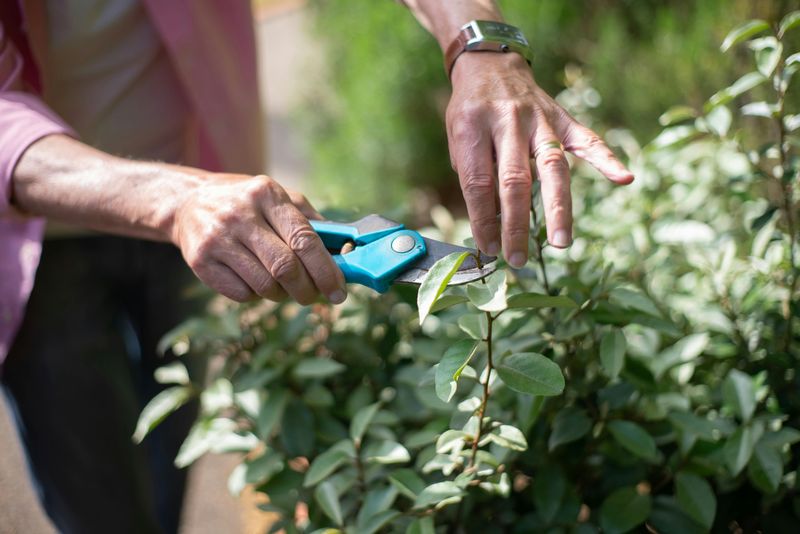
You pruned the infected canes, which was the right move. Then you left them lying two feet away from the plant, which undid most of that good work.
Infected prunings on the ground are still releasing spores. Wind, rain, and foot traffic spread those spores right back onto the plants you just tried to protect.
This mistake is surprisingly common because pruning feels like the task is done. The disposal step is just as important as the cutting itself.
Carry a bag or bucket with you when you prune during a mildew outbreak. Drop each infected cutting directly into the bag before moving to the next one.
Never shake or toss infected canes across the garden bed. That motion dislodges and spreads spores further than you’d expect.
Keep your collection bag close to the ground as you work. Lifting cuttings high in the air before bagging them releases spores into the air around you.
Once your bag is full, seal it and move it away from the garden immediately. Leaving it near the bed for even a few hours is long enough for spores to escape.
Some gardeners find it helpful to prune in still air, early in the morning. Less wind means fewer spores traveling during the cleanup process.
Small habits like these stack up into real protection for your plants. Leaving prunings behind is one white-powder mistake that’s completely avoidable with just a little extra care.
7. Not Disinfecting Pruning Tools Between Plants
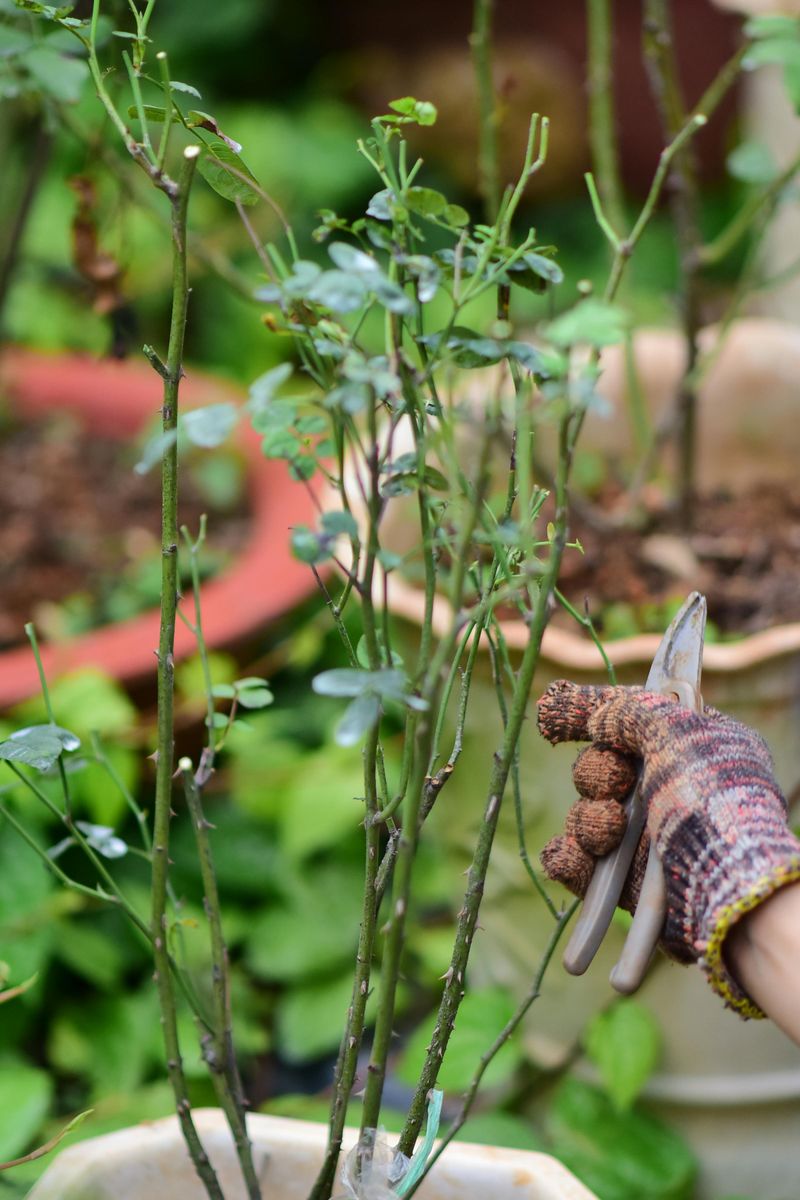
Your pruning shears just touched a mildew-covered cane. Now you’re moving to the next rose without cleaning them. Congratulations, you’re the delivery system.
Fungal spores transfer easily on metal blades, handles, and even gloves. Every cut you make on a healthy plant after touching an infected one is a potential inoculation.
This is one of those white-powder mistakes that spreads the problem faster than the wind does. You can unknowingly infect an entire bed in a single pruning session.
Disinfecting between plants takes about fifteen seconds with isopropyl alcohol. Keep a small spray bottle or a jar of solution right in your garden bag.
Wipe the blades, let them air dry for a moment, and then move to the next plant. That brief pause protects every healthy rose you own.
Some gardeners reach for bleach solution, but repeated use corrodes metal blades over time. Isopropyl alcohol disinfects just as effectively and keeps your tools in far better shape long-term.
Both work well, but alcohol is gentler on your tool blades over repeated use. Don’t forget your gloves.
Mildew spores cling to fabric just as readily as they cling to metal, and your hands touch every part of the plant during pruning.
Switching to nitrile gloves makes cleanup faster and cross-contamination less likely. They’re cheap, disposable, and easy to swap between plants when needed.
Clean tools are a simple, free form of plant protection that most gardeners overlook. Making this one habit automatic will quietly improve your whole garden’s health season after season.
8. Applying Treatments In The Heat Of Midday

The sun is blazing, it’s 91 degrees, and you’re out there spraying your roses. That treatment could cause more harm than good.
Applying fungicides or home remedies during peak heat causes leaf scorch. The liquid heats up fast on the leaf surface and essentially burns the tissue it was meant to protect.
Scorched leaves drop faster than mildewed ones, leaving your plant weaker and more exposed. You end up solving one problem by creating a worse one.
Early morning is the best time to treat roses for powdery mildew. Temperatures are lower, leaves are calm, and the product has time to dry before the heat builds.
Evening is the second-best option, but only if temperatures have dropped significantly. Applying treatments when it’s still warm and humid can encourage the very moisture conditions mildew loves.
Aim for treatment sessions when temps are below 85 degrees Fahrenheit. Most product labels actually recommend this, but few gardeners read that fine print carefully.
Baking soda sprays, neem oil, and sulfur-based fungicides are all heat-sensitive. Each one performs differently at high temperatures, and none of them perform well.
Check the forecast before you treat. Avoid spraying if rain is expected within four hours, or if the day is heading toward extreme heat by mid-morning.
Timing your white-powder mistake corrections is just as important as choosing the right product. Treat smart, treat cool, and your Indiana roses will finally get the relief they deserve.