8 Plants That Love Coffee Grounds And Thrive In Indiana Gardens
That handful of used coffee grounds tossed into a struggling blueberry patch in Bloomington sparked something that redefined an entire backyard garden.
The soil shifted. The plants surged. The connection became impossible to ignore.
Indiana’s variable soil, often neutral to alkaline in clay-heavy gardens, quietly battles acid-loving plants beneath the surface, strangling nutrient uptake before a single leaf ever unfurls.
You watch blooms fade and harvests shrink without ever suspecting what is happening underground.
But what if the answer has been sitting in your kitchen filter every single morning?
Coffee grounds improve soil structure and release nitrogen slowly, giving certain plants the conditions they need to stop merely surviving and start genuinely thriving.
Dump them on the wrong roots and nothing changes. Feed the right plants, and your garden responds in ways that feel almost unreasonable.
You are throwing out powerful, free nutrition with the trash every single day. That stops now.
1. Blueberries

Blueberries and coffee grounds are a natural match. Indiana’s clay-heavy ground works against them from the start, and grounds help push back.
Spent grounds support the soil conditions blueberries need, improving structure, feeding earthworms, and contributing nitrogen over time.
For significant pH correction in Indiana clay, pair grounds with elemental sulfur for the best results. Sprinkle a thin layer around the base of each bush every few weeks during the growing season.
Avoid piling them on too thick, because a dense layer can crust over and block water from reaching the roots.
A quarter-inch layer mixed lightly into the topsoil is enough to keep things moving in the right direction. Blueberries planted in Indiana tend to peak between late June and early August.
Varieties like Bluecrop and Jersey perform well in this region and respond to the improved soil conditions that coffee amendments provide.
You will notice deeper green foliage and more generous fruit clusters when the soil pH stays between 4.5 and 5.5.
Coffee grounds also attract earthworms, which tunnel through the soil and improve drainage naturally. Better drainage means healthier roots, and healthier roots mean more berries come summer.
Pair your grounds routine with a layer of pine needle mulch for an extra pH boost that keeps blueberries productive all season long.
2. Azaleas
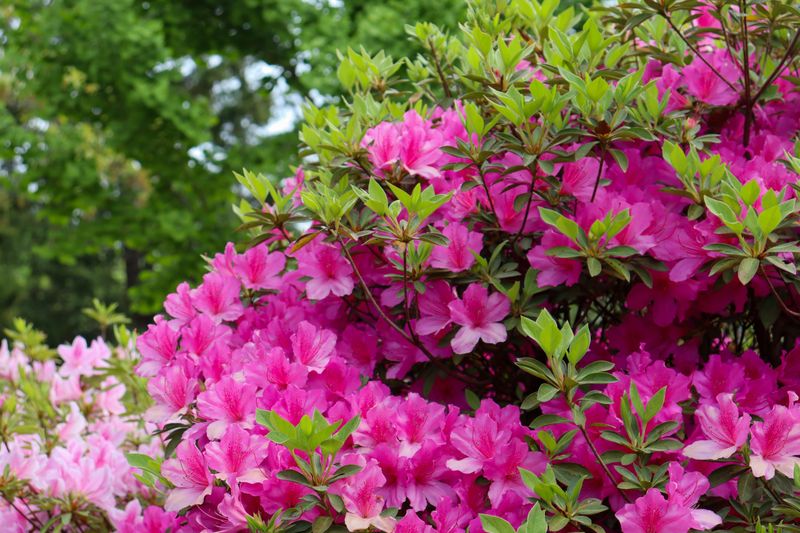
Spring belongs to azaleas, and those clouds of color don’t happen by accident. Coffee grounds play a bigger role than you’d think, especially in Indiana where soil pH varies widely by region.
A regular amendment routine helps support the conditions azaleas need to produce their best blooms, and getting the soil right makes the rest follow naturally.
Azaleas prefer a soil pH between 4.5 and 6.0, and coffee grounds help nudge the numbers in that direction without harsh chemical fertilizers.
Scatter a thin layer around the drip line of each shrub, which is the outer edge of the branches where rain naturally falls.
That placement encourages surface roots to absorb the benefits right where they grow most actively.
Azaleas are sensitive to overfeeding, and that applies to organic sources too, so too much nitrogen pushes the plant into producing more leaves than flowers.
Your Indiana Garden Changes Every Week. Your Plan Should Too.
Gardening in Indiana changes quickly throughout the season. Every Friday you’ll receive a simple weekly plan showing exactly what to plant, prune, fertilize, harvest, and protect so you never miss the right timing.
Apply grounds no more than once a month and always water them in well after application to prevent surface buildup, because less is genuinely more with azaleas.
offee grounds paired with shredded oak leaf mulch is a combination azaleas respond to strongly. The mix feeds the soil slowly, locks in moisture, and keeps weeds out of the root zone.
That combination works quietly in the background while the plant puts everything into bloom production, building toward something worth waiting for.
With the right care, Indiana azaleas can produce blooms so dense the branches nearly disappear beneath them every April and May, the kind of spring display that makes the whole neighborhood stop and look.
3. Strawberries
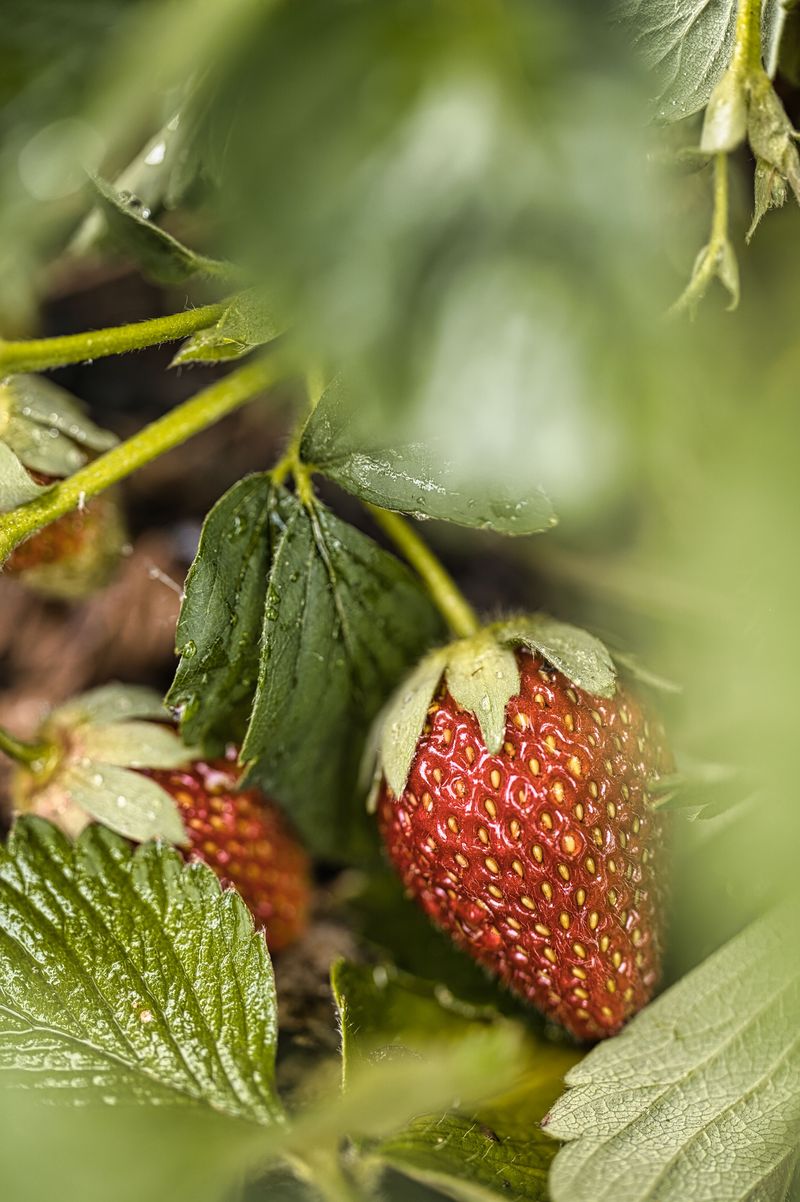
Sun-warmed strawberries just before picking is a smell that stops everything. Slightly acidic soil is what gets you there, and coffee grounds help build it.
Gardeners who add grounds around their strawberry patches often report improvements in soil health that support better fruit development by midsummer.
The results are not instant, but the soil keeps improving with every application. Work the grounds gently into the top inch of soil rather than leaving them in a pile on the surface.
Strawberry roots are shallow and sensitive, so rough handling sets them back fast. A light application every two to three weeks is all these delicate feeders need. Consistency matters more than quantity here.
Avoid applying grounds directly over seeds or seedlings, because residual caffeine can slow germination. Work them into the soil before planting, or apply around established plants only.
That one timing detail saves a lot of frustration at the start of the season. Nitrogen is another reason coffee grounds earn their place in the strawberry patch.
Grounds release it slowly as they break down, feeding plants steadily over time rather than all at once.
That slow-release quality prevents the kind of fast, leafy growth that comes at the expense of fruit production.
Roots stay focused on what actually matters. Strawberries also benefit from the gritty texture of grounds, which helps loosen compacted Indiana clay.
Looser soil lets roots spread wider and pull in more water with every rain. For Indiana beds, Ozark Beauty and Seascape deliver all season long and take well to regular coffee ground amendments.
4. Rhododendrons
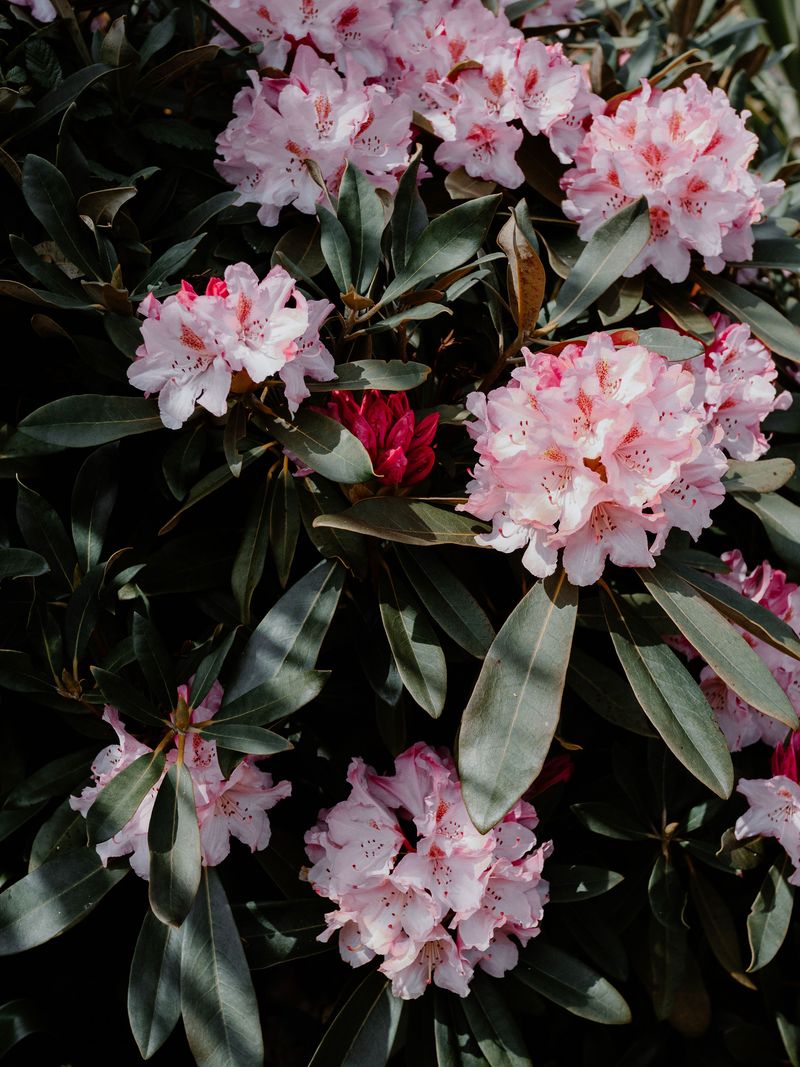
Few shrubs command a shade garden the way rhododendrons do. Coffee grounds help them hold that position all year long.
These shrubs share the same acidic soil preference as azaleas, making them natural candidates for a coffee ground routine in Indiana gardens.
Apply grounds around the base in a ring that extends to the outer reach of the branches. Avoid pressing grounds directly against the woody stems, since moisture trapped there can encourage fungal issues.
A two-inch buffer between the grounds and the main trunk keeps things healthy and gives roots room to breathe. Rhododendrons do best in partial shade with well-draining, organically rich soil.
Coffee grounds contribute to that organic richness as they decompose, feeding beneficial soil microbes that break down nutrients into forms the plant can actually absorb.
Varieties like Roseum Elegans and Nova Zembla are among the more cold-tolerant options for Indiana.
Gardeners in northern zones should site them carefully, as sheltered spots with partial shade give the best results.
One practical note worth remembering: buy rhododendrons from reputable local nurseries.
Imported stock has been linked to Sudden Oak fungal disease in Indiana. Six feet of distance from oaks is a smart precaution.
Give them good soil and a protected spot, and they will deliver a bloom season worth photographing.
5. Hollies

othing beats a holly bush in January. Scarlet berries, evergreen structure, and wildlife value that pays out all season long.
What surprises many is that hollies are also acid-loving plants that respond well to coffee ground amendments.
Soil pH between 5.0 and 6.0 is the sweet zone for most holly varieties, and regular applications of grounds help maintain that range.
Apply in a wide ring around the base each spring and again in early fall to support both the growing season and winter hardiness.
A light raking to incorporate the grounds into the top layer of mulch improves absorption and prevents the grounds from repelling water if they dry out.
Before planting, there is one thing worth knowing: most berry-producing hollies are female and require at least one male plant nearby for pollination.
Plan for roughly one male per five females, because without it you will get the foliage but none of those scarlet berries.
American Holly and Winterberry are two varieties that flourish across Indiana and both benefit from coffee ground treatment.
Winterberry is especially striking in late autumn when its scarlet berries light up the landscape after the leaves have fallen.
Coffee grounds help these plants develop the strong root systems needed to push through Indiana’s cold winters without stress.
6. Roses

Roses have a reputation for being demanding, but the right soil routine changes everything. Coffee grounds quietly maintain the pH sweet spot roses need, no expensive amendments required.
Indiana gardeners who have struggled with pale leaves or sparse blooms often see a real turnaround once they start amending with grounds.
Scratch a thin layer into the soil around each rose bush about once a month during the blooming season.
The nitrogen boost encourages lush, healthy cane growth while the improved soil structure supports strong root development.
Moderation matters here, because too much nitrogen tips roses toward leaves at the expense of flowers.
Some gardeners report fewer slugs around plants treated with grounds, though results vary.
The caffeine content appears to be the active factor rather than texture alone, so do not expect a guaranteed barrier.
Pair grounds with a layer of organic mulch to lock in moisture and keep the root zone cool during Indiana’s humid summer stretches.
Knock Out roses, beloved for their hardiness and repeat blooming, respond especially well to coffee ground amendments throughout the season.
Deep green foliage and rich, saturated bloom colors are reliable signs that the soil is in great shape.
7. Carrots

Everything that matters with carrots happens beneath the soil. Gritty and coarse, spent grounds cut through compacted clay and open the soil up for roots to move freely.
Gardeners who mix grounds into their carrot beds before planting often find that looser, better-aerated soil gives roots more room to develop without obstruction.
Work coffee grounds into the top six to eight inches of soil before sowing seeds each spring. Work them in a few weeks before sowing rather than at the moment of seeding.
Residual caffeine in freshly applied grounds can inhibit germination, so giving them time to break down first reduces that risk considerably.
Blending grounds with compost creates an even better growing medium, combining soil structure improvement with the nutrient density of decomposed organic matter.
This combination also improves moisture retention, keeping the soil evenly damp during the critical germination period.
Carrots prefer a slightly acidic to neutral soil pH between 6.0 and 6.8, and grounds help maintain that balance in alkaline Indiana soils.
The slow nitrogen release from decomposing grounds feeds plants steadily without promoting the excessive top growth that can come from synthetic fertilizers.
Danvers and Nantes varieties are popular Indiana choices and both adapt well to amended soil.
8. Tomatoes

Tomatoes are the crown jewel of the Indiana vegetable garden, and the right soil preparation sets everything else in motion.
These heavy feeders thrive on the slow nitrogen release grounds provide, turning steady soil nutrition into abundant fruit.
Mix grounds into the planting hole before setting transplants in the ground each spring. Adding a handful directly to the hole gives roots an early nutrient boost right from the start of the season.
Follow up with a light surface application every three to four weeks throughout summer to keep the feeding cycle going as plants mature.
Use grounds in moderation around tomatoes, because caffeine residue in spent grounds can restrict growth when applied too heavily or too close to the root zone.
A light application every few weeks is enough. Tomatoes prefer a soil pH between 6.0 and 6.8, and grounds help prevent the soil from drifting too alkaline during dry summer spells.
For blossom end rot prevention specifically, consistent watering and calcium-rich amendments like crushed eggshells are more directly effective than grounds alone.
Coffee grounds support overall soil health, feeding the microbial activity that makes nutrients more accessible throughout the growing season.
Beefsteak and Celebrity varieties are Indiana staples that respond well to this kind of soil enrichment. Get the soil right, and your tomato plants will do the rest.