How Wisconsin Gardeners Get Fuller Coneflower Blooms Every Year Without Dividing
You lost your first coneflower patch by being too helpful. You watered it constantly.Fussed over it. Moved it when it looked unhappy.
By late summer, you had struggling stems and not a single bloom. Turns out, coneflowers don’t want your attention.
They want your strategy. Here’s what nobody tells you: you are probably one or two small habits away from a patch that bursts with color. Not just getting by. Thriving.
Ever wondered why some coneflower clumps get bigger and bolder every year while others slowly disappear? It’s not luck, and it’s not better soil.
It’s a handful of repeatable tricks that build on each other like compound interest. Your Wisconsin summers are too short to waste on methods that don’t work.
No digging, no dividing, no expensive products. Just a patch that turns heads every single time.
1. Remove Spent Flowers Regularly
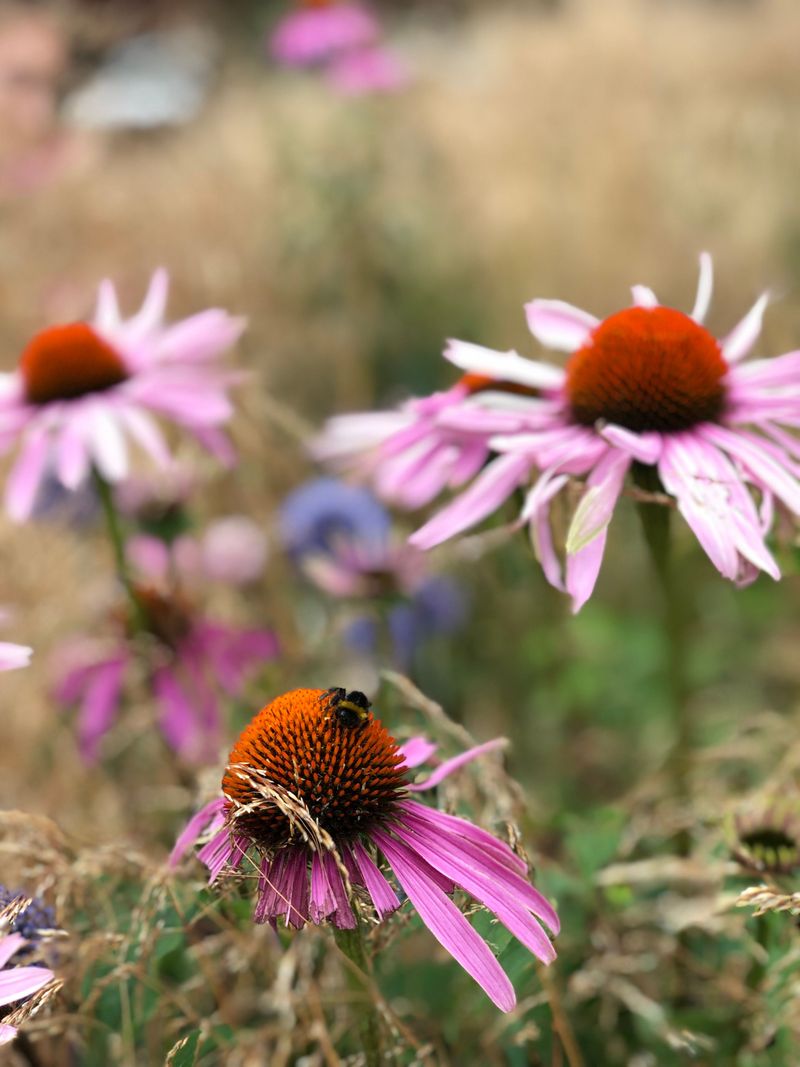
Your coneflowers are talking to you, and spent blooms are their way of saying they are done making flowers. Snip them off before they set seed, and the plant puts that energy right back into making new buds.
Removing is one of the easiest tricks in the garden playbook. All you need is a pair of clean scissors or hand pruners and about ten minutes every week.
Cut the faded flower head off just above the next bud or leaf node on the stem. That small cut encourages the plant to redirect energy into extending its first flush of blooms rather than setting seed.
With consistent, weekly attention throughout peak season, this can meaningfully stretch the flowering window.
Without removing, coneflowers shift into seed production mode fast. Once that happens, blooming slows down dramatically and the show is basically over for the season.
Some gardeners worry about missing a few spent heads here and there. Do not stress over perfection, just be consistent and your plants will reward you.
One helpful habit is to carry your pruners every time you walk through the garden. Make it a casual stroll with a purpose, not a big project.
By late summer, you can leave a few heads on the plant intentionally. Birds love the seeds, and it sets you up beautifully for natural self-seeding next spring.
2. Stagger Your Cuts For Extended Bloom Times
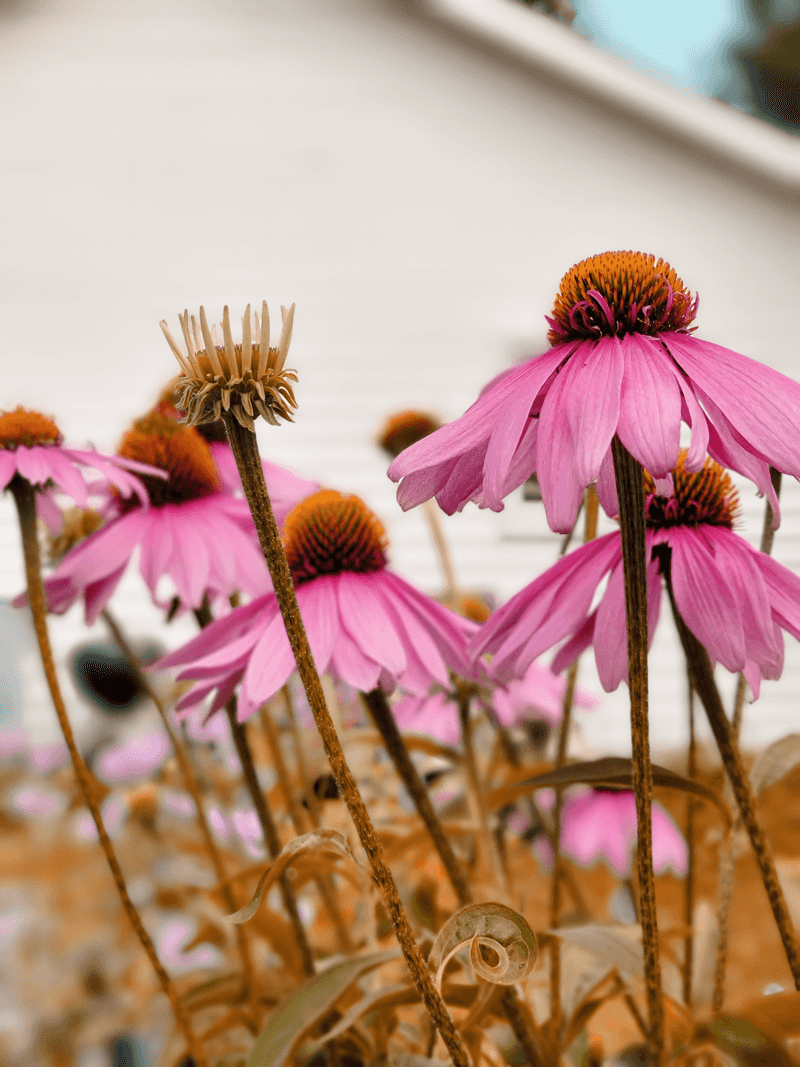
Imagine having fresh coneflower blooms rolling in waves from early summer well into late season without planting a single extra plant. Staggered cutting makes that happen, and it is surprisingly simple.
In late spring, cut about one-third of your coneflower stems back by one third. This delays those stems by one to two weeks compared to the ones you leave alone.
The untouched stems bloom on their normal schedule while the cut ones catch up later. You end up with a rolling wave of color instead of one big burst.
This technique is sometimes called the Chelsea Chop, named after a famous garden show in England.
Gardeners there have used it for decades to keep perennials looking fresh all season, and Wisconsin gardeners have quietly been doing the same thing with great results.
Your Wisconsin Garden Changes Every Week. Your Plan Should Too.
Gardening in Wisconsin changes quickly throughout the season. Every Friday you’ll receive a simple weekly plan showing exactly what to plant, prune, fertilize, harvest, and protect so you never miss the right timing.
Staggering works especially well in larger clumps where you have plenty of stems to work with. Even in a small patch of five or six plants, the difference is noticeable.
Try cutting the stems along the back of the bed first and leaving the front stems untouched. The visual effect is layered and lush, almost like a professional arrangement.
Timing matters here, and in Wisconsin, late May is the sweet spot to aim for before buds form. Once buds appear, cutting will set the plant back too far and reduce your total bloom count.
With a little planning upfront, staggered cuts stretch a single flush of blooms into a long, rolling display that keeps the Wisconsin garden looking full well into the season. Do not be surprised when people start stopping to look twice at your garden.
3. Leave Stems Standing, Then Cut In Late Winter
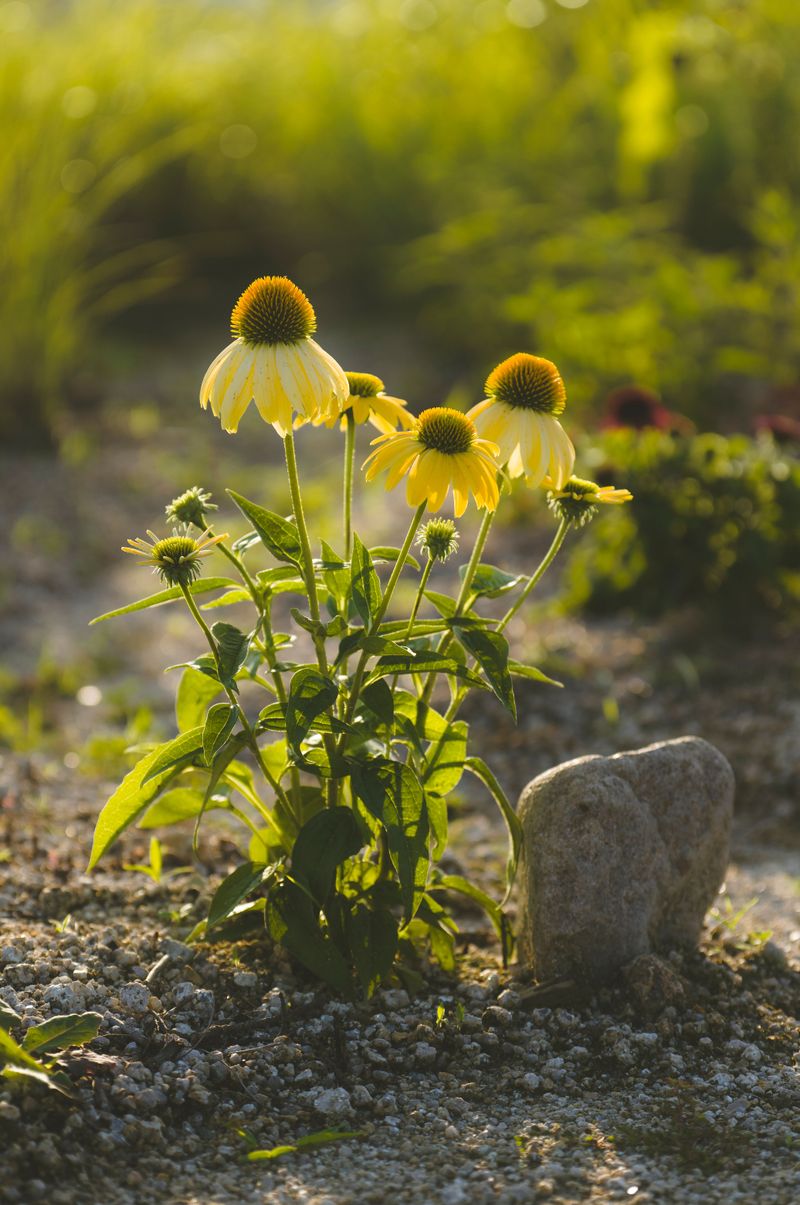
Fall cleanup might feel like a chore, but for purple coneflower it is actually a gift you give the plant for next year.
Leave stems and seed heads standing through winter so birds can feed on them. Cut everything to the ground in late winter or early spring, just before new growth emerges.
That gives wildlife the full benefit and your plants a clean start. In Wisconsin, waiting until after the first hard frost before cutting everything back is especially important.
By then, the plant has pulled most of its energy down into the roots where it belongs.
Use sharp pruners and cut stems as close to the soil as you can manage. Leaving stubs can invite disease and create hiding spots for unwanted insects over winter.
Removing old material also reduces the chance of fungal problems carrying over from one season to the next. A clean cut in late winter means fewer headaches come spring.
After cutting, lightly rake away any fallen leaves or debris around the base of the plant. Good airflow at the soil level keeps crowns healthy through Wisconsin’s cold months.
You can compost all those cut stems and leaves right away. They break down quickly and feed your garden back in a beautiful cycle.
Clean cuts in late winter mean your purple coneflower comes back more vigorous every single year. Think of it as a reset button that only makes things better.
4. Feed Lightly With Compost In Spring
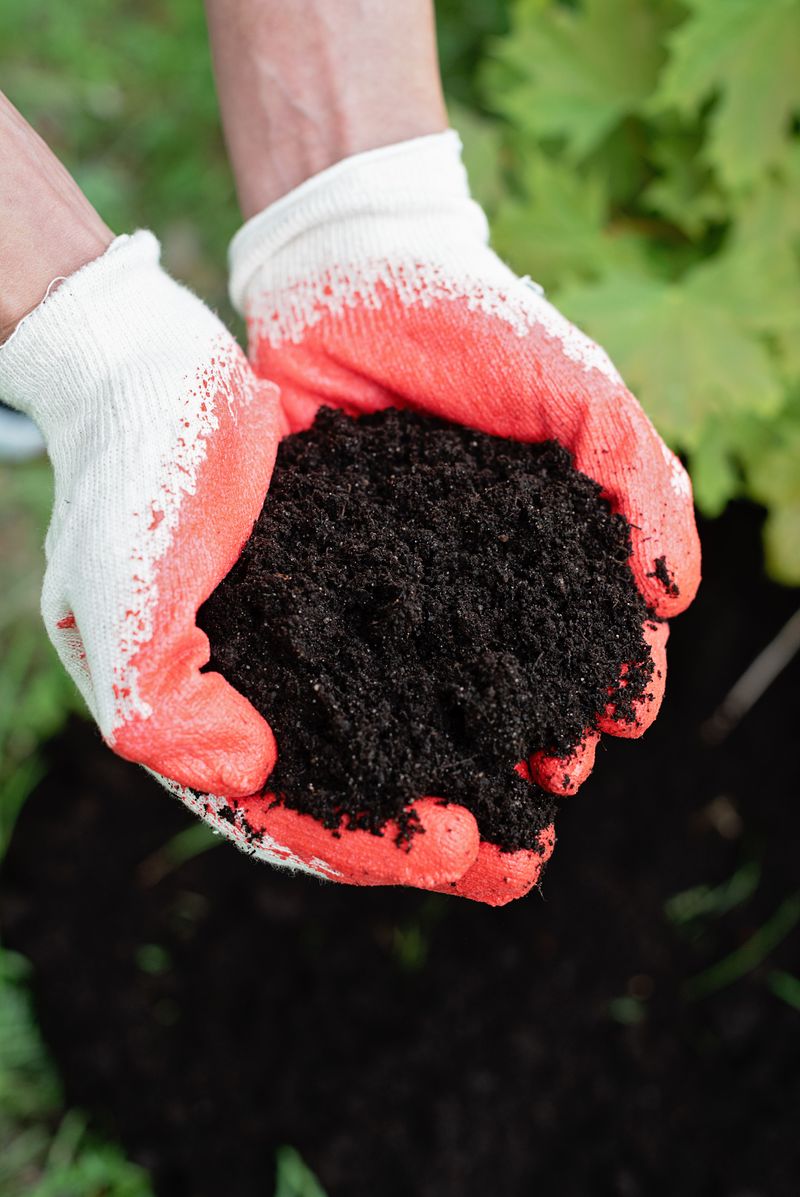
Coneflowers are not big eaters, and that is honestly one of their best qualities. Overfeeding with synthetic fertilizers pushes leafy growth at the expense of flowers, which is the opposite of what you want.
A light top-dressing of compost in early spring is all these plants really need. Spread about one inch of finished compost around each plant as new shoots emerge from the soil.
Compost releases nutrients slowly and gently, which matches perfectly with how coneflowers prefer to grow. It also improves soil structure and helps retain just the right amount of moisture.
Avoid high-nitrogen fertilizers with this plant. Too much nitrogen and you will get tall, floppy stems with very few blooms, a common frustration for new growers.
If your soil is already rich and healthy, you may not need to add anything at all. Coneflowers actually perform best in lean, well-draining soil that does not spoil them.
One sign that your plant is getting too much food is dark green, overly lush foliage with almost no flower buds forming. Scale back the feeding and let the soil settle.
Worm castings are another excellent option if you have them available. They provide a gentle nutrient boost without any risk of burning roots or triggering excessive leafy growth.
A light compost feeding in spring keeps your purple coneflower focused on what it does best: producing stunning blooms that last well into the season.
5. Plant In Full Sun With Good Drainage
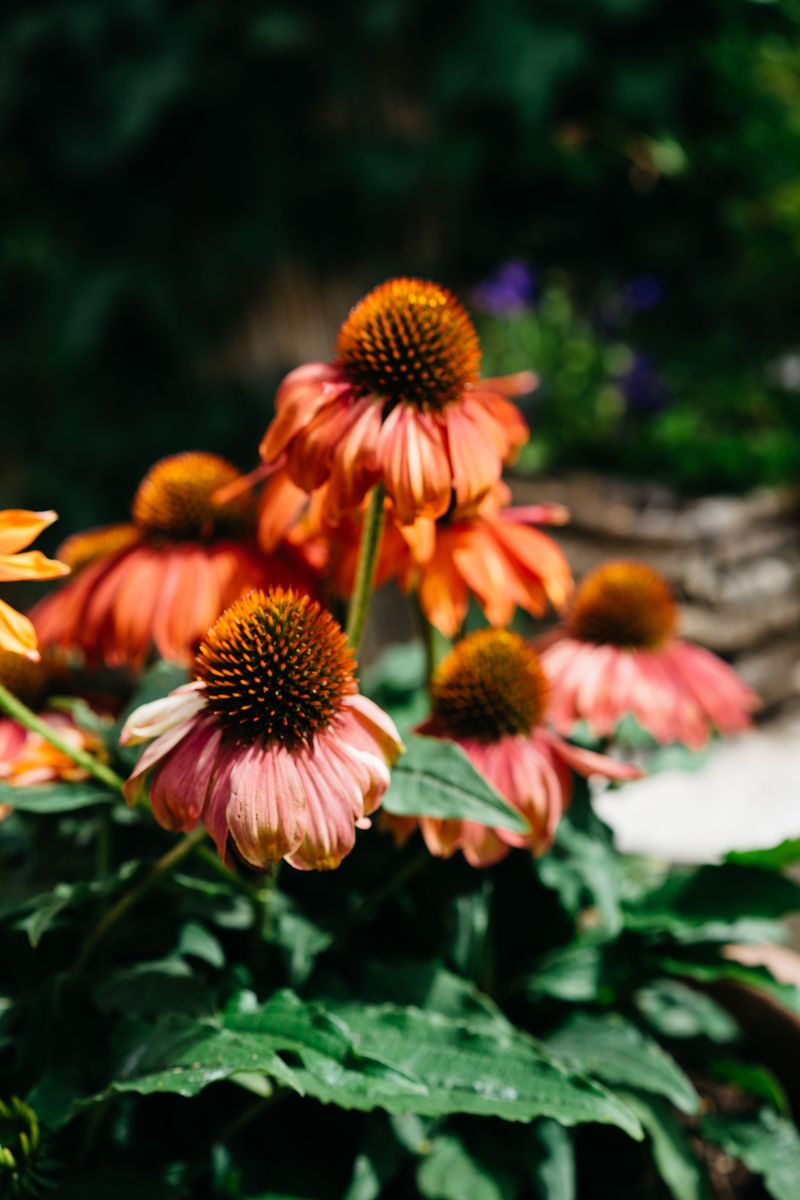
Sun is not optional for purple coneflower, it is a requirement. These plants evolved on open prairies where sunlight was abundant and shade was practically nonexistent.
Aim for at least six hours of direct sun daily, and eight hours is even better. Less than that and your plants will stretch toward the light, bloom weakly, and become prone to disease.
Drainage is equally non-negotiable for healthy coneflowers. Roots sitting in soggy soil for extended periods will rot, and no amount of good care will save a waterlogged plant.
If your yard has heavy clay soil, amend it before planting with coarse sand and compost. Raised beds are also a fantastic solution for problem spots with poor drainage.
Interestingly, coneflowers are more drought-tolerant than they are wet-tolerant. A dry stretch in summer bothers them far less than a week of standing water after heavy rain.
Beds that receive the most direct sunlight throughout the day are your best bet, wherever you garden. These spots catch the most intense light and tend to drain faster after rainfall.
In cooler climates, planting near a south-facing wall can help the soil warm up faster in spring, giving plants a slightly longer growing window.
Get the sun and drainage right from the beginning, and your purple coneflower will reward you with bold, long-lasting color every single season without much fuss at all.
6. Let Them Self-Seed For A Fuller Display
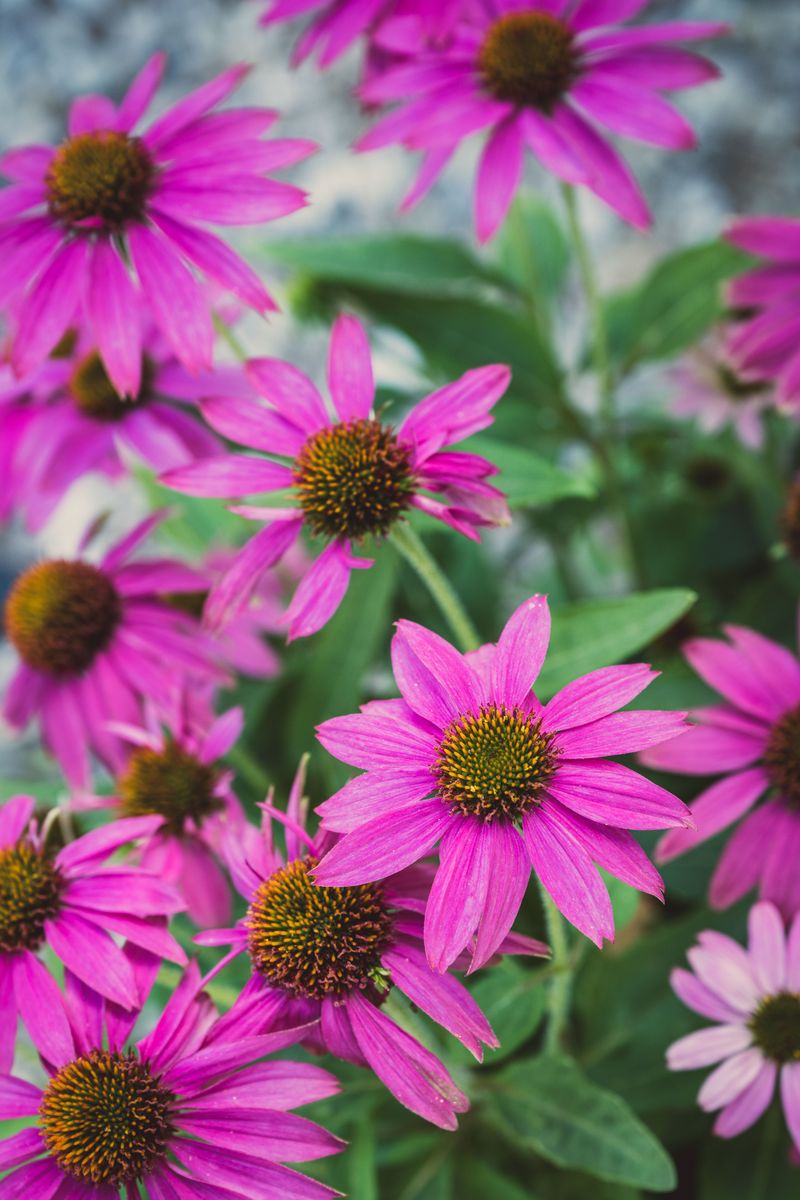
Nature has its own planting crew, and coneflowers are proof of that. When you let a few seed heads mature and drop naturally, the plant essentially replants itself for free.
Self-seeding is one of the most rewarding things about growing purple coneflower in a home garden. Over a few seasons, a single plant becomes a generous, spreading colony of color.
To encourage self-seeding, stop removing a portion of your plants in late August. Let those seed heads ripen fully and drop their seeds right where you want more plants.
Birds help scatter seeds too, which can lead to surprise coneflower sprouts in unexpected corners of your yard. Most gardeners consider these happy accidents rather than problems.
New seedlings will appear the following spring, usually in small clusters near the parent plant. They are easy to identify by their slightly rough, oval-shaped leaves and compact rosette form.
Thin out crowded seedlings early to give the strongest ones room to develop properly. Spacing them eighteen to twenty-four inches apart gives each plant enough airflow and light to thrive.
You can also transplant seedlings to other garden areas while they are still small. A small trowel and a gentle hand are all you need to move them successfully.
Letting coneflowers self-seed year after year builds a richer, denser display without spending anything on new plants. That is gardening working exactly the way it should.
7. Water Regularly But Let Soil Dry Out Between Waterings
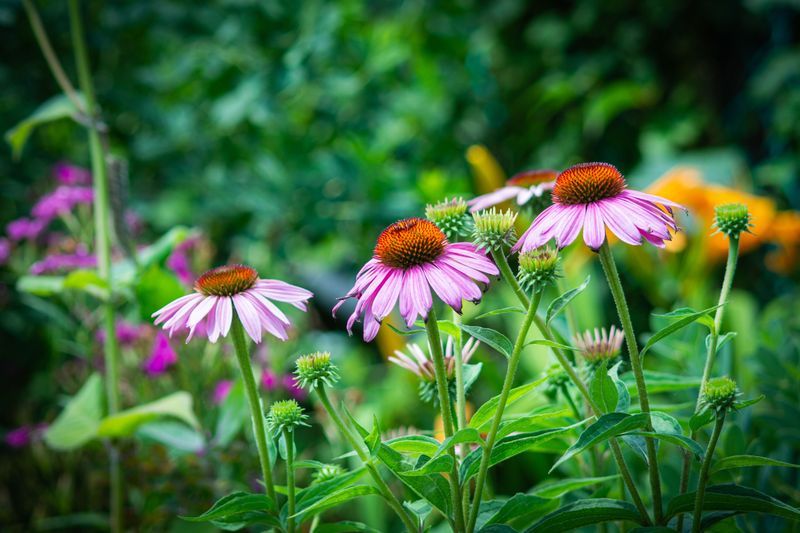
Coneflowers are particular about water. Too much and the roots suffer. Too little during establishment and the plant never quite settles in. Getting this balance figured out is one of the best things you can do for long-term plant health.
During the first growing season, water your coneflowers deeply about twice a week. This encourages roots to grow deep into the soil rather than staying shallow and vulnerable.
Once established, these plants are impressively drought-hardy and need far less attention. Watering once a week during dry spells is usually more than enough to keep them thriving.
The key is to let the top inch or two of soil dry out between sessions. Constantly moist soil encourages root rot and fungal diseases that weaken the plant over time.
A simple finger test works perfectly here. Stick your finger into the soil near the base of the plant, and if it feels damp, wait another day or two before watering again.
Drip irrigation or a soaker hose is ideal for coneflowers because it delivers water directly to the root zone. Overhead watering wets the foliage, which can invite powdery mildew on humid days.
Mulching around your plants helps retain moisture between waterings and keeps the soil temperature more stable during summer heat. Two inches of shredded bark or straw works beautifully here.
Soil that drains well and dries slightly between waterings gives roots exactly the conditions they need to grow deep and strong.
8. Avoid Dividing, It Reduces Blooms
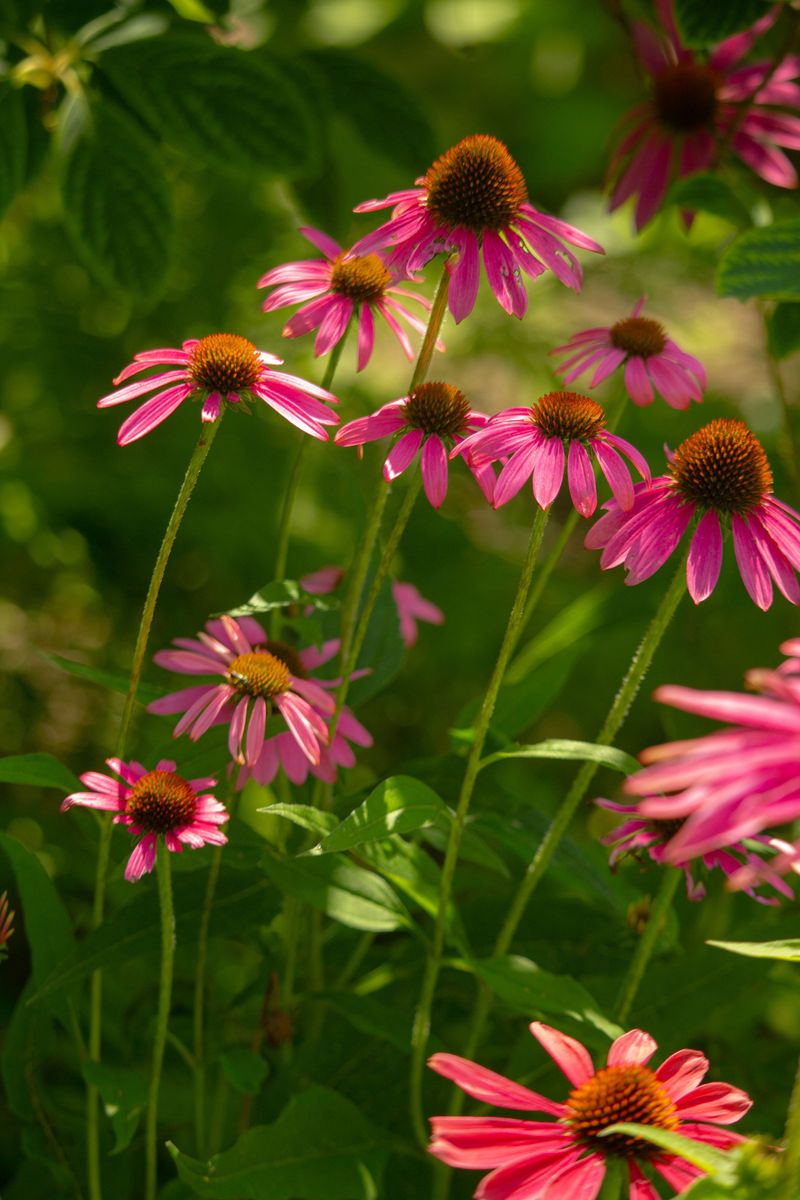
Many gardening guides tell you to divide perennials every few years, but coneflowers are the exception to that rule.
Coneflowers don’t need frequent division the way hostas or ornamental grasses do, and they tend to improve for the first several years when left alone.
That said, after 7 to 10 years, the center of a large clump can become woody and less productive. At that point, division is a helpful option, not a strict requirement.
Each time you dig up and split a coneflower, the plant experiences significant root stress. It spends the next growing season recovering instead of producing the blooms you are hoping for.
Mature, undivided clumps develop deeper, more extensive root systems over time. Those established roots allow the plant to access nutrients and moisture more efficiently than younger divided sections ever could.
Gardeners who leave their coneflowers alone consistently report larger, more vibrant blooms after year three or four. The plant simply gets better with age when left undisturbed.
If you want more plants in other areas, use self-seeding instead of division. This approach gives you new plants without damaging the original clump in any way.
You can also carefully transplant individual seedlings that sprout around the base of the mother plant. This gives you expansion without any disruption to the established root system.
Resist the urge to interfere, and your purple coneflower will quietly build into something worth showing off.
9. The Longer You Leave Them Alone, The Better They Bloom
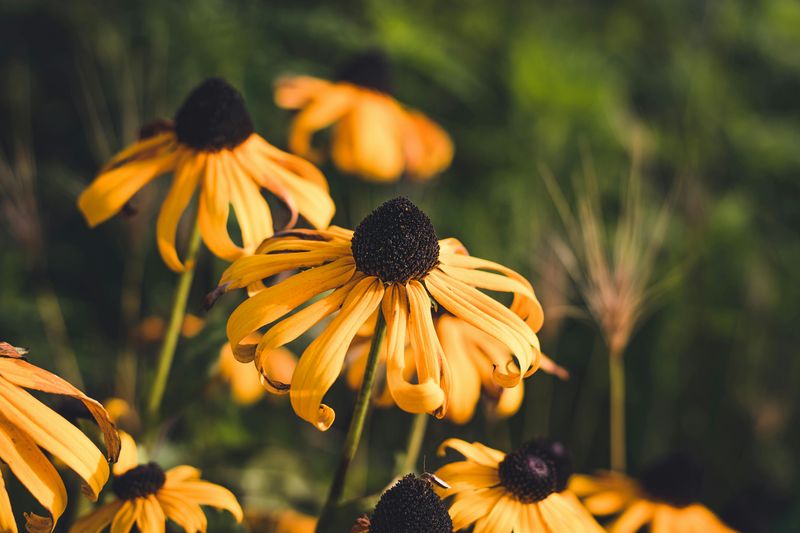
Good things take time, and purple coneflower is living proof of that. The first year it sleeps, the second year it creeps, and by year three it absolutely leaps.
New coneflower plants often look modest in their first season, producing just a handful of blooms. Do not judge the plant by its debut performance, because the best is definitely coming.
By the second year, root systems have expanded enough to support noticeably more stems and flowers. The plant starts to look like what you imagined when you first bought it.
Year three is where most Wisconsin gardeners have their first real wow moment with this plant. Clumps fill out beautifully, stems grow taller and stronger, and bloom counts multiply dramatically.
A well-tended, undivided clump can produce significantly more blooms each year, on stems that grow taller and stronger with every season.
Patience also means resisting the temptation to replace plants that look slow in early spring.
Wisconsin coneflowers are particularly slow to wake up and can lag three to four weeks behind other perennials before showing any sign of life. That is completely normal, and it is not a reason to panic.
Mark your plant locations in fall so you do not accidentally dig them up before they wake in spring. A small stake or garden marker saves a lot of heartbreak once the growing season gets underway.
Your purple coneflower gets showier with every passing year when you follow these habits consistently. Trust the process, stay patient, and the blooms will far exceed your expectations.