What Wisconsin Peonies Need This July If You Want Them To Bloom Again Next Year
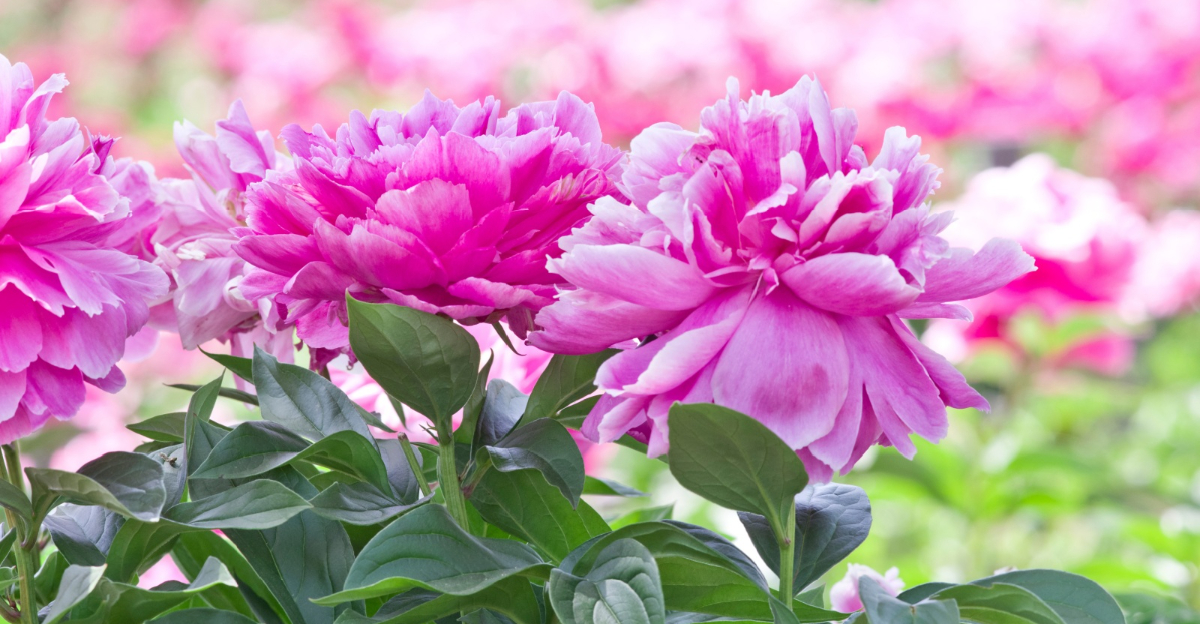
Silence follows the peonies now, though genuine rest is the last thing truly happening. Your garden hides work most people never notice. Roots keep building strength long after the flowers fall.
Wisconsin summers push those roots harder than you expect. Humidity here speeds up disease before you ever see symptoms. Missing this month changes what next spring can offer.
Feeding, cutting, and dividing now decide exactly what next May will look like. Timing matters more than most gardeners ever admit. Every choice you make right now compounds by next year.
Gardeners in Wisconsin who master July outperform everyone else. Nothing about total dormancy means nothing is happening below the surface.
Skipping these weeks limits how impressive next year’s blooms become. Choices made today ripple straight into next spring’s display.
Dividing overcrowded peonies now prevents weak blooms next year. You cannot wait, because this month alone decides next year’s entire spectacular bloom.
1. Cut Spent Blooms To Stop Seed Production
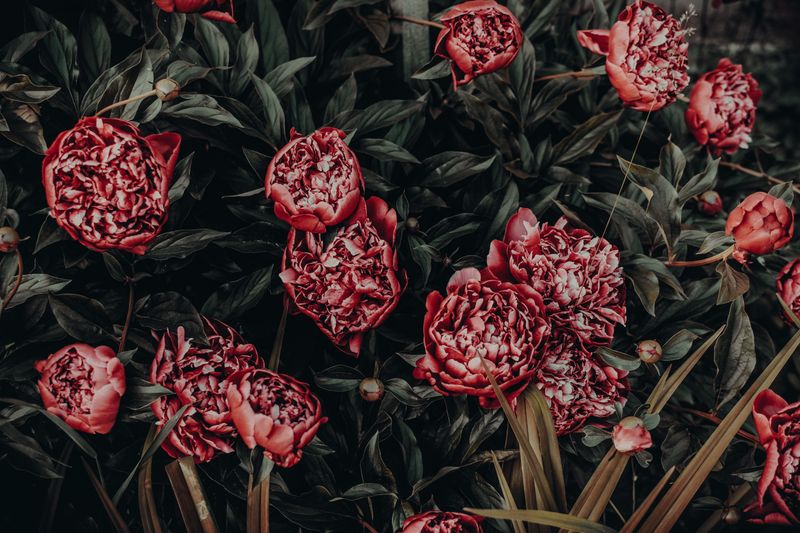
Those drooping, brown-edged blooms hanging on your peony stems are not just ugly. They are quietly draining energy your plant desperately needs for next year.
When a peony flower fades, the plant shifts into seed-making mode. That process pulls resources away from the roots, where all the magic for next spring actually happens.
Removing spent blooms is the fix, and it only takes a few minutes per plant. Grab a clean pair of pruners and snip the spent flower just below its base, removing the swelling seed pod too.
Do not cut back into the healthy stem below the bloom. Leave the leafy stem attached so the plant can keep photosynthesizing through summer.
Wisconsin peonies need every green leaf working right now. Those leaves are solar panels sending food straight down to the roots.
Some gardeners skip this step because the blooms are already fading anyway. But leaving spent flowers on the plant wastes energy the roots could be storing instead.
The plant wastes energy forming seeds nobody asked for. A quick snip redirects that effort toward root development instead.
Check your peonies every few days in early July. Once a bloom goes soft and starts to brown, it is time to cut.
Sharp, clean tools matter here. Dirty blades can spread disease from plant to plant, so wipe them down between cuts.
This one small habit sets the foundation for everything else your Wisconsin peonies need this July to perform beautifully again next year.
2. Leave Healthy Foliage Intact Through Summer Months
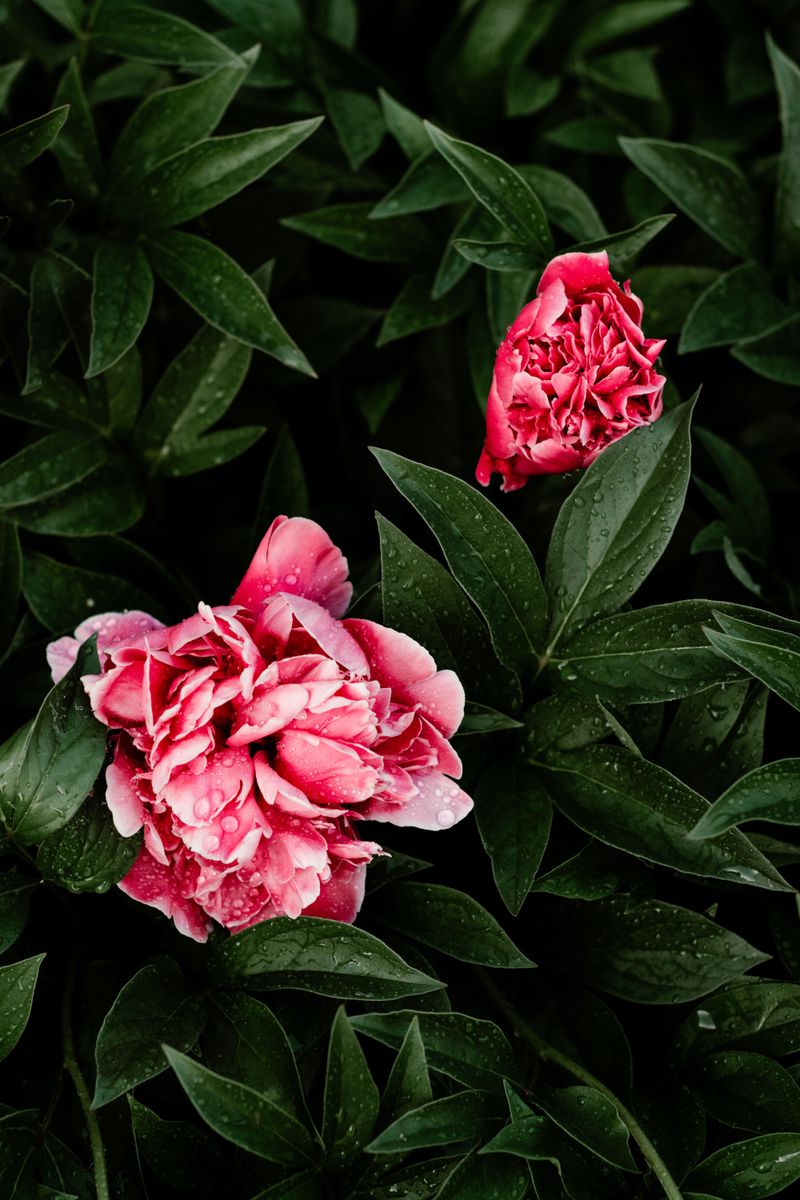
Green leaves in July might look boring after all those gorgeous May blooms. Resist every urge to cut them back early.
Peony foliage is doing serious work right now, even when it looks like nothing is happening. Every leaf is capturing sunlight and converting it into stored energy deep inside the root system.
Think of those roots like a rechargeable battery. The leaves are the charger, and July is prime charging season for Wisconsin peonies.
Cutting foliage back in summer is one of the most common mistakes backyard gardeners make. It feels tidy, but it robs the plant of weeks of critical energy storage.
Your Wisconsin Garden Changes Every Week. Your Plan Should Too.
Gardening in Wisconsin changes quickly throughout the season. Every Friday you’ll receive a simple weekly plan showing exactly what to plant, prune, fertilize, harvest, and protect so you never miss the right timing.
The roots need that stored fuel to get through winter and push out blooms next spring. Without enough reserves, you will get weak stems and sparse flowers, or nothing at all.
Healthy foliage should stay on the plant until frost knocks it back naturally in fall. That is when the plant is done feeding itself and ready to rest.
If some leaves develop spots or look diseased, go ahead and remove just those affected ones. But do not pull healthy green growth just to make the garden look neater.
A little wildness in July is totally worth it. Your peonies are quietly storing energy for next year’s show.
3. Water Deeply During Dry Stretches This July
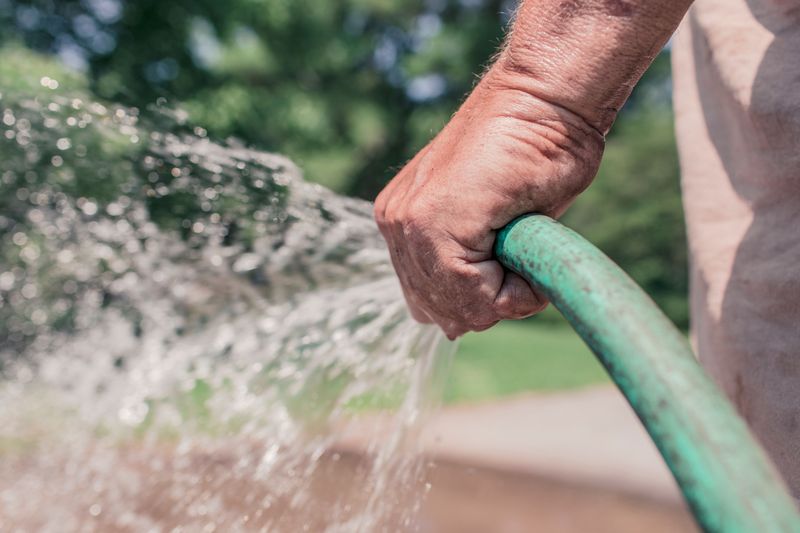
July in Wisconsin can flip from soggy to bone-dry in less than a week. Peonies notice every shift, and shallow watering just does not cut it.
Deep watering means soaking the soil several inches below the surface. That is where the thick, fleshy peony roots actually live and drink.
A quick sprinkle on top barely reaches the root zone. It encourages shallow root growth and leaves the plant vulnerable when the real heat hits.
Set a slow-running hose at the base of the plant until the soil is thoroughly soaked. Let the water seep down gradually rather than running off across the surface.
Aim to water once or twice a week during dry stretches, depending on your soil type. Sandy soils drain faster and need more frequent attention than clay-heavy ground.
Morning is the best time to water your Wisconsin peonies in July. Wet foliage that dries quickly in morning sun is far less likely to develop fungal problems.
Avoid overhead sprinklers whenever possible. Splashing water on leaves in humid summer conditions increases the risk of botrytis and other fungal issues.
Stick your finger two inches into the soil near the plant base. If it feels dry at that depth, it is time to water deeply again.
Consistent moisture through July keeps roots active and healthy. Strong roots now mean stronger stems and more blooms when Wisconsin peonies wake up next spring.
4. Avoid Fertilizing Heavily Right After Flowering Ends
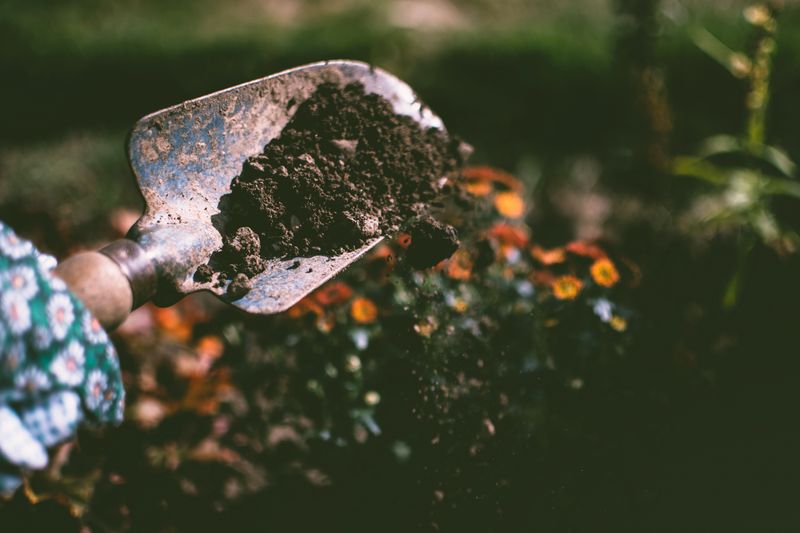
Right after blooming, it is tempting to dump fertilizer on your peonies and expect magic. That impulse will actually work against you.
Heavy nitrogen fertilizing right after flowering pushes the plant into a leafy green frenzy. Lots of lush top growth sounds good, but it pulls energy away from root development.
Roots need to be the priority in July. That underground system is what stores nutrients and fuels next spring’s flower production.
If you fertilized in early spring before blooms appeared, your plants are likely still processing those nutrients. Adding more now creates an imbalance that stresses the root system.
Wait until late summer or early fall before offering any additional feeding. A light application of low-nitrogen, phosphorus-rich fertilizer at that point supports root strength without overstimulating leafy growth.
Bone meal is a popular choice among experienced peony growers. It breaks down slowly and delivers phosphorus directly where the roots can absorb it over time.
Skip the high-nitrogen lawn fertilizers entirely around peony beds. Those formulas are designed for grass, not flowering perennials with deep root systems.
Read labels carefully before applying anything near your plants. Even a well-meaning product can throw off the soil chemistry if timed or dosed incorrectly.
Less is genuinely more when it comes to feeding peonies in July. Patience now protects the root energy that makes Wisconsin peonies bloom again next year with full, fragrant flowers.
5. Watch For Fungal Spots On Humid Days
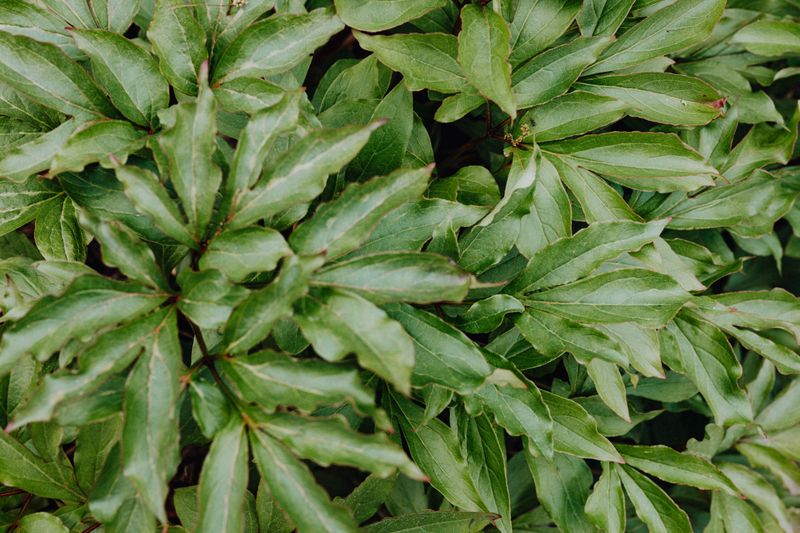
Wisconsin summers are gorgeous and green, but all that humidity comes with a catch. Fungal diseases love warm, moist air just as much as gardeners do.
Botrytis blight is a common and frustrating problem for peony growers. It shows up as grayish mold or brown spots on stems and leaves during stretches of wet, cloudy weather.
Leaf blotch is another one to watch for. It creates dark purple or brown spots with reddish edges that spread across foliage if left unchecked.
Walk through your garden every few days and flip over a few leaves. Fungal problems often start on the undersides before becoming visible from above.
Catching issues early makes a huge difference in how far they spread. Remove affected leaves immediately and drop them straight into a trash bag, not your compost pile.
Compost does not always get hot enough to destroy fungal spores. Bagging and discarding infected material keeps the problem from cycling back into your soil.
Good air circulation around your plants is one of the best preventive tools available. Space peonies so air moves freely between stems, reducing the moisture that fungi thrive on.
Avoid wetting foliage when watering, and never water in the evening. Leaves that stay damp overnight in humid July air are prime targets for fungal spread.
A healthy plant with clean foliage has a much better shot at thriving next spring. Stay alert during humid weeks, and your Wisconsin peonies will thank you with next year’s blooms.
6. Clear Debris Around The Base Regularly
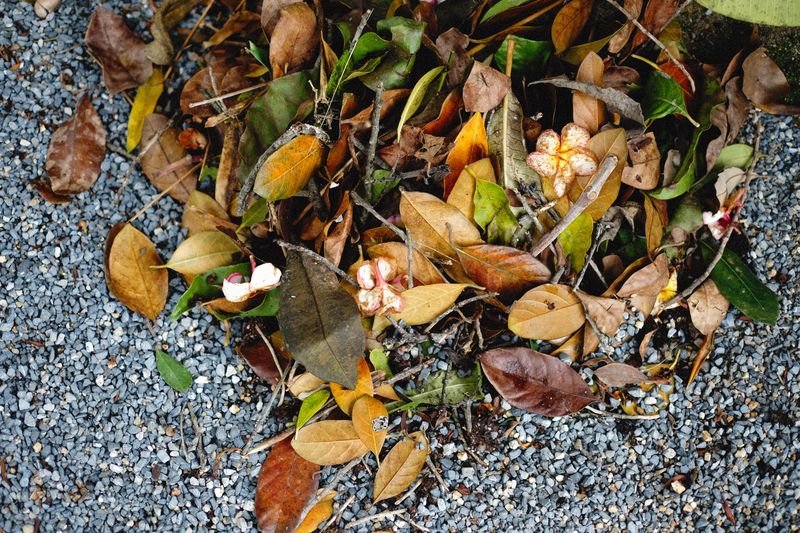
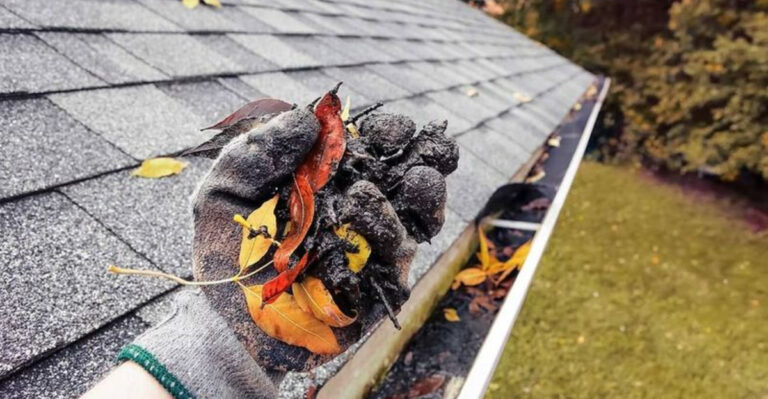
Old petals, fallen leaves, and bits of dried stem might seem harmless sitting around your peony’s base. They are not.
Debris piles trap moisture against the crown of the plant, and that dampness is a welcome mat for fungal spores. In humid July conditions, fungal problems can develop quickly when the base stays wet.
Make it a weekly habit to gently rake or hand-pick debris from around your peonies. You do not need special tools, just a few minutes and a pair of gardening gloves.
Pay extra attention after storms or heavy rain. Wind knocks petals and leaves loose, and they pile up quickly around the base of the plant.
Fallen peony petals are especially problematic because they hold moisture and break down slowly. Even a small clump of wet petals can create the perfect environment for botrytis to take hold.
While you are clearing debris, take a quick look at the crown itself. The crown is the point where stems meet the root system, just at or slightly below soil level.
A healthy crown looks firm and light-colored. If you spot any soft, mushy, or discolored areas, that is a sign of rot that needs attention right away.
Keeping the base clean also discourages insects from setting up camp. Some pests overwinter in garden debris and emerge in spring ready to damage new growth.
A tidy base is simple, free, and genuinely effective. Clean surroundings give Wisconsin peonies the fresh start they need to bloom brilliantly again next year.
7. Skip Dividing Plants Until Early Fall Arrives
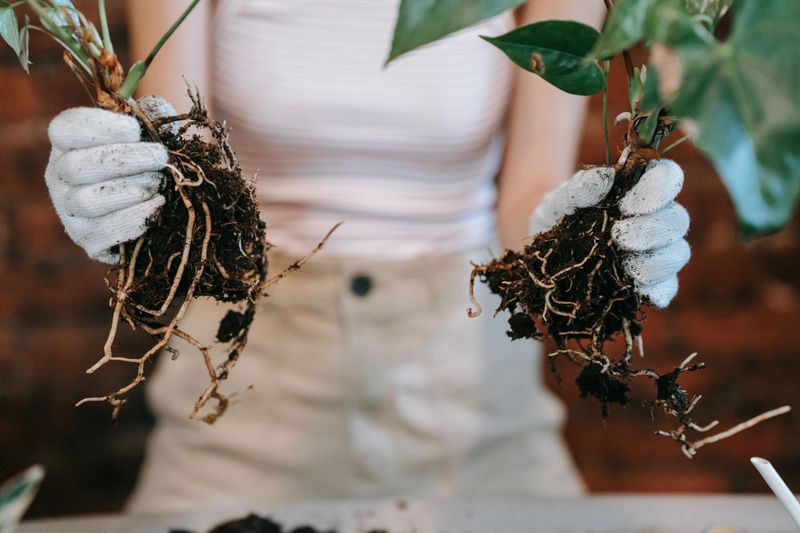
July is not the time to dig up and divide your peonies, no matter how crowded they look. Patience matters more than anything else in the garden right now.
Dividing peonies in summer stresses the plant at the worst possible moment. Roots are actively storing energy for next year, and disrupting them mid-season can set the plant back significantly.
Peonies actually prefer to be left alone for years at a time. They are not like hostas or daylilies that benefit from frequent splitting.
A well-established clump that has had several years to mature is often the most productive bloomer in the whole garden. Bigger root systems mean more flowers, not fewer.
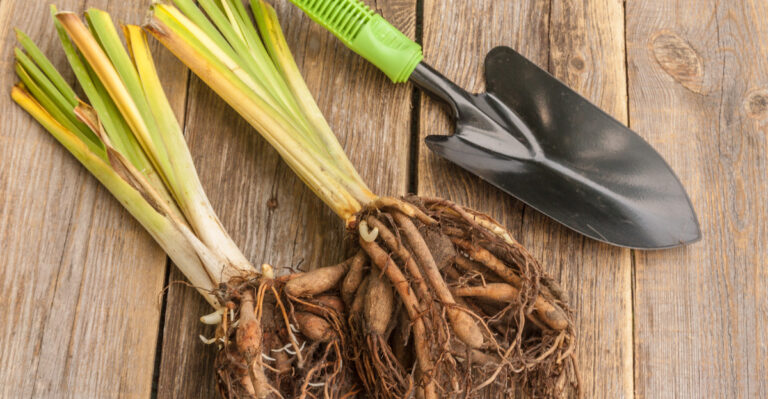
If division is truly necessary, wait until mid-September to early October in Wisconsin. By then, the foliage is starting to fade and the plant has finished storing its summer energy reserves.
Fall division gives roots time to settle in before the ground freezes. New divisions planted in September have a full season to establish before facing their first Wisconsin winter.
When you do divide, make sure each section has at least three to five eyes, which are the reddish buds on the root. Fewer eyes mean slower recovery and fewer blooms in year one.
Replant divisions at the correct depth right away. Eyes should sit no more than one to two inches below the soil surface for best blooming results.
Skipping the summer urge to dig pays off in a big way. Your Wisconsin peonies will reward your restraint with stronger blooms next year.
8. Keep Mulch Light To Prevent Crown Rot
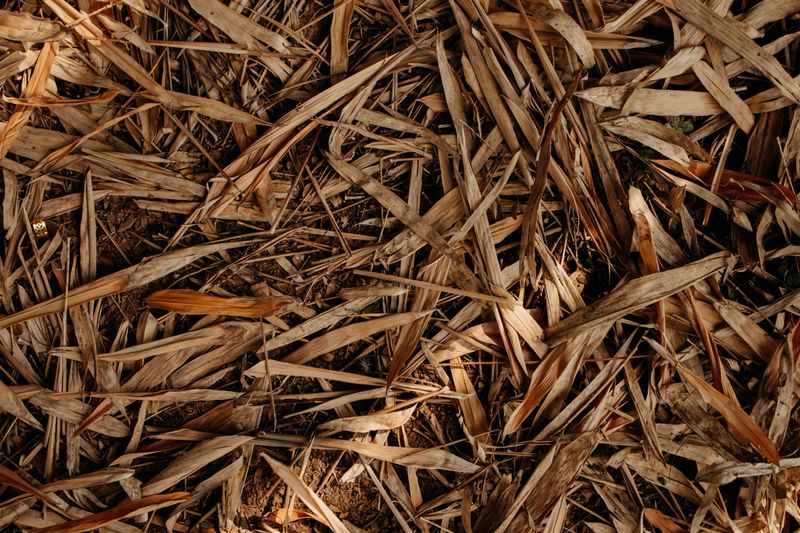
Mulch is a gardener’s best friend, but too much of it piled around the base can seriously harm a healthy peony.
Heavy mulch traps heat and moisture directly against the crown. That warm, wet environment encourages crown rot, a serious problem for peony growers.
The crown of a peony is incredibly sensitive to burial depth. Even an extra inch of mulch pushed up against the stems can reduce blooming or stop it altogether.
In July, your main goal with mulch is moisture retention during dry spells. A light layer of one to two inches is plenty to do that job without causing harm.
Pull mulch back a few inches from the base of the stems. Leave a clear ring of exposed soil directly around the crown so air can circulate freely.
Wood chips, shredded bark, or straw all work well as mulch materials for peonies. Avoid peat moss, which compacts and holds too much moisture against the root zone.
Check your mulch layer after heavy rain. Wet mulch can compact and thicken, so fluff it up occasionally to keep it from smothering the soil surface.
Come fall, you can add a slightly thicker layer to protect roots from freeze-thaw cycles. But remove it again in early spring before new growth pushes up from the crown.
Light mulch done right is one of the simplest ways to protect your Wisconsin peonies. Get this step correct, and you are setting up next year’s blooms for success.