How To Prune Lantana In Arizona In June Before Heat Takes Over
Not every plant sends a clear signal when it needs attention. Some start looking messy, others stop flowering as heavily, and a few simply lose the neat shape they had earlier in the season.
It happens gradually, which makes it easy to keep putting the job off for another weekend. Before long, summer is in full swing and the yard is asking for more work than expected.
Timing can make a surprising difference with routine plant care. A task that feels simple in one month may require a little more thought once temperatures begin climbing.
Many gardeners have learned this the hard way after making changes that seemed harmless at the time.
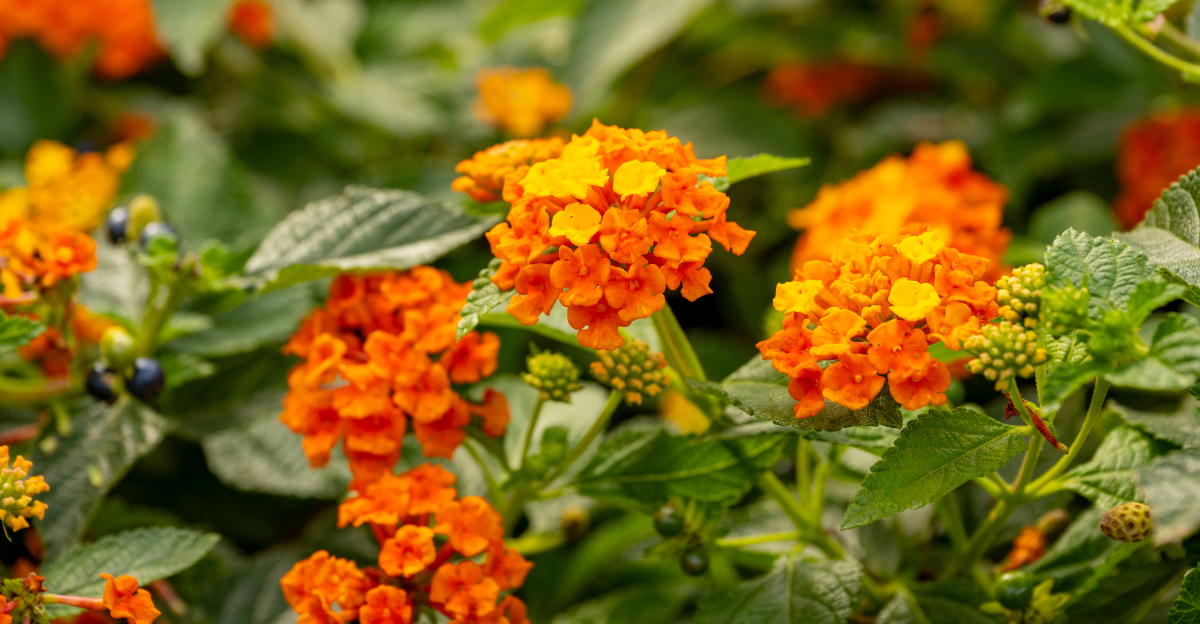
Lantana is one of those plants that often reaches this point in June. It is known for handling tough conditions, but that does not mean it should be ignored.
In Arizona, a little attention before extreme heat settles in can help keep this popular flowering plant looking much better through the weeks ahead.
1. Trim Back Spring Growth Before Summer Heat Arrives
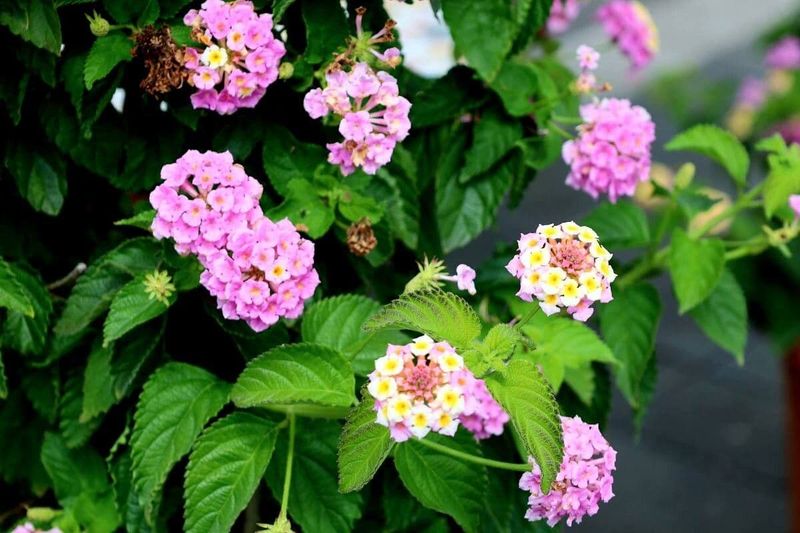
Spring growth on lantana can get wild fast. By early June in the Sonoran Desert region, those long, leggy stems are already reaching in every direction.
Getting ahead of them now saves you a lot of trouble later.
Aim to cut back about one-third of the overall plant. Focus on the longest stems first.
Shorter cuts keep the plant compact and encourage fresh new growth from the base.
Leggy stems tend to get floppy and weak under intense heat. Cutting them back tightens the plant’s shape and reduces the surface area exposed to scorching afternoon sun.
Work in the early morning when temperatures are still manageable. Even in early June, midday heat in the desert can be brutal.
Finishing your pruning session before 9 a.m. protects both you and the plant.
Sharp, clean cuts heal faster than ragged ones. Always use bypass pruners that are wiped down before each use.
Clean tools reduce the chance of spreading any fungal issues between plants.
After trimming, the plant may look a little bare for a week or two. That is completely normal.
Lantana recovers quickly and will push out new growth and blooms within a short time.
2. Remove Damaged Stems Before They Attract Problems
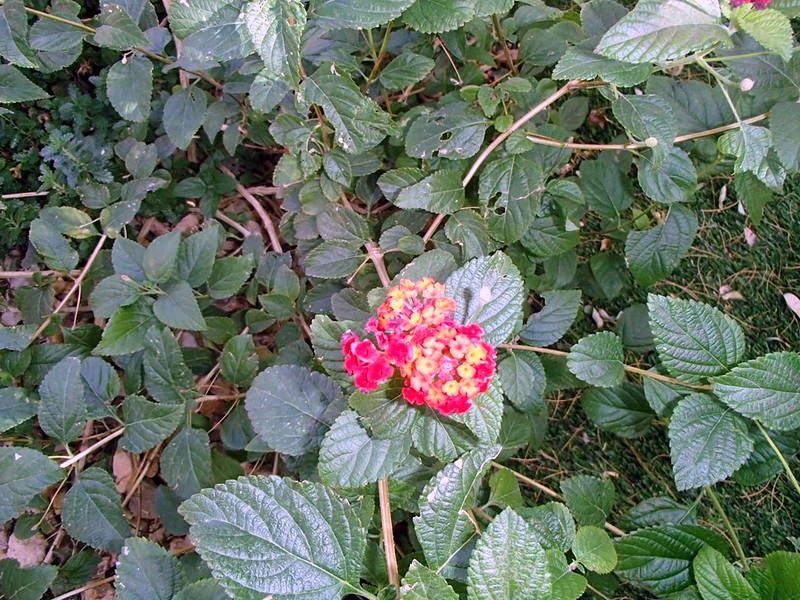
Damaged stems are not just ugly. They are open invitations for pests and disease to move in.
Spotting and removing them early in June keeps your whole plant healthier through summer.
Look for stems that are discolored, shriveled, or cracked. These often show up after a late cold snap or after a stretch of unusually dry spring weather.
They will not recover on their own.
Cut each damaged stem back to a point where the inside looks green and firm. If the center is brown or hollow, keep cutting lower.
Stop only when you see healthy tissue.
Soft, mushy stems near the base are a different kind of problem. That texture usually means moisture has been sitting too long around the crown.
Your Arizona Garden Changes Every Week. Your Plan Should Too.
Gardening in Arizona changes quickly throughout the season. Every Friday you’ll receive a simple weekly plan showing exactly what to plant, prune, fertilize, harvest, and protect so you never miss the right timing.
Remove those sections cleanly and let the area dry out.
Once damaged material is gone, the plant redirects its energy into healthy stems. Fewer weak spots mean fewer entry points for insects looking for an easy home.
This is especially relevant in warm desert climates where pest pressure builds fast in summer.
Dispose of all removed material away from the plant. Do not pile it at the base or leave it in the surrounding soil.
Old debris can harbor fungal spores or insect eggs.
3. Cut Out Crowded Branches To Improve Airflow
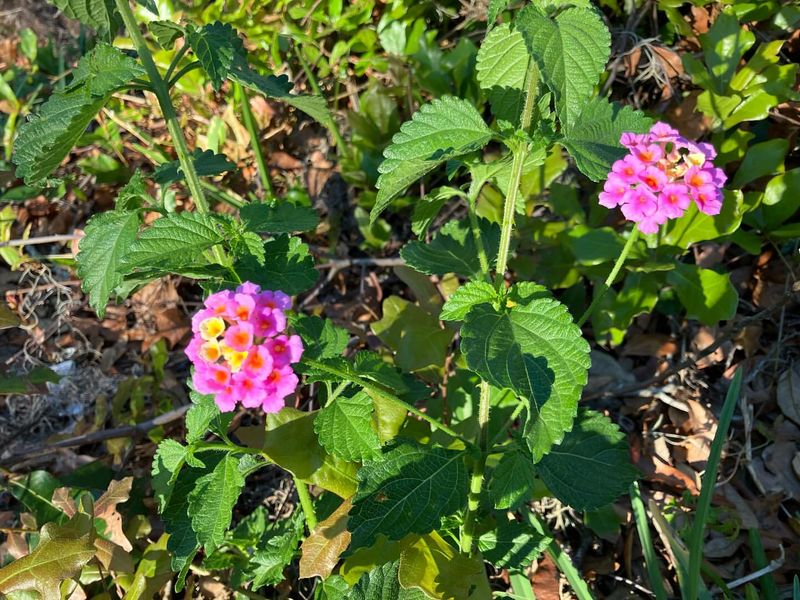
A crowded lantana is a stressed lantana. When branches press tightly against each other, air stops moving through the plant.
Poor airflow creates the kind of damp, dark conditions that fungal problems love.
Start by stepping back and looking at the whole plant. Identify areas where branches are crossing, rubbing, or packed so tight you can barely see through them.
Those are your targets.
Remove crossing branches first. Pick the weaker or more awkwardly angled one and cut it back to its origin point.
You want to open up the canopy without stripping the plant bare.
Work slowly and check your progress after every few cuts. It is easier to remove more later than to wish you had left something in place.
Patience here pays off.
Good airflow also helps with heat management. When air moves freely through the plant, surface temperatures on the leaves stay slightly lower.
In the Arizona desert, every degree matters during peak summer.
Thinning also lets more light reach inner stems. Those shaded interior branches often produce fewer blooms.
Opening them up encourages more flowering across the whole plant rather than just at the tips.
4. Avoid Heavy Pruning During Extreme Heat
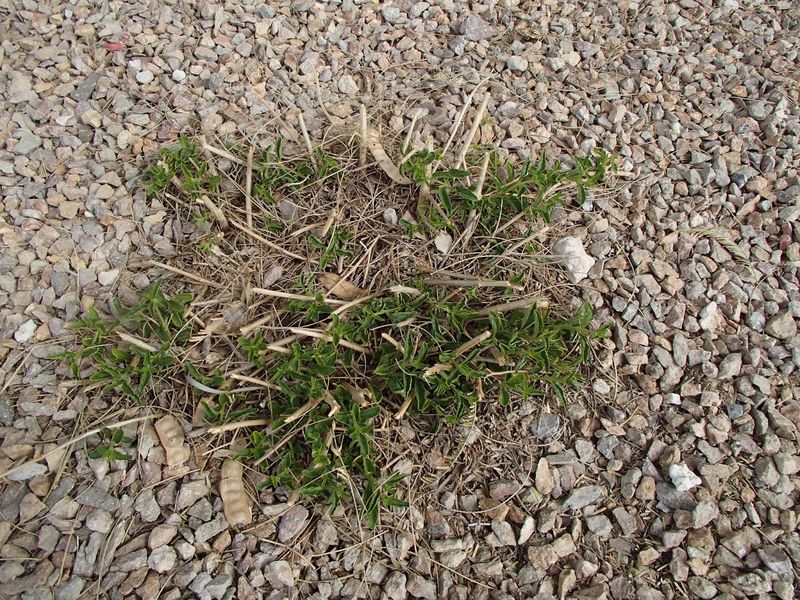
Cutting too much off a lantana when it is already baking in extreme heat is a recipe for serious stress. Once temperatures climb past 105 degrees, the plant is working hard just to survive.
Adding a heavy pruning on top of that can push it over the edge.
June in the desert has a narrow window. Early in the month, temperatures are hot but still manageable.
That first two weeks of June is your best opportunity to do meaningful pruning work.
After that window closes and triple-digit heat becomes daily, pull back. Stick to removing only truly damaged or broken stems.
Avoid any major shaping until fall arrives and temperatures drop below 90 degrees consistently.
Heavy pruning removes foliage that shades the stems and roots below. Without that cover, direct sun hits the exposed wood and can cause real damage.
Lantana is tough, but it still has limits.
Watch the weather forecast before you prune. If a heat wave is rolling in within the next three days, wait.
Pruning right before a spike in temperature leaves fresh cuts vulnerable when the plant needs all its resources for basic survival.
Light maintenance trims are always fine. Snipping off spent flower clusters or a single wayward branch will not harm the plant even in July.
5. Water Deeply After Pruning To Reduce Stress
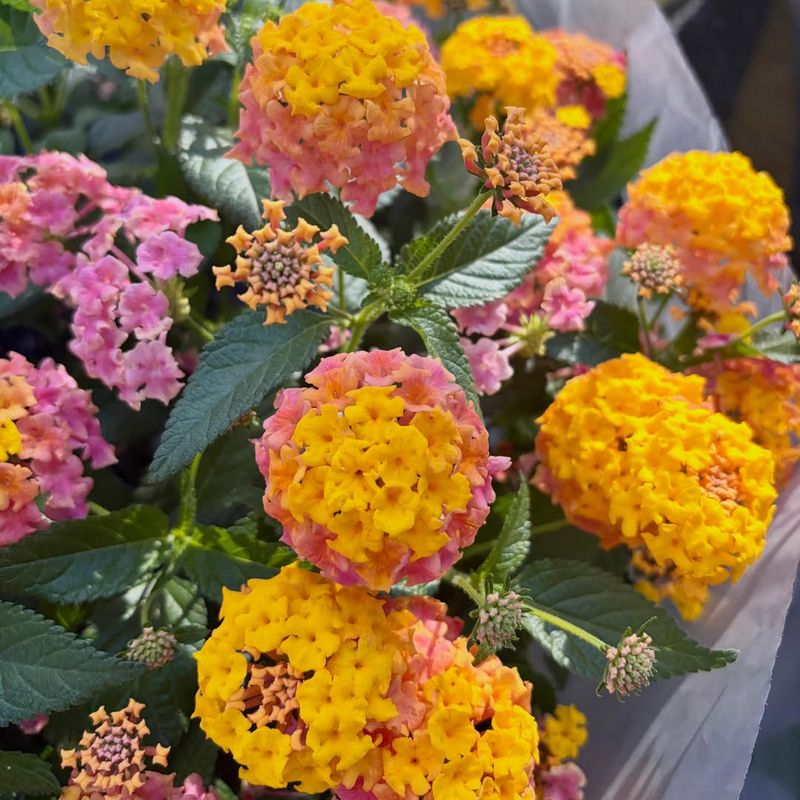
Pruning is a form of stress, even when it is done right. Fresh cuts need support, and the best support you can give right after trimming is a deep, slow watering session.
Shallow watering after pruning does more harm than good. It encourages roots to stay near the surface where the soil dries out fastest.
Deep watering pushes moisture down to where the roots actually live.
Let water soak in slowly rather than blasting it on quickly. A slow drip or soaker hose for 30 to 45 minutes works far better than a quick spray from a garden hose.
Slow watering reduces runoff and gets more moisture into the root zone.
Freshly pruned plants lose moisture faster through their cuts. Keeping the soil consistently moist for the first few days after pruning helps the plant seal those wounds and push out new growth without extra strain.
Avoid watering in the middle of the day. Morning watering is ideal.
Evening works too, though wet soil overnight can sometimes encourage fungal activity in certain conditions.
Do not overwater trying to compensate for the pruning stress. Lantana roots can suffer in waterlogged soil.
6. Leave Enough Foliage To Protect Stems From Sunburn
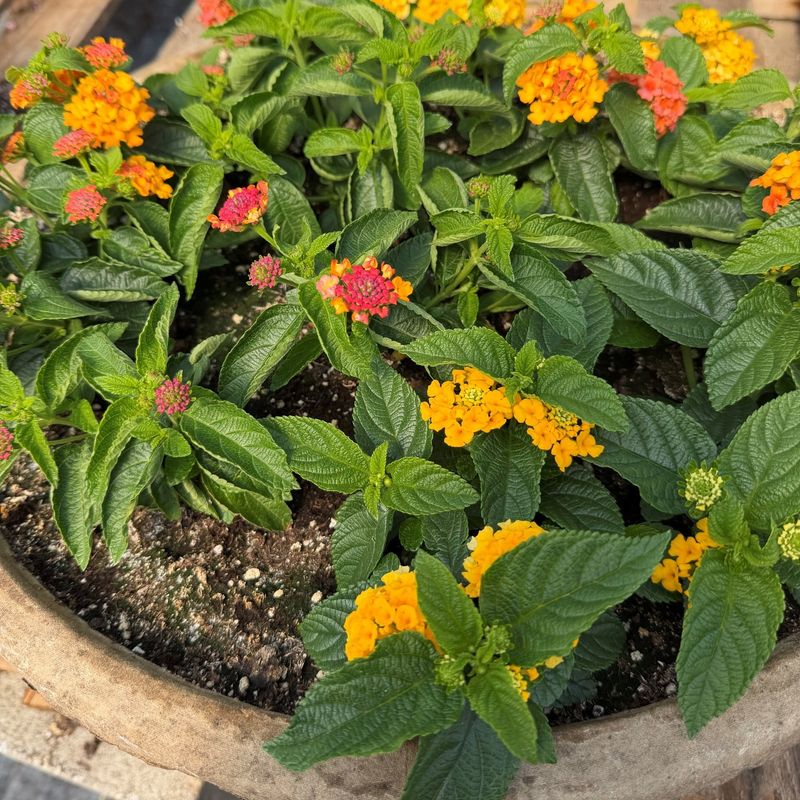
Sunburn on lantana stems is a real issue in the desert Southwest. Exposed wood bakes under direct sun and can crack or turn pale and papery.
Leaving enough leaf cover after pruning protects the plant from that kind of heat damage.
Never remove more than one-third of the plant at a single pruning session. That rule exists for a reason.
Foliage acts as a natural sunscreen for the stems and crown below it.
Pay attention to which side of the plant faces west. Western exposure gets the harshest afternoon sun.
Be more conservative when trimming branches on that side. Leave a little extra coverage there compared to the shaded north-facing areas.
Stems that lose their leaf cover suddenly can show bleaching or cracking within just a few days of intense desert sun. Once that damage sets in, the plant has to spend extra energy repairing it rather than pushing new growth.
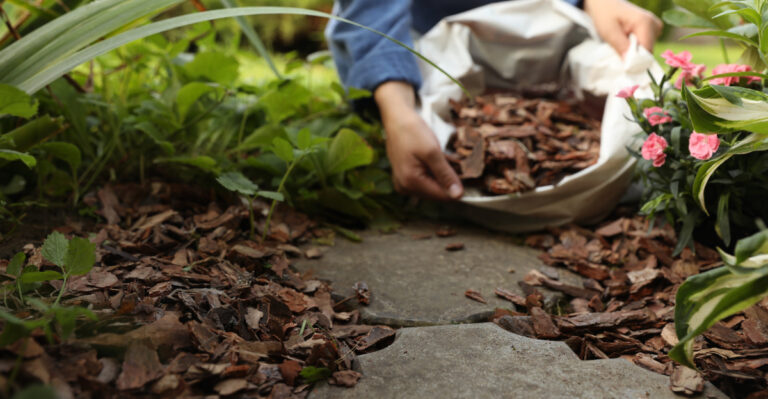
If you accidentally remove too much, a layer of light mulch around the base can help by keeping roots cooler. It will not fix the exposed stems, but it reduces overall plant stress while new foliage fills back in.
Recovery happens faster when the plant is not fighting sun damage at the same time it is trying to push new growth.
7. Clean Up Pruned Material Around The Plant Base
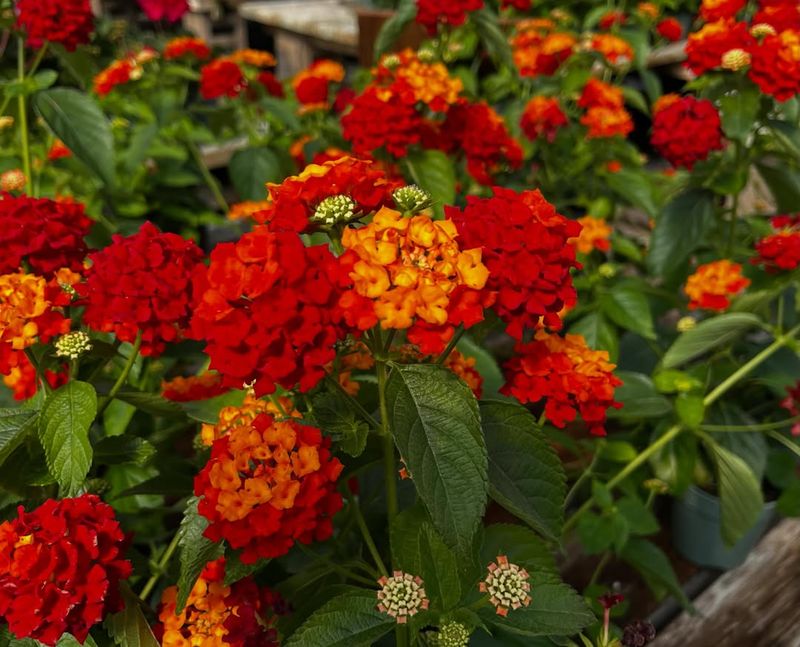
Leaving piles of cut stems and leaves around the base of your lantana is an easy mistake to make. It feels like mulch, but it behaves more like a hiding spot for pests and a breeding ground for fungal spores.
Rake or hand-collect all pruned material as soon as you finish cutting. Do not let it sit overnight.
Fresh clippings break down quickly in desert heat and can create a soggy mat that holds moisture against the crown.
Lantana stems have a strong scent that some insects find attractive. Leaving clippings nearby can draw pests right back to the plant you just cleaned up.
Remove them from the area entirely.
Bag the material or add it to a compost pile away from your garden beds. Composting lantana clippings is fine as long as no disease or pest issue was present on the removed stems.
Once the base is clear, take a close look at the soil around the crown. Check for any signs of rot, unusual discoloration, or insect activity near the soil line.
Catching problems at the base early prevents bigger headaches later in the season.