What To Do If You Find A Desert Tortoise In Your Arizona Yard
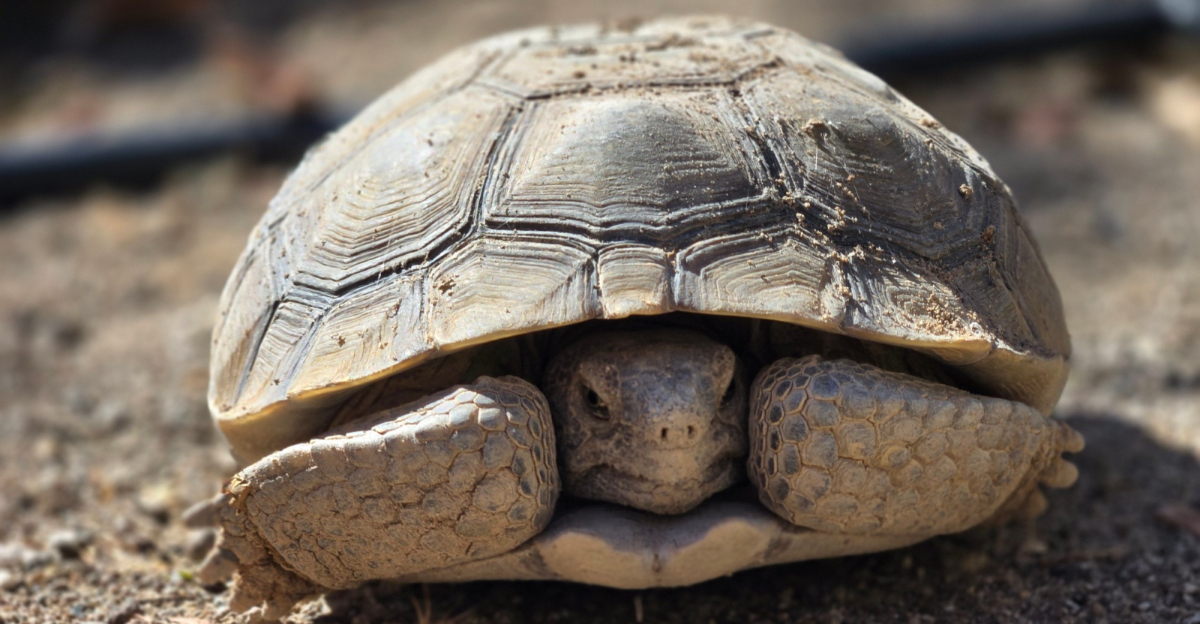
You walk outside on a warm Arizona morning, coffee in hand, ready to check on the garden, and there it is. A desert tortoise, moving across your yard with the kind of calm, unhurried energy that makes you immediately question your entire approach to life.
It’s a genuinely wonderful moment. It’s also one that a surprising number of Arizona homeowners have absolutely no idea how to handle.
Do you pick it up? Leave it alone? Give it water? Call someone?
The answer depends on a few things, and getting it right matters more than most people realize. Desert tortoises are protected animals in Arizona, and how you respond in those first few minutes can make a real difference for the tortoise.
Especially when curious dogs, excited kids, and triple digit heat are already part of the situation.
1. Leave A Wild Tortoise Alone If It Is Safe
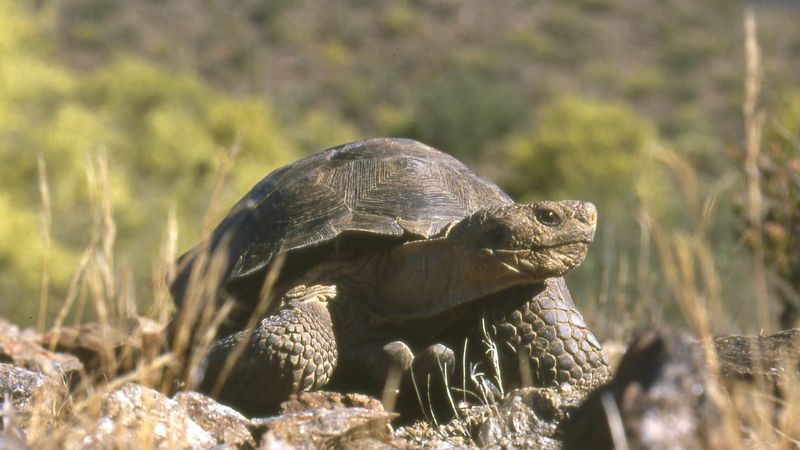
Quiet backyard corners in Arizona sometimes reveal slow, steady visitors that most homeowners never expect to see.
A desert tortoise moving calmly through your yard, heading toward a shaded area or a patch of native plants, is generally doing exactly what it needs to do.
Watching it from a comfortable distance is usually the most helpful thing you can do in that moment.
Wild desert tortoises are remarkably self-sufficient animals. They have survived Arizona’s extreme heat for thousands of years without human assistance, and they tend to know their territory better than we might assume.
Stepping in too quickly, even with good intentions, can stress the animal or disrupt its natural movement.
The safest response when a tortoise appears to be healthy, calm, and not in any immediate physical danger is simple observation. Stay back, keep noise low, and resist the urge to touch or redirect it.
If children or pets are nearby, guide them gently indoors or to another part of the yard. Most of the time, a wild desert tortoise passing through an Arizona yard will move along on its own without needing any human involvement at all.
2. Do Not Collect A Wild Desert Tortoise
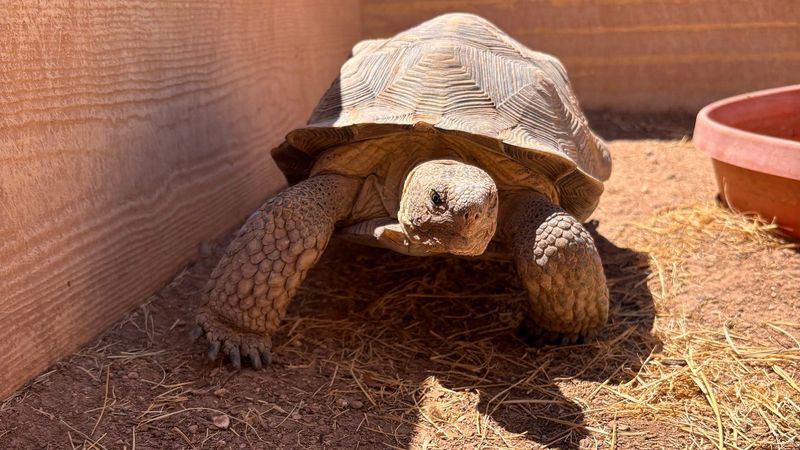
Picking up a wild desert tortoise and carrying it home might feel like a kind gesture, but in Arizona, it is actually harmful to the animal and potentially problematic for the homeowner.
Wild tortoises belong to the desert ecosystem they live in, and removing them from their home range can cause serious disruption to their health and natural behavior.
Arizona has wildlife protection rules that cover desert tortoises, and collecting a wild tortoise without proper authorization is not something residents are permitted to do. These rules exist for good reason.
Wild tortoises carry natural bacteria and microorganisms that help them thrive outdoors, but those same organisms can be harmful when a wild tortoise is mixed with captive ones.
Beyond the legal and biological concerns, a wild tortoise that gets taken in as a pet often struggles in a home environment. It may stop eating, become stressed, or develop health problems that would not have occurred in its natural habitat.
Your Arizona Garden Changes Every Week. Your Plan Should Too.
Gardening in Arizona changes quickly throughout the season. Every Friday you’ll receive a simple weekly plan showing exactly what to plant, prune, fertilize, harvest, and protect so you never miss the right timing.
If you spot a tortoise in your Arizona yard and it appears healthy and uninjured, the best course of action is to leave it where it is and let it continue on its way without interference.
3. Check Whether It Might Be An Escaped Captive Tortoise
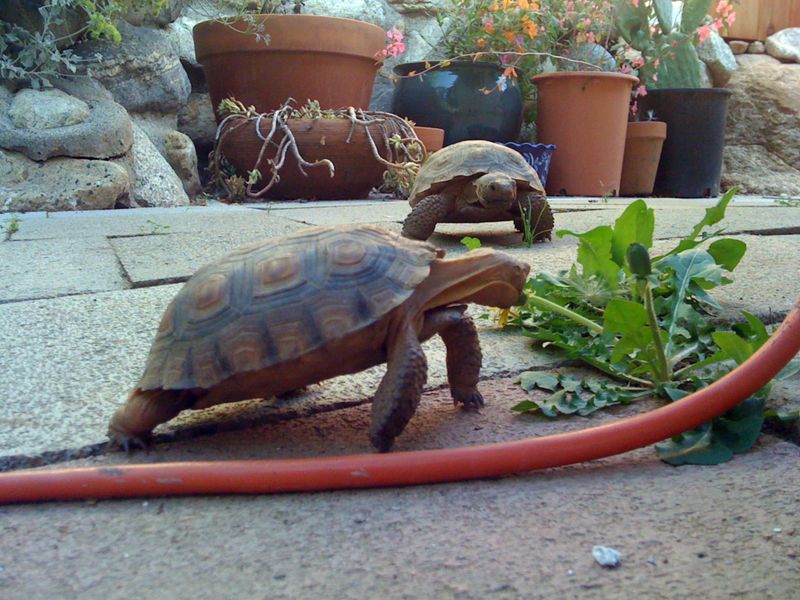
Sometimes the tortoise in your yard is not wild at all. Many Arizona families have legally adopted desert tortoises through official programs, and those animals occasionally escape through gaps in fencing or dig their way under a wall.
A captive or previously adopted tortoise in your yard is a different situation than a wild one, and it is worth taking a closer look before deciding what to do.
There are a few signs that may suggest a tortoise is captive rather than wild. Some adopted tortoises have a small notch filed into their shell, a painted number, or a tag attached to them as part of an adoption record.
A captive tortoise may also appear more comfortable around humans, move toward people rather than away, or look noticeably rounder and better-fed than a wild tortoise typically would.
Checking the shell carefully without picking the animal up is a reasonable first step. If you notice any markings that suggest the tortoise belongs to someone nearby, reaching out to neighbors or contacting an Arizona wildlife program for guidance is a smart move.
Knowing whether you are dealing with a wild tortoise or an escaped captive one helps you respond in the most appropriate and responsible way possible.
4. Call The Arizona Tortoise Adoption Program When In Doubt
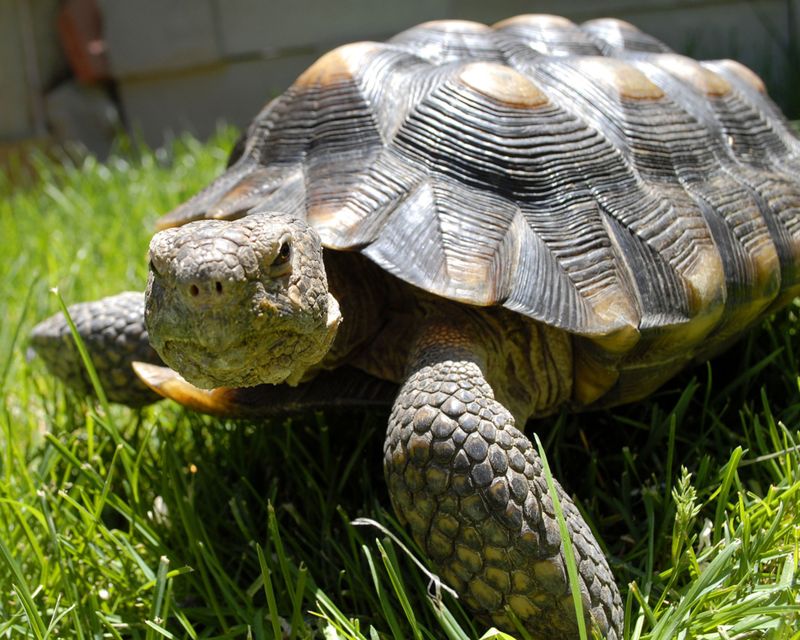
Not every tortoise encounter comes with an obvious answer. Sometimes the animal looks injured, behaves strangely, or shows up in a spot where it clearly cannot stay safely.
In those moments, reaching out to an official Arizona wildlife resource is the most responsible step a homeowner can take.
The Arizona Tortoise Adoption Program and Arizona Game and Fish Department are two well-known resources that field questions about desert tortoises found in residential areas.
These organizations can help you figure out whether the tortoise is wild, whether it may have been a previously adopted animal, and what the appropriate next steps are based on your specific situation.
They are generally accustomed to homeowner calls and can offer guidance without making the process feel overwhelming.
Making that call before doing anything else gives you accurate, up-to-date information rather than relying on guesswork.
Wildlife program staff understand Arizona’s desert tortoise population, local conditions, and what kinds of situations actually require intervention.
Even if the tortoise turns out to need no help at all, getting professional input means you can feel confident that you handled the encounter correctly.
When in doubt, a quick phone call is far better than making a well-meaning decision that could cause unintended harm to the animal.
5. Move It Only If It Is In Immediate Danger
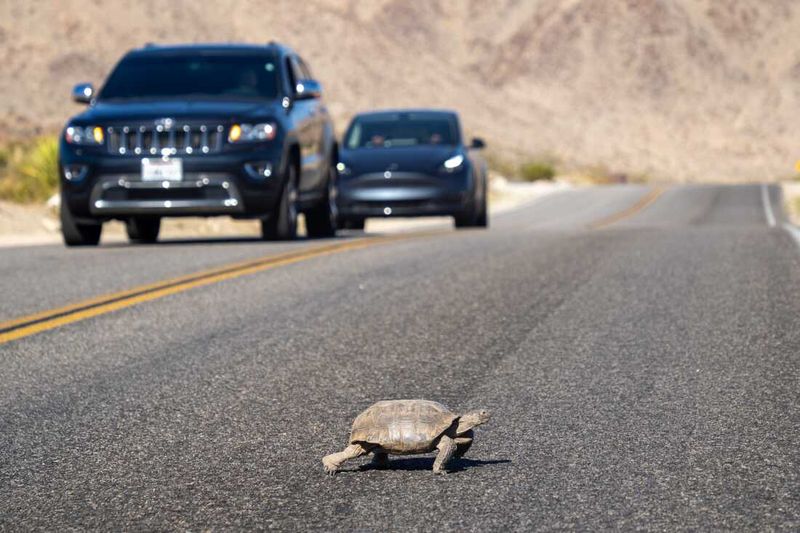
There are situations where a tortoise genuinely cannot stay where it is. A tortoise sitting in the middle of a driveway with a car approaching, or stranded on a hot paved surface during an Arizona summer afternoon, may need a brief helping hand.
In those specific cases, moving the animal a short distance is a reasonable and humane response.
The key is keeping the move minimal. Carry the tortoise only as far as needed to get it out of immediate harm’s way, and set it down on natural ground as close to where you found it as possible.
Moving a tortoise across a long distance, even to what seems like a better location, can disorient it and make it harder for the animal to find its way back to familiar territory.
Avoid flipping the tortoise or holding it at an angle that might cause it to empty its bladder. Desert tortoises store water in their bladder as a survival mechanism during Arizona’s dry months, and losing that stored fluid can put the animal under stress.
Moving it carefully, keeping it level, and placing it gently on the ground in a shaded or sheltered spot nearby is the right approach when moving is truly necessary.
6. Keep It Close To Where You Found It
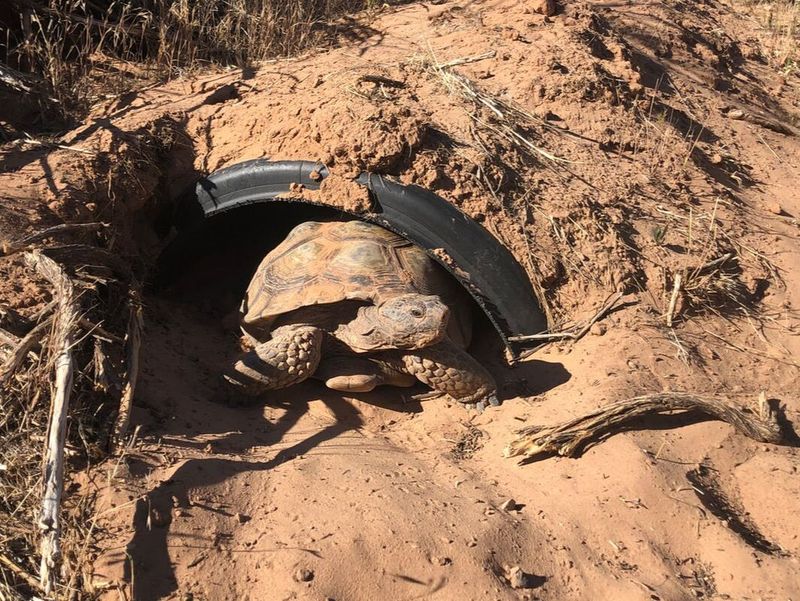
One of the most common mistakes well-meaning homeowners make is relocating a tortoise to what they think is a better spot, perhaps a nearby desert preserve, a greener park, or a neighbor’s yard with more space.
The intention is kind, but the outcome can actually be harmful to the animal.
Desert tortoises are highly territorial creatures with a strong connection to their home range. They learn the landscape around them over many years, including where to find shade, where water collects after rain, and where safe burrow sites are located.
Moving a tortoise even a short distance outside its familiar territory can leave it confused, exposed, and struggling to find the resources it depends on.
Keeping the tortoise close to where it was found, within the same yard or just beyond the fence line in the same general area, gives it the best chance of returning to familiar ground on its own.
If the tortoise was found in a spot that is clearly unsafe long-term, contacting an Arizona wildlife program before moving it any significant distance is the most responsible approach.
Letting the experts guide that decision helps protect the animal’s wellbeing in a way that good intentions alone cannot guarantee.
7. Avoid Handling It With Bare Hands If Handling Is Needed
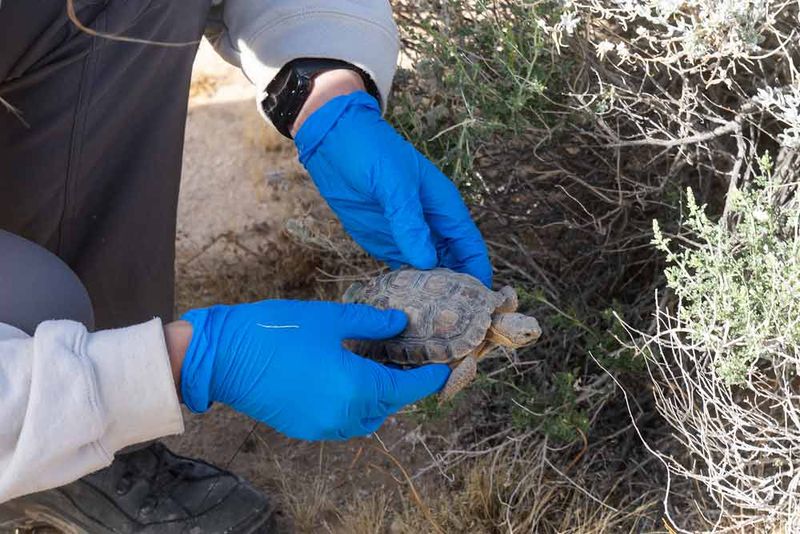
Shaded patios and quiet garden beds are some of the spots where desert tortoises tend to settle when they wander into an Arizona yard.
If the situation calls for briefly moving the tortoise, wearing gloves before picking it up is a smart precaution for both the handler and the animal.
Human skin carries oils, sunscreens, insect repellents, and other substances that can be transferred to the tortoise during handling.
A tortoise’s skin and shell can absorb things from its environment, and chemicals that seem harmless to people may not be harmless to a reptile.
Using clean gardening gloves or disposable latex gloves creates a safer barrier for both parties.
Handling should be kept as brief as possible. Hold the tortoise firmly but gently with both hands, keeping it level and low to the ground in case it shifts unexpectedly.
Avoid turning it upside down or letting it dangle, as this can frighten the animal and cause it to release the stored water in its bladder. Once the tortoise is placed safely in an appropriate spot nearby, step back and give it space to settle.
Washing hands thoroughly after any contact with a tortoise is a good habit regardless of whether gloves were worn.
8. Do Not Give It Food Or Water Like A Pet
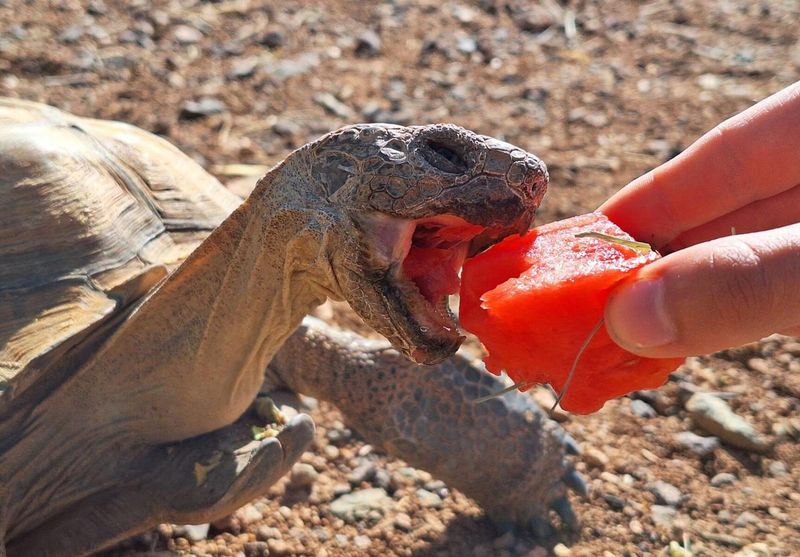
Spotting a tortoise on a hot Arizona afternoon can trigger the natural urge to offer it something to eat or drink. It seems like a kind thing to do, especially in the middle of summer when temperatures are extreme.
However, feeding or watering a wild desert tortoise is generally not recommended and can cause more harm than good.
Wild desert tortoises have evolved to get most of their water from the native plants they eat, including grasses, wildflowers, and desert succulents.
Their digestive systems are specifically adapted to this diet, and introducing unfamiliar foods like lettuce, fruit, or vegetables can upset their gut bacteria and lead to digestive problems.
Even water, offered in the wrong way or in excess, can cause issues for a tortoise that is not accustomed to drinking from a dish.
Offering food or water can also encourage the tortoise to linger in your yard longer than it naturally would, which increases its exposure to household pets, foot traffic, and other risks.
A healthy wild tortoise knows how to find what it needs in the Arizona desert landscape.
Trusting that instinct and resisting the urge to intervene with food or drink is one of the simplest and most effective ways to support the animal’s wellbeing during its visit.
9. Keep Dogs And Children Away While It Passes Through
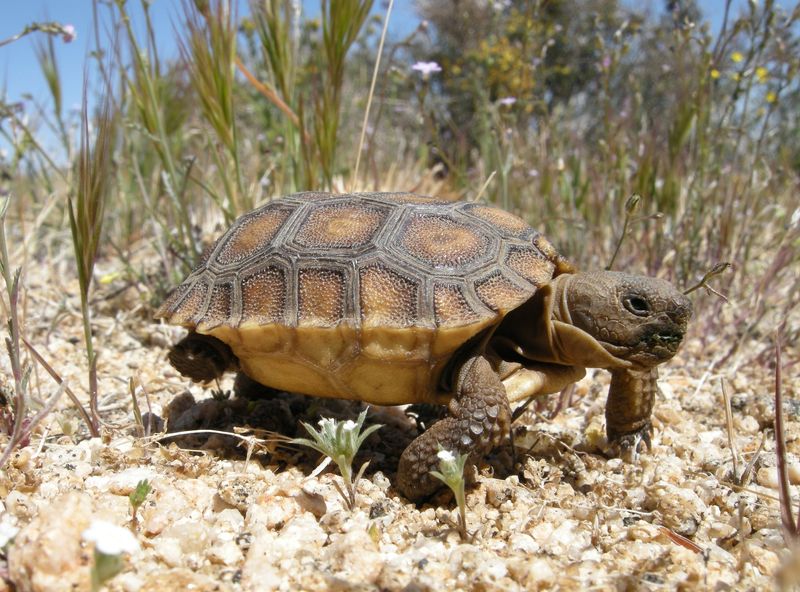
Dogs are often the first to notice when something unusual has wandered into the yard.
A desert tortoise moving slowly across the lawn or resting near a garden bed can quickly become the center of a dog’s excited attention, and that kind of attention can be stressful or even dangerous for the tortoise.
Even a friendly, well-meaning dog can injure a tortoise by pawing at it, nudging its shell, or trying to pick it up. Larger dogs in particular can cause significant harm without intending to.
Bringing dogs inside or keeping them on a leash away from the tortoise while it moves through is the safest approach for everyone involved.
Children are naturally curious too, and a tortoise in the yard can feel like an exciting discovery. Younger kids may want to pick it up, carry it around, or show it to friends.
Taking a moment to explain to children that the tortoise is a wild animal that needs space and quiet is a wonderful teaching opportunity. Watching it from a respectful distance, without chasing or touching it, helps the tortoise stay calm and continue on its way.
Arizona yards can be busy, active places, and giving the tortoise a calm buffer zone makes a real difference in how smoothly the encounter goes for everyone.
10. Do Not Release A Captive Tortoise Into The Wild
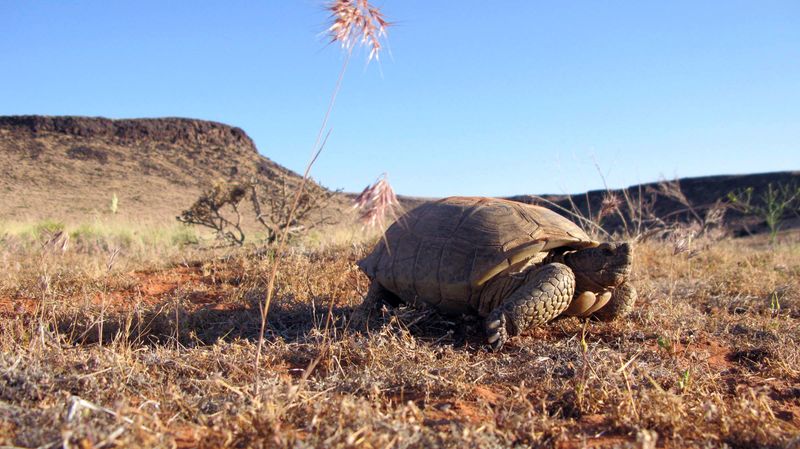
Fenced yards across Arizona sometimes become temporary homes for adopted or captive-raised desert tortoises, and occasionally homeowners find themselves in a situation where they can no longer care for the animal.
The instinct to simply open the gate and let the tortoise go free can feel like the compassionate choice, but releasing a captive tortoise into the wild is something wildlife experts strongly caution against.
Captive tortoises may carry bacteria or pathogens that wild tortoises have no natural resistance to. Introducing those organisms into a wild population can put healthy tortoises at risk in ways that are difficult to reverse.
Beyond disease concerns, a captive-raised tortoise may also lack the survival skills needed to find food, water, and shelter in Arizona’s demanding desert environment on its own.
If you can no longer care for an adopted tortoise, the right path is to contact Arizona Game and Fish or the Arizona Tortoise Adoption Program and arrange a proper rehoming through official channels.
These programs exist precisely for situations like this, and they can match the animal with a new approved caretaker or find another appropriate solution.
Rehoming through the right program protects the tortoise, protects wild populations, and ensures the animal gets the care it genuinely needs going forward.