How To Grow Southern Peas In Georgia Through The Summer Heat
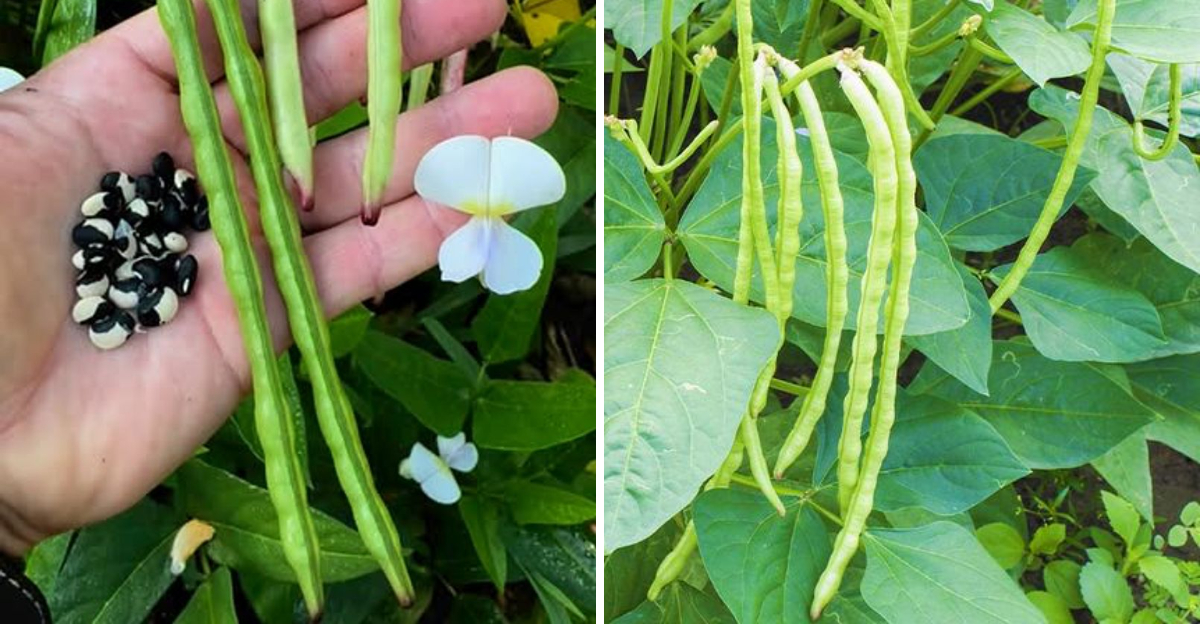
Summer does not leave much room for mistakes in a vegetable garden. A crop may look strong one week and far less impressive a few weeks later once the heat settles in.
Water disappears faster, soil dries out more quickly, and keeping vegetables growing well can start feeling like a full time job. By the middle of the season, every harvest feels a little more earned.
Not every crop reacts to those conditions in the same way. Certain vegetables seem to lose momentum as temperatures climb, while others appear perfectly comfortable with the change in weather.
Those are usually the crops that keep gardeners heading back to the garden even during the hottest part of the season.
Southern peas have built a strong reputation in Georgia for exactly that reason. They are closely tied to summer growing, but success still depends on giving them the right start and the right conditions from the beginning.
A few simple choices can make all the difference once the heat arrives.
1. Start With Heat-Tolerant Southern Pea Varieties
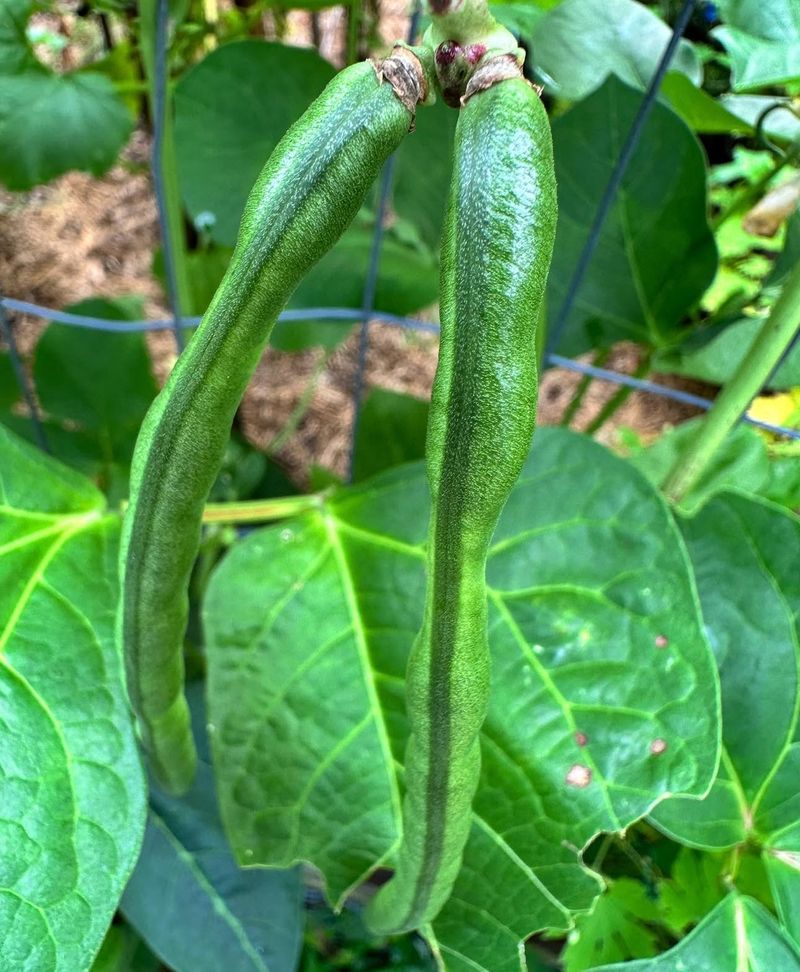
Picking the right variety is one of the most important decisions you can make before planting a single seed.
Some southern peas handle intense summer heat much better than others, and that difference becomes obvious once temperatures stay high for weeks at a time.
Choosing a heat-tolerant variety from the start can help keep plants productive through the hottest part of the season. It also reduces the risk of poor flowering and disappointing harvests during long stretches of hot weather.
Iron and Clay cowpeas are widely known for their ability to tolerate heat and dry conditions while continuing to grow vigorously. Whippoorwill peas are another dependable choice that has been grown across the South for generations.
California Blackeye No. 5 and Pinkeye Purple Hull are also popular options for gardeners looking for reliable summer production.
When shopping for seeds, look for varieties described as heat-tolerant or well-suited to Southern growing conditions.
Every garden is different, so experimenting with a few varieties can help you discover which ones perform best in your soil and growing conditions year after year.
2. Plant In A Full-Sun Location
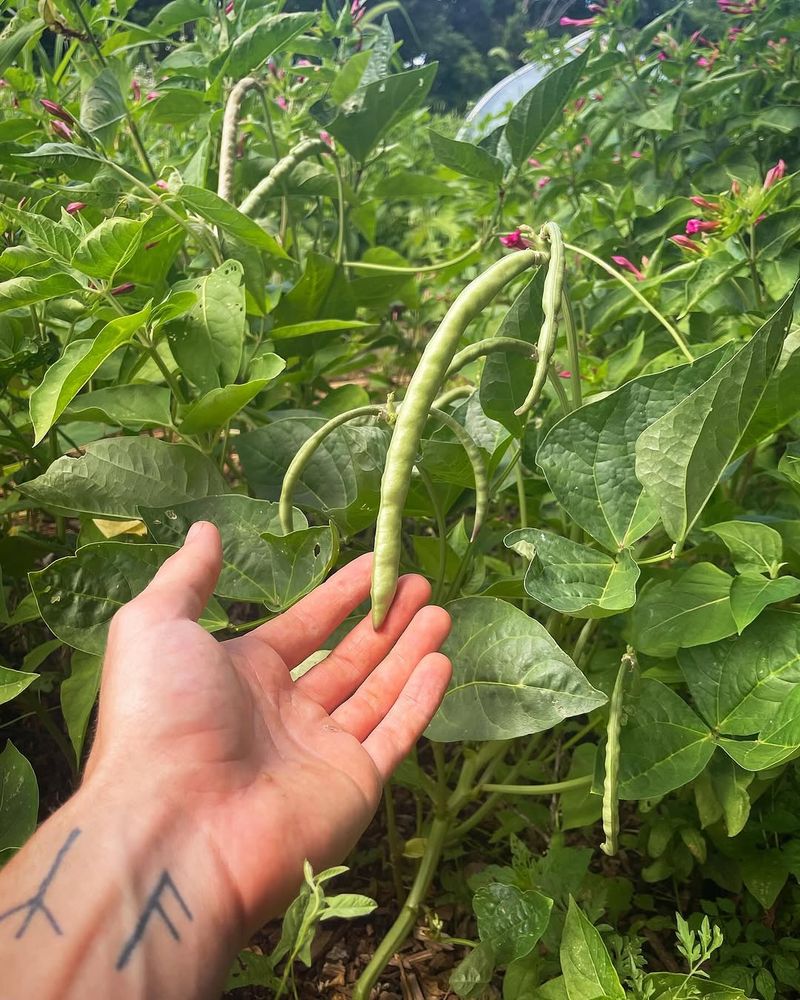
Southern peas need plenty of sunlight to perform their best. Choosing the right location before planting makes a bigger difference than many people realize.
Look for a spot that receives at least eight hours of direct sun each day. More sunlight generally means stronger plants, better flowering, and a more reliable harvest later in the season.
Shady areas may seem appealing during the hottest part of summer, but they can limit growth and reduce production. Plants that do not receive enough light often become weaker and less productive.
Before planting, spend some time observing how sunlight moves through your yard.
A location that appears sunny in the morning may end up shaded for several hours later in the day. Trees, fences, sheds, and nearby structures can all create unexpected shade patterns.
Marking the sunniest section of your garden is a simple step that pays off throughout the growing season.
Your Georgia Garden Changes Every Week. Your Plan Should Too.
Gardening in Georgia changes quickly throughout the season. Every Friday you’ll receive a simple weekly plan showing exactly what to plant, prune, fertilize, harvest, and protect so you never miss the right timing.
It takes only a few minutes but can prevent problems later.
Good sun exposure offers another benefit as well. Leaves dry more quickly after rain or watering, which helps reduce conditions that encourage fungal diseases.
Combined with proper airflow, full sun helps keep plants healthy, vigorous, and productive all summer long.
3. Wait Until The Soil Has Warmed Before Sowing
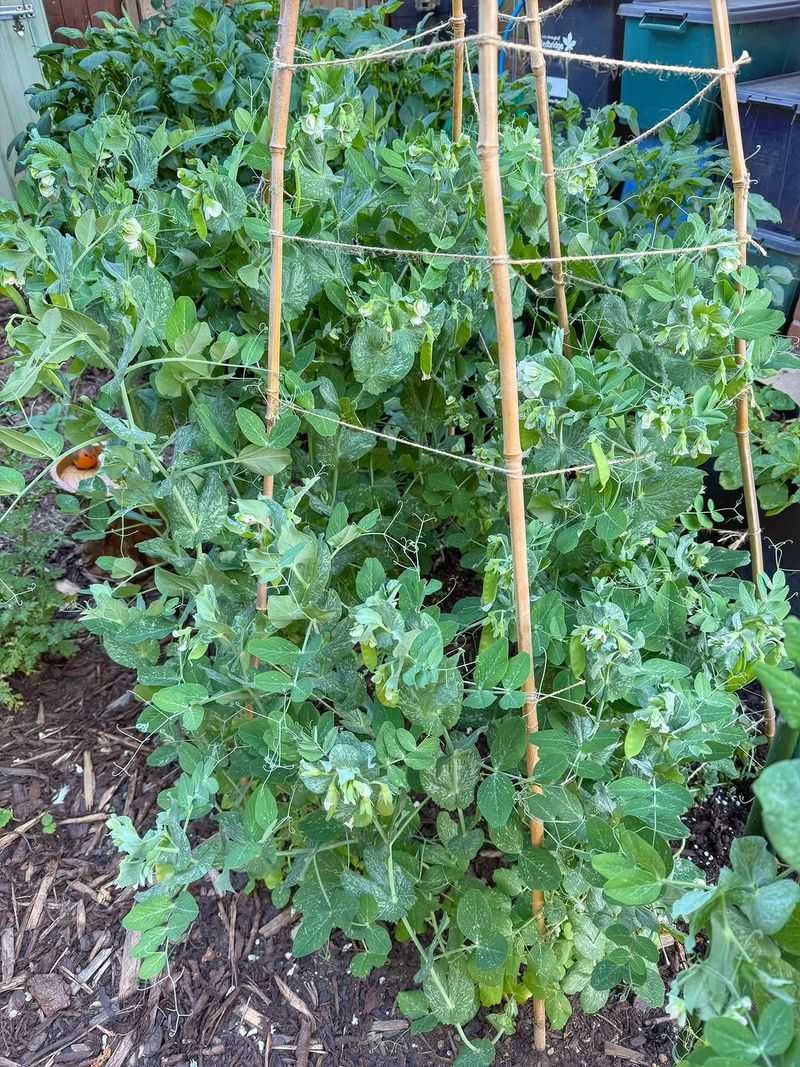
One of the most common mistakes gardeners make is planting too early, before the soil has warmed enough for reliable germination. Southern peas are warm-season crops that need warm soil to sprout and establish strong growth.
Cool soil can slow germination significantly. In some cases, seeds may rot before they ever have a chance to emerge.
The most important number to watch is soil temperature, not the air temperature. A warm afternoon does not necessarily mean the soil is ready for planting.
For southern peas, the soil should reach at least 65 degrees Fahrenheit before seeds go into the ground. Temperatures closer to 70 degrees generally produce faster and more consistent germination.
A simple soil thermometer takes the guesswork out of planting time. It is inexpensive, easy to use, and can help prevent disappointing results.
Soil warming dates vary from one area to another, depending on local weather patterns and elevation. Rather than relying on the calendar, check the soil directly before planting.
For the most accurate reading, insert the thermometer about two to three inches deep.
That measurement reflects the conditions your seeds will experience and gives a much better indication of whether it is time to plant.
4. Space Plants Properly For Better Airflow
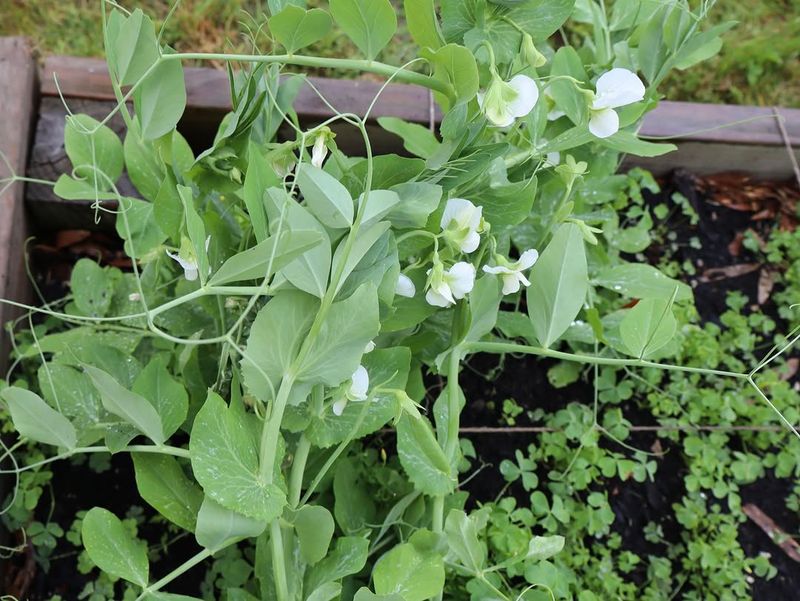
Trying to fit too many southern pea plants into a small space can create problems later in the season. While it may seem like a good way to increase production, overcrowding often leads to weaker plants and more maintenance.
When plants grow too close together, airflow becomes limited. Moisture lingers longer on the foliage, creating conditions that can encourage fungal diseases and other common garden issues.
Giving plants enough room to grow is one of the easiest ways to support healthy development. It also helps reduce competition for sunlight, water, and nutrients.
A good guideline is to space seeds or transplants about four to six inches apart within each row.
That provides enough room for plants to mature without becoming crowded.
Row spacing depends on the type you are growing. Bush varieties can usually be planted with rows about eighteen inches apart, while vining types benefit from two to three feet of space.
Proper spacing offers practical advantages as well. Watering, weeding, and harvesting become much easier when you can move comfortably between rows.
A little extra room at planting time can make a big difference later. Plants stay healthier, maintenance becomes simpler, and the garden is easier to manage throughout the growing season.
5. Water Deeply During Extended Dry Periods
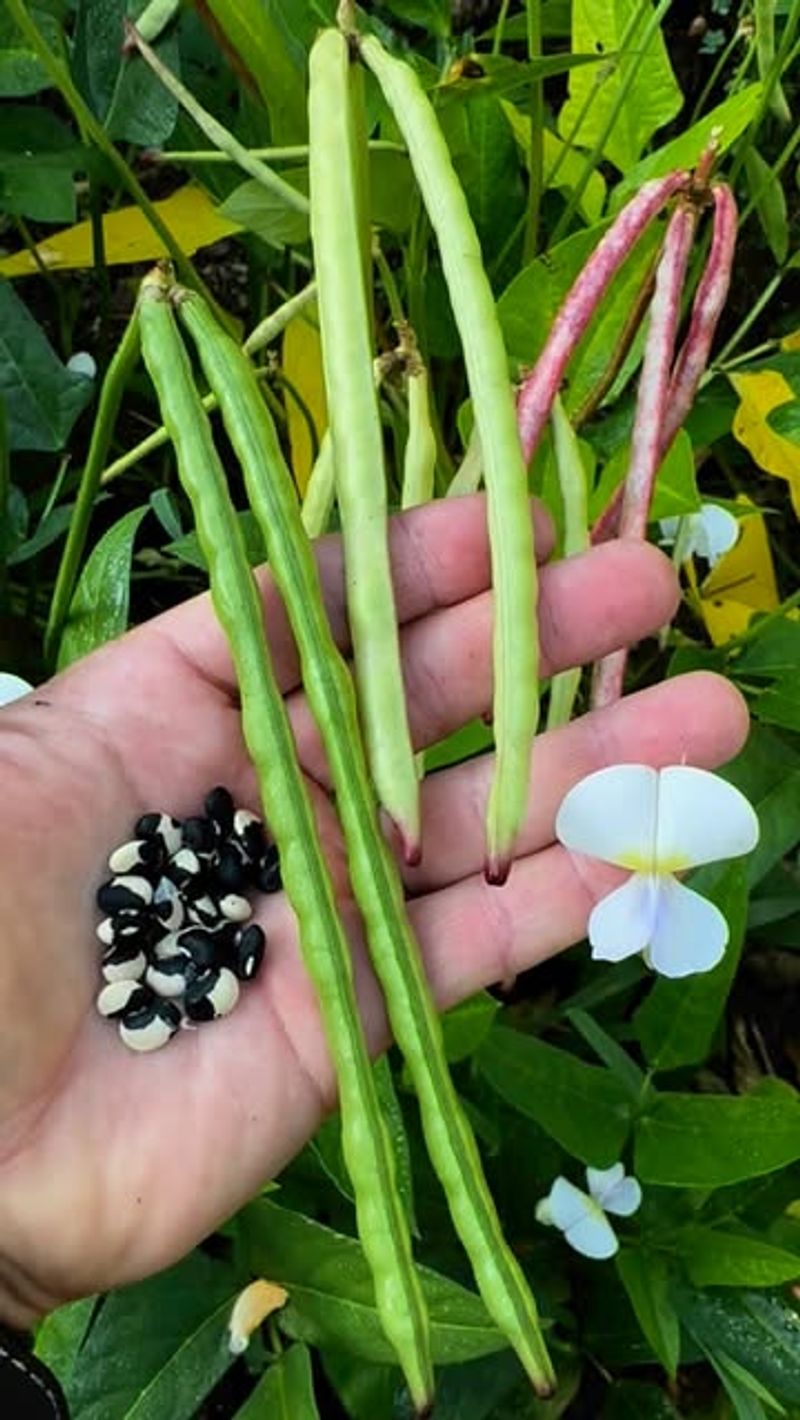
Summer weather can be unpredictable. One week may bring several days of rain, while the next leaves the garden dry and dusty.
Southern peas handle dry conditions better than many vegetable crops, but they still need consistent moisture to stay productive. Plants that go too long without water often produce fewer pods and show signs of stress during hot weather.
Deep watering is far more effective than light daily sprinkling.
Frequent shallow watering encourages roots to remain close to the soil surface, where moisture disappears quickly.
A thorough soaking once or twice a week helps roots grow deeper into the ground. Deeper roots can access moisture longer and are better equipped to handle periods of heat and drought.
As a general guideline, southern peas need about one inch of water per week, including any rainfall. Keeping track of that amount can prevent both underwatering and overwatering.
A simple rain gauge makes monitoring rainfall much easier. It provides a clear picture of how much moisture your garden is receiving naturally.
If rainfall does not provide enough water, supplement with a hose or drip irrigation system. Consistent moisture encourages healthy growth, better pod development, and stronger plants throughout the growing season.
6. Add Mulch To Hold Moisture Around The Roots
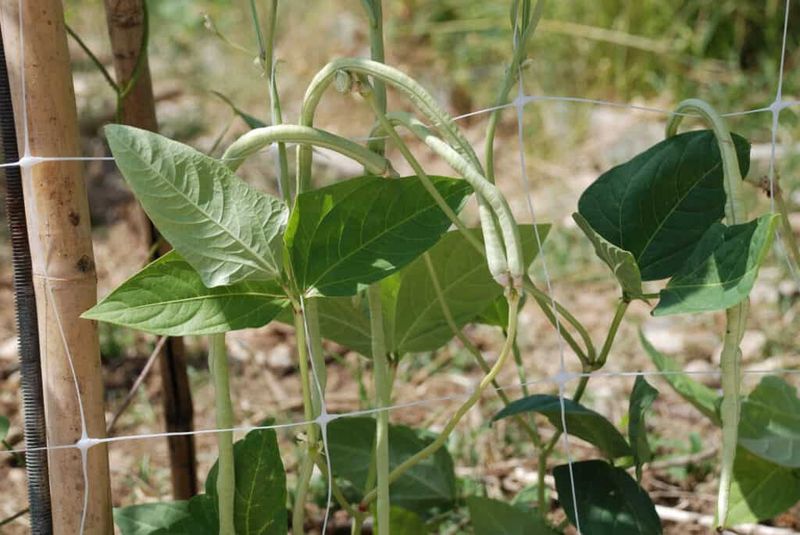
Adding mulch around your southern peas is one of the simplest ways to improve growing conditions during hot weather. A protective layer over the soil helps conserve moisture and reduces stress on plants during long stretches of heat.
Materials such as straw, wood chips, pine needles, or shredded leaves all work well. Each helps slow moisture loss from the soil while keeping the root zone cooler throughout the day.
Apply mulch about two to three inches deep around your plants. Leave a small gap around the stems to improve airflow and reduce the risk of rot near the base.
The earlier mulch is applied, the more effective it tends to be. Locking in moisture before the hottest part of the season arrives helps create more stable growing conditions.
Check the mulch layer occasionally as the season progresses. Organic materials naturally break down over time and may need a light refresh to maintain good coverage.
Mulch offers more than moisture retention. It also helps suppress weeds that compete with plants for water, nutrients, and growing space.
Consistent soil moisture supports steady growth and healthier plants.
7. Pick Pods Regularly To Keep Plants Producing
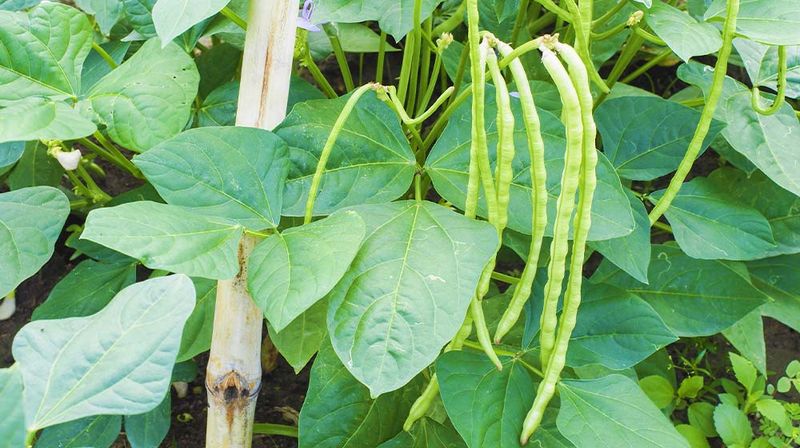
Southern peas can move from immature pods to harvest-ready surprisingly quickly, especially during periods of warm weather. A planting that seems a few days away from harvest can look completely different by the next weekend.
That fast pace is one reason regular garden checks matter so much. Waiting too long between harvests often results in pods that become tougher and less desirable for fresh use.
It can also leave you with more work than expected once several plants reach maturity at the same time.
A simple walk through the garden every couple of days helps you stay ahead of the process. You do not need to spend much time.
Just look for pods that have reached the stage you prefer for harvesting.
The right harvest time depends on your goal.
If you plan to shell and cook the peas fresh, pick pods once they feel well-filled and firm.
Gardeners growing peas for drying can leave pods on the plant longer so the seeds continue maturing naturally.
Frequent harvesting has benefits beyond collecting food. Regular visits make it easier to notice insect feeding, damaged leaves, or other developing issues before they become widespread.