What Georgia Gardeners Should Do With Azaleas Before Fall Arrives
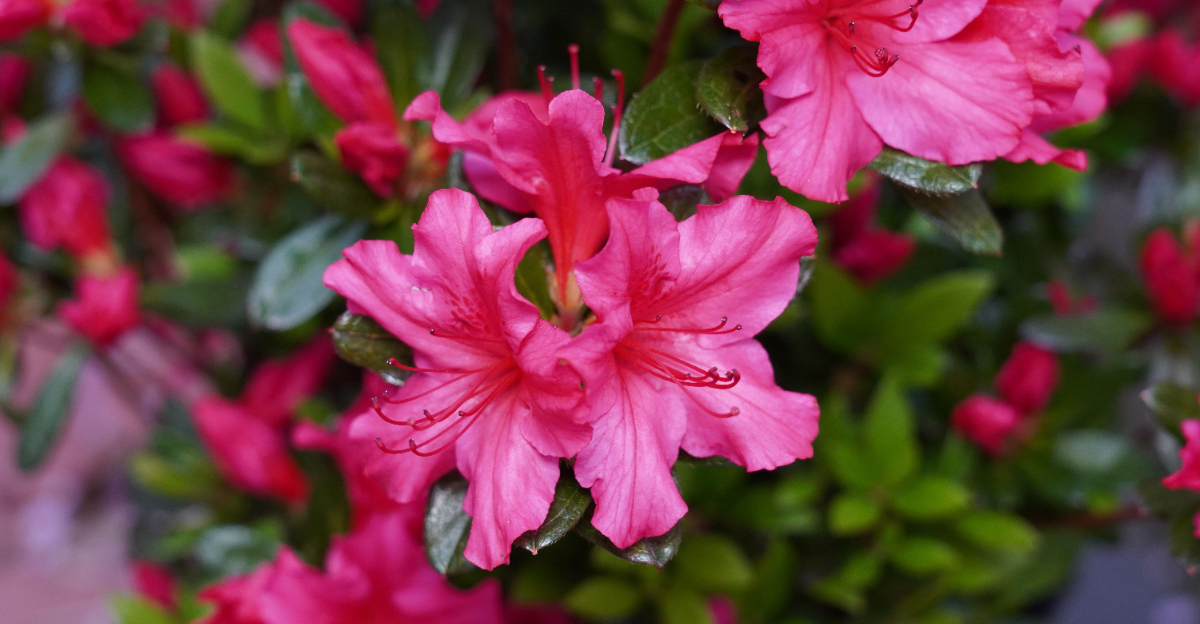
Azaleas may not be covered with flowers anymore, but they are far from taking the rest of the year off. What happens before fall arrives can shape how they perform next spring.
Many homeowners stop paying attention once the last blooms disappear. That is often when these shrubs begin preparing for the season ahead.
Late summer is a turning point that is easy to miss if you only judge a plant by what you can see. The healthiest spring displays usually begin with good care long before winter arrives.
Georgia gives azaleas plenty of time to prepare for another blooming season. Making the most of these weeks can pay off months from now.
The next spring starts sooner than it seems.
Small choices before fall can make a noticeable difference when bloom season returns.
1. Finish Pruning Before Flower Buds Begin Forming
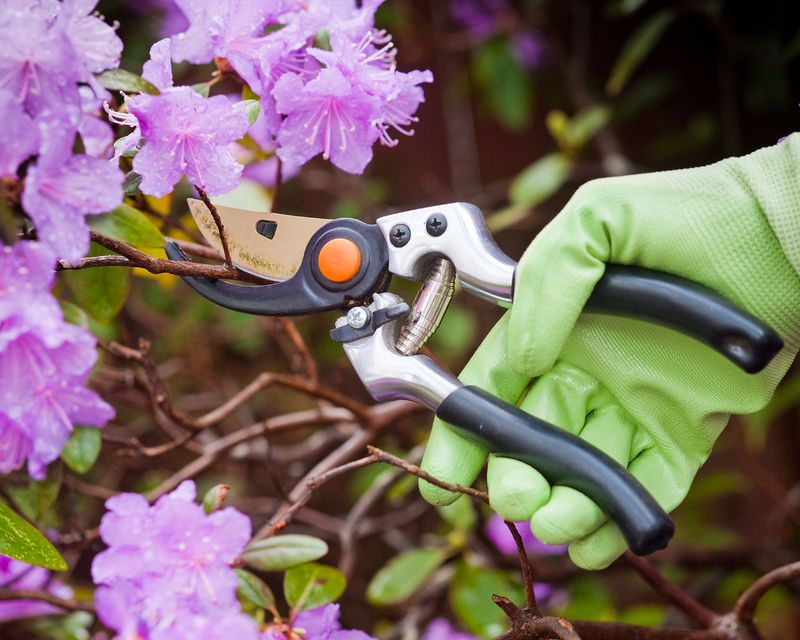
Timing is everything when it comes to pruning azaleas. Cut too late, and you will snip off the very buds that create next spring’s blooms.
Most azaleas in Georgia set their flower buds in mid to late summer, typically between July and August. Pruning after that point removes those buds before they ever get a chance to open.
Aim to finish any shaping or size reduction by mid-July at the latest. Light cleanup cuts made before bud set are usually fine.
Heavier pruning should be done right after the spring bloom period ends.
Use clean, sharp bypass pruners for small stems. Loppers work better on thicker branches.
Dull blades crush stems instead of cutting cleanly, which can invite disease.
Focus on removing crossing branches, damaged stems, and growth that throws off the natural shape. Azaleas do not need aggressive shaping to stay healthy.
A light touch usually gets the job done.
After pruning, give the shrub a good drink of water. Cut ends lose moisture faster in summer heat.
Keeping the root zone moist helps the plant recover without added stress.
Skipping late pruning is one of the simplest ways to protect next year’s flower display without spending any money at all.
2. Water Thoroughly During Late Summer Dry Spells
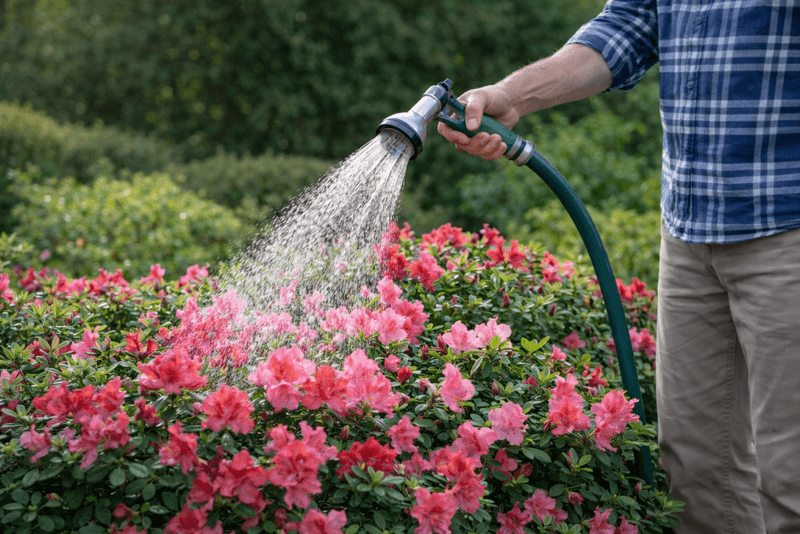
Azaleas are surprisingly sensitive to drought stress, especially while flower buds are forming in late summer.
Shallow roots make these shrubs among the first in the yard to show signs of water stress. Leaves may curl inward or droop before you even notice the soil has dried out.
During dry stretches, aim to water deeply at least once or twice a week. A slow, steady soak at the base of the plant does far more good than a quick spray over the top.
Wet foliage without proper airflow can encourage fungal issues.
Drip irrigation or a soaker hose works well for azaleas. Both methods put water directly at the root zone without wasting it on surrounding soil or leaves.
Early morning is the best time to water. Moisture has time to soak in before afternoon heat causes rapid evaporation.
Evening watering can leave foliage damp overnight, which is not ideal.
Your Georgia Garden Changes Every Week. Your Plan Should Too.
Gardening in Georgia changes quickly throughout the season. Every Friday you’ll receive a simple weekly plan showing exactly what to plant, prune, fertilize, harvest, and protect so you never miss the right timing.
Check soil moisture by pushing a finger two to three inches into the ground near the drip line. If it feels dry at that depth, it is time to water.
Consistent moisture through late summer supports healthy bud development. Stressed plants going into fall tend to produce fewer blooms the following spring.
3. Refresh Mulch Before Cooler Weather Arrives
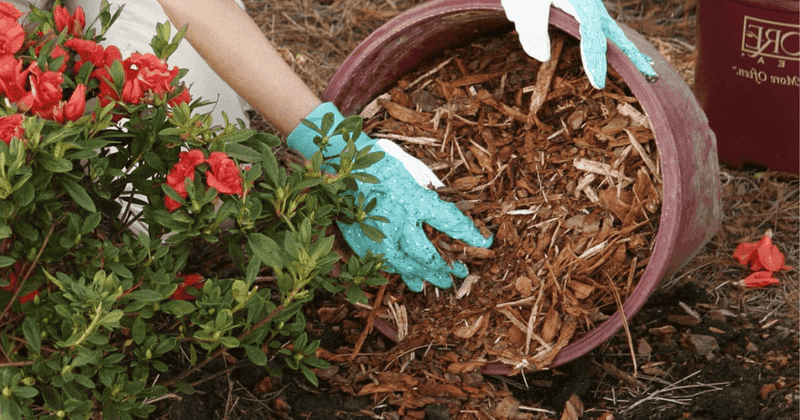
Old mulch breaks down over the growing season, and by late summer, what was once a protective layer may be thin, compacted, or nearly gone.
Refreshing mulch before fall serves several purposes at once. It insulates roots from temperature swings, holds in soil moisture, and slowly adds organic matter as it breaks down.
Pine bark mulch or pine straw are popular choices for azaleas in the South. Both are slightly acidic, which suits azaleas well since they prefer a soil pH between 4.5 and 6.0.
Apply a layer about two to three inches deep around the base of each shrub. Keep mulch a few inches away from the main stem to prevent moisture buildup against the bark.
Piling mulch directly against the stem can trap moisture and create conditions where rot or pest activity becomes more likely. A small gap around the base is all it takes to avoid that problem.
Pull out any weeds hiding under the old mulch before you add a fresh layer. Weeds compete with azaleas for water and nutrients, especially during dry stretches.
Fresh mulch also gives the garden a clean, finished look heading into fall.
4. Skip High Nitrogen Fertilizer Late In The Season
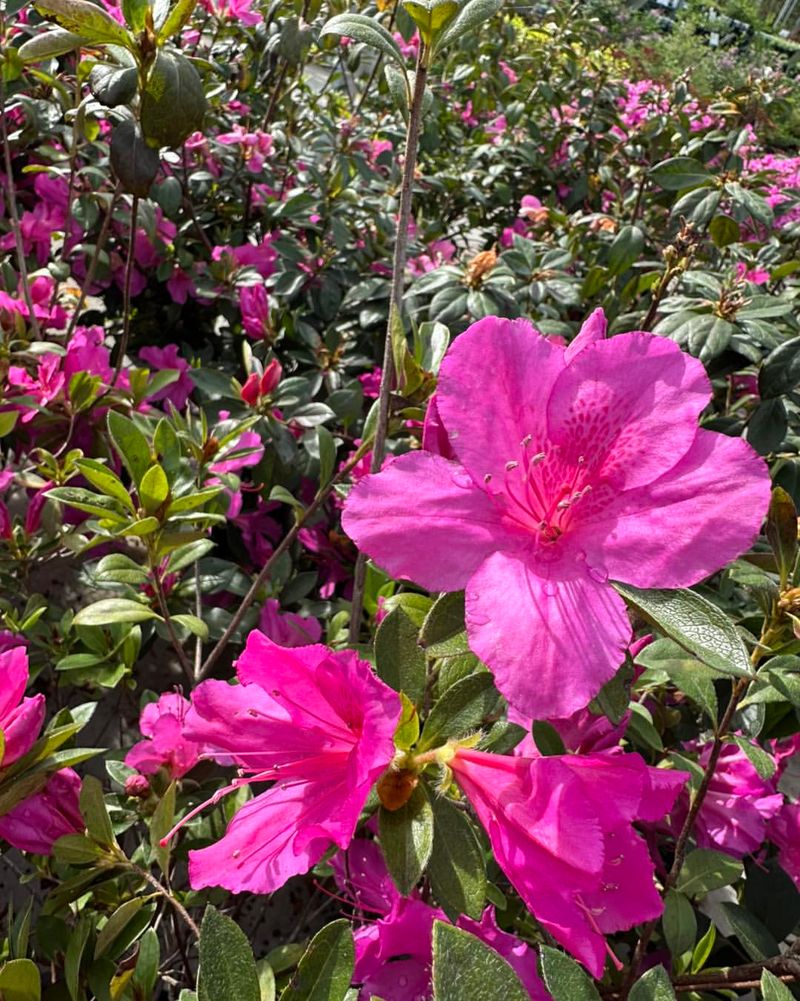
Reaching for fertilizer in late summer feels productive, but with azaleas, the timing of that decision matters as much as the product itself.
High nitrogen fertilizers push plants into producing new leafy growth. That sounds helpful, but fresh green growth in late summer is fragile.
It has not had enough time to harden before cooler temperatures arrive.
Tender new growth is more vulnerable to cold damage than established stems. In Georgia, fall temperatures can drop faster than expected, especially in the northern part of the state.
Most azalea care guides suggest stopping fertilization by late June or early July at the latest. By August, the plant should be focused on bud development and storing energy, not pushing out new leaves.
If your azaleas look pale or show signs of nutrient deficiency mid-season, a light application of a balanced, slow-release fertilizer in early summer is generally safer than a late push.
Soil pH also affects nutrient uptake. Even if fertilizer is present, azaleas in high-pH soil may struggle to absorb it.
A simple soil test can confirm whether nutrients are actually available to the plant.
Holding off on fertilizer in late summer is one of the easier adjustments to make.
5. Remove Spent Seed Pods To Save Energy
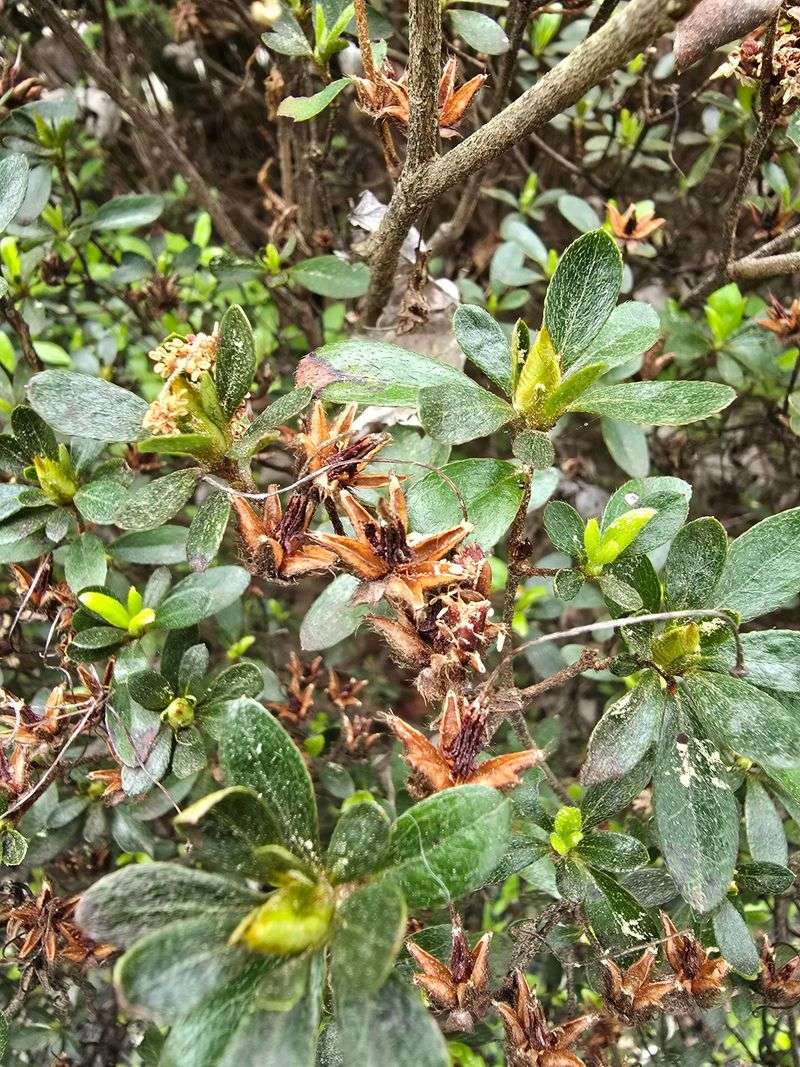
Seed pods are easy to overlook, but leaving them on the plant has a real cost. Once flowers fade, azaleas begin putting energy into producing seeds inside those small pods.
Seed production pulls resources away from root development and flower bud formation. Removing spent pods redirects that energy toward the parts of the plant that matter most heading into fall.
Look for small, round capsules forming where flowers once bloomed. They are typically green at first and may turn brown as the season progresses.
Pinching or snipping them off early in the process is easier than waiting until they are fully developed.
You do not need special tools for this task. Fingers work fine for small pods.
A pair of clean pruners handles tougher stems without damaging surrounding growth.
Deadheading, as this process is sometimes called, is a common practice across many flowering shrubs and perennials. With azaleas, the benefit is less about appearance and more about where the plant directs its limited resources.
Not every pod needs to come off perfectly. Even removing most of them makes a noticeable difference compared to leaving them all in place.
6. Treat Lace Bugs Before Fall Arrives
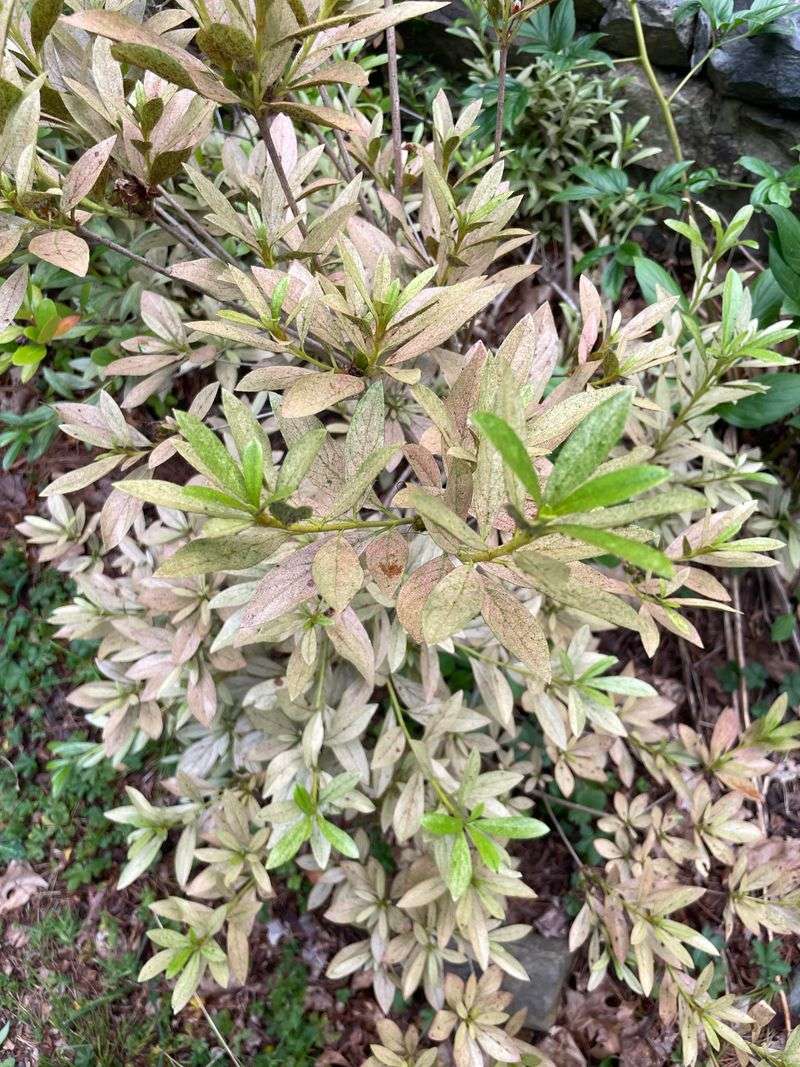
Lace bugs are one of the most common pest problems on azaleas across the Southeast. If you have noticed a silvery, stippled appearance on the upper surface of leaves this summer, lace bugs are likely the cause.
These small insects feed on the underside of leaves, piercing the tissue and extracting sap. The damage shows up on top as pale flecking or a washed-out look.
Dark, varnish-like spots on the leaf underside are another clear sign of their presence.
Left untreated through late summer, populations can build up significantly. A heavily infested plant heading into fall may struggle to maintain leaf health and store adequate energy for the following season.
Horticultural oil or insecticidal soap can reduce lace bug populations when applied directly to the underside of leaves. Coverage matters more than volume.
Missing the undersides means missing where the insects actually live.
Systemic insecticides labeled for lace bugs on ornamental shrubs are another option for severe infestations. Follow label directions carefully and apply during cooler parts of the day to reduce the risk of leaf burn.
Stressed, sun-baked plants tend to attract heavier lace bug pressure. Azaleas in Georgia planted in full sun are more susceptible than those in partial shade.
7. Leave Developing Flower Buds Undisturbed
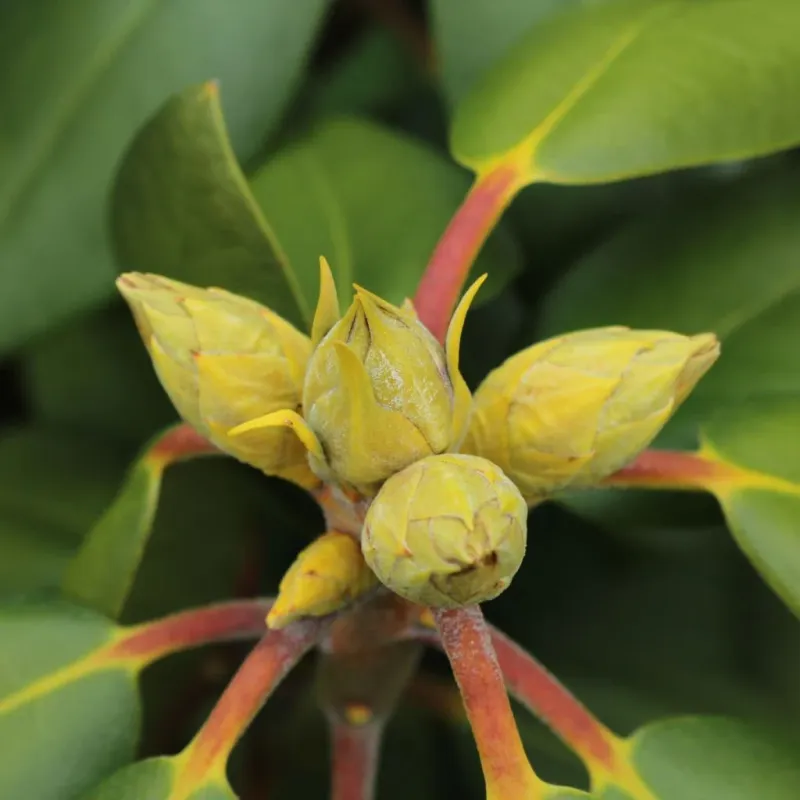
By late summer, most azaleas in Georgia have already started forming next year’s flower buds. Protecting those buds through the fall is one of the most straightforward things a gardener can do.
Flower buds look slightly different from leaf buds. They are rounder and more compact.
Once you know what to look for, they are easy to spot along the stems.
Avoid any pruning, shaping, or aggressive handling of the plant once buds are visible. Even well-intentioned tidying can accidentally remove dozens of buds in just a few minutes.
Foot traffic near the base of shrubs is another underrated concern. Compacting the soil around shallow roots limits water and air movement at a time when the plant needs both.
Keep pets and foot traffic away from the planting area if possible. A simple border or edging around the shrubs can help redirect movement without much effort.
Avoid using string trimmers near the base of the plant. The stems of azaleas are not heavily protected, and mechanical damage can create entry points for disease.
Bud drop can sometimes happen due to sudden temperature shifts, drought stress, or pest pressure. Keeping the plant well-watered and pest-free through late summer gives those developing buds the best chance of staying put.