The Meaning Behind A Hawk Circling Over Your Texas Yard
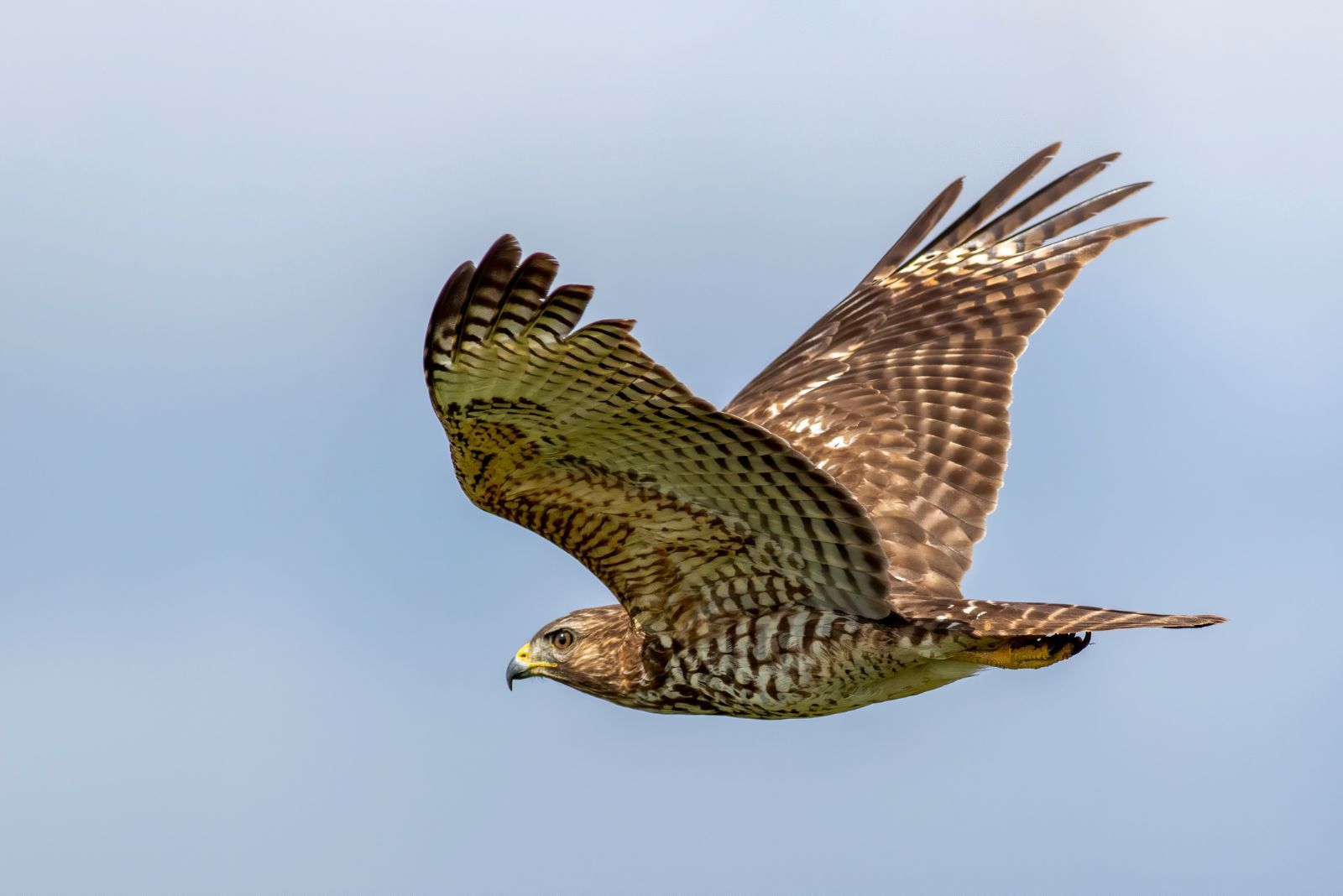
A hawk circling slowly over a Texas yard is one of those sights that tends to pull people out of whatever they were doing and hold their attention until the bird moves on.
There is something about the unhurried precision of it that feels meaningful, and for a lot of people it raises questions about what the bird is actually doing and what its presence in this particular spot might suggest.
Hawks do not circle randomly. Their behavior is deliberate and driven by specific conditions on the ground below, and a yard that draws a hawk in and keeps it circling is telling you something about what is happening in the outdoor space at ground level.
Whether you keep backyard chickens, have a pond, feed songbirds, or are simply curious about what is attracting this bird to your property, understanding what a circling hawk actually means is more interesting and more useful than most people expect it to be.
1. Indicator Of Healthy Wildlife
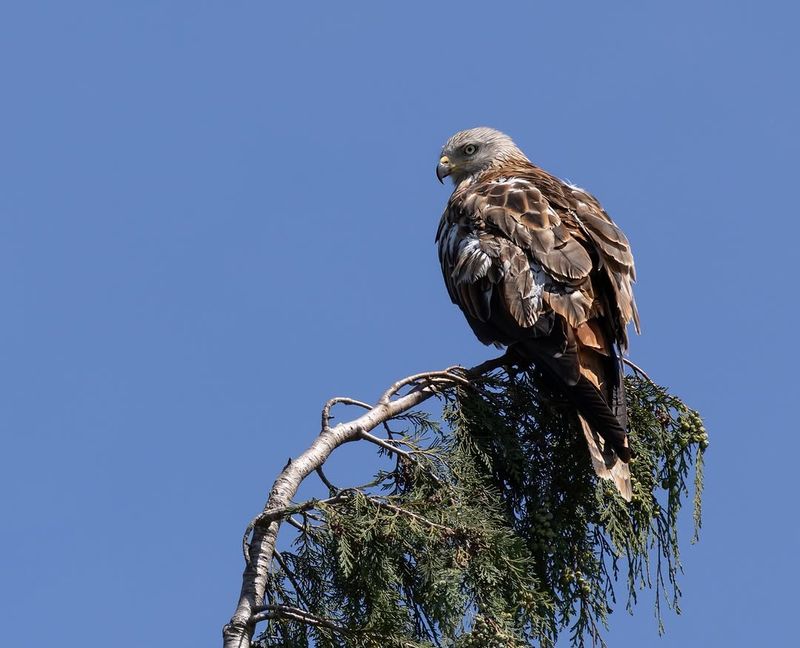
Not every yard gets a visit from a hawk, so if one is circling yours, consider it a compliment from nature. Hawks sit at the very top of the local food chain. Their presence is a strong sign that your yard and surrounding area are full of life.
Hawks need a steady supply of food to survive. They eat rodents like mice and voles, small rabbits, insects, and sometimes smaller birds.
If a hawk is hanging around your yard, it means all of those prey animals are likely living nearby too. A yard rich in food sources naturally attracts predators like hawks.
Healthy ecosystems work like a chain. Plants feed insects, insects feed small animals, and hawks feed on those animals.
When you see a hawk, it means every link in that chain is working. Your yard is part of a living, breathing natural system.
Many Texas homeowners work hard to make their yards wildlife-friendly by planting native plants, reducing pesticide use, and leaving natural areas undisturbed. These efforts pay off.
A circling hawk is one of the most exciting signs that your yard has become a true wildlife habitat.
You do not need a huge property to attract hawks. Even a small suburban yard with bird feeders, garden beds, and a little wild corner can support enough prey to bring hawks in.
Think of the hawk as nature’s report card. When it shows up, you are doing something right. Appreciate the visit and know that your outdoor space is genuinely thriving.
2. Hunting Or Scouting For Prey
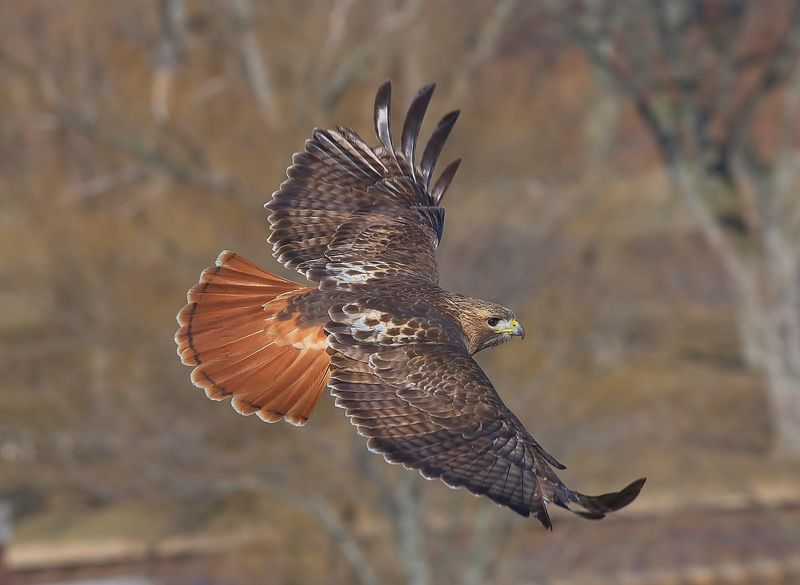
Picture this: a hawk gliding in wide, slow circles without flapping its wings. It looks effortless, almost lazy.
But up there, that bird is working hard with its eyes, scanning every inch of the ground below for the slightest movement.
Circling is one of the smartest hunting strategies in the animal world. Hawks use rising columns of warm air called thermals to stay airborne without burning much energy.
While they float on these air currents, their incredibly sharp eyesight does all the work. A hawk can spot a mouse from over 100 feet in the air.
Your Texas Garden Changes Every Week. Your Plan Should Too.
Gardening in Texas changes quickly throughout the season. Every Friday you’ll receive a simple weekly plan showing exactly what to plant, prune, fertilize, harvest, and protect so you never miss the right timing.
Your yard might be offering a buffet without you even knowing it. Tall grass hides mice. Garden beds attract insects and voles. Bird feeders bring in sparrows and other small birds.
All of these are on the hawk’s menu. The hawk is not being random when it circles your yard. It has spotted something worth watching.
Sometimes hawks circle an area for several minutes before swooping down. Other times they are just scouting, checking out a new hunting ground for future visits. Either way, your yard has caught their attention for a very specific reason.
If you notice a hawk circling regularly, take a look around your yard. You might discover you have more wildlife activity than you realized.
Rodent trails in the grass, bird activity near feeders, or even a rabbit hiding under a bush could all be drawing the hawk in. Your yard is basically a live-action nature documentary, and the hawk is the star of the show.
3. Territory Signaling
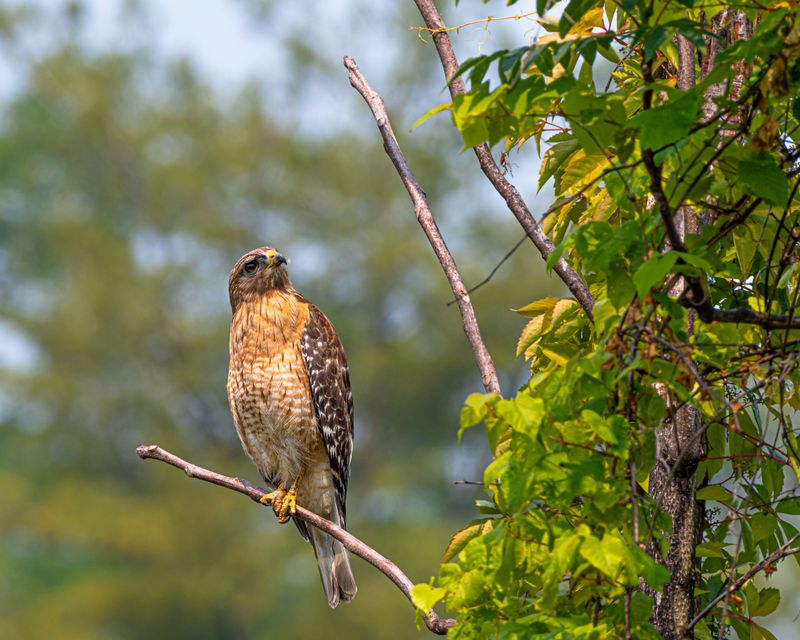
Hawks are not exactly the sharing type. Once a hawk claims a hunting territory, it guards that space seriously.
Circling overhead is one way they broadcast that message loud and clear to any other hawk that might be passing through.
A hawk’s territory can cover several square miles. Within that range, it hunts, nests, and raises its young.
When it circles an area repeatedly, it is essentially doing a patrol. It is checking the boundaries of its space and making sure no rivals have moved in. Think of it like a neighborhood watch, but with talons.
Male hawks are especially territorial during nesting season, which in Texas often runs from late winter through early summer.
If you notice a hawk circling your yard during those months, there is a good chance a nest is nearby. The hawk may be keeping a close eye on the area to protect its mate and eggs.
Interestingly, hawks often use the same territories year after year. A hawk that circles your yard this spring may be the same one you saw last year, or even the offspring of a hawk that used your area before.
They are creatures of habit when it comes to their home range. Spotting territorial behavior can actually help you predict when hawks will visit. Once you know a hawk claims your area, you can start watching for it regularly.
Keep a pair of binoculars handy and you might catch some truly remarkable moments, like a hawk defending its space from a crow or another bird of prey bold enough to cross into its zone.
4. Seasonal Or Migratory Activity
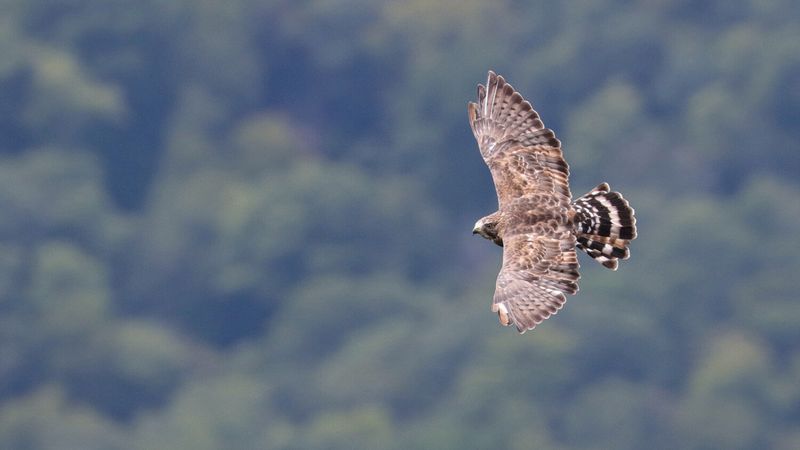
Every year, millions of birds travel across the sky above Texas. The state sits right along one of North America’s most active migration corridors.
Hawks are a major part of this seasonal movement, and watching them pass through is one of the great wildlife spectacles in the Lone Star State.
During fall migration, from September through November, certain hawk species gather in large groups called kettles. These are swirling masses of hawks riding thermals together to gain altitude before gliding south.
If you see multiple hawks circling at once above your yard, you might be witnessing a kettle in action. It is an unforgettable sight.
Spring migration brings another wave of hawks moving northward. Broad-winged Hawks, Swainson’s Hawks, and Sharp-shinned Hawks are among the species commonly seen passing through Texas during these seasons.
They stop to rest and refuel along the way, and your yard might be a convenient layover spot.
Even non-migratory hawks like the Red-tailed Hawk become more visible in certain seasons. During nesting season, they circle more frequently as they scout for nest sites or bring food back to their young.
Late winter and early spring are especially active times for hawk watching in Texas backyards.
Keeping a simple journal of when you spot hawks circling can be a fun and rewarding hobby. Note the date, time of day, and how many hawks you see.
Over time, you will start to notice patterns that match up with the seasons. Apps like eBird can also help you identify which species are passing through your part of Texas and when to expect them.
5. Weather Indicator
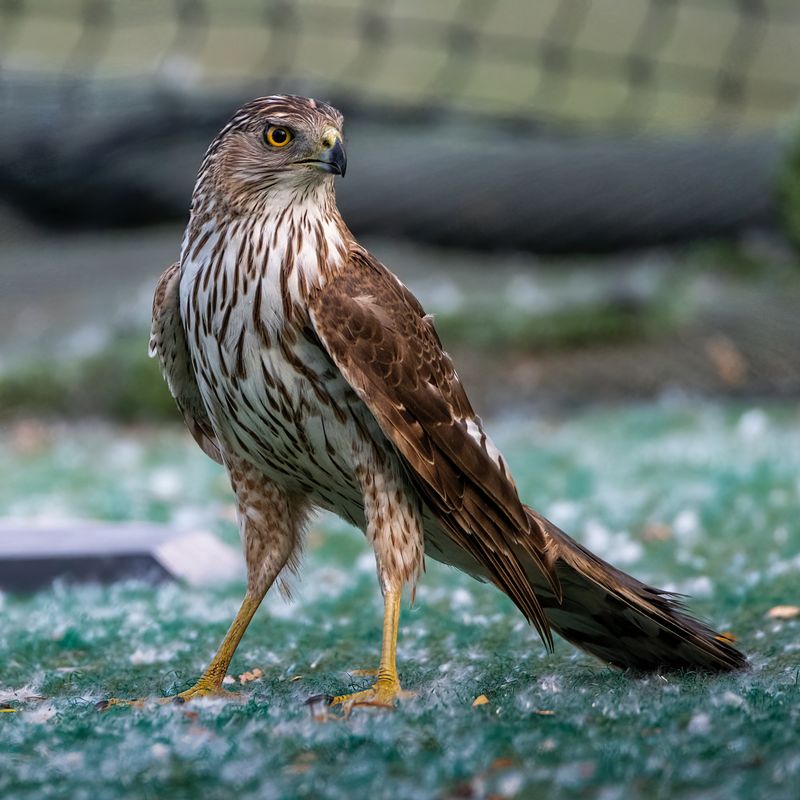
Long before weather apps existed, farmers and outdoor workers watched birds to predict the weather.
Hawks, in particular, have a surprisingly strong connection to atmospheric conditions. The way they fly can actually tell you something about what the sky is about to do.
Hawks are masters at riding thermals, which are invisible columns of warm air that rise from the ground on sunny days. On a warm, clear morning, the ground heats up quickly and sends thermals spiraling upward.
Hawks catch these rising currents and use them to soar effortlessly. So when you see a hawk circling high and steady, it usually means the air is warm, calm, and stable, which often signals good weather ahead.
On the flip side, hawks tend to fly lower and more frantically before a storm rolls in. When air pressure drops and thermals weaken, hawks cannot soar as easily.
You might notice them flying closer to the ground or perching more than usual. Some experienced birdwatchers say this low-flying behavior can signal rain or storms within a day or two.
Texas weather is famously unpredictable, especially in spring and fall. Watching hawk behavior can be a fun way to tune into natural weather signals.
It will not replace checking your weather app, but it adds a whole new layer of awareness to your outdoor time.
Next time a hawk is circling high and effortlessly above your yard on a bright Texas morning, take a moment to enjoy it.
Chances are, the weather is beautiful and the atmosphere is perfectly calm. The hawk is basically confirming what you already feel: it is a great day to be outside.
6. Symbolic Meaning
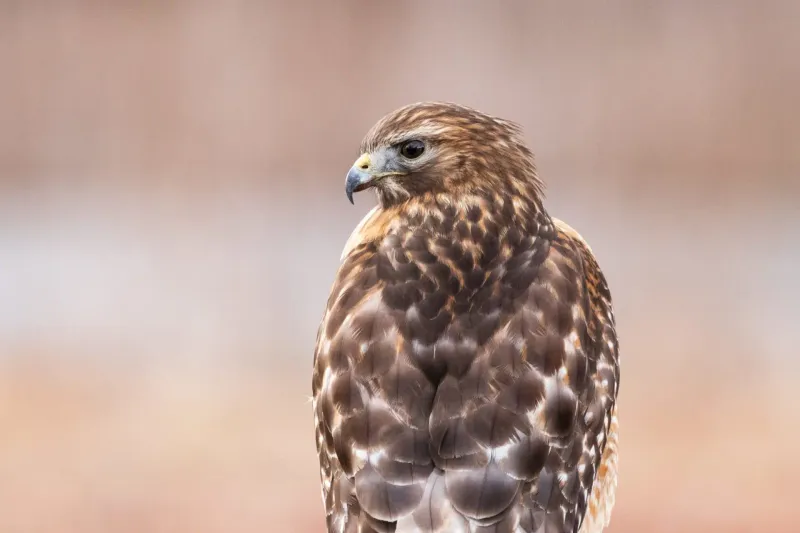
Across human history, few birds have captured the imagination quite like the hawk. From ancient Egypt to Native American traditions to modern spiritual practices, the hawk has long been seen as a powerful symbol.
Spotting one circling above your yard can carry a meaning that goes beyond biology. In many Native American cultures, the hawk is a messenger.
It is believed to carry wisdom from the spirit world and to appear when someone needs guidance or a reminder to pay closer attention to their surroundings.
Different tribes have their own specific meanings, but the themes of vision, awareness, and focus appear consistently across many traditions.
Ancient Egyptians associated hawks with the sun god Horus, who was often depicted with a hawk’s head. The hawk represented royal power, protection, and clear sight.
In Celtic mythology, the hawk symbolized the ability to see the bigger picture, rising above everyday problems to gain a wider perspective.
Even in modern times, many people feel a deep sense of meaning when a hawk appears at an important moment in their lives. Some interpret it as a nudge to slow down, look around, and notice what they might be missing.
Others see it as a sign of strength and focus during a challenging time. You do not have to follow any particular spiritual tradition to find meaning in a hawk’s visit. Simply watching it circle above your yard can be a grounding, peaceful experience.
It is a reminder that the natural world is always moving around us, full of beauty and purpose. Sometimes, looking up is exactly what we need to gain a little clarity.