Do These Things To Your North Carolina Zucchini In June For A Record-Breaking Harvest
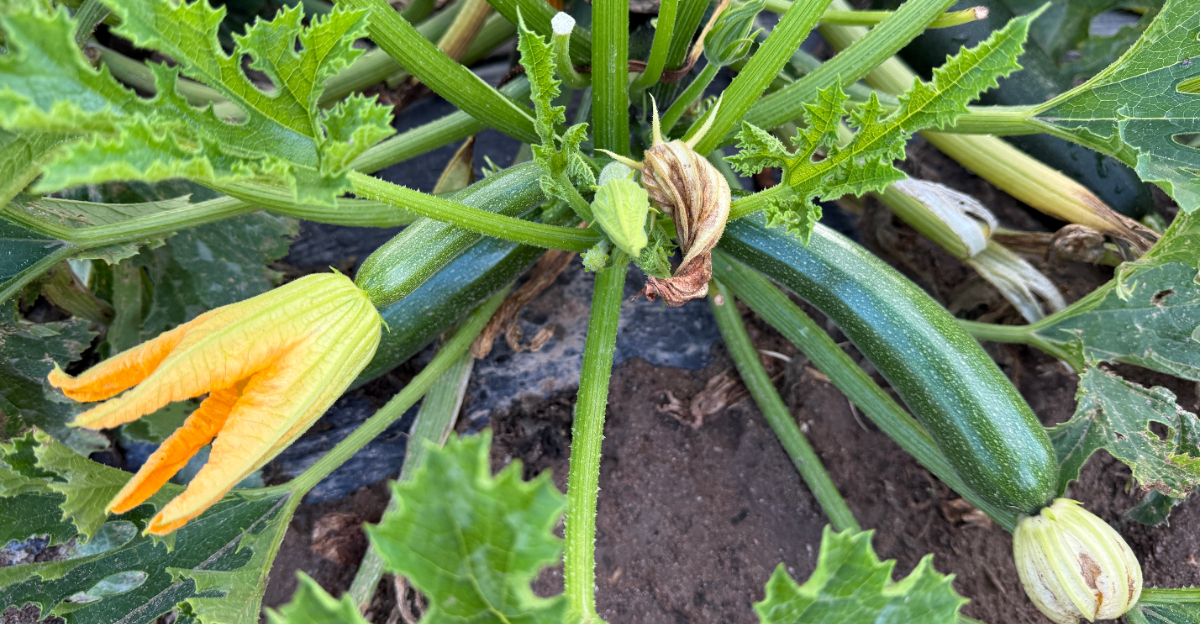
Zucchini has a reputation for producing abundantly with almost no effort, but North Carolina gardeners who have pushed through a full summer know that the plants need more support than that reputation suggests.
June is the most important month in the entire zucchini season for this region, sitting right at the intersection of strong plant development and the incoming heat and humidity that will define the rest of the growing period.
What you do and what you skip doing during these weeks has a direct impact on how long your plants stay productive and how much fruit actually makes it off the vine in good condition.
A handful of targeted steps taken now set up the kind of extended, high-volume harvest that makes all the effort of getting the garden going in spring feel completely worth it.
1. Provide Consistent Deep Watering
Zucchini is thirsty work. In North Carolina’s hot and humid June weather, your plants can lose moisture faster than you might expect, and shallow watering just does not cut it.
What your plants really need is a deep, thorough soak that reaches down several inches into the soil where the roots are actively growing and absorbing nutrients.
Aim to water your zucchini plants two to three times per week, giving each plant about one to two inches of water each session. The best time to water is early morning, which allows the soil to absorb moisture before the afternoon heat pulls it away.
Watering at the base of the plant rather than overhead also helps prevent fungal issues, which are common in humid North Carolina summers.
Deep watering encourages roots to grow downward rather than staying near the surface. Strong, deep roots help plants handle heat stress and pull up more nutrients from the soil.
This directly supports bigger, healthier fruits and reduces blossom drop, which is one of the most frustrating problems home gardeners face in June.
Stick your finger two inches into the soil near the plant base. If it feels dry at that depth, it is time to water.
A simple moisture meter can also take the guesswork out of the equation. Consistent soil moisture keeps your zucchini plants producing steadily throughout the season, setting the foundation for a truly impressive harvest all summer long.
2. Mulch Around Plants
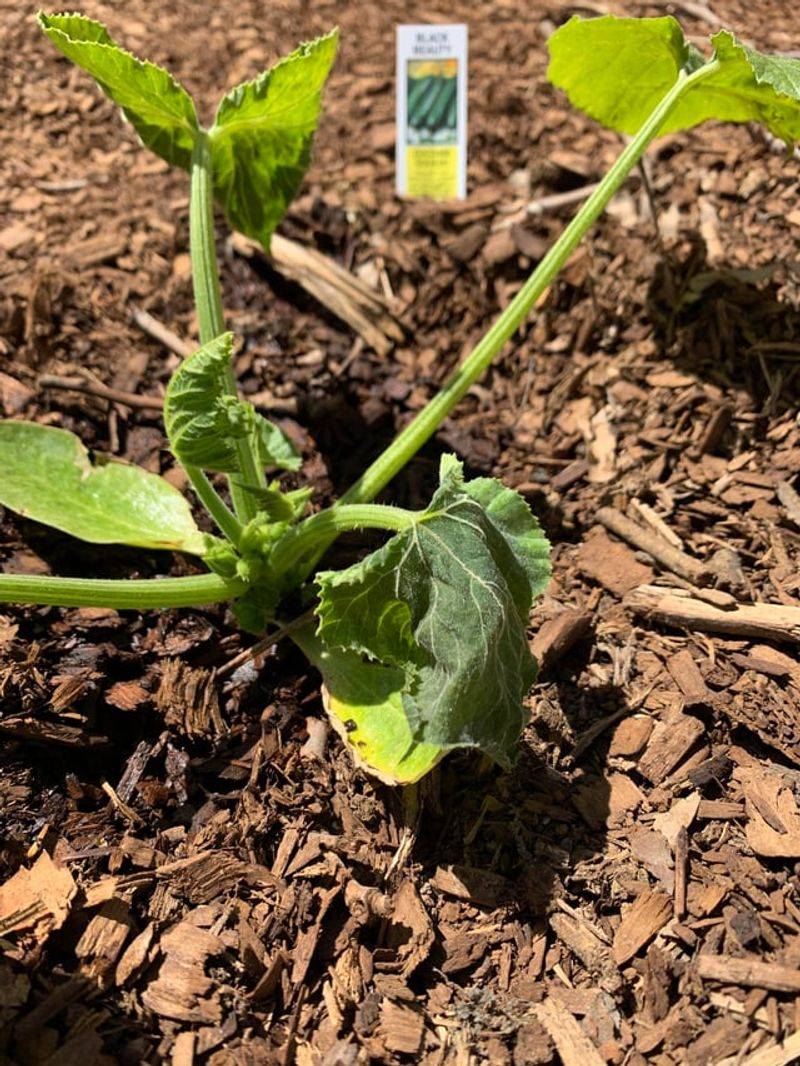
One of the smartest moves you can make in a June North Carolina garden is spreading a generous layer of mulch around your zucchini plants. It sounds simple, but the benefits stack up fast.
Mulch acts like a protective blanket for your soil, holding in moisture, keeping roots cool, and blocking weeds before they even get started.
Apply two to three inches of organic mulch such as straw, shredded leaves, or wood chips in a ring around each plant, keeping it a few inches away from the main stem to prevent rot.
This layer works throughout the day, slowing evaporation even during the hottest afternoon hours.
In a climate like North Carolina’s, where summer temperatures regularly climb into the 90s, that moisture retention can be the difference between thriving plants and stressed ones.
Your North Carolina Garden Changes Every Week. Your Plan Should Too.
Gardening in North Carolina changes quickly throughout the season. Every Friday you’ll receive a simple weekly plan showing exactly what to plant, prune, fertilize, harvest, and protect so you never miss the right timing.
Weeds are sneaky competitors. They pull water and nutrients away from your zucchini without you even noticing until yields start dropping.
A thick mulch layer smothers most weed seeds before they sprout, saving you time and protecting your plants at the same time.
Organic mulches also break down slowly over the season, adding nutrients back into the soil as they decompose. By midsummer, your soil structure will actually improve from that layer you laid down in June.
Think of mulching as a low-effort, high-reward habit that keeps working for you around the clock, rain or shine, without any extra attention required from you at all.
3. Monitor For Pests
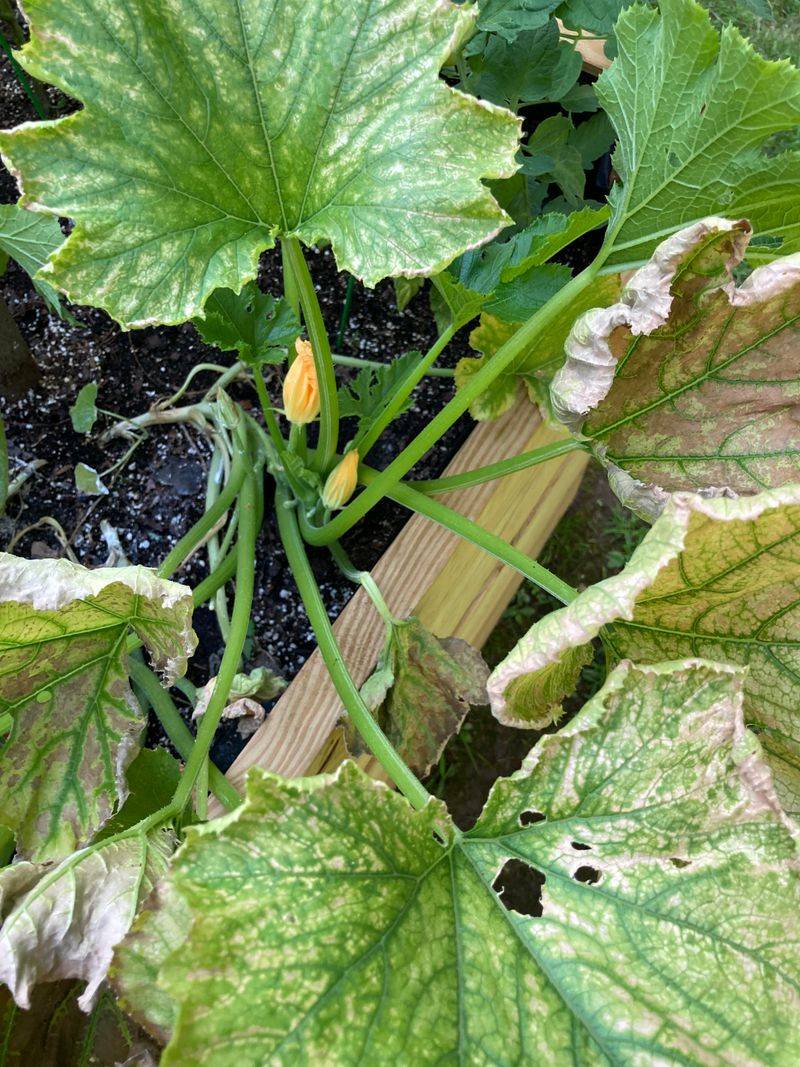
Squash vine borers, cucumber beetles, and aphids are not just minor annoyances in a North Carolina June garden. They can take a productive zucchini plant from thriving to struggling in a matter of days.
Catching them early is everything, and the good news is that regular scouting takes only a few minutes each week.
Walk through your garden every two to three days and look carefully at both sides of the leaves, the stems near the soil line, and the base of each plant. Squash vine borers leave tiny entry holes and sawdust-like frass near the stem base.
Cucumber beetles are yellow with black spots or stripes and tend to cluster on flowers and young leaves. Aphids gather in soft clusters on new growth and undersides of leaves, and they multiply quickly if left alone.
Organic control methods work well when you catch problems early. A strong spray of water from your garden hose can knock aphids off plants immediately.
Row covers placed over young plants before pests arrive can prevent infestations altogether. For cucumber beetles, yellow sticky traps placed near plants help reduce populations without chemicals.
Neem oil spray is a reliable organic option that works against multiple pest types and is safe to use in a home garden. Mix it with water and a small amount of dish soap, then apply in the early morning or evening to avoid burning leaves.
Staying ahead of pests in June protects your plants during their most productive weeks of the season.
4. Hand-Pollinate Flowers If Necessary
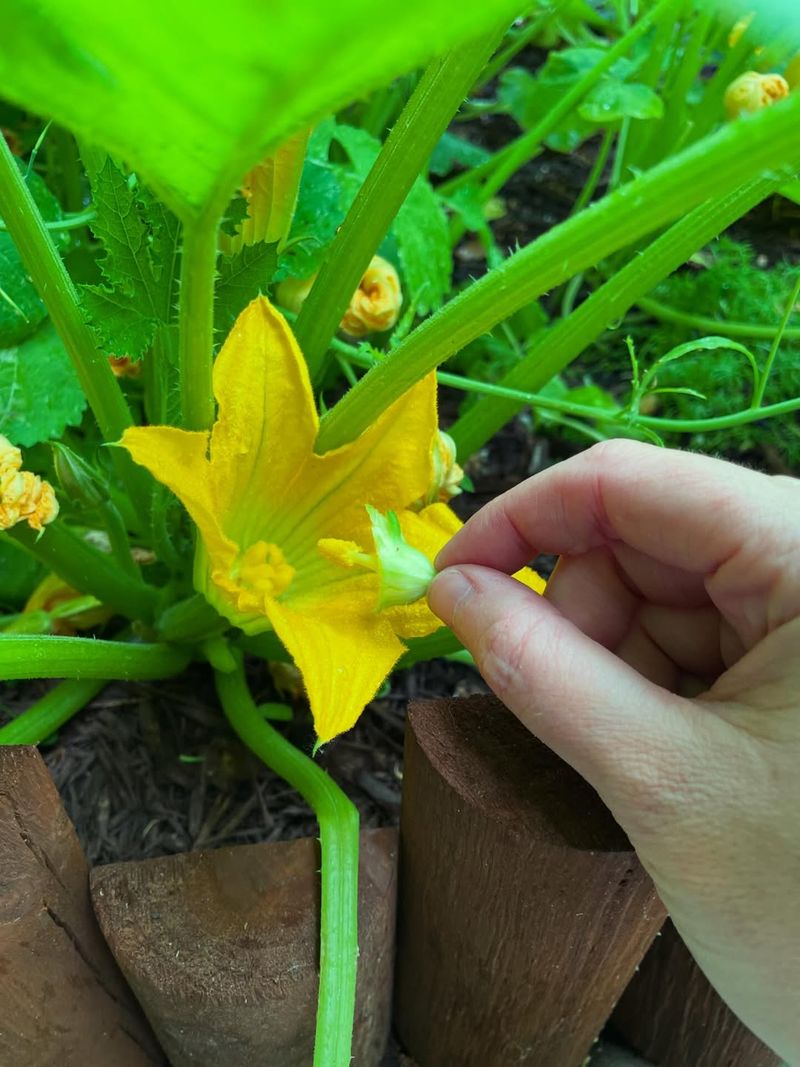
Few things are more puzzling than watching your zucchini plants produce plenty of flowers but very little fruit. The culprit is often poor pollination.
When bees and other pollinators are not active enough in your garden, whether due to rain, heat, or simply low numbers, the flowers do not get fertilized and the tiny fruits shrivel up before they develop.
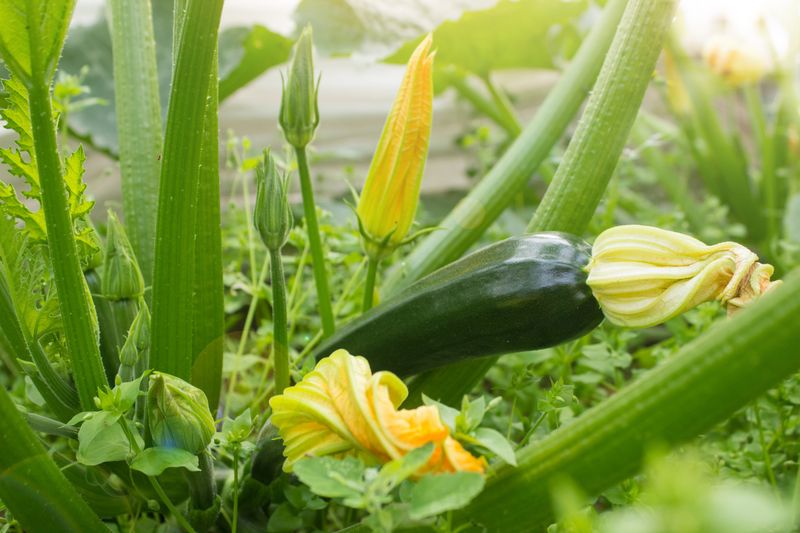
Hand-pollinating is easier than it sounds, and it takes less than five minutes once you know what to look for. Male flowers appear first on long, thin stems with no swelling at the base.
Female flowers come a bit later and have a small, rounded bump at the base of the bloom that will eventually become the zucchini fruit. Both types need to be open at the same time for pollination to work.
To hand-pollinate, simply pick a fully open male flower and peel back the petals to expose the pollen-covered center. Gently dab that center against the sticky center of an open female flower.
You can also use a small paintbrush or cotton swab to transfer the pollen. Do this in the morning when flowers are freshest and most open, usually between 8 and 10 a.m.
Planting pollinator-friendly flowers nearby, like marigolds or borage, can attract more bees to your garden over time. But in the short term, hand-pollinating gives you direct control over your fruit set.
In North Carolina’s variable June weather, having this skill ready means your harvest never has to slow down.
5. Support Heavy Vines
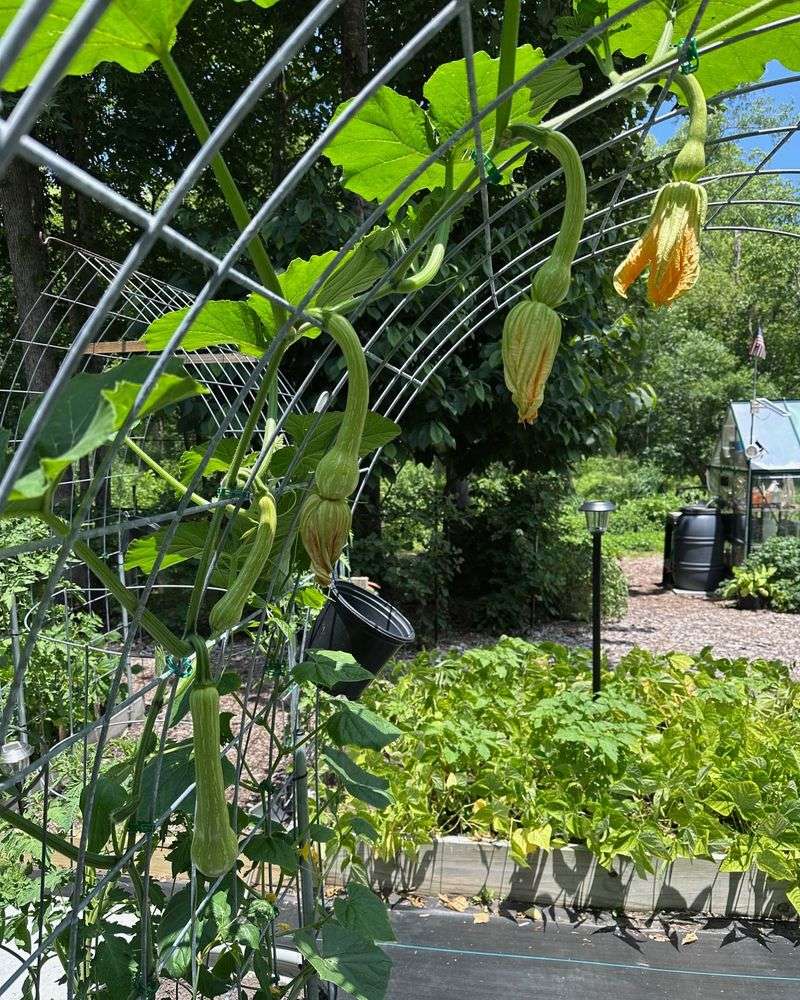
Zucchini plants can surprise even experienced gardeners with just how heavy and sprawling they become by mid-June. A single plant loaded with fruit can weigh down its own vines to the point of snapping, especially after a heavy rainstorm.
Giving your plants a little structural support is a smart, proactive move that pays off in healthier plants and more consistent yields.
Wooden stakes, bamboo poles, or tomato cages all work well for supporting zucchini vines. Push the stake firmly into the soil a few inches from the main stem and use soft garden ties, strips of cloth, or velcro plant tape to gently secure the vine without constricting it.
Avoid using wire or anything too rigid that could cut into the stem as the plant grows.
Supporting vines also improves air circulation around the plant, which matters a lot in North Carolina’s humid summer climate.
When leaves and stems are crowded together on the ground, moisture gets trapped and creates the perfect environment for powdery mildew and other fungal issues.
Lifting the plant off the soil surface helps air move freely through the foliage, keeping it dry and healthy.
Better air circulation also means more sunlight reaches the inner parts of the plant, which supports stronger leaf development and more consistent flowering. A well-supported zucchini plant simply performs better across the board.
Taking fifteen minutes to stake your vines now can prevent a lot of frustration later in the season when plants are at their most productive and most vulnerable to breakage.
6. Fertilize Lightly
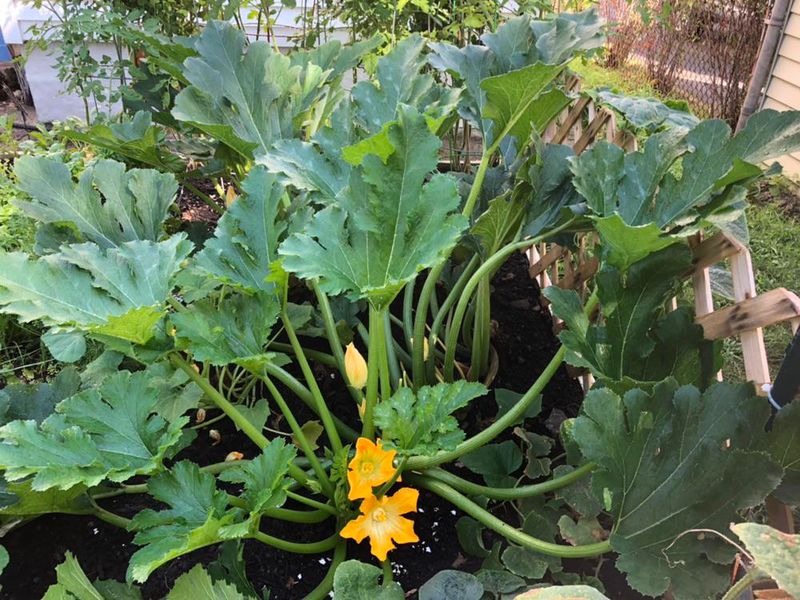
By June, your zucchini plants have already done a lot of growing, and they need a nutritional boost to keep producing fruit at a strong pace. But here is something many home gardeners get wrong: more fertilizer is not always better.
Overfeeding zucchini, especially with nitrogen-heavy products, pushes the plant to grow more leaves instead of setting more fruit.
A balanced, slow-release granular fertilizer with roughly equal amounts of nitrogen, phosphorus, and potassium works well for June feeding. Look for a product labeled 10-10-10 or similar.
Sprinkle it lightly around the base of each plant according to the package directions, then water it in well. The slow-release formula feeds your plants gradually over several weeks rather than all at once, which prevents nutrient spikes that throw off growth patterns.
If you prefer a liquid option, fish emulsion or a diluted balanced liquid fertilizer applied every two weeks is a gentle, effective approach. Compost tea is another excellent organic choice that feeds plants while also improving soil biology.
Whatever method you choose, the goal is steady, moderate nutrition rather than heavy doses.
Watch your plants for signs of over-fertilizing, which include very dark green leaves, lots of lush foliage, and very few flowers or fruits. If you see those signs, ease back on the feeding and focus on watering and harvesting instead.
Zucchini plants are naturally vigorous growers, and a little nutritional support in June goes a long way toward keeping them productive right through the rest of the summer season.
7. Harvest Regularly
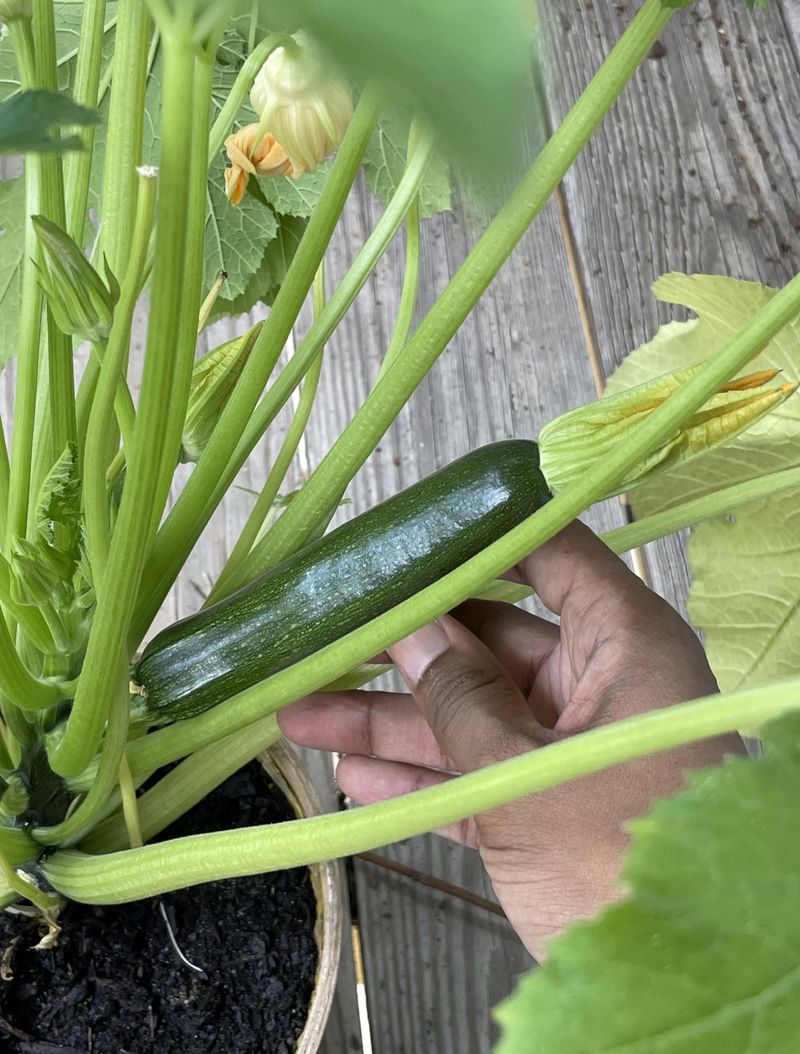
Here is a gardening truth that surprises a lot of first-time zucchini growers: the more you pick, the more the plant produces. Zucchini plants are wired to keep making fruit until they successfully mature a large one.
Once a single zucchini grows oversized and goes to seed, the plant shifts its energy toward that fruit and slows down flower production dramatically.
Pick your zucchini when the fruits are six to eight inches long. At that size, they are tender, flavorful, and at peak quality for cooking.
Larger zucchini are tougher and less tasty, and they send a signal to the plant that the job is done. Checking your plants every single day during peak season is not too much.
In warm North Carolina June weather, a zucchini can go from perfectly sized to oversized in just 24 to 48 hours.
Use a sharp knife or garden scissors to cut the fruit from the vine rather than pulling or twisting it off. Pulling can damage the stem and create entry points for disease or pests.
A clean cut keeps the plant healthy and encourages new growth right at that node. After harvesting, give the plant a quick visual check for any flowers ready to open or young fruits just starting to form.
Regular harvesting also keeps your garden looking tidy and manageable. A plant that is not burdened by oversized fruits stands stronger, produces more consistently, and holds up better through the rest of the summer.
Make harvesting a daily habit in June and you will be amazed at just how much one plant can produce.