What Your Morning Squirrel Visitors Mean For Your North Carolina Garden
Something is happening in your North Carolina garden in the morning before you get outside.
Not damage exactly. Not chaos. Something more systematic than that.
A gray squirrel moves through your beds with what looks like a plan. Stops at specific spots. Digs in particular areas. Checks certain zones and moves on from others without touching them at all.
Many gardeners read this as random nuisance behavior and respond with frustration and wire fencing.
But each visit is communicating something specific about what is happening in your soil, your planting schedule, and your garden’s relationship with the wildlife sharing the yard.
Have you ever noticed that squirrel activity spikes at certain times of year and then drops off completely? That is not random either.
Eastern gray squirrels operate on a seasonal rhythm that directly intersects with the most critical moments in a North Carolina gardening calendar. Learning to read what they are doing in the morning changes how you respond to it.
Eight behaviors. Eight messages. All of them worth understanding.
1. Loose Soil Means You Just Advertised The Easiest Digging Spot In The Yard
Freshly worked garden beds send a signal across the yard. That soft, aerated texture is exactly what a squirrel looks for when it needs to bury something quickly.
The loose soil is not an invitation you intended to extend. The squirrel accepted it anyway.
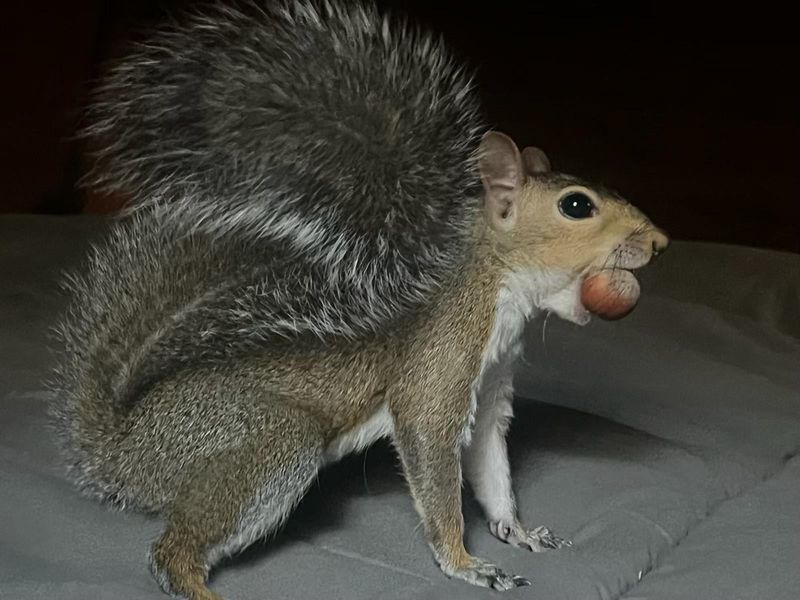
Gray squirrels are dedicated cachers. They bury thousands of individual food items each season and rely on spatial memory to find them again.
When acorn production peaks across North Carolina each fall, caching activity intensifies and squirrels prioritize the easiest available digging spots. A bed you just turned with a fork tops that list every time.
This is not targeted destruction. The squirrel is not after your plants specifically. It is using the path of least resistance for food storage, and your freshly amended bed offers exactly that.
Two responses work well here. The first is leaving a small patch of loose mulch at the garden edge as a decoy digging zone.
A squirrel with an easier option nearby will often take it over a more inconvenient one. The second is laying hardware cloth about two inches below the soil surface in new beds.
The wire discourages digging without harming the squirrel or interfering with root development. Once the soil firms up after a few waterings, squirrels typically redirect to softer targets elsewhere.
The garden worked hard to build that loose soil. So did you. The squirrel just noticed first.
2. Squirrels Found Your Planting Before The Seeds Did
Planting seeds is one of the more optimistic acts in gardening. Finding half of them missing by morning is one of the more deflating ones.
Squirrels target freshly seeded beds for two straightforward reasons. The disturbed soil signals easy digging and the seeds themselves are food.
Sunflower seeds, corn, and large vegetable seeds are particularly attractive. Small seeds are less interesting, but the disturbed soil still draws investigation regardless.
Squirrels are most active around dawn. By the time coffee is ready and the back door opens, the first round of activity may already be finished.
Your North Carolina Garden Changes Every Week. Your Plan Should Too.
Gardening in North Carolina changes quickly throughout the season. Every Friday you’ll receive a simple weekly plan showing exactly what to plant, prune, fertilize, harvest, and protect so you never miss the right timing.
Checking beds at first light gives the clearest picture of what is actually happening in those earliest morning hours.
Lightweight floating row cover draped over a freshly seeded bed is one of the most practical short-term solutions available.
It keeps squirrels from accessing the soil while still letting light and water through. Secure the edges with garden staples or heavy rocks so no gaps remain along the perimeter.
Fine mesh netting works similarly and lifts easily for watering. A light dusting of cayenne pepper across the soil surface deters squirrels without harming seeds or the beneficial insects that will eventually visit. Reapply after any rainfall.
The goal is protecting the bed for the first week or two while germination begins. After seedlings emerge, squirrel interest in the area drops substantially on its own.
Seeds are patient. Squirrels are not. This buys the seeds enough time to win.
3. Digging Near Bulbs Means A Squirrel’s Nose Is Working Against Your Plans
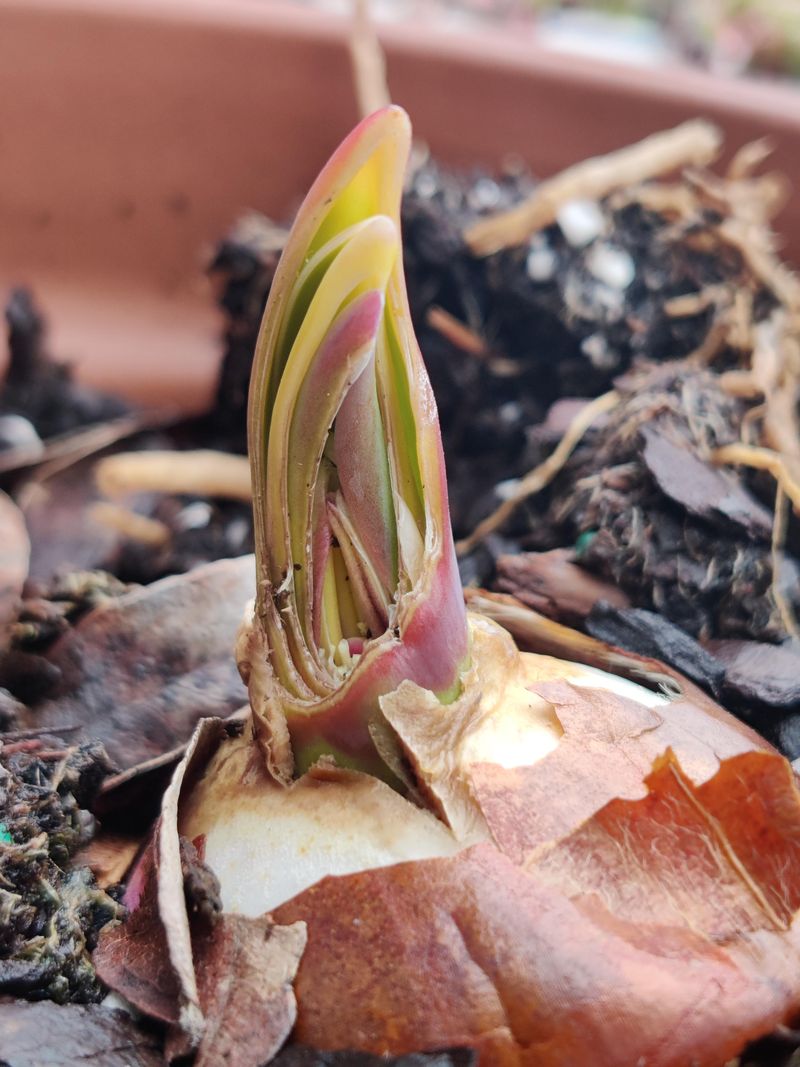
Fall bulb planting and peak squirrel caching season share the same calendar window. That overlap is not a coincidence worth ignoring.
Squirrels can detect bulbs through several inches of soil. Tulips, crocuses, and hyacinths are among the most vulnerable because they carry a scent that squirrels find particularly interesting.
Once a squirrel locates a planting area, it returns repeatedly until it either finds the bulbs or gives up. Freshly disturbed soil from planting only amplifies that signal.
Wire mesh panels laid directly over the planting area and anchored with landscape staples are the most reliable physical barrier available. Half-inch hardware cloth works best.
The mesh allows bulbs to grow up through the openings in spring while blocking digging from above.
Chicken wire has larger gaps that a determined squirrel can sometimes work a paw through, so the smaller mesh is worth the slightly higher cost.
Planting bulbs slightly deeper than the standard recommendation adds another layer of difficulty. Squirrels will often abandon a dig when the target stays out of reach after a reasonable effort.
Mixing in naturally squirrel-resistant bulbs like daffodils and alliums reduces overall pressure on the more vulnerable varieties.
The chemistry in those bulbs makes them unpleasant, so squirrels learn to skip them after one or two encounters.
A well-protected spring bulb bed is one of the most satisfying sights in an April North Carolina garden.
The squirrel spent all fall trying to prevent that moment. Plan accordingly.
4. Shallow Holes Scattered Across Beds Mean A Squirrel Was Looking For Its Lunch
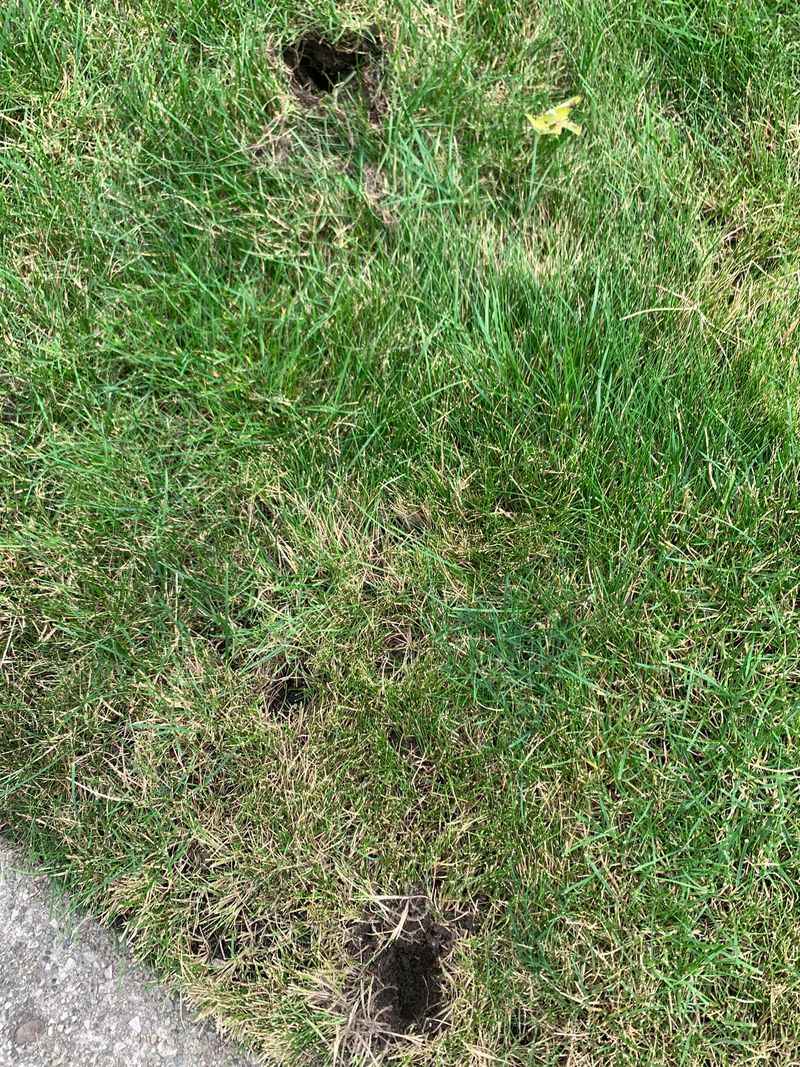
Small holes appearing across a garden bed tend to alarm gardeners who have never seen the pattern before.
One to two inches wide, about the same depth, scattered somewhat randomly across the surface. They look like someone poked the soil repeatedly with a finger.
Squirrels created those holes. They were either retrieving a previously cached item or investigating spots where food was thought to be buried. Sometimes they find something. Often they do not and move on within seconds.
Understanding what those holes actually mean prevents unnecessary alarm. Larger, deeper holes with significantly disturbed soil around them belong to different culprits.
Armadillos create wider, more dramatic disturbance. Moles work deeper and leave ridged tunnels. Voles leave surface channels.
Squirrel holes are shallow and tidy by comparison and rarely cause lasting root damage because they do not reach most plant root zones.
Filling the holes and tamping soil back down is typically all the response needed. When the same spot keeps getting revisited, something may actually be buried there.
A careful pass with a hand trowel to investigate is worthwhile in that situation. Removing old bulb fragments, rotting nuts, or other buried material from the area stops repeated visits reliably.
A thin layer of gravel mulch over problem spots discourages repeat digging in the same location. Gravel is harder to move and offers no digging satisfaction whatsoever.
The squirrel was not attacking the garden. It was just checking its own calendar.
5. Your Beds Are On The Official Foraging Route
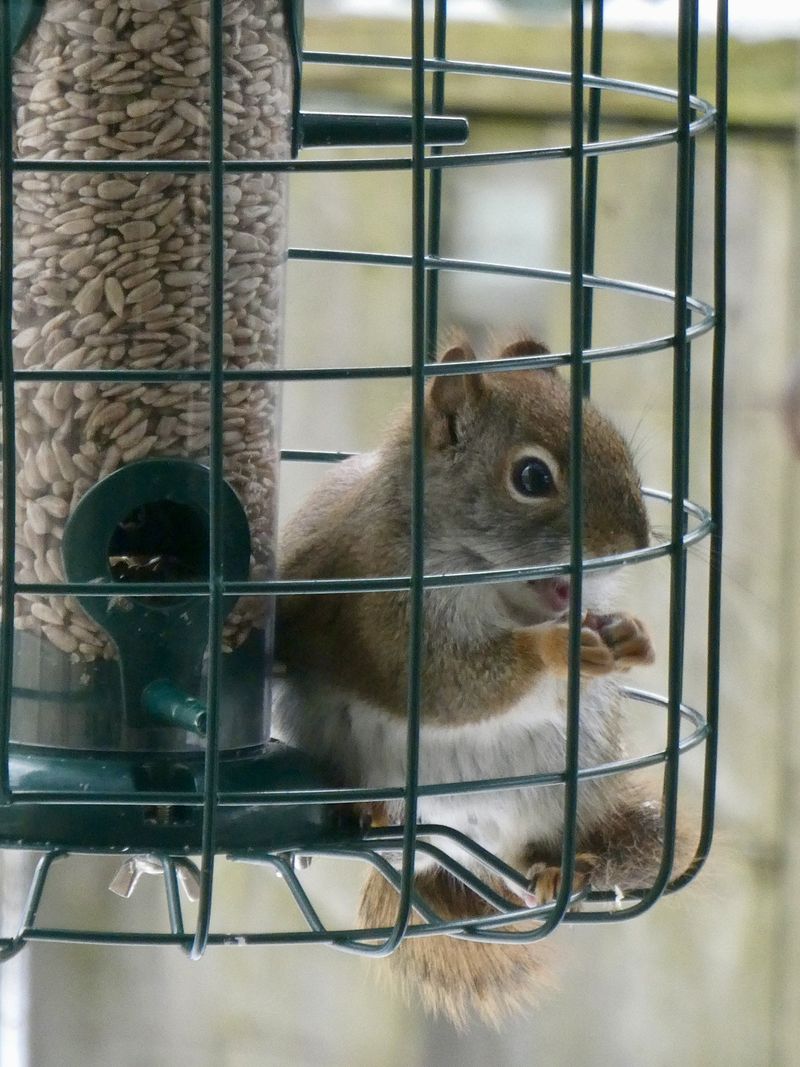
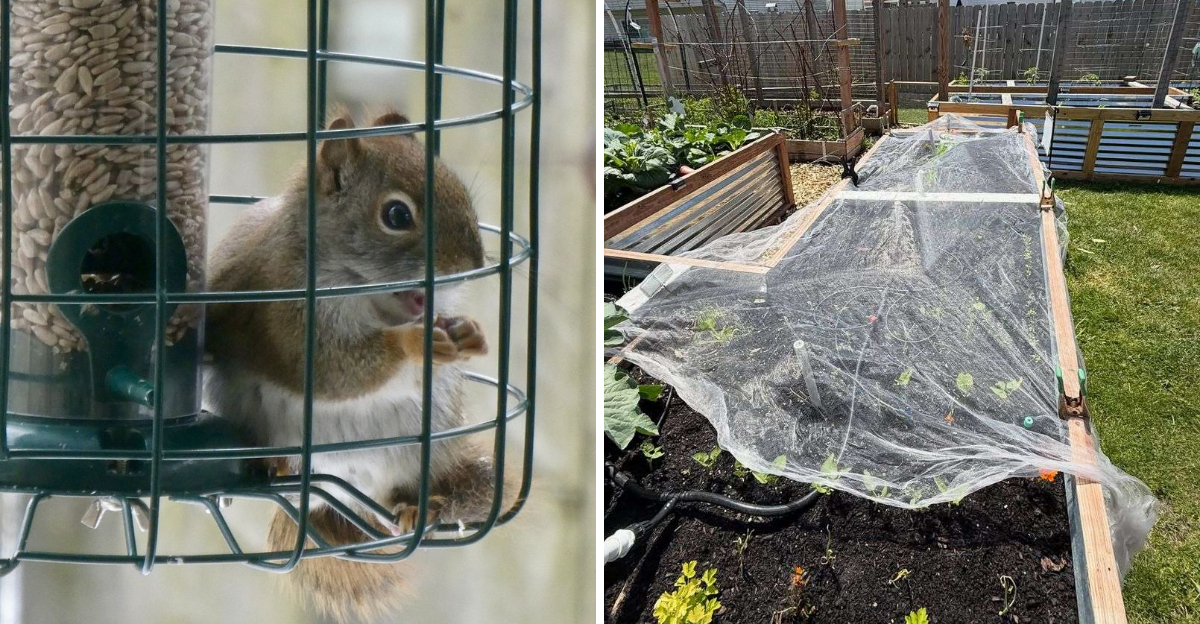
Bird feeders near garden beds are one of the most reliable ways to guarantee regular squirrel visits. The logic is straightforward. Feeders spill seed constantly. That seed lands on the ground below.
Squirrels follow the trail of sunflower seeds, millet, and safflower wherever it leads, and the nearest garden bed is usually directly on that path.
Once squirrels establish a foraging route from feeder to garden, they start exploring the beds themselves rather than just collecting spilled seed from the ground. The feeder creates a daily reason to be in that area of the yard.
Moving the feeder at least ten feet away from any garden bed changes that route. Positioning it over a hard surface like a patio or gravel path also helps because fallen seed is visible and easy to sweep up before squirrels find it.
Tube feeders with smaller perches designed for small birds spill less than open platform feeders. That design detail reduces ground scatter considerably and limits the foraging trail that leads toward the beds.
A tray catcher mounted beneath the feeder collects falling seed before it reaches the ground. That single addition changes the entire dynamic for ground foragers.
Sweeping up fallen seed each evening is one of the most effective habits available for reducing squirrel traffic near beds. No product required. Just consistency.
The feeder was set up for birds. The squirrels read the invitation as open to everyone and showed up immediately.
6. Heavy Morning Activity Under Trees Means Nut Season Has Started
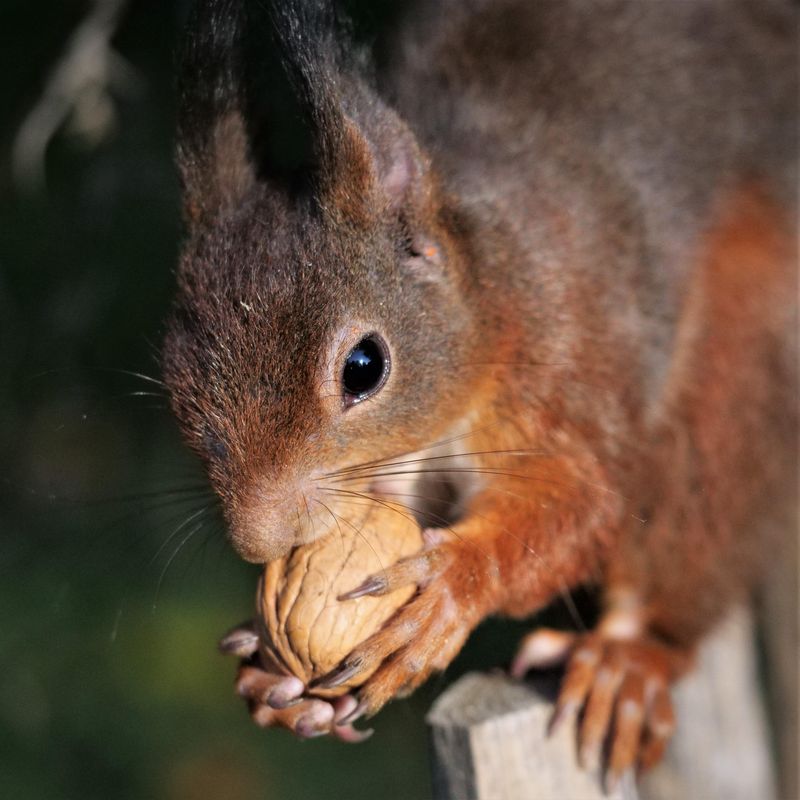
North Carolina nut trees are generous.
Oak, hickory, pecan, and black walnut drop significant crops each fall, and when that happens the ground beneath them becomes one of the most active squirrel zones in any yard.
If any of those trees sit near a garden, nut season essentially guarantees elevated morning activity in the beds.
Fallen nuts left on the ground signal that food is available in that zone. Squirrels cache nearby what they find nearby. The soft soil of garden beds is the obvious storage choice when nuts are dropping within a short distance.
Raking or blowing fallen nuts away from garden borders every few days during peak drop season makes a measurable difference in bed activity.
Clearing the entire yard is not necessary. Focusing on the twenty-foot radius around the most active beds addresses the problem where it matters most.
Composting collected nuts away from the garden area works well. Some gardeners use fallen hickory nuts as a path material in areas deliberately away from beds, which keeps squirrels occupied in a zone that does not matter.
Reducing the available nut supply near beds does not eliminate squirrel visits entirely. It lowers the frequency and intensity of morning activity in specific spots, which is the realistic and achievable goal.
The trees will keep producing. The gardener who cleans up regularly wins more mornings than the one who does not.
7. Disturbed Transplants Means Your Plant Got In The Way
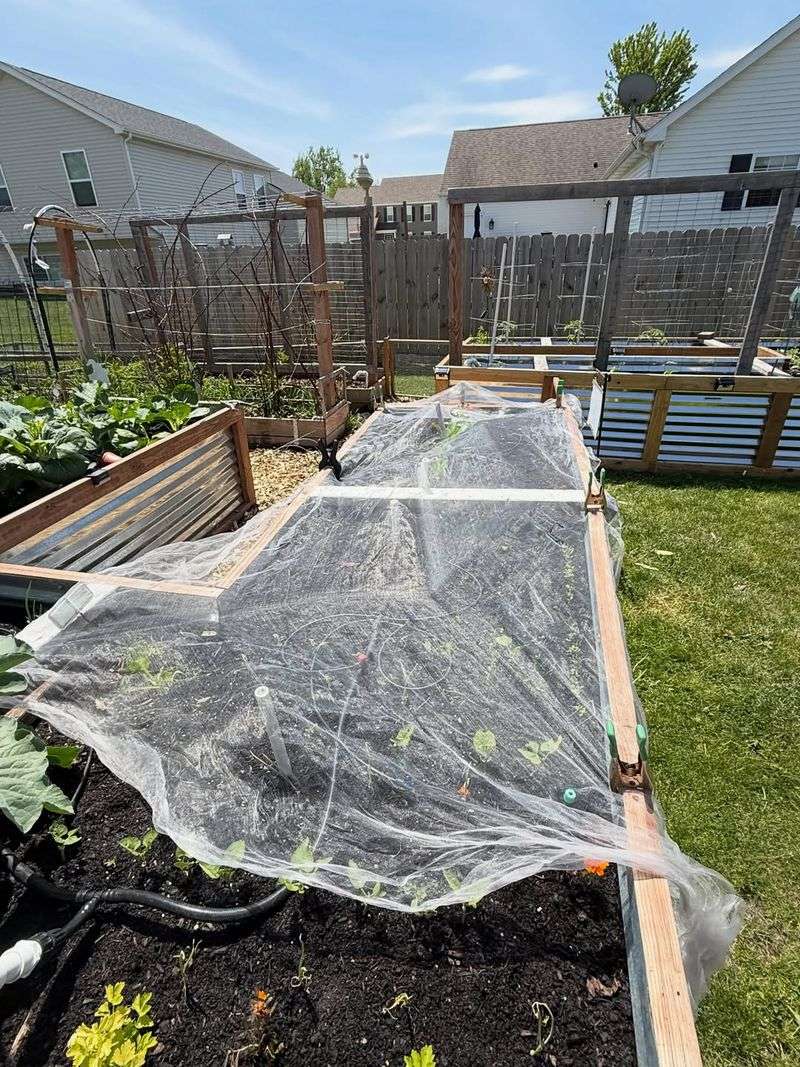
Young transplants have enough to manage in their first week without squirrel interference added to the situation.
They are adjusting to outdoor conditions, recovering from transplant stress, and trying to establish roots in unfamiliar soil. Any additional disturbance during that window can set a plant back in ways that are slow to recover.
Squirrels rarely target transplants specifically for food. The problem is incidental. A squirrel digging near a newly planted tomato or pepper can expose roots or shift the plant enough to slow establishment considerably.
Small transplants in freshly amended soil are particularly vulnerable because the surrounding soil has not had time to firm up around the root ball.
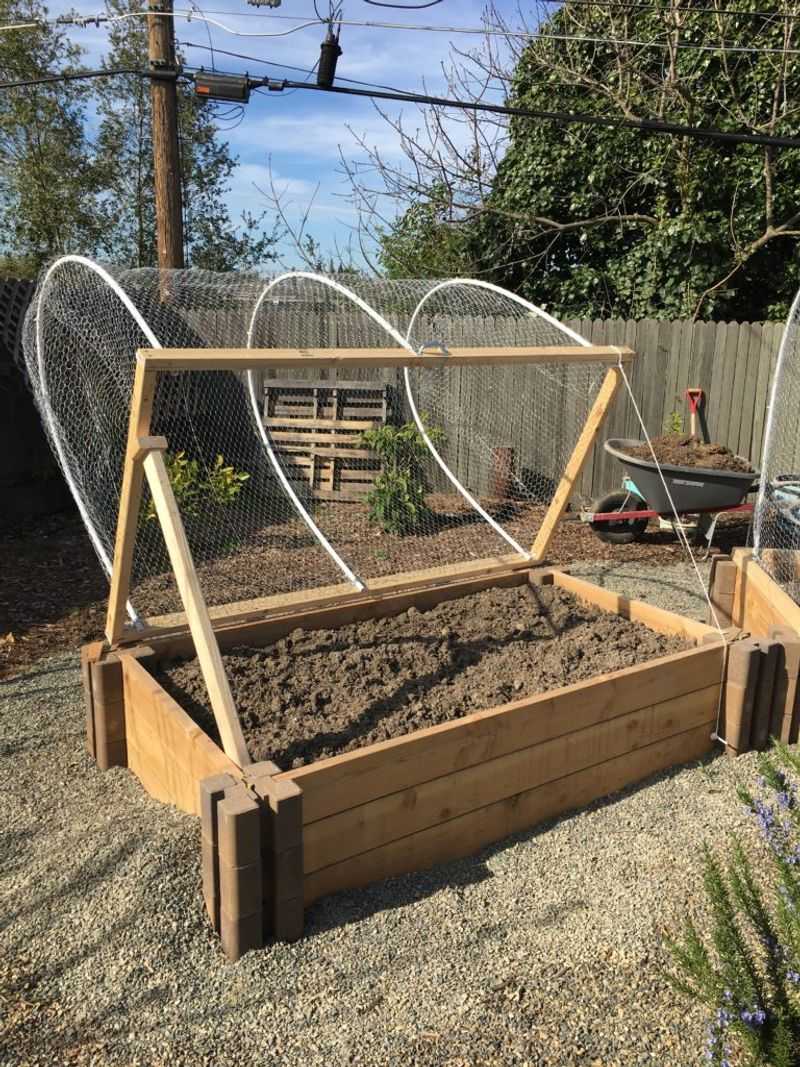
Floating row cover draped over wire hoops creates a simple protective tunnel. Most transplants only need this protection for the first one to two weeks, until the soil settles and root contact with the surrounding ground improves.
Individual plastic bottle cloches work well for single plants. Cut the bottom off a large plastic bottle, invert it over the plant, and press the cut edge slightly into the soil. Remove the cap during warm days for ventilation.
Chicken wire cylinders bent into a simple cage and placed around individual plants are a reusable option that holds up through multiple growing seasons.
Once plants are actively growing and established, squirrel disturbance around them drops off substantially.
The transplant needed one quiet week. A temporary cover buys exactly that without much effort from anyone involved.
8. Seedlings In Unexpected Spots Mean A Squirrel Did Some Gardening
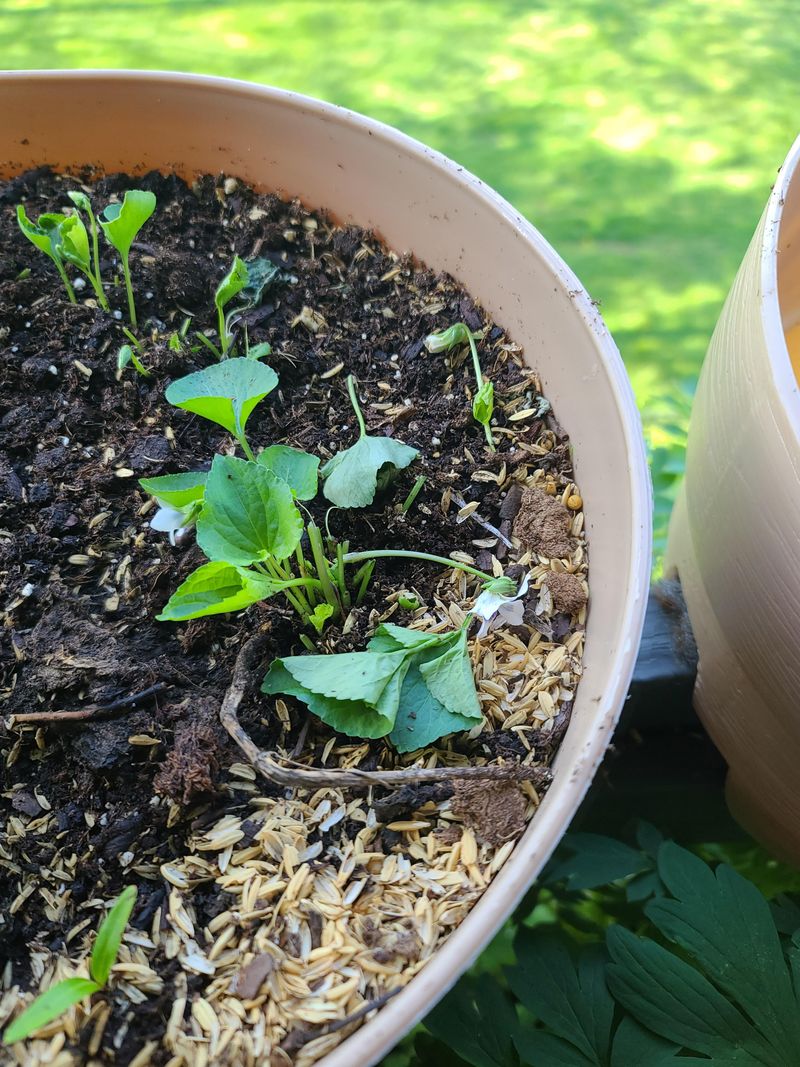
Not every squirrel visit to a North Carolina garden requires a response. Some of them are actually doing useful work.
Eastern gray squirrels are responsible for planting a meaningful number of oak trees every year simply by caching acorns and failing to retrieve them all.
That is genuine ecological contribution, and it happens in gardens as well as forests. Wildlife gardening in North Carolina means accepting that some seed movement is part of the arrangement.
The unexpected volunteer seedling appearing in a spot where nothing was planted is often a squirrel’s accidental contribution.
Native gardeners sometimes find wildflower seedlings or small tree seedlings emerging from spots where cached material was never retrieved. That kind of natural randomness has real value in a wildlife-focused planting.
Setting realistic expectations for squirrel activity changes the entire gardening experience. A yard with solid physical barriers around its most vulnerable areas, clean feeder zones, and regular nut cleanup will lose very little to squirrel activity.
The goal is not a squirrel-free garden. That is not achievable. More importantly, it is not the point.
Protecting the high-value areas, new seed beds, freshly planted bulbs, and young transplants, gives squirrels room to behave naturally in lower-stakes zones without causing real damage.
A garden that works alongside wildlife tends to be more resilient, more interesting, and considerably more enjoyable to walk through on a North Carolina morning.
The squirrel was here before the garden. It plans to stay. The gardener who accepts that tends to have a much better time.