7 Best Plants That Love Growing Under Florida Magnolia Trees
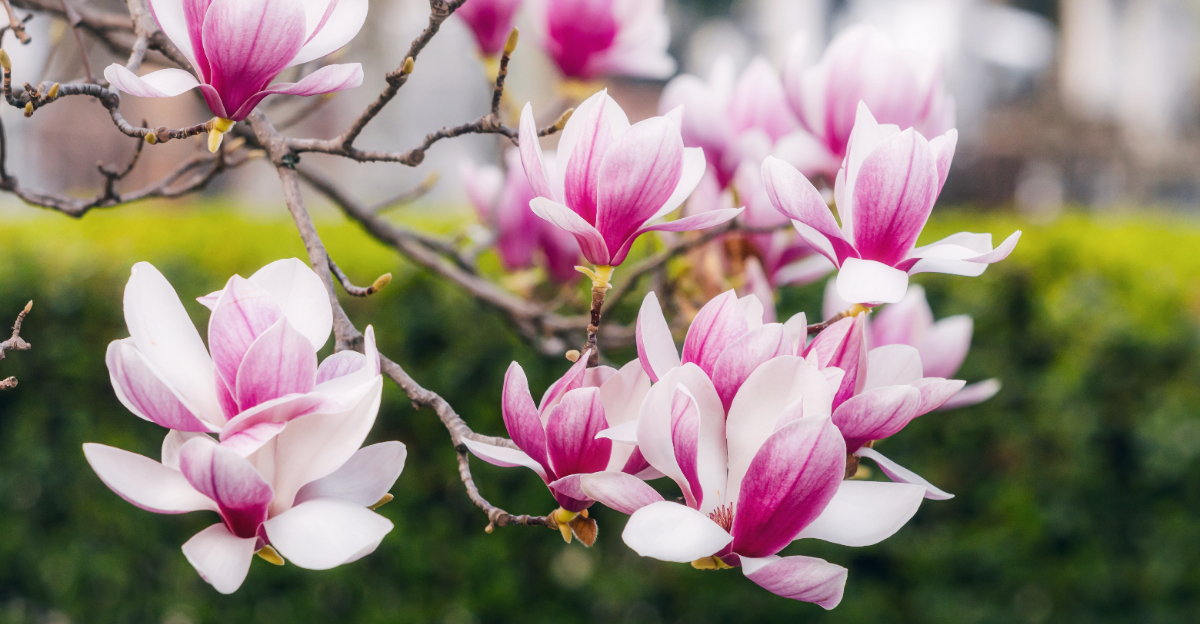
The space under a mature Florida magnolia looks like a gardening problem that has no good answer.
Surface roots everywhere. Canopy so dense that rain barely reaches the soil. Ground that stays dry and dim for most of the year while the rest of the yard gets full sun and regular rainfall.
Many homeowners leave it bare. Mulch it and move on. Accept the empty circle under the tree as a permanent feature of the yard.
Here is what those homeowners are missing: that shaded, root-filled zone has conditions that a specific group of plants genuinely prefers. Filtered light. Consistent humidity. Protection from afternoon heat. Soil that drains fast and stays relatively cool.
Have you ever wondered why certain Florida yards have lush, layered planting beds under their magnolias while others have nothing but exposed roots and bare dirt?
The difference is not effort. It is not a complicated technique or an expensive soil amendment. It is knowing which plants actually want to live there.
1. Use Cast Iron Plant For Deep Shade
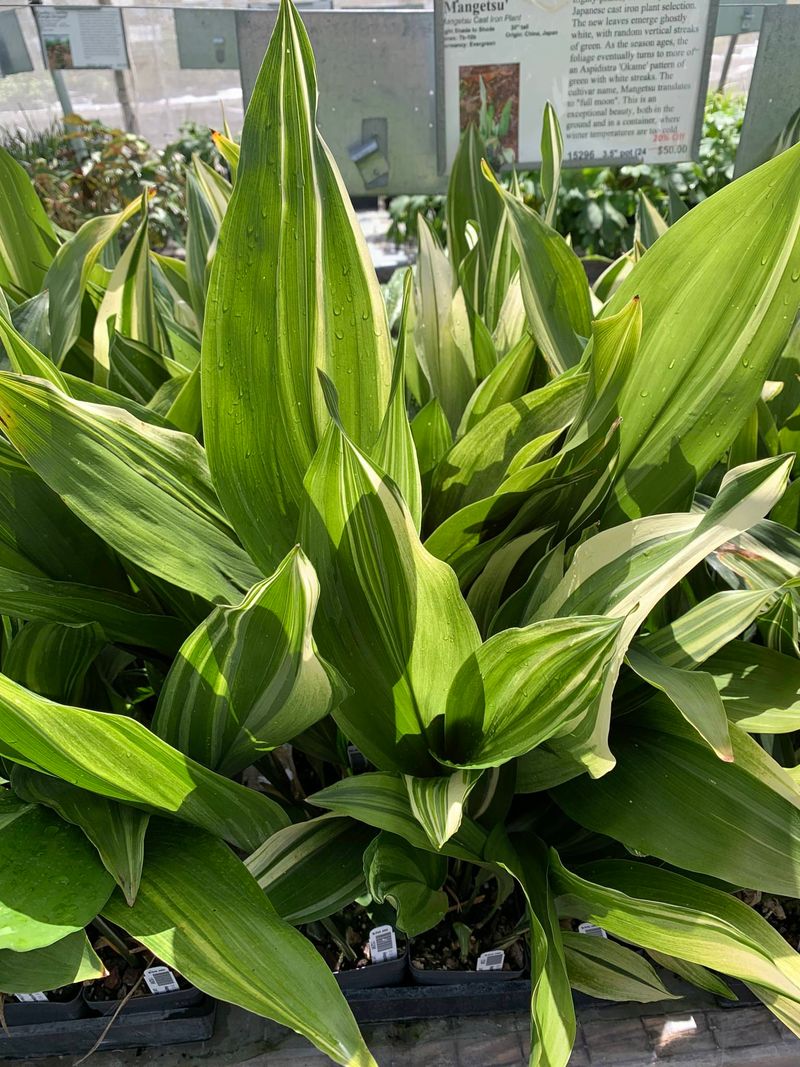
Some plants earn their name through genuine performance. Cast iron plant is one of them.
Aspidistra elatior handles low light, drought, Florida humidity, and summer heat without visible complaint.
Under a magnolia canopy where conditions shift between difficult and very difficult, cast iron plant occupies the space with a quiet, unshakeable confidence that most plants cannot match.
Planting here requires a careful hand. Magnolia surface roots are extensive and sensitive. Deep digging causes damage that affects the whole tree.
Cast iron plant works well in this situation specifically because its root system is shallow and compact. A hand trowel, careful placement between existing roots, and quality organic backfill give each plant a solid foundation without disturbing the magnolia.
Water consistently for the first few weeks while the plant settles in. After that, regular rainfall handles most of the moisture requirement even through Florida’s drier stretches.
No fertilizer schedule needed. No constant pruning. The dark glossy leaves stay green through every season, giving the shaded space a clean, lush appearance that looks intentional rather than accidental.
Clumps grow slowly and fill in gaps gradually without spreading aggressively or requiring division every season.
For gardeners who want a foundation plant that handles the worst the magnolia zone can offer and still looks polished doing it, cast iron plant delivers year after year without requiring much in return.
It handles neglect better than most plants handle attention.
2. Add Caladiums For Easy Color
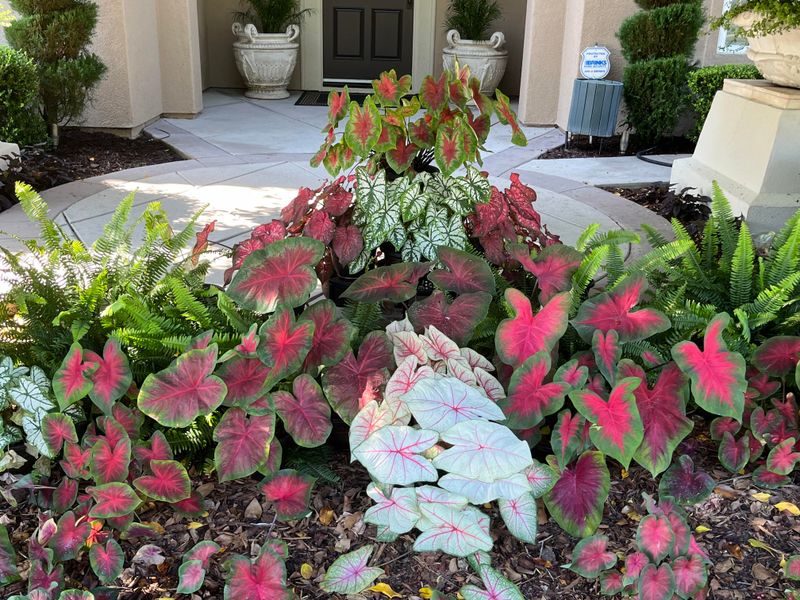
Nothing transforms a dim, shaded area faster than a well-planted grouping of caladiums. Heart-shaped leaves in combinations of pink, red, white, and green create a visual intensity that looks almost artificially vivid against dark soil and tree roots.
In a spot that could easily feel neglected and gloomy, caladiums do the opposite of fitting in quietly.
Florida’s warm, humid climate suits them precisely. Under a magnolia, where light filters through the canopy in shifting patterns throughout the day, caladiums find exactly the soft brightness they perform best in.
Your Florida Garden Changes Every Week. Your Plan Should Too.
Gardening in Florida changes quickly throughout the season. Every Friday you’ll receive a simple weekly plan showing exactly what to plant, prune, fertilize, harvest, and protect so you never miss the right timing.
Direct afternoon sun scorches their leaves. The dappled shade beneath a magnolia is genuinely their preferred environment rather than a compromise.
Plant tubers in spring after the soil warms, tucking them carefully between surface roots with a hand trowel. Keep planting depth shallow, around two to three inches, to avoid disturbing magnolia roots. They sprout and fill in quickly once warm weather establishes itself.
Water regularly early on but avoid soil that stays soggy. Standing water causes tubers to fail before they ever get started.
Caladiums go dormant in cooler months and return each summer. Some Florida gardeners treat them as annuals and replant each year for maximum freshness. Either approach delivers impressive color with minimal ongoing effort.
The magnolia canopy that blocks most plants works in caladium’s favor here.
That is a rare situation worth taking advantage of.
3. Tuck Ferns Around Surface Roots
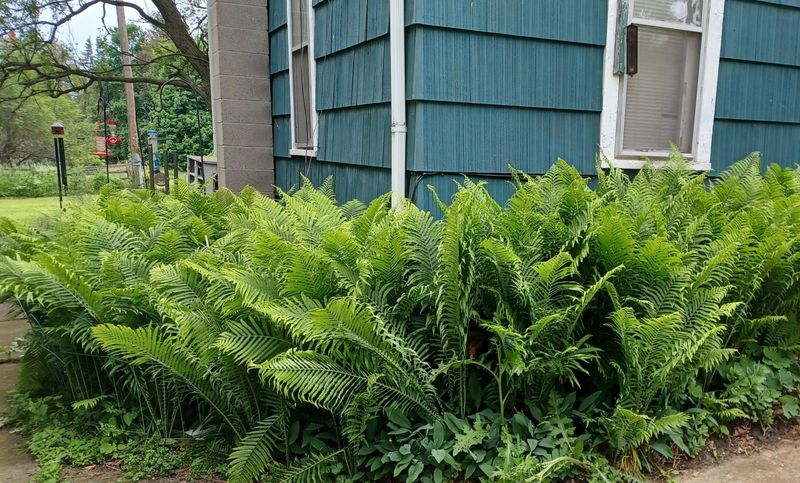
Surface roots on a mature magnolia can feel like an obstacle. Ferns have a different perspective on that situation.
The soft, feathery texture of fern fronds creates a visual conversation with the thick, sculptural roots spreading across the soil surface.
Instead of competing with the roots or requiring deep soil to establish, ferns work around them. The base of the tree starts looking layered and intentional rather than difficult and neglected.
Florida offers several solid fern options for this situation. Autumn fern and Holly fern both handle humidity and filtered light reliably.
The native Cinnamon fern grows in structured upright clumps that bring real vertical interest to a planting area that might otherwise feel flat. Sword fern spreads at ground level and fills gaps between roots without requiring significant soil depth.
Patience and careful technique matter when planting. Avoid heavy digging near the trunk. Work with a narrow hand trowel, place each fern in the smallest adequate hole, and firm soil gently around it.
A light layer of leaf mulch around newly planted ferns retains moisture and moderates soil temperature. Both conditions help ferns establish faster than they would in bare, dry soil.
Water consistently through the first growing season. After that, most Florida ferns develop enough resilience to handle the dry stretches that come with life under a dense canopy.
The roots are not the problem anymore. The ferns made that very clear.
4. Plant Liriope For Neat Edges
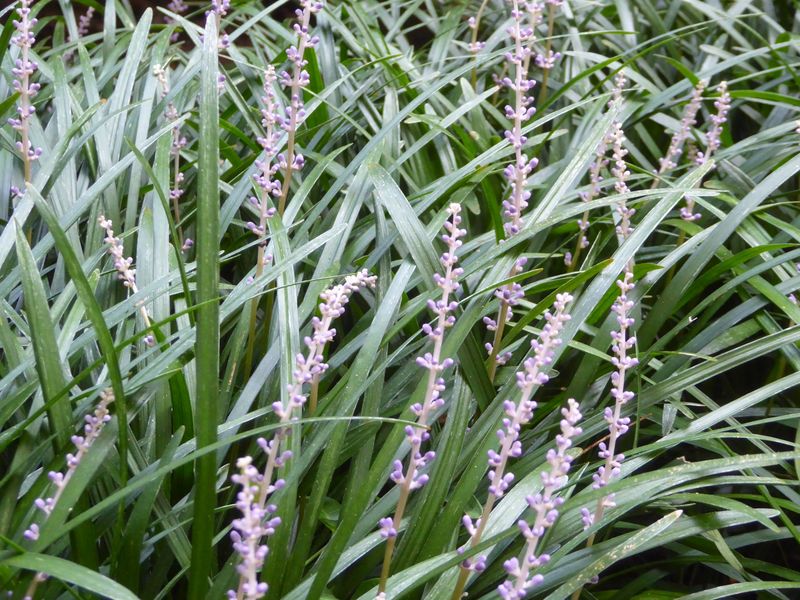
A shaded magnolia planting without defined edges tends to look uncertain. Liriope fixes that immediately.
Ophiopogon muscari forms tidy grass-like clumps that hold their shape season after season without significant intervention.
Along the outer edge of a magnolia canopy where sun meets shade, liriope creates a clean visual boundary that gives the entire planting area a structured, intentional quality.
Florida summers do not bother liriope. It holds through heat and humidity that reduces other edging plants to struggling messes.
Once established, drought periods that come with magnolia shade are manageable. The plant adapts to uneven, root-affected soil without needing perfectly prepared ground before planting.
Position liriope along the outer edge of the canopy or use it to frame a broader planting bed beneath the tree. Space clumps about twelve inches apart and allow one to two growing seasons for full coverage to develop.
In late summer, small spikes of purple or white flowers appear above the foliage. Subtle, but genuinely pleasant when the rest of the shade bed is dominated by foliage. Dark berries follow the flowers, which local birds appreciate.
Trim old foliage in late winter before new growth pushes through in spring. That single annual task keeps clumps looking fresh without requiring ongoing maintenance throughout the year.
Liriope does not ask for much. It just keeps showing up looking exactly the way it should.
5. Try Coontie In Filtered Light
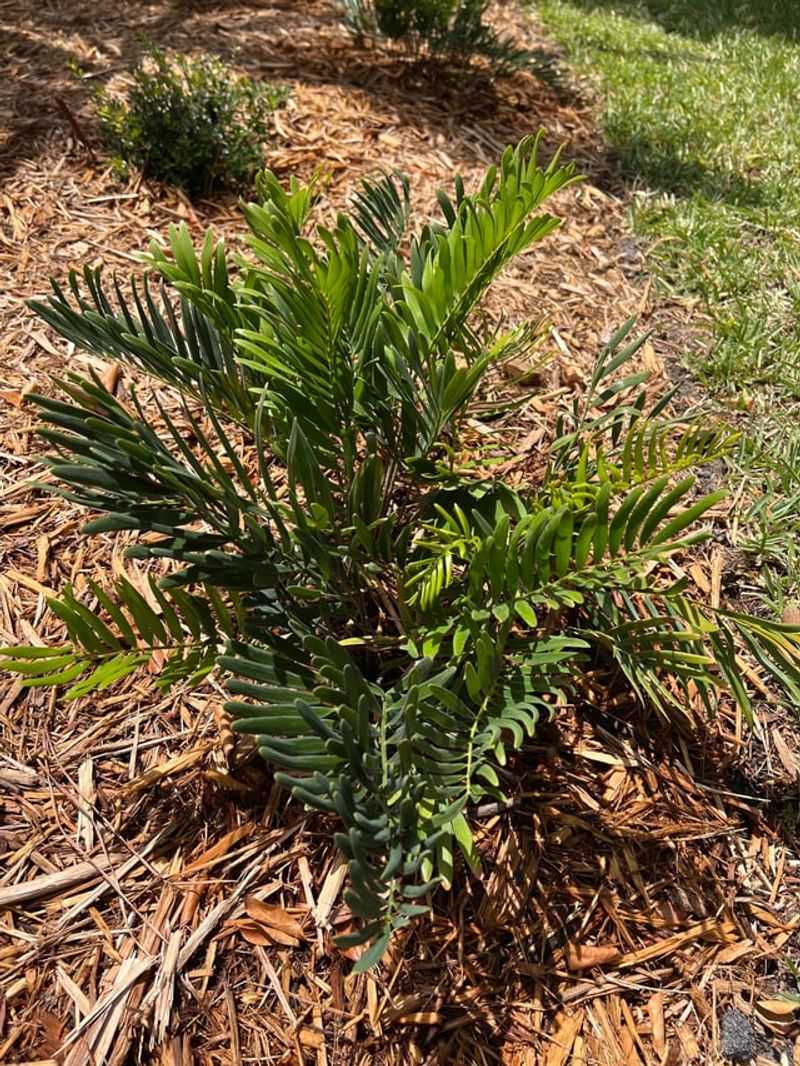
Coontie has been growing in Florida for thousands of years. The magnolia has been here almost as long. Putting them together in the same garden space makes a certain kind of historical sense.
Florida’s only native cycad grows naturally in hammock forests where tall canopy trees create shifting patterns of light and shadow.
Under a magnolia, that same environment is easy to replicate. Filtered light, dry soil between rain events, and occasional drought are not obstacles for coontie. They are the conditions it was built for.
From a practical standpoint, coontie is one of the most genuinely low-maintenance plants available for difficult Florida spaces.
It grows slowly, stays compact, and rarely needs pruning or fertilizing after the first season. Plant carefully to avoid disturbing magnolia roots, keeping the hole shallow and working the soil gently around existing root systems.
Water well at planting and maintain consistent moisture through the first growing season. After that, coontie largely handles itself.
The ecological bonus is significant. Coontie serves as the sole host plant for the Atala butterfly, a striking native species that was nearly lost from Florida.
A single coontie plant in the right yard can support the entire lifecycle of this butterfly. That is a measurable contribution to the local ecosystem from a plant that asks almost nothing in return.
Not many shade plants come with that kind of ecological weight behind them.
6. Use Bromeliads For Tropical Texture
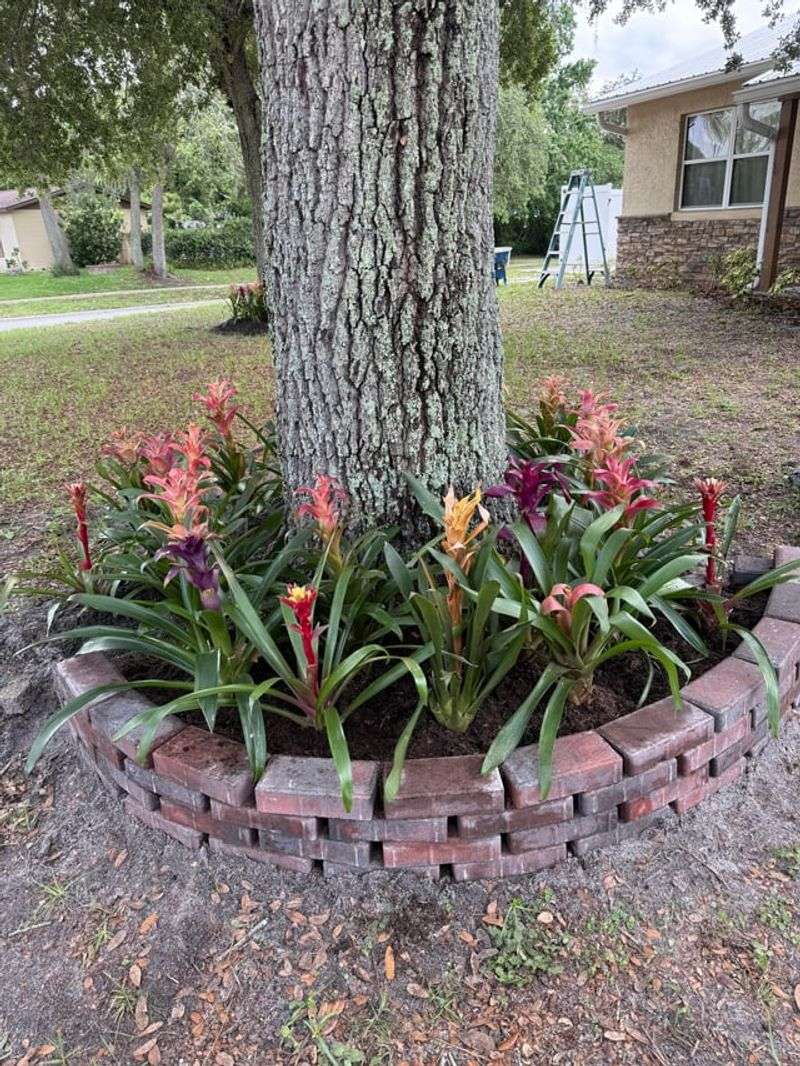
Bromeliads were practically designed for the kind of conditions that exist under a Florida magnolia.
Shallow root systems, adaptability to filtered light, and genuine comfort with Florida heat and humidity make them an obvious fit for a space that challenges almost everything else.
Their relationship with soil is different from most garden plants. Many bromeliad species evolved to grow on trees rather than in the ground.
Their roots anchor them in place more than they absorb nutrients. Moisture and nutrition arrive from rainfall and humidity, which Florida delivers consistently during warm months.
That means root-filled, shallow soil is not a problem. It is a perfectly acceptable growing situation.
For magnolia shade planting, choose terrestrial varieties like Aechmea, Neoregelia, or Billbergia. These handle filtered light well and manage dry spells without visible decline.
Tuck them into gaps between surface roots without disturbing the magnolia’s root zone. Grouping several together creates maximum visual impact. Mixing foliage colors and textures within the group adds another layer of interest.
Each bromeliad blooms once, then produces offshoots called pups around the base. Those pups carry on the display after the original plant finishes its cycle.
Over time, a small cluster expands into a generous, layered arrangement that requires almost no intervention to maintain.
Bromeliads do the design work, the low-maintenance work, and the visual heavy lifting all at once. What exactly is the argument against planting them?
7. Let Asiatic Jasmine Cover Bare Ground
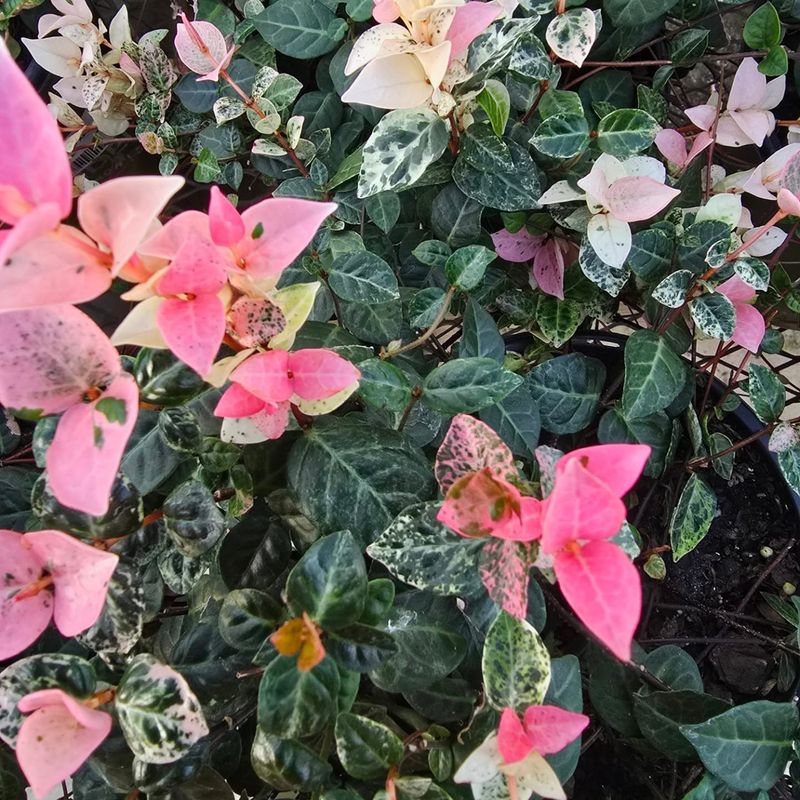
Bare soil under a magnolia is not a neutral condition. It is an active invitation for weeds, and weeds in a surface-root-filled area are considerably more annoying to remove than weeds in a regular garden bed.
Asiatic jasmine solves the problem by filling the ground completely.
Trachelospermum asiaticum spreads horizontally across the soil, forming a dense, weed-suppressing mat of small glossy leaves.
It handles shade, handles heat, and handles dry spells with a toughness that justifies its widespread use in Florida landscaping. The coverage it provides is consistent rather than patchy, which keeps the magnolia base looking polished rather than neglected.
This is not the fragrant Confederate jasmine that climbs fences. Asiatic jasmine stays low and spreads outward. It roots as it moves, creating a stable layer that resists weed pressure without needing replanting each season.
Edge management is the one task requiring regular attention. Asiatic jasmine spreads beyond its intended boundary without consistent trimming.
Two or three trims per year keeps it contained. Landscape edging around the planting area makes that maintenance considerably easier.
When planting under the magnolia, start from the outer canopy edge and work inward. Leave clear space around the base of the trunk itself. Avoid mounding soil or mulch against the bark.
Water new transplants consistently through the first few growing months. After establishment, step back completely.
The ground stays covered. The weeds do not get in. Everyone wins except the weeds.