California Native Plants That Replace Liriope Borders And Need Less Water
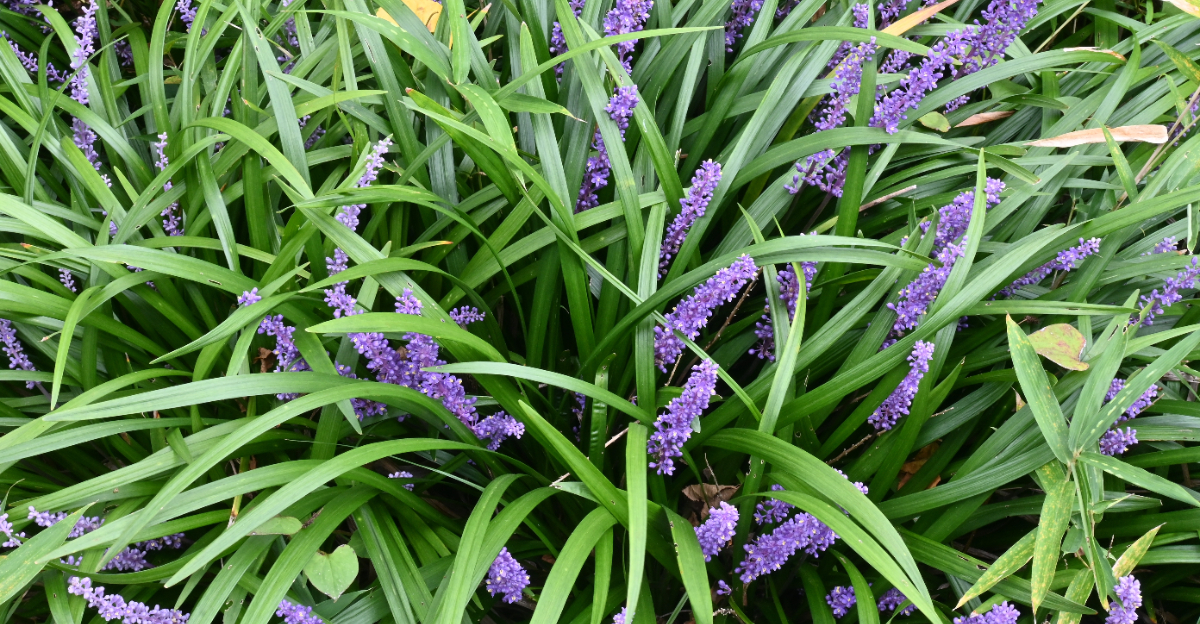
Liriope borders can look neat, but they are not always the best match for California’s dry summers.
Many yards need edging plants that can handle less water and still look good along paths, beds, or driveways.
Native options can bring that same tidy border feel with a more natural fit. They also help the garden feel connected to the local landscape instead of copied from somewhere wetter.
The right plant can soften a hard edge without taking over the whole space. It can also give your border more seasonal interest than a plain strip of green.
Once these natives settle in, they often ask for less attention than thirsty ornamental edging. For gardeners ready to rethink liriope, California has better choices waiting.
1. California Meadow Sedge Gives A Soft Border Edge
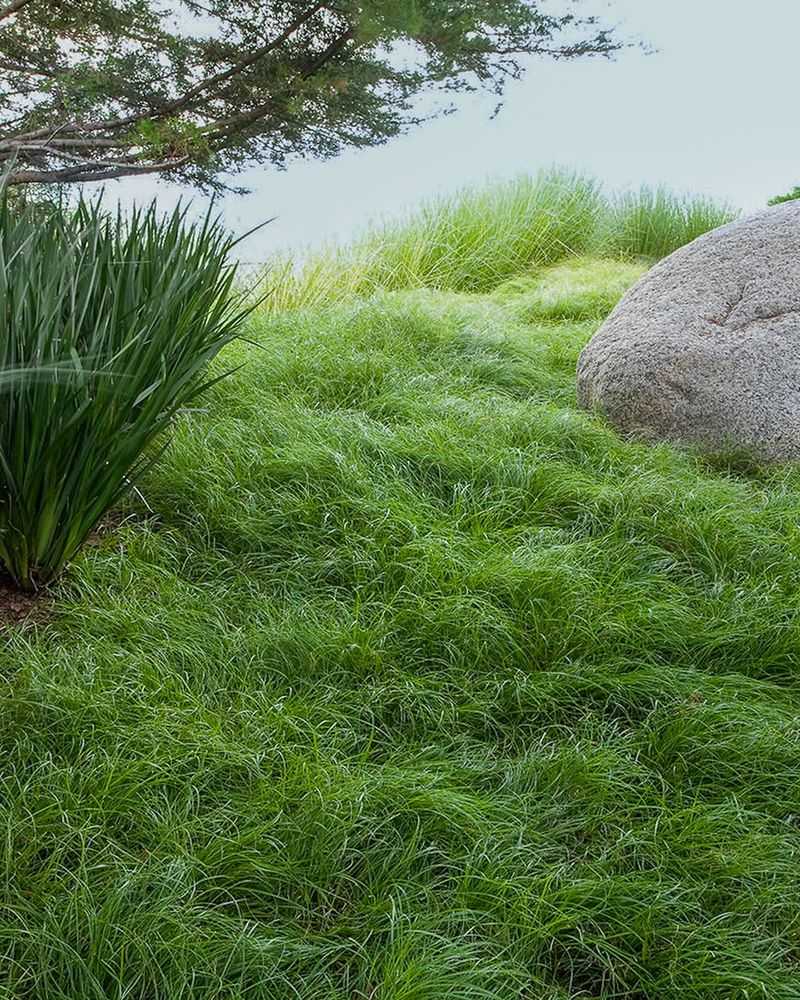
Few plants can pull off looking this effortless. California meadow sedge, known scientifically as Carex pansa, grows in a low, soft mat that hugs the ground like a natural carpet.
It has fine, bright green blades that stay tidy without much help from you. Once established, it barely needs watering, which makes it perfect for our state’s long dry summers.
Gardeners often use it along walkways, driveway edges, and fence lines. It fills in slowly but steadily, creating a dense border that crowds out weeds over time.
You do not need to mow it, though a light trim once a year keeps it looking fresh. It handles both sun and partial shade without complaining.
Native to coastal areas of our state, this sedge has adapted to sandy soils and seasonal drought. It looks especially beautiful when planted in long, flowing rows that mimic natural meadow edges.
Unlike liriope, it blends right into the local landscape. Bees and small ground insects appreciate the shelter it provides.
If you want a border that looks intentional but feels completely natural, this is a strong starting point. It is one of the most forgiving native plants you can grow.
2. Dune Sedge Makes A Low, Lawn-Like Strip
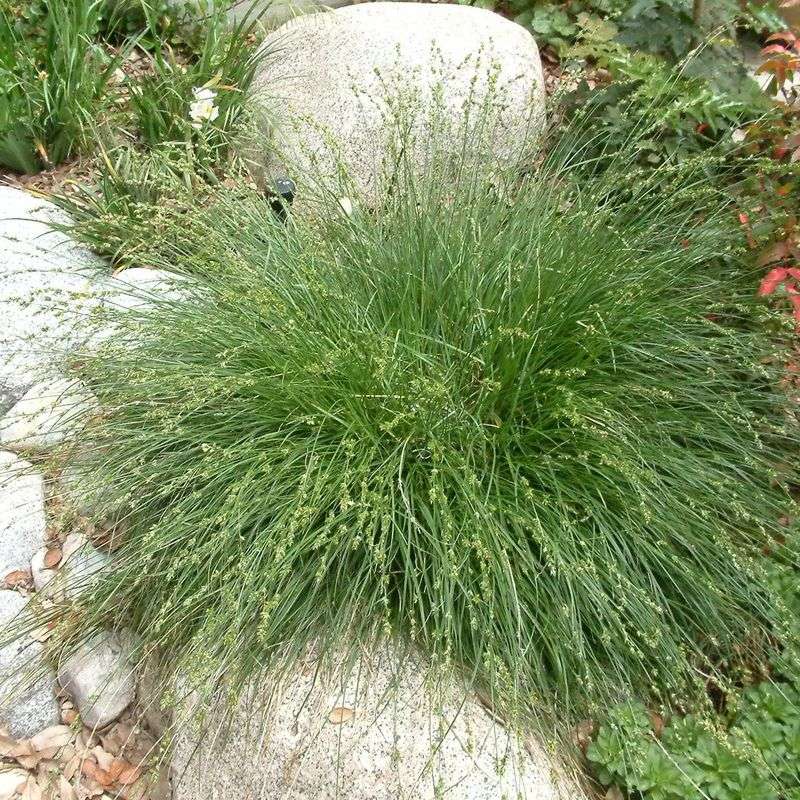
There is something almost magical about a plant that looks like a tiny lawn without needing to be mowed every week. Dune sedge, or Carex pansa, is a coastal native that grows in a flat, uniform mat of fine green blades.
It stays low, usually under six inches tall, and spreads gently to fill in gaps over time. Homeowners love it because it gives a clean, groomed look with almost no effort.
It thrives in sandy, well-drained soils and handles salt air well, which makes it a natural fit for yards near the coast. But it also does well inland, especially in spots that get full sun or light shade.
Once established, it needs very little water, surviving on seasonal rain in many areas. That alone makes it far more practical than liriope in our climate.
Planting dune sedge along a border creates a seamless transition between garden beds and hardscape. It softens the edges of concrete paths and stone walls beautifully.
Your California Garden Changes Every Week. Your Plan Should Too.
Gardening in California changes quickly throughout the season. Every Friday you’ll receive a simple weekly plan showing exactly what to plant, prune, fertilize, harvest, and protect so you never miss the right timing.
Birds sometimes forage through it for small insects hiding in the blades. You can space plants about a foot apart and let them fill in naturally over one to two seasons.
For a low-water border that looks polished and feels organic, dune sedge is a top-tier choice worth trying.
3. Clustered Field Sedge Fills Borders With Fine Texture
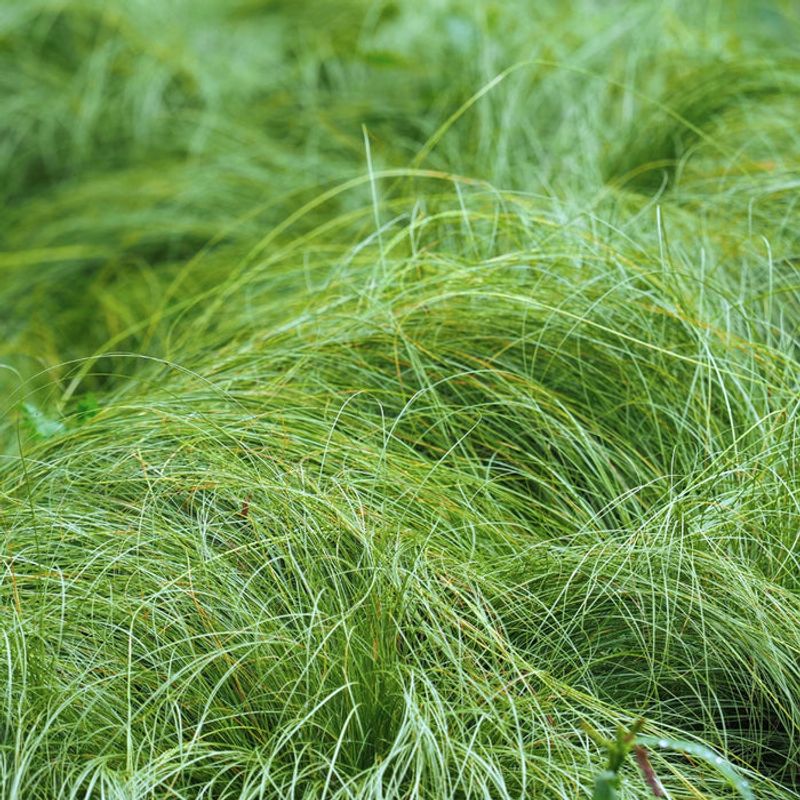
Not all sedges are created equal, and clustered field sedge proves that in the best possible way. Carex praegracilis has some of the finest, most delicate blades of any native sedge in our region.
The texture it brings to a border is soft and almost feathery, making even a simple garden edge look thoughtfully designed. It grows in a dense clump that spreads slowly by underground runners.
What sets it apart from other sedges is its adaptability. It handles clay soil, sandy soil, full sun, and partial shade with equal ease.
It also tolerates seasonal flooding and dry periods, which is rare for a single plant. That kind of flexibility makes it incredibly useful across many different garden conditions in our state.
Gardeners who have replaced liriope with clustered field sedge often say they wish they had done it sooner. The fine texture pairs well with boulders, stepping stones, and ornamental grasses.
It also grows well alongside wildflowers, creating a layered, naturalistic border that changes beautifully with the seasons. Maintenance is minimal.
A trim in late winter keeps it tidy and encourages fresh new growth in spring. Plant it about twelve inches apart for a full border effect within two seasons.
This sedge is a quiet overachiever that earns its place in any low-water garden.
4. Berkeley Sedge Handles Dry Shade Better Than Liriope
Dry shade is one of the hardest gardening challenges to solve. Most plants want either moisture or sun, and under a big oak tree, you get neither.
Berkeley sedge, or Carex tumulicola, is one of the few plants that actually thrives in those tough spots.
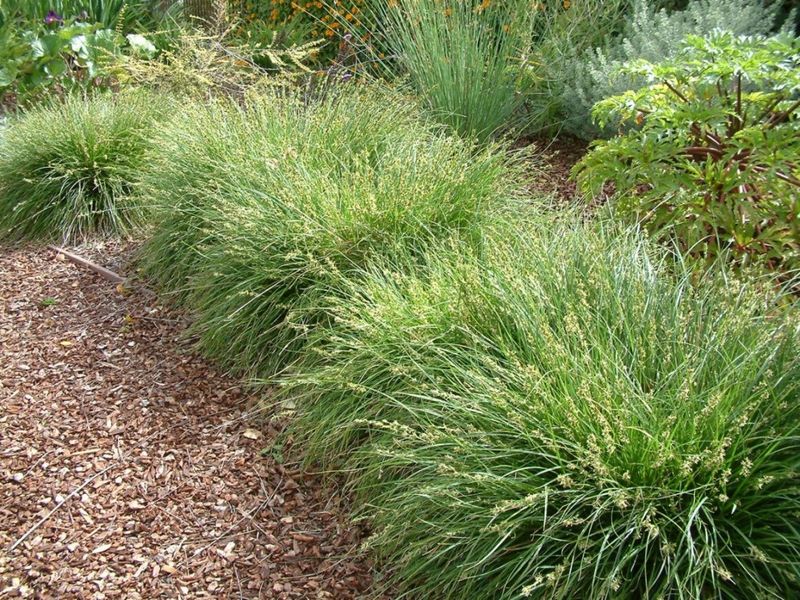
It grows in graceful, arching clumps that reach about one to two feet tall, with dark green blades that stay attractive year-round.
Unlike liriope, which often struggles under dense tree canopies, Berkeley sedge is native to the oak woodland understory.
That means it evolved in exactly the kind of dry, shaded environment that frustrates most gardeners.
It handles the competition from tree roots and the lack of summer rain with ease. Once established, it needs almost no supplemental irrigation, even in hot inland areas.
The arching form of Berkeley sedge adds a graceful, flowing quality to shady borders. It looks especially striking planted in drifts beneath native oaks or along shaded fence lines.
Small birds use the clumps for cover, and the dense growth suppresses weeds effectively. Trim it back lightly in late winter to refresh the look before spring growth begins.
For anyone dealing with a dry, shaded border that liriope has slowly given up on, Berkeley sedge is the answer you have been looking for all along.
5. Blue-Eyed Grass Adds Purple Blooms To Native Edges
Purple flowers on a border plant? Yes, please.
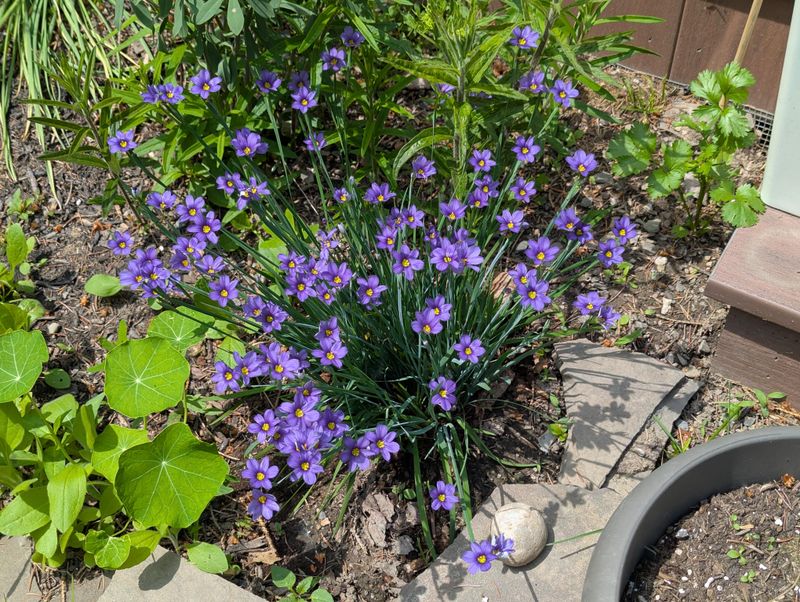
Blue-eyed grass, or Sisyrinchium bellum, is a charming native that looks like a tiny iris with bright violet-blue blooms. Despite its name, it is not actually a grass.
It belongs to the iris family and grows in upright, slender clumps that reach about six to twelve inches tall. The flowers appear in spring and attract native bees in big numbers.
What makes it such a great liriope replacement is the combination of fine texture and seasonal color.
The narrow green foliage holds its shape throughout the year, giving you that border definition you want.
Then in spring, the blooms arrive and transform the edge of your garden into something truly eye-catching. It is a two-for-one plant that earns its keep in every season.
Blue-eyed grass grows best in full sun with well-drained soil and very little water once established. It reseeds itself gently, so you may find small new plants popping up nearby each year.
That self-seeding habit means your border can slowly thicken and expand without any extra work from you. It pairs beautifully with other native groundcovers and low grasses.
For gardeners who want more than just green foliage along their borders, this plant brings color, wildlife value, and a joyful, wildflower energy to any edge planting.
6. Douglas Iris Replaces Liriope With Evergreen Fans
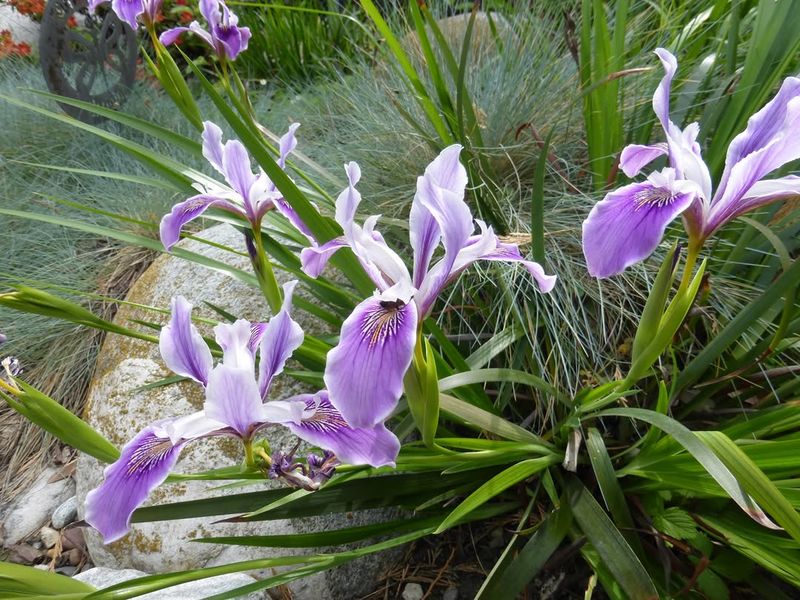
Bold, beautiful, and built for our climate, Douglas iris is the kind of plant that makes people stop and ask what it is. Iris douglasiana forms dramatic fans of long, strappy, dark green leaves that look architectural year-round.
In late winter and early spring, it sends up stunning blooms in shades of purple, lavender, white, and deep violet. It is one of the most visually striking native plants you can use along a border.
Native to coastal bluffs and shaded woodlands from our state’s central coast up through northern regions, it is adapted to low-water conditions and cool, foggy climates. But it also handles drier inland gardens when given some afternoon shade.
Established plants survive on seasonal rainfall alone in many areas, making them ideal for water-wise landscapes.
The evergreen foliage is what really sets Douglas iris apart as a liriope replacement. It stays green and full even during summer drought, providing consistent border definition without irrigation.
Clumps spread slowly over time, filling in the border naturally. You can divide them every few years to keep them vigorous and to create new plants for other areas of your yard.
Hummingbirds and native bees visit the flowers regularly. For a border with real presence and seasonal drama, Douglas iris delivers more than almost any other native plant on this list.
7. Deergrass Makes A Taller, Cleaner Border
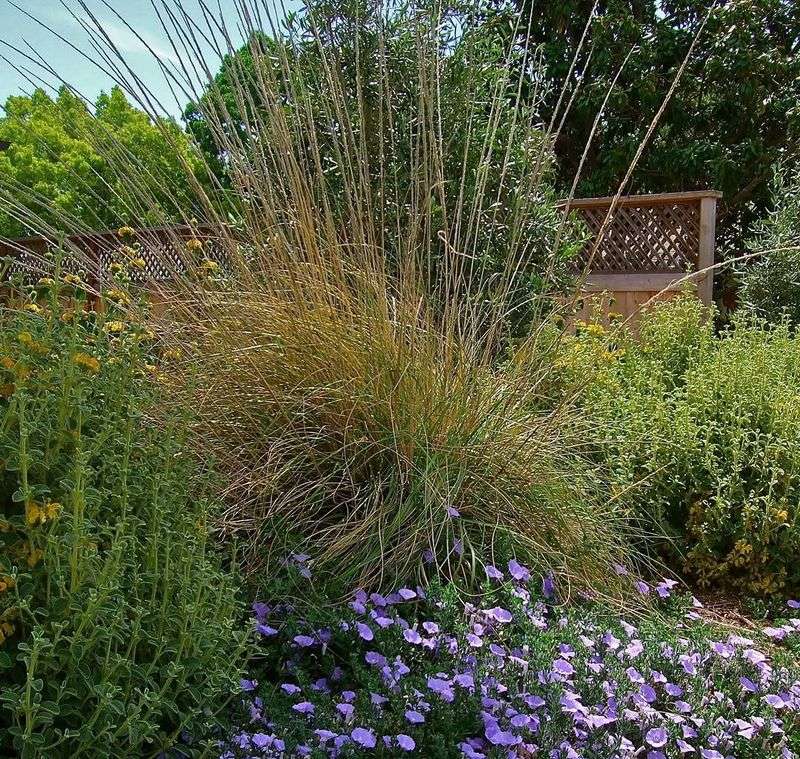
Some borders need height, and that is exactly where deergrass steps in with quiet confidence.
Muhlenbergia rigens is a native bunchgrass that grows into large, rounded mounds of fine gray-green foliage, reaching two to four feet tall.
In late summer and fall, it sends up tall, slender seed stalks that sway gracefully in the breeze. The overall effect is clean, sculptural, and surprisingly elegant for a grass that needs so little water.
Found naturally in meadows, stream banks, and dry slopes across our state, deergrass is tough and adaptable. It handles clay soil, rocky ground, full sun, and extended drought without missing a beat.
Once established, it survives on rainfall alone in most parts of our state. That makes it one of the most practical border plants for low-water gardens.
Planting deergrass along a fence line or at the back of a border creates a soft, natural screen. It works especially well in larger landscapes where liriope would look too small and fussy.
The seed stalks attract birds in fall and winter, adding wildlife value throughout the cooler months. Trim clumps back to about six inches in late winter to encourage fresh growth.
For a taller, bolder border with a natural, meadow-inspired feel, deergrass brings structure and movement in equal measure.
8. Purple Needlegrass Brings Movement Without Much Water
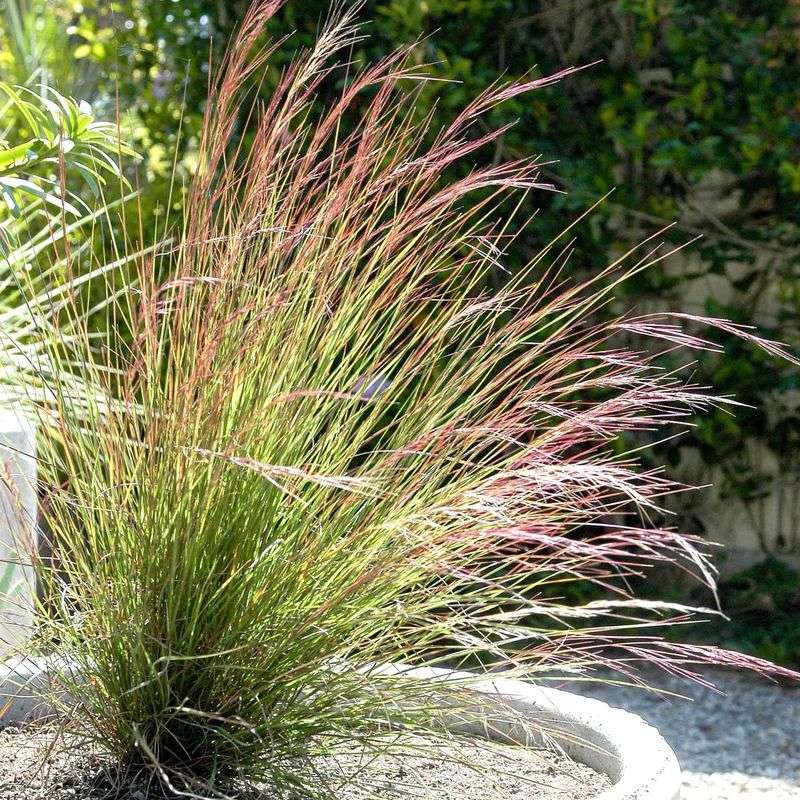
Watch a patch of purple needlegrass on a breezy afternoon and you will understand why it is our state’s official grass.
Nassella pulchra, formerly known as Stipa pulchra, moves with a kind of flowing grace that no other border plant can quite match.
The fine, arching blades catch every little gust of wind and shimmer in the afternoon light. In spring, it produces feathery, purple-tinged seed heads that glow when backlit by the sun.
This grass is deeply rooted in our state’s history. It once covered millions of acres of grassland before European grasses pushed it out.
Planting it in your border is a small act of restoration that connects your garden to the broader landscape. It grows in full sun with well-drained soil and needs almost no water after the first year.
Purple needlegrass grows in upright clumps about two feet tall and wide, making it a great mid-height border option. It pairs naturally with wildflowers like poppies, blue-eyed grass, and yarrow.
The seed heads feed finches and sparrows through the fall months, which adds real wildlife value to your yard. Cut clumps back in late summer or early fall to refresh them before the rainy season begins.
For a border that moves, glows, and connects you to something deeper than just your garden, purple needlegrass is worth every inch of space you give it.