This Native California Palm Is Replacing Queen Palms In Landscape Design
Queen palms once seemed like the automatic choice for a tall, tropical look. Lately, a California native has started to take their place in landscapes that need more character and a stronger sense of location.
This palm brings a rugged beauty that feels less polished and far more memorable. Its shape adds height without making the yard resemble every shopping center entrance in the state.
A little originality never hurt. Designers also appreciate plants that can handle local conditions without constant rescue.
That matters even more as hot summers and water concerns shape new landscape plans.
The change is not just about appearance. It reflects a broader shift toward gardens that belong in California instead of merely borrowing a tropical mood.
Once this native palm settles into the scene, the old favorite can start to look surprisingly out of place.
1. This Is The Best Native Swap
For years, Queen Palms dominated suburban yards across the state. They looked polished and grew quickly, so designers loved them.
But that fast growth came with a cost. Queen Palms need regular watering, fertilizing, and treatment for pests like the South American palm weevil.
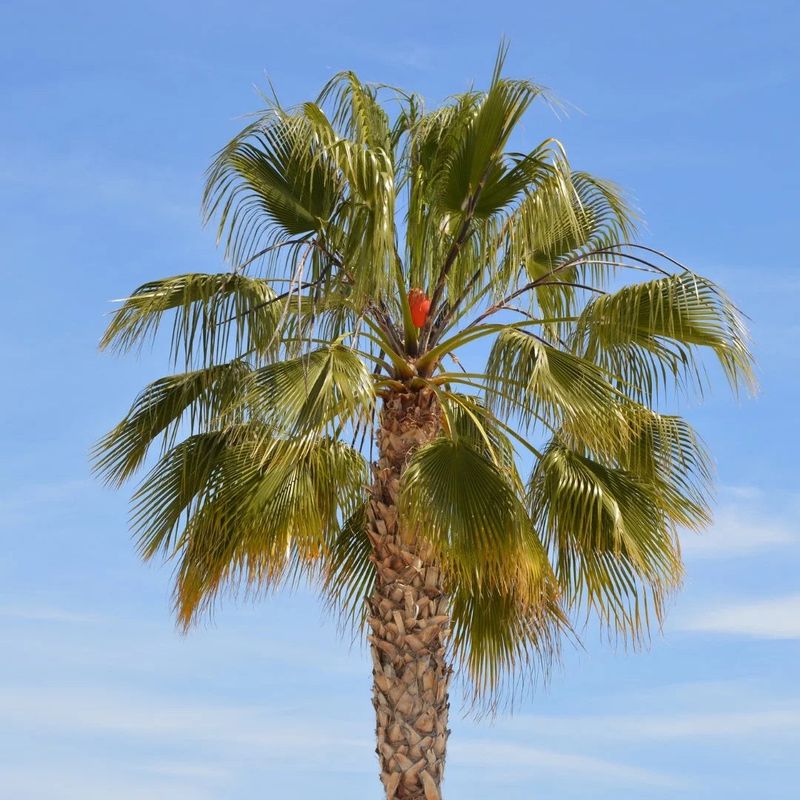
The California Fan Palm, Washingtonia filifera, is flipping the script. It is the only palm species truly native to the western U.S.
That means it evolved here, in this climate, in this soil, under this sun. It does not need the same level of hand-holding that imported species require.
Nurseries across the state have started stocking more of them. Landscape designers are requesting them by name.
Homeowners who want a low-fuss, regionally appropriate yard are choosing them over Queen Palms at a growing rate.
The swap makes sense from a practical standpoint too. Native plants support local wildlife better than exotic ones.
Birds and insects that evolved alongside the California Fan Palm rely on it for food and shelter. Swapping out a Queen Palm for a native species is not just a style choice.
It is an ecological one.
If you have been considering a palm for your yard, the native option is worth a serious look. It delivers the same dramatic height and silhouette, with far less effort required to keep it healthy and thriving long-term.
2. This Palm Belongs In California Landscapes
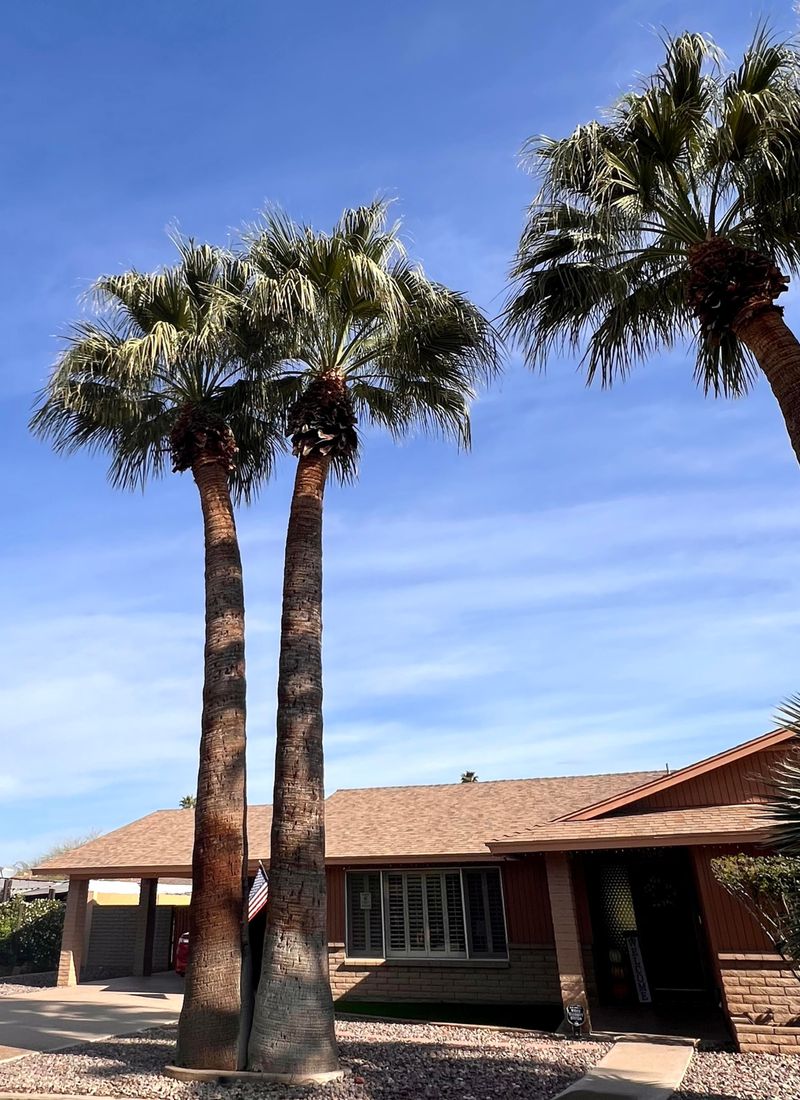
Few plants have a deeper connection to this land than Washingtonia filifera. Long before landscapers started planting it in yards, it was already growing wild in desert canyons and oases throughout the Coachella Valley and beyond.
Native communities used every part of it, from the fronds to the fruit.
That deep history is part of what makes it such a meaningful choice for modern landscapes. Planting it is not just decorating a yard.
It is honoring something that has been here for thousands of years. That kind of story adds real value to a garden design.
From a purely visual standpoint, it fits the scenery of this state better than any imported palm could.
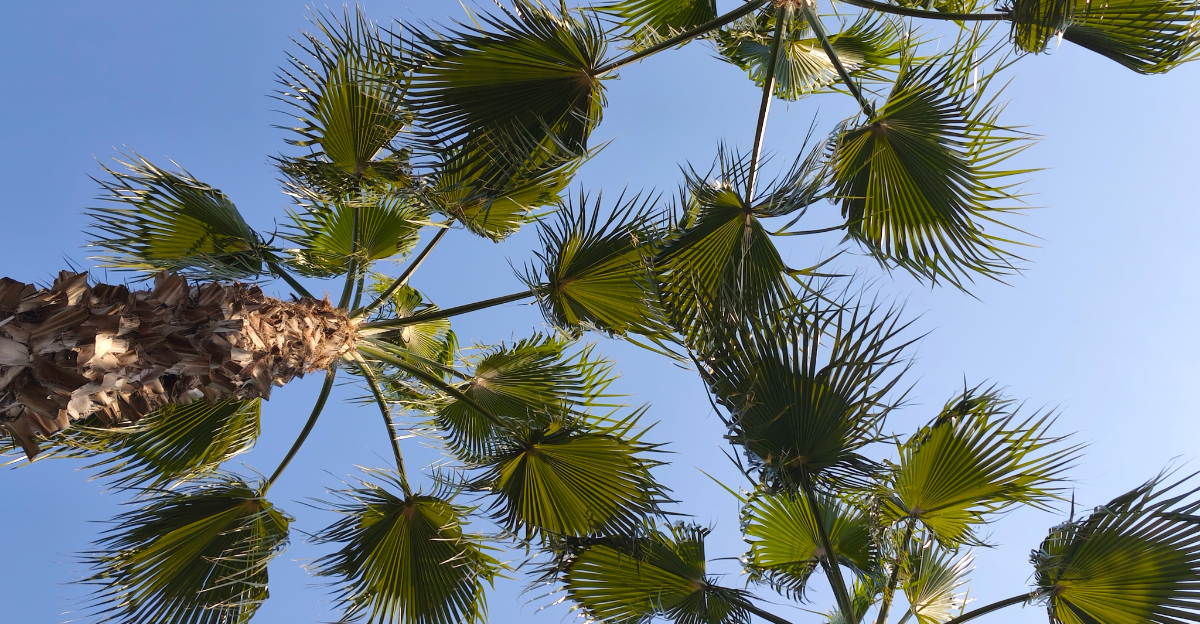
Its fan-shaped fronds and thick, rugged trunk look like they belong against a backdrop of golden hills, sandstone cliffs, or a clear blue sky.
Your California Garden Changes Every Week. Your Plan Should Too.
Gardening in California changes quickly throughout the season. Every Friday you’ll receive a simple weekly plan showing exactly what to plant, prune, fertilize, harvest, and protect so you never miss the right timing.
Designers working on projects that aim to reflect a strong sense of place are reaching for it more often.
Whether the project is a resort garden, a residential backyard, or a public park, the California Fan Palm anchors the space with authenticity.
It also grows tall enough to make a real architectural statement without looking out of place.
In a landscape that tries to reflect the natural beauty of this region, there is simply no better palm to reach for than this one.
3. It Handles Heat Better Than Queen Palm
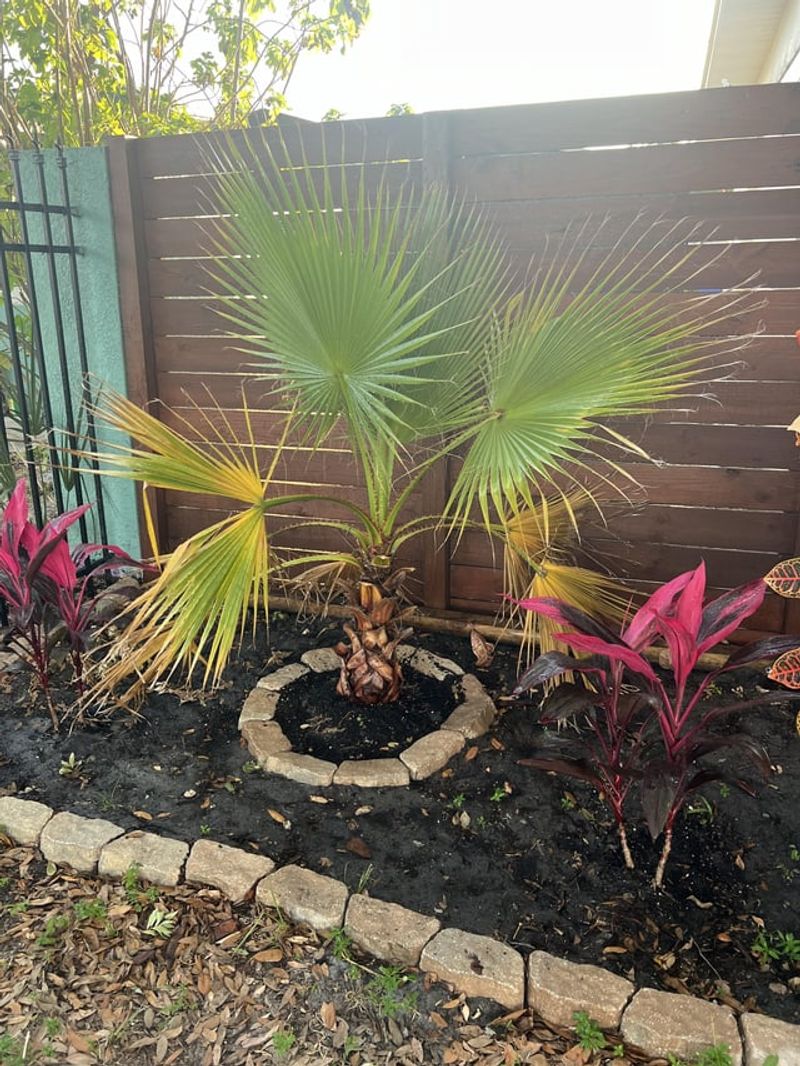
Summer heat in the inland valleys and desert regions of this state can be brutal. Temperatures routinely push past 110 degrees Fahrenheit.
Most plants struggle in those conditions, but the California Fan Palm was literally built for them.
Queen Palms, on the other hand, originate from South America, where the climate is warm but not nearly as extreme.
When temperatures spike, Queen Palms can show signs of stress, including yellowing fronds and slowed growth.
They need more water during heat waves to stay looking their best.
The California Fan Palm takes the heat in stride. Its thick trunk stores water, and its deep root system pulls moisture from far below the surface.
Once it is established, it can handle weeks without rain and still look strong.
This heat tolerance makes it especially valuable in low-water landscape designs. Designers building drought-tolerant gardens in the hotter parts of the state are choosing it precisely because it performs when other palms start to falter.
Even in cooler northern regions of the state, it holds up well. It can tolerate frost down to around 18 degrees Fahrenheit, which gives it a wider range than many people expect.
That combination of heat and cold tolerance makes it one of the most adaptable palms available for residential and commercial landscapes across a wide range of climates.
4. Desert Gardens Make It Look At Home
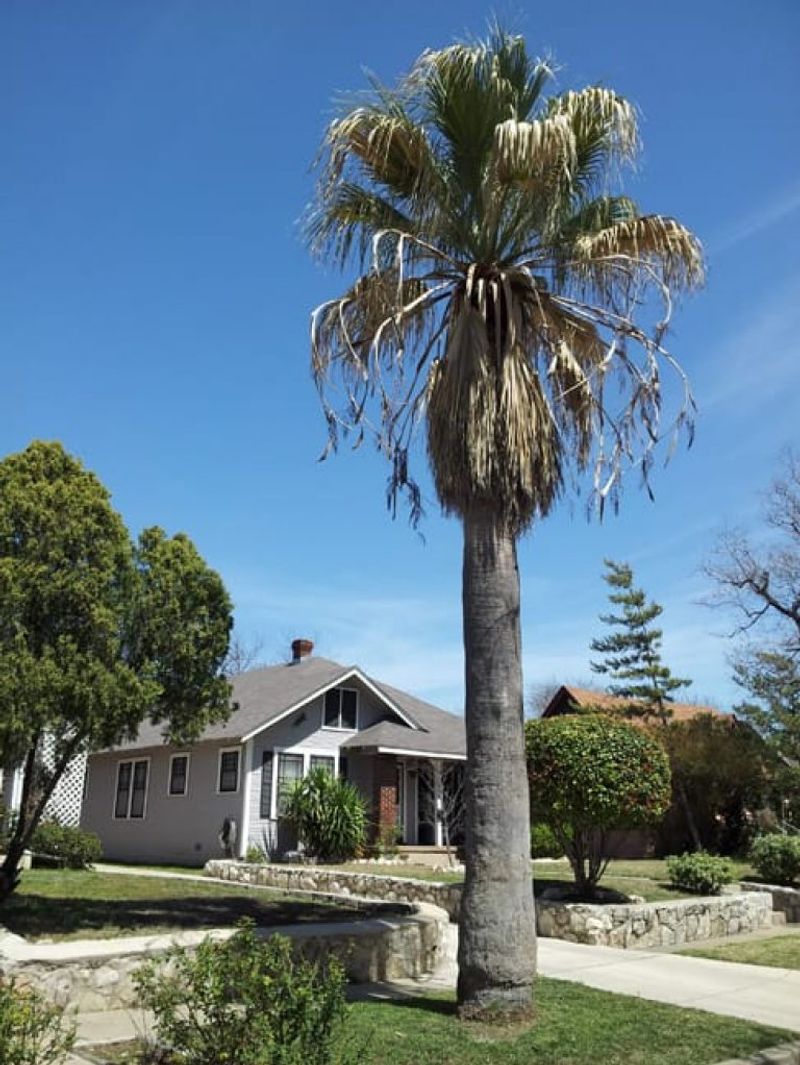
There is something almost magnetic about a California Fan Palm rising above a desert garden. Pair it with agave, ocotillo, and boulders, and the whole scene clicks into place.
It looks like it grew there naturally, because in many ways, it did.
Desert garden design has exploded in popularity over the last decade. Homeowners across the hotter, drier parts of the state are replacing thirsty lawns with gravel, native plants, and dramatic focal points.
The California Fan Palm is becoming one of the most requested focal points in that style of design.
Its vertical presence gives a desert garden the height it needs. Low-growing succulents and shrubs create a layered look when placed beneath a tall palm.
The contrast between the fan-shaped canopy above and the spiky, textured plants below creates a visually rich composition.
Landscape architects working on desert-style projects say this palm is easier to design around than Queen Palms. It does not drop as much debris during certain seasons, and its silhouette is more defined and dramatic.
That clean architectural quality makes it easier to build a cohesive garden design around it.
For anyone building or refreshing a desert-inspired yard, this palm earns its spot at the center of the plan.
It is a low-effort anchor plant that rewards the whole garden with scale, drama, and undeniable native character every single day.
5. Big Yards Suit This Palm Best
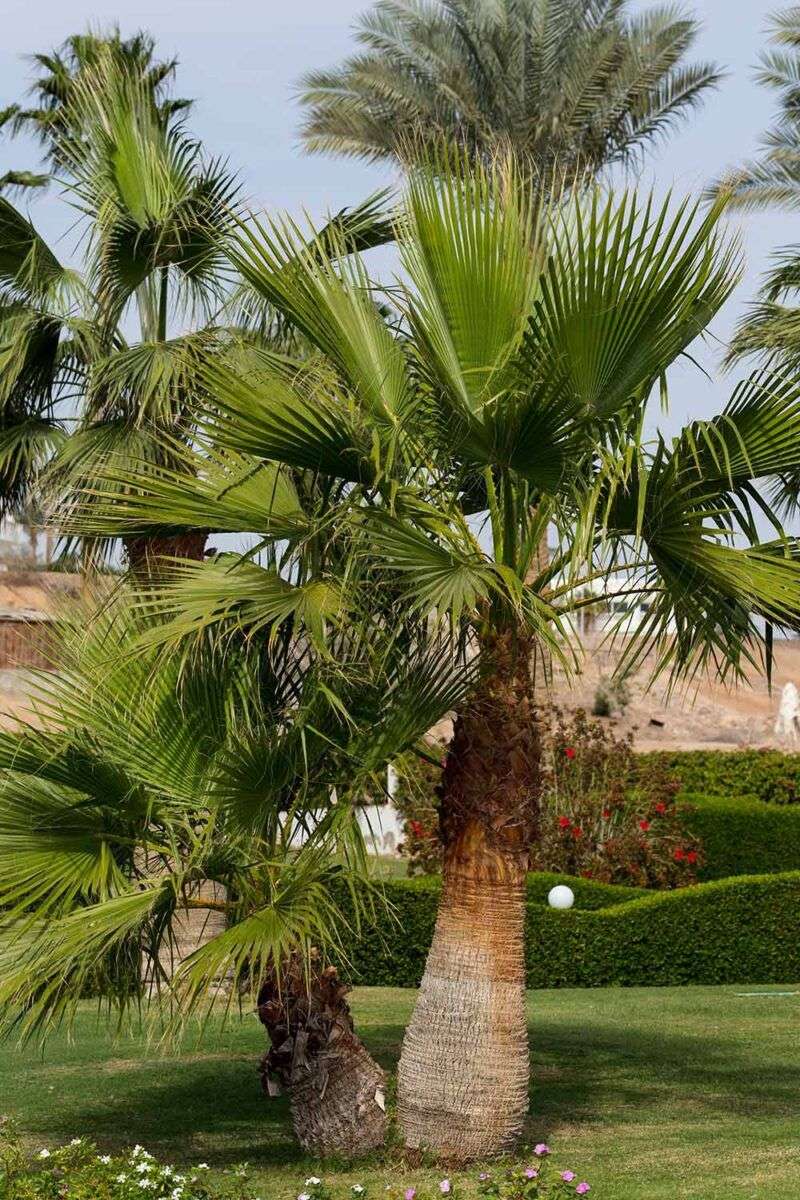
One thing no one should overlook before planting this palm is its size. The California Fan Palm is a big tree.
In the wild, it regularly reaches 40 to 60 feet tall. In a yard with enough space, it becomes a stunning centerpiece. In a tight space, it can quickly become a problem.
Large properties with open sightlines are where this palm truly shines. Ranch-style homes, sprawling desert estates, and wide commercial properties all give it the room it needs to grow upward without crowding structures, fences, or neighboring plants.
Homeowners with smaller lots often underestimate how fast and tall it grows. Within 10 to 15 years, a young palm can reach heights that begin to feel out of scale with a modest yard.
Planning ahead matters more with this tree than with most others.
Designers recommend treating it as a long-term architectural element rather than just a plant. Think about how it will look in 20 or 30 years, not just when it is first installed.
Its mature canopy spreads wide enough to cast meaningful shade over a patio or seating area.
For big yards, that shade is a bonus. For smaller properties, that same canopy can feel overwhelming.
Matching the right plant to the right space is always smart design, and with this palm, the right space is a generous one with plenty of open sky above.
6. It Needs Room Away From Rooflines
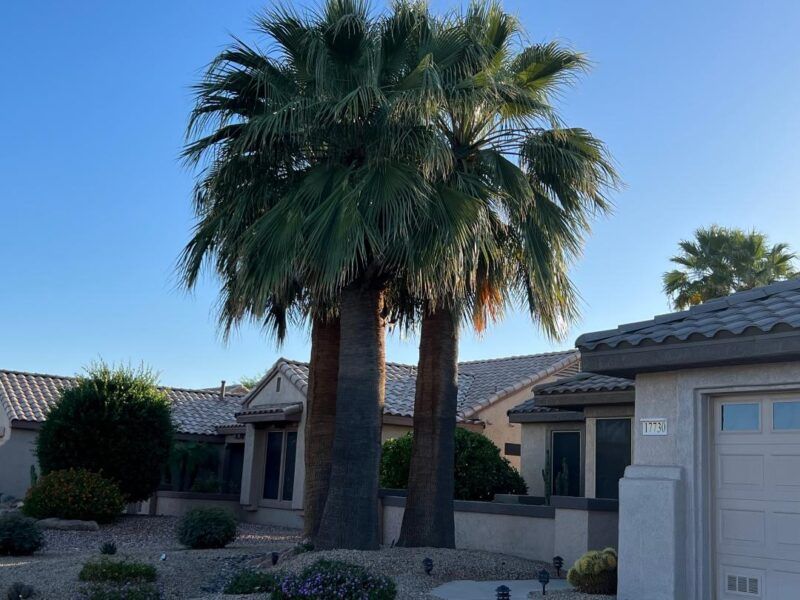
Planting a palm near a roofline is one of the most common mistakes homeowners make with large palms.
The California Fan Palm grows tall quickly, and its fronds can reach rooftops before most people realize it is happening.
Once fronds start brushing against shingles or hanging over gutters, problems follow. Fronds can trap moisture on the roof surface, which leads to damage over time.
They can also clog gutters with debris and create a fire hazard in dry months when damaged fronds accumulate.
A good rule of thumb is to plant this palm at least 15 to 20 feet away from any structure. That distance gives the trunk room to thicken and the canopy room to expand without encroaching on the roofline.
It also makes maintenance easier and safer for the people doing the trimming.
This is not just a roofline issue. Driveways, sidewalks, and utility lines all need to be considered before planting.
The roots of this palm can spread wide, and while they are generally less aggressive than some other species, they can still affect hardscape surfaces over time.
A landscape professional can help map out the ideal planting spot before you put the tree in the ground. A few minutes of planning at the start saves a lot of headaches later.
Placement is everything with a tree this size, and getting it right from day one is the smartest move.
7. Young Palms Need Water To Establish
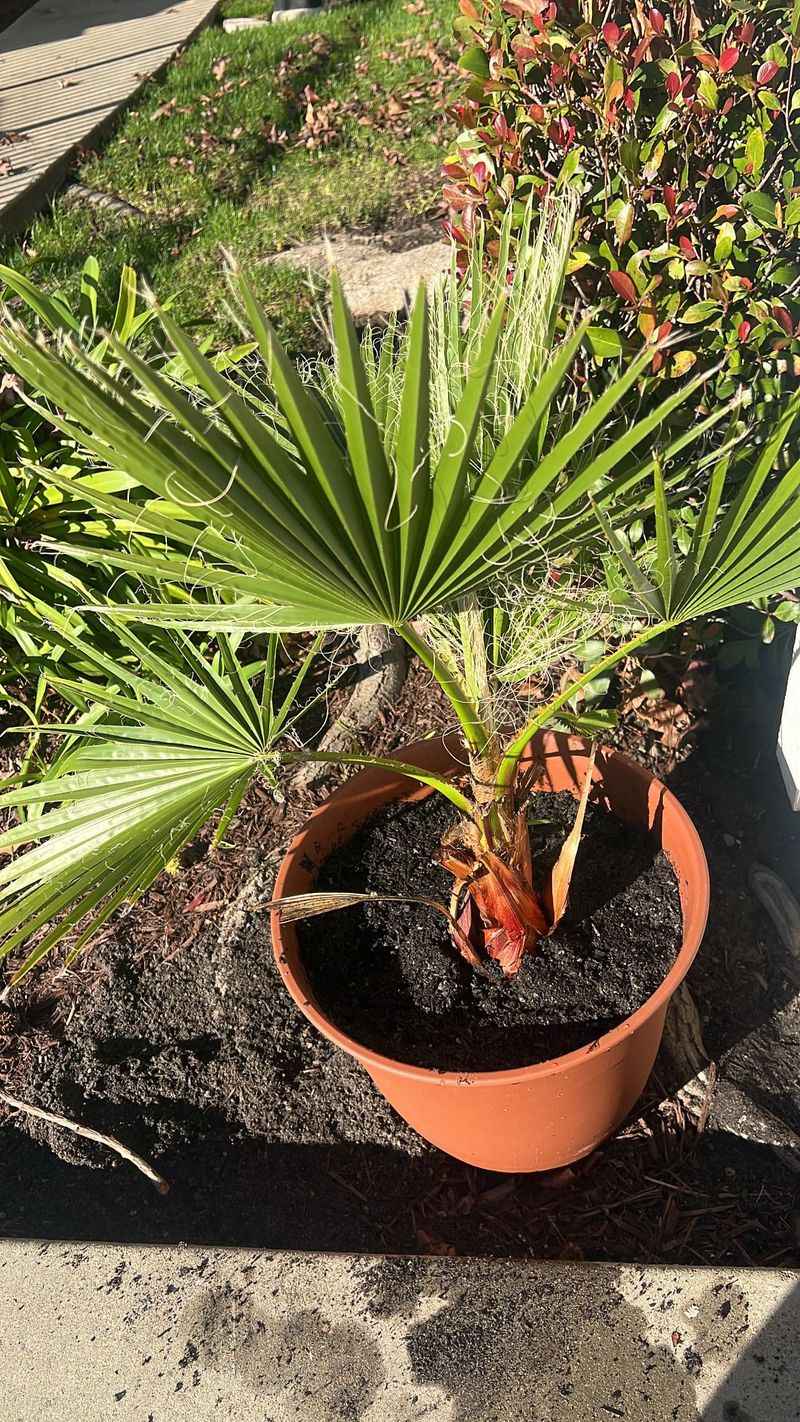
Here is something that surprises a lot of new palm owners. Even drought-tolerant plants need regular water when they are young.
The California Fan Palm is no exception. During its first two to three years in the ground, it needs consistent moisture to build a strong root system.
Planting in fall or early spring gives young palms the best start. Cooler temperatures reduce stress on the tree while its roots get established.
Summer planting is possible, but it requires more attention and more frequent watering to help the palm settle in without struggling.
Drip irrigation works well for young palms. A slow, deep watering schedule encourages roots to grow downward rather than staying shallow near the surface.
Deep roots make the tree more stable and more resilient during dry spells later in life.
Once the palm is established, usually after two to three years, watering needs drop significantly. At that point, rainfall alone may be enough in many regions of the state.
In hotter, drier areas, occasional supplemental watering during long dry stretches keeps the tree looking its best.
Mulching around the base of the tree during the establishment phase also helps retain soil moisture and regulate soil temperature. Keep the mulch a few inches away from the trunk to avoid rot.
A little extra care early on pays off with decades of low-maintenance beauty once the palm matures and settles in.
8. Old Fronds Need Fire-Smart Cleanup
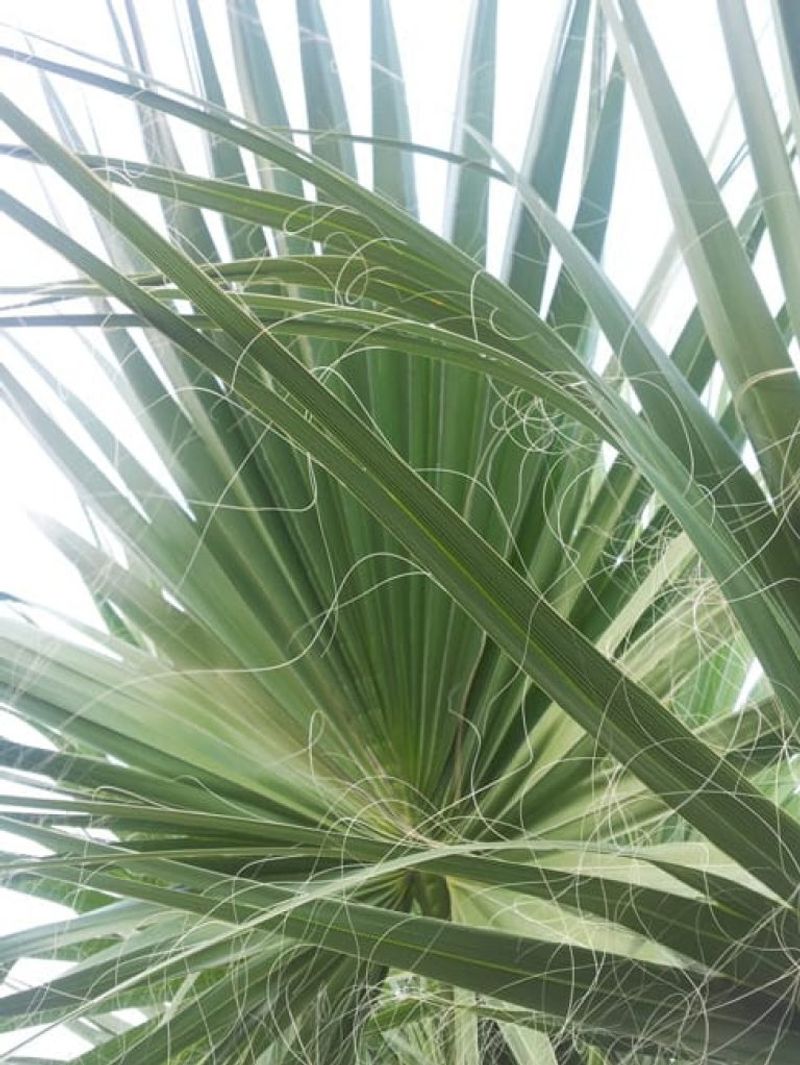
One of the most recognizable features of the California Fan Palm in the wild is its skirt. That is the thick layer of withered fronds that hang down around the trunk after they brown and dry out.
In a natural setting, that skirt is part of the palm’s charm and provides habitat for birds and bats.
In a residential yard, that same skirt becomes a fire risk. Dried fronds are highly flammable, and in areas prone to wildfires, a palm with a full skirt can act like a torch during a fire event.
This is a serious safety concern, especially in foothill and desert communities.
Regular frond removal is the responsible choice for homeowners in fire-prone areas. Most landscape professionals recommend trimming damaged fronds at least once a year.
Some homeowners in high-risk zones prefer twice-yearly cleanup to stay ahead of buildup.
The timing of trimming matters too. Avoid trimming during nesting season, which typically runs from early spring through midsummer.
Birds like hooded orioles often nest inside the frond skirts of California Fan Palms, and disturbing active nests is both harmful and illegal under federal law.
Hiring a certified arborist or licensed palm trimmer is the safest approach. They know how to remove fronds cleanly without damaging the trunk or the healthy green canopy above.
Proper cleanup keeps the tree looking sharp, reduces fire risk, and keeps the neighborhood safer during dry and windy seasons.