More Native Shrubs In Your Pennsylvania Garden, Less Deer Damage (Here Is What To Plant)
Deer damage in Pennsylvania gardens follows a frustratingly predictable pattern, and most of the plants that get hit hardest are non-natives that deer have no particular reason to avoid.
Native shrubs change that dynamic in a meaningful way, and Pennsylvania gardeners who have shifted toward a more native-heavy planting scheme consistently report less browse pressure than neighbors relying on the same vulnerable ornamentals that deer have been sampling for years.
This is not because deer never touch natives, but because many native Pennsylvania shrubs have developed aromatic compounds, textures, and structural defenses over generations of coexistence with local wildlife that make them considerably less appealing than the alternatives.
Getting the plant selection right creates a landscape that deer walk through without stopping, and doing that with shrubs that are genuinely beautiful, low maintenance, and suited to Pennsylvania’s growing conditions makes the whole approach worth pursuing on multiple levels at once.
1. American Beautyberry
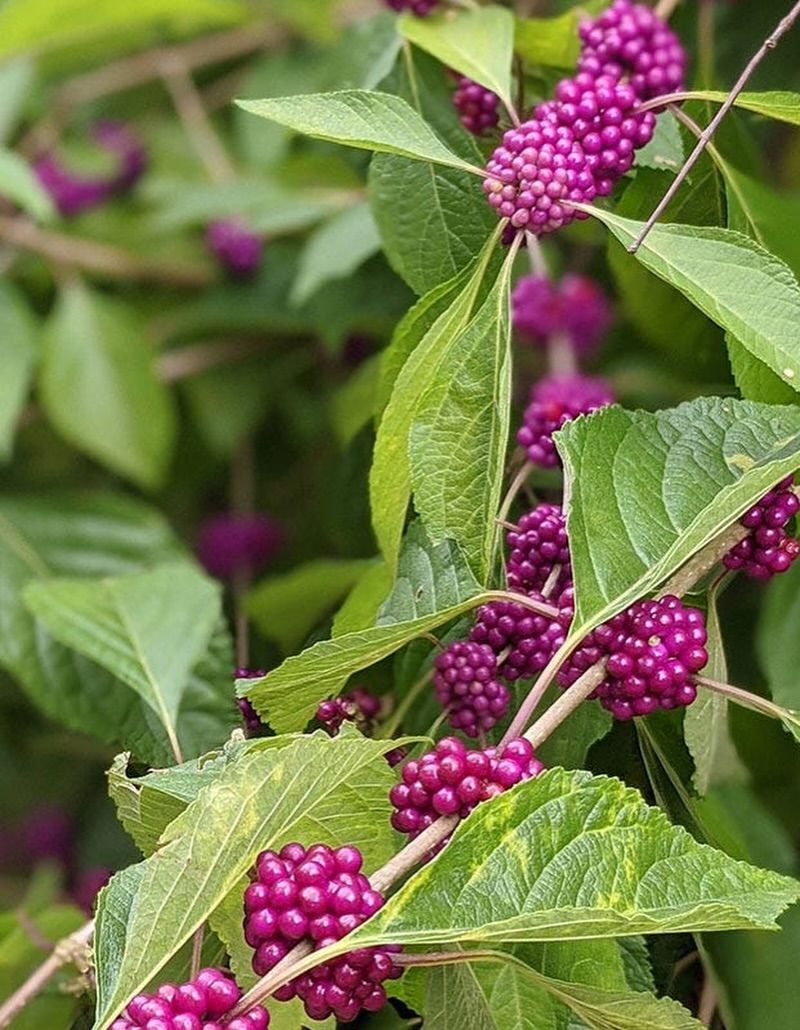
Picture a shrub that looks like someone draped strings of shiny purple jewels right along its branches. That is exactly what American Beautyberry looks like in the fall, and it is one of the most eye-catching native shrubs you can add to your Pennsylvania garden.
The bold purple berries grow in tight clusters directly on the stems, making the whole plant look like living artwork.
Deer tend to leave American Beautyberry alone, which is great news for gardeners who are tired of losing plants. The dense foliage grows thick and full throughout the warmer months, making it harder for deer to move through garden borders.
Birds, on the other hand, absolutely love the berries and will flock to your yard once the fruit ripens in late summer and fall.
American Beautyberry grows best in partial shade but can also handle full sun if the soil stays reasonably moist. It reaches about three to eight feet tall, making it a solid mid-sized shrub for borders, woodland edges, or naturalized garden spaces.
Pruning it back hard in late winter actually encourages stronger growth and more berries the following season.
Fun fact: Native Americans historically used crushed leaves from this plant as a natural insect repellent. Some gardeners today still rub the leaves on their skin before heading outdoors.
Whether you plant it for the wildlife, the stunning fall color, or the deer resistance, American Beautyberry earns its place in any Pennsylvania native garden without much fuss at all.
2. Winterberry
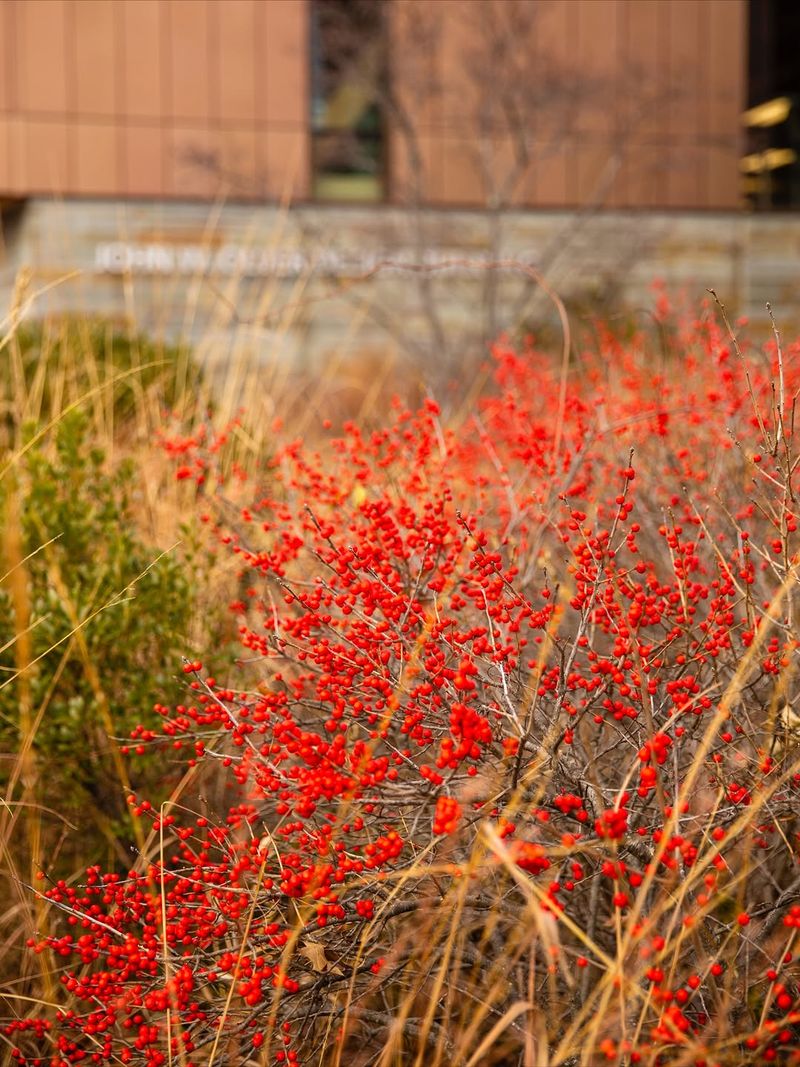
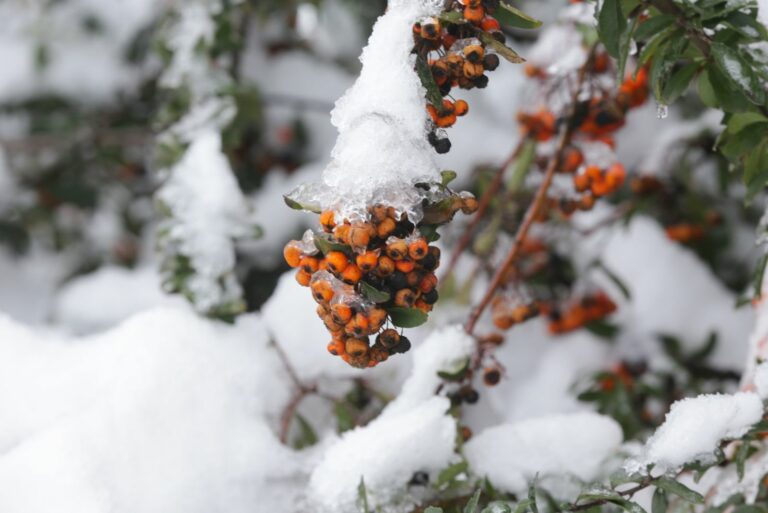
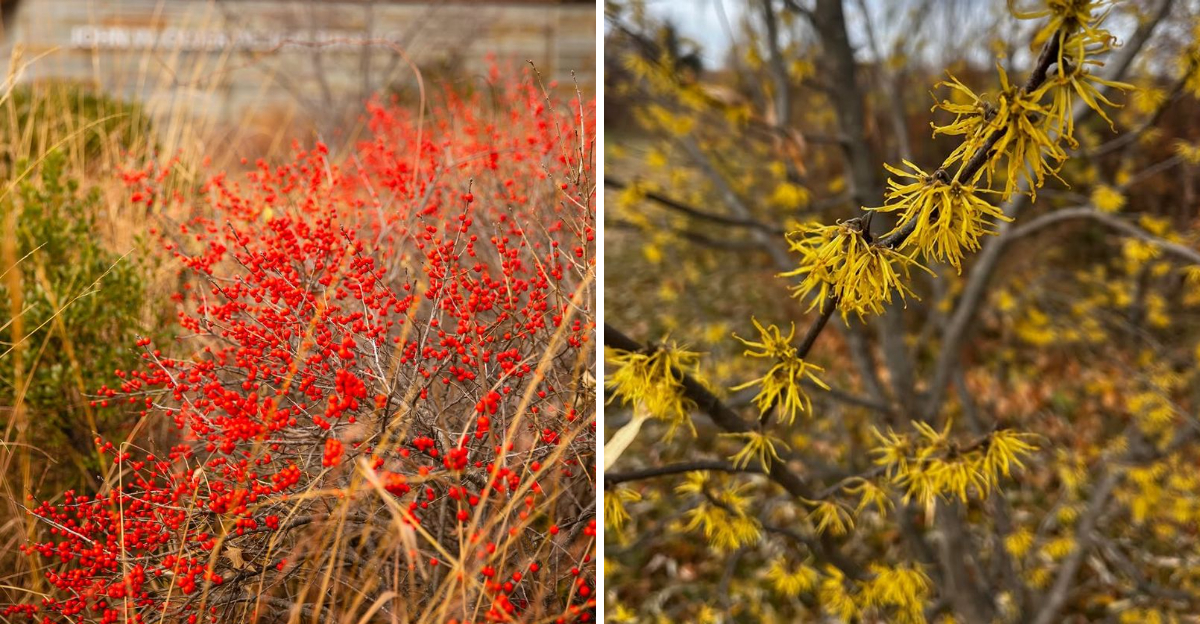
When most plants look bare and brown in winter, Winterberry puts on a show that stops people in their tracks. Vivid red berries cover the leafless branches like tiny ornaments, turning your garden into a winter scene that feels almost too beautiful to be real.
It is a deciduous holly native to Pennsylvania, and it thrives in the kind of wet, heavy soils that other shrubs simply cannot handle.
Deer generally avoid Winterberry, which makes it a smart choice for gardens near woods or open fields where deer pressure is high. Planting it along borders or in naturalized areas gives your yard a strong visual anchor through the coldest months of the year.
Your Pennsylvania Garden Changes Every Week. Your Plan Should Too.
Gardening in Pennsylvania changes quickly throughout the season. Every Friday you’ll receive a simple weekly plan showing exactly what to plant, prune, fertilize, harvest, and protect so you never miss the right timing.
The berries also provide critical food for birds like bluebirds, robins, and cedar waxwings during winter when other food sources are scarce.
One important thing to know is that Winterberry has separate male and female plants. You need at least one male plant nearby to pollinate the females so berries will form.
A single male can pollinate several female plants, so you do not need a lot of space to make it work.
Winterberry grows best in full sun to partial shade and loves moist or even wet soils, making it perfect near rain gardens or low-lying areas. It typically reaches six to ten feet tall and spreads naturally over time.
Did you know that the red berries are actually toxic to humans but completely safe for birds? That extra layer of natural chemistry may also be part of why deer tend to walk right past it.
3. Spicebush
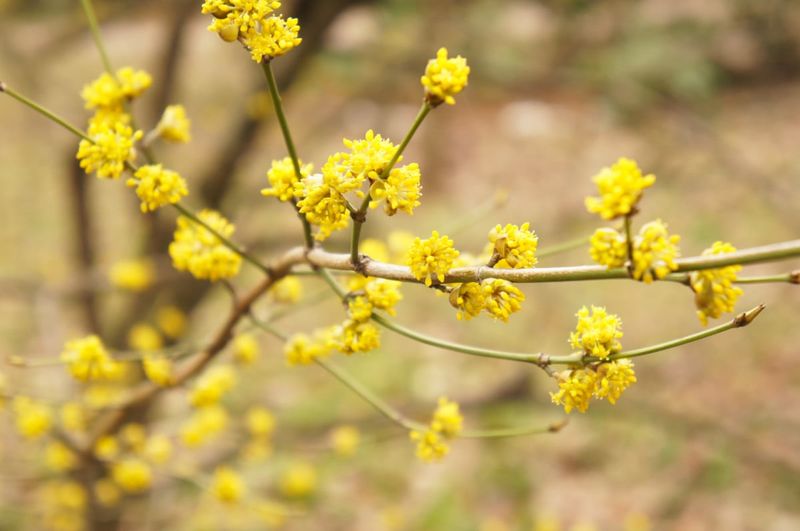
Walk past a Spicebush on a warm spring morning and you will immediately understand how it got its name. Crush a leaf between your fingers and a spicy, citrusy scent fills the air around you.
That powerful aroma is not just pleasant to humans; it is one of the main reasons deer tend to steer clear of this tough little native shrub.
Spicebush is one of the earliest shrubs to bloom in Pennsylvania, pushing out clusters of tiny yellow flowers in early spring before most other plants have even woken up.
Those early flowers are a lifeline for pollinators like native bees and early butterflies that are searching for food after a long winter.
By fall, female plants produce bright red berries that are a favorite food for migrating birds, especially wood thrushes and veeries.
Growing Spicebush is pretty straightforward. It prefers partial to full shade and moist, well-drained soil, making it a natural fit for woodland edges, shaded borders, or areas under large trees where other shrubs struggle.
It typically grows six to twelve feet tall and forms a rounded, dense shape that fills space nicely without becoming invasive.
Spicebush is also the host plant for the beautiful Spicebush Swallowtail butterfly, whose caterpillars feed exclusively on its leaves. Planting even one or two of these shrubs can bring this striking butterfly into your yard regularly.
For a low-maintenance, wildlife-friendly, deer-resistant shrub that works hard in shaded spots, Spicebush is genuinely one of the best choices a Pennsylvania gardener can make.
4. Witch Hazel
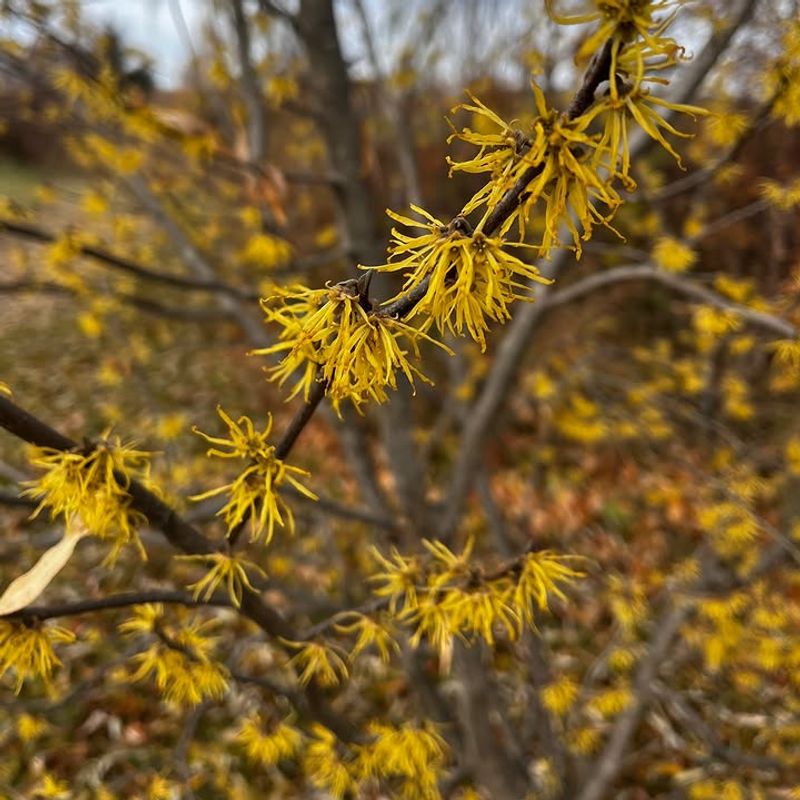
Most shrubs are winding down by November, but Witch Hazel is just getting started. Its spidery yellow-orange blooms twist open on bare branches in late fall and even into early winter, making it one of the most unusual and rewarding native shrubs in Pennsylvania.
Seeing flowers when everything else looks dormant feels almost magical, especially on a cold, gray November afternoon.
Deer usually avoid Witch Hazel, passing over both its leaves and stems in favor of tastier plants nearby. That reliability makes it a great anchor plant for shaded garden borders or naturalized woodland areas where deer pressure tends to be highest.
Once established, it is remarkably tough and rarely needs extra care beyond occasional pruning to keep its shape.
Witch Hazel grows best in partial to full shade and prefers moist, well-drained, slightly acidic soil. It can reach fifteen to twenty feet tall over time, though it grows slowly and can easily be kept smaller with regular pruning.
The fall foliage turns a warm golden yellow before dropping, giving the plant two separate seasons of visual interest.
Here is something most people do not know: Witch Hazel extract has been used in skincare and medicine for centuries, originally by Native Americans who used the bark and leaves to soothe skin irritations.
The name itself comes from an old English word meaning flexible or bendable, referring to the plant’s pliable branches.
Beyond its history and charm, Witch Hazel genuinely earns its place in any Pennsylvania native garden by blooming when nothing else will and standing firm against browsing deer season after season.
5. Red Chokeberry
Red Chokeberry is the kind of plant that earns its keep twice over. In spring, it covers itself in clusters of delicate white flowers that pollinators love.
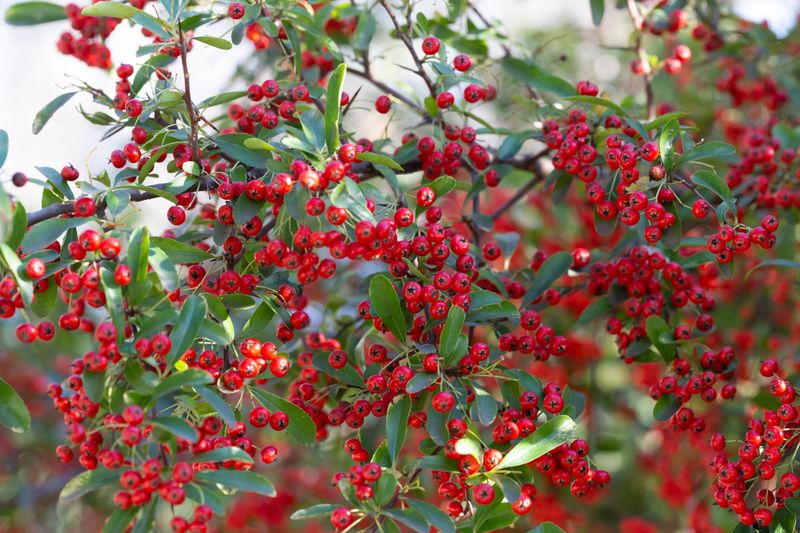
Then in fall, it comes back with a double punch of brilliant red berries and fiery red foliage that lights up the garden just as temperatures start to drop.
Deer generally ignore Red Chokeberry, which is a huge advantage for Pennsylvania gardeners dealing with regular deer browsing. The berries are extremely tart, which is likely part of why deer move on to other plants.
Birds, however, have no such hesitation and will clean off the berries quickly once they ripen, making this shrub a reliable food source for wildlife heading into winter.
Red Chokeberry is incredibly tough and adaptable. It handles wet soils, dry soils, full sun, and partial shade without complaint.
That flexibility makes it useful in a wide range of landscape situations, from rain gardens and low-lying wet spots to dry slopes and sunny borders. It typically grows six to ten feet tall and spreads gradually by suckering, filling in open spaces over time.
One creative way to use Red Chokeberry is to mass-plant several together for a bold fall display. The combined effect of the red berries and blazing foliage is genuinely stunning.
It also works well as a background shrub in mixed native plantings, where its upright form adds structure and height.
For gardeners who want reliable four-season interest with almost no maintenance and very little deer damage, Red Chokeberry is a seriously underrated native gem worth adding to any Pennsylvania yard.
6. Buttonbush
Buttonbush might just be the quirkiest-looking native shrub in Pennsylvania, and that is meant as a compliment.
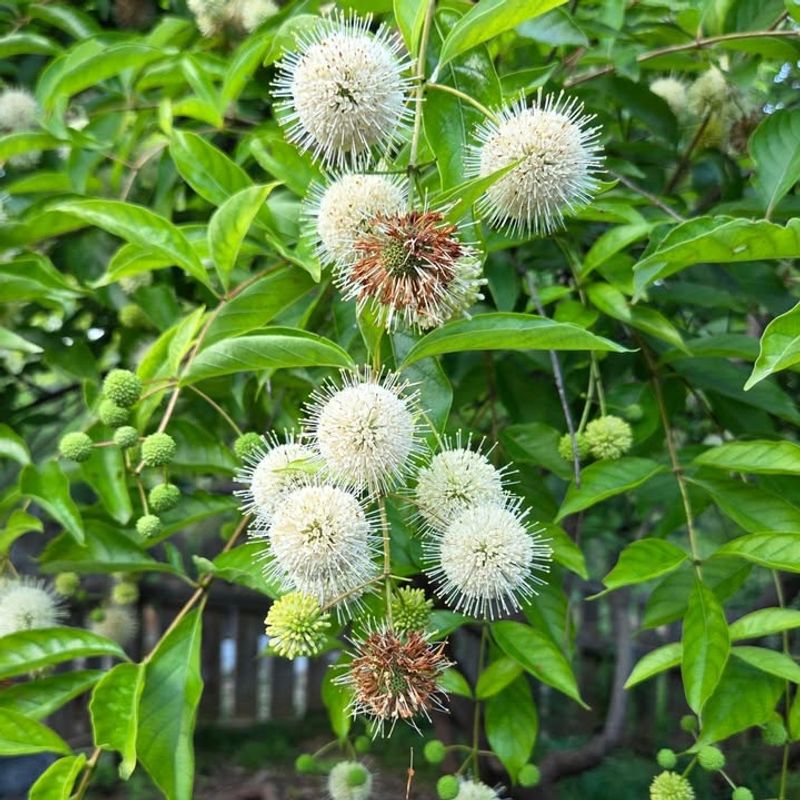
Its flowers are perfectly round, white, and covered in tiny protruding stamens that make each bloom look like a small, spiky globe or a miniature firework frozen in place.
Bees, butterflies, and hummingbirds go absolutely wild for these unusual flowers all summer long.
Naturally deer-resistant, Buttonbush contains compounds in its leaves that deer find unappealing. That built-in protection makes it a reliable choice for wet or low-lying areas of your yard where other deer-resistant plants might struggle to survive.
It thrives in moist to wet soils and actually does great planted right at the edge of a pond, stream, or rain garden where standing water is sometimes an issue.
Buttonbush grows into a rounded, multi-stemmed shrub that typically reaches five to twelve feet tall depending on conditions. It prefers full sun to partial shade and is one of the few native shrubs that genuinely thrives in saturated soils where most other plants would suffer.
After the flowers fade, small round seed clusters form and attract ducks and shorebirds throughout fall and winter.
If you have a soggy corner of your yard that you have been struggling to fill with something attractive and useful, Buttonbush is your answer. It solves a drainage problem, supports an enormous variety of wildlife, and keeps deer away without any sprays or fencing required.
Few native Pennsylvania shrubs can claim all of that at once. Plant it where the ground stays wet and watch it transform a problem spot into a buzzing wildlife hotspot within just a few seasons.