The Best Set-And-Forget Florida Ground Covers For Slopes And Edges That Maintain Themselves
Slopes and edges are the problem children of the Florida yard. Too steep to mow comfortably, too exposed to hold moisture, and bare enough to wash out every time a heavy rain moves through.
Most homeowners either ignore them or spend more time and energy maintaining them than every other part of the yard combined.
Ground covers are the practical answer, but not all of them are built for Florida’s particular brand of heat, humidity, and unpredictable rainfall.
The wrong choice needs just as much attention as the bare slope it was supposed to fix. The right ground covers do the opposite.
They spread, they root in, they hold the soil, and they largely take care of themselves once established. Florida has solid options for exactly this kind of situation, plants that ask for very little after that first season and reward you by making a problem area disappear.
1. Frogfruit Softens Slopes Without Acting Like Turf
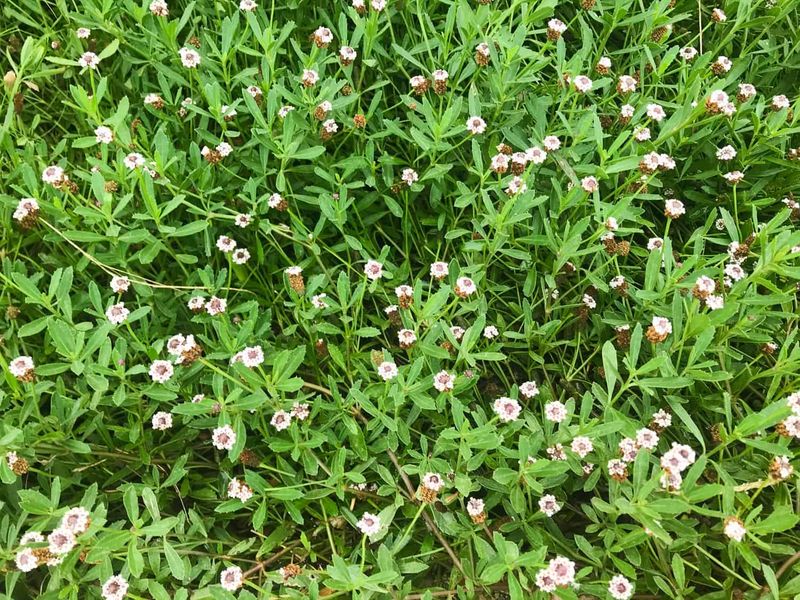
That awkward sunny slope between your lawn and the street might be the perfect home for frogfruit. Known botanically as Phyla nodiflora, this low-growing native spreads along the ground like a living carpet.
It handles sunny to partly sunny sites well and works beautifully along lawn transitions, informal edges, and pollinator-friendly strips.
One of its best qualities is its ability to tolerate light foot traffic better than many delicate ground covers. It will not hold up to daily heavy use, but occasional stepping does not set it back the way it would a more fragile plant.
Tiny white and pink flowers bloom across the mat, drawing in bees and butterflies reliably through the warm season.
Frogfruit spreads by runners and fills in gradually. It does not look like a manicured lawn, and that is actually the point.
On a low slope or a naturalistic edge, its informal texture reads as intentional rather than neglected. It handles sandy soils and moderate drought once established, though it appreciates water during its first season.
Occasional mowing or trimming keeps it from creeping into unwanted areas. It may go partially dormant in a cold winter in northern regions but typically recovers well.
For a sunny slope that has resisted every other solution, frogfruit is a genuinely practical starting point.
2. Sunshine Mimosa Holds Sandy Edges With Pink Blooms
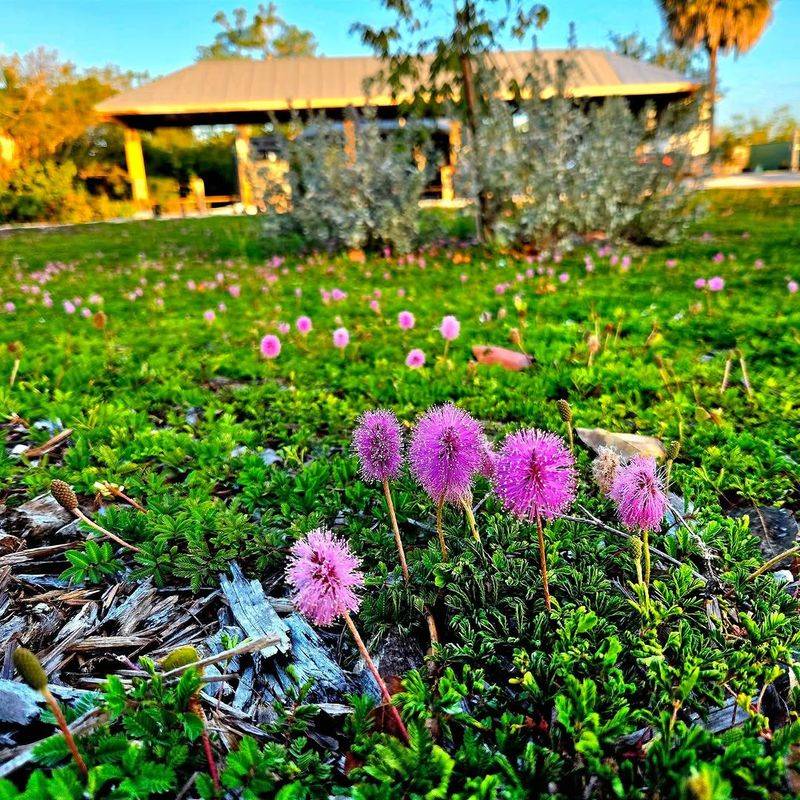
A sandy strip along a driveway or a sun-baked edge near the road can be genuinely hard to plant. Sunshine mimosa, Mimosa strigillosa, was practically built for those situations.
Its spreading low habit fills in bare sandy ground without needing rich soil or constant attention once it gets going.
The pink powderpuff blooms are hard to miss. They appear reliably through the warm season and attract bees and butterflies with real enthusiasm.
Beyond the flowers, the foliage has a soft feathery texture that folds slightly when touched, which adds a bit of personality to an otherwise plain edge planting.
Drought tolerance after establishment is one of its strongest selling points. Sandy, well-drained soil in full sun is where it performs best.
Your Florida Garden Changes Every Week. Your Plan Should Too.
Gardening in Florida changes quickly throughout the season. Every Friday you’ll receive a simple weekly plan showing exactly what to plant, prune, fertilize, harvest, and protect so you never miss the right timing.
It does not handle heavy shade or constantly wet soil well, so placement matters. Give it the right conditions, and it will spread steadily to cover ground that grass struggles to hold.
It does take time to fill in, so patience is part of the deal. Supplemental watering during the first growing season helps it establish faster.
Once rooted in, it needs very little. Occasional trimming at the edges keeps it from creeping beyond its intended area.
For a low-care sunny edge that also supports pollinators, sunshine mimosa earns its spot on this list.
3. Dune Sunflower Covers Hot Slopes With Cheerful Color
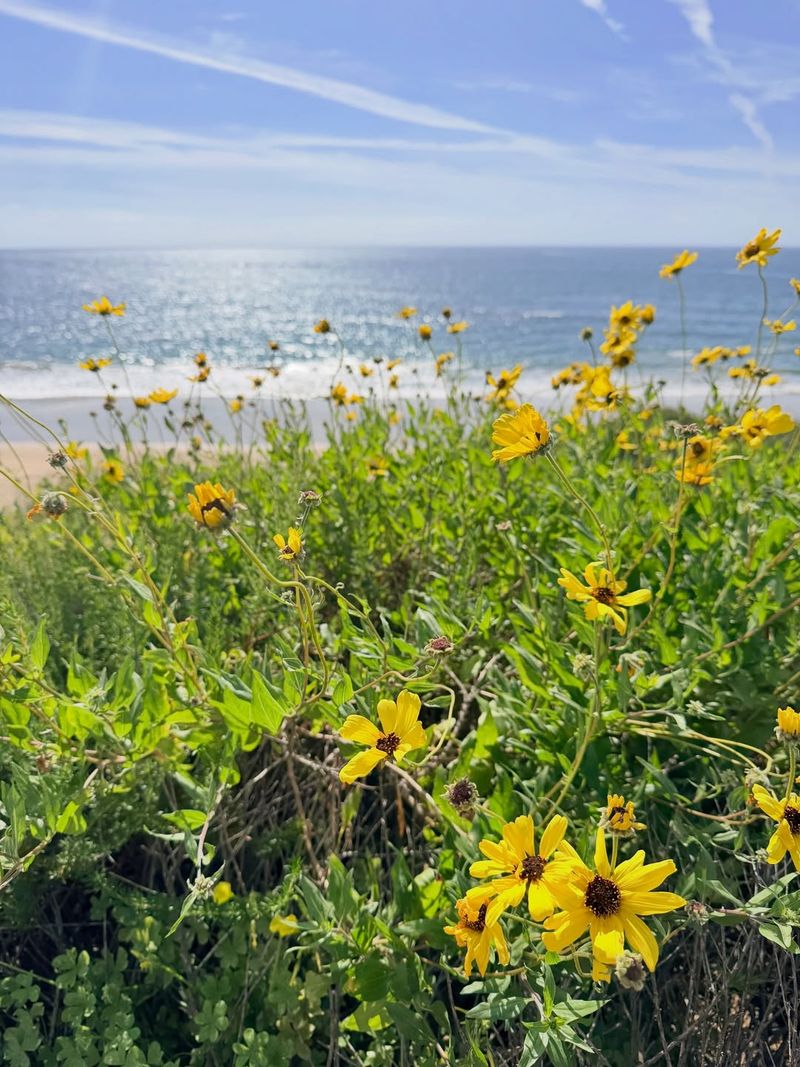
Few plants bring as much visual energy to a tough spot as dune sunflower. Helianthus debilis produces cheerful yellow blooms that keep coming through the warm season, and it does this on some of the most inhospitable ground in the state.
Hot, sandy, dry slopes that drain fast and bake in afternoon sun are where it genuinely thrives.
Coverage comes quickly compared to many native ground covers. Stems spread outward and root as they go, which helps hold loose sandy soil in place on slopes and broad informal edges.
Birds, especially goldfinches and other seed-eaters, visit the spent flowers regularly, adding wildlife value beyond the blooms themselves.
Honesty is worth including here. Dune sunflower can spread enthusiastically and reseed where it is happy.
On a large open slope or a wide naturalistic edge, that is a feature. In a small tidy bed next to a formal garden, it can feel like too much.
Use it where a loose, natural look is genuinely welcome.
It handles drought well once established and does not need rich soil. In fact, overly fertile or wet soil can cause problems.
Trimming back after bloom cycles keeps it looking fresh rather than ragged. For a hot slope that needs fast coverage and honest color without a lot of fuss, dune sunflower delivers.
4. Railroad Vine Grips Coastal Sand Where Grass Struggles
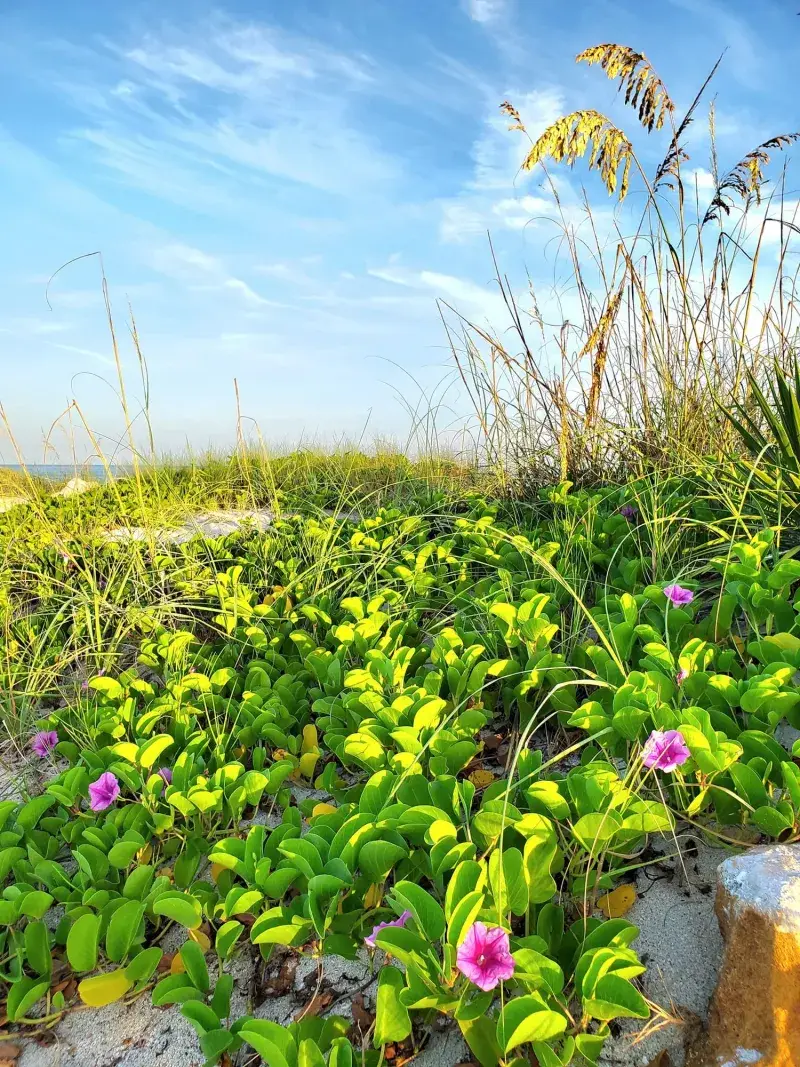
Coastal sand is one of the hardest growing environments in this state. Salt spray, shifting sand, intense sun, and almost no organic matter make most plants struggle.
Railroad vine, Ipomoea pes-caprae subsp. brasiliensis, does not struggle there. Long trailing vines spread across open sandy ground, rooting as they go and holding loose sand in a way few other plants can manage.
The purple morning-glory flowers are genuinely striking against the pale sand. They open in the morning and close by afternoon, but their size and color make them stand out.
Salt tolerance is strong, which is why this plant shows up naturally along beaches and dune-like coastal edges throughout the state.
Site matching is everything with railroad vine. It belongs in sunny coastal sand, beachside landscapes, and informal sandy edges near the water.
It is not the right choice for small tidy beds, shaded yards, clay-heavy soils, or average inland slopes. Trying to use it outside its preferred conditions leads to frustration.
Vines can spread widely, so give it room. In the right coastal setting, that spreading habit is exactly what makes it useful for stabilizing sandy ground.
Establishment watering helps it root faster, but once settled into sandy coastal soil, it needs very little ongoing care. For the right site, few plants do this job as naturally.
5. Twinflower Fills Low Edges With Native Purple Blooms
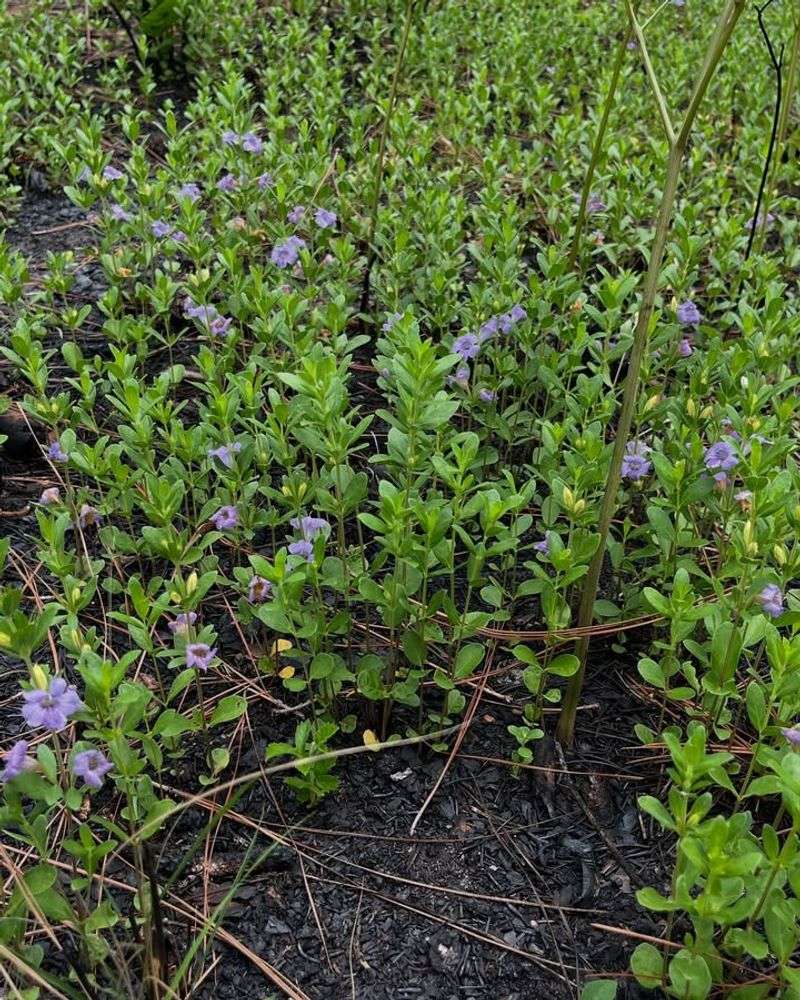
Not every tough spot in the yard is a hot sunny slope. Some of the hardest areas to plant are the shaded edges along fences, under trees, or along partly sunny borders where grass thins out and bare soil takes over.
Twinflower, Dyschoriste oblongifolia, fits those spots in a way that many better-known ground covers do not.
Small purple blooms appear in flushes through the warm season and have real value for native bees and other small pollinators. The plant stays low and spreads gradually without becoming an overwhelming mass.
That tidy, restrained habit makes it easier to use along beds and borders where you want coverage without chaos.
Light and moisture conditions matter more than some gardeners expect. Twinflower performs well in partly sunny to lightly shaded sites with decent drainage.
It is not a universal ground cover that works everywhere. Placing it in deep shade or consistently wet soil tends to produce disappointing results.
Establishment care is straightforward. Water regularly through the first season, then ease back as roots develop.
Once settled in, it handles moderate dry spells reasonably well. Occasional light trimming keeps the edges tidy.
Twinflower softens bare soil along low edges and borders without demanding constant attention. That makes it a genuinely underused native ground cover worth considering.
6. Golden Creeper Handles Sandy Slopes In Warm Coastal Yards
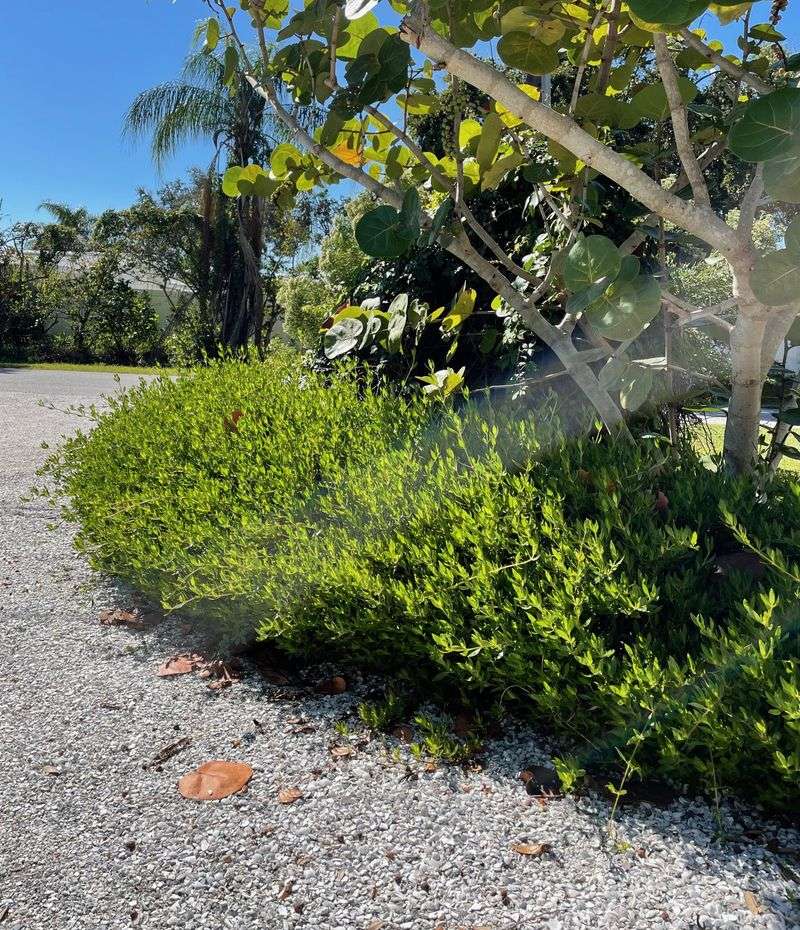
Southern coastal yards have their own set of planting challenges. Sandy soil, salt exposure, and intense heat rule out a lot of options.
Golden creeper, Ernodea littoralis, is one of the natives that actually belongs in those conditions. Its low spreading habit covers sandy slopes and dune-like plantings with a natural ease that more delicate ground covers cannot match.
Small yellow flowers appear through the warmer months and attract native bees and butterflies. Birds use the plant for cover and visit the small fruits that follow the blooms.
That combination of flower, fruit, and low spreading structure gives it real value in naturalistic coastal plantings beyond just covering bare ground.
Salt tolerance is genuine and well-documented. Once established in sandy well-drained soil with full sun, it handles dry spells and coastal conditions without much intervention.
It is not a plant for colder inland landscapes, though. Northern regions of the state are outside its comfortable range, and it performs best where winters stay mild.
Establishment watering is still necessary. Even drought-tolerant plants need consistent moisture through their first growing season to root properly.
After that, golden creeper needs very little. It does not require rich soil, and overly wet conditions can cause problems.
For a warm coastal slope or sandy edge in southern regions, golden creeper is a low-fuss native worth knowing.
7. Creeping Sage Brings Low Coverage To Shady Edges
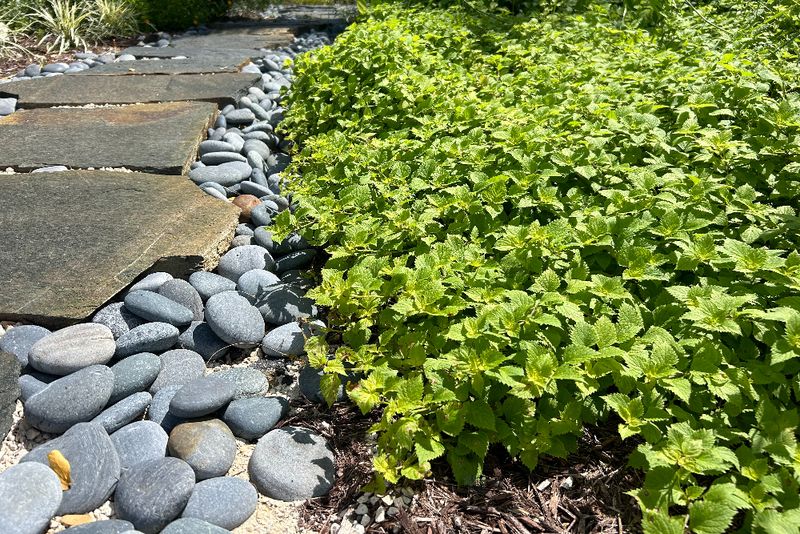
Shady edges can feel like a mission impossible when it comes to design. Grass thins out, bare soil takes over, and most flowering ground covers need more sun than those spots offer.
Creeping sage, Salvia misella, is a lesser-known Florida native that handles partly shaded edges, woodland margins, and informal beds. It brings a quiet kind of usefulness that is easy to overlook.
Small flowers in soft blue-purple tones appear along the low spreading stems and draw in small native bees and other pollinators.
The overall habit stays close to the ground, which makes it useful for softening bare soil along shaded borders without the plant becoming a towering problem.
It has a natural, relaxed look that suits informal plantings well.
Where creeping sage is happy, it will spread. That spreading habit is a benefit in spots where low natural coverage is exactly what you want.
Along a shaded fence line, under a canopy edge, or beside a woodland path, it fills in gradually and reads as intentional rather than weedy. In a small formal bed, that same spreading habit needs more monitoring.
Matching it to the right light and moisture conditions makes a real difference. Partly shaded sites with decent drainage work best.
Deep shade or consistently soggy soil tends to limit its performance. Establishment watering through the first season sets it up well.
After that, occasional trimming at the edges keeps it where you want it.
8. Pineland Heliotrope Adds Low Color To Tough Open Spots
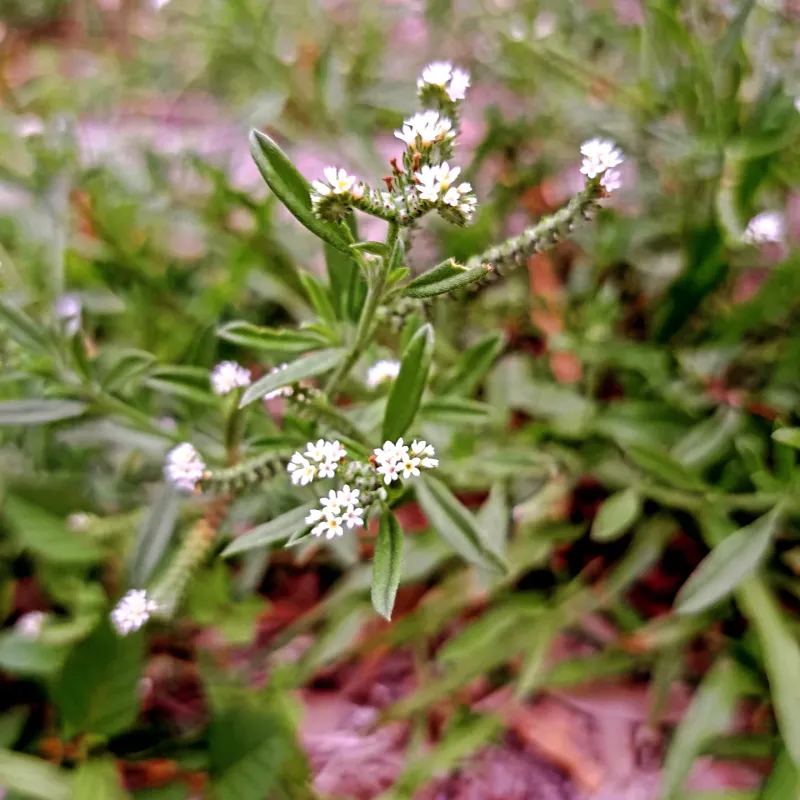
Some of the most overlooked planting spots in a Florida home landscape are the open, sunny, sandy patches that seem to resist everything. Pineland heliotrope, Euploca polyphylla, is a native wildflower that quietly handles those tough conditions.
It grows low, stays compact, and produces small white flowers that attract native bees and other small pollinators through the warm season.
Its native character is part of what makes it interesting. Pineland heliotrope is found naturally in sandy open habitats, pine rockland-style plantings, coastal thickets, and disturbed sunny edges throughout the state.
That ecological background means it is genuinely suited to the lean, dry, sun-baked conditions that challenge so many other plants.
Expectations matter here. This is not a lush, formal ground cover with dense showy foliage.
It has a naturalistic, open habit that looks best in plantings where a wilder, more relaxed aesthetic is the goal. Placed in the right spot, it adds low native color and texture without demanding rich soil, frequent watering, or regular feeding.
Site selection is the most important step. Full sun and well-drained sandy soil are the conditions where it performs as expected.
Consistently wet soil or heavy shade tends to limit its success. Water regularly through establishment, then step back and let it settle in.
For naturalistic sandy beds and tough open spots, pineland heliotrope is a genuinely underappreciated native option.