These Are The Pennsylvania Native Plants Blooming At Their Absolute Peak In July
July in Pennsylvania is not just about heat and humidity. It’s also one of the most spectacular months in the native plant calendar.
While the garden world tends to celebrate spring bloomers, July quietly delivers some of the most stunning floral displays of the entire year.
Most of them belong to plants that have been growing across Pennsylvania’s meadows, woodlands, and roadsides for centuries. These are plants that were made for this moment.
Native Pennsylvania plants that peak in July have evolved to thrive in exactly these conditions. Long days, warm nights, and the kind of summer intensity that pushes non-native plants into survival mode.
Instead of struggling, these natives hit their stride, bursting into color and life right when the season is at its most demanding.
Whether you’re looking to add summer interest to your garden or attract pollinators at their peak activity, July bloomers are where to start. Here’s what’s putting on a show right now.
1. Butterfly Weed
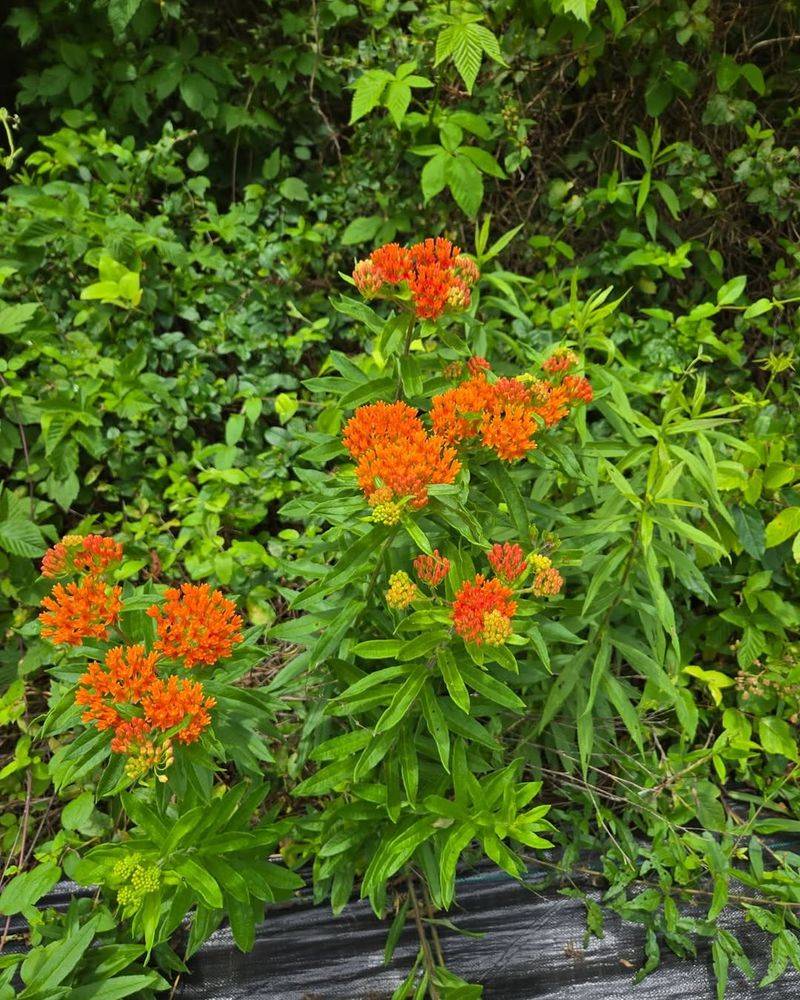
Few plants stop people in their tracks quite like butterfly weed. Those bold, flame-orange flower clusters seem almost too vivid to be real, glowing against a bright blue summer sky.
Native to Pennsylvania and much of eastern North America, this wildflower earns its name honestly by pulling in butterflies from what feels like miles away.
Butterfly weed is a type of milkweed, which makes it incredibly important for monarch butterflies. Monarchs need milkweed to lay their eggs, and their caterpillars feed on the leaves.
Planting butterfly weed in your yard is one of the best things you can do to support monarch populations, which have been declining in recent years.
Beyond monarchs, this plant attracts swallowtails, fritillaries, bees, and even hummingbirds. It blooms from late June through August, but July is when it truly shines.
The flower clusters, called umbels, are packed tightly and look almost like tiny fireworks exploding in slow motion.
One of the best things about butterfly weed is how tough it is. It thrives in dry, sandy, or rocky soil where other plants struggle.
Full sun is a must, but once established, it rarely needs watering. It grows about one to three feet tall and spreads slowly, making it great for borders or wildflower gardens.
You can find it at most native plant nurseries in Pennsylvania. Just plant it, give it time to settle in during the first year, and watch it reward you with years of stunning blooms and a parade of pollinators all summer long.
2. Purple Coneflower
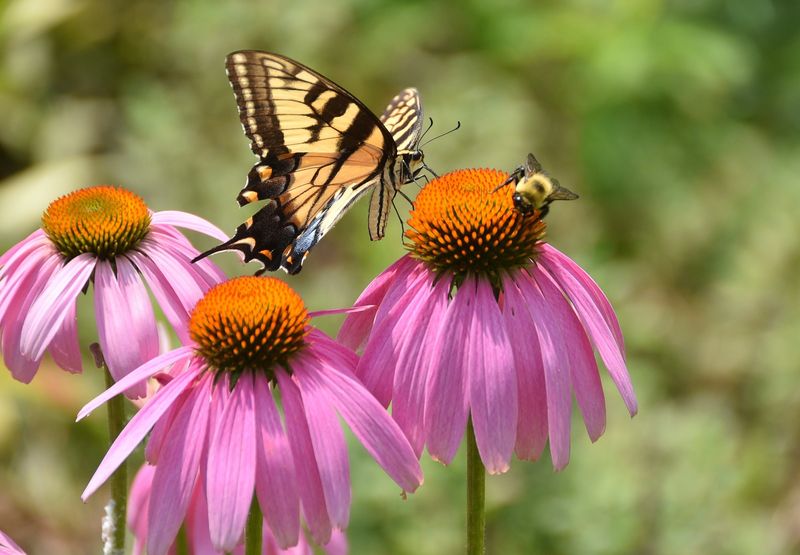
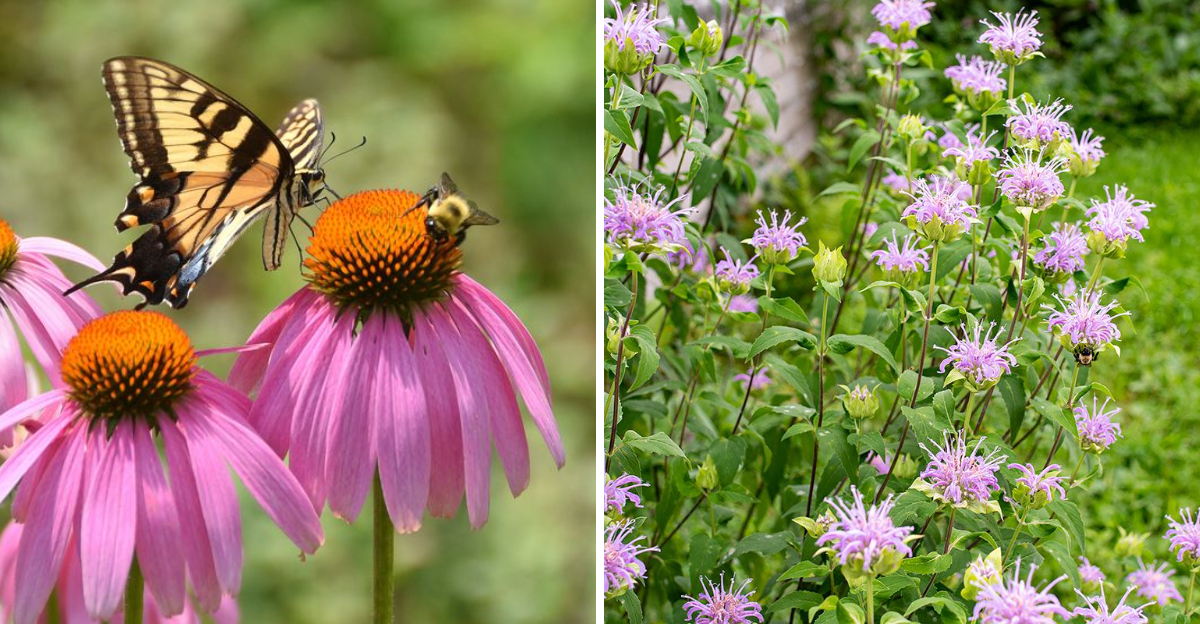
Walk through almost any Pennsylvania garden in July and you will likely spot the unmistakable silhouette of the purple coneflower.
Tall, sturdy stems rise up to four feet, each topped with a bold flower featuring swept-back purple petals surrounding a spiky, copper-colored center cone. It looks like something designed by nature to be noticed, and pollinators absolutely agree.
Echinacea purpurea is native to the eastern United States and has been used by Indigenous peoples for centuries as a medicinal herb. Today, echinacea supplements are sold all over the world for immune support.
Your Pennsylvania Garden Changes Every Week. Your Plan Should Too.
Gardening in Pennsylvania changes quickly throughout the season. Every Friday you’ll receive a simple weekly plan showing exactly what to plant, prune, fertilize, harvest, and protect so you never miss the right timing.
But in the garden, this plant earns its place purely through beauty and ecological value. Bees love it. Butterflies flock to it.
Goldfinches return again and again to pick seeds from the dried coneheads in late summer and fall. If you leave the seed heads standing through winter instead of cutting them back, you give birds a critical food source during cold months.
Purple coneflower is remarkably adaptable. It grows well in average garden soil with good drainage and prefers full sun, though it can handle some afternoon shade.
Once established, it handles summer heat and short dry spells without much fuss. It spreads gradually by both seeds and root divisions, meaning a small planting can become a generous patch over a few seasons.
For Pennsylvania gardeners, it pairs beautifully with black-eyed Susans and wild bergamot in a classic summer pollinator garden. Plant it in groups of three or more for maximum visual impact and to give pollinators a real reason to linger in your yard all season long.
3. Black-Eyed Susan
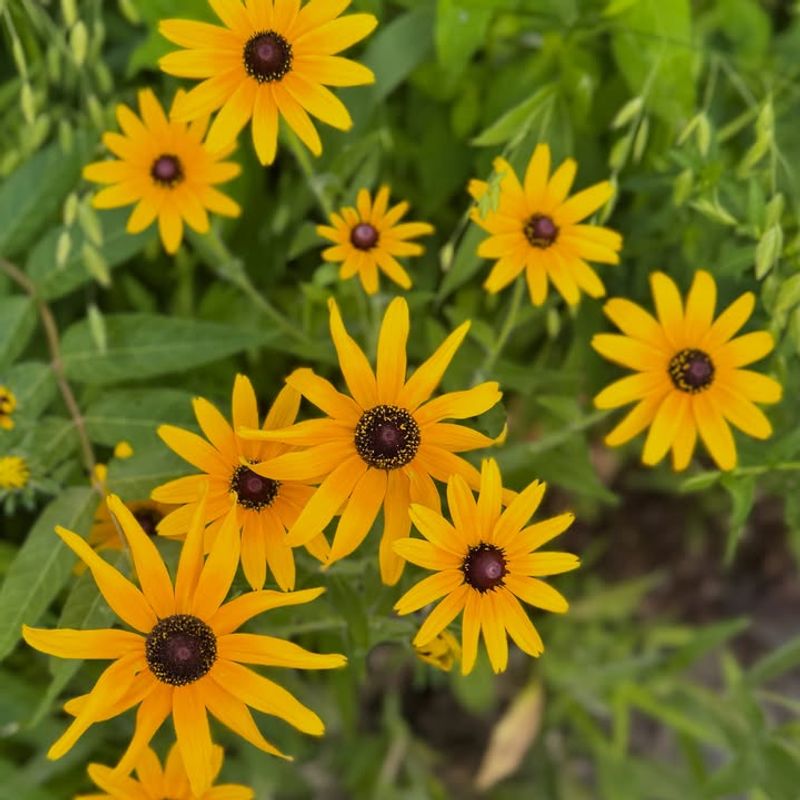
There is something deeply cheerful about a field full of black-eyed Susans. Those sunny yellow petals surrounding a rich dark center have a way of making even the cloudiest summer day feel a little brighter.
Rudbeckia hirta is one of Pennsylvania’s most recognizable wildflowers, and July is the month when it goes absolutely all out.
Black-eyed Susans are incredibly versatile. They grow in meadows, roadsides, garden beds, and even disturbed soil where other plants give up.
They are one of the first native wildflowers to establish after an area has been cleared or replanted, which makes them excellent pioneers in restoration projects.
Did you know black-eyed Susans are actually short-lived perennials or biennials? They often behave like annuals in gardens, reseeding themselves freely so that a single plant becomes a spreading colony within a few years.
This means you plant them once and enjoy them for seasons to come without much effort on your part.
Pollinators adore them. Bees collect pollen from the dark centers, while butterflies and skippers sip nectar from the ray flowers.
As summer transitions into fall, songbirds target the seed heads for food, so resist the urge to deadhead every bloom.
For best results in Pennsylvania gardens, plant black-eyed Susans in full sun with well-drained soil. They handle drought remarkably well once established.
Pair them with purple coneflowers or blazing star for a bold, colorful display that carries your garden through the heart of summer with almost zero maintenance required.
4. Blazing Star
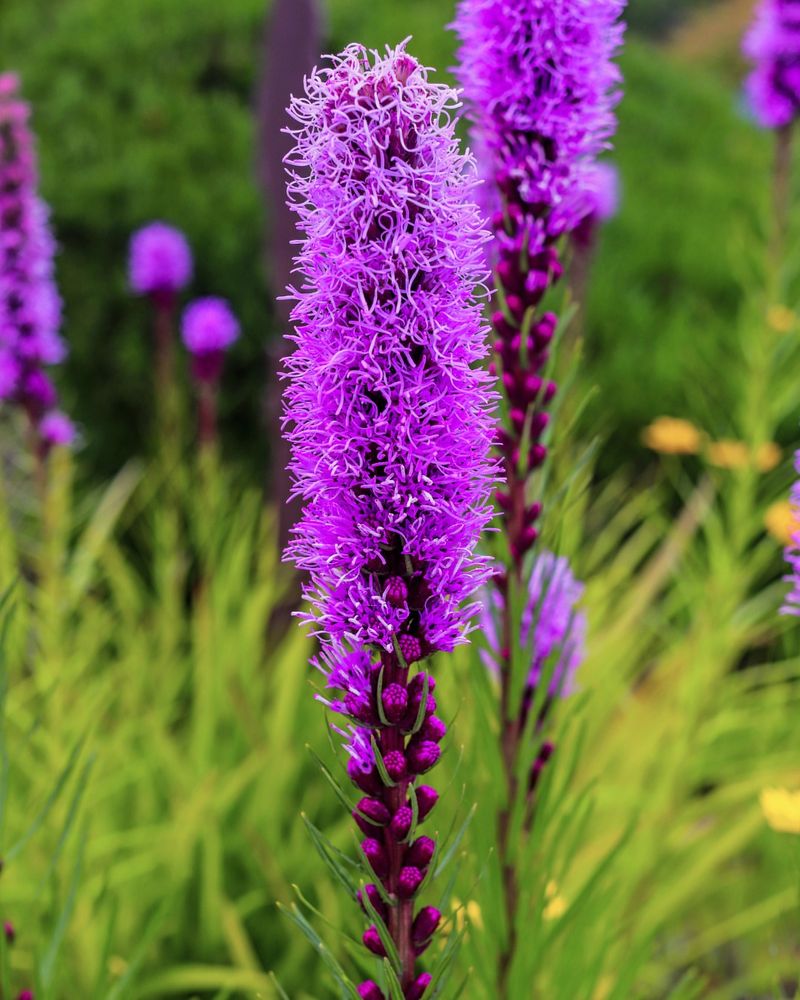
Blazing star earns its dramatic name every single July. Tall, slender spikes shoot up from a grassy base and erupt into dense, feathery plumes of vivid purple.
What makes this plant especially unusual is that its flowers open from the top of the spike downward, which is the opposite of most flowering plants. That quirky detail alone makes it a conversation starter in any garden.
Native to moist meadows and prairies across the eastern United States, Liatris spicata thrives in Pennsylvania’s summer climate. It grows two to four feet tall and blooms from mid-July through August.
The rich purple color is striking on its own, but it becomes truly spectacular when planted in large drifts or combined with yellow-blooming plants like black-eyed Susans.
Monarch butterflies are particularly drawn to blazing star during their late-summer migration. Swallowtails, bumblebees, and hummingbirds also visit regularly.
Because it blooms right in the middle of peak pollinator season, it serves as a reliable fuel stop for many species that are moving through Pennsylvania in July and August.
Growing blazing star is straightforward. It prefers full sun and moist, well-drained soil but adapts to average garden conditions.
It grows from a corm, which is a bulb-like underground structure, and once established it returns reliably each year with minimal care.
You can plant the corms in fall for blooms the following summer, or buy potted plants in spring for faster results.
Either way, blazing star rewards you with one of the most eye-catching vertical accents in the native plant garden, drawing pollinators in waves all season long.
5. Wild Bergamot
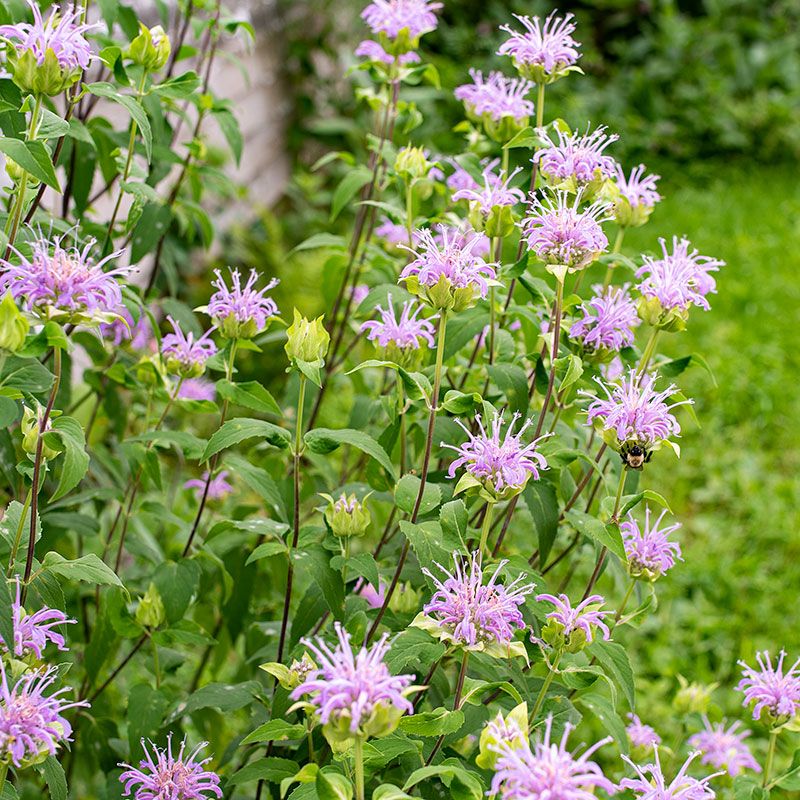
Crush a leaf of wild bergamot between your fingers and you will instantly understand why this plant has such devoted fans. The scent is herbal, slightly minty, and wonderfully fresh.
It smells like the Pennsylvania countryside in midsummer, and once you know it, you never forget it. The flowers are just as memorable: pale lavender-pink clusters that look like tiny fireworks frozen mid-burst.
Wild bergamot belongs to the mint family and blooms from June through August, with July being its most generous month.
It grows two to four feet tall and spreads through underground rhizomes, forming loose, airy colonies in meadows, roadsides, and open woodlands.
In a garden setting, it provides excellent mid-height structure and a soft color that complements bolder bloomers like coneflowers.
The ecological value of this plant is extraordinary. Hummingbirds love the tubular flowers, hovering and darting between blooms in a display that is endlessly entertaining to watch.
Native bees, bumblebees, and an impressive variety of butterflies also visit consistently. It is one of the most pollinator-friendly plants you can add to a Pennsylvania garden.
Wild bergamot does best in full sun to light shade and tolerates dry to average soil conditions. It is notably drought-tolerant once established, which is a huge advantage during Pennsylvania’s hot, sometimes dry July weeks.
Powdery mildew can appear on leaves in humid conditions, but this rarely affects the plant’s overall health or flowering.
Dividing the clumps every few years keeps the plant vigorous and prevents it from crowding neighbors. For anyone building a native meadow garden, wild bergamot is an absolute essential that pulls its weight from first bloom to final frost.
6. Joe-Pye Weed
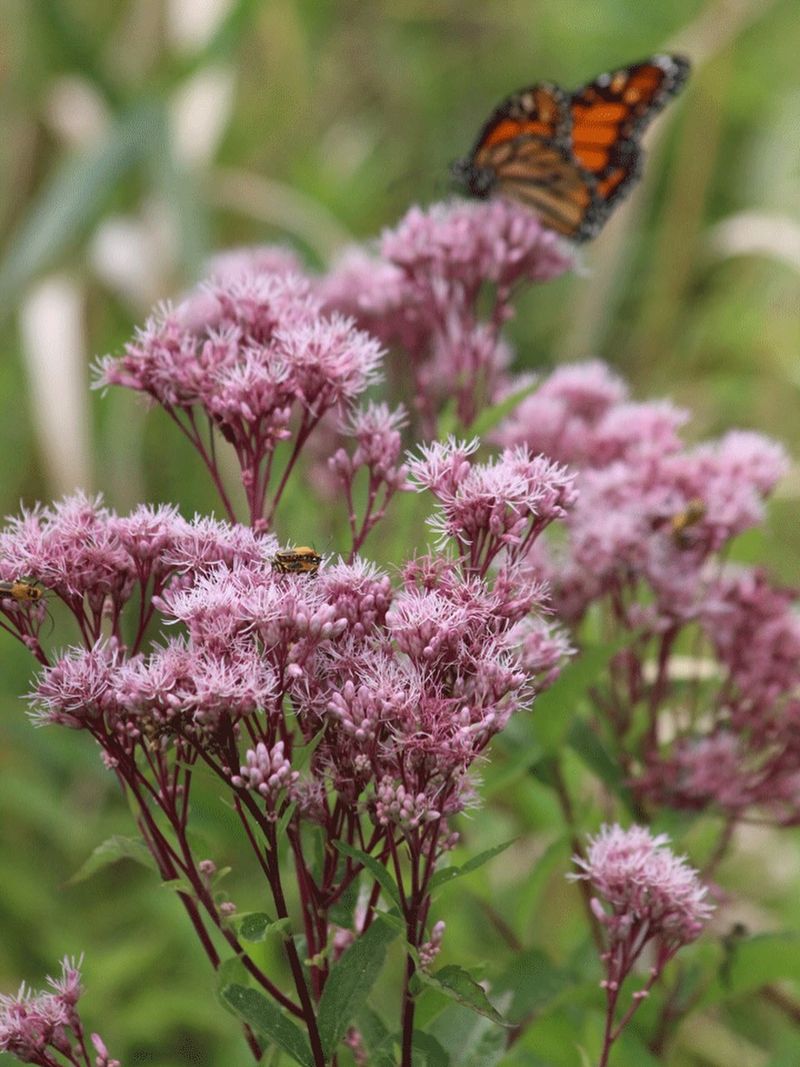
Joe-Pye weed has a name that sounds a little rough around the edges, but this plant is actually one of the most elegant native species Pennsylvania has to offer.
Picture a plant standing five to seven feet tall, topped with enormous, domed clusters of soft rose-pink flowers that glow in the afternoon light. It is the kind of plant that makes visitors to your garden stop and ask, what is that?
Named after a legendary New England healer named Joe Pye who reportedly used the plant medicinally, Eutrochium purpureum is native to moist woodlands and streambanks throughout the eastern United States.
In Pennsylvania, it grows naturally along creek edges, in wet meadows, and at the shaded borders of forests. In gardens, it thrives in any spot that stays reasonably moist.
The blooms appear from mid-July through September, making Joe-Pye weed a bridge plant between peak summer and early fall. Tiger swallowtail butterflies are especially fond of it, often gathering in groups on a single flower cluster.
Monarchs, fritillaries, and many bee species also visit frequently. Despite its impressive size, Joe-Pye weed is not difficult to grow. It prefers partial shade to full sun and consistently moist soil.
It does not handle prolonged drought well, so water it during dry stretches. Once established, it returns reliably each year and actually gets more impressive with age as the clumps fill out.
Plant it at the back of a border or along a fence where its height becomes an asset rather than a problem. Combined with cardinal flower or swamp milkweed, it creates a lush, naturalistic planting that supports wildlife all summer and well into fall.
7. Goldenrod
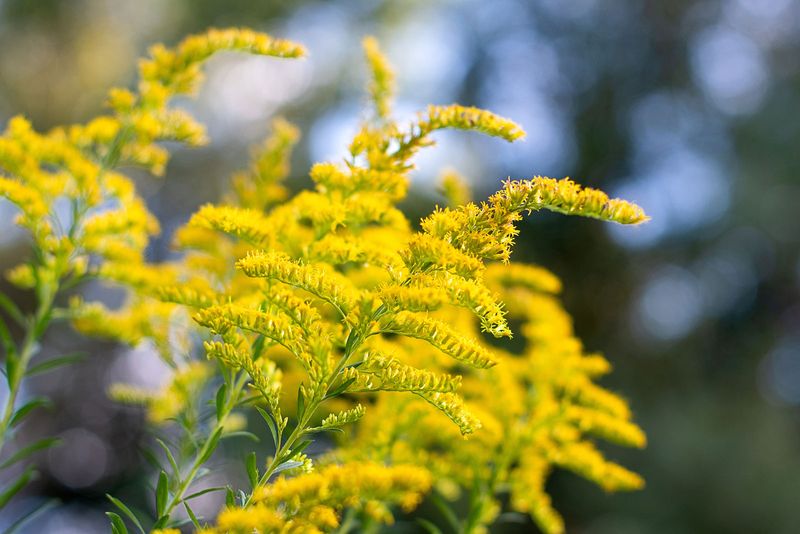
Goldenrod gets a bad reputation it does not deserve. For years, people blamed it for causing hay fever, but that is actually ragweed doing the damage.
Goldenrod’s pollen is heavy and sticky, carried by insects rather than wind. You practically have to bury your face in it to have a reaction.
Once you clear that misunderstanding up, goldenrod becomes one of the most exciting native plants in Pennsylvania.
Many people think of goldenrod as a fall flower, but several Solidago species begin blooming right in July.
Those tall, arching stems loaded with dense plumes of golden yellow flowers light up meadows, roadsides, and garden beds weeks before most people expect them.
It is one of nature’s most generous bloomers, and the color is simply stunning against a summer sky.
The ecological importance of goldenrod is hard to overstate. Over 100 species of bees depend on it for pollen and nectar.
Monarch butterflies fuel up on goldenrod during migration. More than 115 species of birds use goldenrod seeds, stems, and the insects it supports as food sources. It is essentially a wildlife apartment complex disguised as a wildflower.
Goldenrod grows vigorously in full sun with average to dry soil. It spreads by both seeds and underground rhizomes, so give it room to roam or plant it in a contained area.
Cutting it back by half in late spring produces shorter, sturdier plants that are less likely to flop over.
For Pennsylvania gardeners, goldenrod paired with asters creates a classic late-summer combination that supports migrating monarchs and native bees right through the end of the season.