The Common Mistakes Making Fungus Problems Worse In Michigan Lawns This Season
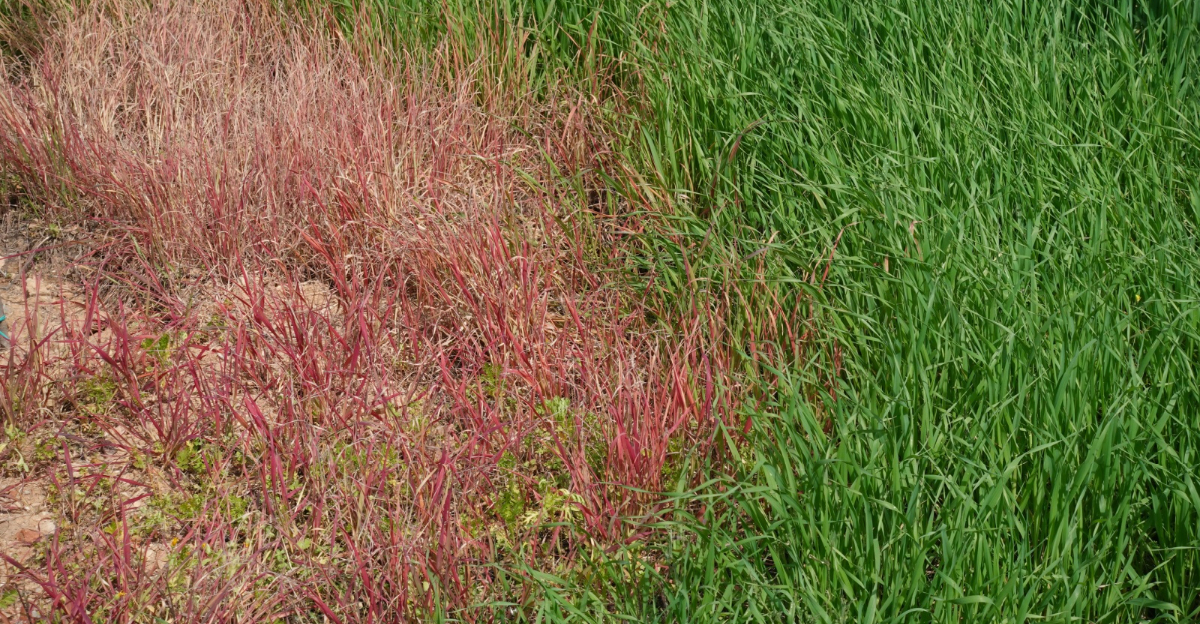
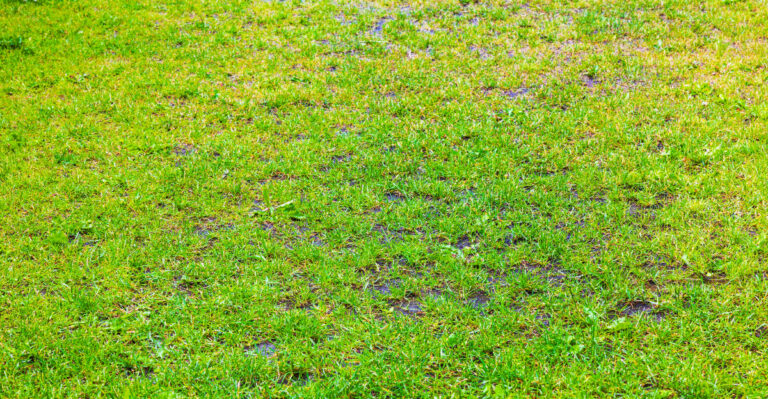
A Michigan lawn showing brown patches and thin spots in summer is not automatically a fungal disease problem, and treating it like one without checking first is one of the most common and expensive mistakes homeowners make.
Warm, humid Michigan summers create conditions where watering habits, mowing height, fertilizer timing, and shaded wet areas can all produce symptoms that look nearly identical to turf disease.
The fix for each one is completely different, which is why getting the diagnosis right matters so much before doing anything else.
Most Michigan lawn problems that appear alarming in July have a straightforward cause and a simple solution.
Knowing which mistakes to look for first puts you well ahead of the problem before it gets any worse.
1. Watering Too Late In The Day
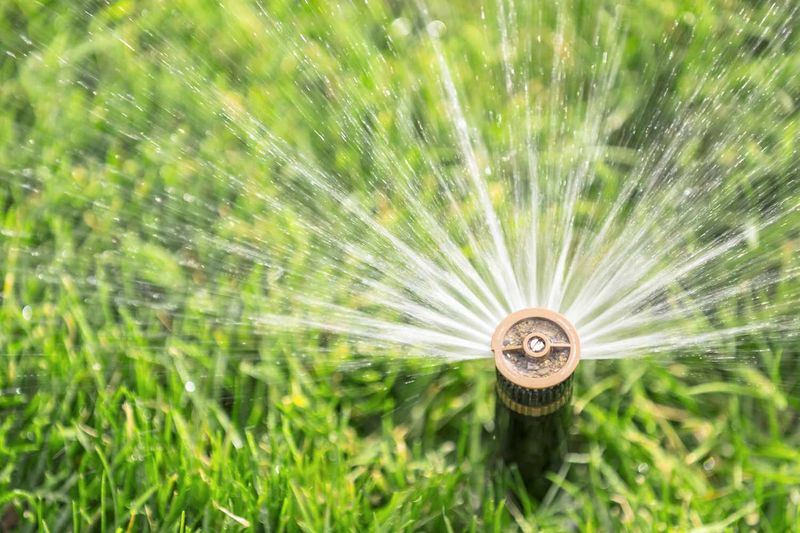
Morning dew already leaves Michigan grass damp for part of the day, so adding irrigation water in the late afternoon or evening gives fungal diseases even more time to take hold.
When grass blades stay wet through the night, the conditions become much more favorable for common lawn diseases like brown patch and dollar spot to develop and spread.
Watering earlier in the day, ideally during the morning hours, gives the turf time to dry out before temperatures drop at night.
Many Michigan homeowners water in the evening simply because it feels more convenient after a long day, but that habit can quietly work against a healthy lawn. Wet grass sitting in cool overnight air is a setup that many fungal pathogens find very welcoming.
Shifting your irrigation schedule to early morning is one of the more straightforward adjustments you can make to reduce disease pressure without spending money on treatments.
If you use an automatic irrigation system, checking the timer settings at the start of each season is a good habit. A small scheduling change can make a noticeable difference in how your lawn holds up through Michigan’s humid summer stretches.
2. Keeping The Lawn Too Wet
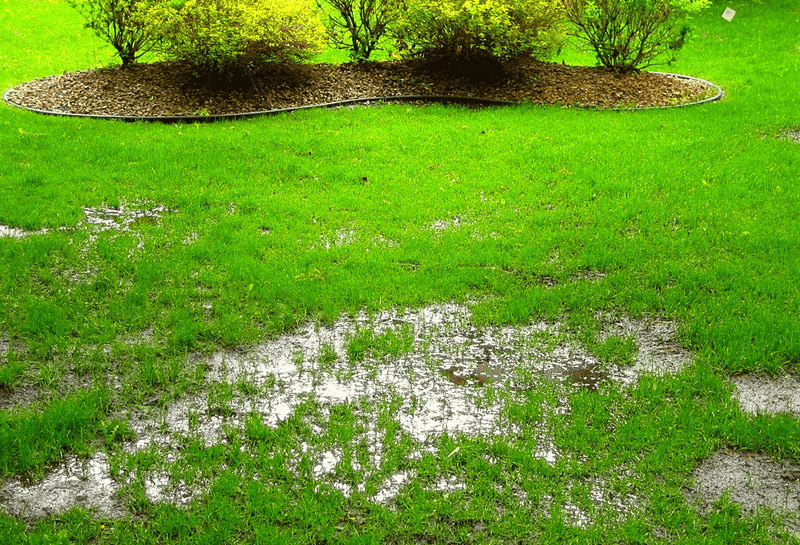
Soggy soil does more than just feel unpleasant underfoot. When a Michigan lawn stays consistently wet due to overwatering, poor drainage, or heavy rainfall, the grass roots begin to struggle in ways that are not always obvious at first glance.
Roots need air as much as they need moisture, and waterlogged soil can reduce oxygen availability, weaken root systems, and make the turf far more vulnerable to fungal infection.
Lawns in low-lying areas or yards with compacted clay soil are especially prone to staying wet longer than the grass can handle comfortably. If water pools in certain spots after rain or irrigation, those areas often become the first places where disease symptoms appear.
Noticing where your yard drains slowly can help you understand which sections of turf may need extra attention or adjusted watering.
Cutting back on irrigation frequency during wet weather periods is a practical step many Michigan homeowners overlook.
Checking soil moisture before turning on the sprinklers, rather than running them on a fixed schedule regardless of recent rainfall, can help prevent the kind of prolonged wetness that encourages fungal activity.
Your Michigan Garden Changes Every Week. Your Plan Should Too.
Gardening in Michigan changes quickly throughout the season. Every Friday you’ll receive a simple weekly plan showing exactly what to plant, prune, fertilize, harvest, and protect so you never miss the right timing.
Balanced moisture, not soaking wet soil, is what cool-season turf in Michigan genuinely thrives on.
3. Letting Drought Stress Weaken The Turf
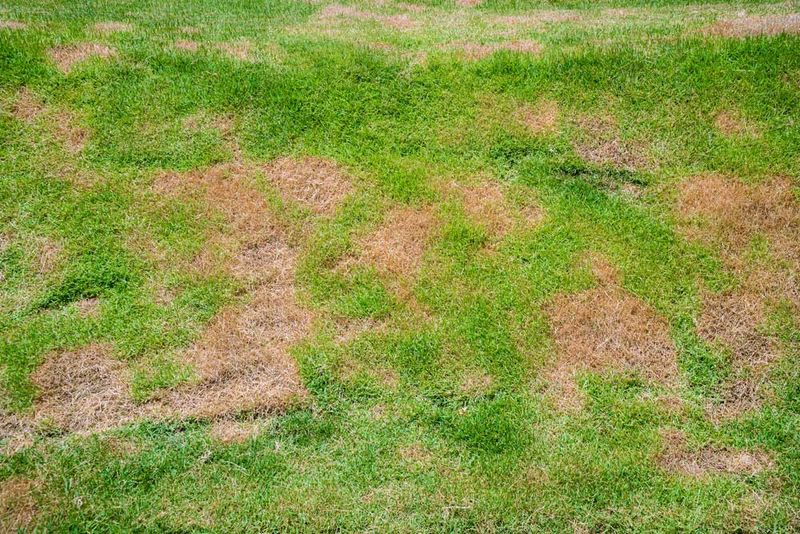
Hot, dry stretches during Michigan summers can push cool-season grasses like Kentucky bluegrass and fine fescue into a stressed state that leaves them far less capable of resisting disease.
Turf that has gone without adequate moisture for too long starts to thin out, and those weakened areas become easier targets for opportunistic fungal pathogens that might not cause much trouble in a healthier lawn.
Drought stress and fungal damage can look surprisingly similar from a distance. Both conditions can produce brown, patchy turf that feels thin and dry underfoot.
Without a closer inspection, it is easy to misread the situation and either apply a fungicide when the real problem is simply lack of water, or water more heavily when the lawn is actually dealing with a disease that thrives in wet conditions.
Keeping an eye on your lawn during dry spells and watering deeply but infrequently can help maintain enough moisture to prevent stress without creating the soggy conditions that favor disease.
Michigan summers vary quite a bit from year to year, so paying attention to what the turf is actually telling you, rather than following a rigid routine, tends to produce better results over the long run.
4. Mowing The Grass Too Short
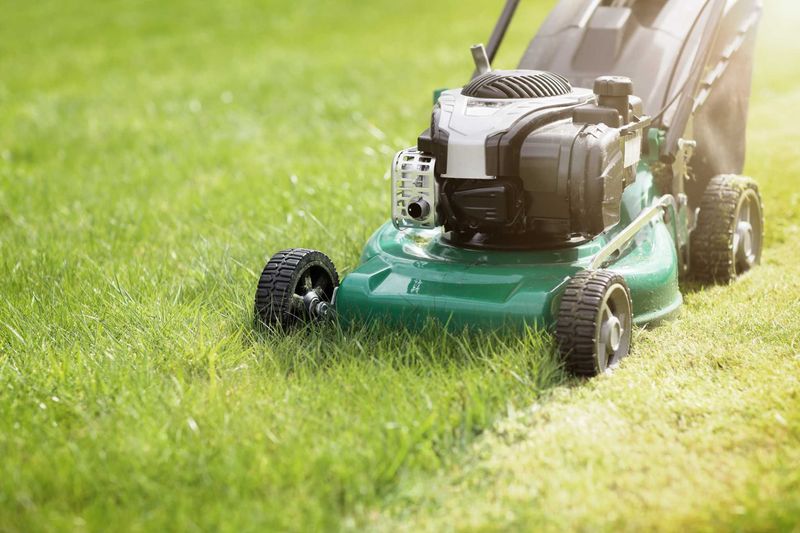
Cutting grass too short is one of those habits that seems harmless until the lawn starts showing signs of stress.
For cool-season grasses common in Michigan, mowing below the recommended height removes too much of the leaf blade at once, reducing the plant’s ability to photosynthesize and recover between cuts.
Shorter turf also dries out more quickly and has a shallower root system, both of which can make fungal infections more likely to take hold.
Scalped lawns are noticeably more vulnerable during the warm, humid months that Michigan experiences from late spring through late summer.
When the leaf canopy is cut too low, the soil surface gets more direct sun exposure, which can affect moisture levels and soil temperature in ways that disrupt the lawn’s natural balance.
Some fungal diseases favor these conditions and can establish themselves more easily in short, stressed turf.
A general guideline for most Michigan home lawns is to keep cool-season grasses at a height of around three to four inches during the growing season.
Mowing at a higher setting and following the one-third rule, meaning never removing more than one-third of the blade in a single mowing, can help the lawn stay stronger and more resistant through the season.
5. Using Dull Mower Blades
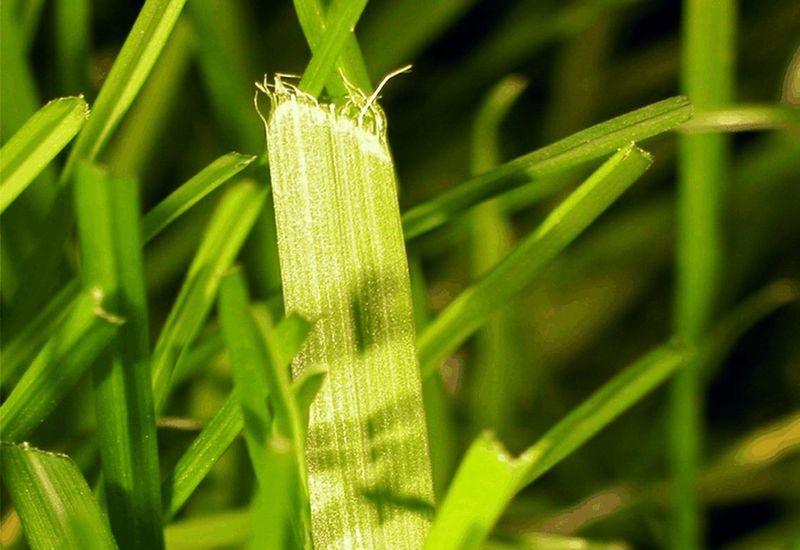
There is a noticeable difference between a clean cut and a torn one, and grass blades can tell the story clearly if you look closely. A sharp mower blade slices through the grass cleanly, leaving a smooth edge that heals quickly.
A dull blade, on the other hand, tears and shreds the grass tip, leaving behind ragged, frayed ends that take longer to recover and create small open wounds that fungal spores can potentially enter more easily.
In Michigan, where humidity levels during summer can stay elevated for days at a time, those torn grass tips can remain moist and stressed long enough to invite disease.
Lawns mowed with dull blades often develop a grayish or brownish tint at the tips shortly after mowing, which some homeowners mistake for drought stress or early disease symptoms.
Checking blade sharpness at least once or twice during the mowing season is a straightforward maintenance step that pays off.
Sharpening mower blades is not complicated, and many hardware stores in Michigan offer blade sharpening services at a reasonable cost.
Keeping blades sharp is a small detail that can make a meaningful difference in how well your turf holds up, especially during humid stretches when the grass is already working hard to stay healthy.
6. Leaving Heavy Clippings On Diseased Turf
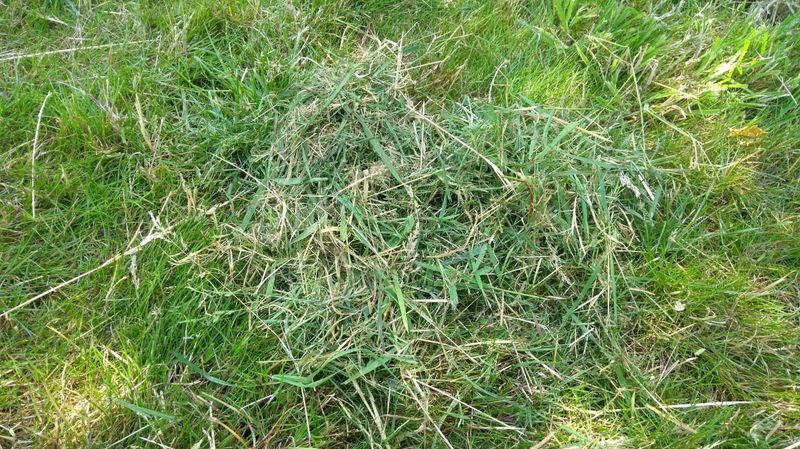
Grass clippings are not always a problem. Under normal conditions, light clippings break down quickly and return nutrients to the soil without causing much trouble.
The situation changes, though, when the lawn is already showing signs of a fungal disease and heavy clumps of clippings are left sitting on the surface.
Those clumps trap moisture, reduce airflow at the soil level, and can potentially spread fungal material to nearby healthy turf areas.
Michigan lawns that have visible disease symptoms, unusual patches, or discolored rings are the ones where clipping management matters most.
If the grass has grown tall between mowings and produces a thick layer of clippings, bagging or raking those clippings rather than leaving them behind is generally a more cautious approach during an active disease period.
This helps reduce the conditions that allow fungal problems to spread or worsen.
Mowing more frequently so that each cut removes only a small amount of growth can help reduce clipping volume and keep the lawn surface cleaner.
During stretches of warm, humid Michigan weather when disease pressure tends to be highest, staying on top of mowing frequency is a practical habit that supports overall lawn health without requiring any products or treatments.
7. Fertilizing Without Paying Attention To Disease Type
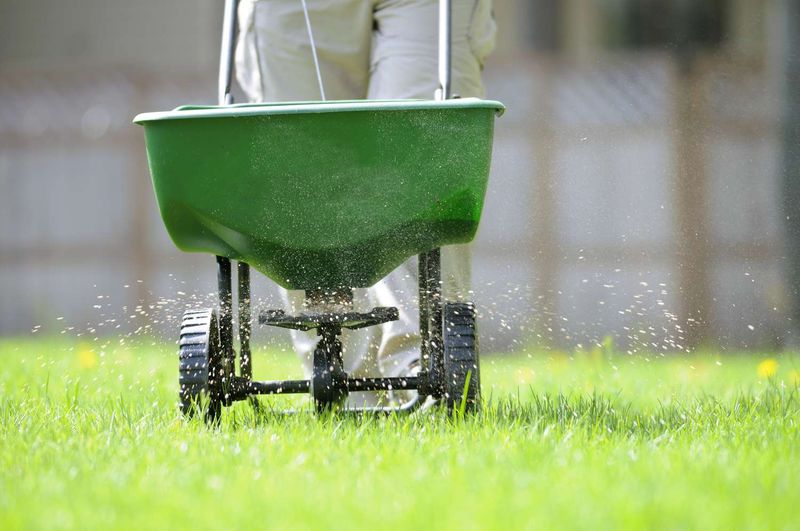
Reaching for a bag of high-nitrogen fertilizer when the lawn looks thin or patchy is a common reaction, but timing and rate matter quite a bit depending on what is actually going on in the turf.
Applying too much nitrogen during warm, humid weather can push the grass into rapid, lush growth that is more susceptible to certain fungal diseases, including brown patch, which tends to favor actively growing turf in humid conditions.
On the other hand, turf that is genuinely nutrient-deficient may struggle to recover from disease pressure on its own.
The challenge for Michigan homeowners is that fertilizer decisions should be based on what the lawn actually needs, not just on how it looks from the street.
A soil test can provide useful information about nutrient levels and take some of the guesswork out of fertilizer timing and application rates.
Slow-release fertilizer products tend to feed the lawn more gradually, reducing the risk of triggering the kind of rapid growth surge that can increase disease susceptibility.
Avoiding heavy nitrogen applications during peak summer heat, and timing fertilizer applications for early fall when cool-season grasses in Michigan are better positioned to use nutrients effectively, is a more measured approach to lawn nutrition.
8. Ignoring Low Light And Poor Air Movement
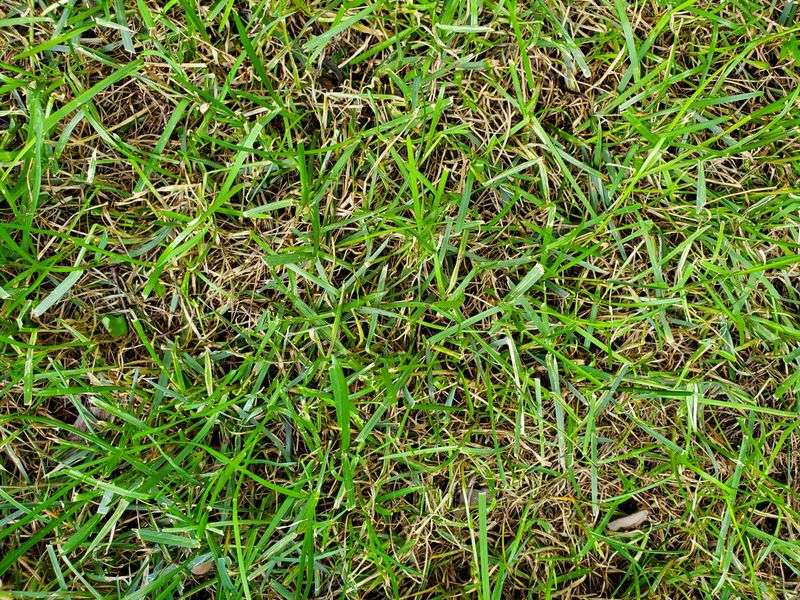
Shaded corners and lawn edges tucked beneath mature trees or along fence lines are often the first places Michigan homeowners notice persistent thinning or unusual patches.
Low light reduces the grass plant’s ability to photosynthesize efficiently, which weakens the turf over time and makes it more vulnerable to fungal diseases that favor cool, damp, shaded environments.
Poor air movement compounds the problem by keeping moisture on the leaf surface longer than it would stay in an open, sunny area.
Yards with dense tree canopies, tall shrubs along borders, or structures that block airflow can create microclimates where the grass stays damp well into the morning and sometimes through much of the day.
These spots tend to develop disease symptoms more readily than sunny, open sections of the same lawn, even when watering and mowing practices are consistent across the whole yard.
Trimming low-hanging branches to allow more light and air movement to reach the turf below can help improve conditions in shaded areas.
In spots where the shade is too deep for grass to thrive, considering alternative ground covers or mulched beds may be a more practical long-term solution than repeatedly trying to nurse struggling turf through another Michigan growing season.
9. Assuming Every Brown Patch Is Fungus
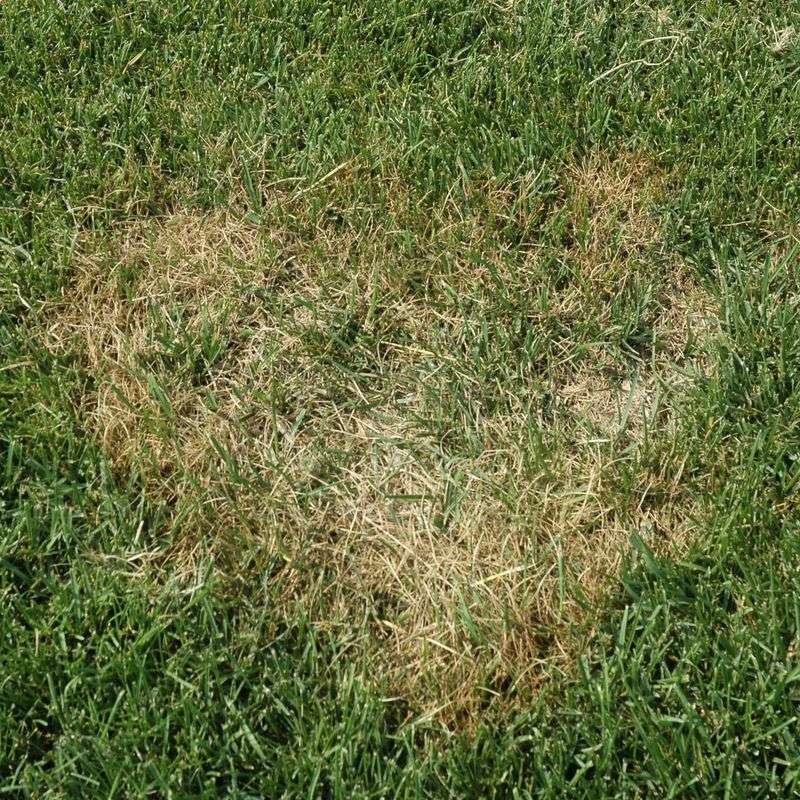
Brown patches in a Michigan lawn can come from a surprisingly wide range of causes, and jumping to the conclusion that fungal disease is always responsible can lead to treatments that do not address the real problem.
Insect activity, dog spots, compacted soil, thatch buildup, drought stress, chemical burn, and even buried debris can all produce brown or patchy turf that looks similar to fungal damage at first glance.
Taking time to observe the pattern, shape, and location of the affected area can offer useful clues. Fungal diseases often produce rings, irregular patches, or lesions on individual grass blades that have a distinct appearance under close inspection.
Grub damage, by contrast, tends to produce turf that pulls up easily from the soil because the roots have been affected. Drought stress usually follows a more uniform pattern that corresponds with dry weather periods.
Before applying any fungicide, it helps to rule out other possible causes by checking soil moisture, looking for insect activity, and observing whether the pattern matches recent weather or irrigation changes.
Treating the wrong problem wastes time and money, and in some cases can add stress to turf that is already struggling.
Careful observation is often the most useful first step when Michigan lawns start showing unusual symptoms.