Why Fire Ant Mounds Keep Popping Up In Missouri Yards After Every Rain
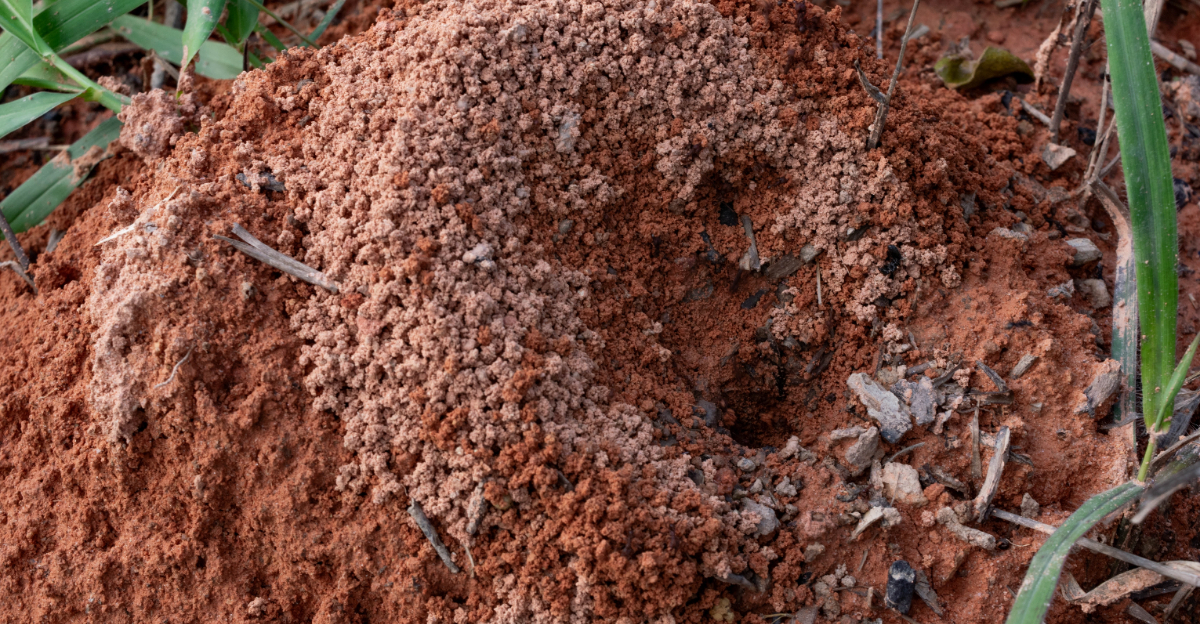
You glance out the kitchen window and something looks wrong. The yard was flat yesterday. Now it is covered in dirt mounds, and the only thing that changed overnight was the rain.
Fire ants in Missouri have a system. Summer storms are basically a starting gun, and your lawn is the track.
Missouri’s warm summers and heavy rain cycles create conditions that fire ant colonies know exactly how to exploit. The mounds you are seeing are not new arrivals.
They are established colonies responding to pressure underground, moving fast, and settling somewhere drier before the soil floods completely.
Once you understand what is actually happening beneath your lawn, the pattern stops feeling random and starts feeling like something you can get ahead of.
Rain Pushes Fire Ants Up From Underground
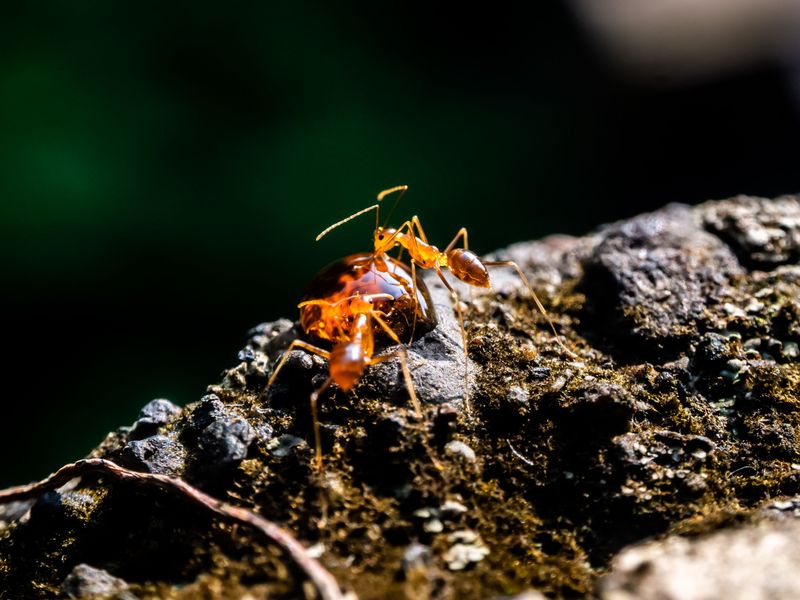
Heavy rain floods underground tunnels fast. Fire ants react immediately to survive.
When water seeps deep into the soil, their tunnels fill up like bathtubs. The colony has no choice but to move upward toward drier air.
Workers grab the queen and scramble toward the surface within minutes. That mound you see is not a new colony. It is the same colony that just relocated upward.
The queen is the entire operation. Without her, the colony cannot reproduce or survive, so workers will do anything to keep her safe and dry.
Rainfall acts like a trigger, forcing the whole operation above ground. Once the soil drains, they often dig back down.
But sometimes they stay up top and rebuild in a new spot nearby. That is why mound locations shift after every storm.
A single fire ant colony can relocate surprisingly fast once flooding threatens the nest. That speed is part of what makes them so hard to eliminate after a storm.
The colony is not randomly wandering. It is making calculated moves based on where the soil feels safest and driest.
Fire ants have adapted to flooding over a very long time, and their survival instincts show it.
Soggy Soil Sends Colonies Looking For Drier Ground
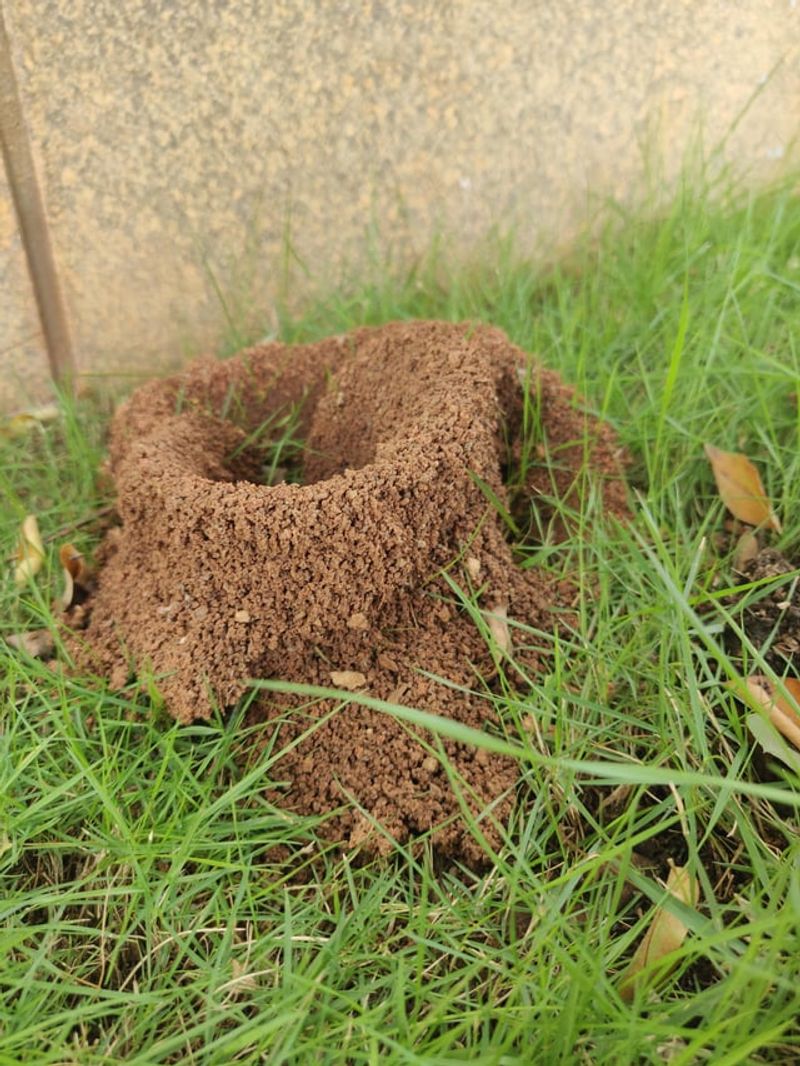
Not every yard floods the same way. Fire ants know the difference, and they move accordingly.
Yards with clay-heavy soil hold water much longer after a storm. That prolonged moisture gives colonies no choice but to keep relocating until they find stable ground.
Sandy or well-draining soil dries out faster after rain. Fire ants in these yards tend to settle back underground quickly once conditions improve.
Raised areas, slopes, and spots near foundations stay drier longer. Those are exactly the locations fire ants target when searching for a new home.
A yard with poor drainage practically guarantees repeated mound activity after every storm. The wetter it stays, the more often colonies will surface.
Compacted soil makes the problem even worse. Water sits on the surface instead of draining through, keeping the ground saturated long after the storm is gone.
Simple fixes like lawn aeration or added compost help water move through soil faster. When drainage improves, fire ants have fewer reasons to come up.
Your Missouri Garden Changes Every Week. Your Plan Should Too.
Gardening in Missouri changes quickly throughout the season. Every Friday you’ll receive a simple weekly plan showing exactly what to plant, prune, fertilize, harvest, and protect so you never miss the right timing.
French drains and proper grading also make a big difference over time. Addressing moisture issues is one of the smartest long-term strategies against persistent mound activity.
Summer Heat And Moisture Create The Perfect Breeding Conditions
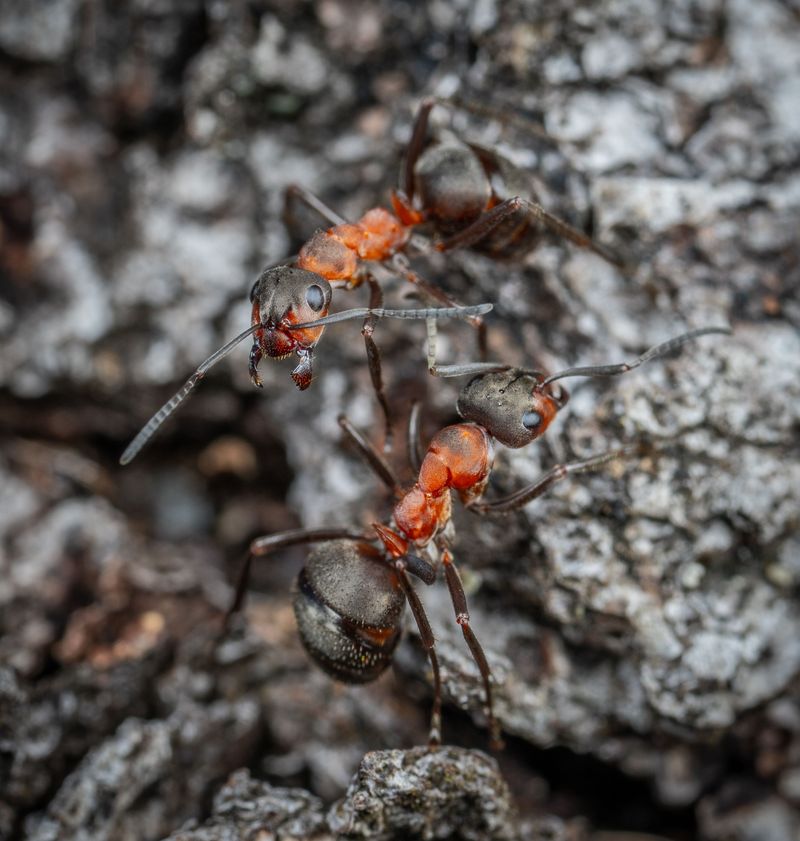
Warm rain and summer heat are basically a welcome sign for fire ants. Conditions get ideal for colony growth fast.
Soil temperatures between 70 and 95 degrees Fahrenheit speed up egg development significantly. Missouri summers hit that range often, especially after afternoon thunderstorms roll through.
Queens can lay up to a thousand eggs per day when conditions are right. A colony that was modest in spring can grow significantly in size by July.
Moisture keeps the soil soft and easy to tunnel through. Heat accelerates the metabolism of every ant in the colony. Together, these two forces create a reproduction surge that fills yards with activity.
This is why mound sightings spike dramatically after summer rainstorms. You are not imagining it. The biology of fire ants is perfectly tuned to take advantage of this seasonal pattern.
Fire ants do not just survive Missouri summers, they thrive in them. The same heat that drives you indoors is exactly what pushes their colonies into overdrive.
Treating mounds during summer requires consistency and persistence. A single treatment after one storm may not be enough.
Repeated applications every few weeks during peak season give you the best shot at real control.
How Fast Fire Ant Colonies Can Spread Across A Yard
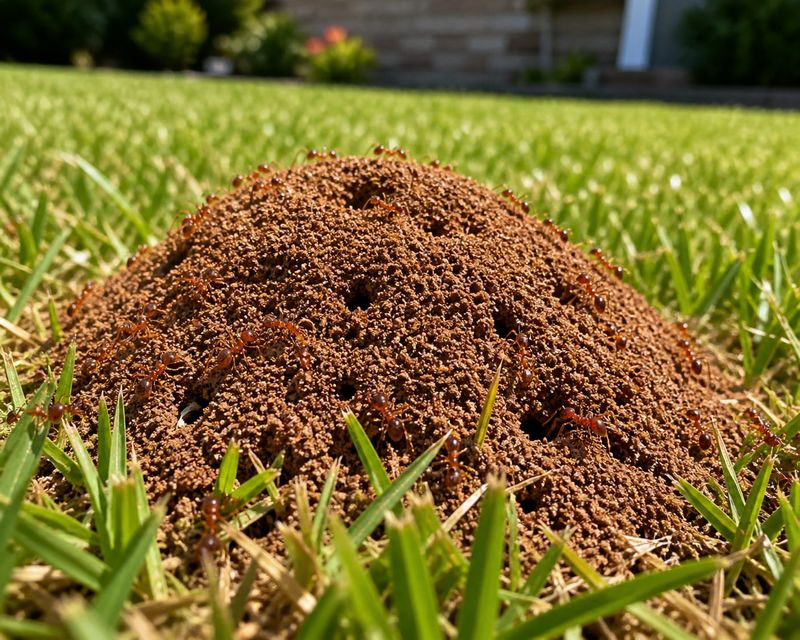
Fire ant colonies spread faster than most homeowners expect. A single yard can host multiple colonies within one season.
New queens fly during warm, humid weather and land in fresh soil to start colonies. After rain softens the ground, founding a new nest becomes much easier for them.
A brand-new colony can establish itself and become visible within four to six weeks. By summer’s end, what started as one mound can become six or eight.
Colonies also spread through a process called budding. When a large colony gets disturbed or overcrowded, a group breaks off with a queen and moves a short distance away.
That is why treating one mound sometimes seems to create two mounds nearby. You disrupted the original colony, and part of it relocated. This behavior frustrates homeowners who feel like treatment makes things worse.
Understanding budding changes how you approach treatment. Slow-acting baits work better than fast-contact sprays because they let workers carry poison back before the colony panics.
Patience is genuinely part of the strategy here.
Signs You Have More Than One Fire Ant Colony
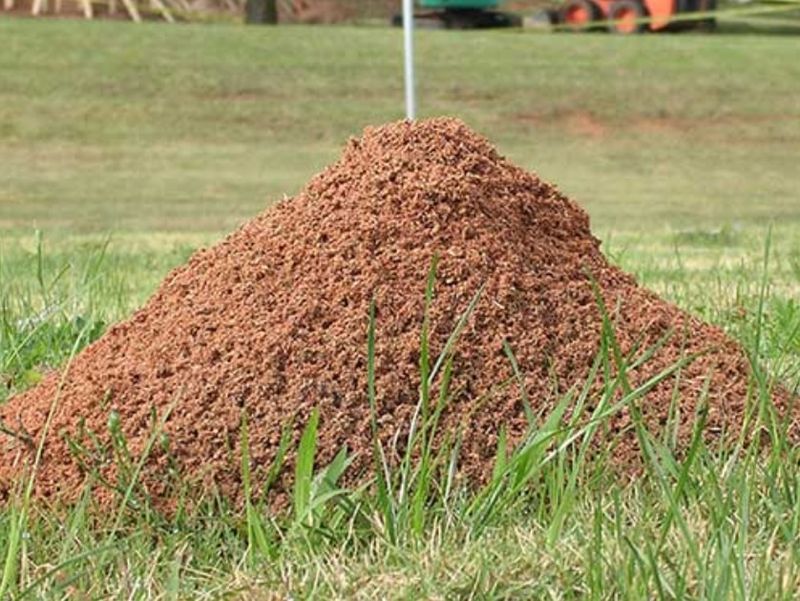
Spotting one mound is a warning. Spotting three means you have a bigger situation on your hands.
Multiple mounds appearing in different yard zones after rain is the clearest sign of multiple colonies. Each mound represents a separate, organized group with its own queen.
Mounds spaced well apart from each other generally belong to separate colonies. Closely spaced mounds may belong to the same colony with multiple entry points.
Widely spread mounds almost always mean separate colonies are operating independently.
Another sign is seeing ant activity in different areas at the same time. If you disturb one mound and ants do not appear elsewhere, that colony is isolated.
If activity erupts across the yard, you likely have several colonies communicating through shared territory.
Persistent mound activity in Missouri yards often comes down to one simple fact, multiple colonies are working at the same time. Treating just one mound leaves the others untouched and active.
A broadcast bait treatment across the entire yard works better than spot-treating individual mounds. Cover the whole lawn to address every colony at once.
That wide approach gives you a real advantage.
The Best Time To Treat Fire Ant Mounds In Missouri
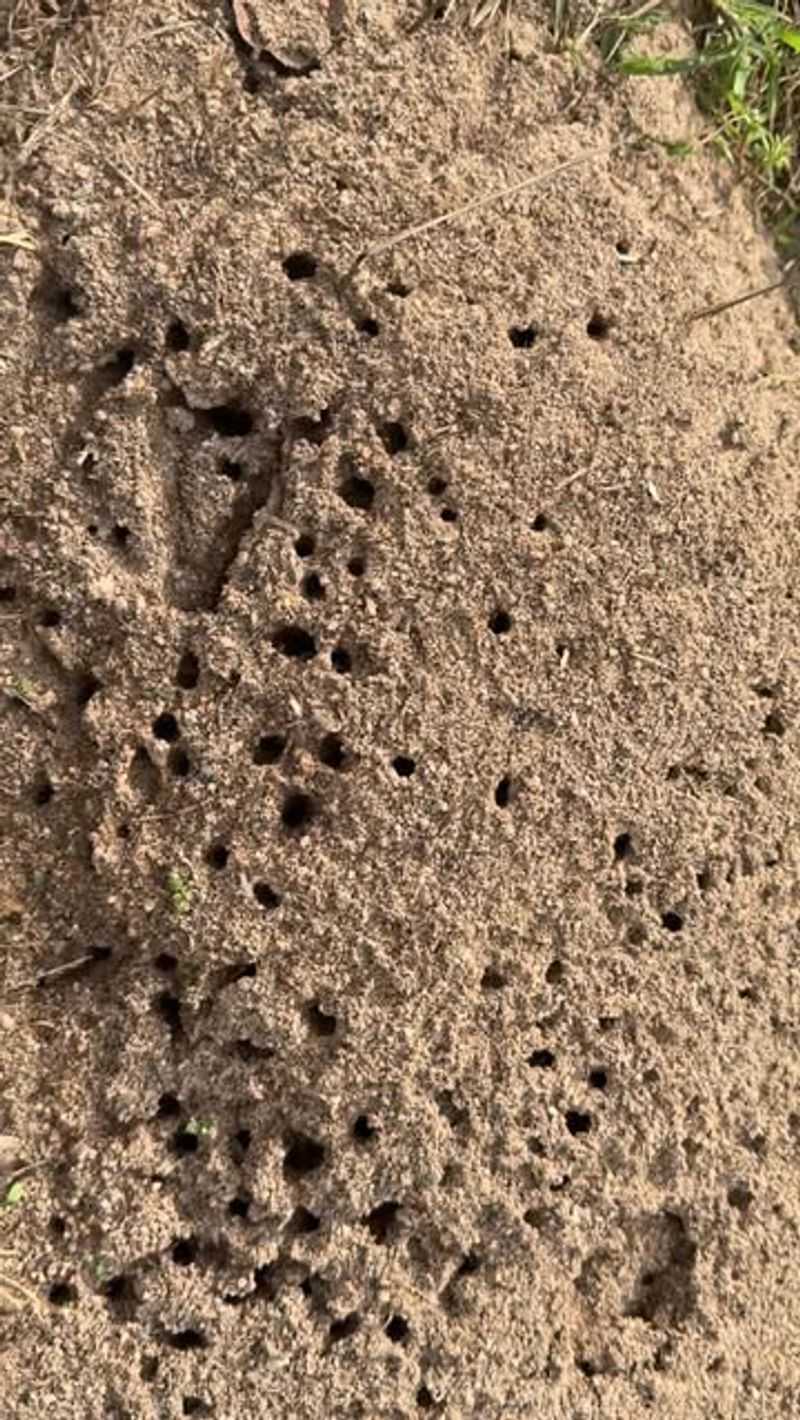
Timing your treatment makes a huge difference in results. Treat at the wrong time and you waste both effort and product.
Early morning and late afternoon are the best windows for treatment. Fire ants forage most actively when temperatures sit between 65 and 90 degrees Fahrenheit.
Avoid treating right after heavy rain when soil is still soaked. Wet conditions wash away granular baits and reduce contact product effectiveness. Wait until the soil surface is dry but the ground below is still slightly moist.
That slightly damp condition actually helps bait get pulled into the mound faster. Workers are active near the surface and hungry after the disruption of a storm.
Spring and early fall are peak treatment seasons in this region. Colonies are large enough to be visible but not yet slowed by extreme heat or cold.
Treating in fall is especially smart because colonies store food before winter. They carry bait deep into the mound, delivering it directly to the queen.
A well-timed fall treatment can wipe out a colony before the next season even begins.
How To Keep Fire Ants From Coming Back After Rain
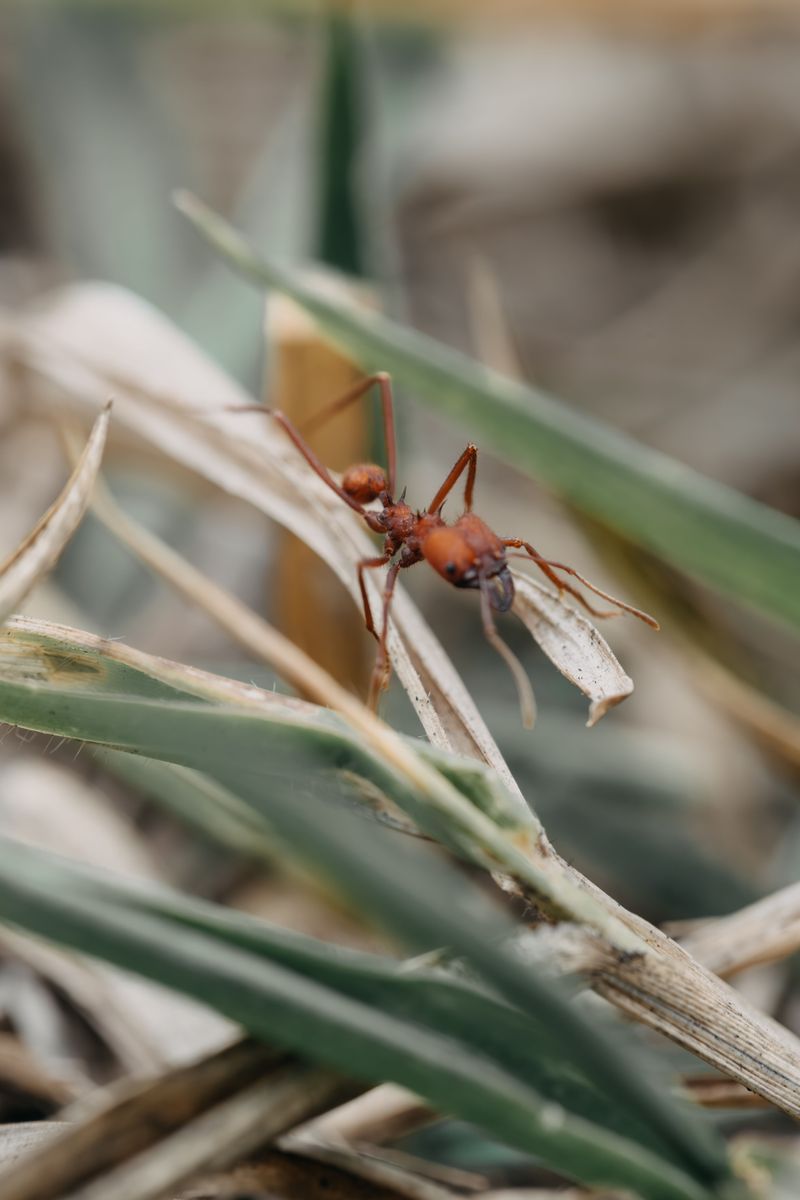
Stopping fire ant mounds from returning requires a plan, not just a reaction. One treatment after one storm is never enough.
Broadcast bait applications across the full lawn create a barrier that foraging ants encounter before they can rebuild. Apply bait every four to six weeks during warm months, following the product label for timing.
Keep grass cut short so mounds are easy to spot early. Tall grass hides new mounds and lets colonies grow undetected for weeks. Shorter turf gives you the visibility advantage.
Fix any drainage problems that leave your yard soggy after storms. A yard that drains fast gives ants fewer reasons to surface.
Seal cracks in patios and walkways where colonies sometimes nest near structures. Check along fence lines and garden borders regularly. These edges are common spots for new colony establishment.
Fire ant mounds keep popping up in Missouri yards after every rain because conditions here are genuinely favorable for them.
Staying consistent with treatment, drainage, and monitoring is your best long-term defense. A little prevention each month beats a big problem every summer.