That Small White Flower In Your Missouri Lawn Helps Pollinators
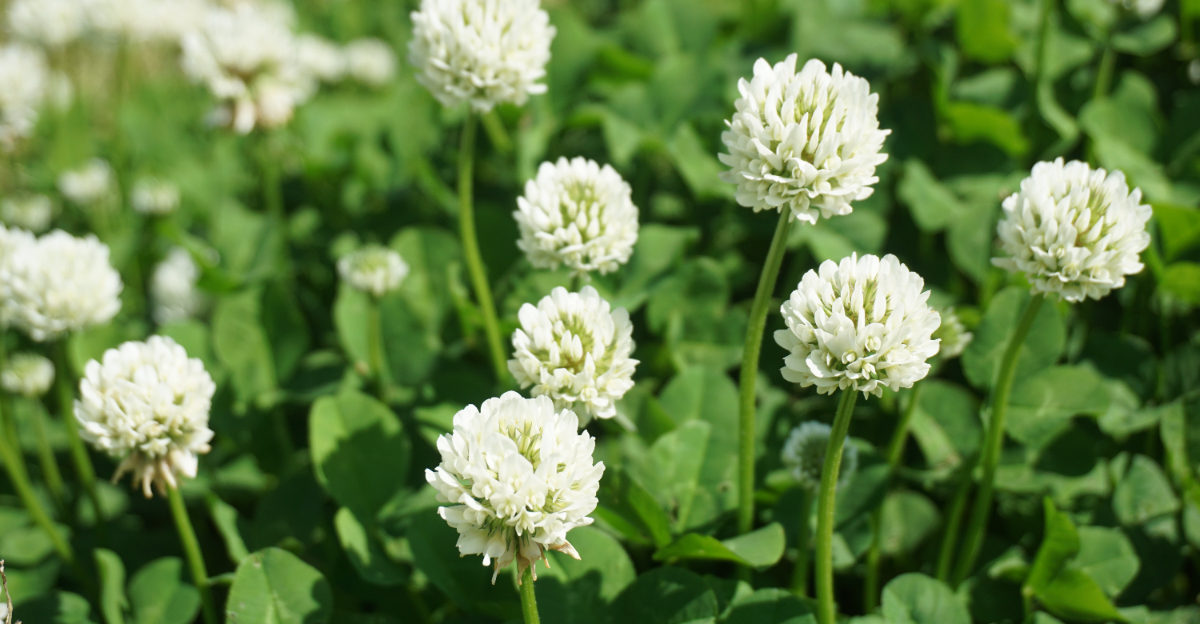
Look closer at your lawn this spring and you might spot patches of tiny white blossoms clustered low in the grass. They seem to appear out of nowhere, carpeting the ground within days of the first warm stretch.
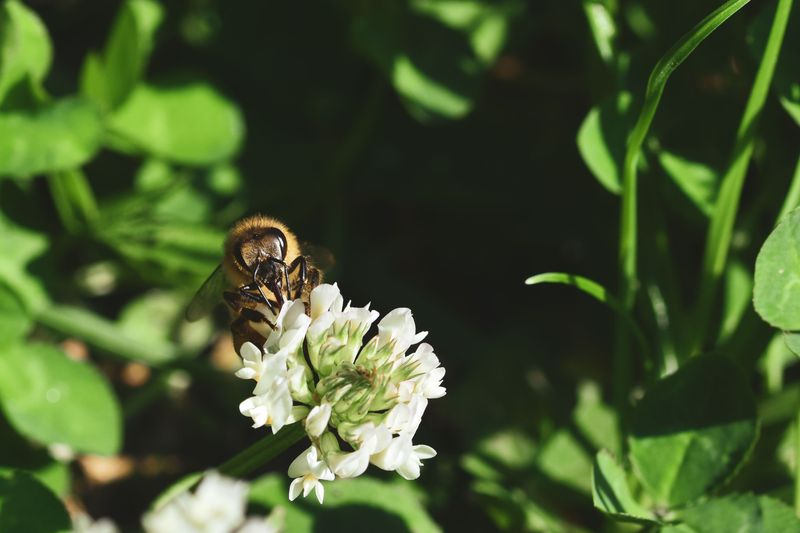
Bees notice them long before most people do. Early in the season, when food sources are still scarce, these little clusters often serve as one of the first reliable meals for pollinators waking up from winter.
Missouri homeowners tend to view this bloom as a nuisance, something to eliminate before it spreads. That reaction might be worth reconsidering.
What looks like a stubborn lawn weed could actually be doing quiet, valuable work behind the scenes. Before grabbing the mower this week, it helps to understand why so many gardeners encourage leaving at least some of it alone.
The Tiny White Bloom Spreading Across Missouri Lawns This Spring
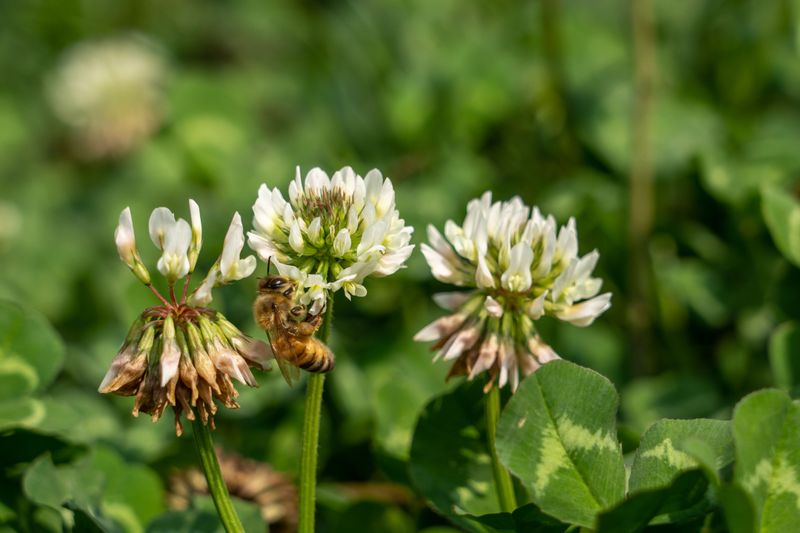
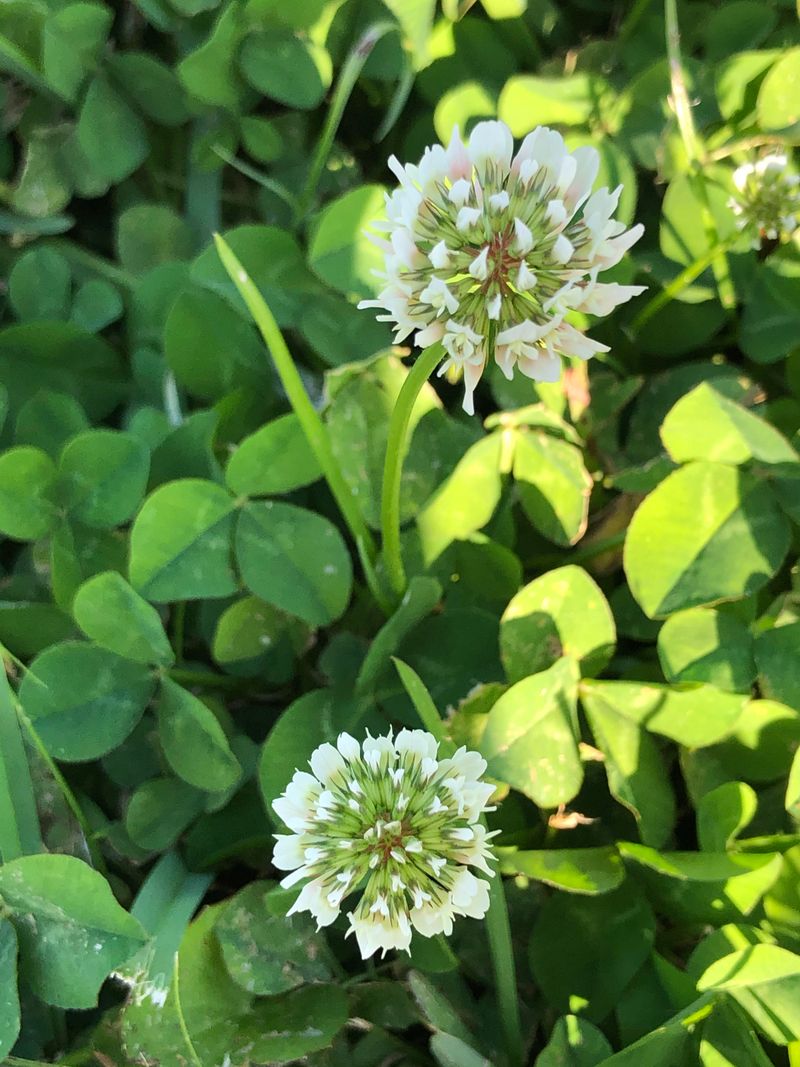
Surprise, it is not a weed invader. That soft white cluster dotting your lawn is white clover, known scientifically as Trifolium repens.
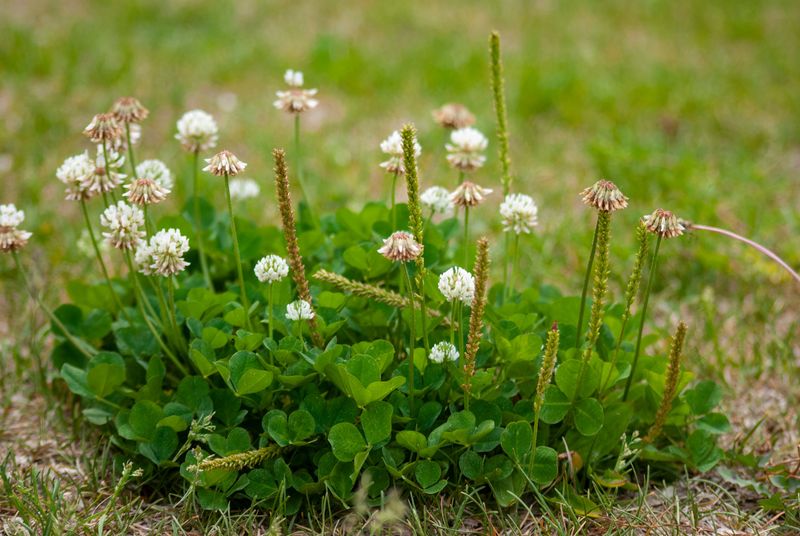
It spreads low and fast, hugging the ground in a way that feels almost sneaky. You look out one morning and suddenly your yard is polka-dotted with tiny blooms.
White clover is native to Europe but has grown across American lawns for centuries. Farmers once planted it on purpose as a soil booster and livestock feed.
Today it grows wild in yards across the Midwest, including right here in Missouri. That small white flower in your Missouri lawn helps pollinators get an early season food source they desperately need.
Each flower head is actually made up of dozens of tiny individual blooms. Bees visit each one separately, making a single clover patch a serious pollinator buffet.
The plant stays low, usually under six inches tall. It rarely competes aggressively with grass, making it a surprisingly peaceful lawn companion.
Clover thrives in full sun but tolerates some shade. Missouri’s warm springs and mild summers create almost perfect conditions for it to spread.
You might notice the leaves have a faint white chevron pattern. That marking is how you can quickly identify it from other low-growing plants in your yard.
Once you know what you are looking at, it becomes hard to see this plant as a problem. It is small, cheerful, and quietly doing big things for the ecosystem around your home.
Bees Can’t Resist This Humble Lawn Bloom
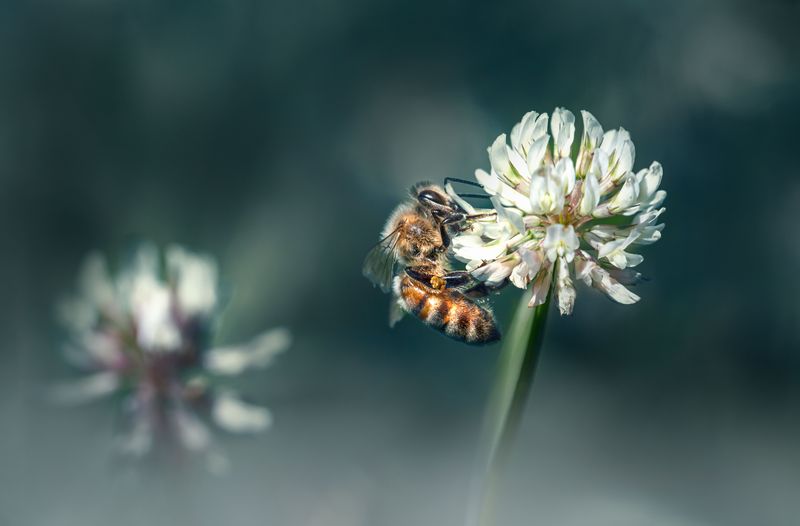
Bees are obsessed with this plant, and honestly, the feeling is mutual. White clover produces nectar almost continuously from late spring through early fall.
That long bloom window makes it one of the most reliable food sources a bee can find in a suburban yard. Honeybees, bumblebees, and native solitary bees all flock to it.
Clover nectar is rich in sugar content, giving bees a high-energy fuel source. It is also easy to access because the flower tubes are short and open.
Long-tongued bees and short-tongued bees can both feed from clover with ease. That accessibility is a big reason so many different species show up to the same patch.
Your Missouri Garden Changes Every Week. Your Plan Should Too.
Gardening in Missouri changes quickly throughout the season. Every Friday you’ll receive a simple weekly plan showing exactly what to plant, prune, fertilize, harvest, and protect so you never miss the right timing.
Beekeepers have known this for generations. Clover honey is one of the most popular and widely sold honey varieties in the entire country.
The flavor is mild and sweet, and it comes directly from bees working lawns just like yours. Your backyard might literally be contributing to local honey production without you even knowing.
Beyond honeybees, bumble bees rely heavily on clover during their colony-building phase in early summer. A well-established clover patch can support an entire local bumble bee population.
That small white flower in your Missouri lawn helps pollinators survive a season that is increasingly tough due to habitat loss. Letting clover bloom is one of the simplest ways to fight back against that trend.
Every flower you spare from the mower blade is a meal for a bee that needs it.
What This Plant Is Actually Doing For Your Yard
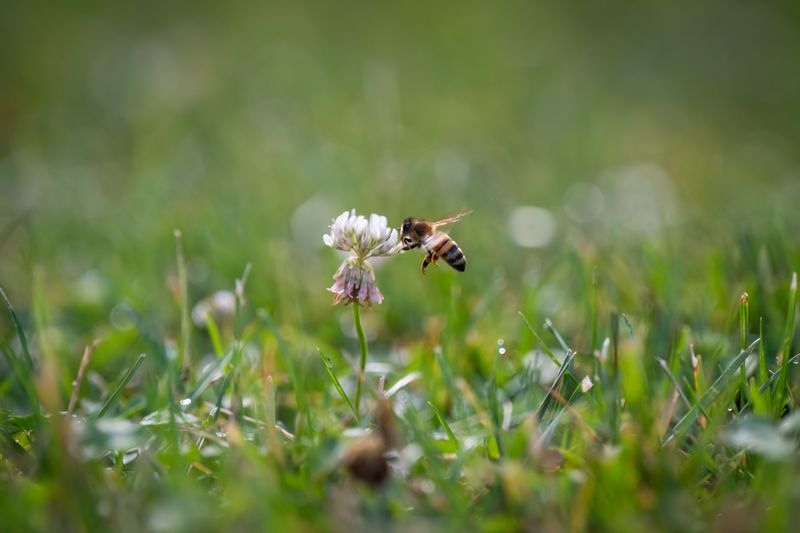
White clover is not just pretty, it is a worker. Beneath the surface, its roots form partnerships with bacteria that pull nitrogen from the air and lock it into the soil.
Nitrogen is basically fertilizer, and clover makes it for free. Grass growing near clover patches often looks noticeably greener and healthier as a result.
This process is called nitrogen fixation, and it is one of the more remarkable tricks in the plant kingdom. Clover essentially feeds your lawn without you spending a dime.
Homeowners who embrace clover often reduce their fertilizer use significantly. That saves money and keeps chemicals out of local waterways.
The dense, low growth of clover also helps suppress other plants that you probably do not want. It fills bare spots quickly, leaving less room for tougher, harder-to-manage species.
During summer heat, clover can hold its color reasonably well, but its shallow root system means it depends on consistent moisture rather than deep water reserves.
That means a little extra watering during a dry Missouri August can go a long way toward keeping the patch looking lush.
Clover also attracts beneficial insects beyond just bees. Parasitic wasps and hoverflies, which prey on garden pests, are drawn to clover flowers for food.
That small white flower in your Missouri lawn helps pollinators and also brings in natural pest control. It is doing two jobs at once, quietly and without asking for anything in return.
The Best Time Of Year To Let This Flower Bloom
Timing matters more than most people think. White clover typically starts blooming in Missouri around late April and keeps going through September if conditions stay right.
The peak window for pollinator activity falls between May and July. That is when bees are most active and colonies need the most food to grow.
Mowing during this window can wipe out weeks of flower production in minutes. A little patience with your mowing schedule goes a long way for local bee populations.
One popular approach is called lazy mowing, and it is exactly what it sounds like. You simply wait a few extra days or weeks between cuts during peak bloom season.
Even mowing higher, around three to four inches, lets clover keep some blooms intact. Bees can still access the shorter flowers between mowing sessions.
Some gardeners choose to leave a dedicated patch completely unmowed all season. A corner of the yard, a strip along the fence, or a border near a garden bed works perfectly.
These small unmowed zones act like mini meadows. They provide shelter, food, and resting spots for a surprising number of insects and small wildlife.
Fall is also worth considering before you do your final mow of the season. Late-blooming clover can offer an extra nectar stop for migrating insects passing through the Midwest.
Adjusting your mow schedule by even a week can make a real difference for the creatures counting on it.
Is White Clover A Weed Or A Welcome Guest
For decades, lawn care companies labeled clover a weed. Broadleaf herbicides wiped it out alongside dandelions, and homeowners cheered for perfectly uniform green carpets.
But that thinking has shifted significantly in recent years. Gardeners, ecologists, and even major lawn care brands have started reconsidering clover’s reputation.
The truth is, clover was actually a standard ingredient in grass seed mixes before World War II. It was considered a sign of a healthy, well-managed lawn, not a failure.
The weed label came later, largely driven by the rise of herbicide marketing. Companies needed a reason for homeowners to buy products, and clover became an easy target.
Today, you can actually buy clover seed specifically to add it to your lawn on purpose. Micro clover varieties are especially popular for creating a low-maintenance, eco-friendly turf.
Clover stays soft underfoot, though it does not tolerate heavy foot traffic as well as grass, so it works best in yards with light to moderate use.
It rarely needs feeding thanks to its own nitrogen fixation, though it does appreciate occasional watering to stay green through summer heat.
One downside worth noting is that barefoot walkers risk the occasional bee sting in a heavy bloom patch. Wearing sandals or shoes near flowering areas solves that quickly.
Rethinking perfection might just be the greenest choice you make this season.
Simple Ways To Keep This Plant Thriving In Your Lawn
Helping clover thrive is surprisingly low effort. The plant does most of the work itself, but a few small choices on your part can make a big difference.
Start by reducing or eliminating broadleaf herbicide applications in areas where you want clover to grow. Most common lawn herbicides will wipe it out within days of contact.
If you want more clover in specific spots, broadcasting white clover seed in early spring is simple and cheap. A small bag covers a large area and costs just a few dollars.
Lightly rake the seed into the soil surface and water it in. Clover germinates quickly in warm soil, usually within seven to ten days.
Mowing high is one of the best things you can do for an established clover patch. Keeping your mower deck at three inches or above lets the plants recover faster after each cut.
Avoid heavy foot traffic on newly seeded patches for the first few weeks. Once established, clover handles moderate traffic without much trouble.
Watering during dry spells helps clover hold its blooms longer into summer. Even one deep watering per week during a drought keeps the flowers coming.
Skip the synthetic fertilizer in clover areas. Since the plant fixes its own nitrogen, adding more can actually throw off the balance and reduce blooming.