Why Missouri Tomato Blossoms Are Dropping In The Heat And How To Help Them Recover
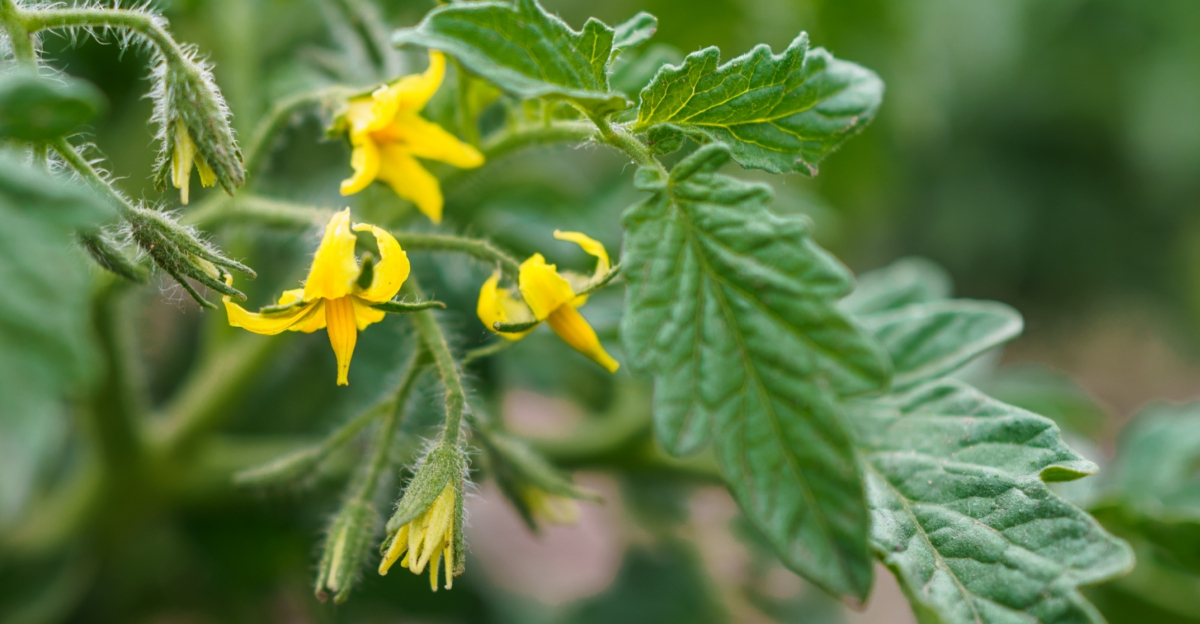
You step outside on a sticky Missouri afternoon, ready to check on your tomatoes. The vines look healthy, thick with dark green leaves and clusters of bright yellow flowers.
Then you notice the ground underneath, dotted with tiny fallen blossoms that never had a chance to become fruit.
It feels disheartening after weeks of watering, feeding, and staking those plants. Blossom drop sneaks up on gardeners every single season, turning a promising harvest into a waiting game with no clear finish line.
Missouri’s unpredictable weather, swinging from cool spring nights to intense summer heat, plays a bigger role in this problem than most people realize. Humidity, wind, even the timing of your fertilizer can tip the balance.
The frustrating part is watching healthy plants fail to deliver, but here’s the reassuring truth: this problem has real, fixable causes, and once you spot them, your tomato patch can bounce back fast.
Heat Above 90°F Reduces Pollen Viability
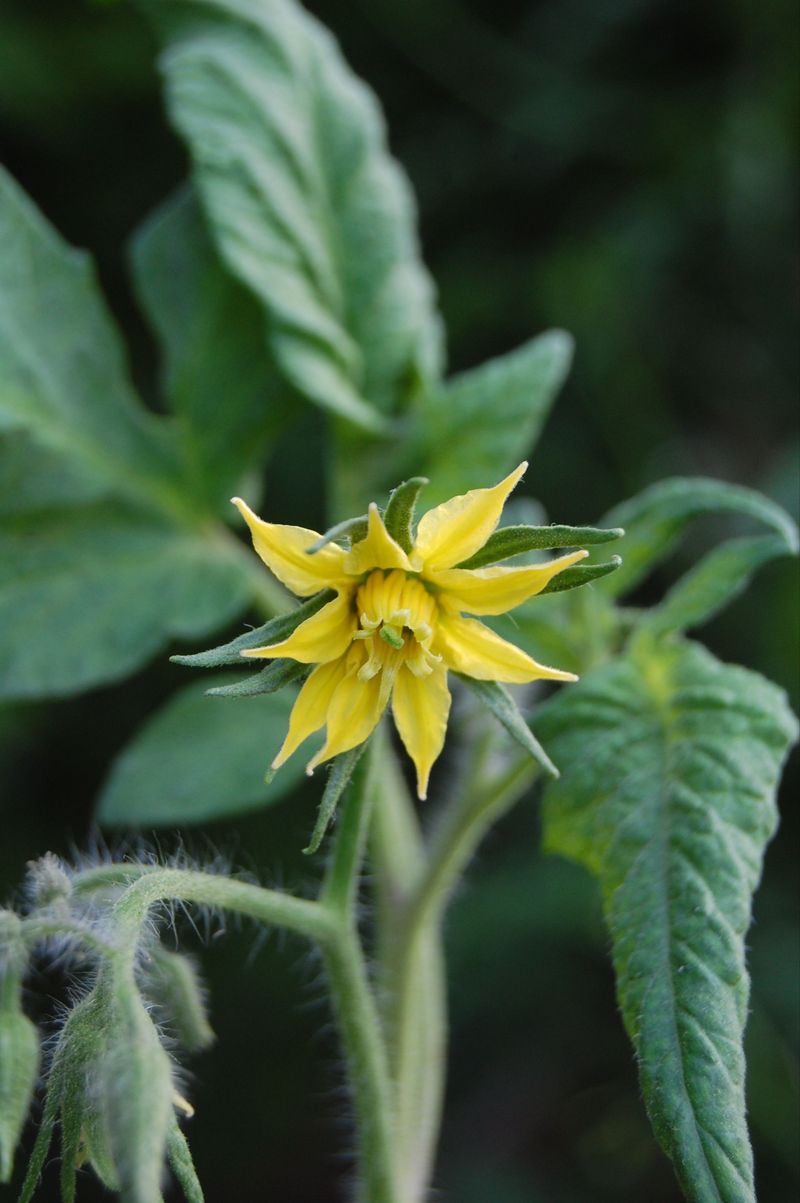
Intense heat is the number one reason Missouri tomato blossoms are dropping in the heat each summer. When temperatures climb past 90°F, tomato pollen gets damaged fast.
Pollen becomes sticky and clumpy when it overheats. It loses the ability to fertilize the flower properly.
Without successful pollination, the plant has no reason to hold onto that blossom. Off it goes, landing in the dirt before it ever becomes a tomato. This is not a disease or a pest problem. It is pure plant biology responding to stress.
Tomatoes evolved in cooler highland regions of South America. Missouri summers can feel like a different planet to them.
The window for successful pollination on a hot day is very narrow. Pollen viability drops dramatically once the air temperature stays above 90°F for several hours.
Even a single afternoon of extreme heat can wipe out an entire flush of blossoms. That is why gardeners often see mass drops after a heat wave hits.
Tracking your local forecast helps you anticipate these events. When a heat surge is coming, get ahead of it with shade cloth or extra watering.
Choosing heat-tolerant tomato varieties also makes a big difference. Look for labels that say heat-set or bred for Southern climates.
Varieties like Solar Fire, Heatmaster, and Sweet 100 cherry tomatoes handle hot spells better than most. Matching the right plant to the Missouri climate is half the battle won.
Nighttime Temps Above 75°F Disrupt Fruit Set
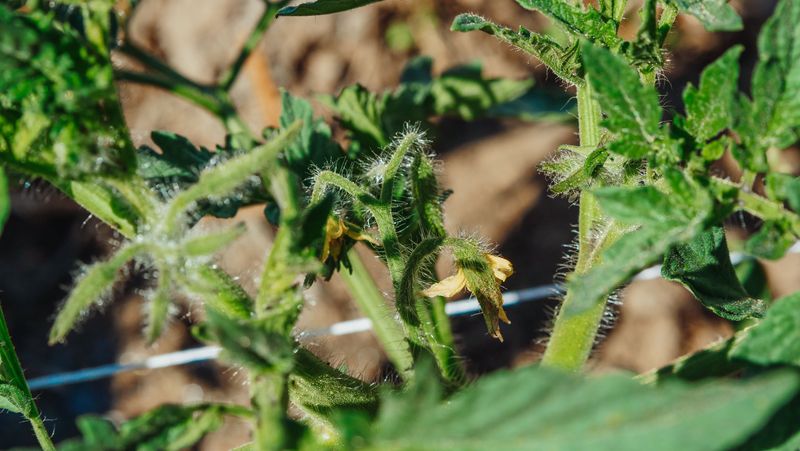
Most gardeners blame the blazing afternoon sun for blossom drop. But nighttime heat is quietly doing just as much damage.
When overnight temperatures stay above 75°F, tomato plants cannot complete the pollination cycle. The blossoms that opened during the day simply fail to set fruit.
Tomatoes need a cool-down period after a hot day. That nightly temperature dip is when the plant processes stress and prepares for the next round of growth.
Without that recovery window, the plant stays in survival mode. Blossoms become expendable when the plant is fighting to stay alive.
Your Missouri Garden Changes Every Week. Your Plan Should Too.
Gardening in Missouri changes quickly throughout the season. Every Friday you’ll receive a simple weekly plan showing exactly what to plant, prune, fertilize, harvest, and protect so you never miss the right timing.
Missouri summers regularly push nighttime lows into the upper 70s and even 80s during July and August. That is prime tomato blossom drop season right there.
One thing many gardeners do not realize is that the plant itself is not failing. It is making a smart trade-off under stress.
Holding onto a blossom takes energy. When resources are tight, the plant prioritizes its own survival over reproduction.
You can help by running a soaker hose in the evening to cool the root zone. Cooler roots help the whole plant regulate temperature a bit better overnight.
Planting near a fence or structure that blocks afternoon heat can also reduce how hot plants stay after sunset. Every degree of overnight cooling counts when Missouri tomato blossoms are dropping in the heat.
Patience matters too. Once a cooler stretch arrives, the plant rebounds quickly and sets fruit with enthusiasm.
Humidity Swings Block Pollen Release
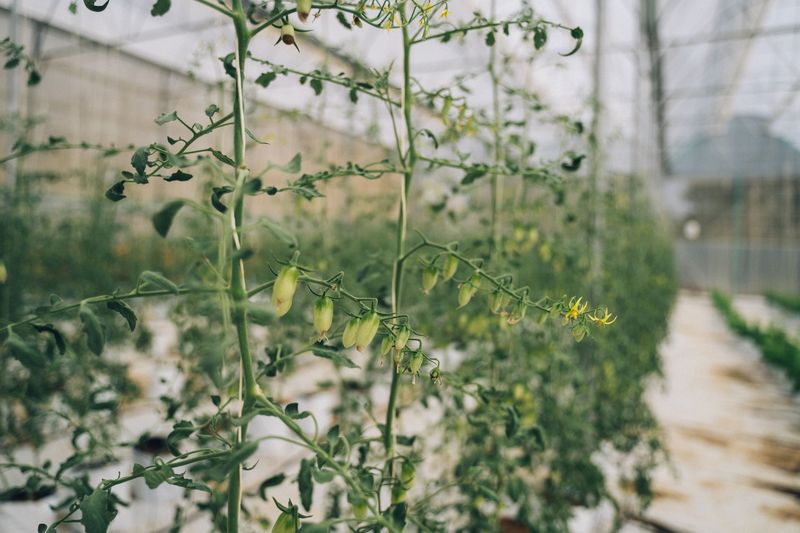
Missouri weather is famous for being unpredictable, and that unpredictability hits tomato blossoms hard. Humidity plays a sneaky role in whether pollen releases or just sits there doing nothing.
Tomato flowers release pollen best when relative humidity sits between 40 and 70 percent. Outside that range, pollination is disrupted.
When air is too dry, pollen dries out before it can do its job. Either extreme leaves the blossom with nowhere to go but down.
Missouri summers often swing between muggy mornings and dry afternoon winds. That kind of back-and-forth is rough on a plant trying to reproduce.
Bees and other pollinators also slow down in extreme humidity. Fewer pollinator visits means fewer successfully pollinated flowers.
One helpful trick is to gently shake your tomato plants in the morning. That mimics what wind and bees do naturally, helping release pollen from the anthers.
An electric toothbrush held against the stem for a few seconds works even better. Vibration is exactly what tomatoes need to release pollen efficiently.
Try doing this between 10 a.m. and noon when pollen is most active. Avoid doing it during the hottest part of the afternoon when pollen viability is already compromised.
Working with your plants hands-on like this gives Missouri gardeners a real edge during those sticky, unpredictable stretches of summer heat.
Drought Stress Steals Energy From Blossoms
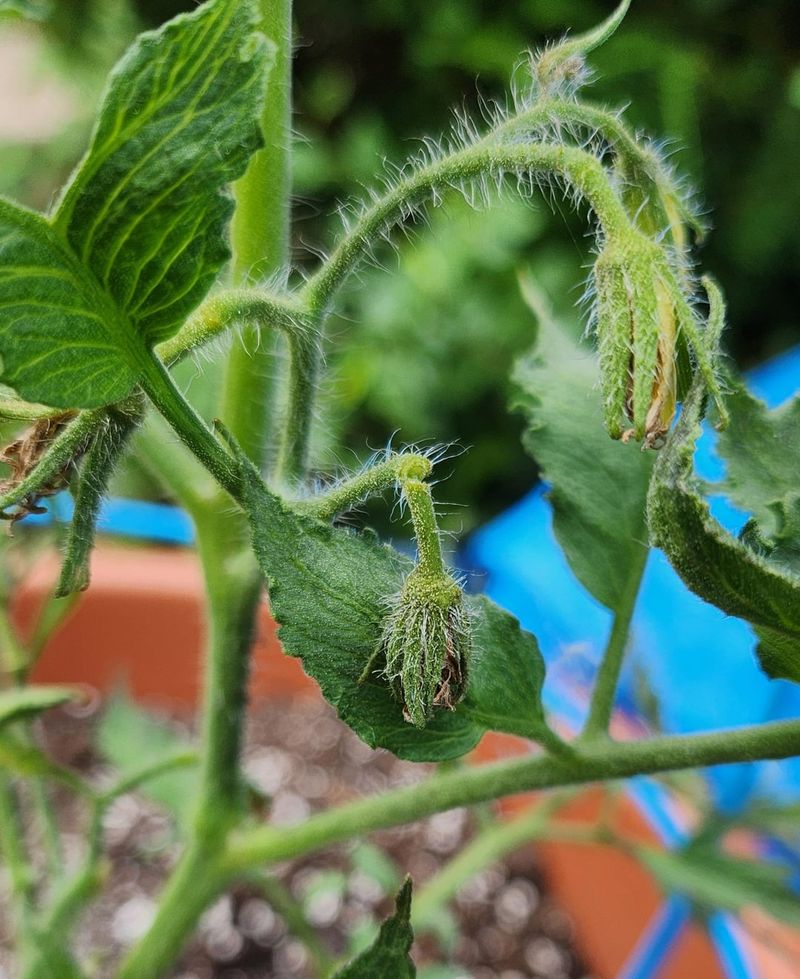
Think of drought stress as the plant running on empty, with no reserves left to spare. When soil moisture drops too low, the plant shifts all its energy toward basic survival.
Blossoms are a luxury the plant simply cannot afford. Missouri summers can flip from wet to bone-dry in less than a week. One good rainstorm followed by ten days of heat and no rain is all it takes to trigger drought stress.
The root system is the first thing to feel the strain. Without enough moisture in the soil, roots cannot pull up the water and nutrients the plant needs to keep blossoms attached.
Leaves will often curl or droop before blossoms start falling. That curling is the plant closing its pores to save water, and it is a warning sign worth taking seriously.
Inconsistent watering makes things worse. Letting the soil go from soaked to bone-dry and back again shocks the plant repeatedly.
That kind of stress cycle confuses the plant’s hormonal signals. The plant drops blossoms as a direct response to that confusion.
Deep, consistent watering is the best solution. Aim for one to two inches of water per week delivered slowly and directly to the root zone.
Avoid overhead watering in the afternoon. Wet foliage in the heat invites fungal problems on top of the blossom drop you are already dealing with. Steady moisture is the foundation of a productive tomato plant all season long.
Water Deeply Each Morning
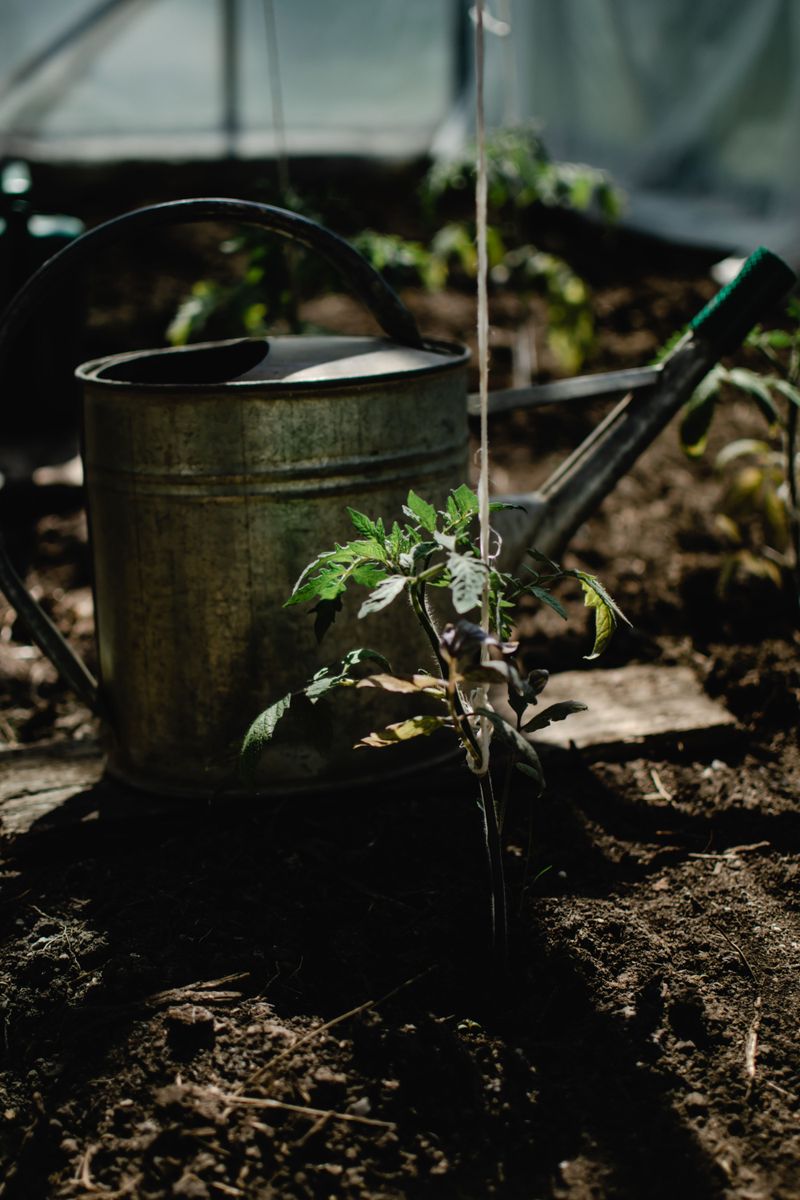
Morning watering is one of the simplest habits that makes a massive difference for heat-stressed tomato plants. Getting water to the roots before the sun heats up the soil sets the plant up for success all day.
Deep watering means letting water soak in slowly rather than splashing the surface. Surface watering evaporates fast and barely reaches the roots that matter.
Aim to water until the soil is moist at least six to eight inches down. You can check this with your finger or a cheap soil probe from the garden center.
A soaker hose laid along the base of your plants is the most efficient method. It delivers water right to the root zone without wasting a drop on foliage.
Drip irrigation systems do the same job on a timer, which is a game-changer for busy gardeners. Set it and stop worrying about whether your plants got enough to drink.
Watering in the morning also gives the soil time to absorb moisture before afternoon heat arrives. That absorbed water acts like a buffer against the worst of the day’s stress.
Avoid watering in the evening if you use overhead sprinklers. Wet leaves overnight create the perfect environment for fungal issues to take hold.
Missouri tomato blossoms are dropping in the heat partly because gardeners underestimate how much water these plants need in summer.
A large, mature tomato plant can use over a gallon of water per day during peak summer heat, depending on soil type and plant size.
Shade Plants During Peak Afternoon Sun
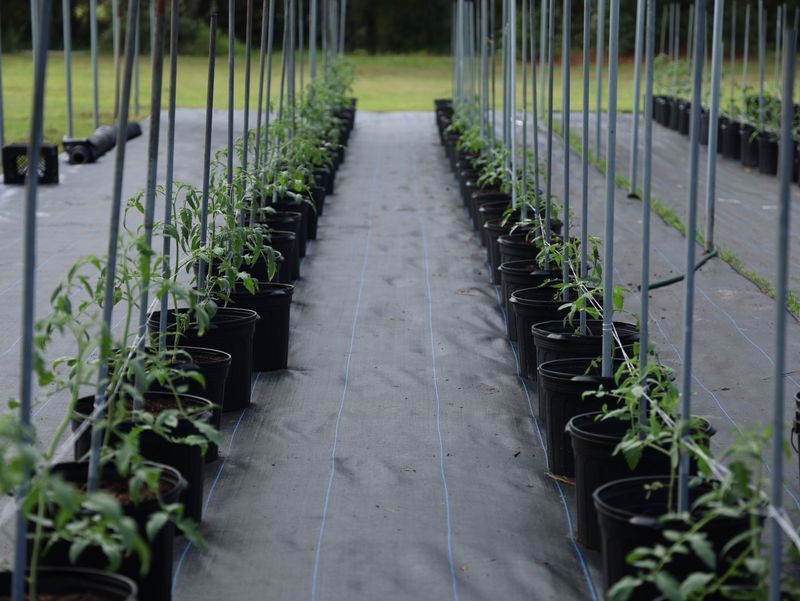
Full sun is great for tomatoes in spring, but intense Missouri afternoons are a different story. Blocking that 2 p.m. to 5 p.m. sun can be the difference between fruit and bare vines.
Shade cloth is a lightweight fabric that filters sunlight without blocking airflow. A 30 to 40 percent shade rating is ideal for tomatoes during heat waves.
You can drape it over a simple frame made from PVC pipes or wooden stakes. The setup takes less than an hour and protects your plants all season.
Afternoon shade reduces leaf temperature significantly. Cooler leaves mean less water loss and less stress on the whole plant system.
When a plant is not burning through water just to stay cool, it has more energy left for holding onto blossoms. That simple shift in energy budget makes a real difference.
Natural shade from a trellis, pergola, or nearby taller plants can also help. Just make sure your tomatoes still get full morning sun, which is gentler and more beneficial.
East-facing garden beds are a smart choice for Missouri gardeners dealing with heat. Plants get strong morning light and natural afternoon shade from the house or fence.
Some gardeners use old bedsheets or row cover fabric as a budget-friendly shade option. It is not as durable as proper shade cloth, but it works in a pinch during a sudden heat surge.
Protecting your plants from peak sun is one of the fastest ways to stop blossom drop. A little shade goes a long, satisfying way.
Mulch To Lock In Soil Moisture
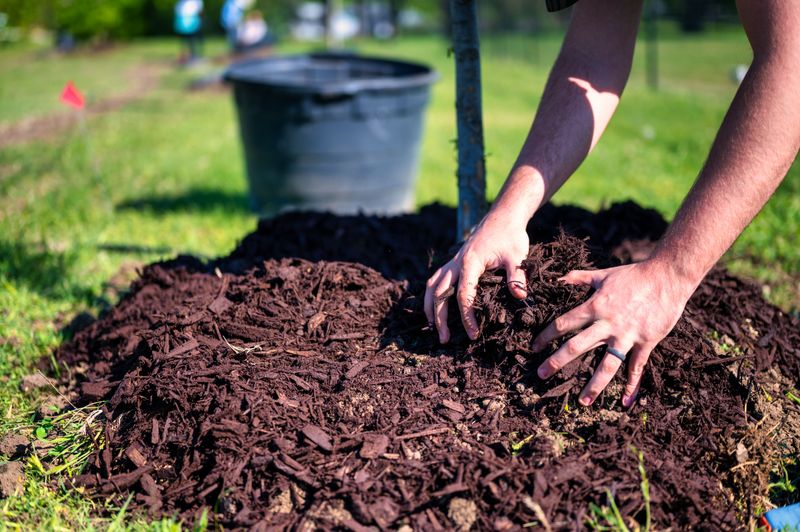
Mulch is one of the most underrated tools in a summer gardener’s kit. A thick layer of it around your tomato plants does more work than most people expect.
The primary job of mulch is to slow down soil moisture loss. On a hot Missouri afternoon, bare soil can lose moisture rapidly through evaporation.
A three to four inch layer of straw, wood chips, or shredded leaves acts like a blanket over the soil. It keeps the ground cooler and holds moisture in place far longer than bare dirt.
Cooler, consistently moist soil means the roots stay hydrated between waterings. Hydrated roots support healthy blossoms that stay on the vine instead of falling off.
Mulch also buffers against the wild soil temperature swings that Missouri summers are famous for. Roots prefer a stable environment, and mulch helps deliver exactly that.
Straw is a popular choice because it is cheap, easy to spread, and breaks down slowly. Wood chips last even longer and add organic matter to the soil as they decompose.
Avoid using fresh grass clippings in thick layers. They can mat together, block water penetration, and create a soggy, airless layer that roots dislike.
Keep mulch a couple of inches away from the main stem of each plant. Direct contact with the stem can trap moisture and lead to rot at the base.
Spread mulch right after watering for maximum effect. That way, you lock in the moisture you just delivered and give your plants the best possible foundation.
Avoid Nitrogen-Heavy Fertilizer For Now
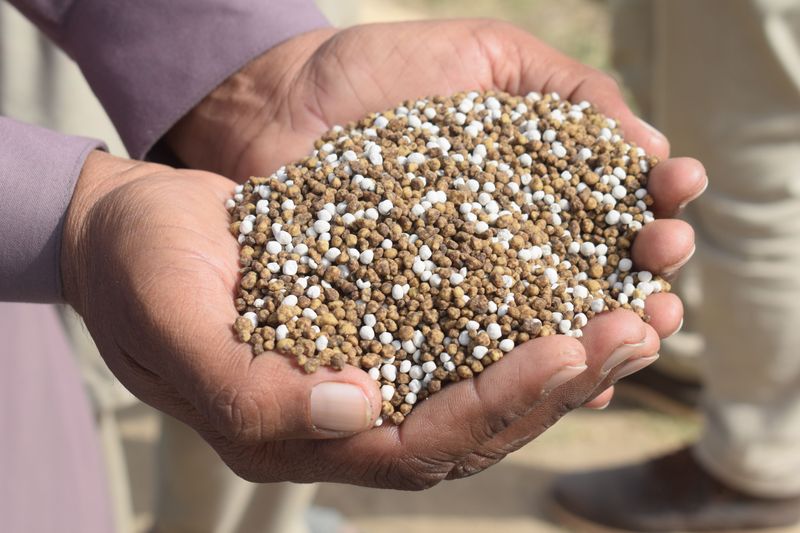
Grabbing the strongest fertilizer on the shelf feels like the right move when your tomato plants are struggling. But during a heat wave, that instinct can work against you.
Nitrogen is the nutrient that drives leafy, green growth. Too much of it during hot weather sends the plant into a growth frenzy it cannot sustain.
When a plant is busy pushing out new leaves, it pulls energy away from flowers and developing fruit. The result is a lush-looking plant with almost no blossoms to show for it.
High-nitrogen fertilizers also stimulate soft, tender growth that wilts even faster in the heat. You end up with a plant that looks great in the morning and struggles by noon.
During peak summer stress, switch to a fertilizer with a higher phosphorus and potassium ratio. Look for something labeled as a bloom booster or tomato-specific formula.
Phosphorus supports root development and flower production. Potassium helps the plant manage water and resist heat stress more effectively.
A balanced slow-release fertilizer applied earlier in the season is usually enough to carry plants through summer. Avoid the urge to add more fertilizer just because the plants look tired.
Tired-looking plants in July heat need water and shade far more than they need extra nutrients. Fertilizer cannot fix a moisture or temperature problem.
Wait until temperatures drop back into the low 80s before feeding again. Cooler weather means the plant can actually use what you give it, and Missouri tomato blossoms are dropping in the heat far less by then.