The Low-Growing Oregon Natives That Look Better Than Mulch In Every Season
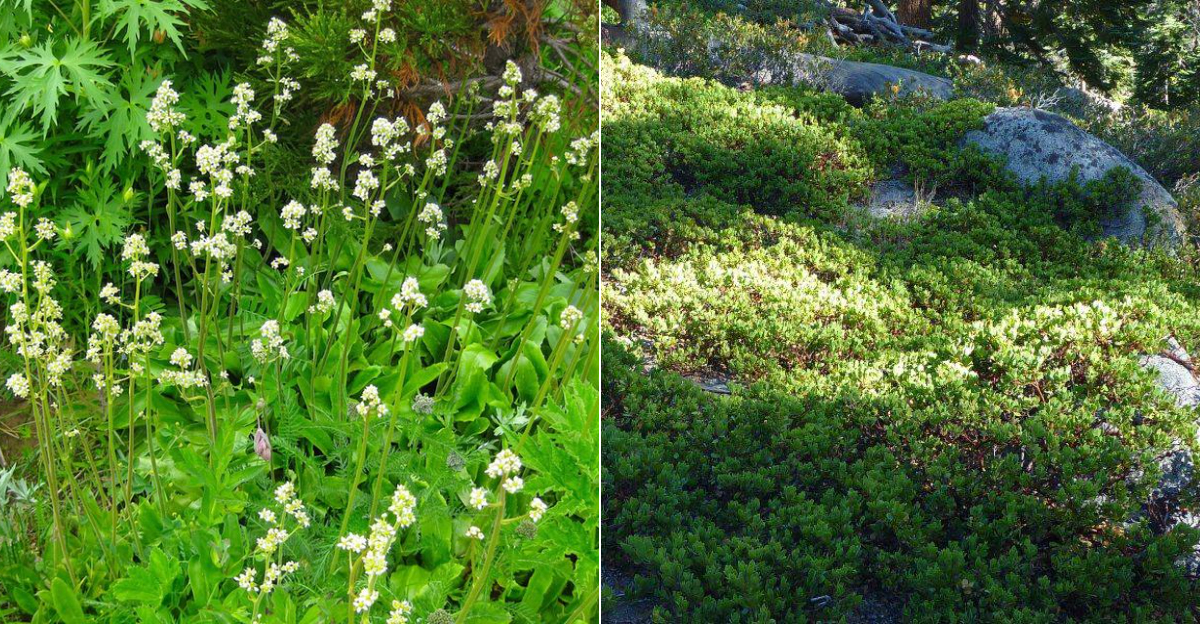
Mulch can make a bed look finished, but it does not bring much life to the space. In Oregon gardens, low-growing natives can do more than cover soil.
They can soften edges and keep planting areas looking full through changing weather. Many also bring small seasonal surprises that plain mulch never offers.
The right plants can handle rain, settle into local conditions, and create a natural layer that feels part of the landscape. They help bare spots look cared for without needing constant refreshes.
That matters in beds where bark fades or washes around after wet weather. Choose natives that match your light and soil, and your garden can gain a living ground layer that works hard in every season.
1. Partridgefoot Forms A Living Native Mat
Few native plants pull off the combination of toughness and elegance quite like Partridgefoot.
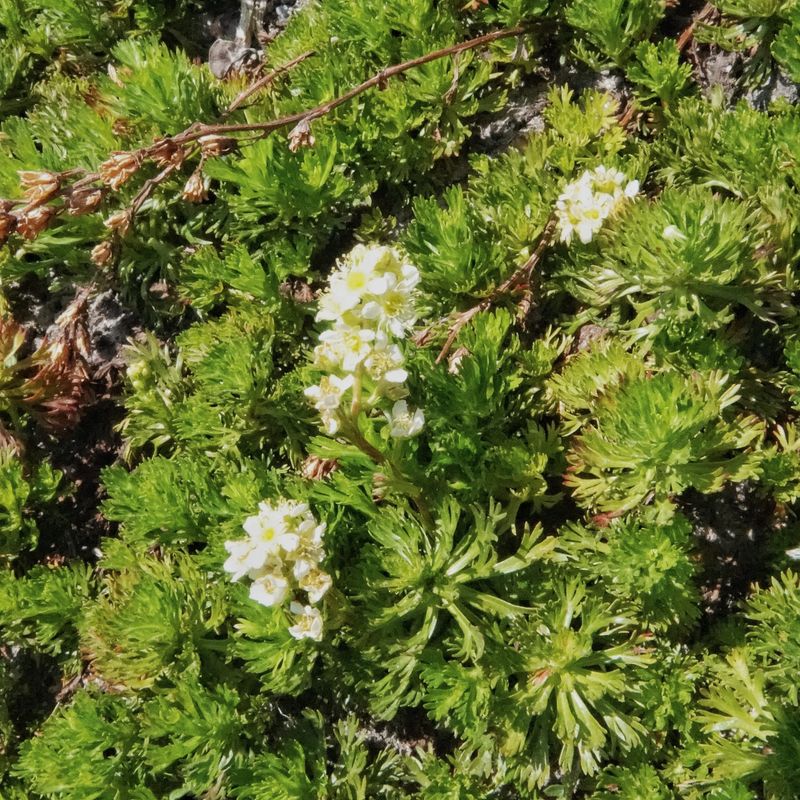
Known botanically as Luetkea pectinata, this low creeping plant forms a dense, soft mat that hugs the ground tightly.
It grows naturally in subalpine meadows and rocky slopes throughout the Cascades, which means it handles cold winters and dry summers without complaint.
The foliage is finely cut, almost feathery, and stays a rich green through most of the year. In late spring and early summer, small white flower spikes rise just a few inches above the mat.
Those blooms attract native bees and other pollinators that need early-season food sources.
Partridgefoot spreads slowly by runners, gradually filling in gaps between rocks or along path edges. It works especially well in rock gardens, between stepping stones, or at the front of a shaded border.
The mat stays tight enough to crowd out many common weeds without any help from you.
Plant it in well-drained soil with some organic matter mixed in. It prefers partial shade but tolerates full sun in cooler spots.
Water it through the first summer, and after that it largely takes care of itself. Gardeners in northern and higher-elevation regions of Oregon often find it thrives where other groundcovers struggle.
For anyone tired of bare soil under conifers or along rocky paths, Partridgefoot is a reliable, beautiful solution that rewards patience with a carpet that gets better every year.
2. Pinemat Manzanita Gives Bare Soil Evergreen Cover
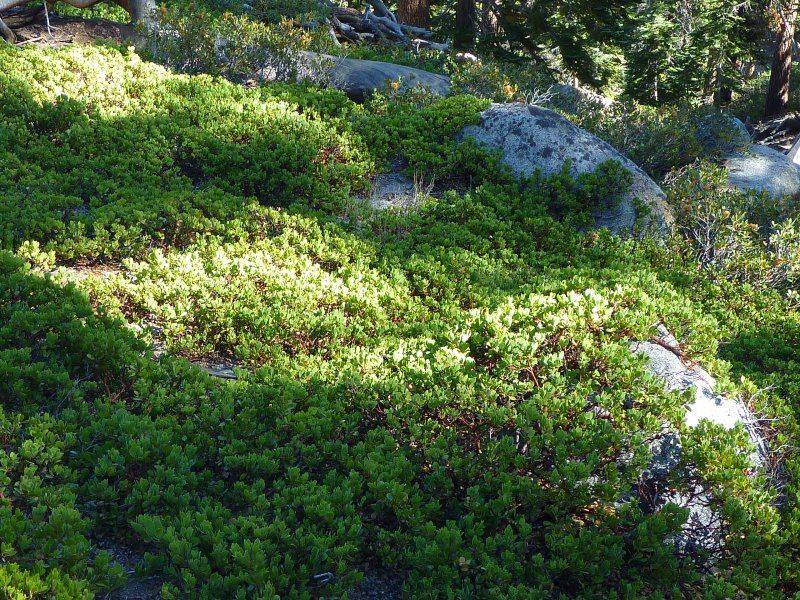
There is something almost architectural about the way Pinemat Manzanita moves across the ground.
Arctostaphylos nevadensis spreads in wide, flat layers, covering bare soil with a network of woody stems and small, glossy leaves that stay green all year.
It is one of the best evergreen groundcovers native to this region.
In spring, clusters of tiny bell-shaped flowers appear in soft pink and white. Those blooms are a favorite early food source for native bees.
By late summer, small reddish berries follow, and birds love them. So this plant feeds wildlife in two separate seasons without you doing anything extra.
Pinemat Manzanita handles dry, rocky, or sandy soils with ease. It actually prefers lean conditions, which means you do not need to amend or fertilize.
Your Oregon Garden Changes Every Week. Your Plan Should Too.
Gardening in Oregon changes quickly throughout the season. Every Friday you’ll receive a simple weekly plan showing exactly what to plant, prune, fertilize, harvest, and protect so you never miss the right timing.
Overwatering is the one thing to avoid. Once established, it is remarkably drought-tolerant and can handle the dry summers common across much of Oregon.
It grows best in full sun or very light shade. Mature plants spread three to six feet wide but stay under a foot tall, making them ideal for slopes, rock gardens, and sunny borders where erosion is a concern.
The evergreen coverage means the soil is never exposed to rain or wind damage.
For gardeners who want a wildlife-friendly alternative to bark dust, this manzanita delivers consistent beauty from January through December without demanding much in return.
3. Evergreen Violet Keeps Shade Beds Looking Finished
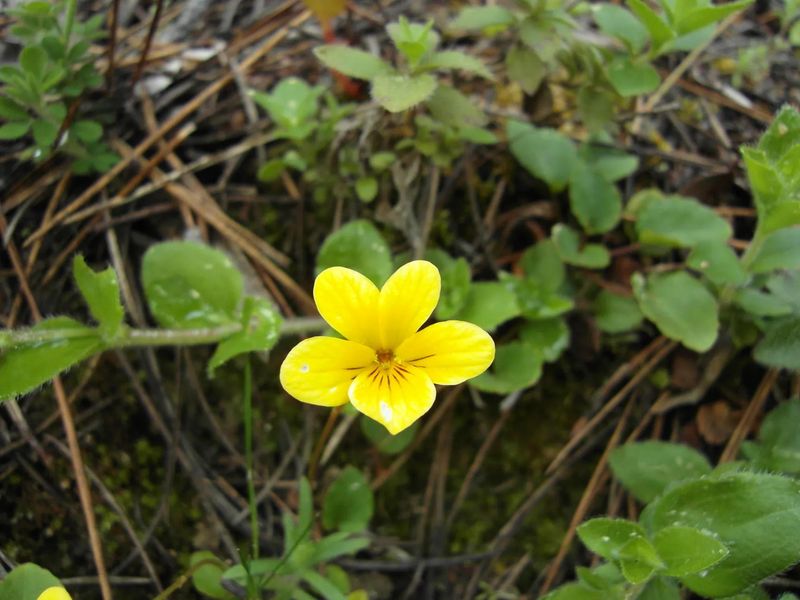
Not every garden gets full sun, and shady spots are notoriously hard to keep looking tidy. Viola sempervirens, commonly called Evergreen Violet, is one of the most reliable solutions for those dim, damp corners that seem to resist everything else you try.
The leaves are round, glossy, and stay a deep green through winter and into spring. That alone makes this plant worth growing.
But then the cheerful little yellow flowers arrive in early spring, often while snow is still possible in northern parts of Oregon. Those blooms feel like a reward after a long gray winter.
Evergreen Violet spreads gently by stolons, forming a low, tidy mat that fills in under trees and shrubs without becoming aggressive. It stays low enough to use between taller shade perennials as a living mulch layer.
The foliage fills gaps beautifully and suppresses weeds without smothering neighboring plants.
It grows best in moist, humus-rich soil with good drainage. Consistent moisture through the summer helps it stay lush, especially in drier parts of Oregon.
Once established, it needs very little attention. Just remove any dead leaves in late winter to keep the mat looking fresh before new growth arrives.
For gardeners who want a shade bed that always looks cared for, this violet is a genuinely useful plant. It brings color, texture, and year-round coverage to spots where most groundcovers simply give up.
4. Roundleaf Alumroot Adds Year-Round Rocky Texture
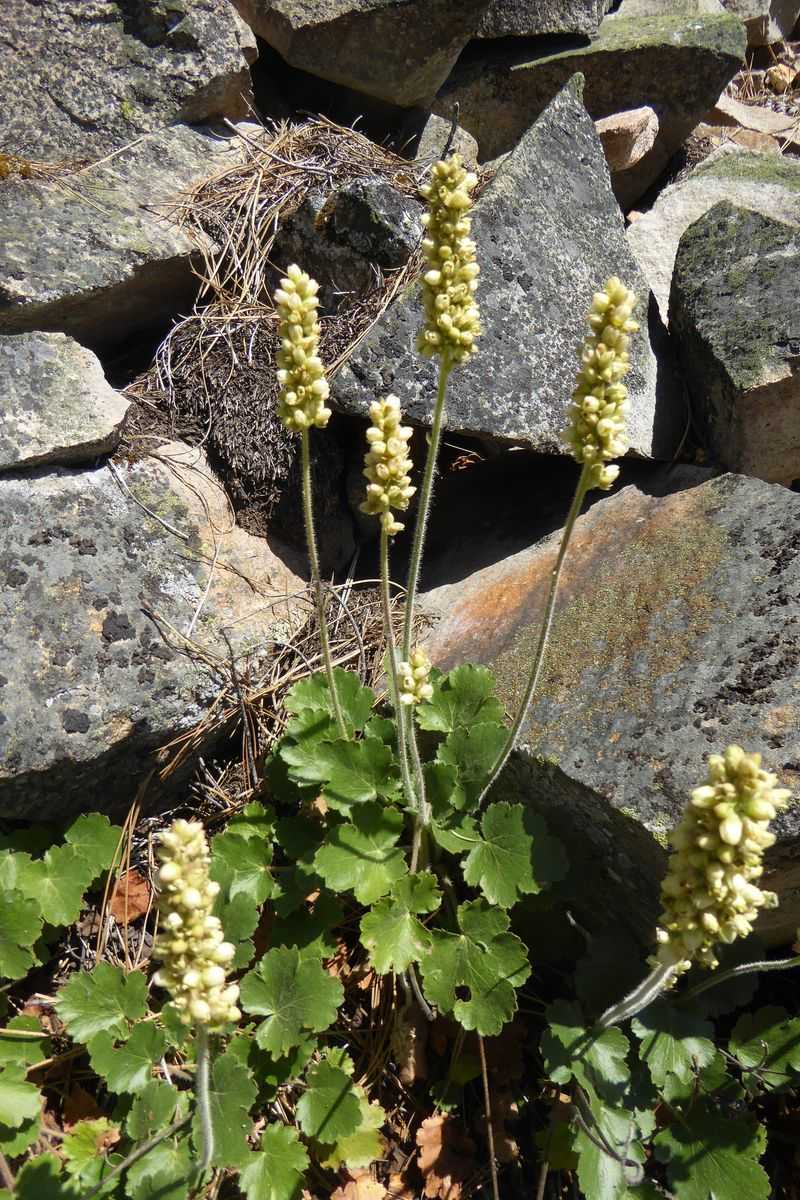
Rocky soil stumps a lot of gardeners, but Roundleaf Alumroot treats it like an invitation.
Heuchera cylindrica grows naturally from cliff faces and rocky outcroppings across the western ranges, so it brings a rugged resilience that most ornamental plants simply cannot match.
The foliage is bold and attractive, with broad, rounded, lobed leaves that form a low clump close to the ground.
Depending on the variety and growing conditions, the leaves can range from deep green to bronze to silvery gray.
That range of color makes it easy to combine with other plants in a mixed planting.
In late spring and early summer, tall slender flower spikes rise well above the foliage. Small cream or greenish-white flowers line each spike, and hummingbirds visit them regularly.
After the blooms fade, the spikes stay upright and add structural interest through the rest of the season.
Alumroot grows well in both sun and partial shade, making it more flexible than many native groundcovers. It handles dry summers once established and does not need rich soil.
In fact, rocky or gravelly conditions suit it perfectly. Plant it along a stone wall, between boulders, or at the edge of a gravel path for the most natural look.
The foliage stays attractive through winter in most parts of Oregon, which means the garden never looks truly bare.
For rocky spots that feel harsh and uninviting, this plant brings warmth, texture, and genuine year-round presence.
5. Sulphur-Flower Buckwheat Brightens Dry Sunny Borders
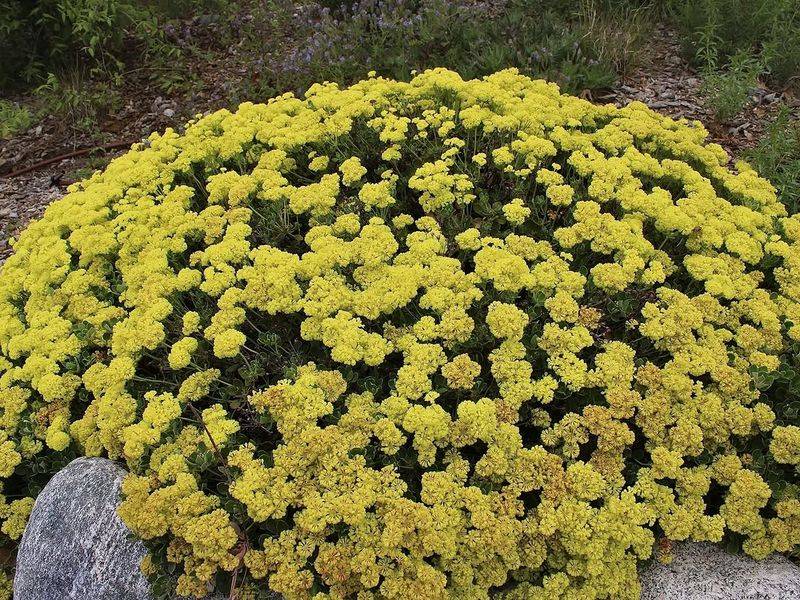
If a plant could bottle summer sunshine, Sulphur-Flower Buckwheat would be the result. Eriogonum umbellatum produces clusters of vivid yellow flowers that float above low, gray-green foliage on slender stems.
Few native plants deliver this kind of color in the hottest, driest part of the year.
The blooms appear from late spring through midsummer and attract an impressive variety of native bees, butterflies, and beneficial insects.
After the flowers fade, the seed heads turn rusty orange and persist through fall and winter.
That means this plant offers visual interest across three distinct seasons without any extra effort.
The foliage itself is worth mentioning. Small, oval leaves form a low mat that stays close to the ground.
The leaves have a slightly woolly texture and a blue-gray color that contrasts beautifully with warmer-toned plants nearby. Even without flowers, the mat looks intentional and polished.
Sulphur-Flower Buckwheat demands excellent drainage and full sun. It is extremely drought-tolerant once established and actually resents irrigation during summer.
Plant it in sandy, gravelly, or rocky soil for best results. Slopes and raised beds work especially well.
Gardeners in the drier eastern and southern parts of Oregon often find this plant thrives with almost no supplemental water after the first year.
For sunny borders where bark dust would bake and crack, this buckwheat holds the ground with color and texture that mulch could never replicate. It is one of the most rewarding native plants for challenging dry sites.
6. Showy Townsendia Turns Gravelly Edges Into Blooming Mats
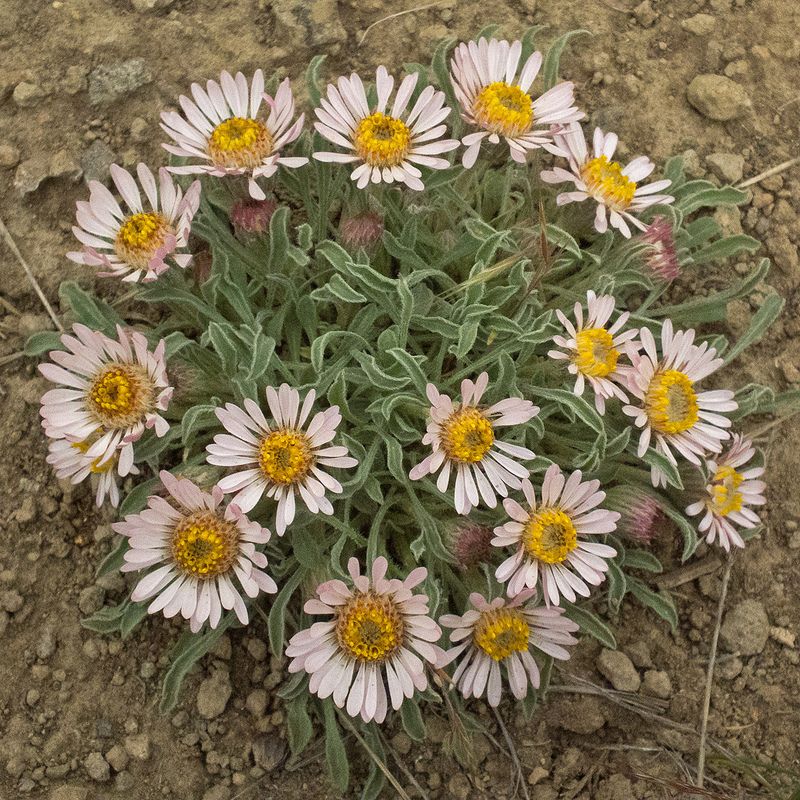
Gravel paths and rocky edges often look like afterthoughts in a garden. Showy Townsendia changes that completely.
Townsendia florifer is a compact native daisy that grows so close to the ground it looks almost flat, yet it produces flowers that seem far too large and showy for a plant so small.
The blooms are daisy-like, with lavender to pink-purple petals surrounding a bright yellow center. They appear in spring and sometimes again in fall, sitting right on top of the low foliage mat.
From a distance, a patch in full bloom looks like a colorful rug spread across the gravel.
The foliage is narrow and gray-green, forming a tight rosette that stays close to the soil surface.
That low profile makes it perfect for planting along the edge of gravel paths, at the base of boulders, or between pavers where taller plants would look out of place. It naturally fits into tight, difficult spaces.
This plant needs sharp drainage and full sun to perform well. It is native to dry, open habitats and handles poor soil without any fuss.
Avoid clay and consistently moist spots. Once planted in the right conditions, it spreads slowly and blooms reliably each spring.
Pollinators, especially native bees, seek out the flowers eagerly. The combination of low maintenance, big blooms, and pollinator value makes Showy Townsendia one of the most underused native groundcovers available.
Gravelly edges have never looked more intentional or more alive than when this plant takes over.
7. Oregon Saxifrage Makes Damp Soil Look Intentional
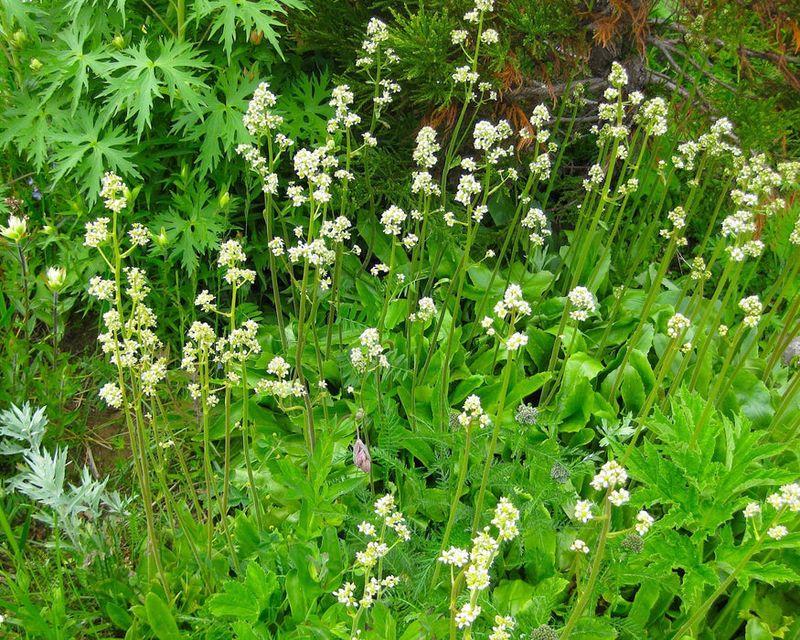
Damp, boggy corners are the spots most gardeners try to hide. Micranthes oregana, known as Oregon Saxifrage, turns those soggy problem areas into something genuinely attractive.
It is one of the few native groundcovers that actually prefers wet soil, making it a rare and valuable find for difficult garden conditions.
The plant forms a bold rosette of broad, glossy, dark green leaves that hug the ground tightly. The foliage alone gives damp areas a lush, finished look through most of the year.
In late spring, tall slender flower spikes emerge, carrying clusters of tiny white blooms well above the leaf mat.
Those flower spikes can reach one to two feet tall, adding vertical interest to an otherwise flat groundcover planting. Native bees and small beneficial insects visit the blooms regularly.
After flowering, the foliage continues to look attractive and keeps the soil covered and stable.
It grows best in consistently moist or even seasonally wet soil with partial to full shade. Stream banks, rain gardens, and low spots that collect water are ideal locations.
Rich, organic soil helps it establish quickly. Once settled, it spreads steadily and fills in bare areas without becoming invasive.
For gardeners who have struggled to find plants that actually enjoy wet feet, this saxifrage is a genuine discovery. It makes areas that once looked neglected and muddy feel purposeful and well-planted.
Wet soil is no longer a problem when the right native plant is in charge of it.