The Most Low-Maintenance Georgia Native Perennials For Full Sun In Summer
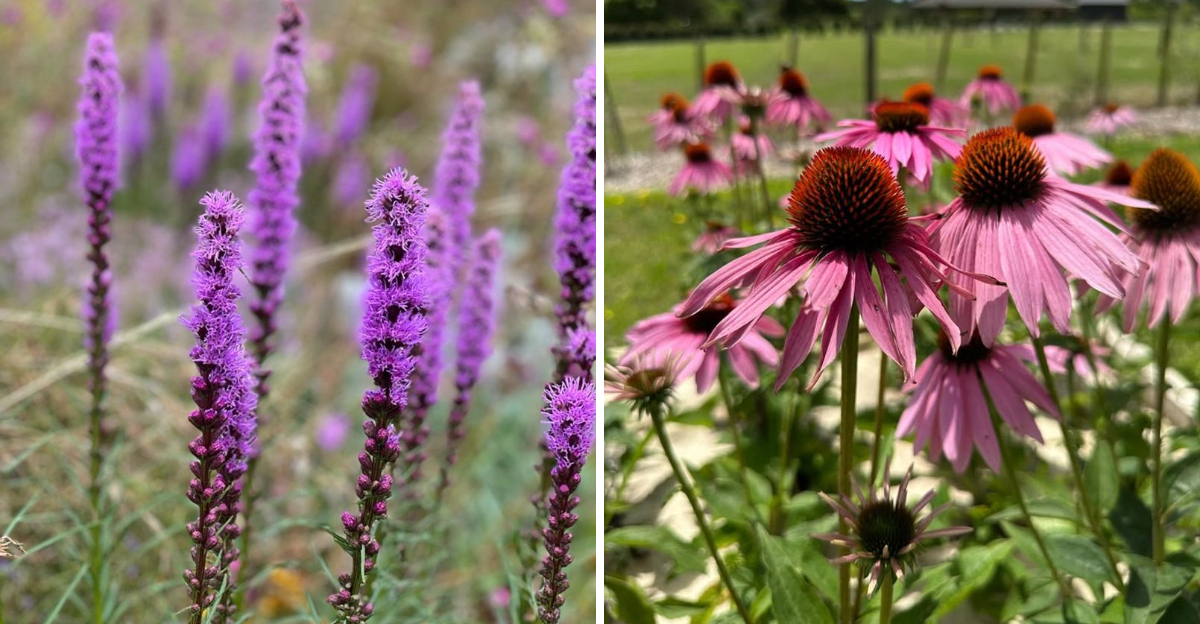
Summer sun has a way of showing exactly what is working in a garden and what is not. Plants that looked balanced and healthy in spring can start to change quickly once the heat settles in.
Some lose their shape, others slow down, and certain areas begin to feel harder to manage even when nothing obvious has changed.
That is when attention often shifts toward plants that do not demand constant adjustment. Instead of chasing short term fixes, many gardeners begin focusing on plants that can stay steady through long stretches of sun and rising temperatures.
The goal becomes less about constant upkeep and more about reliable performance in difficult conditions.
Georgia native perennials fit that need well. Many are naturally suited for full sun and summer heat.
Once they are established, they continue performing well and need far less maintenance throughout the season.
1. Butterfly Weed Thrives In Dry Sunny Garden Beds
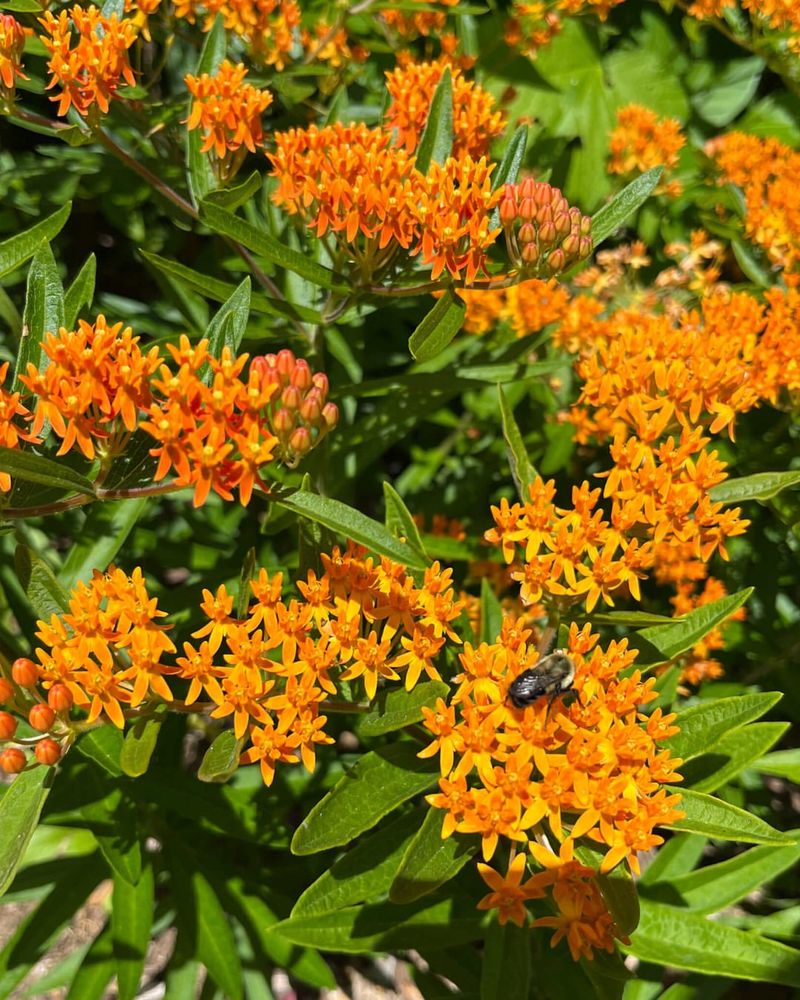
Bright orange clusters of butterfly weed look almost too bold to be low-maintenance, but that’s exactly what makes it such a standout. It thrives in poor, dry soil where most other plants struggle.
Butterfly weed is a native milkweed species, which means it’s also a host plant for monarch butterfly caterpillars. That alone makes it worth planting, but it also attracts a wide range of pollinators when in bloom.
Flowers appear in early to midsummer and can rebloom if cut back lightly after the first flush fades.
One important thing to know: butterfly weed has a deep taproot that makes it drought-tolerant but also very difficult to move once established. Pick your spot carefully before planting.
Sandy or rocky soil works great. Heavy clay holds too much moisture and can cause root rot over time.
Skip the fertilizer entirely. Rich soil actually produces weaker, floppier stems with fewer flowers.
Full sun is non-negotiable for this plant. Shade causes poor growth and minimal blooming.
It’s slow to emerge in spring, so mark its location to avoid accidentally digging it up. Patience pays off once it gets going in its second or third season.
A light layer of mulch around the base can help regulate soil temperature and reduce competition from nearby weeds while the plant is getting established.
2. False Indigo Stays Tough Through Long Summer Heat
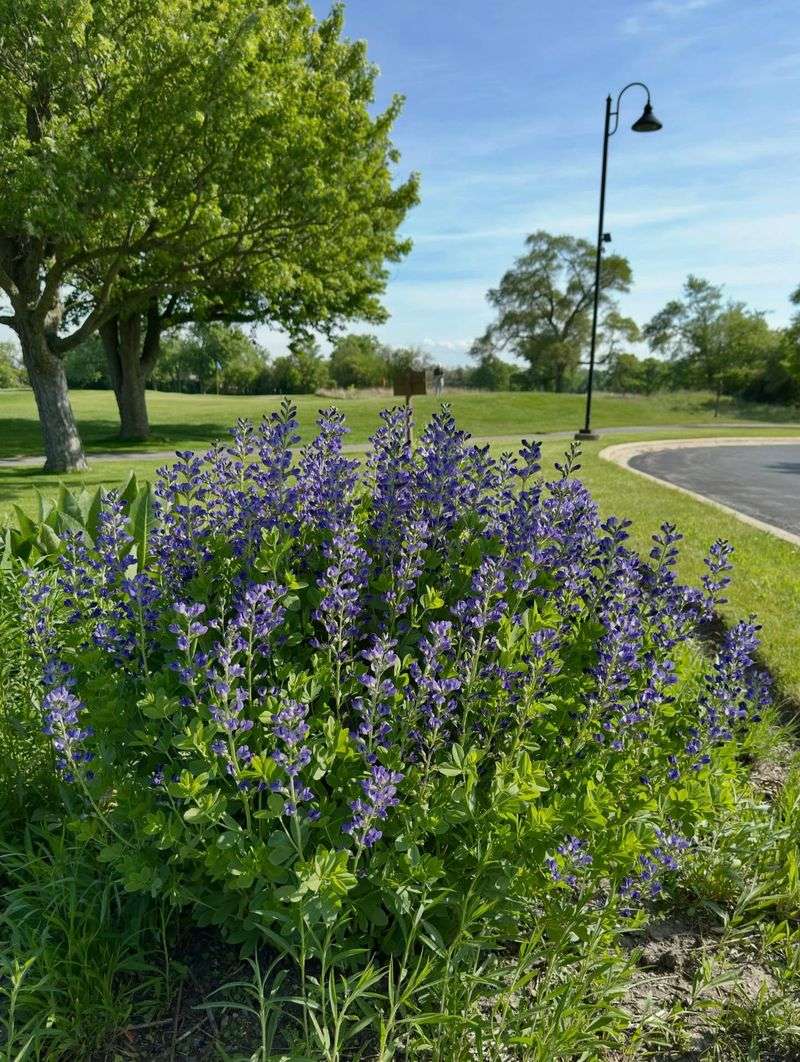
False indigo blooms in spring, but don’t count it out once flowers fade. The deep blue-green foliage stays attractive all summer long and holds its structure even through the hottest weeks.
Baptisia australis is a tough, woody-stemmed perennial that develops a massive root system over time. That root system is what allows it to handle heat and drought without flinching.
It’s slow to establish in the first year or two, but once rooted in, it can live for decades with almost zero intervention.
Full sun brings out the best growth and most flowers. Partial shade is tolerated, but plants tend to flop and produce fewer blooms.
Well-drained soil is preferred, though baptisia is more adaptable than most. It fixes nitrogen in the soil like a legume, which means it actually improves the ground around it over time.
Your Georgia Garden Changes Every Week. Your Plan Should Too.
Gardening in Georgia changes quickly throughout the season. Every Friday you’ll receive a simple weekly plan showing exactly what to plant, prune, fertilize, harvest, and protect so you never miss the right timing.
Avoid moving established plants. The taproot goes deep and division rarely succeeds without setting the plant back significantly.
Inflated seed pods form after bloom and rattle when dry, which adds a fun texture to late-season gardens. No fertilizing needed.
No regular watering once settled. No serious pest or disease problems under normal conditions.
For a plant that asks so little, it adds a lot of visual structure to sunny beds across warm-climate gardens.
Cutting the plant back to the ground in late winter helps clear old stems and encourages clean, vigorous new growth in spring.
3. Rattlesnake Master Grows Strongly In Full Sun
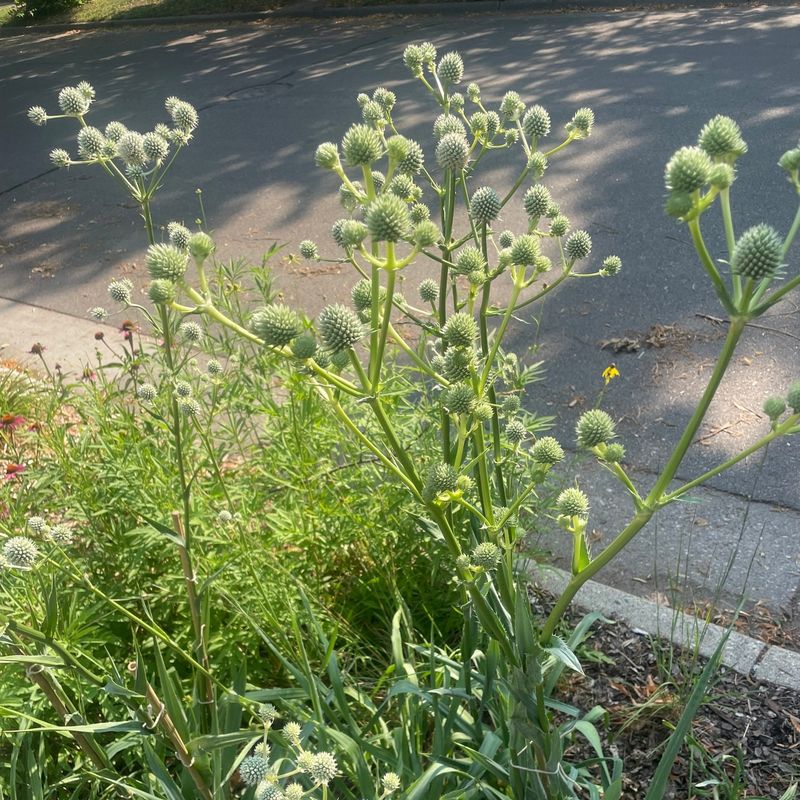
Rattlesnake master stops visitors in their tracks. The spiky, globe-shaped flower heads look almost prehistoric, and the sharp, yucca-like leaves give it a bold architectural presence that most perennials just can’t match.
Native to open prairies and meadows, this plant is built for full sun and dry conditions. Sandy or rocky soil suits it perfectly.
Clay soil with poor drainage is the main thing to avoid. Once established, it needs almost no water and zero fertilizer to perform well.
Growth is slow in the first season as the plant focuses energy on root development. By the second or third year, it sends up a tall central stalk topped with multiple flower heads.
Blooms appear in midsummer and attract a surprising variety of native bees, wasps, and beetles that you won’t see visiting more common garden plants.
Height ranges from three to five feet depending on soil quality and sun exposure. It works well at the back of a border or as a focal point in a naturalistic planting.
Deer tend to leave it alone, likely because of those sharp leaf edges. Seed heads persist into winter and add structure to the garden during colder months.
Minimal pruning is required. Cut old stalks back to the base in early spring before new growth begins.
It’s genuinely one of the most self-sufficient plants you can grow in a sunny Southern garden.
4. Narrowleaf Mountain Mint Performs Well In Hot Conditions
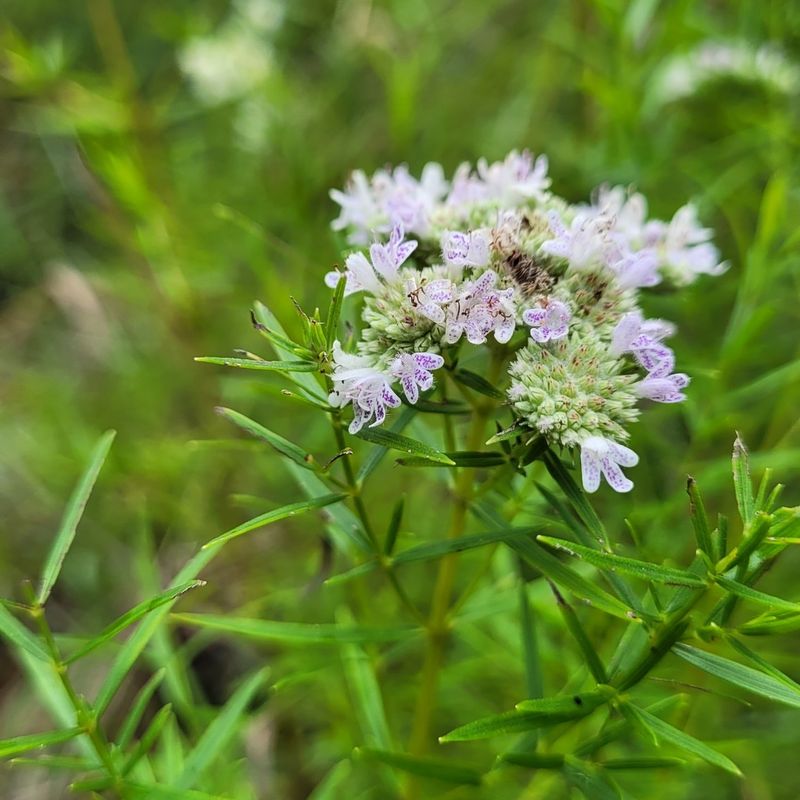
Walk past narrowleaf mountain mint and you’ll catch a sharp, clean minty scent that carries even on still summer days. That fragrance is one of the reasons pollinators can’t stay away from it.
Pycnanthemum tenuifolium is one of the most pollinator-friendly native plants you can grow. Its clusters of small white flowers attract an impressive variety of bees, butterflies, wasps, and other beneficial insects from midsummer through early fall.
On a warm day, the blooms can be buzzing with activity, making it one of the busiest plants in the garden for pollinators.
It grows in average to dry soil and handles heat well once established. Full sun produces the most compact, upright growth.
Shade leads to floppy stems that sprawl outward. Well-drained soil is best, but mountain mint tolerates clay better than many other drought-tolerant natives do.
Spreading by rhizomes is natural for this plant. It won’t take over aggressively, but it will slowly widen its clump each season.
Dividing every few years keeps it contained and gives you new plants to fill bare spots. No deadheading is necessary.
No fertilizer is needed. Watering is only required during extended dry periods in the first season.
After that, rainfall in most warm-climate regions is usually enough. Deer and rabbits generally avoid it due to the strong scent.
Cutting back hard in early spring encourages fresh, dense new growth each year.
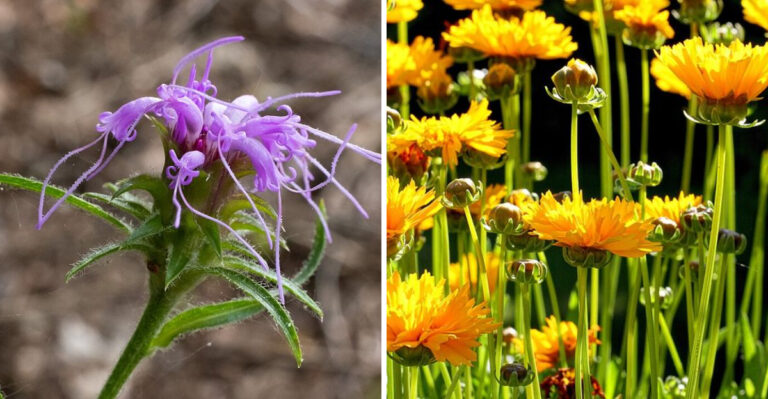
5. Threadleaf Coreopsis Keeps Blooming Through Summer
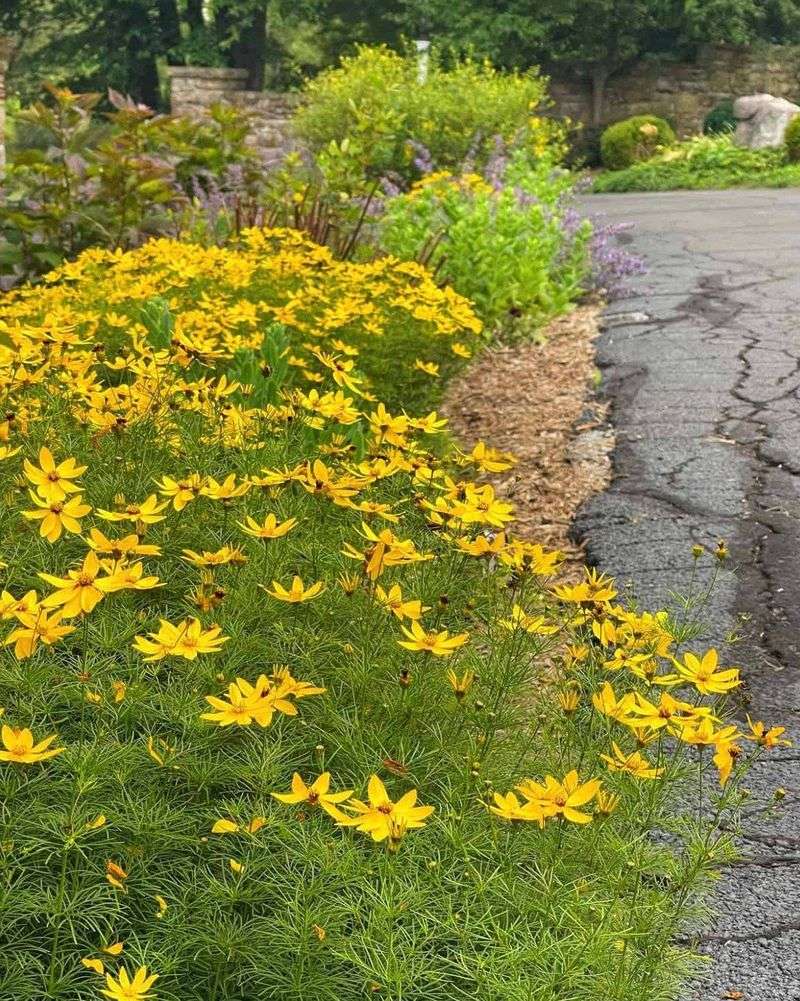
Yellow flowers from June through September without deadheading or fertilizing? Threadleaf coreopsis actually delivers on that.
It’s one of the longest-blooming native perennials you can plant in a sunny garden.
Coreopsis verticillata has feathery, thread-like foliage that gives it a soft, airy texture even when it’s not in bloom. The fine leaves hold up well in heat and don’t look burned or ragged by late summer the way some coarser-leaved plants do.
That consistent appearance makes it a reliable performer from front to back of the season.
Sandy, well-drained soil is ideal. Poor soil is fine.
Rich, moist soil often leads to floppy growth and reduced blooming. Full sun is essential for tight, upright plants with maximum flower production.
In partial shade, stems stretch and lean toward light, reducing the plant’s overall appeal.
Shearing plants back by about a third in midsummer can trigger a fresh flush of blooms for late summer. It’s not required, but it does help.
Clumps spread steadily by rhizomes and can be divided every three to four years in spring. Division is easy and gives you plenty of new plants.
Pests rarely bother this plant. Root rot in heavy, wet soil is the main risk to watch for.
Overall, threadleaf coreopsis is a workhorse that earns its place in any low-maintenance sunny border throughout the warm Southeast growing season.
6. Purple Coneflower Handles Heat With Very Little Attention
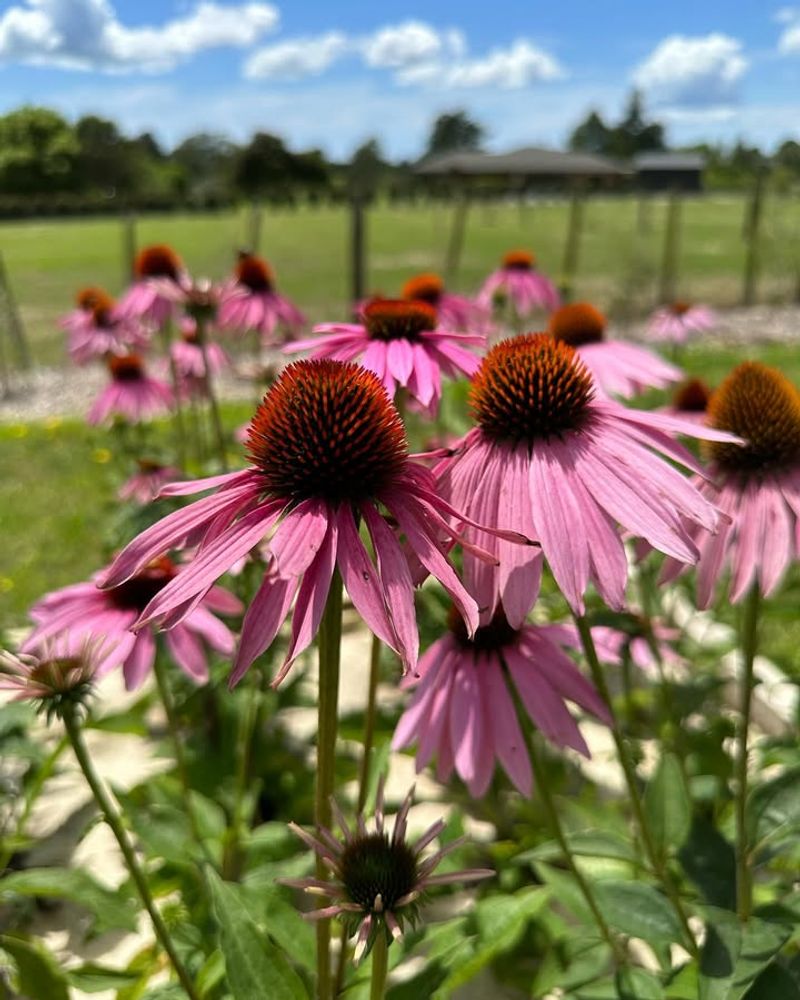
Purple coneflower is one of those plants that almost seems to prefer neglect. Once it settles into well-drained soil, it pushes out blooms from early summer into fall without much help from you.
Native to open meadows and roadsides across the Southeast, it handles dry stretches without wilting dramatically. Full sun is where it performs best.
Give it six to eight hours of direct light and it will reward you with sturdy stems and bold pink-purple flowers that attract butterflies and bees all season long.
Deadheading spent blooms can encourage more flowers, but it’s completely optional. Leave the seed heads standing in late summer and you’ll attract goldfinches and other seed-eating birds to your yard.
Coneflowers spread slowly over time, either by self-seeding or by clump division. Splitting large clumps every few years keeps plants vigorous and gives you new starts to fill other spots.
Spacing plants about eighteen inches apart allows good airflow and reduces powdery mildew, which can show up in humid summers. Overall, this plant asks for very little and gives back a lot.
Mulching lightly around the base can help the soil stay evenly moist and support stronger root growth during hot summer periods.
Watering deeply but infrequently during extended dry spells helps the roots grow stronger and makes the plant even more resilient over time.
7. Georgia Aster Extends Color Later In The Growing Season
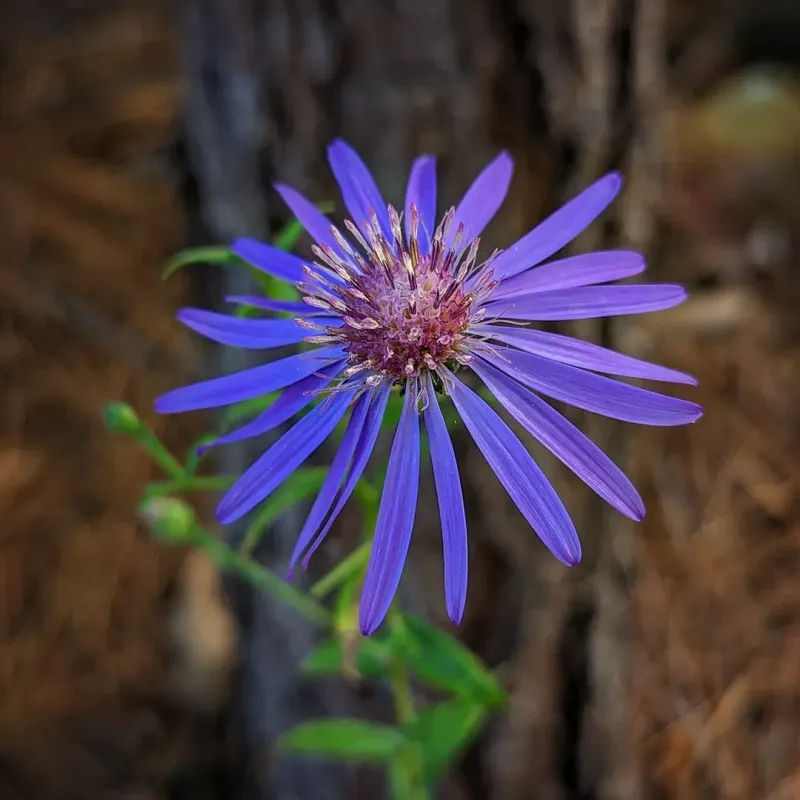
Most summer perennials are winding down by September, but Georgia aster is just getting started. Vivid purple flowers open in fall and carry color into the garden at a time when most other plants have already peaked.
Symphyotrichum georgianum is a state-native wildflower found naturally in open woodlands and rocky outcrops. It prefers well-drained, slightly dry soil and full sun.
Unlike many asters, it doesn’t need rich or amended soil to perform well. Average to poor conditions actually suit it better.
Summer growth is mostly foliage, which can look a bit plain. Patience pays off when the flowers finally open.
Bright lavender-purple rays with yellow centers create a striking display that pollinators, especially bumblebees and migrating butterflies, visit heavily. Monarch butterflies use it as a late-season nectar source before heading south.
Cutting stems back by half in late spring encourages bushier, more compact growth that won’t need staking. Without that trim, taller plants can lean or flop in exposed, windy spots.
Division every three to four years keeps clumps vigorous. Propagation from seed is possible but slow.
Buying established plants from a native nursery is the faster route to a blooming specimen. No serious pests target it regularly.
Minimal watering after establishment is all it takes. For gardeners wanting reliable fall color in a sunny border, this native aster is hard to beat.
8. Blazing Star Brings Color Without Frequent Watering
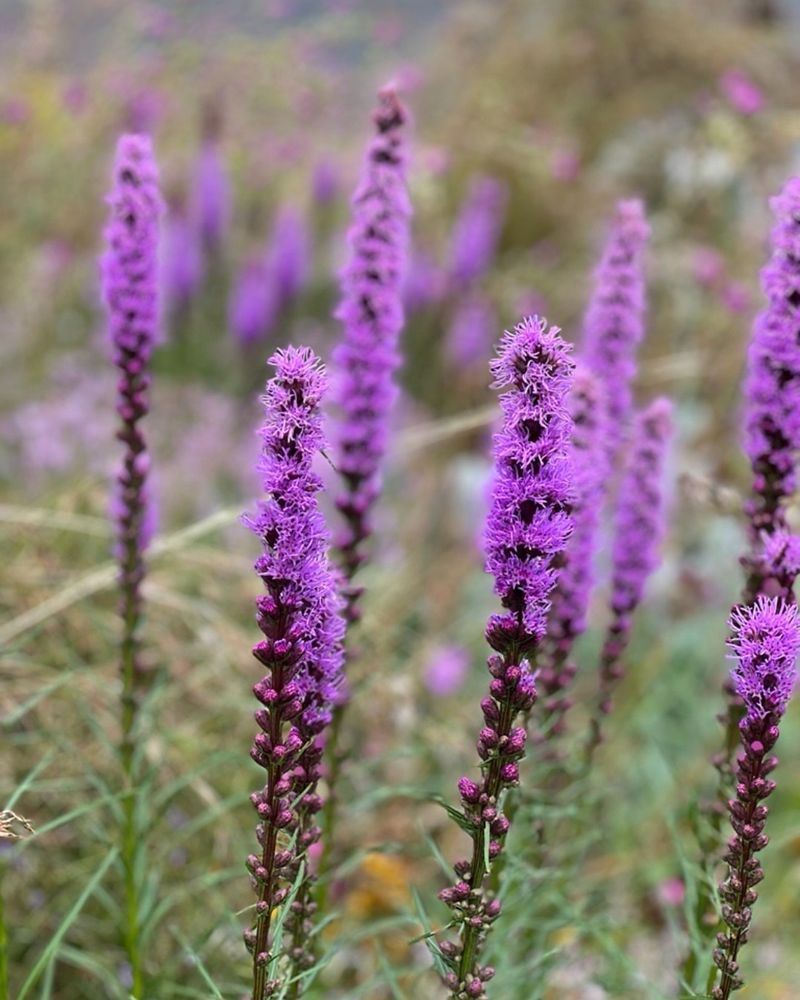
Few native perennials make as dramatic a statement as blazing star. Tall purple spikes shoot up in midsummer and open from the top down, which is the opposite of most flowering plants.
Also called liatris, this plant grows from a corm-like structure underground that stores energy and moisture. That storage system is what makes it so tough during dry summer stretches.
Once established, it rarely needs supplemental watering unless drought conditions are truly severe.
Blazing star prefers well-drained soil and full sun. It handles poor, rocky, or sandy soil without complaint.
Rich, wet soil is where problems start, including root rot and floppy stems that fall over. If your garden has clay soil, amend with coarse sand or plant it in a raised bed to improve drainage.
Pollinators absolutely swarm these flowers. Bumblebees, butterflies, and hummingbirds all visit regularly when it’s in peak bloom.
Leaving the seed heads standing after bloom provides food for migrating birds in late summer and early fall. Clumps slowly expand year after year with almost no maintenance needed.
Dividing every four to five years keeps growth healthy and gives you extra plants. Spacing about twelve to fifteen inches apart works well in most sunny garden beds.
Removing spent flower spikes after blooming can also tidy the plant’s appearance and help redirect energy back into the root system for stronger growth the following season.