Stop Buying Seeds Every Spring, These 9 Flowers Return On Their Own In Oregon
Buying seed packets every spring can be fun, but it also adds up fast. Oregon gardeners have another option when they choose flowers that know how to come back on their own.
These plants can return through self seeding or reliable regrowth, depending on the type. That means a bed can feel fresh again without starting completely over.
The best part is the surprise. A flower may pop up near last year’s spot and make the garden feel a little more natural.
You still need the right plant for the right place, of course. Too much shade or soggy soil can change the results.
But once these flowers settle in, they can bring color back with far less effort each spring.
1. Sweet Peas Drop Seeds For A Surprise Spring Show
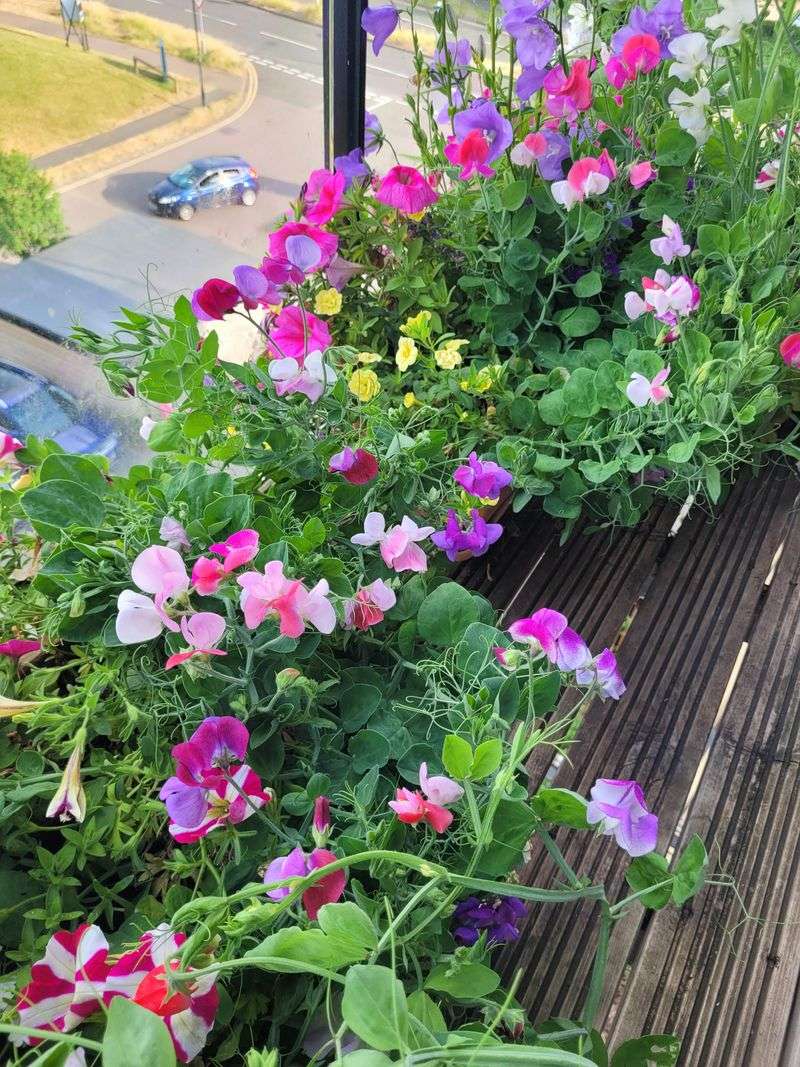
Few things beat the moment when sweet peas pop up in spring without you doing a single thing. These climbing flowers are famous for their sweet scent and soft, ruffled petals.
Gardeners in Oregon have been growing them for generations, and for good reason.
Sweet peas are annual flowers, but they self-seed so reliably that they behave almost like perennials. When the seed pods dry out at the end of summer, they split open and scatter seeds right into the soil below.
Those seeds sit quietly through winter and sprout when temperatures warm up in early spring.
To help them come back each year, let a few seed pods dry out completely on the vine before you clean up your garden beds. Do not pull the plants too early.
Give the pods time to turn brown and papery before removing the vines.
Sweet peas prefer cool weather, so they tend to bloom in late spring before the summer heat sets in. In cooler parts of the state, they may bloom even longer.
Plant them near a fence, trellis, or arbor so they have something to climb as they grow.
One fun fact: sweet peas were a favorite of Gregor Mendel, the scientist who discovered how genetics works. He used them in his famous experiments.
That makes this cheerful garden flower a small piece of science history too.
2. Borage Reseeds Where Bees Keep Visiting
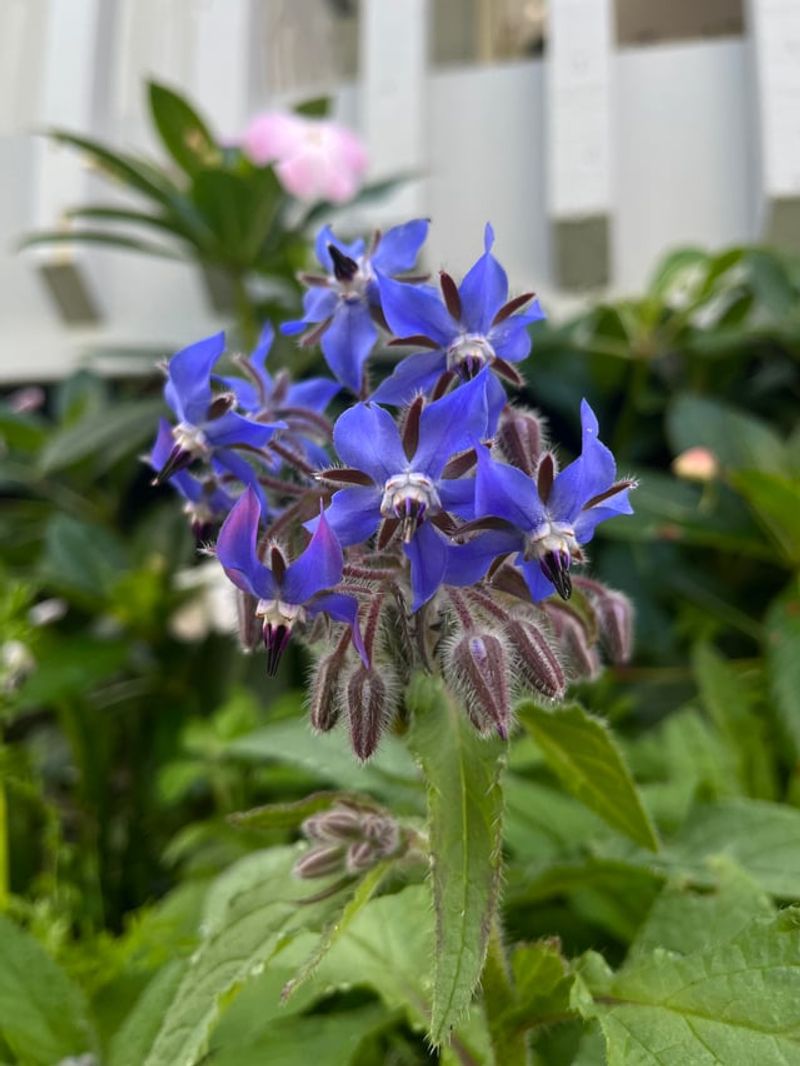
Borage is one of those plants that acts like it owns the garden, and honestly, that is part of its charm. Once you grow it once, you will likely never need to plant it again.
It drops seeds freely, and those seeds come up reliably every spring.
The flowers are a stunning shade of bright blue, which is actually rare in the flower world. Bees absolutely love them.
If you want to attract pollinators to your vegetable garden, planting borage nearby is one of the smartest moves you can make.
Beyond its beauty, borage is also edible. The flowers can be added to salads, frozen into ice cubes, or used to decorate cakes.
The leaves have a mild cucumber-like flavor and can be used in drinks or cooked dishes. It is a flower that pulls double duty in the garden.
Your Oregon Garden Changes Every Week. Your Plan Should Too.
Gardening in Oregon changes quickly throughout the season. Every Friday you’ll receive a simple weekly plan showing exactly what to plant, prune, fertilize, harvest, and protect so you never miss the right timing.
Borage grows fast and can reach two to three feet tall in a single season. It does best in full sun and well-drained soil.
In Oregon, it tends to reseed most successfully in the warmer, drier inland areas, though it grows well in many regions.
To manage the spread, simply pull up any seedlings that come up in spots you do not want them. They transplant easily when young, so you can move them around your garden without much trouble at all.
3. Sunflowers Return If Birds Leave A Few Seeds
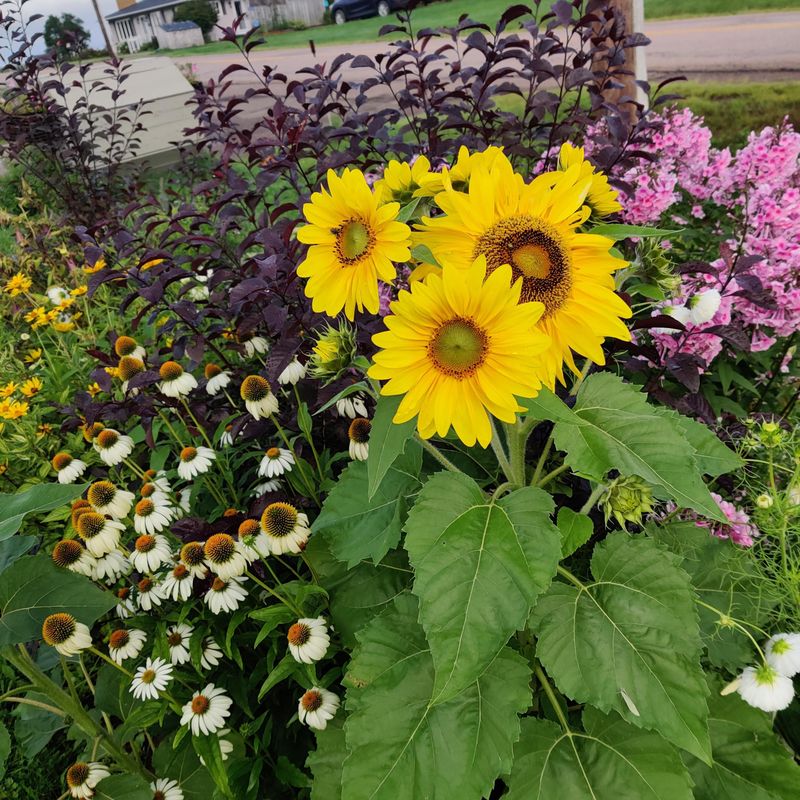
Sunflowers and birds have a partnership that gardeners can take advantage of every single year. Birds love eating sunflower seeds, but they are messy eaters.
They drop seeds on the ground, and some of those seeds sprout into new plants the following spring.
If you want sunflowers to come back on their own, the trick is to leave a few flower heads on the stalks at the end of the season. Let the birds visit, but do not harvest every single head.
Some seeds will fall naturally and work their way into the soil.
Sunflowers grow best in full sun and loose, well-drained soil. They are drought-tolerant once established, which makes them a great choice for the drier eastern parts of our state.
In wetter western regions, make sure the soil does not stay waterlogged, as that can prevent seeds from sprouting.
The sunflowers that come back from dropped seeds may not look exactly like the parent plant if you grew a hybrid variety. Open-pollinated or heirloom varieties are much more likely to produce offspring that look the same.
Look for varieties labeled as open-pollinated when buying seeds for the first time.
Sunflowers also improve the soil as they break down after the season ends. Their deep roots help loosen compacted ground, which benefits whatever you plant nearby the following year. They are hard workers even after the blooms are gone.
4. Larkspur Comes Back In Cool Cottage Beds
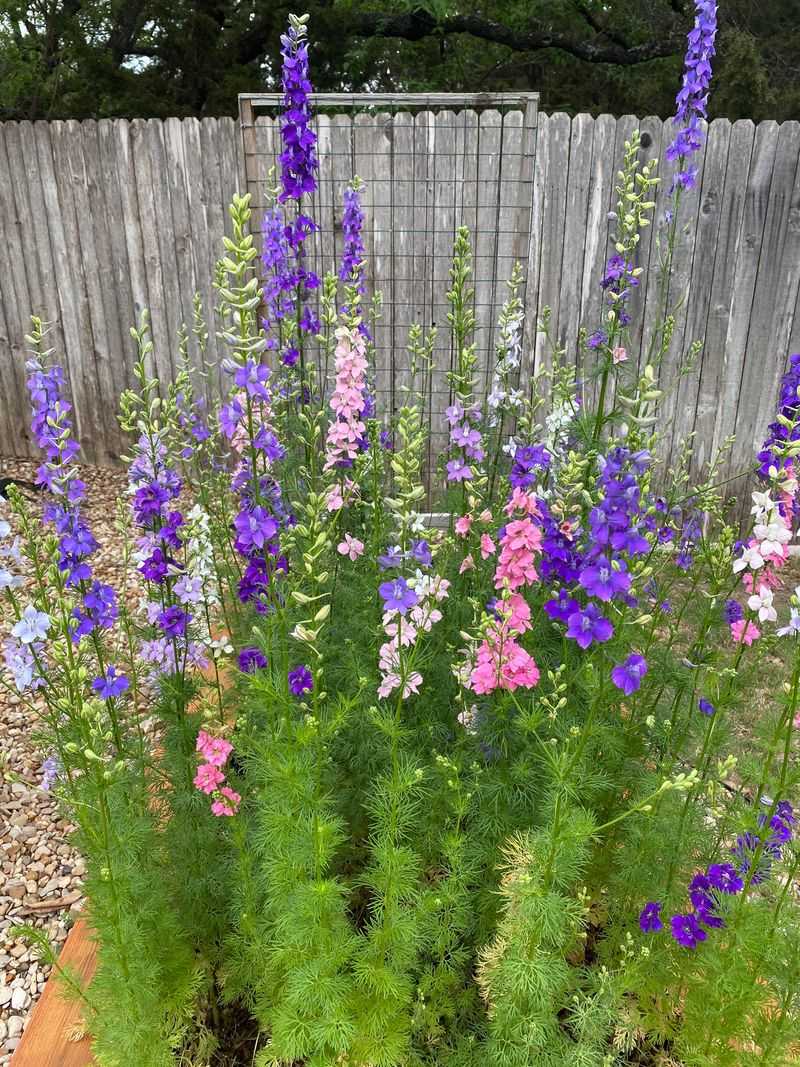
Larkspur has a certain old-fashioned elegance that makes it feel like it belongs in a storybook garden. The tall spikes covered in delicate blooms come in shades of purple, pink, blue, and white.
It is a classic cottage garden flower that has been grown in American yards for over a hundred years.
What makes larkspur especially useful in our state is that it thrives in cool weather. It actually needs a cold period to germinate well, which means our wet winters are a big advantage.
Seeds that fall in autumn go through a natural chilling process and sprout when spring arrives.
To get the best results, scatter seeds in fall and let nature handle the rest. Larkspur does not like to be transplanted, so it is best to let it come up where the seeds fall.
Thin the seedlings a little if they come up too thick, but otherwise leave them alone.
Larkspur grows best in well-drained soil with good sun exposure. It does especially well in the Willamette Valley and other areas with mild winters.
In regions with heavier clay soil, adding some compost can help seeds sprout more successfully.
One important note: larkspur is toxic if eaten, so keep it away from areas where small children or pets play.
Despite that, it is an excellent cut flower and a wonderful addition to any cottage-style garden bed in our state.
5. Garden Poppies Scatter Seeds For Next Year
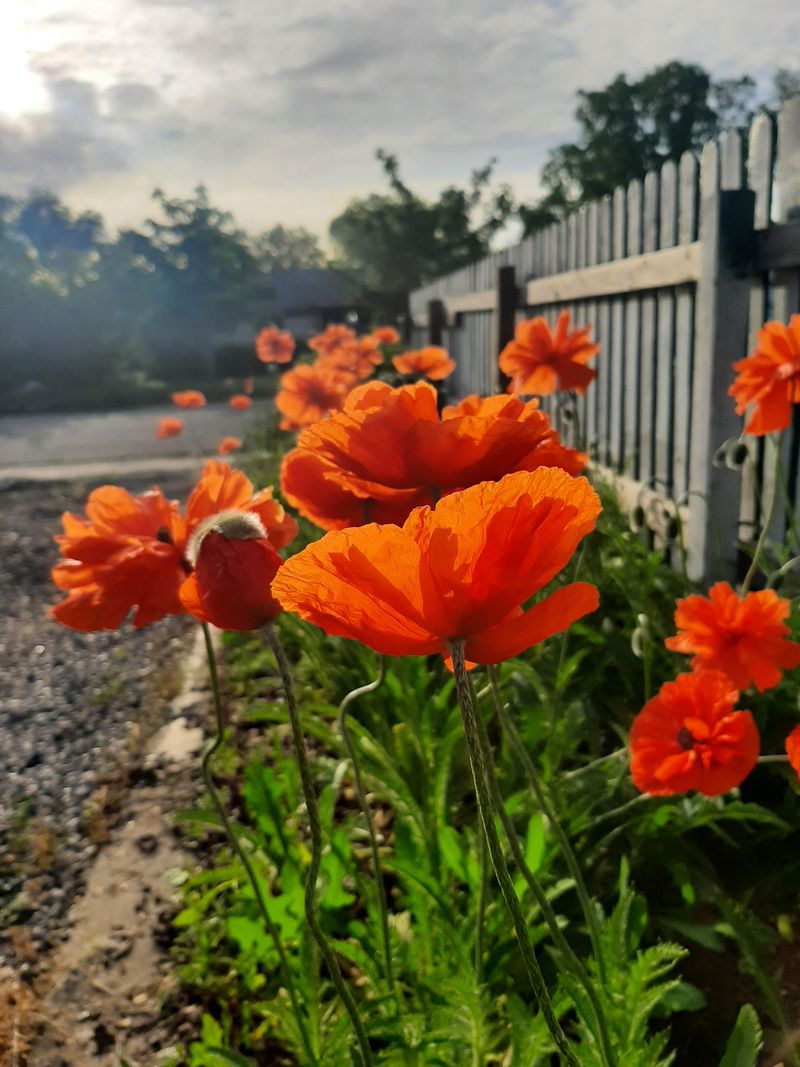
Garden poppies are practically built to reseed themselves. Their seed pods act like tiny salt shakers, with small holes at the top that let seeds spill out as the pod sways in the breeze.
It is one of nature’s most efficient seed-spreading systems, and it works beautifully in home gardens.
Shirley poppies and Iceland poppies are two popular types that reseed well in our state. Both prefer cool weather and moist soil, which means they tend to bloom in late spring and early summer before temperatures climb.
In cooler coastal areas, they may bloom even longer into the season.
The key to getting poppies to return is leaving the seed pods on the plant after the petals fall. Let them dry out fully before you cut them back.
If you cut them too early, the seeds will not have matured enough to sprout the following year.
Poppies prefer to be direct-seeded rather than transplanted. They do not like having their roots disturbed.
If you want to move them, it is best to scatter seeds in a new spot rather than trying to dig up and move established plants.
The blooms are absolutely worth the wait. Papery petals in shades of orange, pink, red, and white catch the morning light in a way that few other flowers can match.
Once poppies find a spot they like in your garden, they tend to come back faithfully year after year.
6. Flanders Poppies Bring Back Red Blooms Naturally
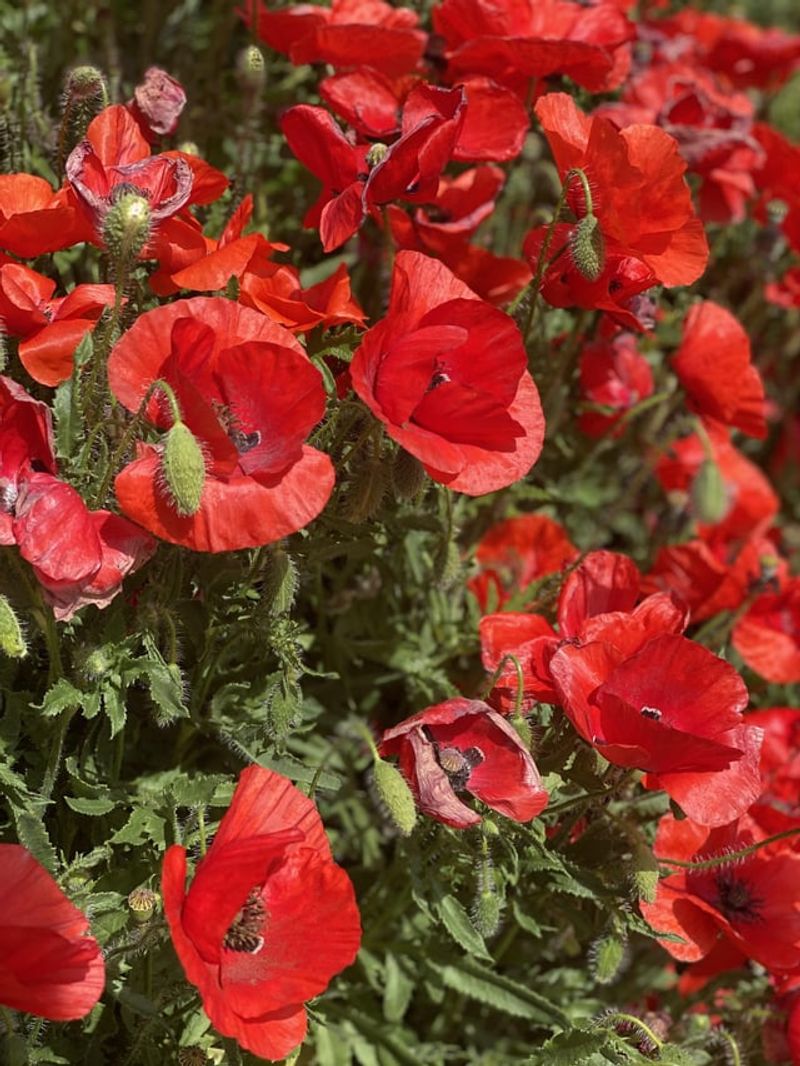
There is something deeply stirring about a field of red Flanders poppies. These bright, tissue-paper-thin blooms have carried meaning for over a century, tied to remembrance and resilience.
In a Oregon home garden setting, they bring that same bold energy to any planting space.
Flanders poppies, also called corn poppies, are excellent self-seeders. Once established, they tend to return on their own each year with very little help.
The plants scatter thousands of tiny seeds that stay dormant in the soil and sprout when conditions are right in spring.
These poppies love disturbed soil, which is why they historically grew in fields that had been turned over. In the garden, lightly raking the soil in fall can help expose the seedbed and encourage germination.
They do best in full sun and do not need rich soil to thrive.
In Oregon, Flanders poppies perform especially well in drier, sunnier regions. They can also do well in western parts of the state if given good drainage.
Soggy winter soil is their biggest challenge, so raised beds or slopes are a smart choice in wetter areas.
Unlike some self-seeders that can become weedy, Flanders poppies tend to stay manageable. They are easy to pull if they come up somewhere you do not want them.
Grow them in drifts for the most dramatic display, and let them naturalize along garden edges or pathways.
7. Clarkia Reseeds In Sunny Oregon Borders
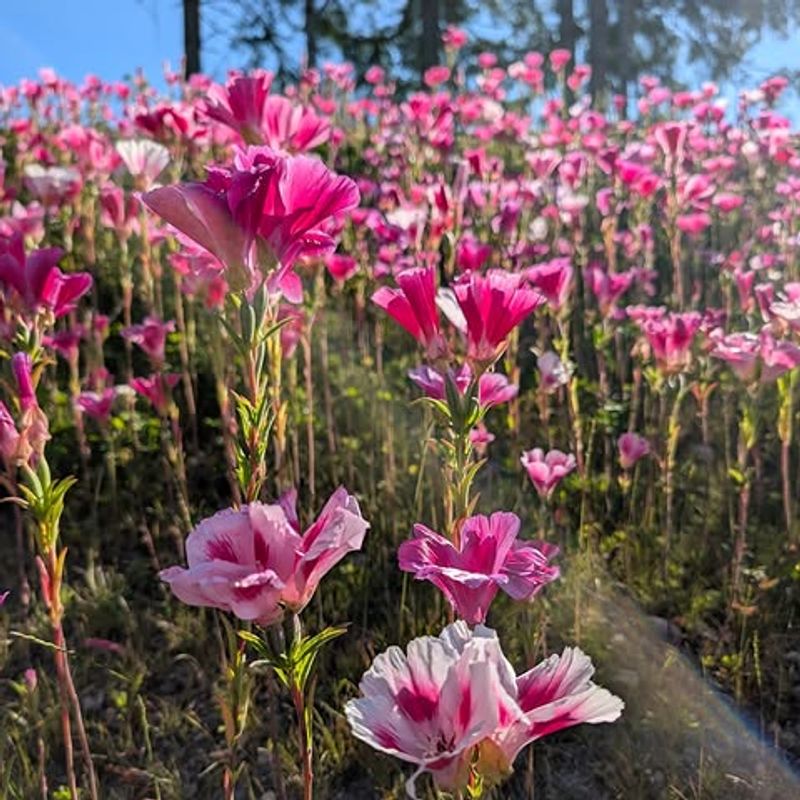
Clarkia is a true Pacific Northwest native, and that means it is perfectly suited to our state’s climate.
Named after explorer William Clark of the Lewis and Clark Expedition, this flower has deep roots in the region’s history.
It grows wild in meadows and open hillsides across the Pacific Northwest.
In the garden, Clarkia is a reliable self-seeder that comes back year after year without much fuss. The seeds are tiny and light, and they scatter easily when the seed pods dry out.
Once you have a patch going, it tends to maintain itself with very little effort on your part.
Clarkia prefers full sun and well-drained, slightly dry soil. It actually does better in leaner soil than in rich, heavily amended beds.
Too much fertilizer can cause lots of leafy growth at the expense of flowers, so hold back on the compost in beds where you want Clarkia to shine.
The blooms come in shades of pink, lavender, purple, and white. They have a delicate, ruffled look that adds a soft, cottage-garden feel to any border.
Clarkia blooms in late spring to early summer, bridging the gap between spring bulbs and summer perennials beautifully.
To encourage reseeding, let the plants go to seed fully before removing spent stems. A light scatter of seeds along a sunny border in fall can also help establish new patches in spots where you want more coverage next season.
8. Petunias May Return In Mild Garden Pockets
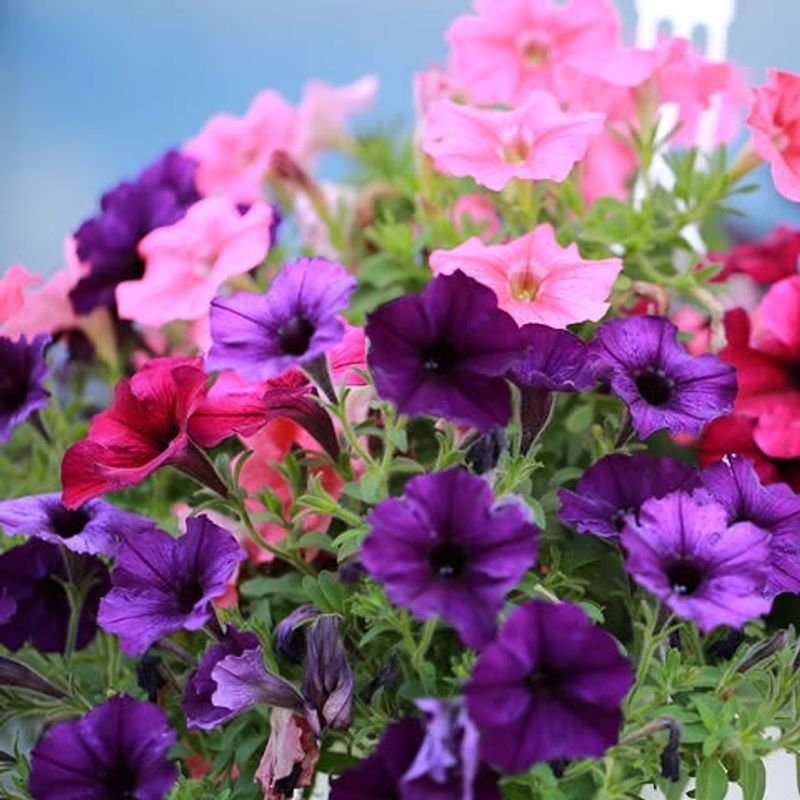
Most Oregon gardeners think of petunias as annuals that need to be replanted every single year. That is mostly true, but in the milder parts of our state, petunias can surprise you by coming back on their own.
In sheltered spots along the coast or in the warmer valleys, they sometimes reseed themselves without any help at all.
Wild-type or older heirloom petunia varieties are the most likely to reseed successfully. Modern hybrid petunias, especially the wave types, are often sterile and will not produce viable seeds.
If you want petunias that come back, look for open-pollinated varieties when shopping for seeds or transplants.
The seedlings that come up from dropped seeds may look slightly different from the parent plant. Colors can shift or mix when petunias cross-pollinate with each other.
Some gardeners love this surprise element, while others prefer to stick with consistent colors by replanting each year.
Petunias grow best in full sun with well-drained soil. They do not like cold, wet conditions, which is why reseeding works better in the milder, more sheltered microclimates of our state.
A south-facing wall or a raised bed can create just enough warmth to help seeds survive the winter.
Even if your petunias do not come back every year, they are still one of the longest-blooming flowers you can grow. They put on a show from late spring all the way through fall, making them well worth planting even as annuals.
9. Bachelor’s Buttons Pop Up In Cool Spring Soil
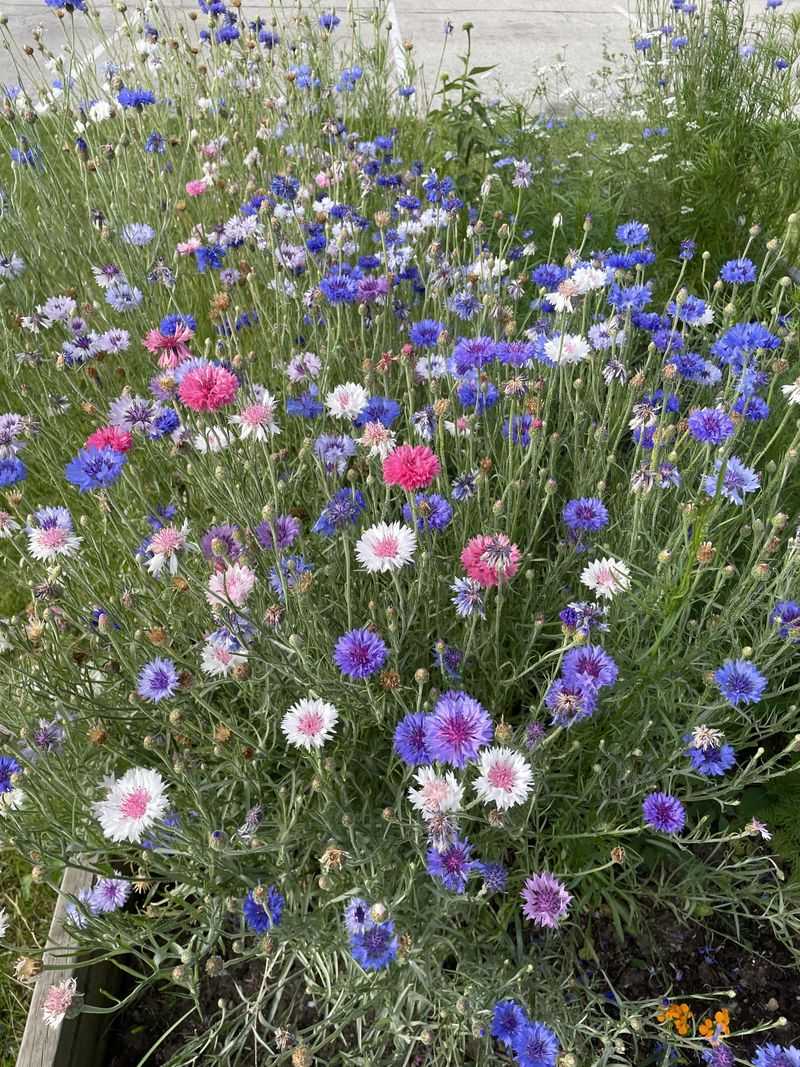
Bachelor’s buttons, also called cornflowers, have been growing in gardens and wild fields for centuries. That deep, electric blue color is one of the most vivid you will ever find in a garden flower.
They are cheerful, easy-going, and wonderfully well-suited to our state’s cool spring weather.
These flowers are champion self-seeders. Once you grow them for a season, you can expect them to pop up on their own every spring without replanting.
The seeds are tough enough to survive cold winters and sprout reliably when soil temperatures begin to warm up in early spring.
Bachelor’s buttons prefer cool temperatures and do not love intense summer heat. In warmer inland areas, they tend to bloom in spring and then fade as summer heats up.
In cooler coastal and northern Oregon regions, they can keep blooming well into summer, putting on an extended show.
They grow best in full sun and well-drained soil. One of their best qualities is that they are very drought-tolerant once established.
They do not need a lot of watering or feeding, which makes them one of the easiest flowers to maintain in a busy garden.
To keep bachelor’s buttons coming back strong, let some of the flower heads go to seed before deadheading.
You do not need to save every single seed head, but leaving a few on the plant gives next year’s crop a head start. They also make beautiful, long-lasting cut flowers for fresh bouquets.