The Month-By-Month Berry Picking Calendar Oregon Gardeners Need
Berry season in Oregon can feel like a treasure hunt spread across the year. One month brings the first sweet handfuls, and another fills baskets faster than you expected.
The fun part is knowing what is likely to ripen next, so you do not miss the best window. Weather can shift the timing a little, especially in cooler valleys or warmer garden spots.
Still, a month by month plan gives gardeners a helpful rhythm. It makes harvest season feel less like guesswork and more like something you can look forward to.
The right calendar can also help you plan around pruning, watering, and planting. Once you know when each berry usually peaks, your garden becomes easier to enjoy at exactly the right time.
1. May Starts With The First Strawberries
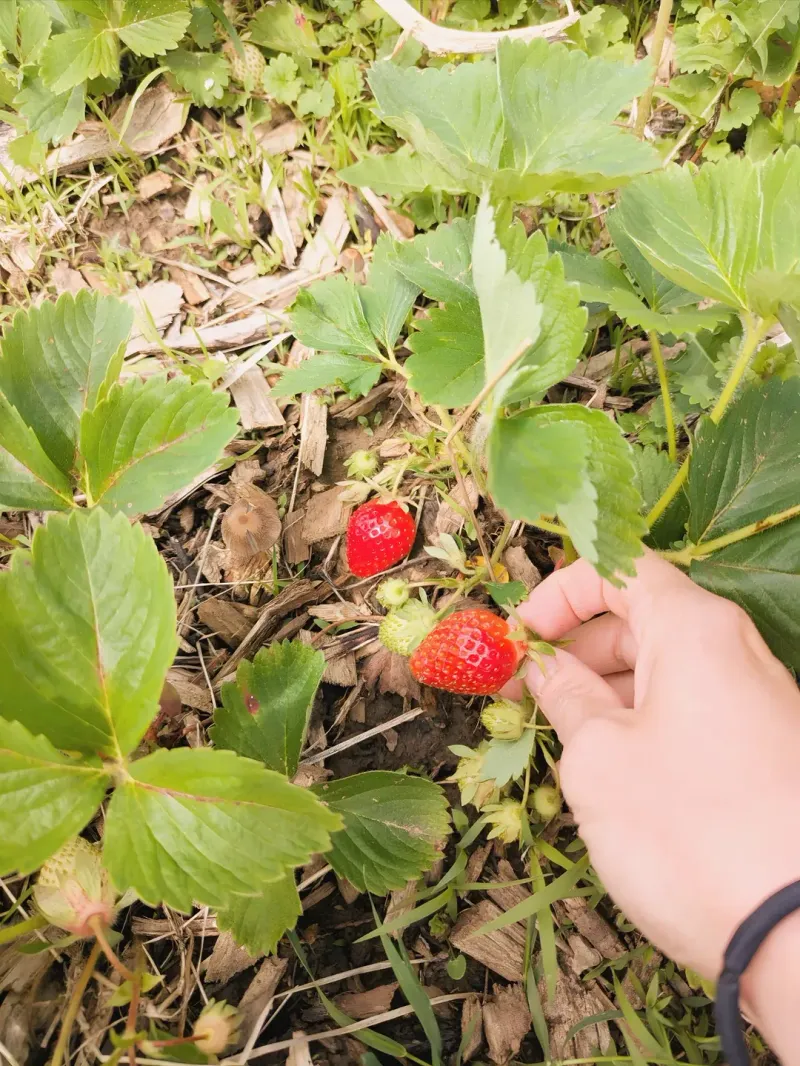
Something almost magical happens in a garden when the first strawberries of the year start turning red. May is the month when early-ripening strawberry varieties finally deliver on all that spring promise.
Oregon gardeners who planted varieties like Hood or Totem are often the first to celebrate.
Hood strawberries are especially beloved in Oregon. They ripen fast, taste incredibly sweet, and have a soft texture that makes them perfect for jam.
Because they are so soft, they do not ship well, which is why homegrown ones taste so much better than store-bought.
Early May harvests depend on how warm the spring has been. A warmer-than-usual April can push harvest dates earlier by a week or two.
Cooler springs may delay things slightly, so keep a close eye on your plants rather than relying only on the calendar.
Strawberries need well-drained soil and full sun to produce their best fruit. Make sure you are checking plants every day once berries start showing color.
Leaving ripe strawberries on the vine too long can attract slugs, birds, and mold, all of which can ruin a harvest quickly.
Picking in the morning when berries are cool helps them last longer after harvest. Store freshly picked strawberries in the refrigerator and try to use them within two to three days for peak flavor and freshness.
2. June Brings Peak Oregon Strawberry Season
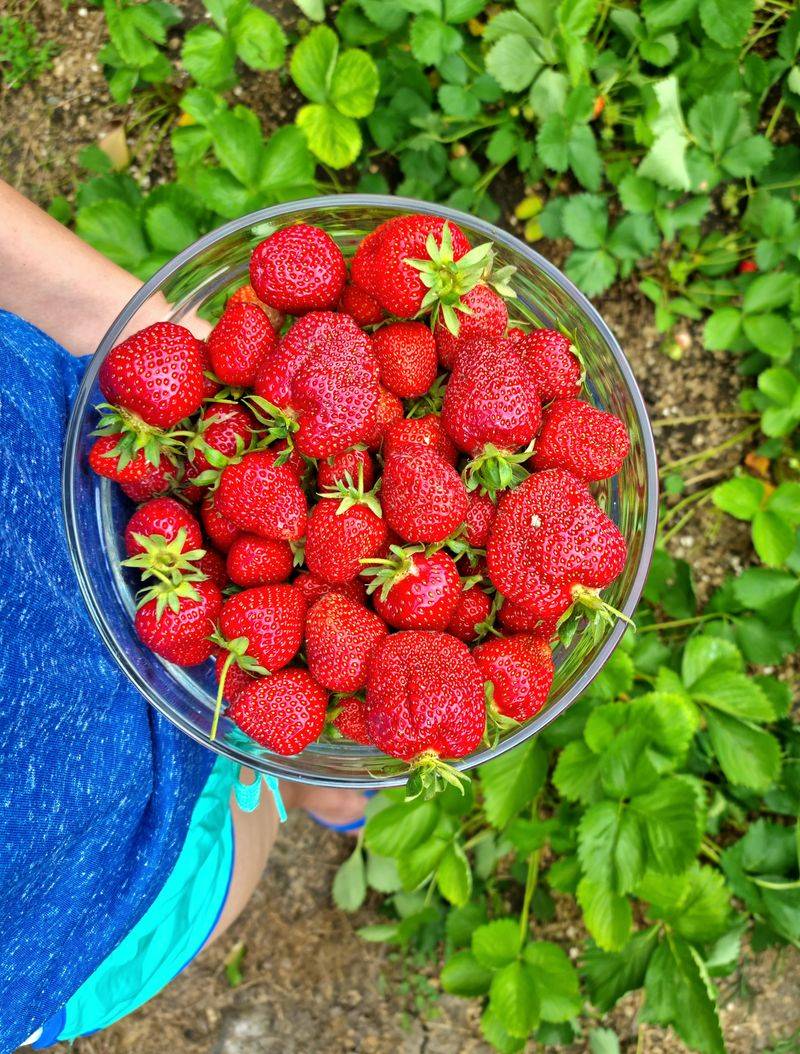
By June, strawberry season shifts into full gear across much of Oregon. Mid-season and late-season varieties hit their stride, producing heavy crops that can keep a family well-supplied for weeks.
This is the time when many gardeners freeze berries, make jam, and share extras with neighbors.
Varieties like Seascape and Albion continue producing well into summer, giving gardeners a longer window than older single-crop types. These ever-bearing types are worth planting if you want strawberries beyond just a few weeks in spring.
June also brings warmer temperatures, which speed up ripening. Checking plants daily becomes even more important now.
Berries can go from pale pink to fully ripe in just one or two days when the sun is strong and temperatures climb into the seventies.
Watering consistently is key during this month. Irregular watering can lead to misshapen or cracked fruit.
Drip irrigation works best because it keeps moisture at the root level without wetting the berries themselves, which reduces the risk of mold and rot.
Your Oregon Garden Changes Every Week. Your Plan Should Too.
Gardening in Oregon changes quickly throughout the season. Every Friday you’ll receive a simple weekly plan showing exactly what to plant, prune, fertilize, harvest, and protect so you never miss the right timing.
Mulching around strawberry plants helps retain soil moisture and keeps fruit off the ground. Straw is a classic choice that also gives the plant its name.
A few simple steps taken now can dramatically improve both the quantity and quality of your June harvest, making all that spring preparation feel completely worth it.
3. Late June Starts The Raspberry Window
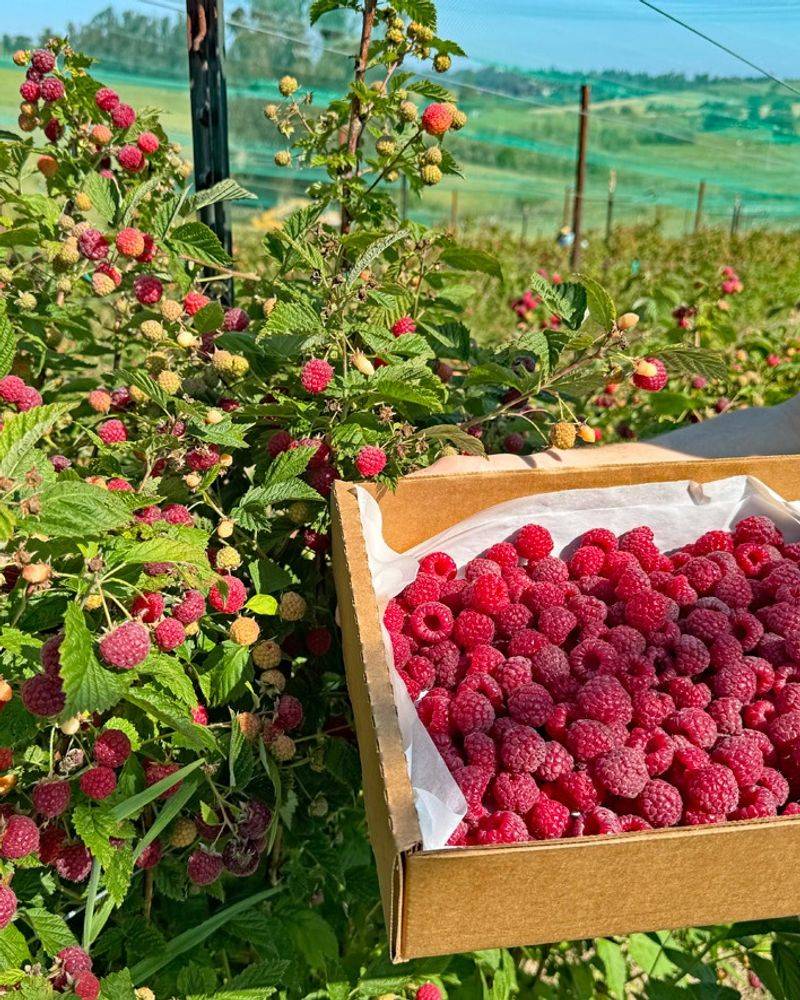
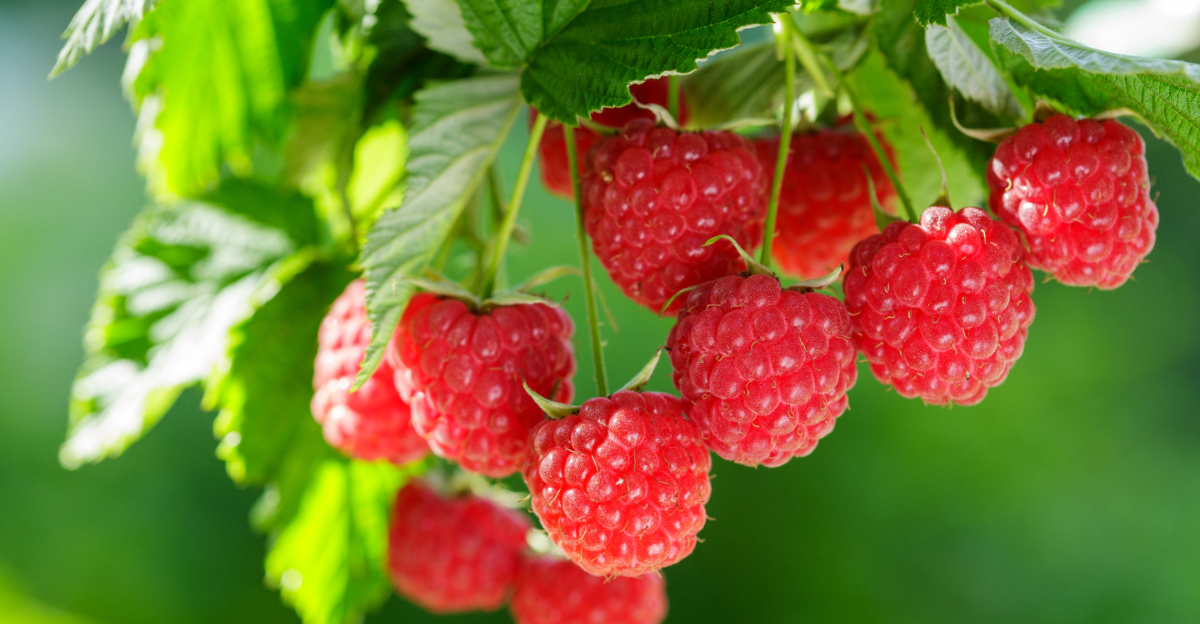
Right around the time strawberry season starts winding down, raspberries step in to keep the berry bowl full. Late June marks the beginning of summer raspberry season for most gardeners in Oregon.
It is a welcome transition that keeps the harvest momentum going strong.
Summer-bearing raspberries like Willamette and Meeker are top choices here. They produce one big crop in late June and early July, making them ideal for preserving.
Willamette raspberries have a deep red color and bold flavor that holds up beautifully in jams and baked goods.
Raspberries prefer slightly acidic, well-drained soil. Raised beds work especially well in areas where the ground stays wet in spring.
Good drainage prevents root problems that can weaken canes and reduce yields significantly over time.
Canes should be supported with a simple trellis system to keep fruit off the ground and improve air circulation. Better airflow means fewer fungal problems, which is a common issue in our state’s often-moist climate.
Tying canes loosely to wires keeps them upright without damaging the plant.
Harvest raspberries gently by cupping each berry and pulling with light pressure. A ripe raspberry releases easily from the stem.
If you have to tug hard, give it another day. Freshly picked raspberries are fragile, so handle them carefully and refrigerate right away to preserve their bright flavor and beautiful texture.
4. July Is Prime Time For Blueberries
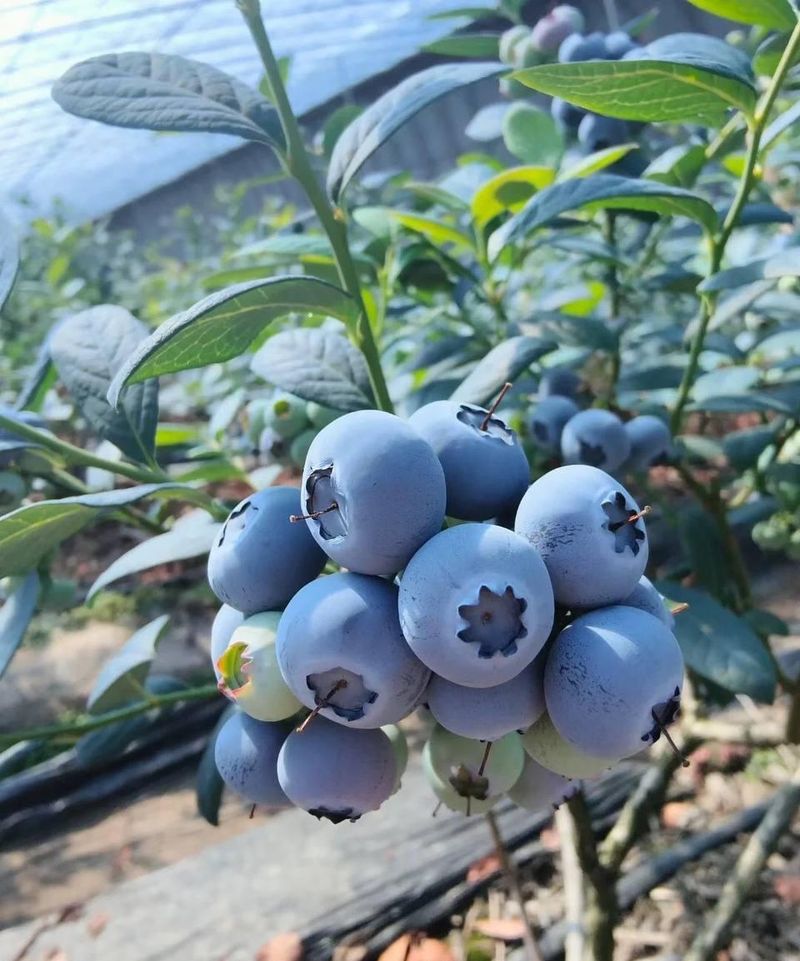
Few berries are as universally loved as the blueberry, and July is when they truly shine in Oregon. Bushes that were carefully planted and tended through spring now reward gardeners with clusters of plump, sweet fruit.
It is one of the most satisfying moments in the berry-growing calendar.
Blueberries need acidic soil with a pH between 4.5 and 5.5. If your soil is not naturally acidic, amending it with sulfur or peat moss before planting is essential.
Without the right pH, plants struggle to absorb nutrients properly and fruit production drops off sharply.
Popular varieties for our region include Bluecrop, Duke, and Elliott. Planting two or more varieties improves cross-pollination, which leads to larger berries and bigger harvests.
Even self-pollinating varieties tend to do better with a neighbor nearby.
Blueberries ripen gradually, so you will not pick the whole bush at once. Check plants every few days and harvest only the berries that are fully blue with no red or green tinge near the stem.
Ripe blueberries have a slightly waxy coating called a bloom, which is a natural sign of freshness.
Birds absolutely love blueberries, so netting your bushes before fruit starts coloring is a smart move. A simple frame draped with bird netting can save your entire crop.
Store harvested blueberries unwashed in the refrigerator and rinse them just before eating for the best results.
5. July Also Brings Marionberries And Boysenberries
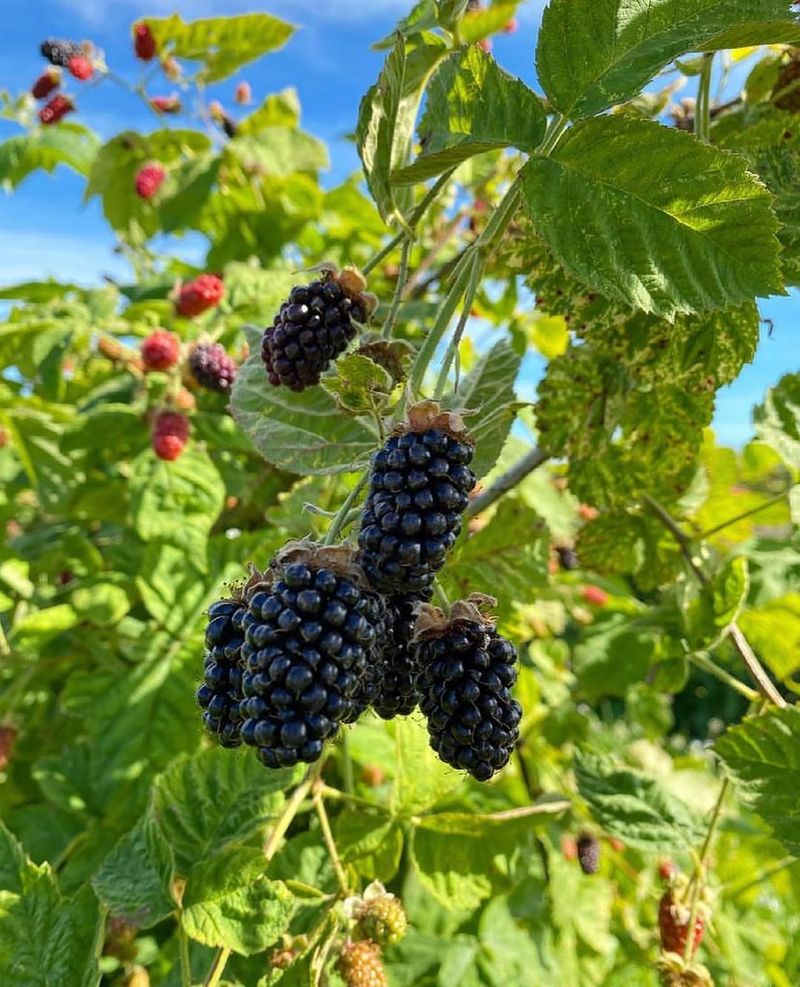
July doubles the excitement for berry growers because it also delivers two of the most uniquely Pacific Northwest fruits around. Marionberries and boysenberries both ripen in mid to late July, and both are worth growing if you have the space for their vigorous, sprawling canes.
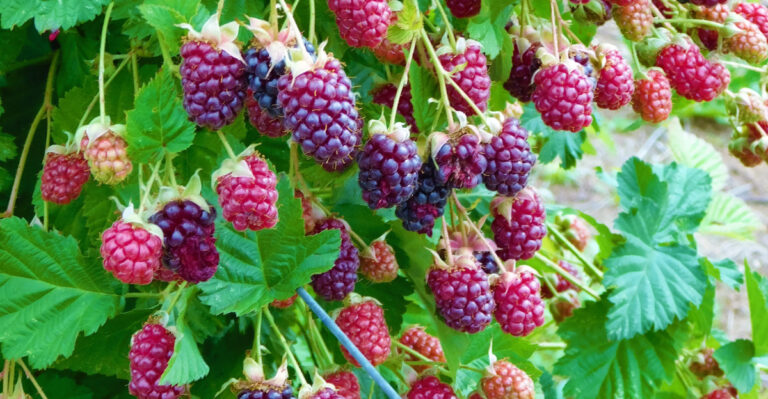
The marionberry was developed right here in Oregon and named after Marion County. It is a cross between Chehalem and Olallie blackberries, and it has a rich, complex flavor that is both sweet and slightly tart.
Many people consider it the finest blackberry variety ever bred, and it is hard to argue with that reputation.
Boysenberries are larger and a bit softer than marionberries. They have a deep burgundy color and a flavor that blends raspberry, blackberry, and loganberry into something truly special.
They are excellent fresh but also freeze and bake beautifully.
Both plants need sturdy trellising because their canes grow long and heavy. Training canes along a fence or wire system makes harvesting much easier and keeps the fruit clean and accessible.
Canes that sprawl on the ground tend to produce less fruit and attract more pests.
Wear long sleeves and gloves when harvesting because the canes are thorny. Pick berries when they are fully dark and release easily from the stem.
A berry that holds on tight is not quite ready. Harvest every two to three days to catch fruit at peak ripeness before it softens too much.
6. August Is Blackberry Season Across Oregon
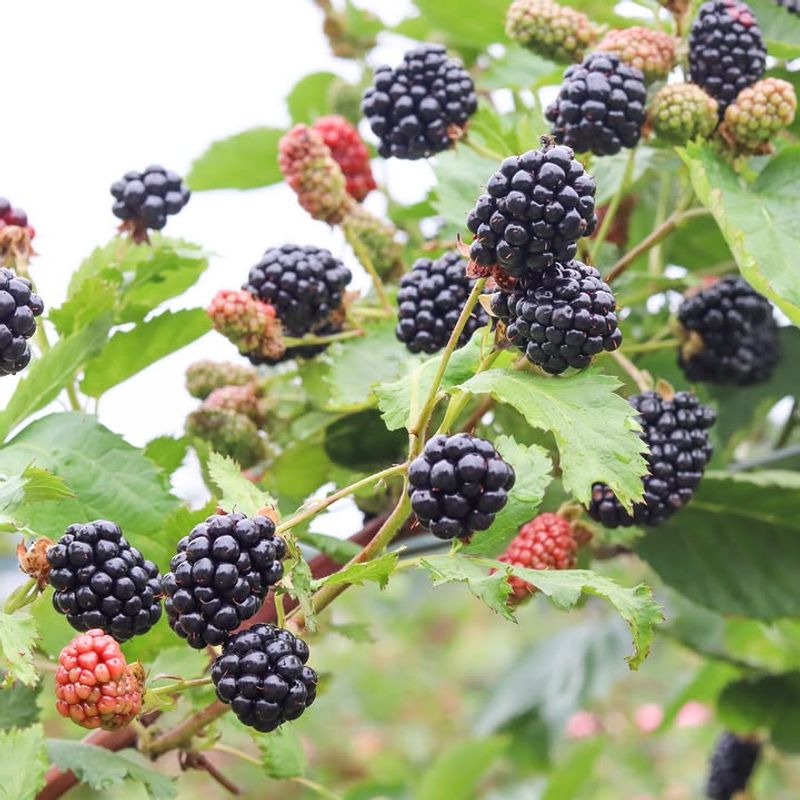
August belongs to blackberries, plain and simple. All across Oregon, both wild and cultivated varieties burst into full production during this month.
Roadsides, fence lines, and backyards overflow with clusters of shiny black fruit just waiting to be picked.
Wild trailing blackberries are native to this region and have a smaller, more intensely flavored berry than cultivated types. They take more effort to harvest because of their thorny, ground-hugging canes, but many people swear the flavor is worth every scratch.
Picking wild blackberries is a beloved summer tradition for many families here.
In the garden, cultivated varieties like Chester and Triple Crown produce larger fruit with fewer seeds. Chester is particularly popular because it is thornless, making harvest much more comfortable.
Thornless varieties have come a long way in terms of flavor and are now genuinely delicious, not just convenient.
Blackberries are incredibly productive. A single well-established plant can produce several pounds of fruit in a season.
That abundance makes them perfect for freezing, since you can preserve a big batch quickly and enjoy them throughout winter in smoothies, cobblers, and sauces.
Pick blackberries when they are fully black and come off the cane with almost no resistance. A slight tug should do it.
Berries that are still red or have a firm feel need more time. Check plants every two days in August because ripe blackberries do not wait around long before they soften and drop.
7. Late Summer Keeps Fall Raspberries Coming
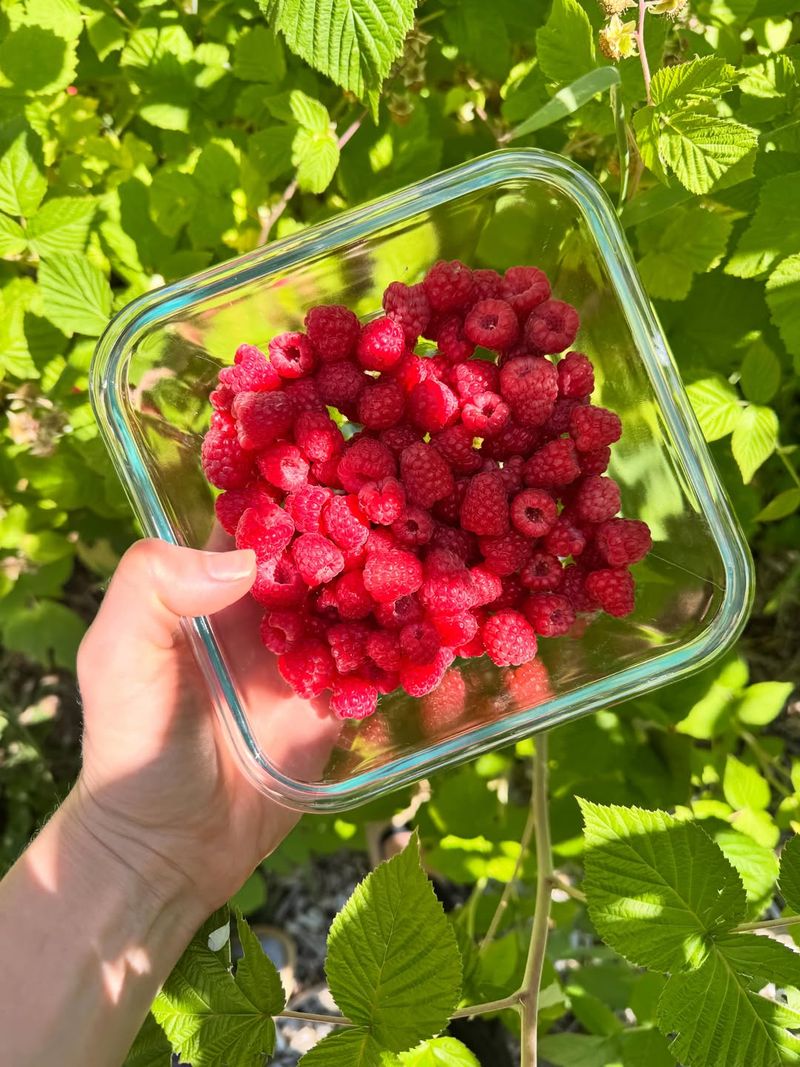
Just when you think raspberry season is over, fall-bearing varieties prove you wrong. Also called everbearing or primocane raspberries, these plants start producing a second crop in late August and keep going well into September.
It is one of the best surprises the berry calendar has to offer.
Varieties like Heritage and Caroline are excellent choices for fall production. Heritage is a classic that has been reliable for decades, while Caroline produces larger berries with a rich flavor.
Either one is a smart addition to a garden that already has summer-bearing canes.
Fall raspberries often taste even better than summer ones. Cooler temperatures slow the ripening process slightly, which allows more sugars to develop in the fruit.
The result is a berry that is sweeter, more fragrant, and often more complex in flavor than its summer counterpart.
Managing primocane raspberries is simple. You can cut the entire planting to the ground in late winter without worrying about losing next year’s crop.
New canes grow back in spring and produce fruit on their tips in fall. This approach keeps the patch tidy and easy to manage.
Harvest fall raspberries in the morning when temperatures are cool. This keeps the fruit firm and helps it last longer in the refrigerator.
Because fall weather can bring unexpected rain, check your canes often and pick ripe berries promptly to prevent mold from setting in on wet fruit.
8. September Is The Last Big Berry Month
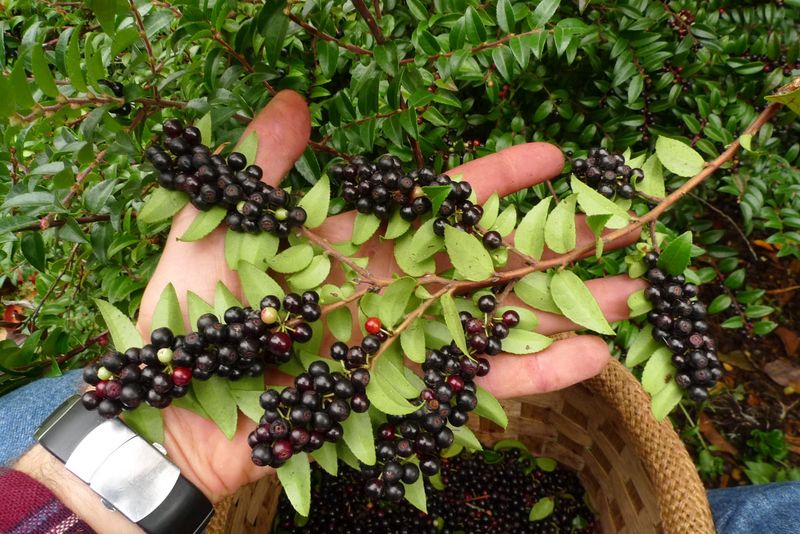
September wraps up the main berry season with a few final, rewarding harvests. While the big summer crops are winding down, several lesser-known berries hit their peak this month.
Huckleberries, lingonberries, and even some late-season blueberry varieties are all worth chasing in September.
Wild huckleberries are a true treasure of our state’s forests and mountain slopes. They ripen from late August through September depending on elevation.
Higher elevations tend to ripen later, so heading to the mountains in early September can reward you with buckets of small, intensely flavored berries.
Lingonberries are a great garden choice for September. They tolerate shade better than most berries, making them useful in spots where other plants struggle.
Their tart flavor is similar to cranberries, and they are excellent in sauces, baked goods, and preserves.
Late-season blueberry varieties like Elliott and Spartan continue producing into September in many parts of Oregon. If you planted a mix of early, mid, and late varieties, September can still bring a solid blueberry harvest even as other berries finish up for the year.
September is also a good time to take stock of your berry garden. Note which plants performed well, which struggled, and what changes you want to make before next season.
Ordering new plants or seeds now, while your observations are fresh, sets you up for an even better harvest next year. Good records make great gardens.
9. October Belongs To Late Elderberries And Rose Hips
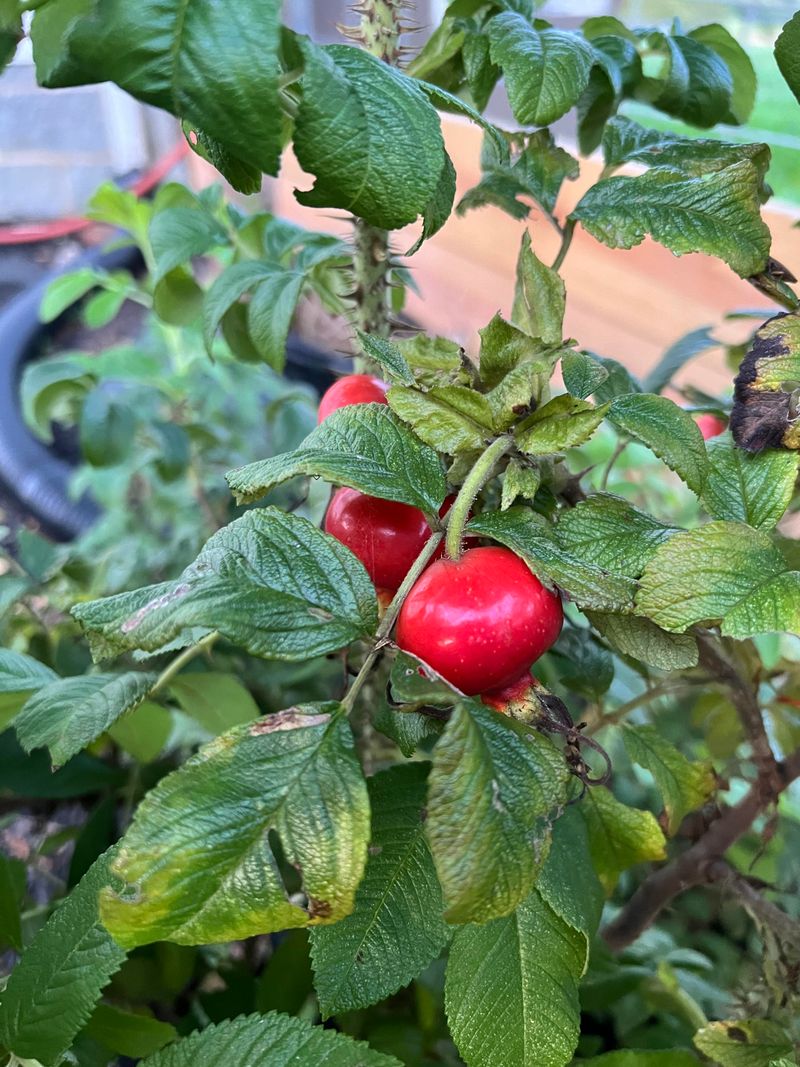
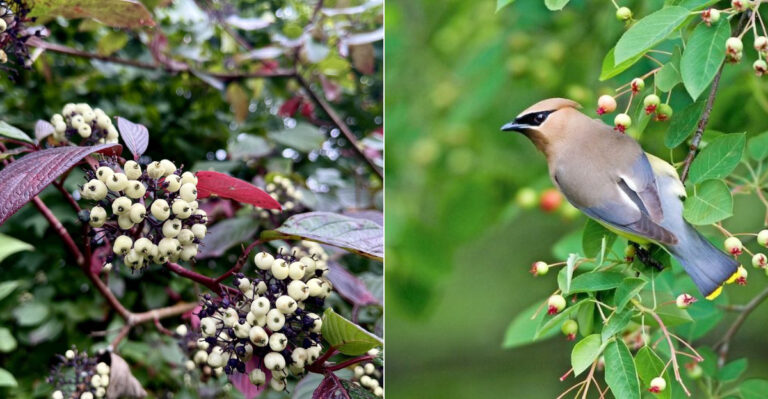
October might feel like the end of the line for berry season, but two remarkable plants save the best surprise for last. Elderberries and rose hips both peak in October, offering a final harvest that is as beautiful as it is useful.
Neither one is quite like anything else in the garden.
Elderberries grow in heavy clusters of tiny dark purple fruits that hang like grapes from arching branches. They are not great for eating raw, but cooked into syrup, jelly, or juice they are absolutely wonderful.
Many people use elderberry syrup as a natural wellness tonic during the fall and winter months.
Blue Elderberry is native to our region and grows vigorously with minimal care. It tolerates wet conditions that would stress other berry plants, making it a smart choice for low spots in the yard.
A mature elderberry shrub can produce impressive amounts of fruit each fall.
Rose hips are the fruit left behind after roses finish blooming. They are packed with vitamin C and have a tangy, slightly floral flavor.
The larger the rose hip, the easier it is to harvest and process. Rugosa roses produce some of the biggest and most flavorful hips available.
Harvest rose hips after the first light frost, which softens them slightly and improves their flavor. Use them to make tea, jelly, or syrup.
October harvests like these remind us that berry season in Oregon is truly a gift that lasts from the first warm days of May all the way to the cool, colorful weeks of fall.