How Iowa’s Coneflower Gets Showier Blooms Every Year Without Dividing
You head into the Iowa garden on a relentless August afternoon. The heat presses down on your shoulders.
Your body aches after two hours in the sun. You are ready to dig up every coneflower and start over.
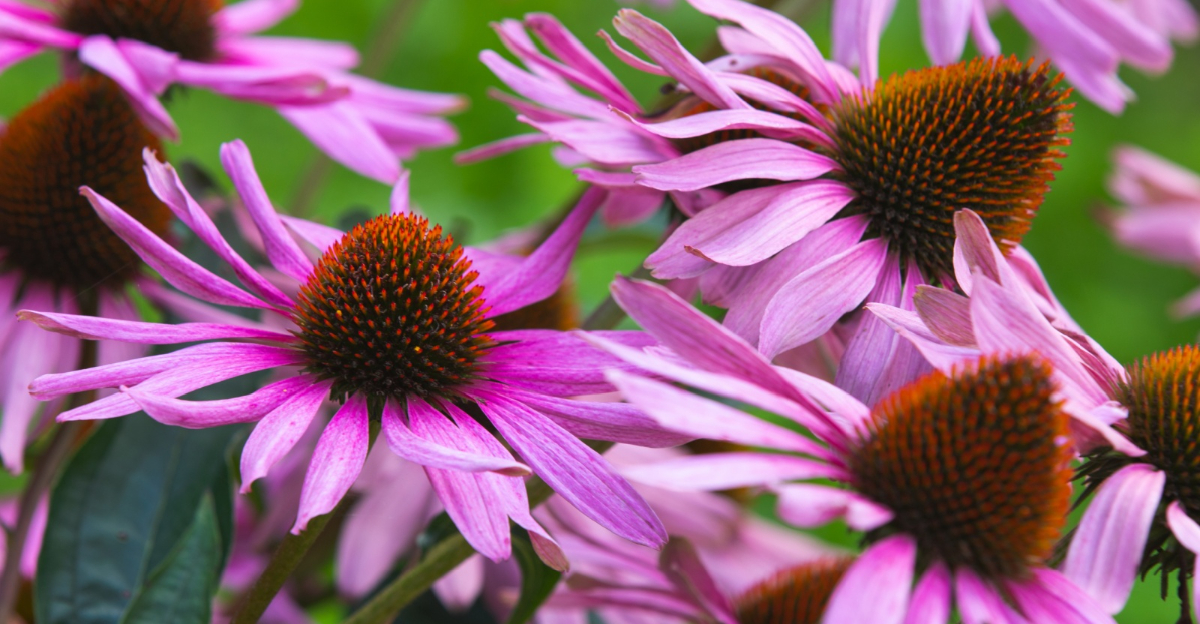
Then you stop. The blooms are purple, defiant, spectacular. You stare at them. You have done nothing to them all season.
Nothing. Yet there they are, thicker and showier than the year before, almost laughing at your worry.
Why do we assume wildflowers need saving? Iowa’s coneflower does not wait for your help.
It roots deep while you sleep, reseeds while you worry, and grows bolder the longer you leave it alone. Skip the shovel. This plant is about to make you look like a genius.
The Clump Naturally Expands Each Season
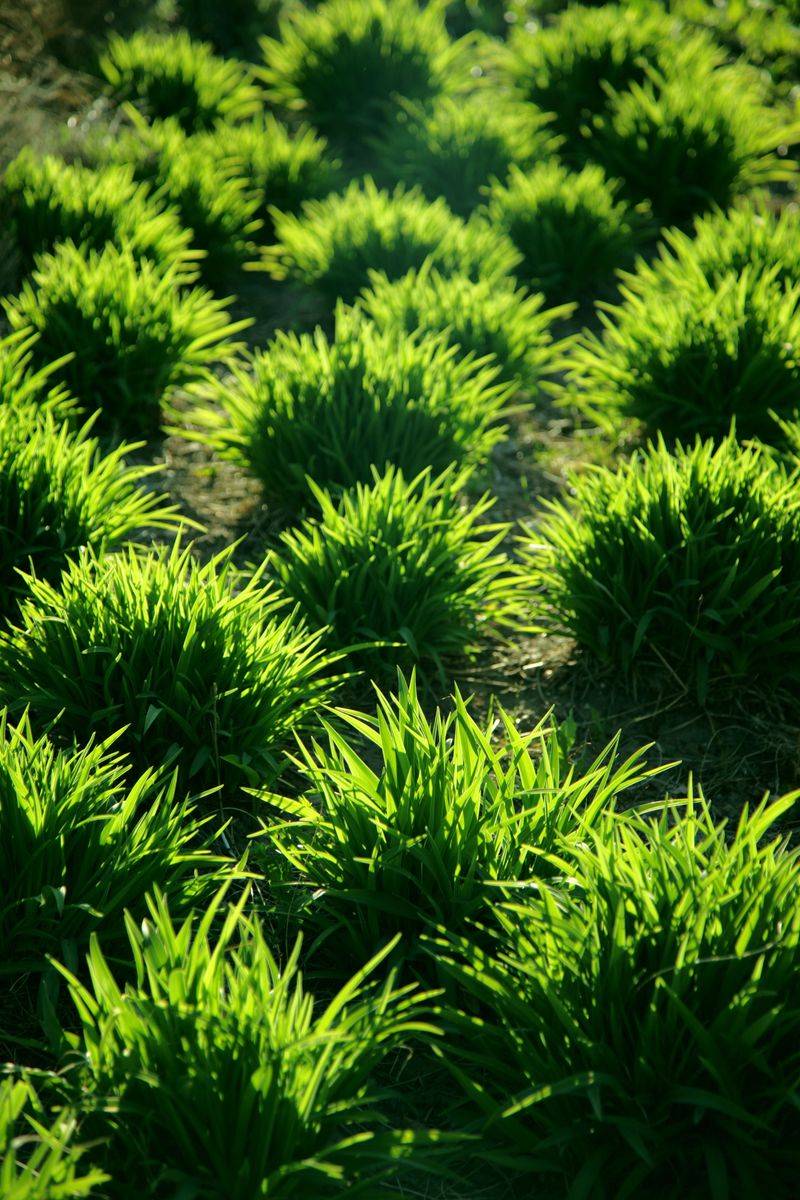
Year after year, something quietly remarkable happens underground. The coneflower’s root crown slowly spreads outward, adding new shoots without any help from you.
Each new shoot becomes a stem. Each stem brings more blooms to the surface. This natural expansion is not random growth.
The plant follows a pattern, pushing outward from the center while keeping its core strong and stable.
By year three, a single plant can look like a full colony. The clump fills in gradually, creating a lush, layered look that no freshly planted garden can fake.
Many gardeners panic when they see a crowded clump. They reach for the shovel, ready to divide, but that is often the wrong move. Coneflowers in Iowa’s climate are built for this kind of density.
The one exception is a clump older than eight or ten years with a visibly bare center. That one is ready for division.
The competition between shoots actually pushes the plant to perform better, not worse. Roots compete for resources, which triggers more energy toward flowering. The result is a clump that blooms harder with each passing season.
Left alone, the expanding clump also shades out weeds naturally. That means less maintenance for you and more room for the plant to shine.
Patience is the real gardening tool here. Give the clump space to do its thing, and it will reward you with a display that looks professionally planted.
The clump’s outward march is slow but steady. Trust the process, and the coneflower will handle the rest on its own terms.
Deeper Roots Fuel Bigger Blooms
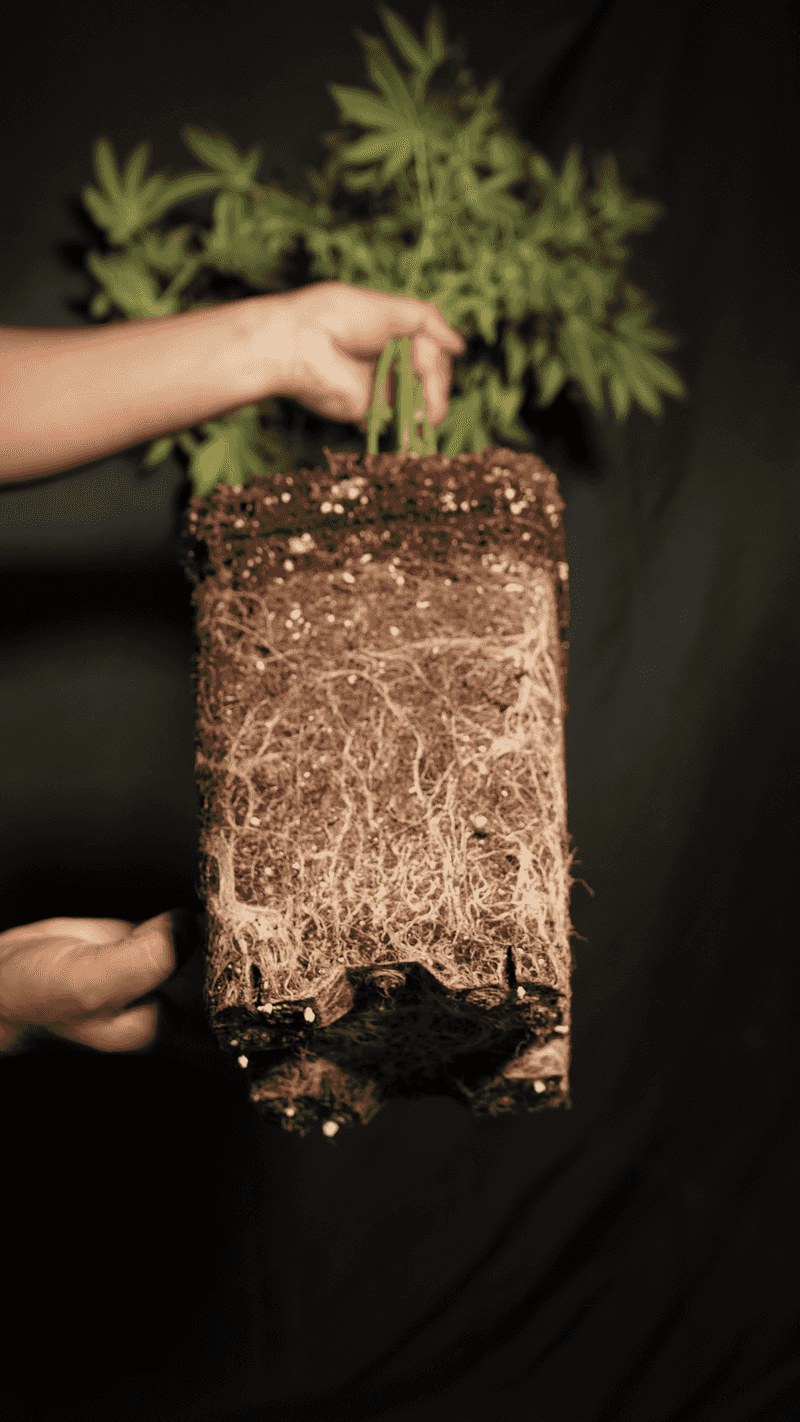
Few plants in the Midwest have a root system as impressive as the coneflower. By year two, those roots can reach two feet or more below the surface.
That depth is not just for show. Deep roots tap into moisture and nutrients that shallow-rooted plants never reach.
During Iowa’s summer dry spells, this matters enormously. While other flowers wilt and struggle, the coneflower stays hydrated and strong from below.
More moisture means more energy. More energy means the plant can push out larger, more vibrant blooms without burning itself out.
The root system also stores carbohydrates over winter. Those reserves are like a savings account the plant draws from when spring arrives.
Your Iowa Garden Changes Every Week. Your Plan Should Too.
Gardening in Iowa changes quickly throughout the season. Every Friday you’ll receive a simple weekly plan showing exactly what to plant, prune, fertilize, harvest, and protect so you never miss the right timing.
That stored energy is why second-year and third-year coneflowers always bloom more intensely than first-year plants. They have built up resources over multiple seasons.
Gardeners who move or divide coneflowers too often reset this process. The plant has to start building its root reserves all over again from scratch.
Leaving the plant undisturbed lets the root system mature fully. A mature root system is the engine behind those showstopping summer blooms.
Think of the roots as the foundation of a house. The stronger and deeper the foundation, the taller and more impressive the structure above it.
How Iowa’s coneflower gets showier blooms every year without dividing comes down to this underground investment. Let the roots grow deep, and the blooms will follow.
Self-Seeding Fills Surrounding Space
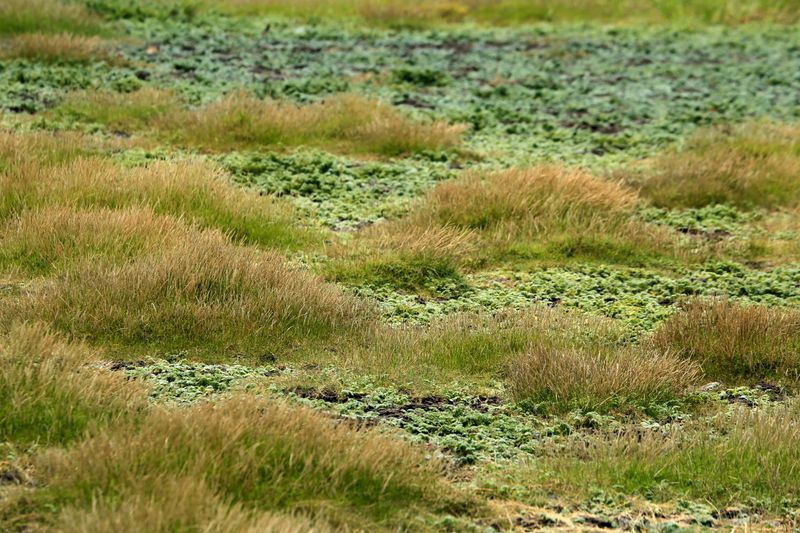
Coneflowers are generous plants. When the season winds down, they drop seeds that quietly germinate in the surrounding soil the following spring.
This self-seeding habit is one of the most underrated features of the species. It fills gaps in your garden without you lifting a finger.
Each seed head can hold dozens of seeds. A single mature plant can produce enough offspring to spread across a wide garden bed over just a few seasons.
The new seedlings tend to pop up right where conditions suit them best. They self-select for good spots, which means stronger plants from the start.
Some gardeners mistake these seedlings for weeds and pull them out. That is a costly error that slows the garden’s natural progression.
Learning to recognize young coneflower rosettes saves you a lot of heartache. They have a slightly rough, oval leaf with a distinct midrib running down the center.
Once you spot them, let them stay. Transplant any extras to fill bare spots elsewhere in the yard if you need to manage the spread.
Self-seeded plants often bloom in their second year. By then, they are well-rooted and ready to contribute to the garden’s overall display.
Over time, a self-seeding colony creates a naturalized look that feels effortless and wild. That aesthetic is increasingly sought after in modern native plant landscaping.
The plant essentially gardens for you. All you have to do is step back and let the seeds land where they will.
Removing Spent Blooms Triggers Fresh Buds
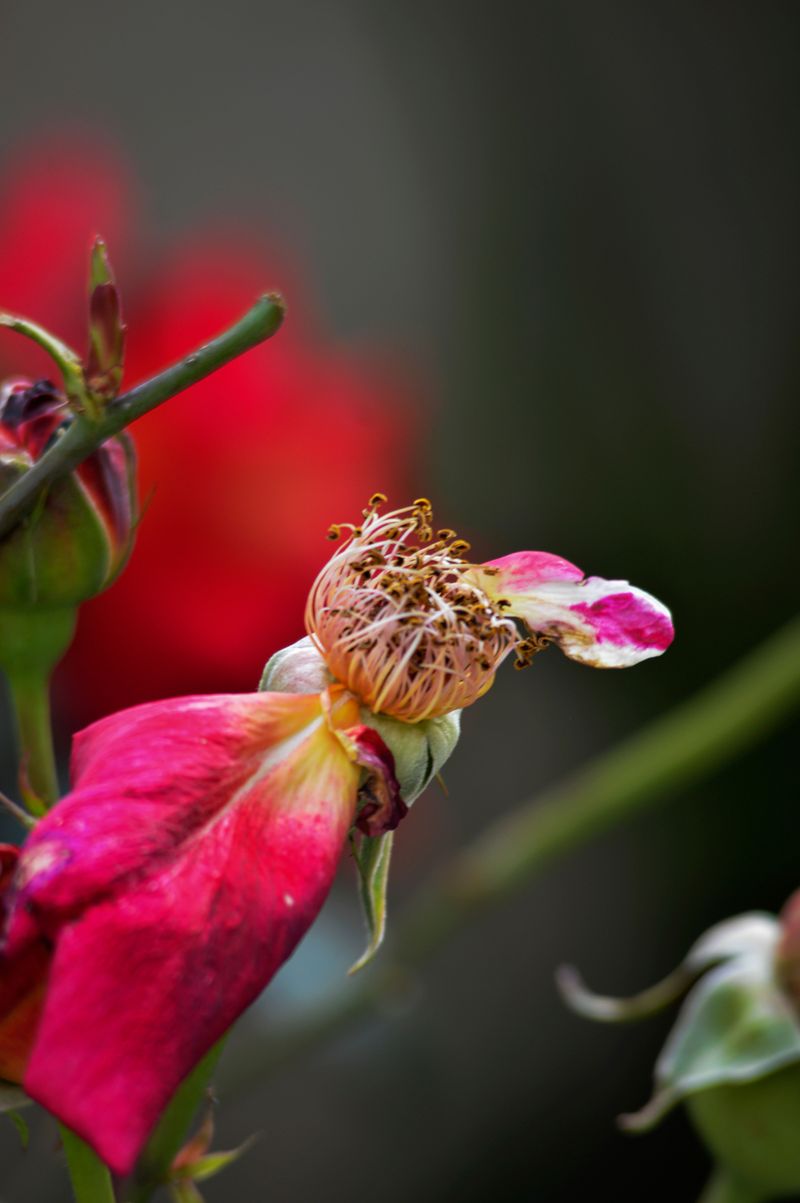
Snipping off a spent bloom feels almost counterintuitive. You are taking away something the plant worked hard to produce, but that small act sends a powerful signal.
When a flower is taken off before it sets seed, the plant redirects its energy. Instead of finishing the seed cycle, it pushes out new buds.
This response is rooted in the plant’s survival instinct. Reproduction is the goal, so blocking one path forces the plant to try another.
The result is a longer blooming season and more flowers per stem. This practice can extend your coneflower display by several weeks.
The technique is simple and requires no special tools. A clean pair of garden scissors or snips is all you need for the job.
Cut the spent stem back to the nearest set of leaves or a branching side shoot. That node is where the next bud will form.
Timing matters more than most gardeners realize. Snipping spent stems in the morning, after dew has dried, reduces the risk of spreading fungal issues between plants.
Not every bloom needs to come off. Leaving a few to go to seed ensures you get that natural self-seeding benefit described earlier in this article.
Strike a balance between the technique and leaving some seed heads for wildlife and future seedlings. That balance is the key to a thriving bed.
It is one of the simplest ways to make your coneflower work harder. A few minutes of effort delivers weeks of extra color.
Final Seed Heads Feed The Plant’s Return
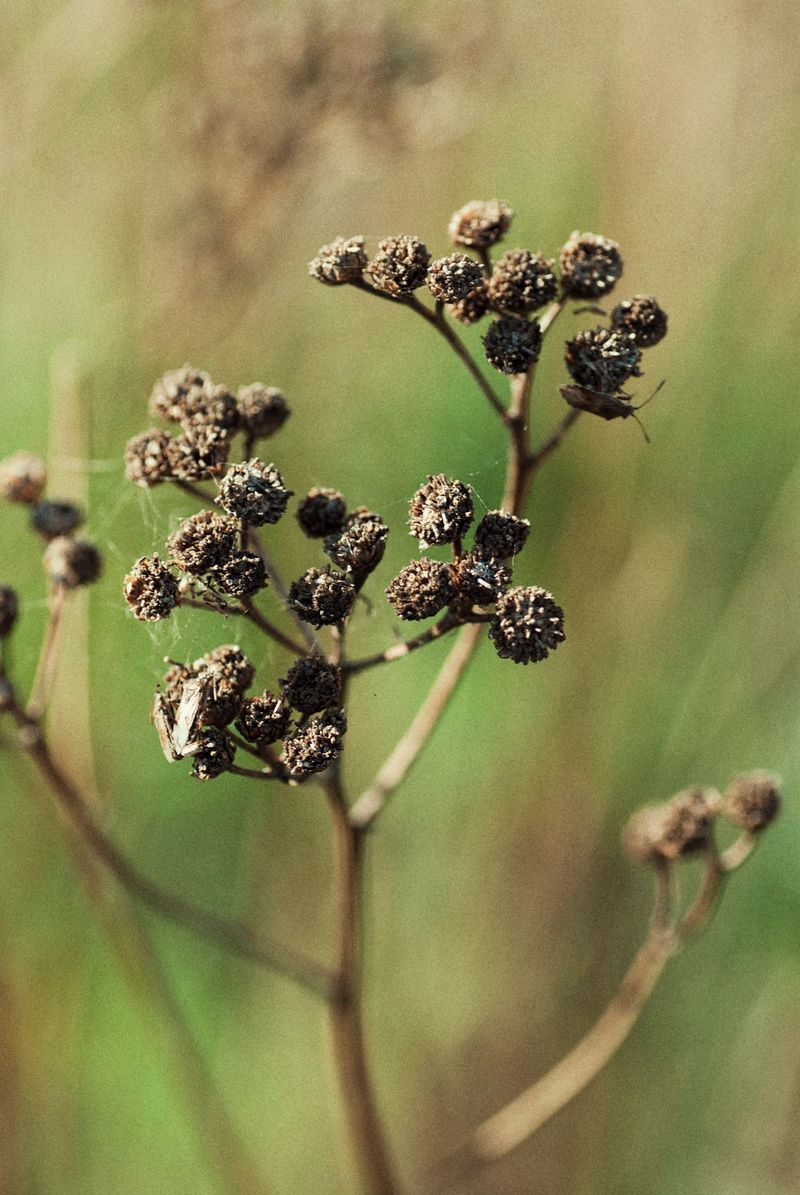
By late summer, the blooms you did not remove begin transforming into something equally beautiful. The spiky brown seed heads stand tall even as the garden winds down.
Those seed heads are not just decorative. They are packed with energy that supports the plant’s return the following spring.
As seeds drop and decompose nearby, they enrich the surrounding soil. Organic matter from spent plant material feeds the microbes that support root health below ground.
Wildlife plays a role in this cycle too. Goldfinches and other seed-eating birds flock to coneflower seed heads throughout fall and into winter.
Birds scatter seeds as they feed, spreading the plant further across your yard naturally. That bird activity does the spreading work you would otherwise do by hand.
The standing stems also trap leaf litter and light snow. That layer of insulation protects the root crown from the harshest of Iowa’s winter temperatures.
Cutting everything down in fall removes that protection. Leaving seed heads standing is actually the smarter, lower-effort choice for a healthy spring return.
Come March, new growth emerges from the base of those same stems. The plant has been resting and recharging underground the entire cold season.
That stored energy, combined with the nutrients from decomposed material, gives the plant a powerful head start. Early spring growth is noticeably faster in established plants.
The seed head is the coneflower’s closing gift of the season. It feeds birds, insulates roots, and sets the stage for an even stronger show next year.
Thrives Without Interference
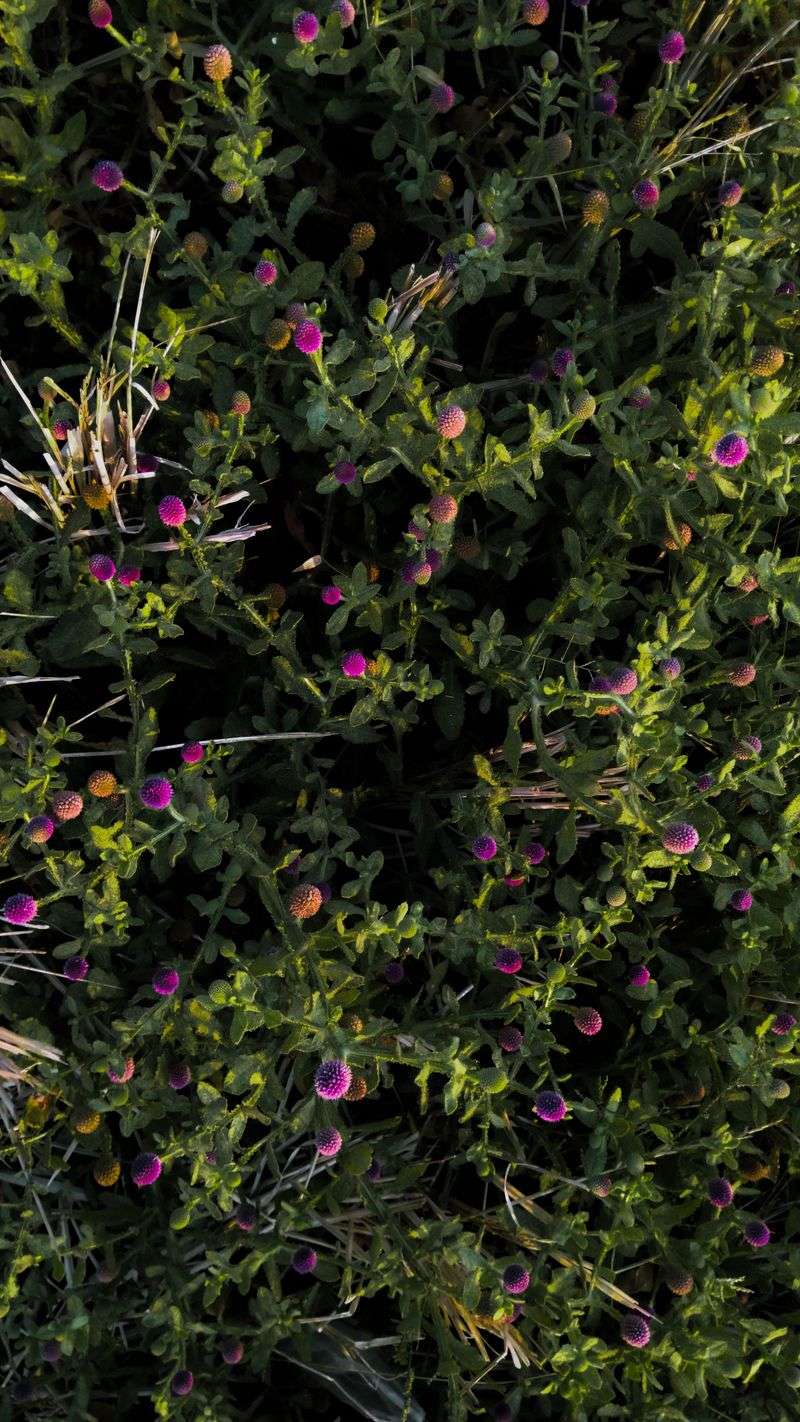
Some plants demand constant attention to look their best. Coneflower is not one of them, and that is exactly what makes it so special to grow.
Left alone in well-drained soil with full sun, this native plant figures out the rest on its own. It does not need fertilizer, frequent watering, or coddling.
Overfertilizing is actually one of the fastest ways to ruin a coneflower. Too much nitrogen pushes leafy growth at the expense of blooms.
Skipping the fertilizer lets the plant focus its energy where it counts most. The result is more flowers and a sturdier, more compact stem structure.
Overwatering causes similar problems. Soggy roots lead to rot, which weakens the plant from the ground up over time.
Coneflower evolved in open prairies where rain was unpredictable and soils were lean. That background makes it perfectly suited to neglect in most home gardens.
Companion planting with other natives like black-eyed Susans or prairie dropseed creates a low-maintenance community.
These plants support each other without needing much from the gardener. Pest pressure stays low on healthy, unstressed coneflowers.
One exception worth knowing: aster yellows, a disease spread by leafhoppers, can affect even well-tended plants. Remove and discard any stems showing distorted, yellowed growth.
How Iowa’s coneflower gets showier blooms every year without dividing is ultimately a story about working with nature instead of against it. The plant knows what it is doing.
Trust the coneflower, step back, and watch your garden grow more impressive with every passing season. Some things genuinely do get better with time.