Iowa Homeowners Should Know These Summer Lawn Dormancy Care Tips
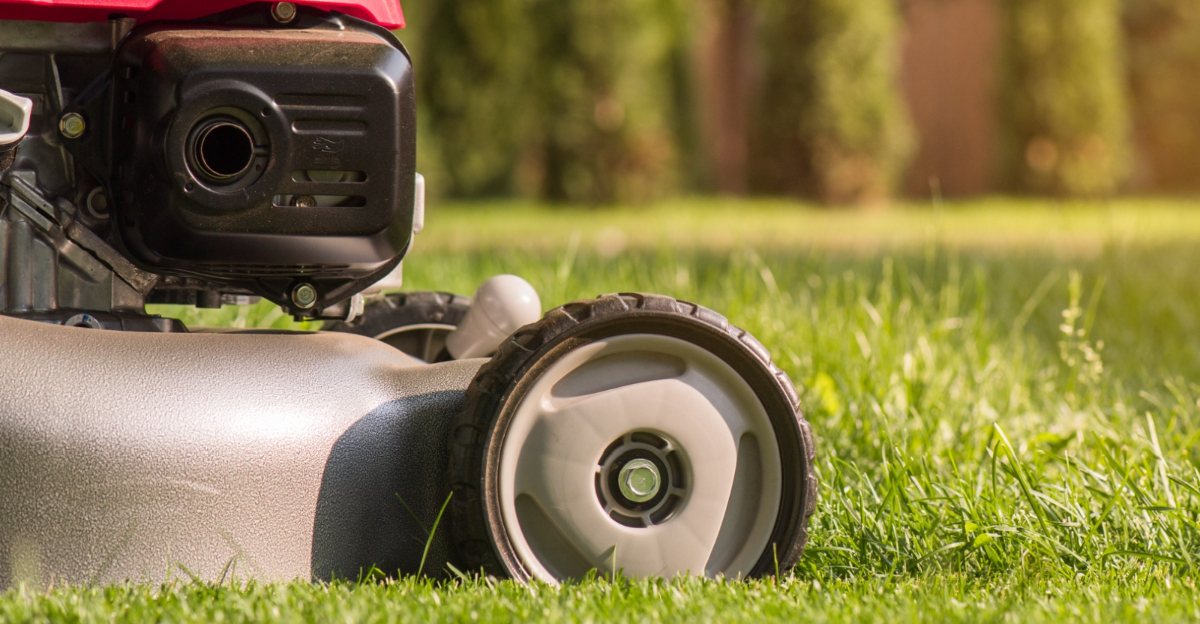
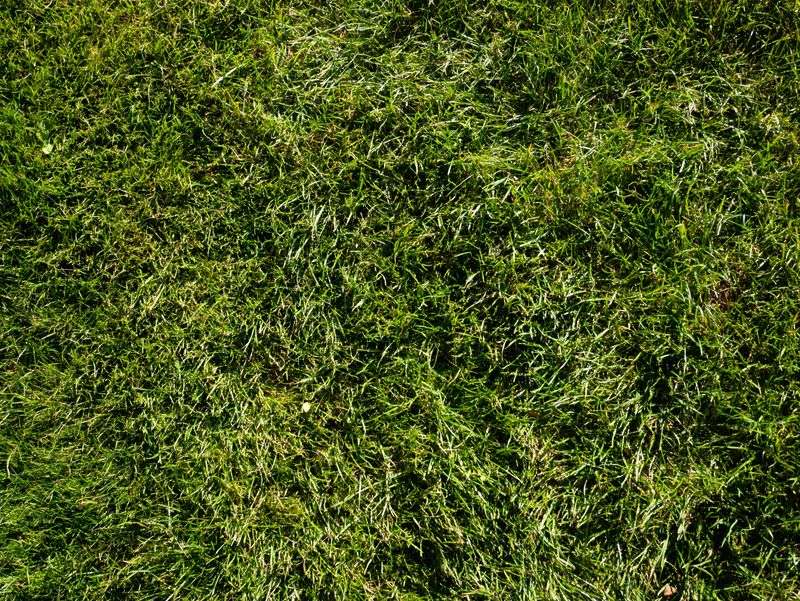
Iowa summers do not ask permission. One week your lawn looks sharp, the next it has gone the color of old wheat and stopped growing entirely.
Before you drag out the hose or rip open a bag of fertilizer, stop. That silence from your grass might be the smartest thing it has ever done. Cool-season grasses across Iowa have a built-in escape plan called dormancy.
When heat and drought push past what roots can handle, the plant pulls energy inward, goes tan, and waits.
It is not struggling. It is making a calculated decision to protect itself, and most homeowners accidentally work against that.
Wrong moves during dormancy, heavy watering, feeding, or foot traffic, can turn a resting lawn into one that struggles to recover fully. Are you helping your grass rest, or working against it?
1. Avoid Walking On Dry, Dormant Grass Repeatedly
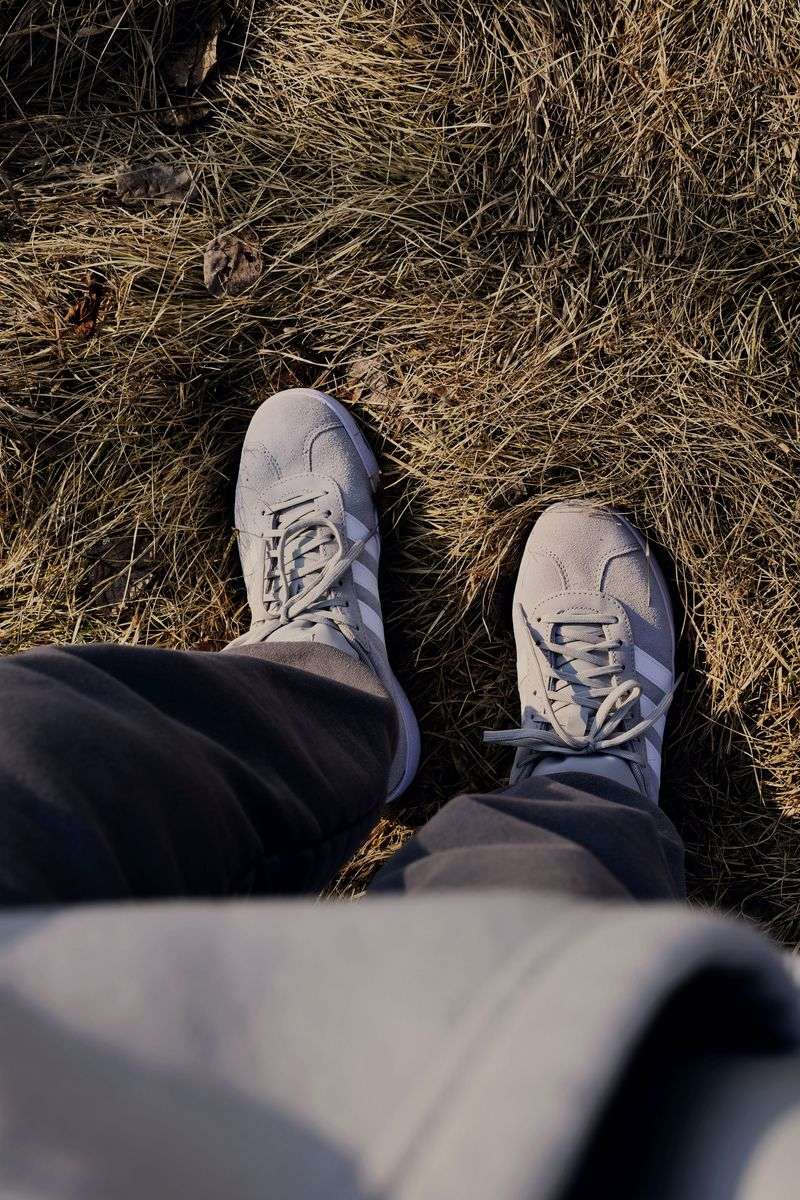
Your lawn is basically whispering, “Please stop.” Dormant grass is fragile, and every footstep you take on it causes real damage to the crowns of the grass plant.
The crown is the part of the grass that sits right at the soil surface. It is the living hub where new growth starts when conditions improve.
Crush those crowns repeatedly, and your lawn may not recover when fall arrives. Foot traffic compacts the soil too, making it harder for water to reach roots.
Try redirecting kids, pets, and guests away from the lawn during peak heat. Set up a temporary path using stepping stones or mulch to guide foot traffic around the turf.
Even one worn-in path can take months to heal. The less pressure you put on dormant grass, the better its chances of bouncing back strong.
Summer lawn dormancy care starts with simply leaving the lawn alone as much as possible. Think of it as a lawn in recovery mode; unnecessary pressure only slows things down.
Post a gentle reminder near your back door if needed. Small habits make a huge difference when your grass is already under heat stress.
2. Stop Fertilizing Until The Lawn Greens Up Again
Fertilizer during dormancy is like offering a sleeping person a five-course meal. They cannot use it, and it just causes problems.
Applying nitrogen to a dormant lawn pushes it to grow when it has no business growing. That forced growth drains the plant’s energy reserves fast.
Weakened grass going into fall has a much harder time recovering. You could end up with thin, patchy turf that struggles all the way into the next spring.
Beyond harming the grass itself, unused fertilizer washes into storm drains and local waterways. That runoff contributes to algae blooms and water quality issues across the state.
The golden rule here is simple: no fertilizer until you see green again. Once the lawn naturally starts greening up in late summer or early fall, that is your signal to feed it.
A soil test in early fall will tell you exactly what nutrients your lawn actually needs. Guessing with fertilizer is expensive and often counterproductive.
Your Iowa Garden Changes Every Week. Your Plan Should Too.
Gardening in Iowa changes quickly throughout the season. Every Friday you’ll receive a simple weekly plan showing exactly what to plant, prune, fertilize, harvest, and protect so you never miss the right timing.
Patience is the real fertilizer during dormancy season. Hold off, watch for signs of recovery, and then give your lawn the nutrition it has earned.
Proper summer lawn dormancy care means knowing when not to act. Sometimes the best thing you can do for your turf is to put the fertilizer bag back on the shelf.
3. Water Lightly Once A Week To Keep Roots Hydrated
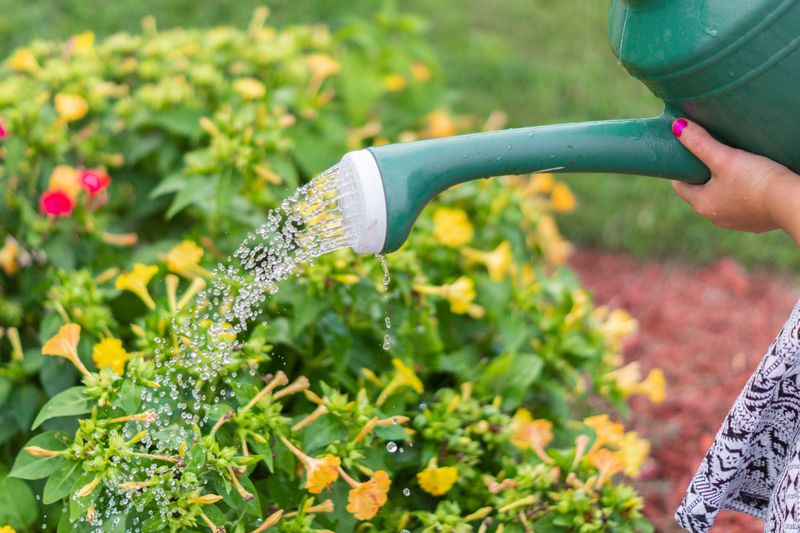
Dormant does not mean gone, and that distinction matters a lot. The roots of your grass are still alive underground, waiting for relief from the heat.
A light watering of about a quarter to half an inch once a week is enough to keep those roots from completely drying out.
You are not trying to wake the lawn up; you are simply maintaining just enough moisture to keep roots stable.
Deep, infrequent watering is better than shallow daily spritzing. Shallow watering encourages roots to stay near the surface where heat stress is worst.
Early morning is the best time to water during summer dormancy. Watering in the evening leaves moisture sitting on the soil overnight, which can invite fungal issues.
A rain gauge or a simple tuna can placed on the lawn helps you track how much water you are actually applying. Guessing usually leads to over or under-watering.
If your area gets a natural rain of half an inch or more during the week, skip your supplemental watering. Let nature do the heavy lifting when it shows up.
Keeping roots hydrated through the heat is one of the most important summer lawn dormancy care steps you can take. A little water goes a long way when the grass is resting.
Think of it as a slow drip of encouragement. Your lawn will remember the kindness when cooler days return.
4. Mow Higher Than Usual To Reduce Stress
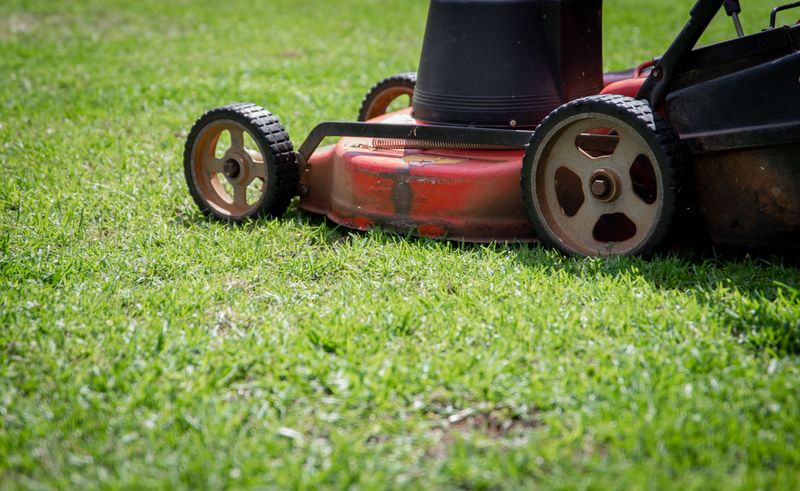
Scalping your lawn in summer is one of the fastest ways to turn a dormant lawn into a damaged one. Taller grass blades shade the soil below, keeping ground temperatures lower.
Cooler soil means less moisture evaporation and less stress on the root system. That shade also slows weed germination, giving your grass a competitive edge.
Set your mower deck to the highest recommended setting for your grass type. For most cool-season grasses common in Iowa, that means cutting at three to four inches.
Never remove more than one-third of the blade in a single mowing session. Cutting too much at once shocks the plant and forces it to spend energy recovering instead of growing.
During deep dormancy, you may not need to mow at all for several weeks. If the lawn is not actively growing, the mower can stay in the garage.
When you do mow, make sure your mower blades are sharp. Dull blades tear grass rather than cut it cleanly, leaving ragged edges that lose moisture faster.
Mowing high is a simple adjustment with a surprisingly big payoff. It is one of those summer lawn dormancy care habits that costs nothing extra but protects everything.
Your lawn is working hard just to get through the heat. Give it every advantage you can by keeping those blades tall and your mower settings smart.
5. Pull Weeds Before They Spread And Compete For Moisture
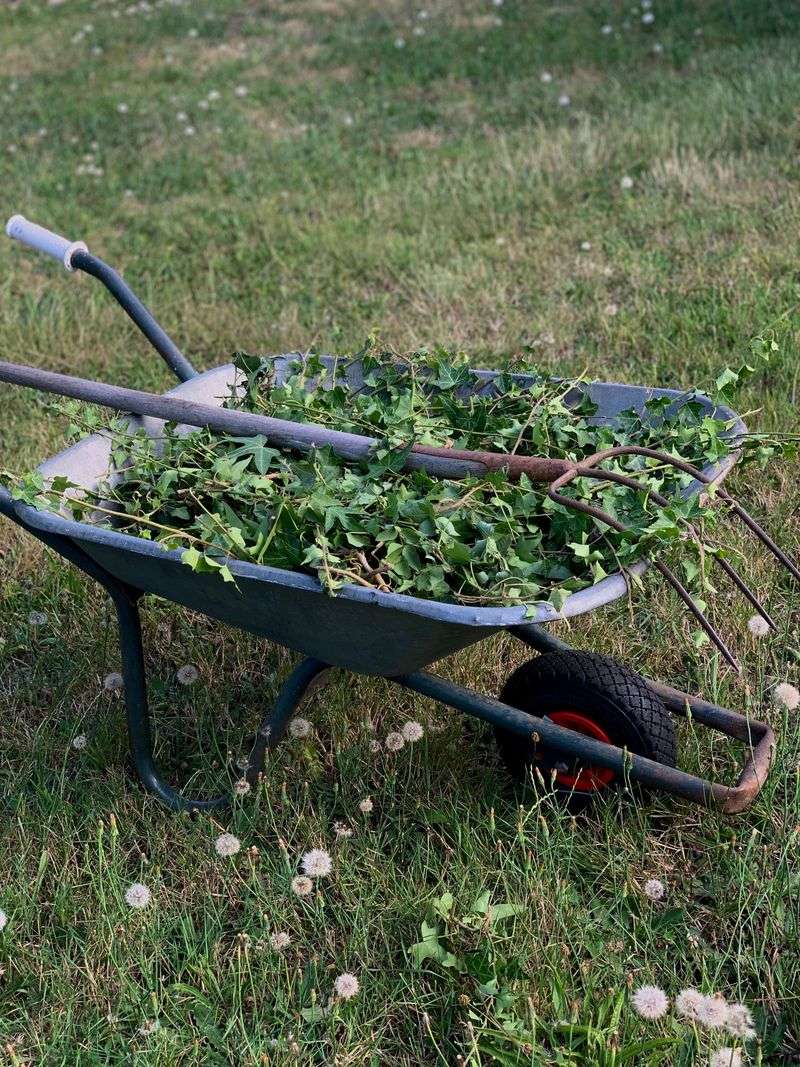
Weeds are opportunists, and summer dormancy is their favorite window of opportunity. While your grass is resting, weeds are wide awake and aggressively expanding.
Crabgrass, dandelions, and bindweed thrive in the same hot, dry conditions that slow cool-season turf. They compete directly for the limited moisture and nutrients your dormant lawn needs to stay stable.
Hand-pulling weeds is the safest approach during dormancy. Most herbicides are not recommended when grass is stressed, because the turf cannot recover as easily from chemical exposure.
Pull weeds after a light watering when the soil is slightly moist. Dry, compacted soil makes it nearly impossible to remove the full root, and leftover roots just regrow.
Focus on weeds that have not yet gone to seed. A single dandelion can release well over a hundred seeds in one afternoon breeze.
Check the lawn edges along sidewalks and garden beds first. Weeds tend to establish there first before migrating into the center of the turf.
Staying ahead of weeds during dormancy protects your lawn’s recovery potential. Every weed you remove now is one less competitor your grass has to fight in fall.
Consistent summer lawn dormancy care means not ignoring the slow invasion happening underfoot. A few minutes of weeding each week can save hours of lawn rescue work later.
6. Keep Pets Off The Lawn As Much As Possible

Dogs love a good roll in the grass, but your dormant lawn does not love it back. Pet traffic during dormancy creates the same compaction and crown damage as human foot traffic, sometimes worse.
Dog urine is especially problematic because it contains high concentrations of nitrogen. On a healthy lawn, small amounts can be managed, but on stressed dormant turf, urine spots can cause lasting brown patches.
Try to walk your dog on the sidewalk or in a gravel area during peak summer heat. Giving your lawn a break from pet activity is one of the easiest summer lawn dormancy care moves you can make.
If keeping pets off entirely is not realistic, designate a specific corner of the yard for bathroom breaks. Concentrating the damage in one area limits how much of the lawn suffers.
Rinse pet urine spots with water immediately after they happen. Diluting the nitrogen concentration right away reduces the chance of permanent burn spots forming.
Cats tend to cause less direct damage than dogs, but they can still compact soil over time. Even light, repeated traffic from any animal adds up during a stressful season.
Your lawn is doing its best to push through without added pressure. A few weeks of redirected pet habits can make a noticeable difference in how evenly the turf recovers.
Think of it as a summer spa rule for your yard. No guests allowed until the lawn is ready to receive them again.
7. Skip Aeration Until Cooler Fall Temperatures Arrive
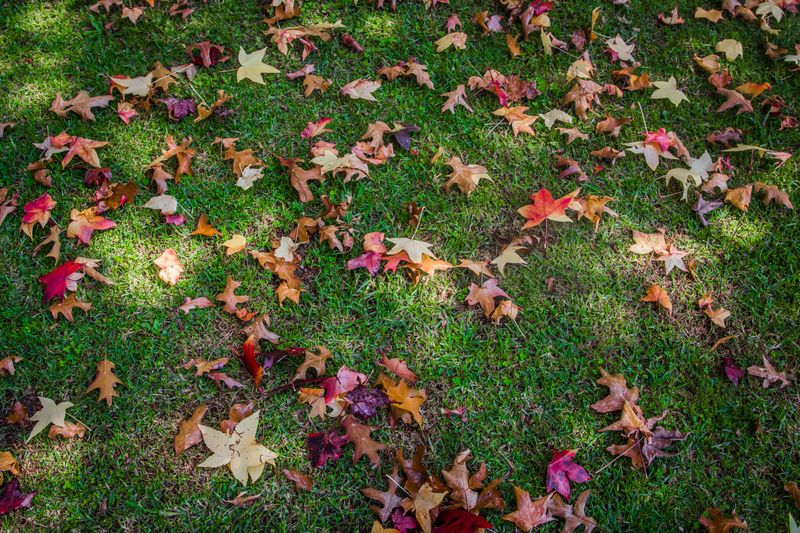
Aeration sounds productive, but timing it wrong can set your lawn back significantly. Poking holes in stressed, dormant turf during peak summer heat pushes a worn-out plant to handle more than it can manage.
The small plugs of soil pulled out during aeration expose roots to air and heat. On a healthy lawn in fall, that exposure is beneficial. On a dormant summer lawn, it accelerates moisture loss.
Cool-season grasses common across Iowa recover best from aeration in late August through October. That window aligns with the natural growth surge that happens as temperatures drop.
Fall aeration gives the grass time to fill in the holes before winter sets in. The loosened soil also allows fertilizer and water to penetrate deeply right when the lawn needs it most.
If your lawn has serious compaction issues, make a note to schedule aeration for early September. Mark it on your calendar now so you do not forget when the busy fall season hits.
Renting an aerator is affordable and straightforward for most homeowners. Many local hardware stores in the state offer weekend rentals at reasonable prices.
Skipping aeration now is not laziness; it is smart summer lawn dormancy care strategy. Protecting the lawn during its vulnerable season sets it up for a powerful comeback.
Your lawn will be far better positioned to recover fully when October rolls around and cooler temperatures return. Good timing beats good intentions every single time.
8. Watch For Grubs Beneath The Surface
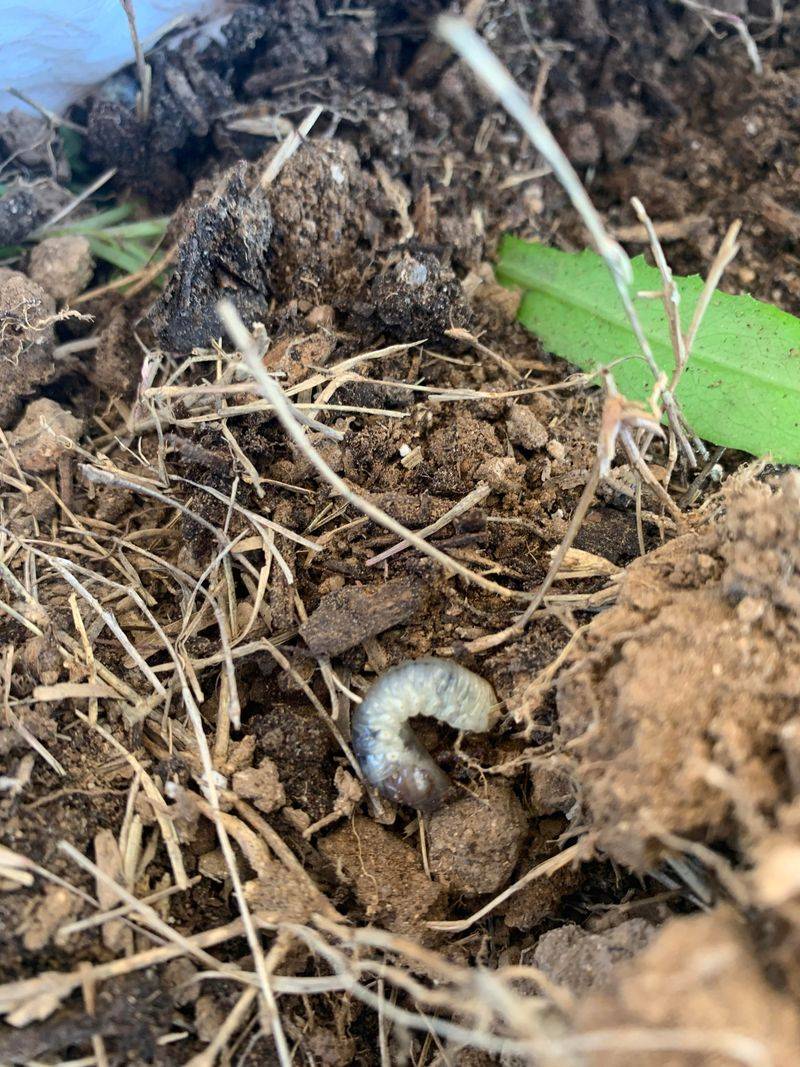
Grubs can cause damage beneath the surface that is easy to miss until the season is almost over. They are the larvae of beetles, and they feed on grass roots underground during summer months.
A lawn under heat stress already has weakened roots, making grub damage far harder to detect until it is too late. The turf may look like it is simply dormant when grubs are quietly damaging the root system below.
One easy test is to grab a section of turf and try to roll it back like a carpet. If it peels away easily with no resistance, grubs have likely severely damaged the root system below.
Healthy dormant grass still has intact roots that anchor it firmly to the soil. Loose, spongy turf that lifts without effort is a red flag worth investigating immediately.
Treating grubs during their young larval stage in mid to late summer is most effective. Once they grow larger in fall, they become harder to manage with standard treatments.
Look for birds pecking aggressively at your lawn as another warning sign. Starlings and robins follow grub activity with surprising accuracy, often revealing exactly where the problem is concentrated.
Grub control products are available at most garden centers, and some are safe to apply during summer. Always read the label carefully and follow application instructions for best results.
Summer lawn dormancy care is not just about what happens above ground. What is happening below the surface can determine how well your lawn comes through the season.