Why Iowa Yards Attract Blue Jays And What It Says About Yours
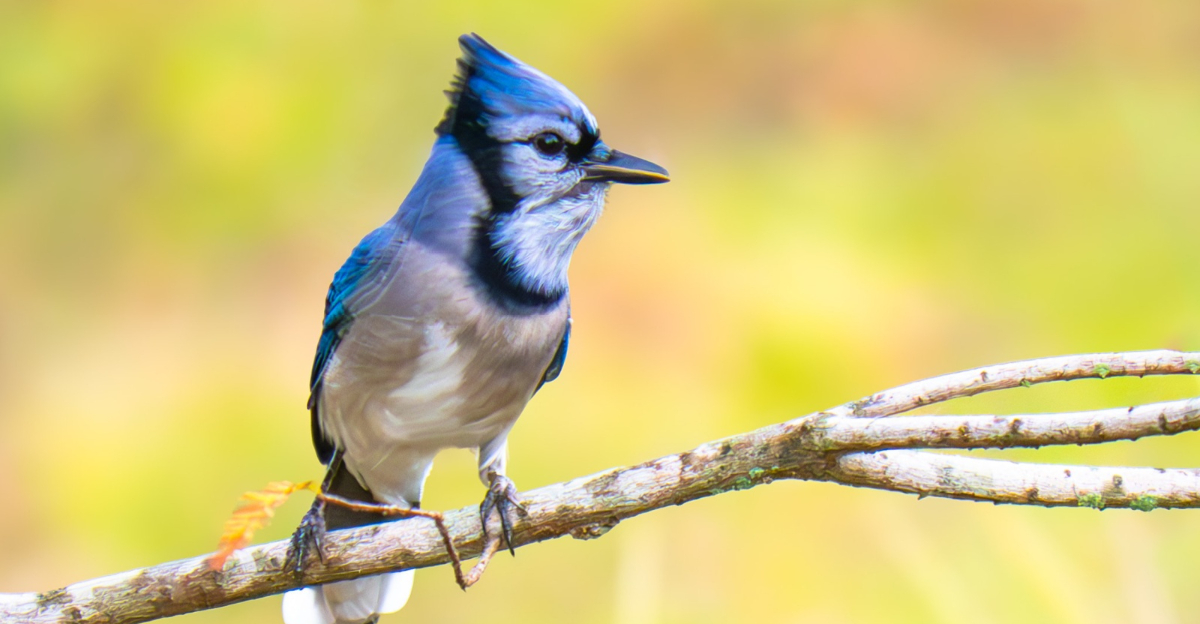
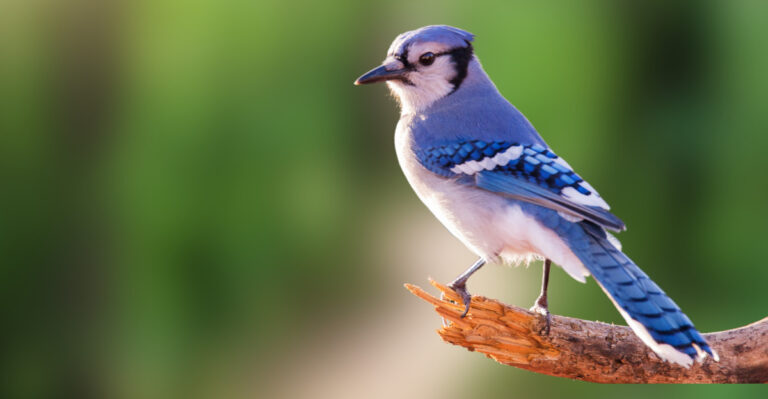
Something bold and electric just adopted your backyard, and you should feel flattered. It announces itself with sharp calls before you even catch that cobalt flash through your tree line.
Then it lands inches from you, locks eyes, and helps itself like you two have had an arrangement for years. These birds do not stumble into yards by accident.
The real question worth asking is what your property has been quietly broadcasting that keeps drawing them in. The answer sits in your trees, your shrubs, your feeders, and even your soil.
Your Iowa yard with its layered vegetation and dependable food sources has earned itself a reputation with these bold, curious visitors.
You could walk past the signals every single morning without connecting the dots. They have been reading your yard longer than you realize.
Your property already spoke. You just did not know it yet.
Your Iowa Yard Is Offering The Foods Blue Jays Look For
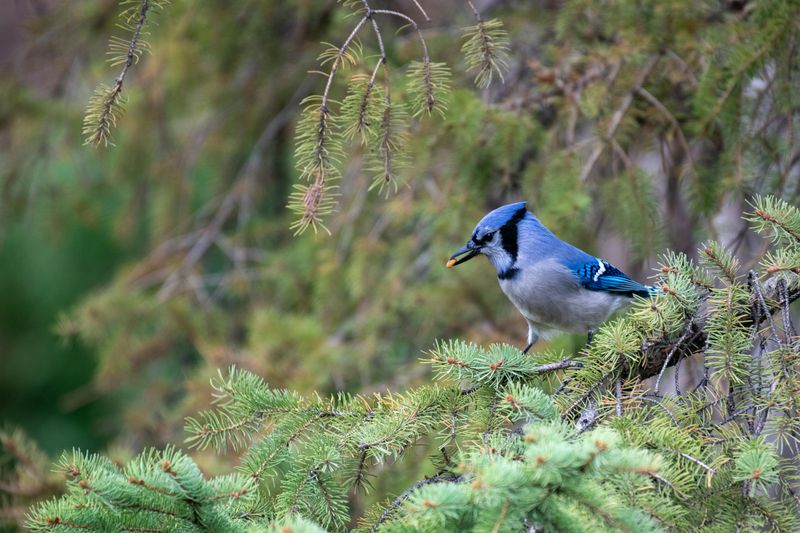
Your yard is basically running a five-star dining operation, and the regulars have noticed. Blue jays are not picky eaters, but they do have strong favorites.
Acorns are their top currency. A single bird can carry multiple acorns at once by loading them into its expandable esophagus and gular area, plus one more held in the bill.
If your yard has oak trees or sits near a wooded area, you are running a free buffet for every jay in the neighborhood. Seeds and peanuts sweeten the deal considerably.
Sunflower seeds, safflower seeds, and whole peanuts in the shell rank among their top feeder picks. Blue jays are social by nature. Where one finds a reliable source, others follow.
Your yard being rich in natural and supplemental food tells a bigger story. It signals healthy soil, mature trees, and a thriving mini-ecosystem right outside your door.
Gardens with diverse plantings tend to attract the most consistent jay activity throughout the seasons. Adding a platform feeder stocked with peanuts is one of the easiest ways to encourage regular visits.
Once a blue jay finds a reliable food source, it returns daily without much convincing. That kind of loyalty is honestly a compliment your yard has earned.
Your Yard May Be Supporting Blue Jays Beyond Summer
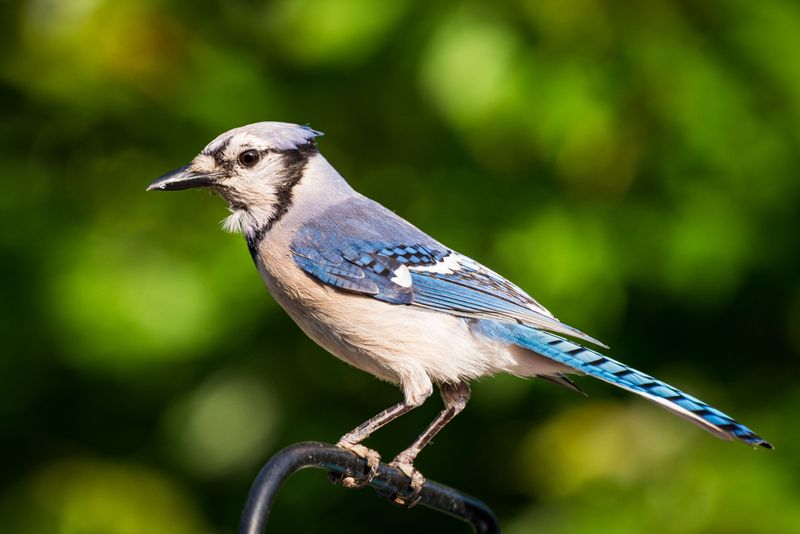
Most songbirds vanish when October arrives. Blue jays do not. Unlike many of their colorful cousins, blue jays are largely non-migratory across the Midwest.
Blue jay migration is irregular and not fully predictable, with some individuals moving south in fall while others stay put entirely through ice, snow, and bitter cold.
Seeing one in January is completely normal and actually reassuring. Their year-round presence means your yard is offering consistent value across all four seasons.
A yard that only appeals to birds in summer is missing something. A yard that hosts blue jays in February has real substance. Think of it as a four-star rating from the local wildlife community.
Staying through winter requires grit and smart food storage. Blue jays cache food in fall specifically to survive the cold months ahead.
Your Iowa Garden Changes Every Week. Your Plan Should Too.
Gardening in Iowa changes quickly throughout the season. Every Friday you’ll receive a simple weekly plan showing exactly what to plant, prune, fertilize, harvest, and protect so you never miss the right timing.
If they chose your yard as a caching location, they already decided it was worth coming back to. Spotting these birds on a gray February morning is genuinely uplifting.
That electric blue against a pale winter sky never gets old. Your yard is giving them a reason to stay, and that says a lot about the environment you have created.
Your Yard Has Sufficient Trees For Blue Jays
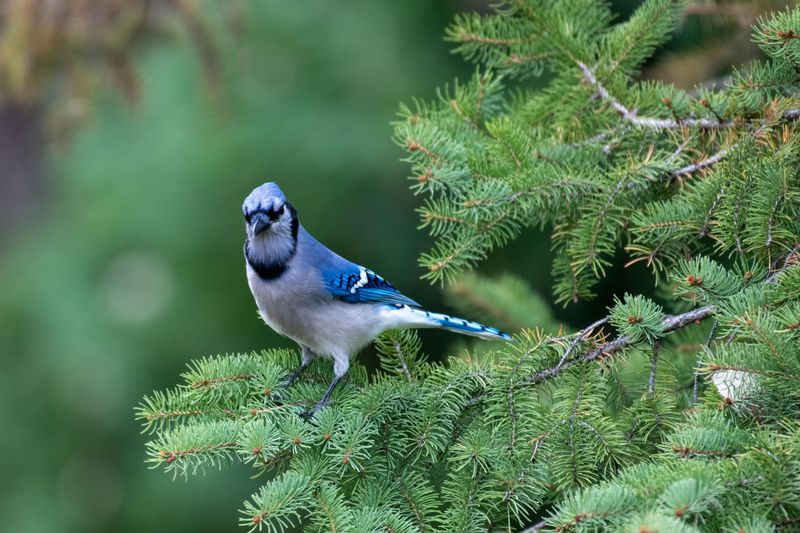
Your tree canopy is doing serious work, and the jays have already taken inventory. Blue jays are woodland-edge birds at heart.
They thrive in spaces where open areas meet tree cover, which describes a classic Iowa yard almost perfectly.
Mature oaks, maples, and evergreens give them perching spots, nesting sites, and shelter from predators all in one package.
A yard with mature, established trees is significantly more attractive to blue jays than one with young saplings still finding their footing.
Older trees produce more acorns and offer deeper bark crevices for food caching. They also provide stronger branch forks for nest construction.
Evergreens deserve special mention because blue jays rely on them year-round. Conifers provide dense cover during harsh weather and serve as excellent nesting spots in spring.
Planting a mix of deciduous and evergreen trees gives your yard multi-season appeal that birds notice immediately. If blue jays are regularly visiting, your tree canopy is doing its job.
A well-treed yard is not just beautiful to human eyes. It is functional habitat that supports dozens of species. Your trees are the foundation everything else is built on.
They Are Actively Caching Food For Later
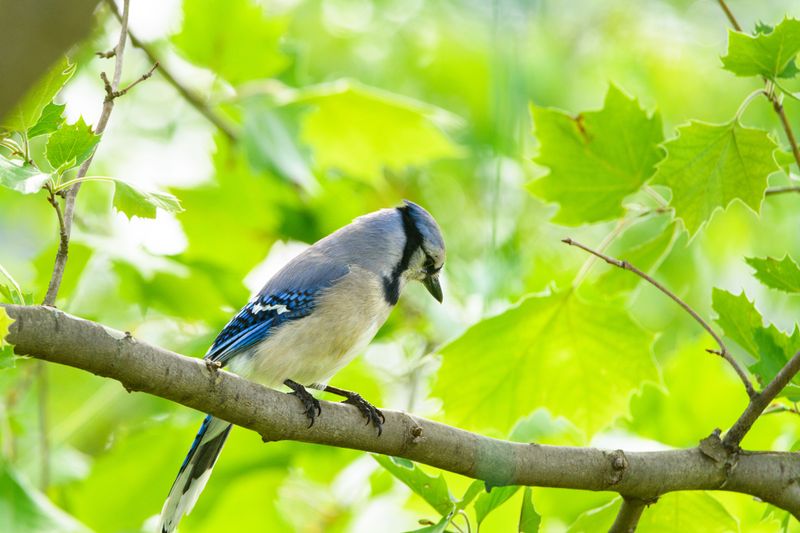
Your yard might be someone’s personal storage unit, and that is a genuine compliment. Caching is the behavior of hiding food for future use, and blue jays are exceptional at it.
A single bird can cache thousands of acorns and seeds each fall. They tuck them into soil, bark crevices, leaf piles, and even flower pots.
Research suggests blue jays rely on strong spatial memory to recover cached food, though not every hidden item gets retrieved. Watching a blue jay cache food is oddly fascinating.
The bird looks around carefully, almost suspiciously, before pressing an acorn into the ground with a quick stab of its bill.
Then it covers the spot and moves on without a backward glance, already planning the next hiding place. Your yard being used as a cache site is a genuine honor in bird terms.
It means the bird feels safe enough to invest in your space for the long term. A yard that hosts caching behavior is one the local jay population has decided to trust.
There is also an ecological bonus here. Blue jays often forget some cached acorns, which sprout into new oak seedlings the following spring. Your yard might literally be growing new trees because of these birds.
They Are Nesting Or Breeding Nearby
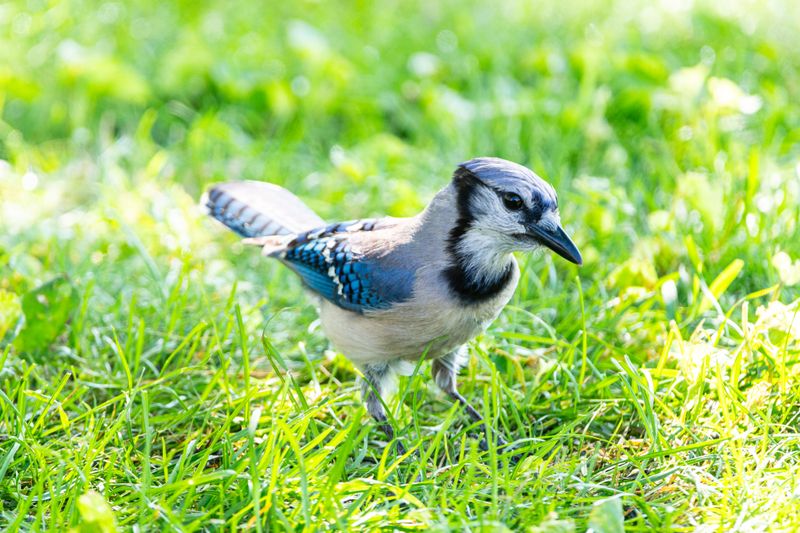
A nesting pair just gave your yard the highest endorsement wildlife can offer. Blue jays typically nest between April and July across the Midwest.
They build compact, sturdy cup-shaped nests using twigs, bark strips, moss, and sometimes mud as a binding agent.
Favorite spots include the forks of oak, maple, or pine branches, usually ten to twenty-five feet off the ground. Both parents share nesting duties, which is not as common among birds as you might think.
The male feeds the female while she incubates the eggs. Both parents aggressively defend the nest territory.
If you have ever been scolded loudly while walking near a tree in spring, you may have been too close to a jay nest. Nesting activity tells you something specific about your yard.
It means the space offers enough food, shelter, and safety for a pair of birds to commit to raising a family there. That kind of endorsement from wildlife does not happen by accident.
Keeping your yard pesticide-free is one of the best things you can do to support nesting birds.
Insects are a critical protein source for nestlings during their first weeks of life. A chemical-free yard feeds far more life than you can see.
They Are Foraging As A Family Flock
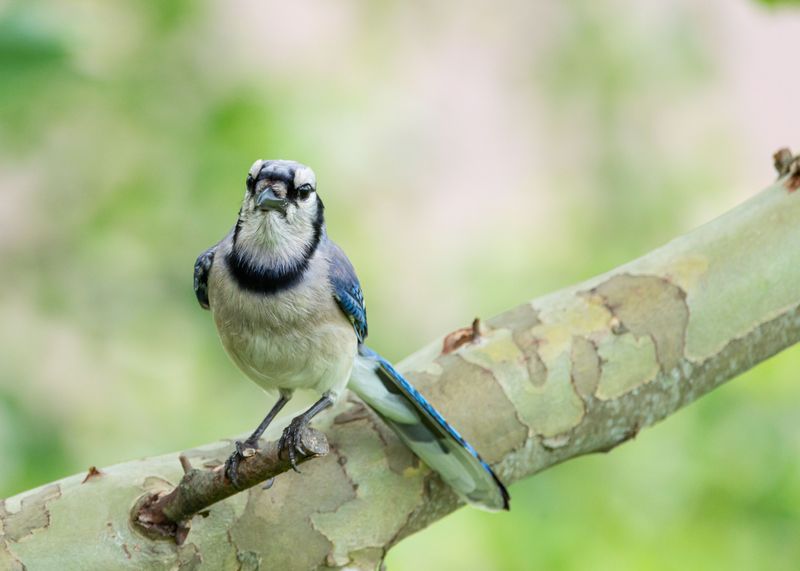
Your yard just became a classroom, and the whole family showed up. Blue jays travel in family groups more often than most people notice.
After the breeding season wraps up in late summer, blue jay families move through neighborhoods together in loose flocks.
You might spot three to ten birds spread across your lawn and low branches at once. This is not a random gathering.
It is usually parents and their grown offspring from the current year. Family foraging is a learning experience for young jays.
Juvenile birds watch their parents locate food, assess threats, and navigate the environment. Your yard becomes a classroom if it offers enough interesting resources to explore.
Seeing multiple blue jays at once is one of those small, electric moments that makes backyard bird-watching genuinely exciting.
Their calls overlap and bounce around, creating that chaotic, lively energy that feels like the yard has suddenly come alive.
Neighborhood kids and adults alike tend to stop and stare. A yard that attracts family flocks is offering variety, not just a single food source.
Diverse plantings, leaf litter left in garden beds, and a brush pile or two give foraging birds multiple zones to explore. The more layers your yard has, the longer a flock will stay.
Your Yard Falls Within Their Natural Habitat Range
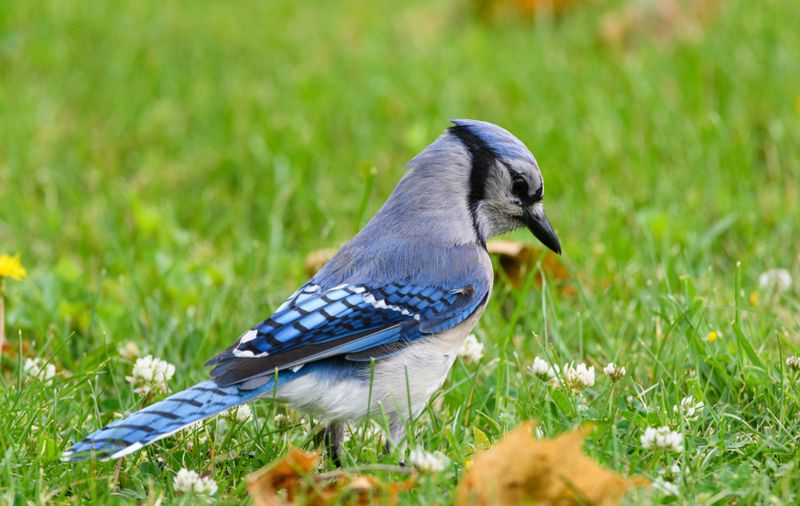
Geography handed you an advantage here, and your yard is sitting right in the middle of it. Blue jays range across most of eastern and central North America, with the Midwest being a core part of their permanent range.
Iowa’s mix of agricultural land, river corridors, suburban neighborhoods, and woodlot edges creates exactly the mosaic habitat these birds prefer.
You are not lucky to have them. You are simply located where they belong. That said, not every yard within the range gets regular visits.
Blue jays still choose their spots based on what is available. A yard with mature trees and food sources will always outcompete a bare, manicured lawn.
Range tells you they could be there. Your yard’s features tell you why they actually are. Living in Iowa puts you at a real advantage for year-round bird activity.
The state’s varied landscape supports an impressive number of species, and blue jays are among the most consistent presences from January through December.
Understanding your geographic context helps you appreciate what you already have. Your yard being part of their natural range is the starting line, not the finish line.
What you plant, preserve, and provide determines whether blue jays pass through or genuinely settle in. Location opens the door. Habitat keeps it open.
You Have A Water Source They Are Using
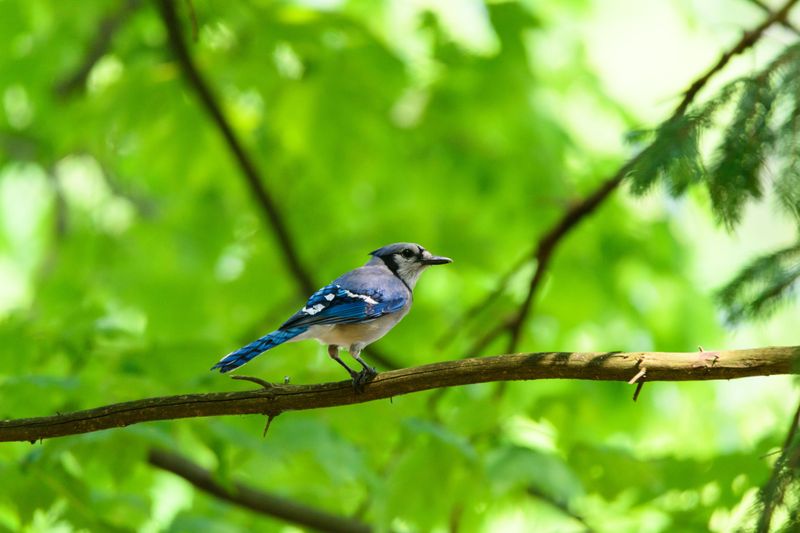
Fresh water is the detail that quietly separates a visited yard from a truly claimed one. Blue jays need fresh water for drinking and bathing every single day, regardless of season.
A birdbath, garden pond, or even a shallow dish on a stump can transform a yard from occasionally visited to consistently occupied. Blue jays are particularly drawn to moving water.
A small solar-powered fountain attachment can dramatically increase traffic. Watching a blue jay bathe is genuinely entertaining.
They splash aggressively, dunking their heads and flapping with total commitment, sending water flying in every direction.
After bathing, they perch nearby to preen, smoothing each feather back into place with careful precision. Clean water also signals something broader about your yard.
A property that maintains a fresh water source tends to have other healthy features too, like good plant diversity, reduced chemical use, and thoughtful maintenance habits.
Birds notice all of it, even when you do not realize you are sending those signals. Stagnant water and algae buildup create real disease risks for local birds, including conjunctivitis and salmonellosis.
Fresh water changed every two to three days is all it takes to keep blue jays coming back reliably.
They Are Alerting Other Wildlife To Predator Danger
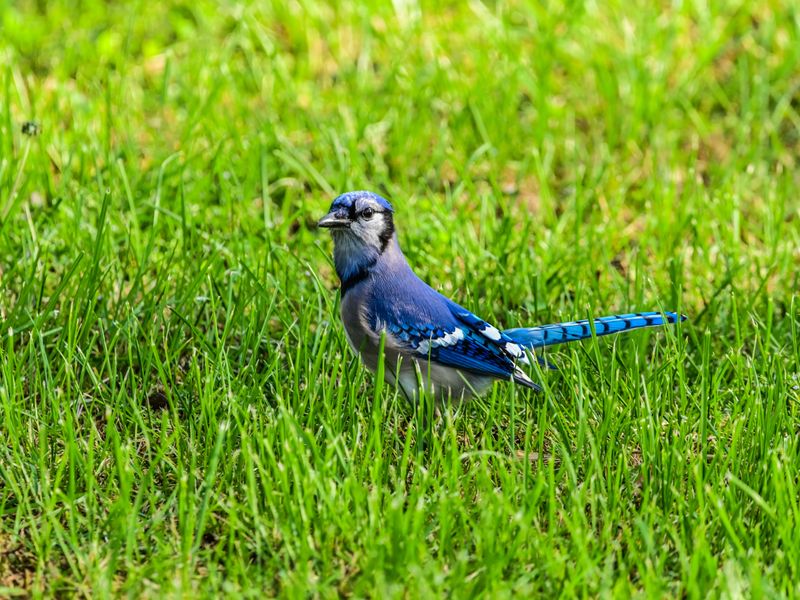
Your yard just gained its own early warning system, and it never clocks out. Few birds are as vocal or as vigilant as blue jays when a predator appears.
They produce a loud, piercing call that carries across an entire neighborhood the moment a hawk, owl, or cat enters their territory.
Other birds, squirrels, and even deer have learned to pay attention to these alarm calls. This behavior is called mobbing, and it is both impressive and a little intimidating to witness.
A group of blue jays will chase a much larger bird of prey, dive-bombing it repeatedly in a bold attempt to push it out of the area.
They are punching well above their weight class, and they know it. Having blue jays in your yard means you have an active early warning system running at no cost.
Smaller songbirds like chickadees and nuthatches genuinely benefit from jay presence. The jays spot threats faster and respond louder than most other species.
Your yard becomes safer for all wildlife when blue jays are part of the mix. This protective role says something positive about your yard’s biodiversity.
A yard with multiple species creating an interconnected community is a functioning mini-ecosystem.
Blue jays are not just visitors. They are active participants in keeping your yard alive and balanced.
Iowa’s Landscape Naturally Supports Blue Jays
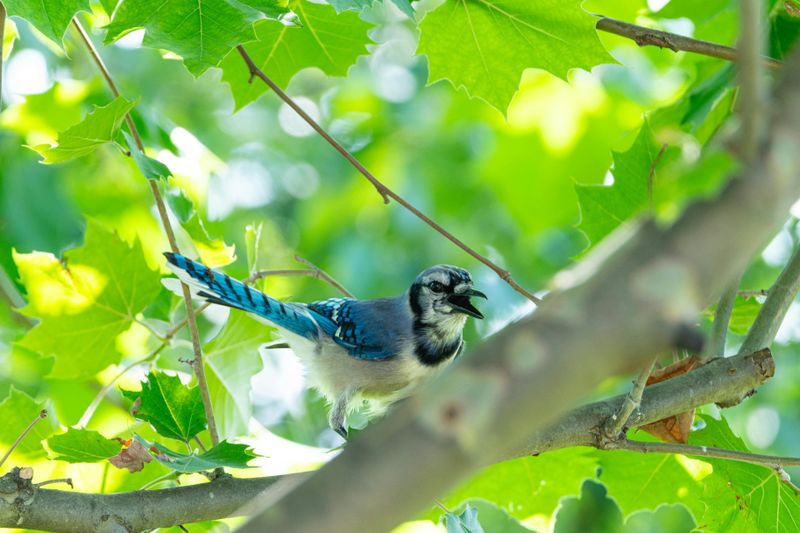
Iowa was practically designed for blue jays, and no one had to plan it that way. The state’s landscape blends open farmland with river timber, suburban tree lines, and patches of native oak-hickory forest.
This combination creates ideal woodland-edge habitat, which is precisely where blue jays thrive. They are not forest-interior birds.
They prefer the boundary zones where trees meet open space, and Iowa has those boundaries everywhere. Native plant communities also play a huge role.
Oak savannas and hickory groves that historically covered much of the state provided the acorn crops blue jays depend on.
Even in modern suburban settings, yards with native oaks and hawthorns are tapping into that deep ecological history. Iowa’s seasons work in blue jays’ favor too.
The dramatic shift from summer abundance to winter scarcity matches perfectly with the jay’s food-caching strategy.
They spend the warm months building reserves and the cold months drawing on them. That rhythm is one the Iowa climate reinforces every single year.
If blue jays are showing up in your yard consistently, you are connected to something larger than a single property.
Your space is part of the broader Iowa landscape that has supported these birds for thousands of years. That is not a small thing. It is genuinely worth celebrating.