What North Carolina Gardeners With Crape Myrtles Need To Know About Japanese Beetle Season
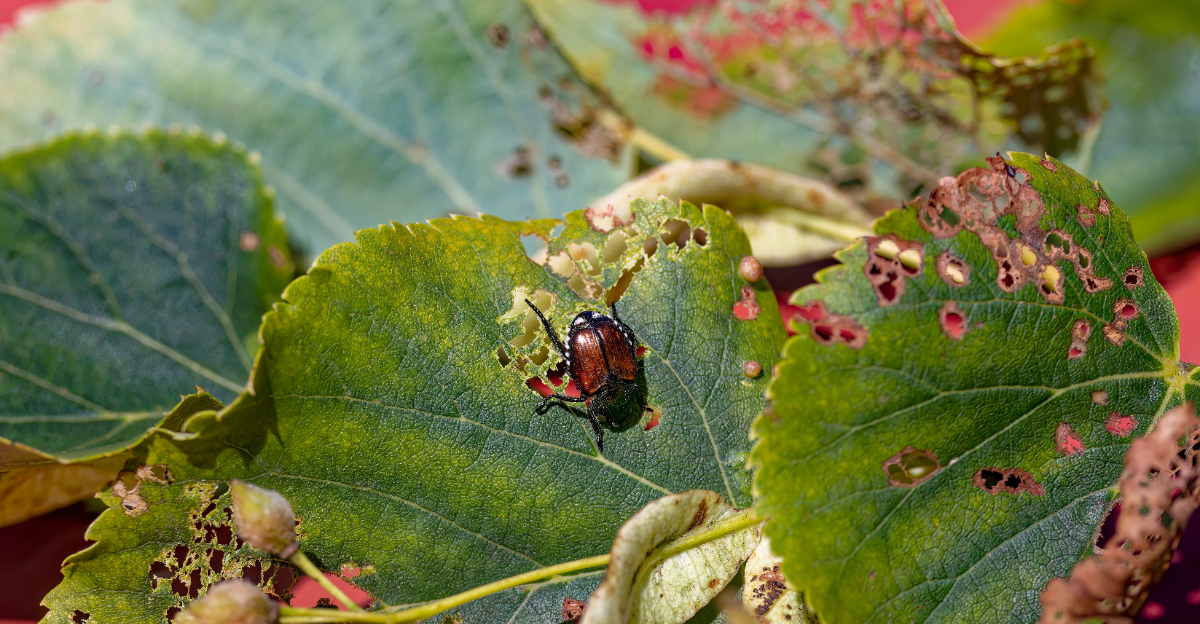
Crape myrtles are already dealing with enough misguided pruning pressure without adding Japanese beetle damage on top of it.
Across North Carolina, beetle season arrives predictably every summer, and crape myrtles are consistently among the most heavily targeted plants in residential landscapes when populations are running high.
The damage happens fast, with foliage and flower clusters taking visible hits within days of beetles arriving in numbers.
What makes crape myrtles particularly vulnerable during this period is a combination of their bloom timing, their foliage texture, and how often they are grown in the kind of open, sunny locations that beetles actively seek out.
Knowing what to watch for and when to act makes a measurable difference in how well your crape myrtles come through the season looking.
1. Japanese Beetles Target Young Leaves And Flowers
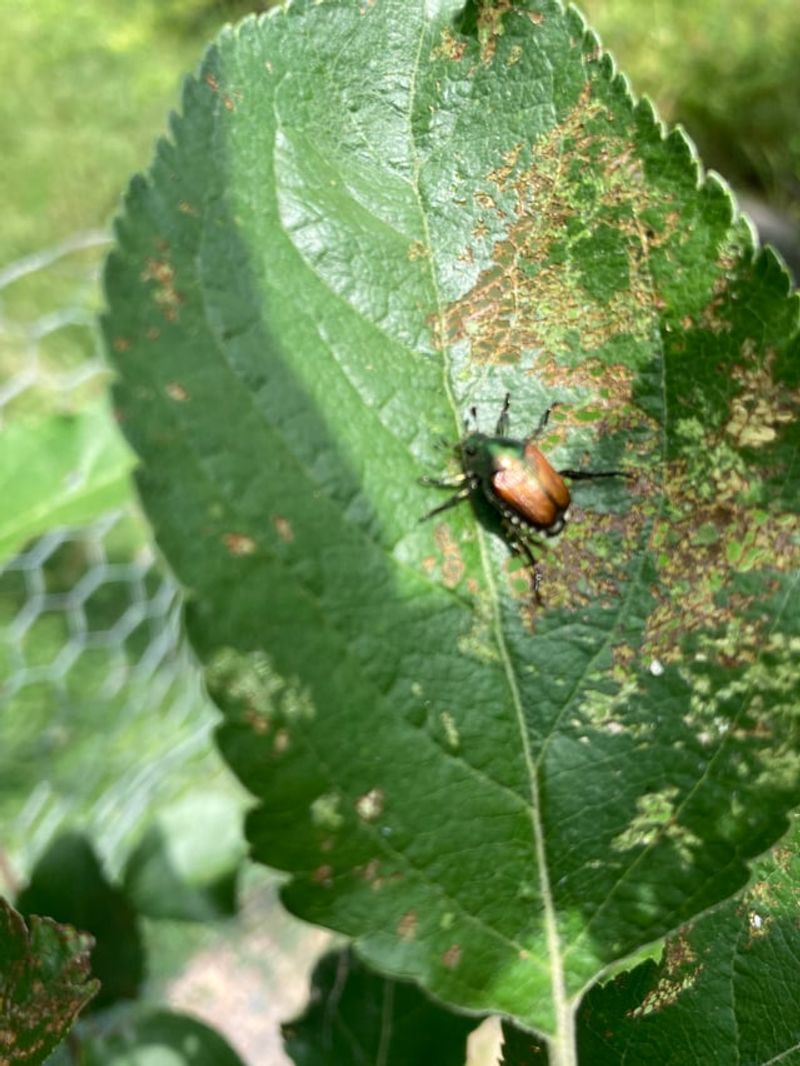
Few things are more frustrating than watching your crape myrtles get chewed up right as they start to bloom. Adult Japanese beetles, known scientifically as Popillia japonica, have a strong preference for the softest, most tender parts of the plant.
Young leaves and developing flower buds are exactly what they are looking for, and crape myrtles offer plenty of both during peak summer growth.
When beetles feed in groups, which they often do, the damage adds up fast. A single cluster of beetles can skeletonize several leaves in just a day or two, leaving behind thin, papery tissue that looks almost lace-like.
This kind of feeding weakens the plant and can noticeably reduce the size and quality of your blooms for the entire season.
Early summer is when you need to be most alert. Beetles typically emerge in North Carolina between late May and early July, and the first few weeks of their activity are when crape myrtles are most vulnerable.
Catching an infestation early gives your plants a much better chance of pushing through with strong, healthy growth. Staying proactive rather than reactive is the smartest approach you can take when protecting your trees during this window.
2. Recognizing The Signs Of Feeding Damage
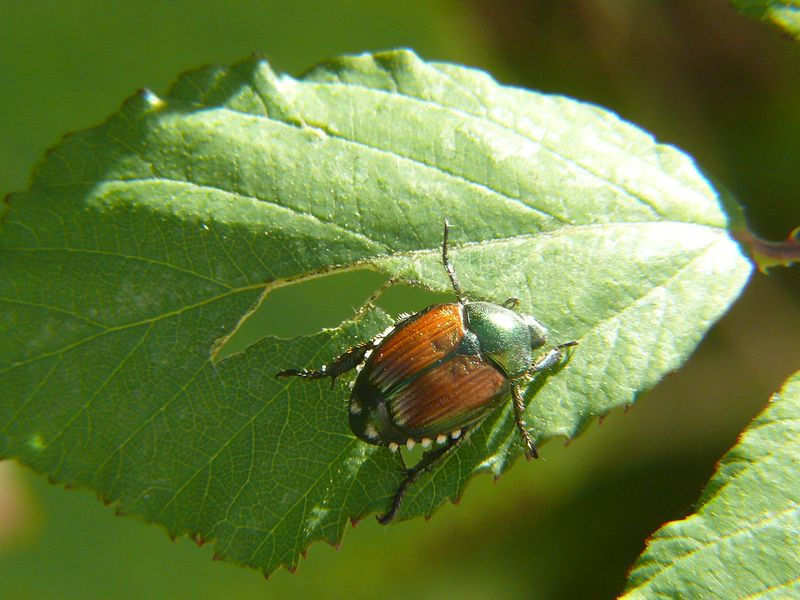
Spotting trouble early starts with knowing exactly what to look for. Japanese beetle damage on crape myrtles has a pretty distinctive look once you know it.
The most common sign is skeletonized leaves, where beetles eat away the soft tissue between the leaf veins, leaving behind a thin, see-through structure. Up close, it almost looks like the leaf was eaten with a tiny fork.
Partially eaten blooms are another clear indicator. Beetles are drawn to flower clusters and will chew through petals and buds before the flowers even fully open.
You might also notice small groups of beetles sitting together on the foliage, since these insects tend to gather in clusters rather than spread out individually across the plant.
One helpful pattern to watch for is that damage usually starts at the top of the crape myrtle first. New growth concentrates at the tips and upper branches, and beetles head straight for that tender material.
If you notice the upper canopy looking ragged or thinned out while the lower leaves still look fine, that is a strong signal that Japanese beetles are already active on your plant.
Your North Carolina Garden Changes Every Week. Your Plan Should Too.
Gardening in North Carolina changes quickly throughout the season. Every Friday you’ll receive a simple weekly plan showing exactly what to plant, prune, fertilize, harvest, and protect so you never miss the right timing.
A quick walk through your garden every few days during June and July can help you catch these signs before the damage spreads too far downward through the tree.
3. Physical Removal Is More Effective Than You Think
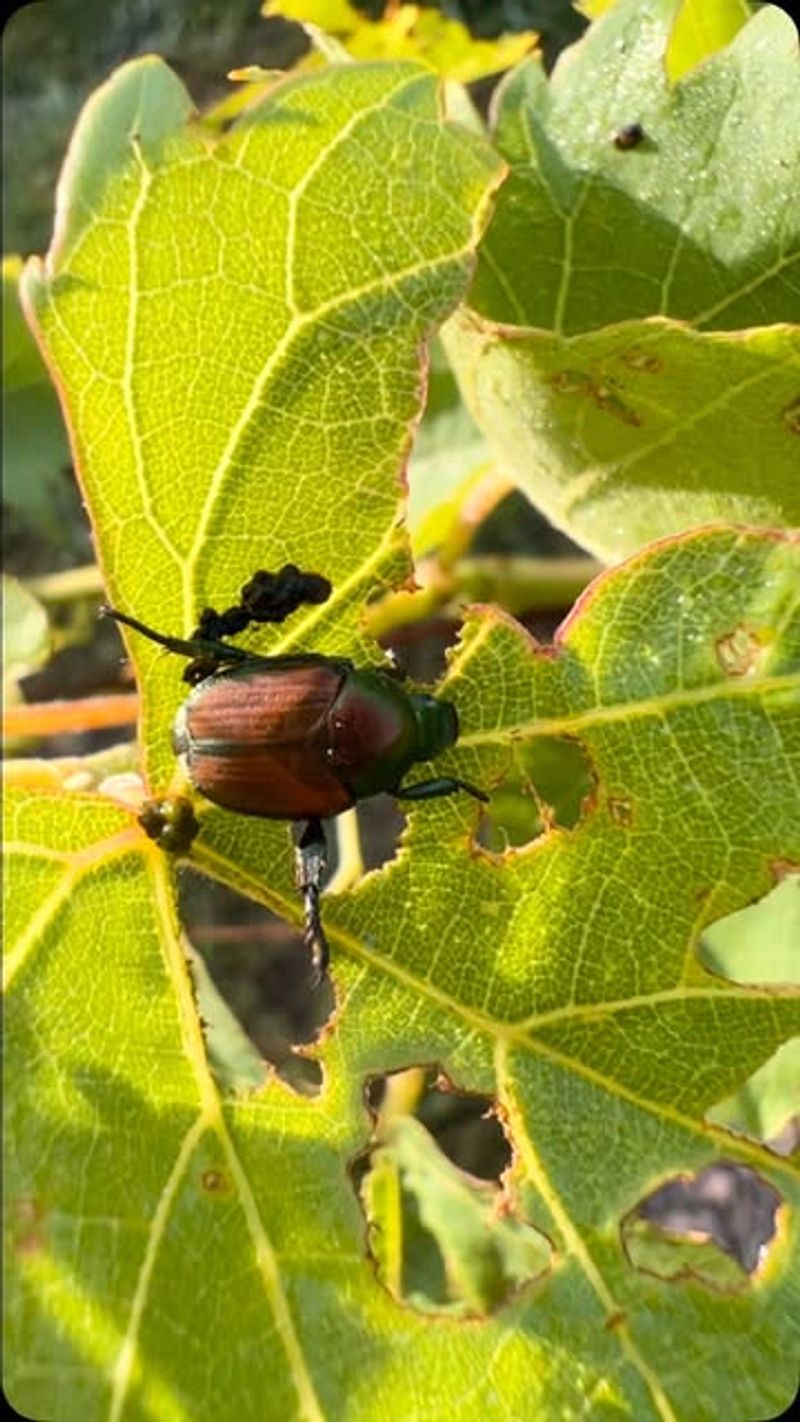
Sometimes the simplest solution is also the best one. Hand-picking Japanese beetles off your crape myrtles might sound tedious, but it is genuinely one of the most effective methods available, especially when you catch an infestation early.
The key is timing. Beetles are significantly less active in the early morning hours when cooler temperatures slow them down, making them much easier to grab or knock off.
A bucket of soapy water is your best friend during this process. Hold the container directly beneath a branch and give it a firm but gentle shake.
The beetles will drop straight in and cannot escape once they hit the soapy surface. You can cover a surprising amount of ground in just fifteen or twenty minutes using this method, and you avoid introducing any chemicals into your garden at all.
For small to medium-sized infestations, physical removal done consistently over several weeks can dramatically reduce beetle pressure on your crape myrtles. The trick is to stay consistent.
Skipping even a few days during peak season gives beetles time to regroup and resume feeding. Some North Carolina gardeners make it part of their morning routine, checking plants before the heat of the day sets in.
It is a low-cost, low-risk strategy that pays off well when you stick with it throughout the season.
4. Trap Crops Can Pull Beetles Away From Crape Myrtles
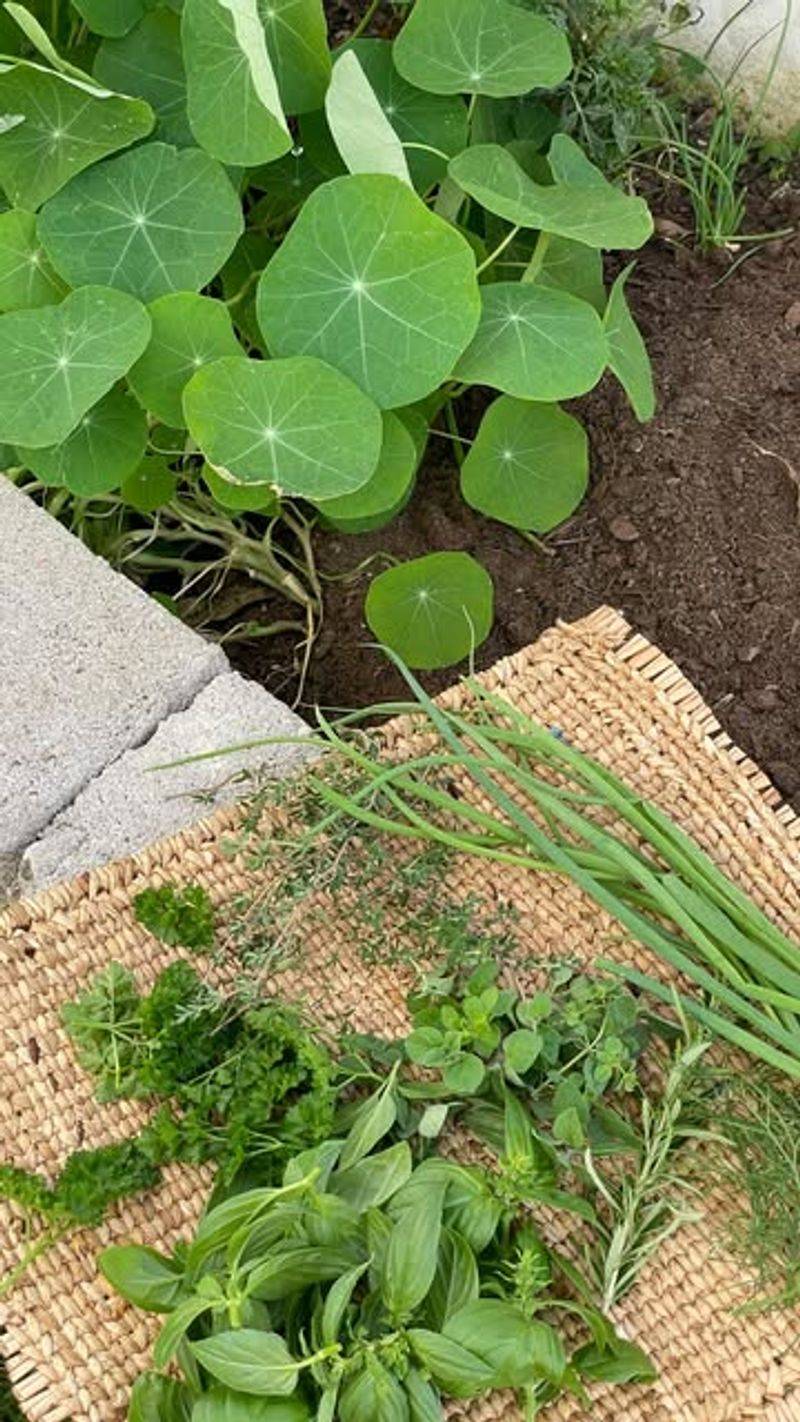
Strategic planting is one of the smartest long-term tools a North Carolina gardener can use against Japanese beetles.
The idea behind trap cropping is simple: you plant something beetles love even more than your crape myrtles nearby, and then you let those plants do the work of drawing beetles away from the trees you really want to protect.
It sounds almost too easy, but it genuinely works when done correctly.
Roses and garden phlox are two of the most beetle-attractive plants you can use for this purpose. Planting small patches of these species at a distance from your crape myrtles gives beetles an irresistible target.
Once beetles concentrate on the trap crop, you can focus your removal efforts in one spot rather than chasing them across your entire yard.
Placement matters quite a bit with this strategy. You want your trap crop to be far enough from the crape myrtles that beetles do not simply move back and forth between both.
Positioning the trap plants at the edge of your property or along a fence line tends to work well. Some gardeners also combine this approach with daily hand removal from the trap crop, which keeps beetle numbers low across the whole garden.
It takes a little planning up front, but the payoff in reduced crape myrtle damage is absolutely worth the effort over the course of a full summer season.
5. Healthy Crape Myrtles Bounce Back Much Faster
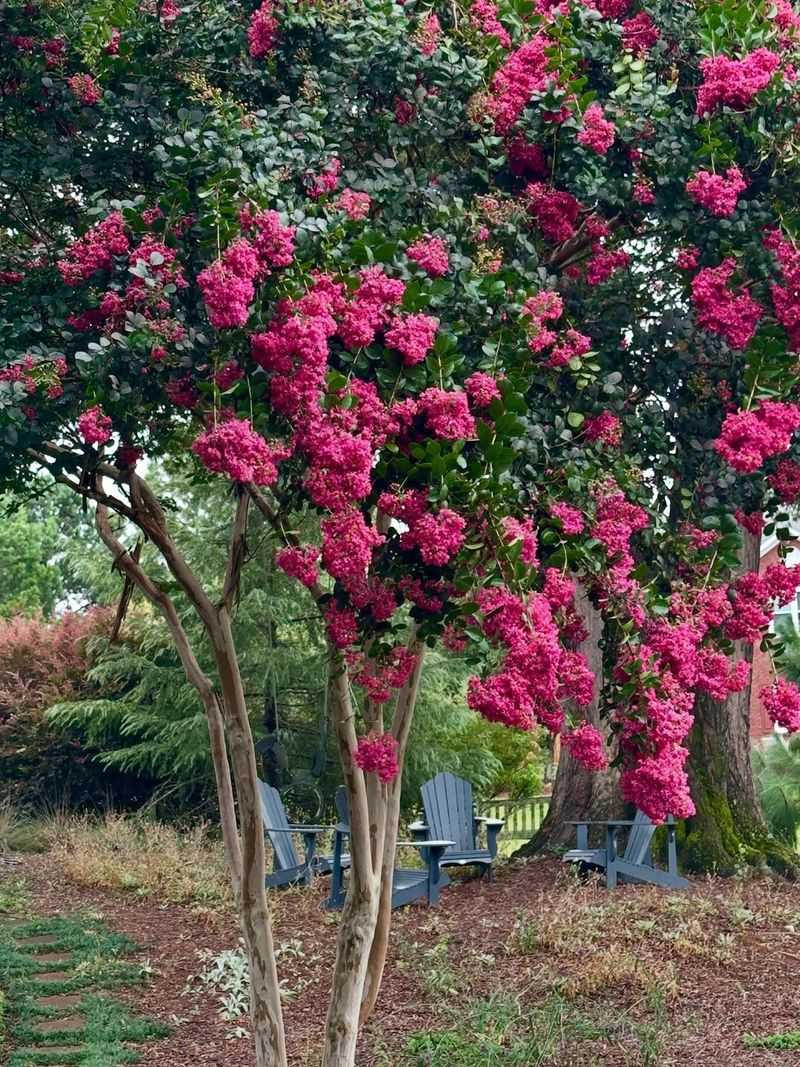
Plant health is one of those factors that gardeners sometimes overlook when dealing with pest pressure, but it matters enormously.
A crape myrtle that is well-fed, properly watered, and growing in good conditions has a much stronger ability to recover from Japanese beetle feeding than one that is already stressed or struggling.
Think of it like the difference between a well-rested person and an exhausted one trying to fight off a cold.
Consistent watering is a great place to start. North Carolina summers can get brutally hot and dry, and crape myrtles under drought stress are far less equipped to push out new growth after beetle damage.
A layer of mulch around the base of each tree helps retain soil moisture, regulates temperature, and supports the kind of steady root health that translates into visible resilience above ground.
Selective pruning also plays a role. Removing crossing branches and dry wood allows air and light to move through the canopy more freely, which encourages stronger new growth.
Avoid the common mistake of heavy topping, which weakens the tree significantly and makes it more susceptible to all kinds of stress.
A crape myrtle that goes into beetle season in strong condition will typically recover with minimal lasting impact, continuing to bloom beautifully even after a moderate infestation has passed through your garden.
6. Beneficial Insects Are Natural Allies In Your Garden
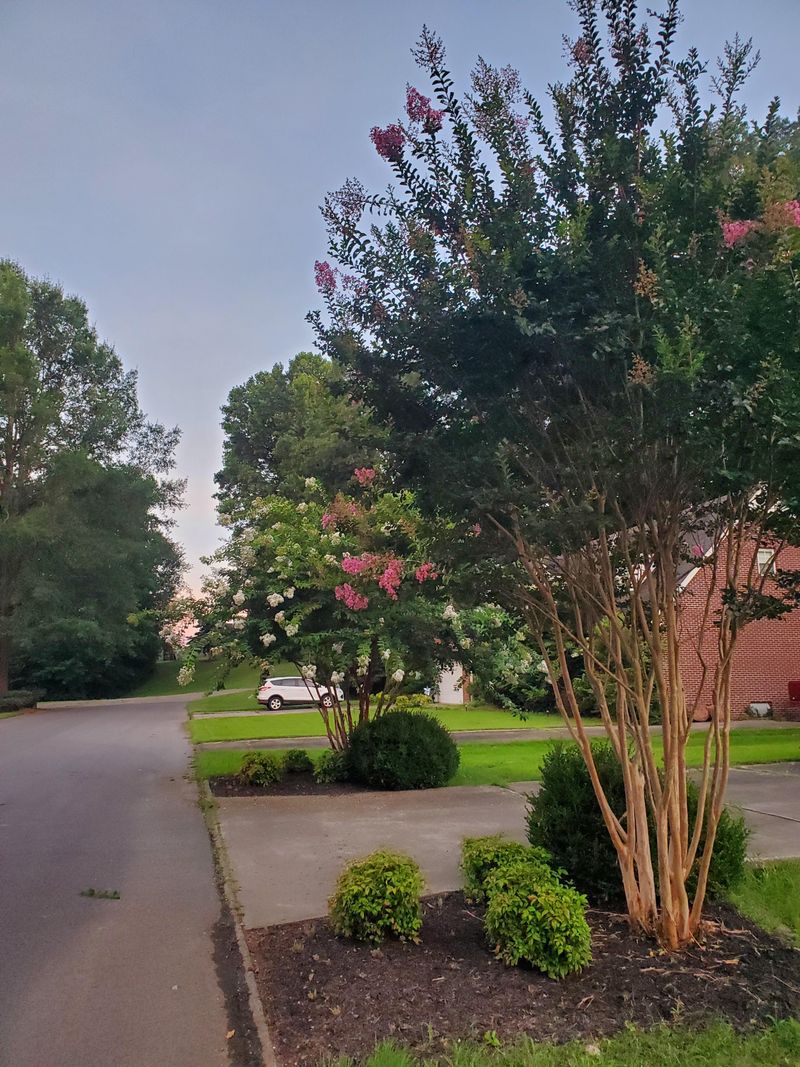
Nature already has a built-in system for managing pest populations, and you can tap into it with just a little encouragement. Certain insects, including parasitic wasps, ground beetles, and tachinid flies, are natural predators of Japanese beetles and their larvae.
Birds, especially starlings and robins, also feed actively on beetles when populations are high. The more you support these beneficial creatures, the less work you have to do yourself.
Planting nectar-rich and pollen-rich companion plants near your crape myrtles is one of the best ways to attract and retain these helpful species.
Lavender, marigolds, zinnias, and native wildflowers all draw in beneficial insects that help keep pest populations balanced.
A diverse garden is a healthier garden, and that diversity creates a natural web of pest control that works around the clock without any effort from you.
Avoiding broad-spectrum insecticides is equally important here. Many chemical sprays harm beneficial insects just as much as they affect Japanese beetles, and wiping out your natural allies can actually make pest problems worse over time.
If you choose to use any treatments, look for targeted options that are less disruptive to the broader insect community.
Supporting beneficial insects is a long-game strategy, but over multiple seasons it can genuinely reduce the beetle pressure your crape myrtles face each summer in North Carolina.
7. Surrounding Plants Deserve Your Attention Too
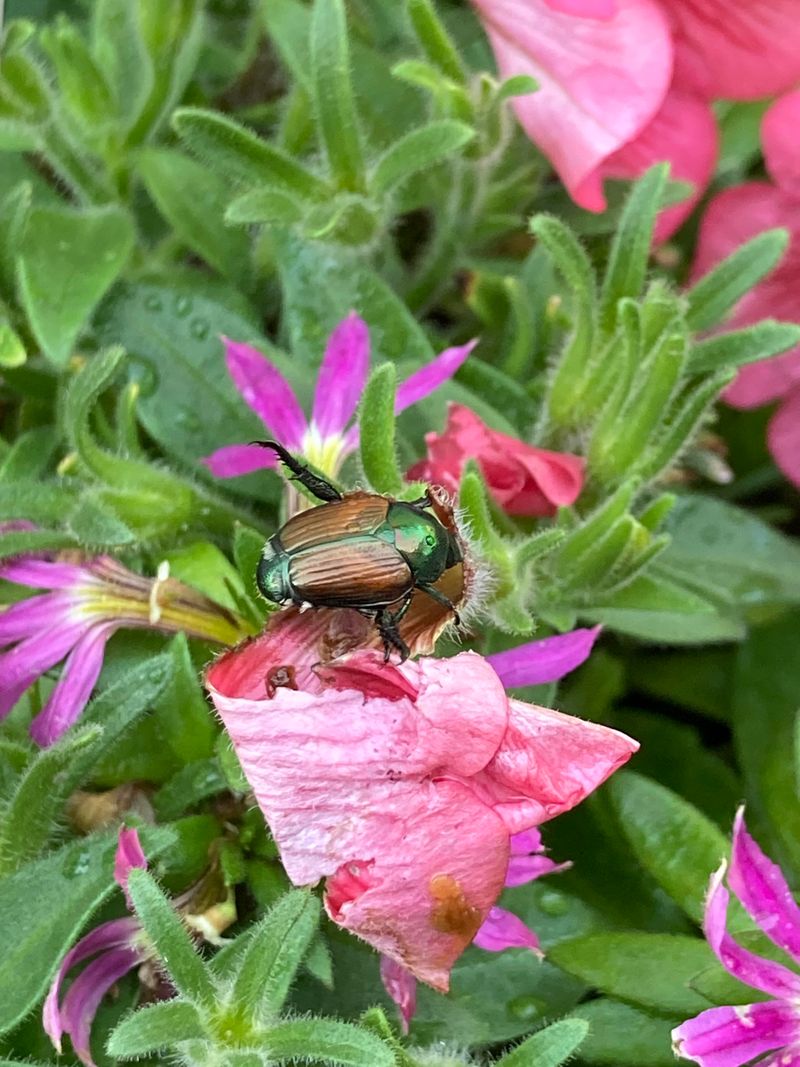
Japanese beetles are not picky eaters. They feed on over 300 species of plants, which means your crape myrtles are just one item on a very long menu.
Roses, grapes, linden trees, birch, and even some fruiting plants are all highly attractive to beetles. If you have any of these growing near your crape myrtles, they can act as a bridge that brings beetle populations right into the heart of your garden.
Making a habit of inspecting surrounding plants is a practical way to stay ahead of the problem.
When you spot beetles clustered on a nearby rose bush or chewing through a linden leaf, you know they are already in your yard and likely moving toward your crape myrtles.
Early interception on these plants gives you a chance to reduce numbers before the beetles spread further.
Keeping a mental or written map of which plants in your yard tend to attract beetles first can actually be a useful planning tool. Over time, you start to see patterns in where beetles appear earliest each season.
That information helps you focus your monitoring efforts on the right spots at the right times.
Paying attention to your whole garden rather than just your crape myrtles gives you a much broader and more effective line of defense against Japanese beetle activity throughout the entire summer growing season in North Carolina.
8. Consistent Weekly Checks Make A Real Difference
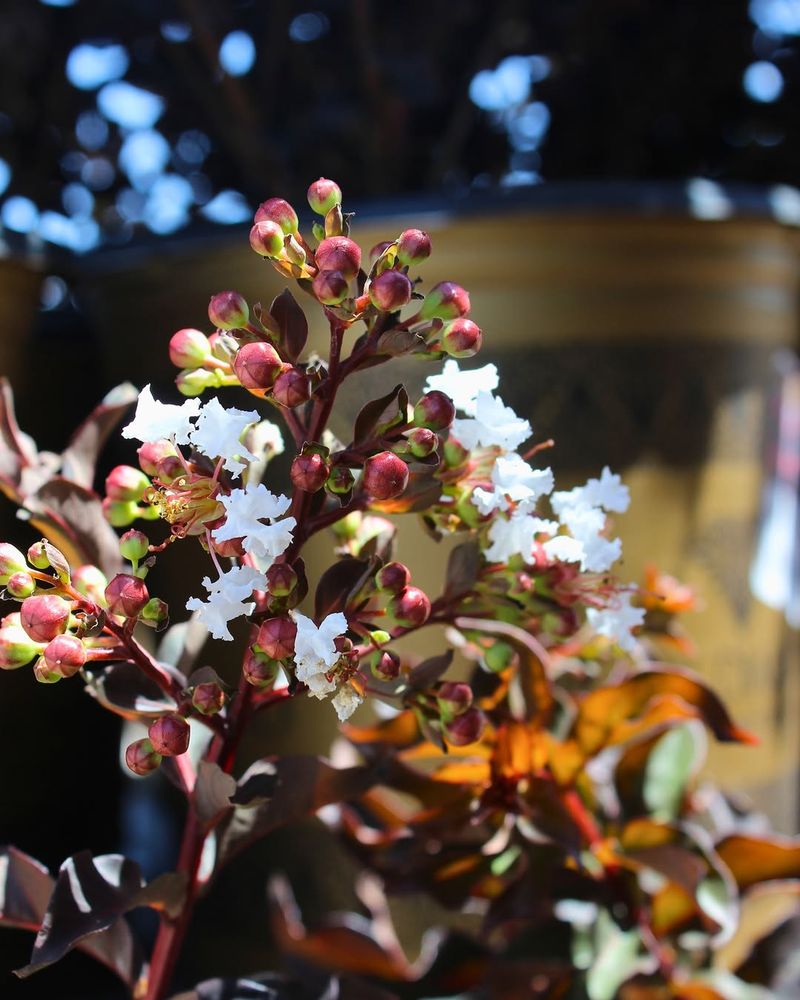
There is no single treatment or trick that replaces the value of simply showing up and paying attention.
During June, July, and August, making a habit of checking your crape myrtles at least once a week gives you an enormous advantage over any infestation before it builds momentum.
Early detection is genuinely the most powerful tool available to home gardeners, and it costs nothing but a little time.
During your checks, look at the upper canopy first since that is where beetles typically start. Scan the foliage for skeletonized leaves, check flower clusters for feeding damage, and look for any visible beetle clusters resting on branches or stems.
A quick five-minute walk-through done consistently each week will catch problems far earlier than a thorough inspection done only once a month.
Keeping a simple garden journal during beetle season can also be surprisingly helpful. Jotting down when you first spotted beetles, how many plants were affected, and what methods you used gives you a reference point for next year.
North Carolina gardeners who track this kind of information year after year get better and better at anticipating beetle pressure and responding quickly.
Over time, your garden becomes more resilient not just because of what you plant, but because of how closely and consistently you pay attention to what is happening in it each and every week.