The Most Underrated Michigan Groundcover That Chokes Out Invasives Before They Spread
Invasive plants do not wait for an invitation. They move into bare soil, thin turf, and neglected bed edges with speed and consistency that most garden maintenance routines struggle to keep up with.
The most effective strategy available to Michigan gardeners is not reactive. It is filling those vulnerable spaces with something that establishes quickly, spreads deliberately, and simply does not leave room for invasives to gain any foothold.
One native groundcover does this better than almost anything else available in the state, and it remains genuinely underused despite being well adapted to Michigan soils, shade tolerance requirements, and cold winter conditions.
Gardeners who have added it to problem areas consistently report that the invasive pressure in those spots drops off dramatically within just a couple of seasons.
1. Wild Ginger
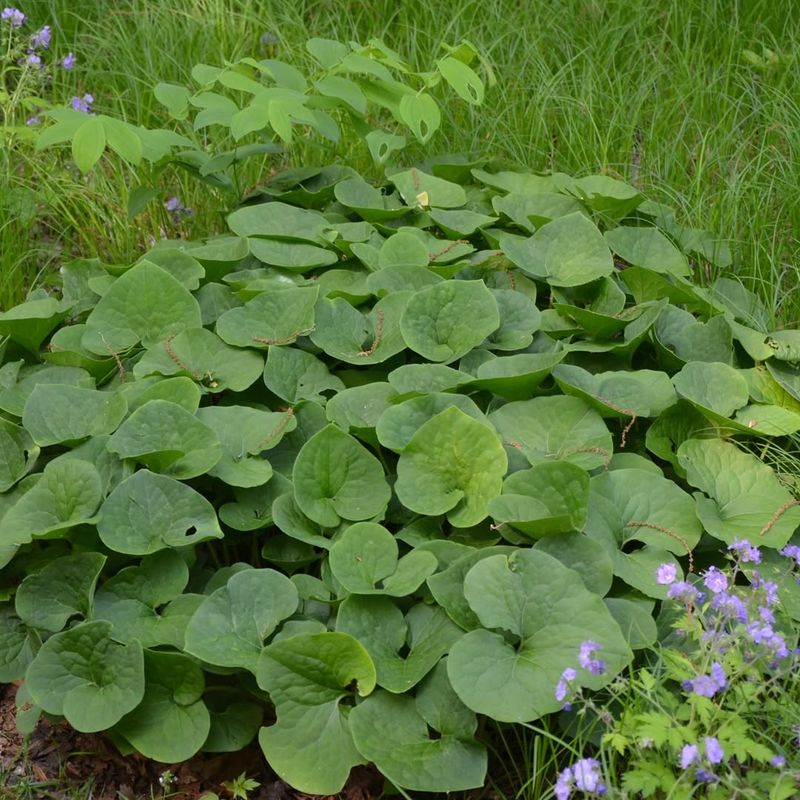
Native plant enthusiasts in Michigan have a quiet secret, and its name is Asarum canadense. Wild ginger is a low-growing perennial that hugs the ground with broad, heart-shaped leaves, forming a dense carpet that shades the soil beneath it.
That shade is the key to everything. When sunlight cannot reach the ground, invasive seedlings simply cannot establish themselves.
Wild ginger is native to the eastern United States and has been part of woodlands for thousands of years. It grows only about six inches tall, which makes it a perfect fit for areas where you want coverage without visual clutter.
The leaves are soft, slightly fuzzy, and deep green, giving any shaded garden bed a lush, finished look throughout the growing season.
What makes this plant so effective against invasives is its ability to create a continuous, unbroken layer of foliage. Invasive species like garlic mustard and Japanese barberry seedlings need light to germinate.
Wild ginger cuts off that light supply before the problem even begins. It is a proactive defense strategy built right into the plant itself.
Michigan gardeners dealing with recurring invasive plant problems often spend hours pulling weeds every season. Wild ginger offers a smarter approach.
Plant it once, give it time to settle in, and watch it quietly take over the space in the best possible way.
It works with the natural ecosystem rather than against it, making it one of the most ecologically responsible choices any homeowner can make for their landscape.
2. Thrives In Shade
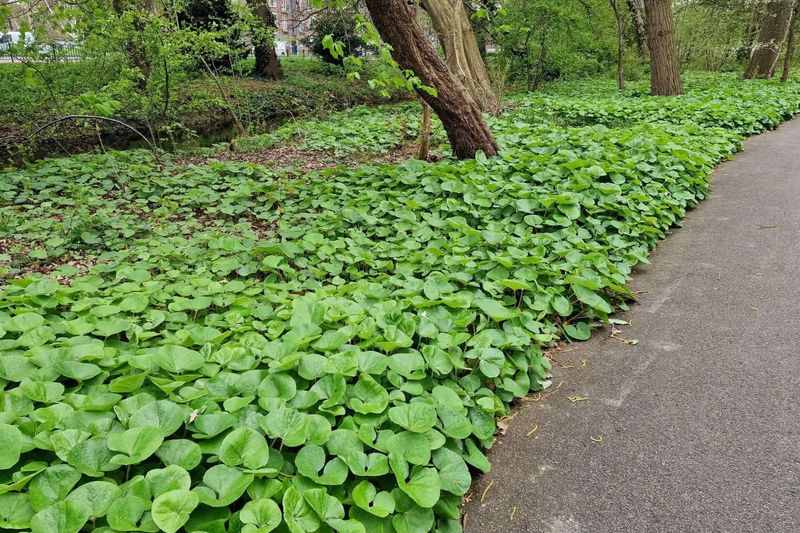
Most plants sulk in the shade. Wild ginger absolutely thrives in it.
Partial to full shade is where this plant feels most at home, and that is great news for homeowners who struggle with dark spots under trees, along north-facing fences, or in those tricky shaded borders where nothing else seems to grow well.
Shaded areas are actually prime real estate for invasive plants. Garlic mustard, for example, is one of Michigan’s most aggressive invasives, and it loves shady woodland edges.
By planting wild ginger in those same spots, you are essentially putting a native plant in direct competition with the invaders, and wild ginger wins by simply being there first and staying thick.
The plant’s preference for shade also means it pairs beautifully with other woodland natives like trilliums, ferns, and hostas. You can build an entire layered woodland garden that is both stunning and ecologically sound.
Your Michigan Garden Changes Every Week. Your Plan Should Too.
Gardening in Michigan changes quickly throughout the season. Every Friday you’ll receive a simple weekly plan showing exactly what to plant, prune, fertilize, harvest, and protect so you never miss the right timing.
Wild ginger acts as the ground layer, filling in the spaces between taller plants and preventing bare soil from becoming a weed magnet.
One practical tip for Michigan gardeners: the deeper the shade, the more slowly wild ginger will spread, but it will still hold its ground. In areas with dappled light filtering through a tree canopy, growth picks up noticeably.
Either way, it remains healthy and dense enough to do its job. Shady problem spots in your yard just met their match, and the solution grows right here in Michigan’s native plant palette.
3. Spreads Slowly But Steadily
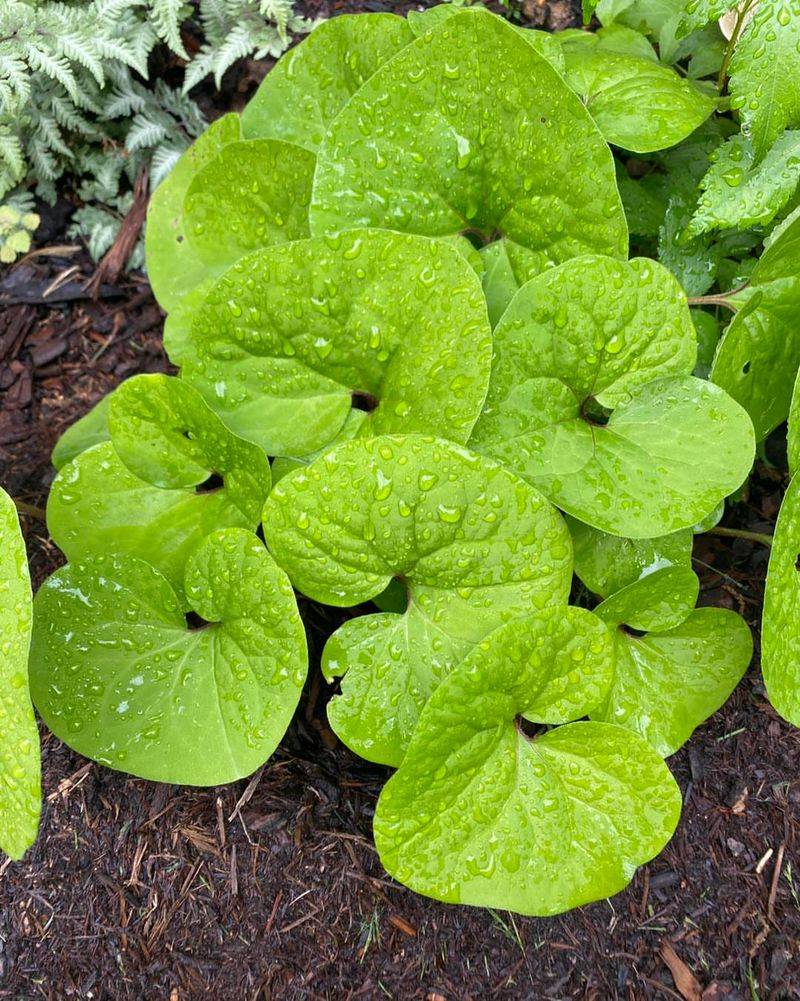
Patience pays off with wild ginger. Unlike aggressive groundcovers that take over everything in sight, wild ginger spreads through underground rhizomes at a pace that feels almost thoughtful.
It fills in gaps gradually, year by year, without ever jumping fences or crowding out the plants you actually want to keep.
That rhizomatous growth habit is what makes it such a reliable long-term solution for Michigan gardens. Each season, the plant extends its network of roots outward, sending up new leaf clusters that thicken the existing coverage.
Over three to five years, a small planting can fill an entire shaded bed, creating a seamless carpet that looks completely natural and requires almost no intervention from you.
The slow spread is actually a feature, not a flaw. It gives Michigan gardeners full control over where the plant goes.
You can direct its growth by planting plugs strategically, spacing them about a foot apart to encourage faster coverage, or farther apart if you prefer a slower, more gradual fill.
Either way, wild ginger stays where you put it and expands outward in a predictable, manageable way.
Invasive plants, by contrast, spread rapidly and unpredictably, often overwhelming native species before homeowners even notice.
Wild ginger’s steady expansion creates a stable, native ground layer that is genuinely hard for invasives to penetrate once established.
Think of it as a slow but determined team player, quietly claiming territory season after season and making your garden more resilient with every passing year.
4. Evergreen Foliage For Year-Round Coverage
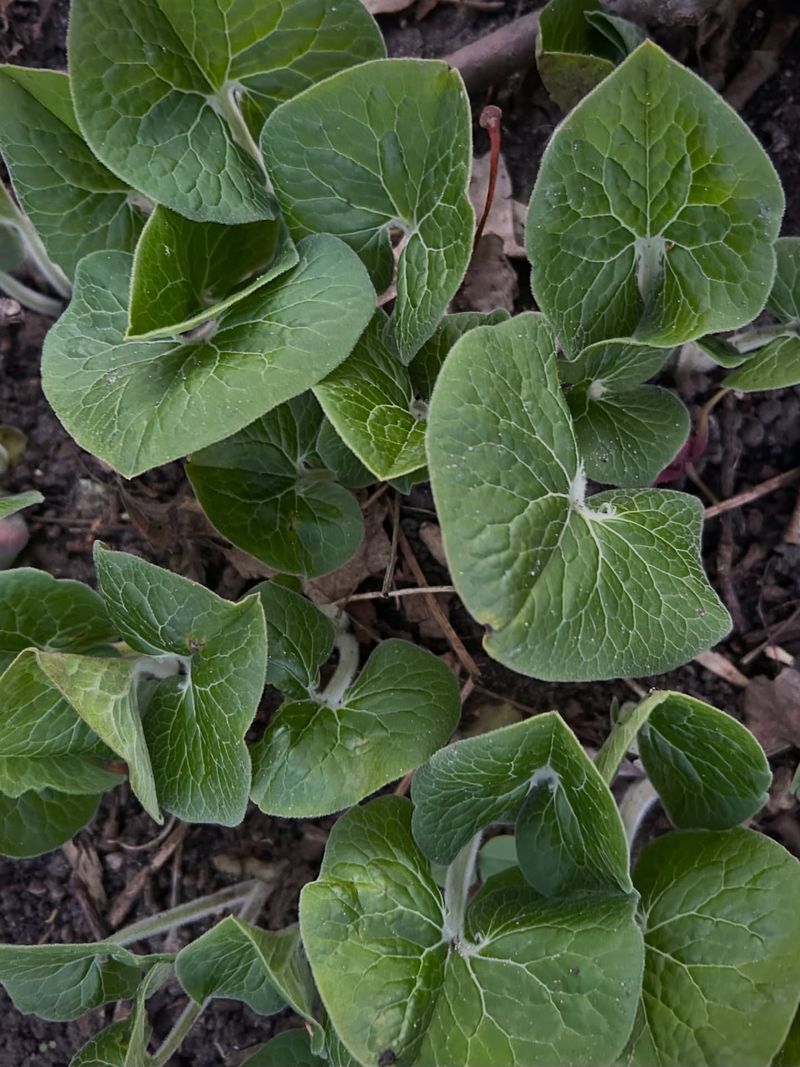
Year-round coverage is one of wild ginger’s most underappreciated qualities.
In Michigan, where winters can be long and bare soil is vulnerable to weed seedling germination during the shoulder seasons, having a plant that keeps its leaves through fall and into early winter is a genuine advantage.
Wild ginger holds its foliage longer than most perennials, giving your garden continuous protection.
The leaves stay green and functional well into autumn, which is exactly when many invasive plants drop seeds that need to find bare soil to germinate.
By keeping the soil covered during this critical window, wild ginger acts as a physical barrier that stops those seeds from ever making contact with the ground.
It is a natural weed prevention strategy that works around the clock without any effort from you.
Come spring, the old leaves may look a little weathered, but new growth emerges quickly to replace them. There is rarely a gap in coverage, which means the soil stays shaded and protected almost continuously throughout the year.
For Michigan gardeners dealing with persistent weed pressure, that consistency is incredibly valuable.
Wild ginger’s evergreen tendency also means less cleanup work in the fall. Many perennials require cutting back, raking, or mulching to protect bare soil over winter.
With wild ginger, the plant handles that job itself. The leaves naturally insulate the soil, regulate moisture, and keep the ground from freezing as hard or as fast.
It is one of those plants that genuinely makes your gardening life easier the longer you grow it.
5. Deer And Rabbit Resistant
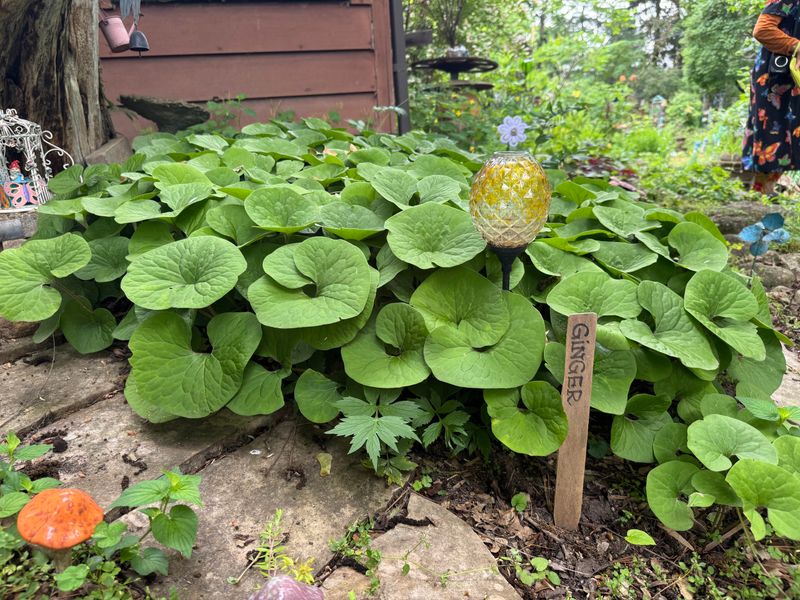
Anyone who has watched a deer wander through their carefully planted garden bed knows the frustration. You plant something beautiful, and by morning it is gone.
Wild ginger sidesteps this problem entirely. The plant contains aromatic compounds in its foliage that deer and rabbits find deeply unappealing, which means they consistently leave it alone even when other nearby plants get nibbled.
For Michigan homeowners in suburban and rural areas, deer pressure is a real and ongoing challenge. Planting a groundcover that deer actively avoid means you are building a garden feature that stays intact season after season.
The dense, uninterrupted coverage wild ginger provides is only possible because the local wildlife respects its boundaries, which is not something you can say about hostas or tulips.
Rabbits, which tend to graze low to the ground and can devastate young groundcover plantings, also give wild ginger a pass. The aromatic oils in the leaves seem to signal to small mammals that this is not a worthwhile snack.
That protection is especially helpful during the establishment phase, when young plants are most vulnerable and damage can set back coverage significantly.
The resistance comes from aristolochic acid and other naturally occurring compounds in the plant.
While these compounds make wild ginger unpalatable to browsing animals, they do not harm beneficial insects or soil organisms in any meaningful way at normal garden concentrations.
So you get the protection without any ecological trade-offs. For Michigan gardeners tired of replanting the same spots every spring, wild ginger is a genuinely refreshing change of pace.
6. Low Maintenance Once Established
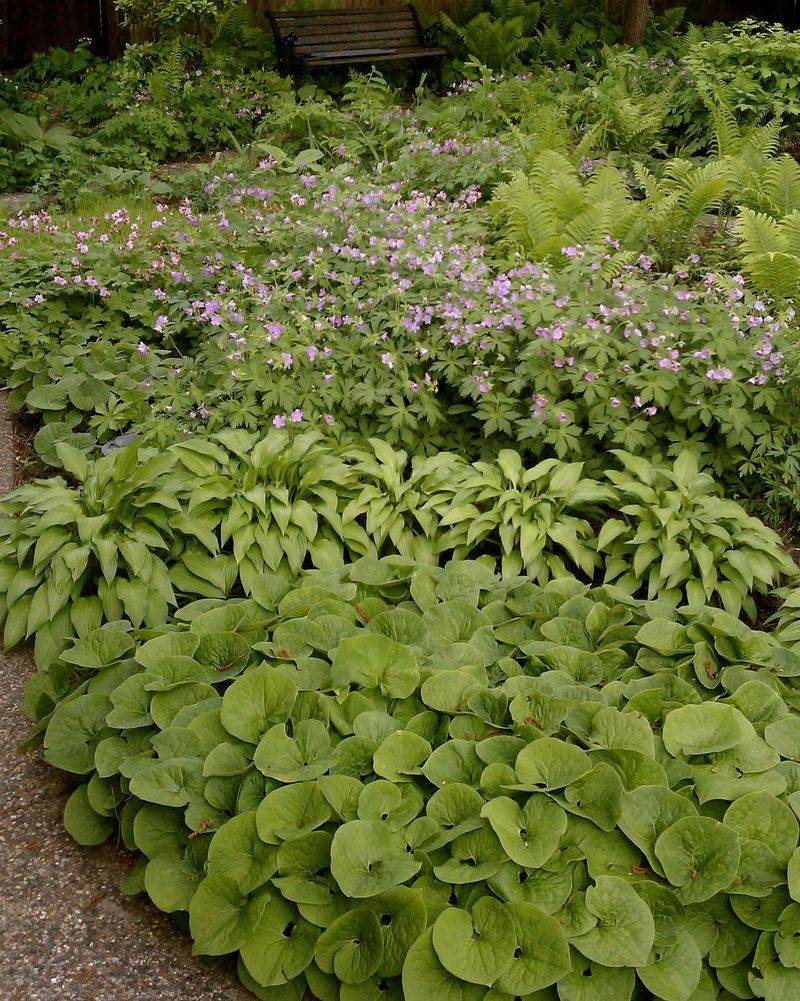
Few plants reward patience as generously as wild ginger does. The first season after planting, it may seem like nothing is happening.
The plants sit quietly, putting energy into root development rather than visible top growth. But once those roots establish themselves in Michigan’s soil, wild ginger shifts into a mode that most gardeners dream about: almost complete self-sufficiency.
Watering needs drop significantly after the first growing season. Wild ginger is adapted to natural rainfall patterns and the moisture-retaining conditions found under tree canopies.
In most established plantings, supplemental watering is only necessary during extended dry spells in summer. No fertilizer is needed either, since the plant thrives in the naturally enriched soil of shaded garden beds.
Planting guidance matters most in that first year. Space plugs or divisions about ten to twelve inches apart in well-amended, slightly acidic soil.
A layer of leaf mulch at planting helps retain moisture and mimics the woodland floor conditions wild ginger prefers. Water consistently for the first few months while roots settle in, and then step back and let the plant do its thing.
Pruning, dividing, and spraying are not part of the wild ginger routine. Once it fills in, the main job is simply enjoying the results.
Compared to the constant upkeep required to manage invasive weeds by hand, the investment in wild ginger pays back many times over.
Michigan gardeners who have made the switch often say they wish they had planted it years earlier, and that reaction is completely understandable.
7. Enhances Soil Health
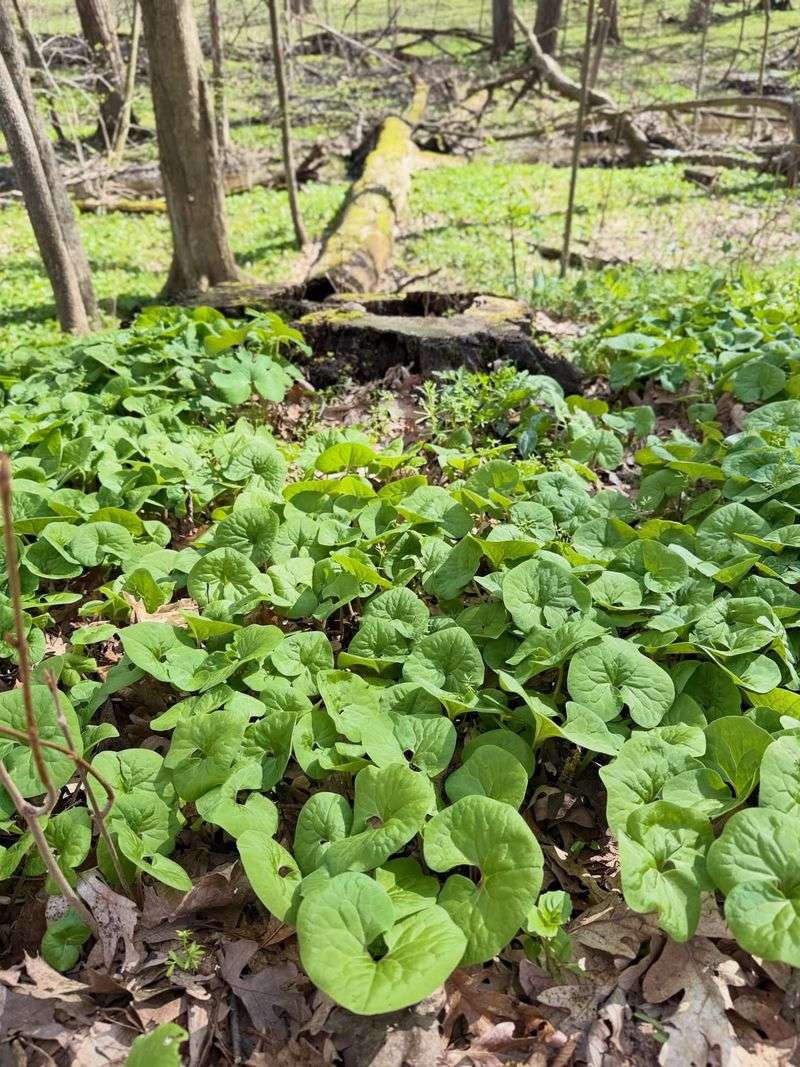
Healthy soil is the foundation of any thriving garden, and wild ginger contributes to that foundation in a meaningful way. As the older leaves naturally break down over time, they add organic matter directly to the soil surface.
That decomposing material feeds the microbial communities living in the soil, which in turn improve soil structure, water retention, and nutrient availability for all nearby plants.
Michigan soils vary widely across the state, from sandy soils in the west to clay-heavy soils in other regions. Wild ginger adapts well to a range of these conditions, but it consistently improves the soil it grows in over time.
The leaf litter it produces acts like a slow-release organic mulch, gradually breaking down and enriching the top layer of soil without any effort from the gardener.
Better soil health also means a less hospitable environment for invasive weeds. Many aggressive invasive plants actually prefer disturbed, compacted, or nutrient-poor soils.
As wild ginger improves the soil ecosystem beneath it, the conditions become increasingly favorable for native plants and increasingly unfavorable for the invasives trying to move in.
It is a self-reinforcing cycle that works in your favor the longer the planting matures.
Earthworms, fungi, and beneficial bacteria all respond positively to the organic matter wild ginger generates. A thriving soil food web supports stronger plant growth across the entire garden bed.
For Michigan homeowners interested in sustainable, chemical-free gardening, wild ginger offers a living, breathing soil improvement system that keeps working season after season with zero input required from you.
8. Attracts Beneficial Insects
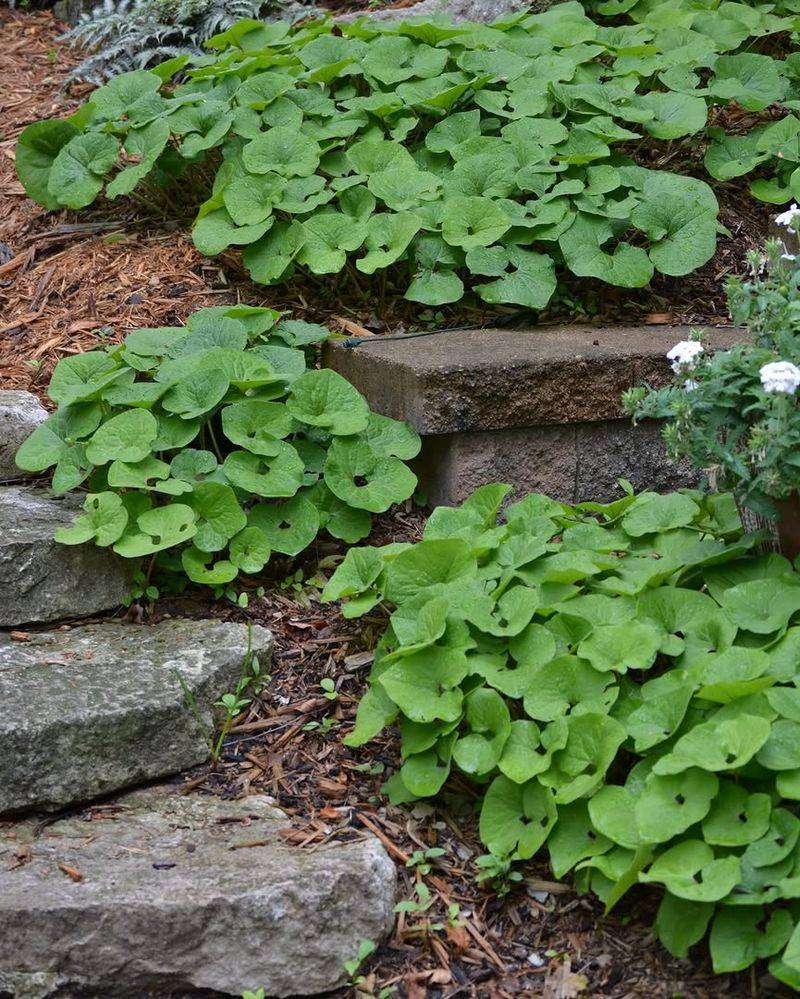
Hidden beneath those broad, heart-shaped leaves is one of the most fascinating features of wild ginger: a small, reddish-brown flower that blooms close to the ground in early spring. Most people never even notice it, but certain insects do.
Ground-level beetles and small native flies find these blooms and use them as an early-season food source, making wild ginger an unexpected contributor to garden biodiversity.
Beyond the flowers, the dense foliage of wild ginger creates a sheltered microhabitat at ground level. Beneficial insects like ground beetles, which actively hunt invasive plant pests and other garden nuisances, take up residence beneath the leaf canopy.
Spiders, rove beetles, and other predatory arthropods also favor the moist, shaded conditions wild ginger provides, adding another layer of natural pest management to your garden ecosystem.
For Michigan gardeners trying to build a more balanced and resilient yard, integrating wild ginger into borders and woodland edges supports the kind of insect diversity that keeps the entire garden healthier.
Pollinators and beneficial predators need habitat just as much as they need food sources, and wild ginger delivers that habitat in a compact, low-growing package that fits almost anywhere.
Pairing wild ginger with other native plants like native violets, bloodroot, or Jack-in-the-pulpit creates a layered woodland garden that supports a wide range of beneficial species.
The result is a garden that manages itself more naturally, requires fewer chemical interventions, and looks genuinely beautiful through every season.
Wild ginger may be the quietest plant in your yard, but its impact on the surrounding ecosystem is anything but small.